Explore our elite portfolio of spinal fusion constructs, trauma plates, and arthroplasty kits fabricated in our state-of-the-art facility.
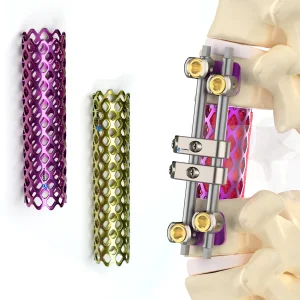
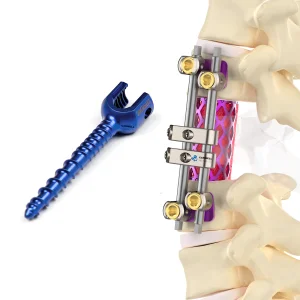
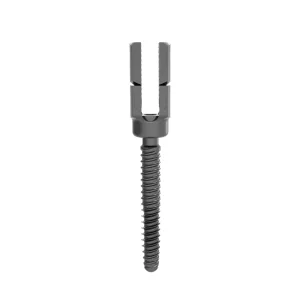
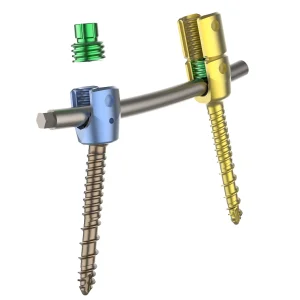
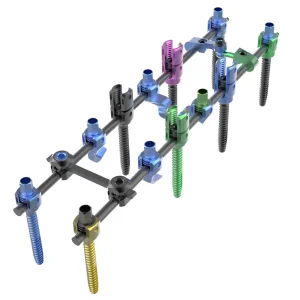
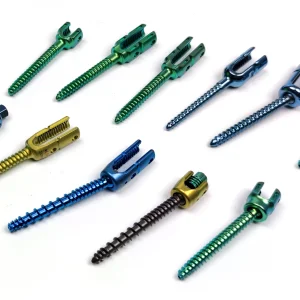
The global spinal implants market has experienced rapid expansion due to demographical shifts—principally the aging global population and the corresponding increase in degenerative disc disease, spondylolisthesis, and spinal stenosis. Pedicle screw fixation remains the gold standard in spinal arthrodesis, facilitating stability across the cervical, thoracic, and lumbar spine.
Technological advancement is driving the industry toward Minimally Invasive Surgery (MIS) configurations. MIS systems minimize muscle disruption, decrease intraoperative blood loss, and shorten recovery times. As a result, global procurement pipelines are pivoting toward low-profile, high-angulation polyaxial screws capable of being introduced over guide wires (cannulated structures) with integrated reduction tabs.
B2B buyers, including medical device distributors, GPOs, and orthopedic hospitals, mandate strict regulatory compliance (EU MDR, FDA clearance) alongside highly resilient material sourcing. Pedicle screws must withstand cyclic loading exceeding 5 million cycles without mechanical failure to ensure long-term stability.
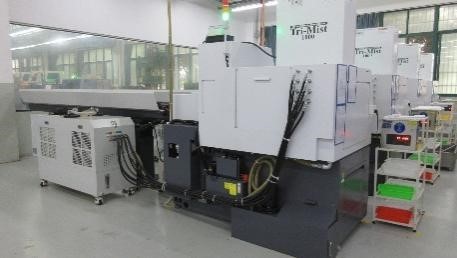
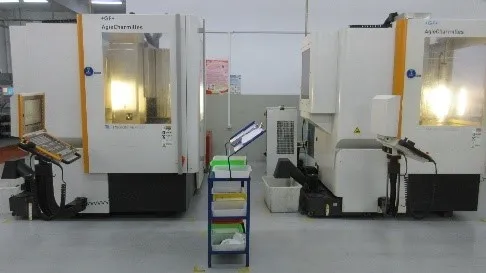
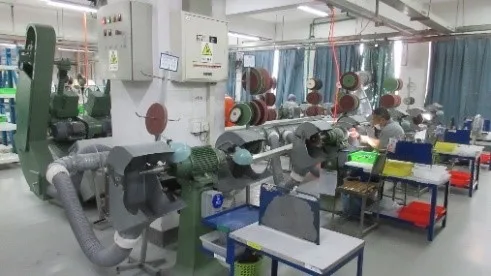
Leveraging vertically integrated production, premium Swiss machining, and stringent quality control protocols.
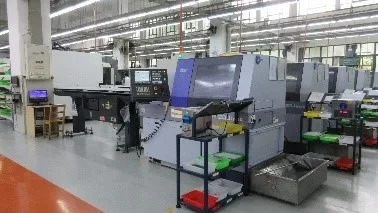
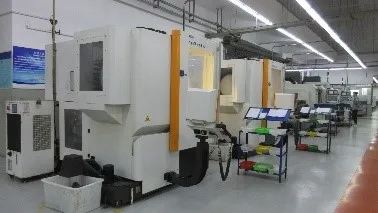
Utilizing imported multi-axis Swiss Tornos CNC sliding headstocks to achieve tolerances down to ±0.005mm. This guarantees the concentricity of cannulated screws and precise threading of the saddle head.
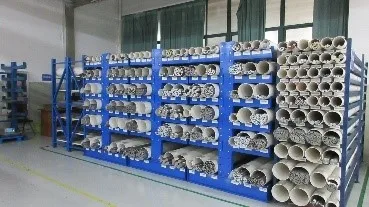
Exclusively processing ISO 5832-3 compliant Titanium Grade 5 (Ti-6Al-4V ELI) alloy. Our raw materials feature low interstitial elements, optimizing ductility, fatigue limit, and biocompatibility.
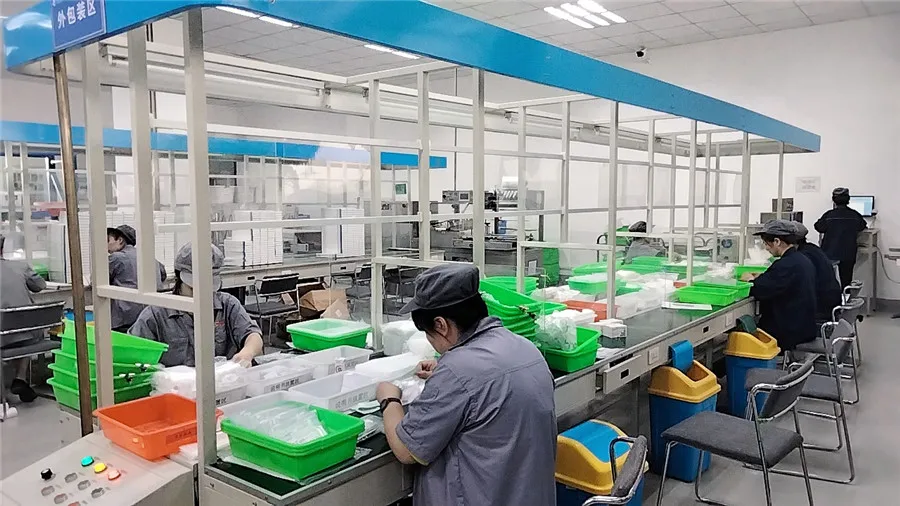
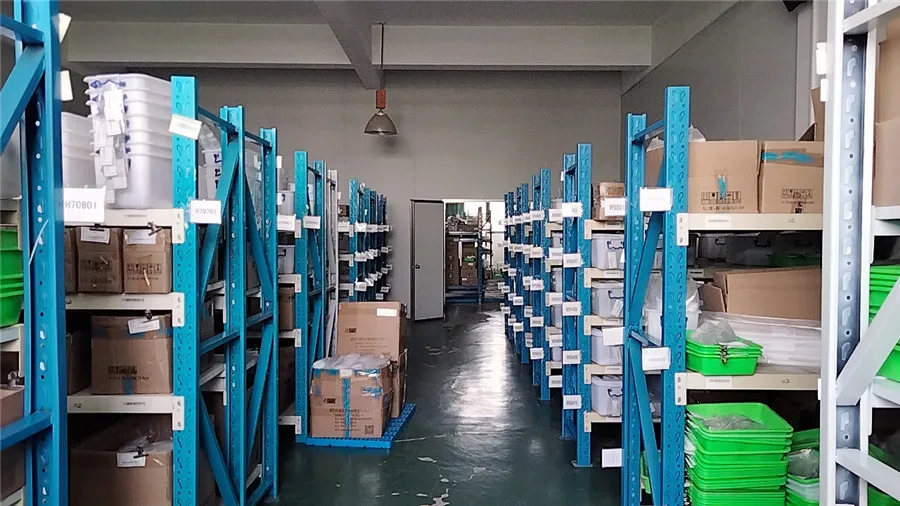
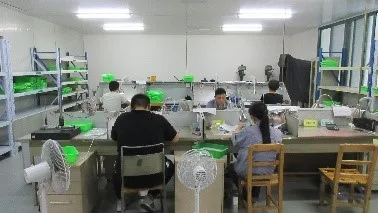
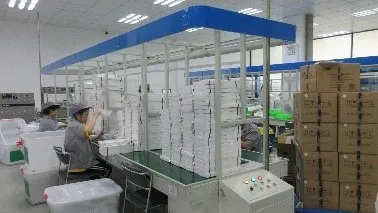
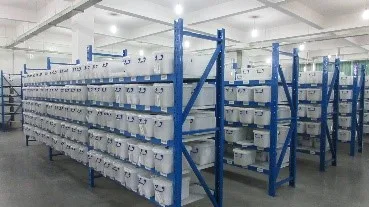
Operating out of a 29,523 square meter facility. High-throughput automation and synchronized supply lines enable bulk production while reducing delivery cycles by up to 35% compared to Western competitors.
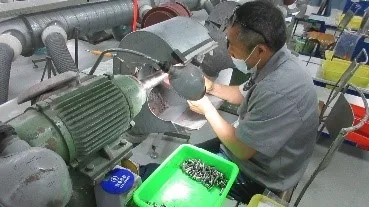
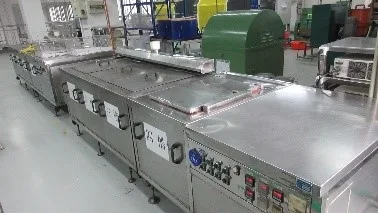
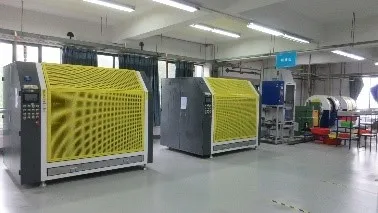
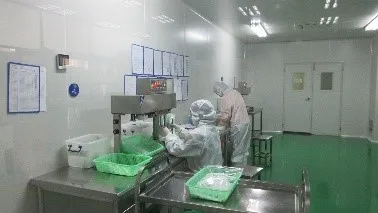
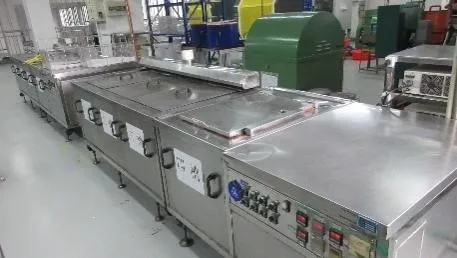
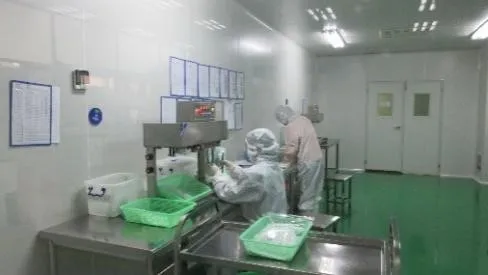
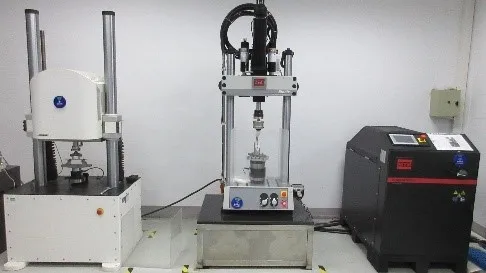
China's orthopedic industrial ecosystem offers unrivaled cost-efficiencies through integrated manufacturing—ranging from raw bar stock supply to anodization, laser marking, cleaning, and Class 10,000 cleanroom packaging under one roof. At Canwell, our 69 QA/QC inspectors execute comprehensive testing protocols, including optical visual verification, coordinate-measuring machine (CMM) analysis, and dynamic mechanical fatigue analysis, matching Western standards at a competitive cost structure.
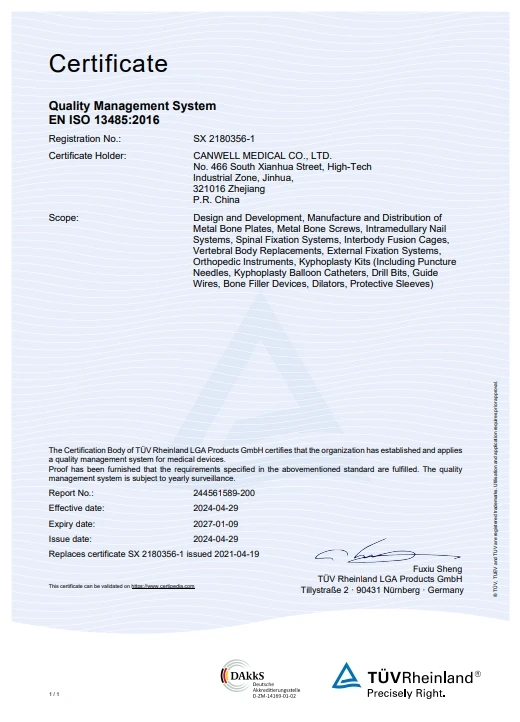 ISO13485
SX 2180356-1
ISO13485
SX 2180356-1
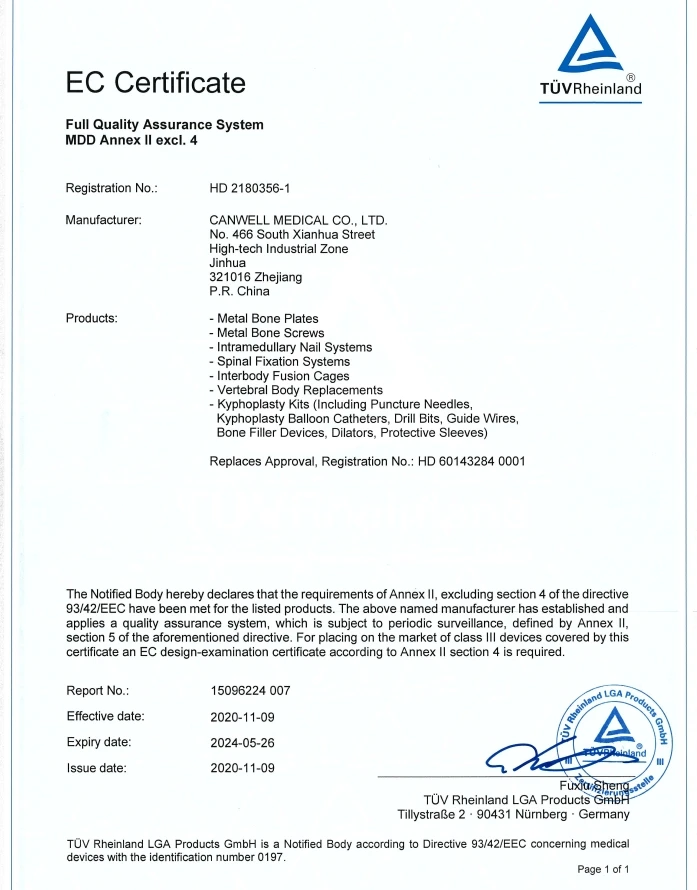 93/42/EEC (MDD)
HD 2180356-1
93/42/EEC (MDD)
HD 2180356-1
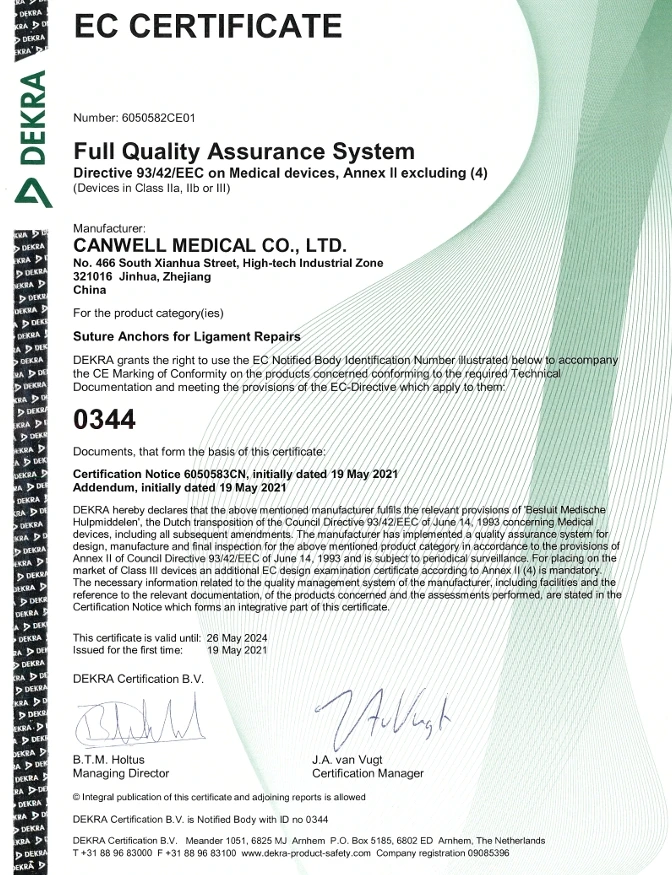 93/42/EEC CE
6050582CE01
93/42/EEC CE
6050582CE01
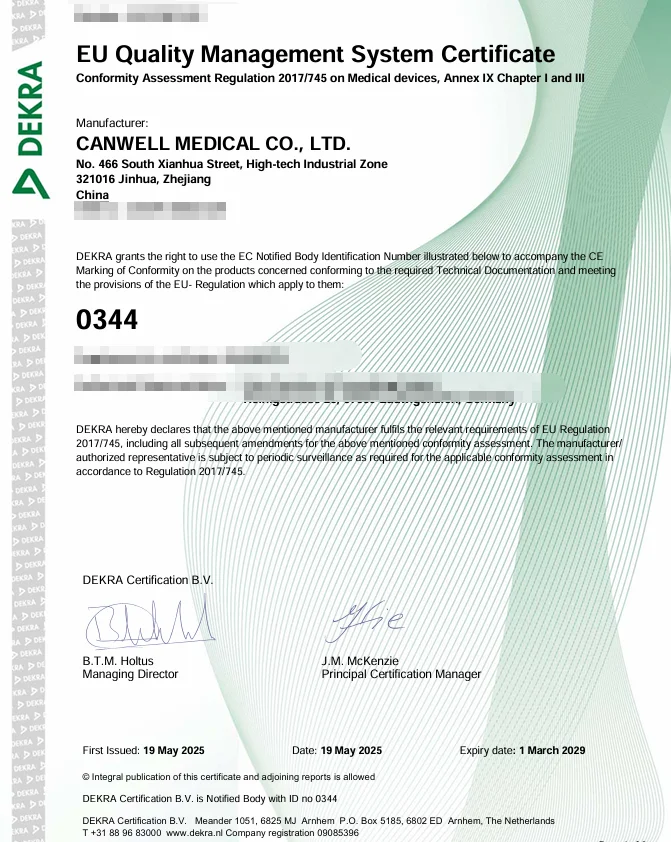 MDR (Regulation)
6142788CE02
MDR (Regulation)
6142788CE02
Orthopedic procedures demand specific fixation structures tailored to structural spine pathologies. Our implants are engineered for precise anatomic restoration:
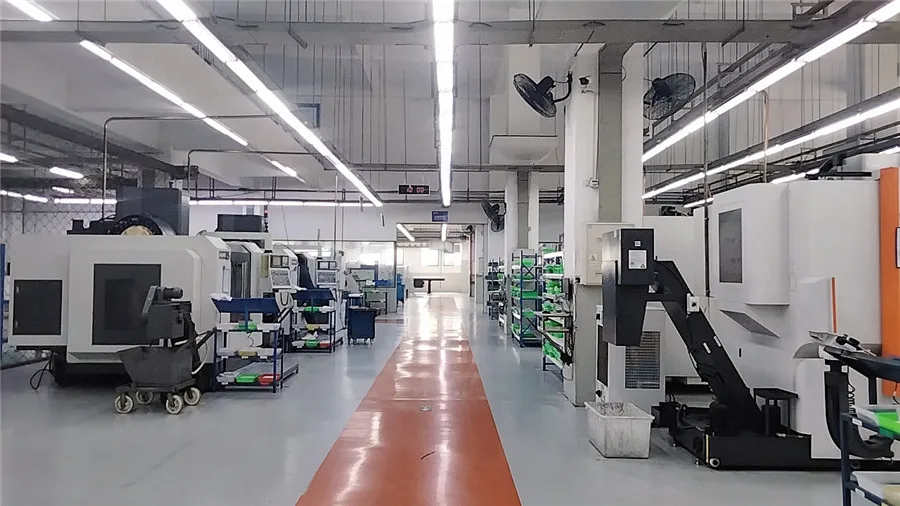
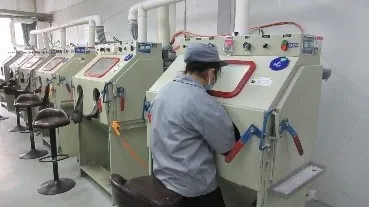
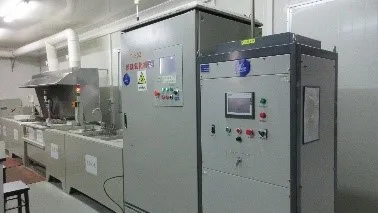
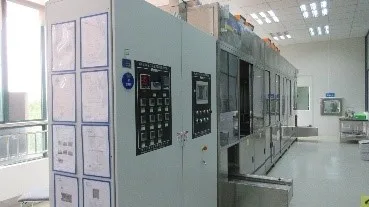
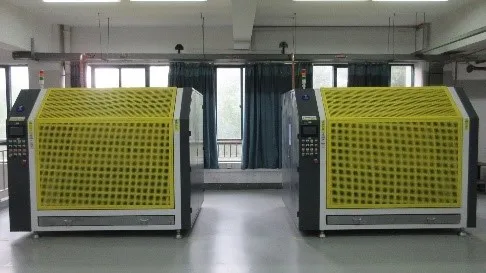
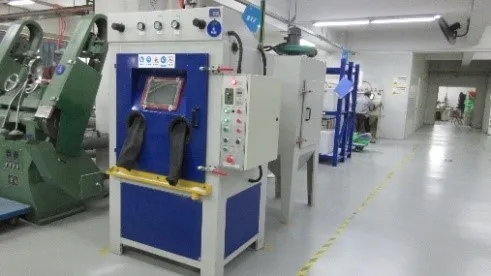
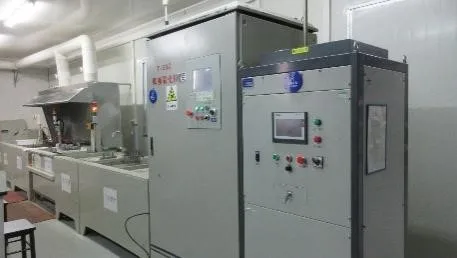
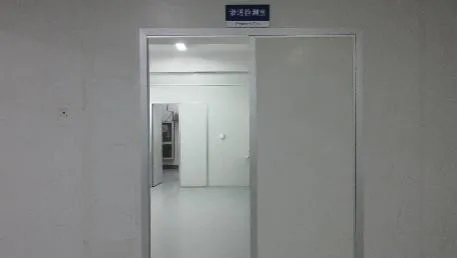
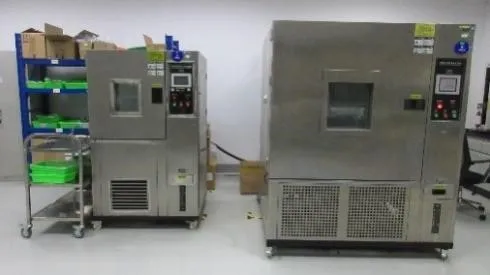
Transparent display of our ISO-certified processing steps, mechanical validation stages, and sterilization setups.
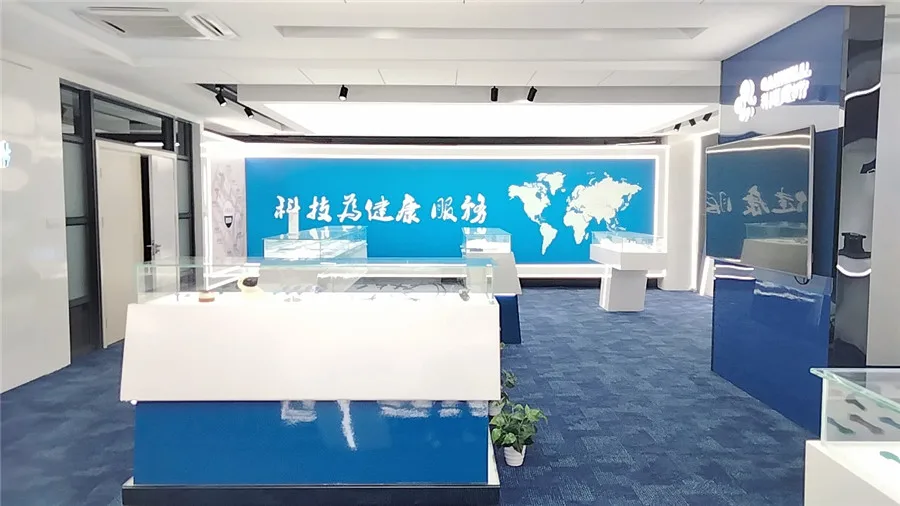
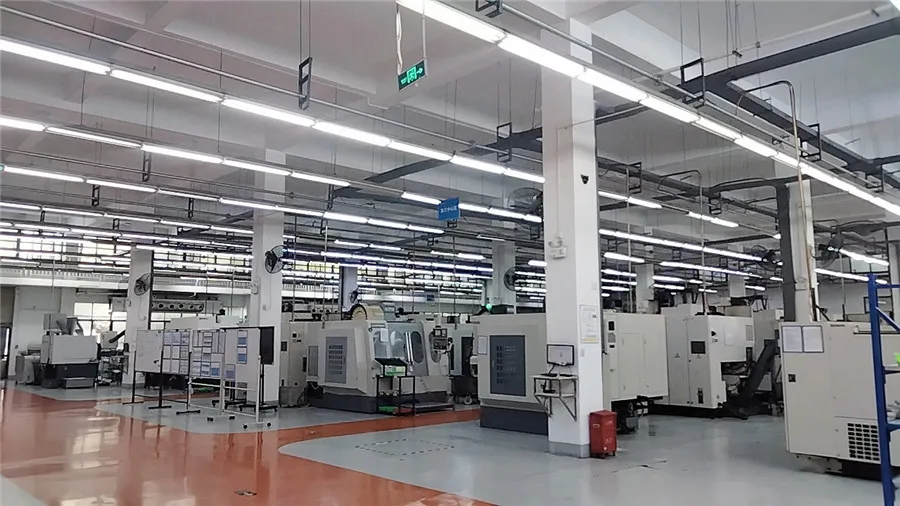
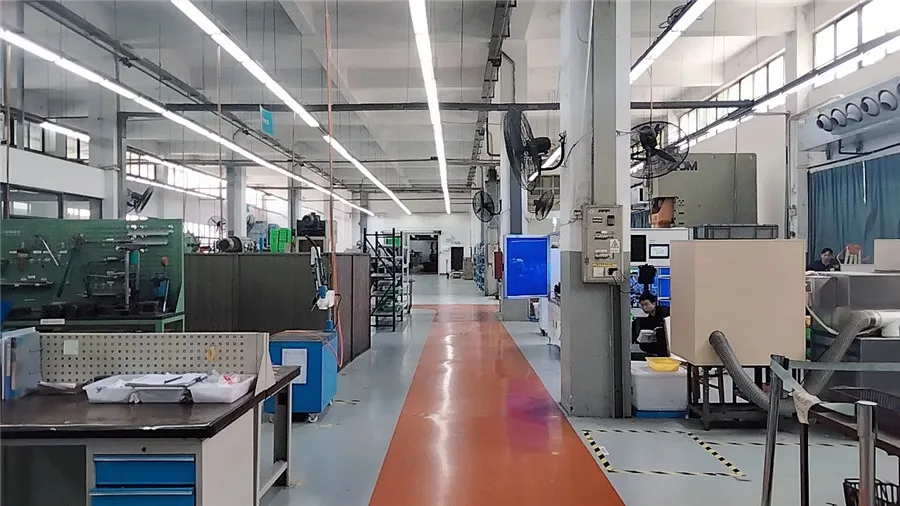
The spinal arthrodesis domain is undergoing profound changes driven by three major paradigms:
Implants are designed with fiducial arrays and tracking software compatibility in mind. Navigation-friendly screw heads streamline accurate placement in dense pedicle anatomy, reducing misplacement rates by up to 98%.
Modern coatings like Hydroxyapatite (HA) or titanium plasma spray enhance osteoconduction. Rapid bone-implant interface integration minimizes post-op hardware loosening and pseudoarthrosis risks.
Future iterations aim to embed strain sensors directly inside the pedicle screw cavity. This allows real-time telemetry to track healing progress and axial load changes remotely.
Securing long-term suppliers for spinal hardware requires addressing structural quality concerns. Global procurement leads must look for these key indicators:
Professional metallurgical and mechanical insights for global orthopedic product specifiers.
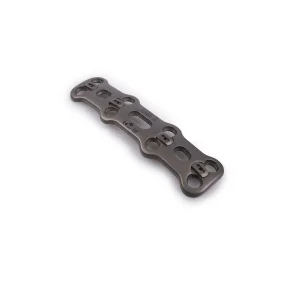
Explore our CE & ISO certified titanium plate systems, cervical systems, and fracture fixation instruments.
 Harney-Well