Explore our premium clinical-grade surgical instrument sets designed for anterior/posterior fixation, joint reconstruction, and trauma interventions.
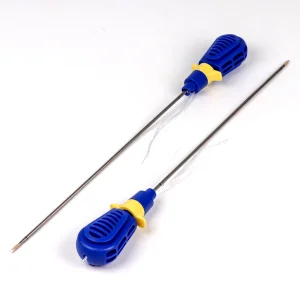

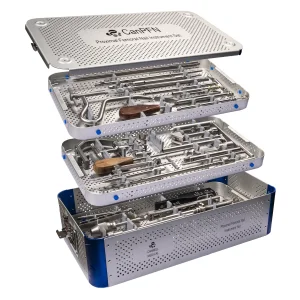
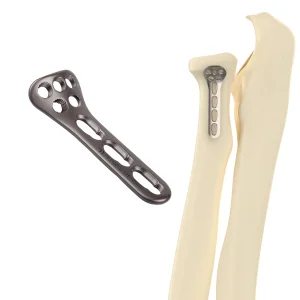
Analyzing clinical demand, global supply chain dynamics, metallurgical standards, and modern manufacturing paradigms in orthopedic instrumentation.
The global spinal surgery market has undergone rapid expansion, driven by an aging demographic, the rising incidence of degenerative disc diseases, and technological advancements in spinal stabilization systems. Spine instrument sets act as the crucial interface between the surgeon and the patient, translating mechanical engineering principles into successful clinical outcomes. The complexity of these systems demands strict adherence to dimensional tolerances, metallurgical integrity, and surface finish standards.
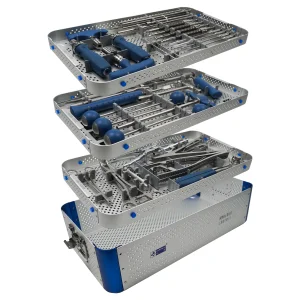
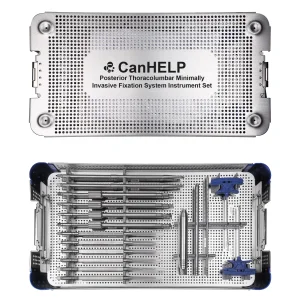
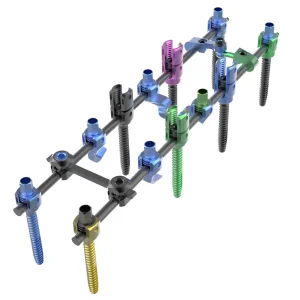
Unlike general surgical instruments, spinal instrument sets are dynamic, highly integrated assemblies. They must seamlessly interact with various spinal implants, including pedicle screws, rods, crosslinks, and interbody fusion cages. From posterior thoracolumbar systems to anterior cervical plating, each procedure requires highly specialized drivers, benders, trials, retractors, and torque-limiting wrenches. The dynamic load bearing required of spinal implants means that any micro-abrasion or misalignment caused by a tool during installation could result in mechanical failure or accelerated wear. Consequently, manufacturers must maintain comprehensive engineering controls to ensure high precision across all instrument lines.
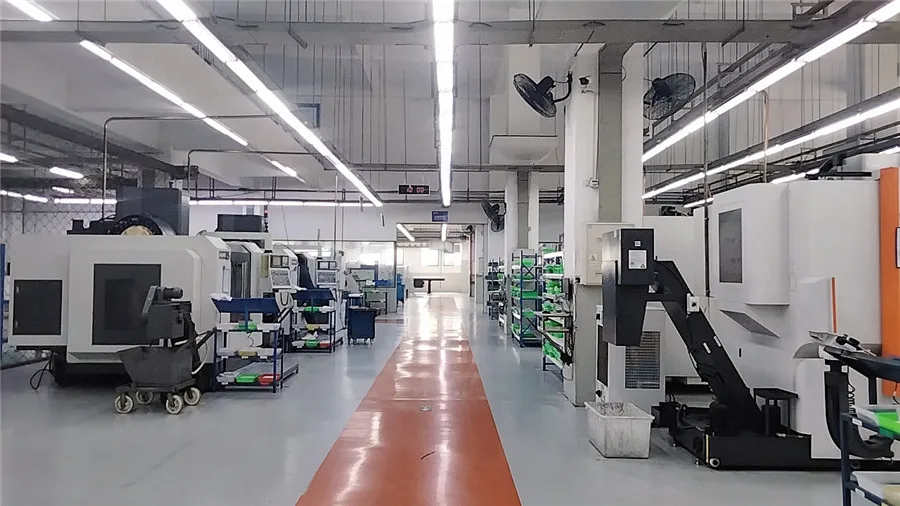
China has emerged as a premier hub for high-end medical device manufacturing, transitioning from basic component fabrication to advanced system integration. This evolution is driven by significant infrastructure investments, vertical integration, and a highly skilled workforce of specialized design and QA engineers.
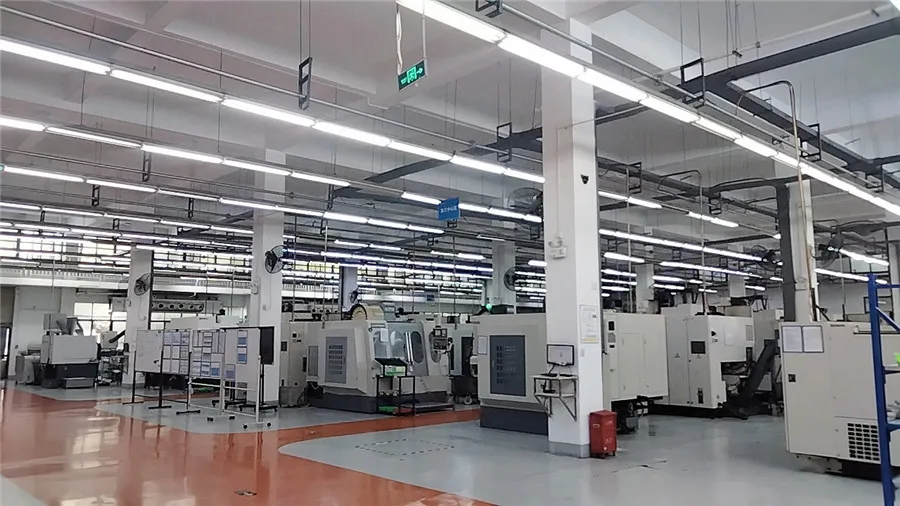
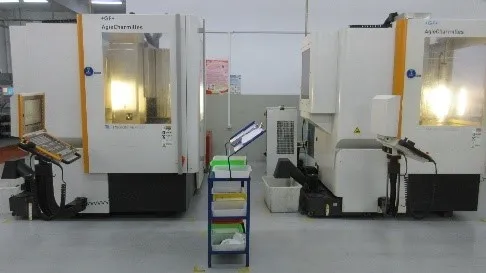
The efficiency of Chinese manufacturing centers on an integrated industrial cluster. This ecosystem provides immediate access to certified, medical-grade raw materials (such as Grade 5 Titanium (Ti-6Al-4V ELI), PEEK-OPTIMA, and implant-grade stainless steel), advanced multi-axis CNC machining, electropolishing, passivation, and cleanroom packaging. This concentration minimizes lead times and mitigates logistics-related supply chain risks.
For global B2B procurement partners, this structural advantage translates to substantial capital savings without sacrificing regulatory compliance or product quality. High efficiency allows Chinese manufacturers to offer competitive pricing on complex instrument sets, enabling hospitals, distributors, and OEM brand owners to achieve sustainable margins while adhering to strict standards such as ISO 13485, CE MDR, and FDA compliance guidelines.
Modern spinal reconstructive surgeries rely heavily on advanced biomaterials. Choosing the right material for both the implant and its corresponding surgical instrument set is critical to ensuring patient safety and mechanical longevity:
Medical Grade Titanium (Ti-6Al-4V ELI): Titanium alloy remains the gold standard for load-bearing spinal implants and specialized instruments due to its excellent strength-to-weight ratio, biocompatibility, and corrosion resistance. It has a low elastic modulus close to that of human cortical bone, which minimizes stress shielding. Our instruments, including the posterior thoracolumbar tools, are optimized for handling these titanium implants without introducing contamination or galling during insertion.
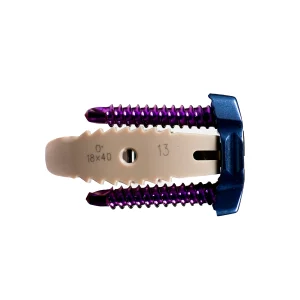
PEEK (Polyetheretherketone): PEEK is highly valued for interbody fusion devices (such as our PEEK-L Lumbar Interbody Fusion Cage). Its primary clinical advantage is radiolucency, allowing surgeons to monitor fusion progress via X-ray without artifact interference. Additionally, PEEK exhibits a mechanical modulus highly compatible with cancellous bone, reducing the risk of cage subsidence.
Implant-Grade Stainless Steel: Used primarily for temporary fixation systems, structural components, and high-wear instrument cutting edges. Selected for its high tensile strength and resistance to cyclical stress fatigue, stainless steel undergoes advanced passivation to prevent pitting and corrosion over repeated sterilization cycles.
Under the rules of the medical device manufacturing industry, verification and strict quality control are critical. Product traceability starts at the raw material stage: every bar of titanium or sheet of PEEK is tracked with certified mill test reports detailing chemical composition and mechanical properties.
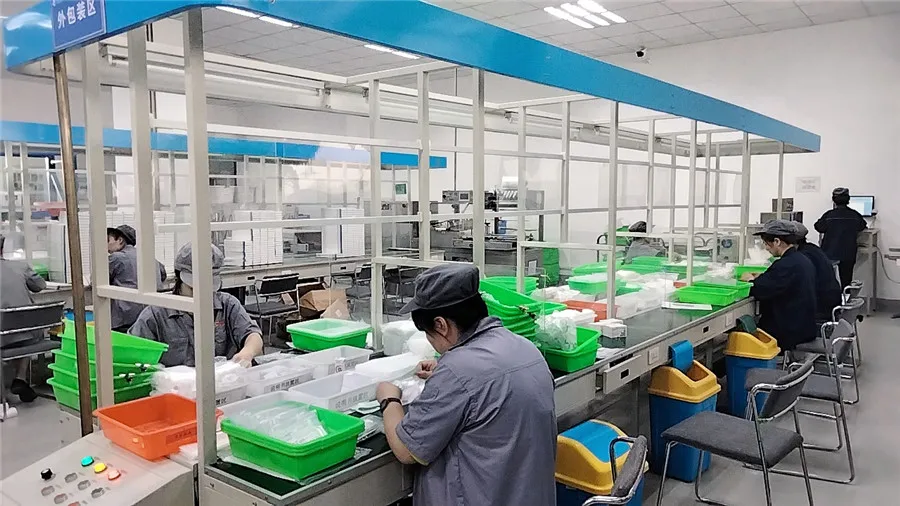
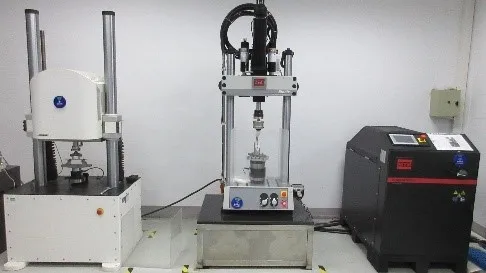
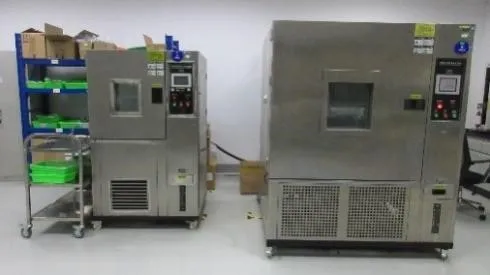
Our facility employs a dedicated team of 69 QA/QC inspectors managing a comprehensive, multi-phase verification system:
Compliance is validated by our extensive certifications, including ISO 13485, 93/42/EEC CE, and the updated European MDR (Medical Device Regulation) frameworks. This ensures our products meet international regulatory requirements, facilitating seamless integration into healthcare systems worldwide.
A closer look at our manufacturing footprint, R&D capabilities, and compliance profile.
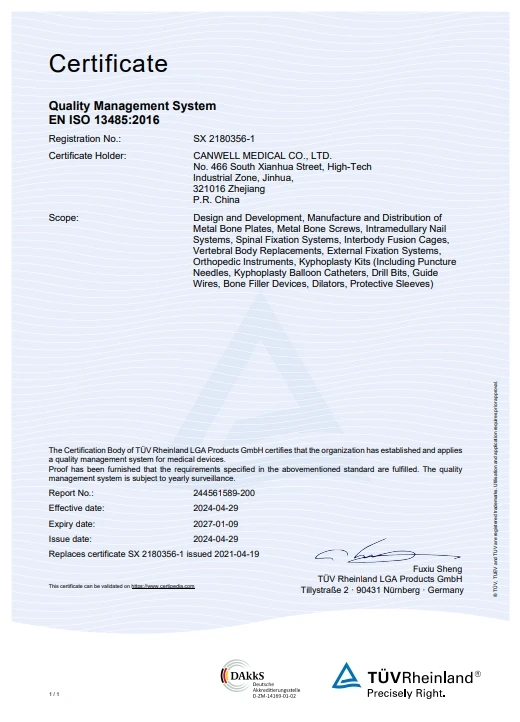
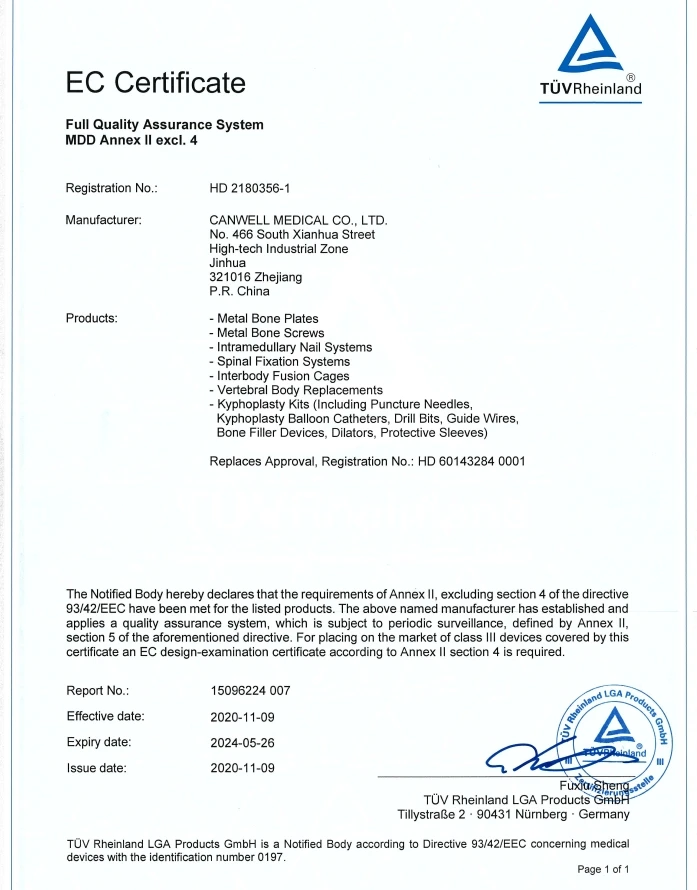
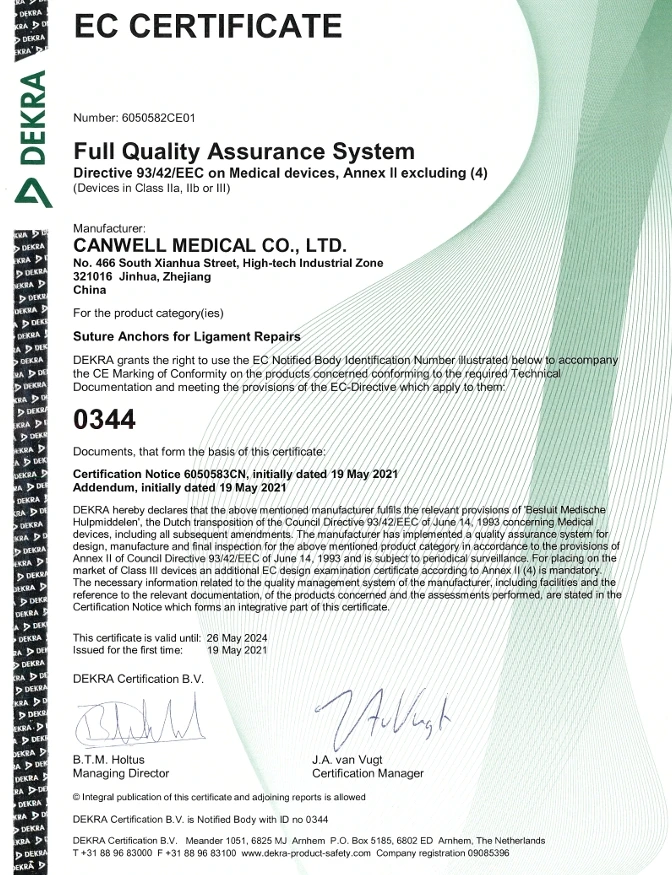
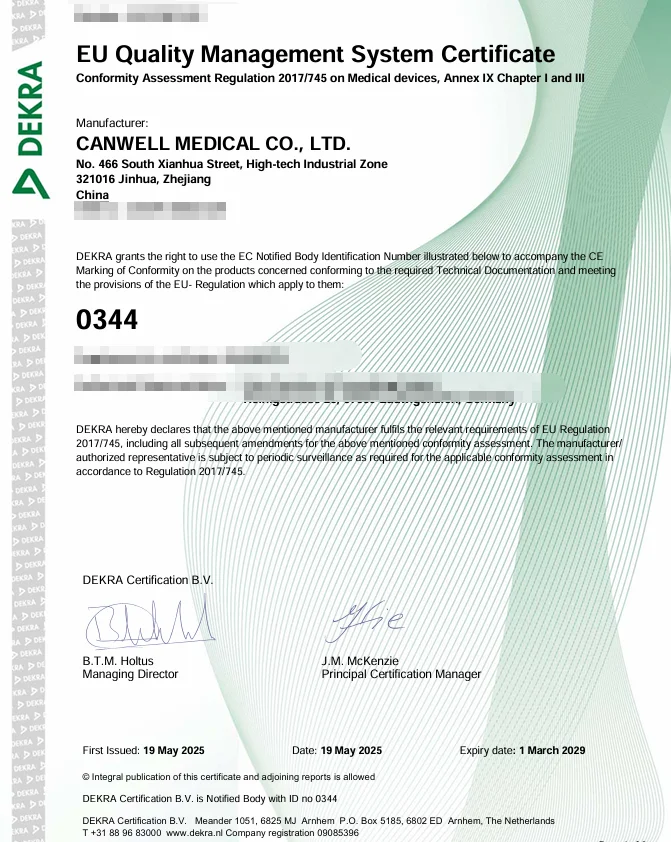
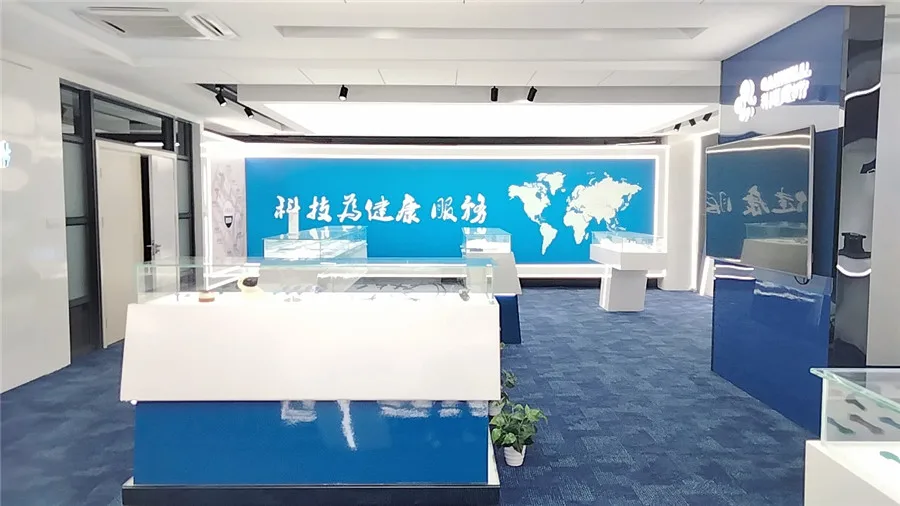
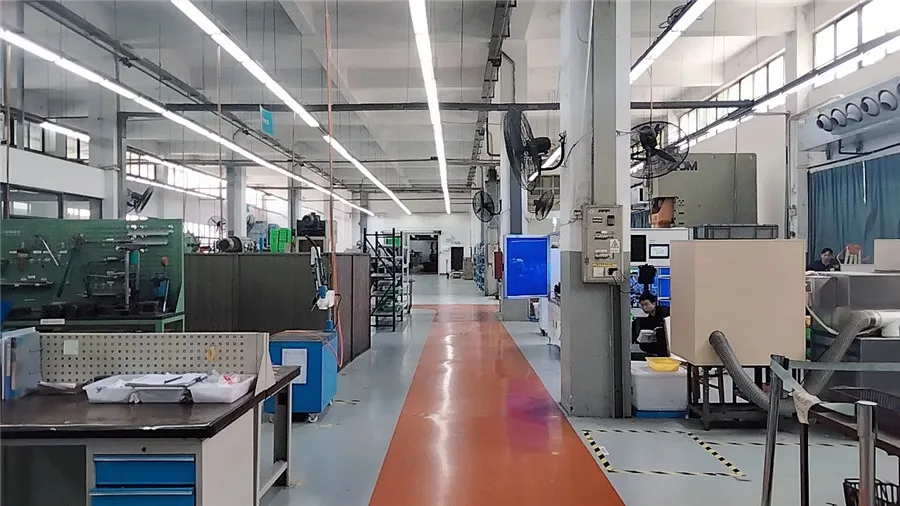
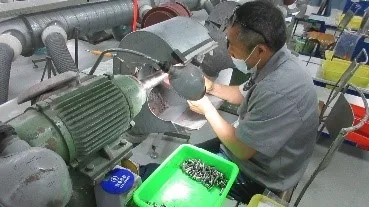
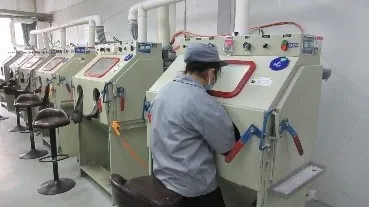
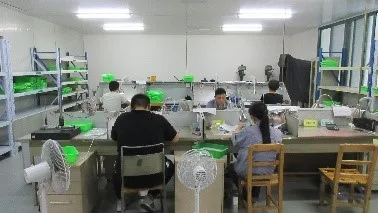
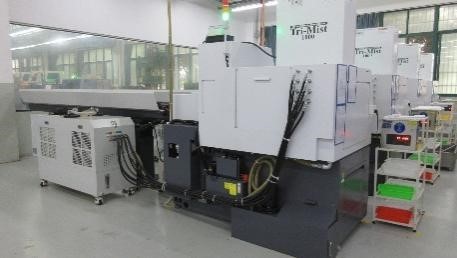
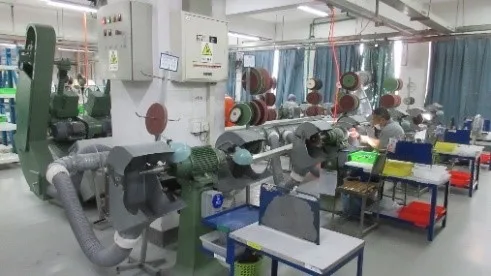
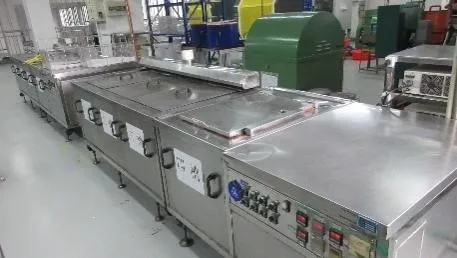
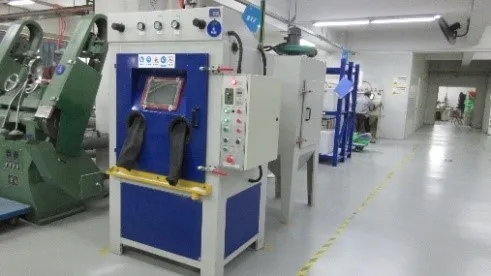
A gallery showcase of our advanced manufacturing lines, automated CNC machining center, raw material stores, and ISO cleanrooms.
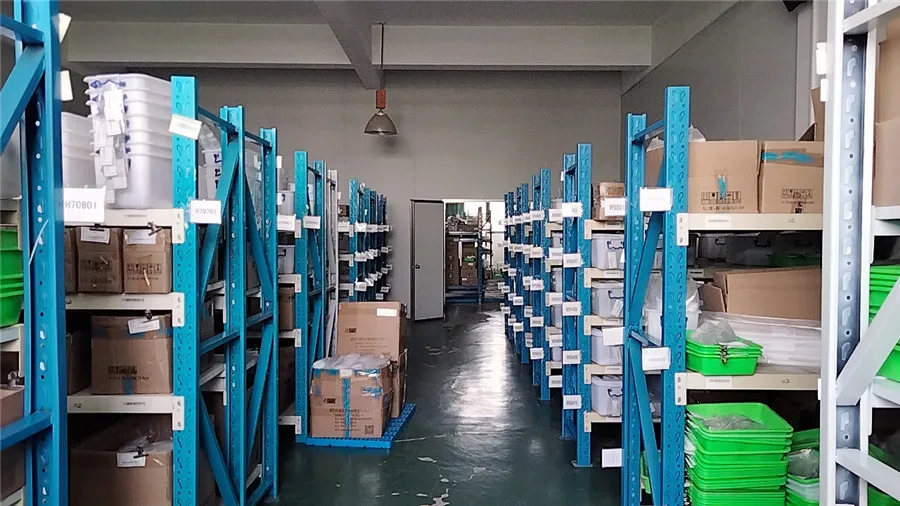
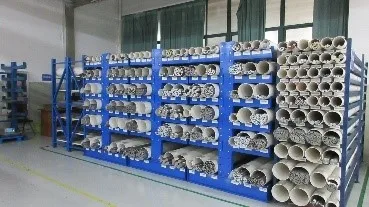
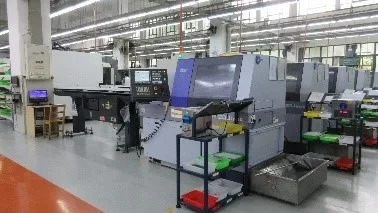
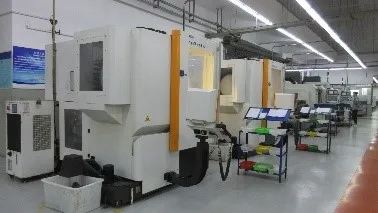












Spinal pathology and treatment strategies vary across different healthcare environments. We design and package our instrument sets to meet these localized needs:
Regional Trauma Centers: These settings prioritize fast setup and versatile utility. In high-volume trauma rooms, having a single instrument set that can accommodate a wide range of pedicle sizes and anatomical variations is critical. The design of our instruments simplifies the surgical workflow, helping teams prepare and deploy fixation systems quickly.
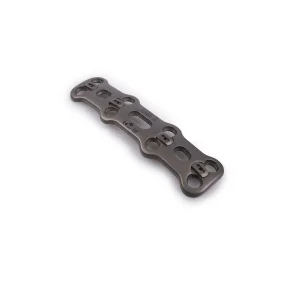
Specialized Orthopedic and Neurosurgical Clinics: These sites focus on precision and biomechanical alignment. For anterior cervical plate procedures and complex spinal reconstructions, surgeon control is crucial. Our systems are engineered to provide precise feedback during screw placement, helping surgeons maintain alignment and achieve stable fixation.
Ambulatory Surgery Centers (ASCs): In these environments, cost efficiency, reliable instrument lifetime, and fast sterilization cycle times are the primary metrics. Our instruments feature modular, open layouts that facilitate quick cleaning and rapid autoclaving, helping centers run smooth, cost-efficient daily operations.
The spinal surgery field is rapidly shifting toward navigation-guided and robotic-assisted surgeries. Traditional instrument designs must evolve to remain relevant.
Future developments focus on three main areas:
Addressing key technical, quality control, and logistics questions for global B2B procurement managers.
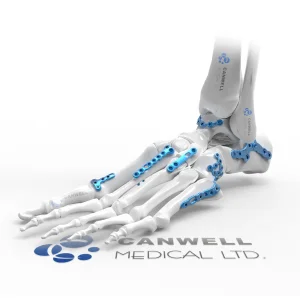
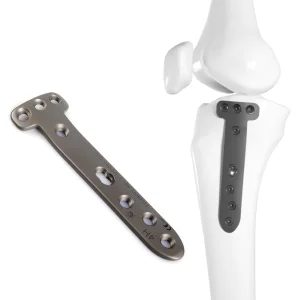
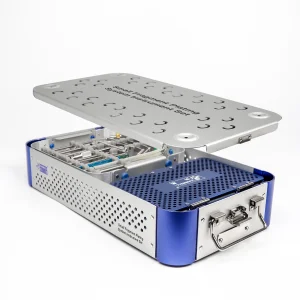
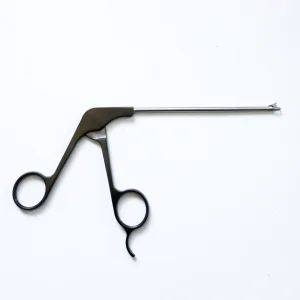
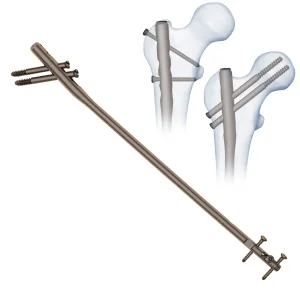
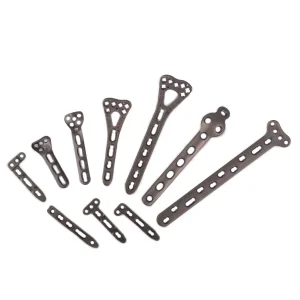
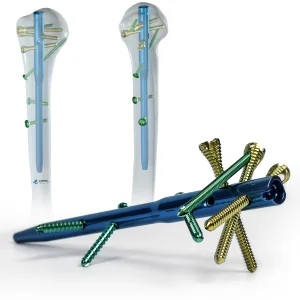
View our additional orthopedic systems, including dynamic compression plating, arthroscopic instruments, and intramedullary nailing sets.
 Harney-Well