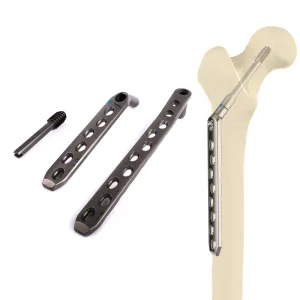
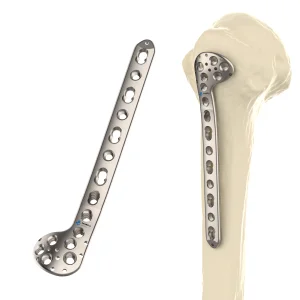
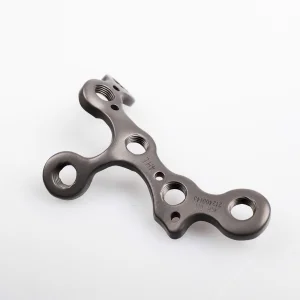
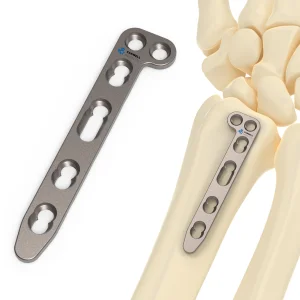
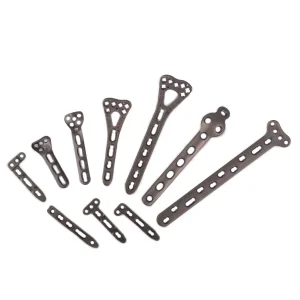
Explore our elite selection of anatomically pre-contoured locking plates engineered to restore skeletal alignment and promote stable primary fracture healing.
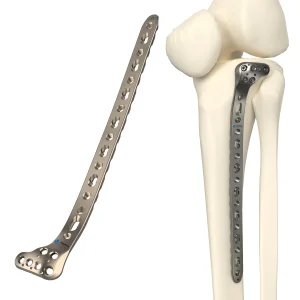
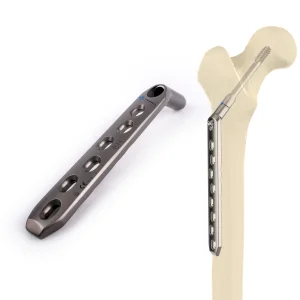
How high-performance locking plate systems address the stringent clinical and commercial needs of modern healthcare networks.
The global orthopaedic trauma device market is undergoing structural changes driven by aging demographics, rising clinical complexity, and an intense regulatory shift toward safety and traceable quality. Hospital procurement departments, tier-one medical distributors, and surgical centers require more than just standard implants; they demand complete osteosynthesis systems that reduce surgical times, minimize revision rates, and maintain rock-solid compliance profiles.
For procurement officers in major medical channels, obtaining trauma implants requires satisfying a tri-fold mandate: clinical efficacy (implants designed to match varying anatomical geometries), operational reliability (consistent mechanical tolerances and reliable supply chains), and economic sustainability (optimized cost-to-performance ratios). Our locking plates meet these needs, utilizing high-grade pure titanium and premium titanium alloys (such as Ti-6Al-4V ELI) to guarantee superior fatigue strength and optimal biocompatibility.
Utilizing certified Grade 5 and Pure Titanium to promote direct osseointegration, minimize adverse tissue reactions, and maximize implant longevity within the patient.
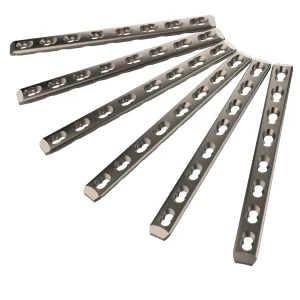
Integrated dynamic compression holes alongside threaded locking holes offer surgeons the mechanical flexibility to combine compression with fixed-angle stability.
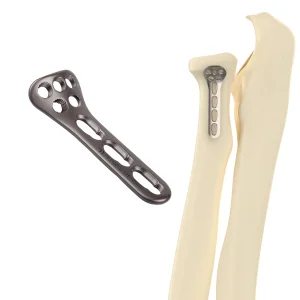
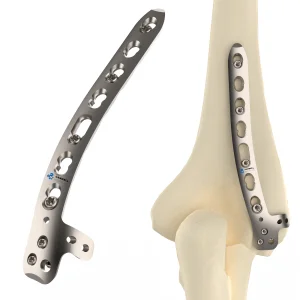
Specifically engineered profile shapes designed using large-scale morphological databases, reducing the intraoperative bending needed for a flush fit.
The technical foundations of internal fixation: from bone-implant interface mechanics to future smart implant materials.
The core technology behind modern trauma locking plates is based on the biomechanical behavior of the bone-implant interface. Unlike conventional dynamic compression plates, which rely on friction between the plate and the bone cortical surface, locking plate systems create a fixed-angle construct. Under load, these plates act as external fixators internally. By securing the screw heads directly into the threaded plate holes, locking plates prevent screw toggle, loss of reduction, and primary bone necrosis caused by excessive plate-to-bone compression.
This biomechanical stability is crucial when managing osteoporotic bone or comminuted fractures, where standard screw threads struggle to grip. The plate acts as a bridge, transferring loads across the fracture zone without collapsing the underlying microvasculature. Moving forward, our design roadmap focuses on refining surface characteristics via anodization to inhibit bacterial adhesion while accelerating calcium phosphate crystallization, fostering faster osseointegration.
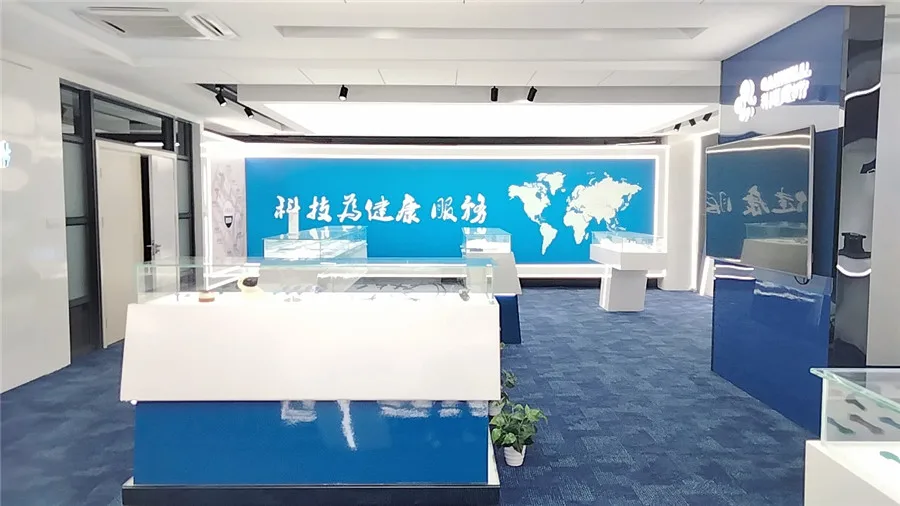
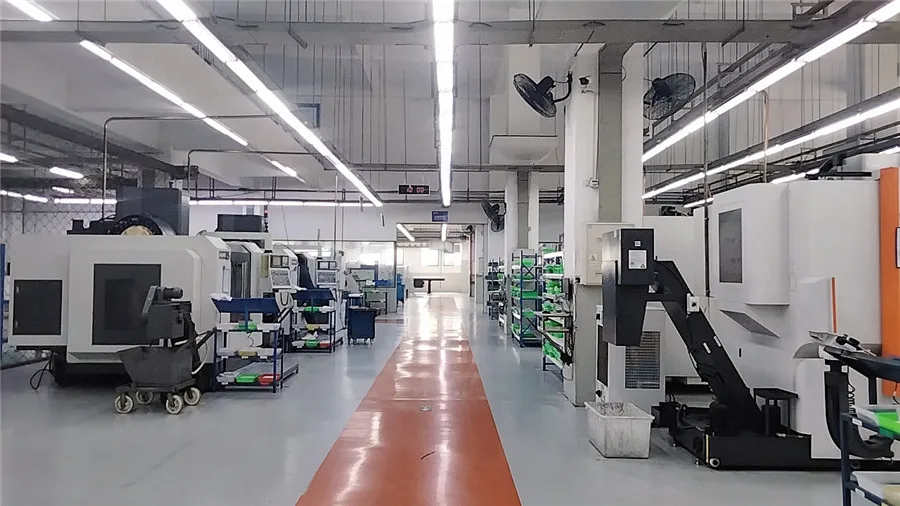
Comprehensive audit data reflecting 22 years of high-end manufacturing, strict quality control, and regulatory compliance.
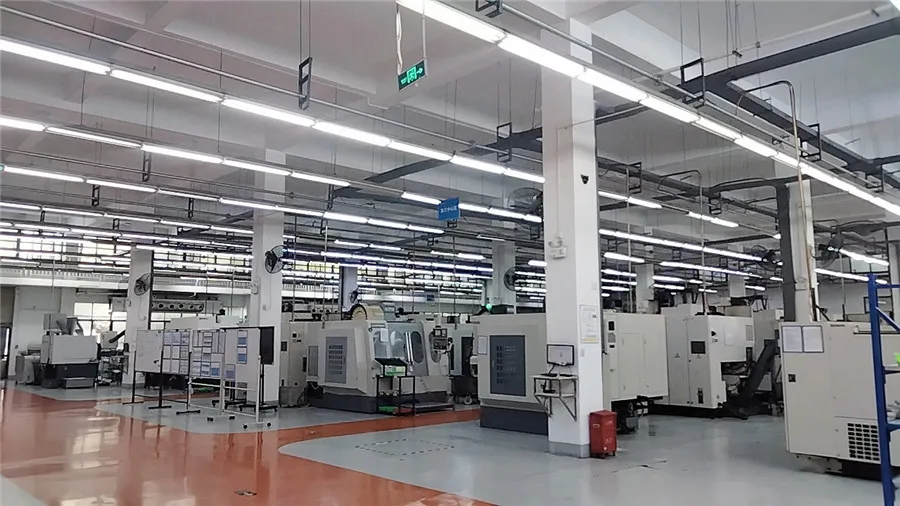
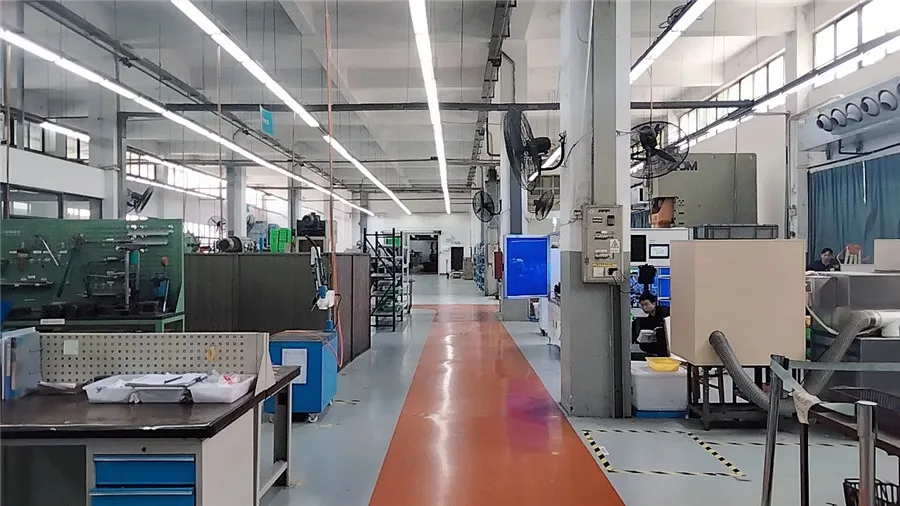
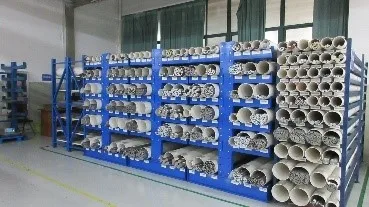
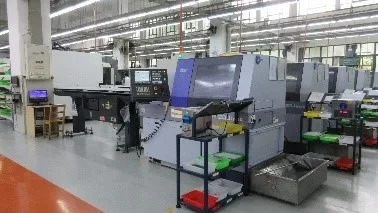
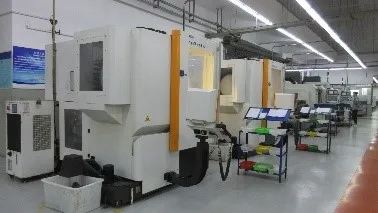
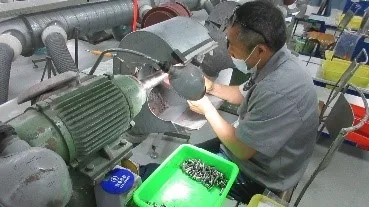
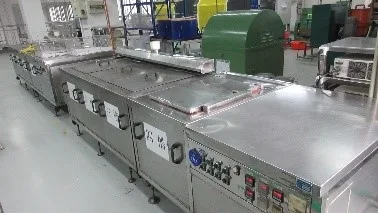
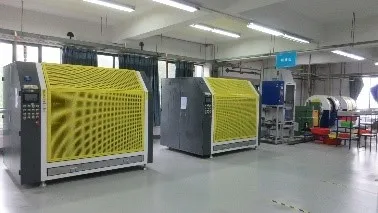
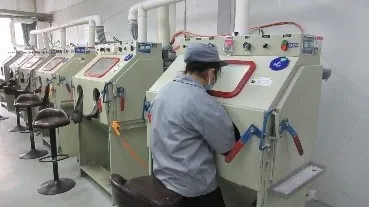
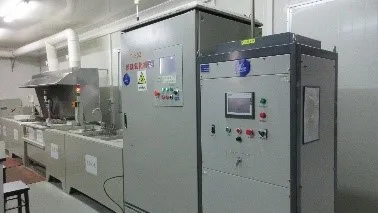
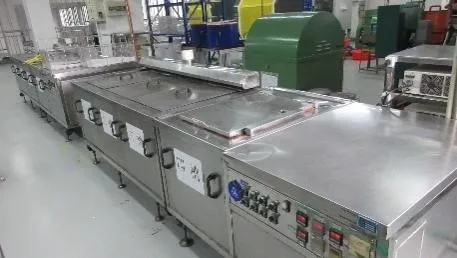
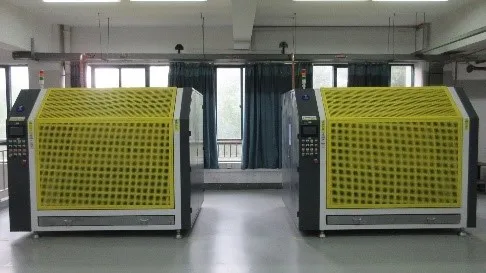
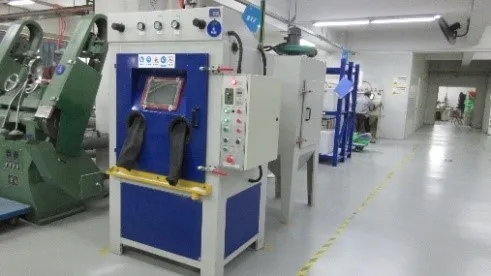
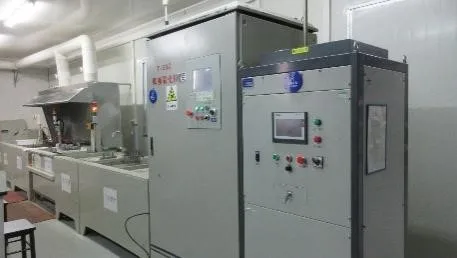
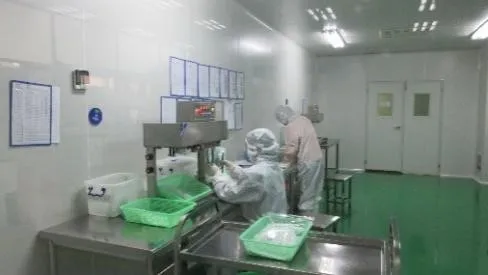
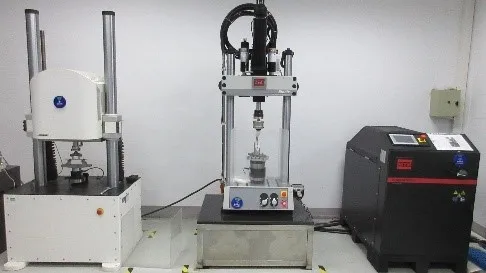
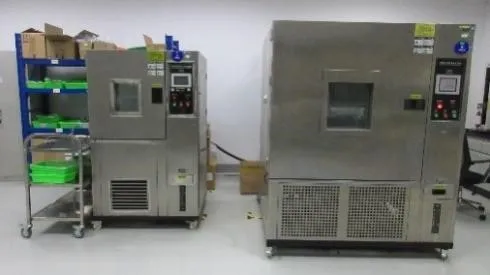
Our facility, established in 2004, spans 29,523 square meters and is equipped with advanced multi-axis CNC milling centers, automated polishing systems, and dynamic biomechanical testing laboratories. Quality assurance is maintained at every step of production. With 69 dedicated QA/QC inspectors managing raw material traceability and performing final examinations on all finished goods, we ensure that every locking plate delivers high reliability in surgical environments.

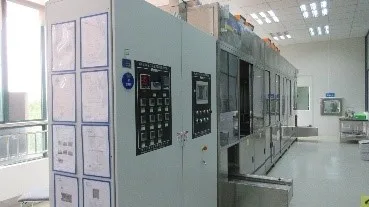
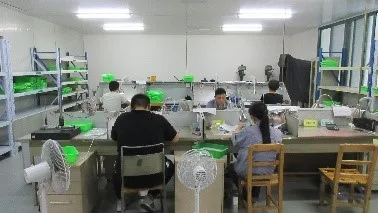
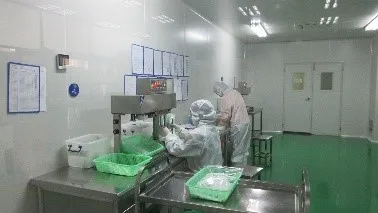
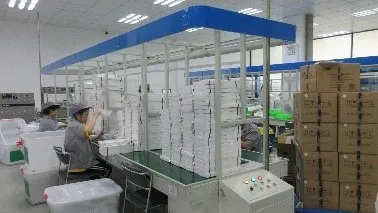
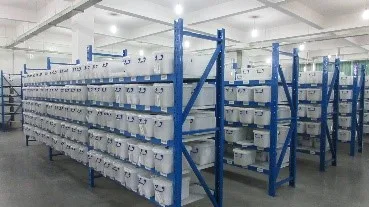
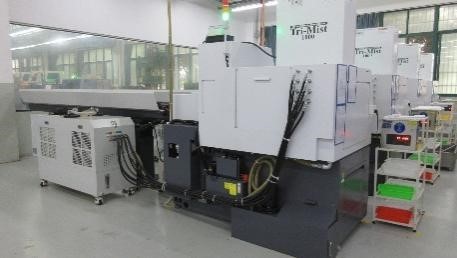
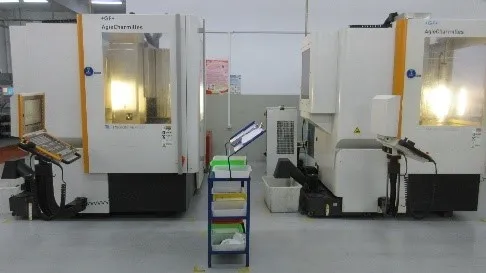
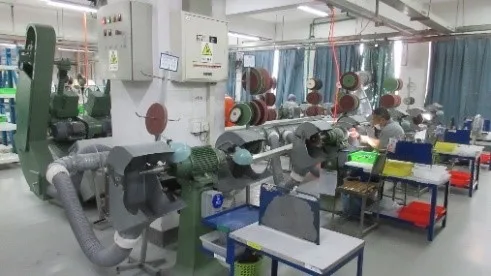

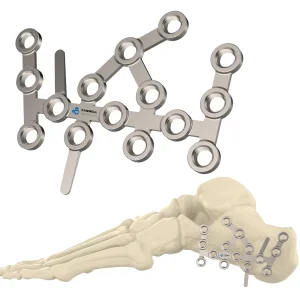
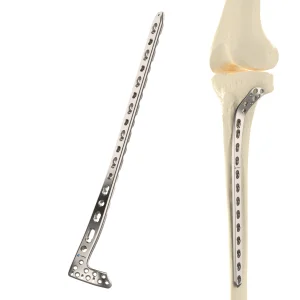
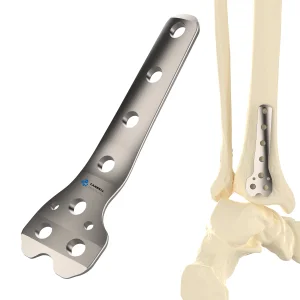
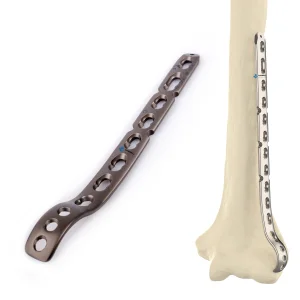
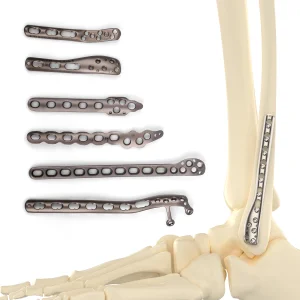
Engineered for distal and proximal periarticular applications, designed to fit specific bone structures with minimal adjustment.
Detailed biomechanical, metallurgy, and procurement insights for orthopaedic distributors and hospital clinicians.
We manufacture our locking plates using Pure Titanium (Grades 2, 3, and 4) and premium Titanium Alloys (specifically Ti-6Al-4V ELI in compliance with ASTM F136). These materials provide an excellent balance of tensile strength, fatigue life, and corrosion resistance. They also limit magnetic resonance imaging interference and support direct bone integration.
The dynamic combi-hole design offers dual functionality in a single slot. Surgeons can use standard cortex or cancellous screws on one side for compression, and locking screws on the other side for fixed-angle stability. This choice lets surgeons customize the fixation method depending on the fracture pattern and bone quality during surgery.
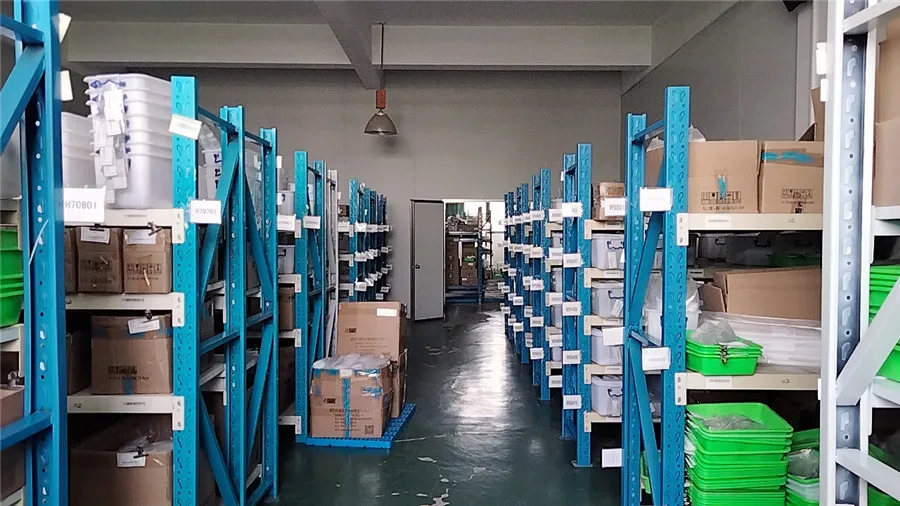
Drawing on 22 years of exporting experience and 59 R&D engineers, we provide light customization, sample processing, and custom-on-demand services. Delivery times for standard shapes range from 15 to 30 days. Custom OEM orders depend on design complexity and follow strict ISO 13485 design control protocols.
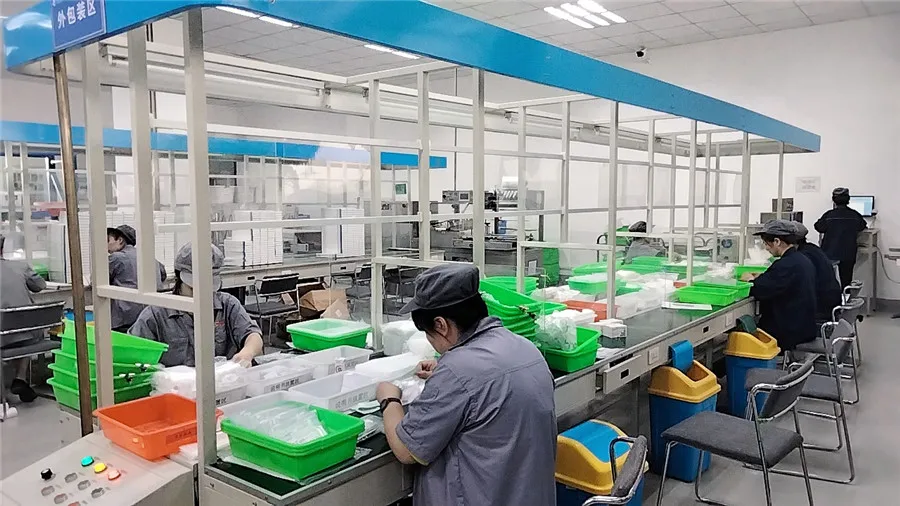
Quality control is built into every step of our process. Our 69 QA/QC inspectors maintain 100% raw material traceability. We perform dimensional inspections on every product, followed by random audits and mechanical fatigue testing. All procedures align with CE, ISO 13485, and European Medical Device Regulation (MDR) certifications.
 Harney-Well