High-performance anchoring systems optimized for arthroscopic rotator cuff and Bankart repairs, meeting the rigorous standards of leading medical institutions in Aichi Prefecture.
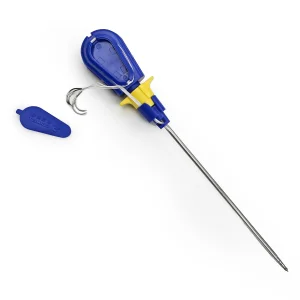
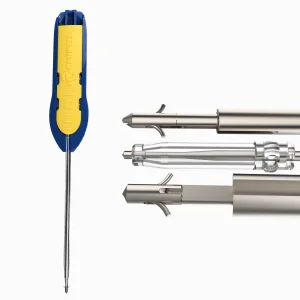
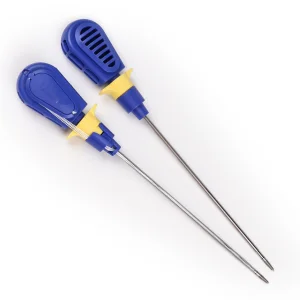
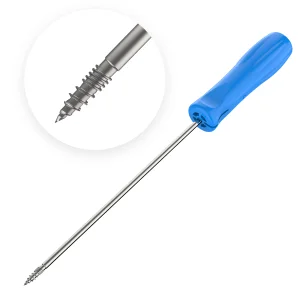
The Nagoya metropolitan area, as the industrial heartland of Aichi Prefecture, represents a uniquely sophisticated market for medical devices and orthopedic technologies. Known globally for industrial engineering, robotics, and advanced materials, Nagoya’s clinical network demands an equivalent tier of excellence in surgical implants. Local university hospitals, municipal medical centers, and specialized sports medicine clinics are increasingly transitioning to minimally invasive arthroscopic procedures, creating a high-volume demand for reliable suture anchoring systems.
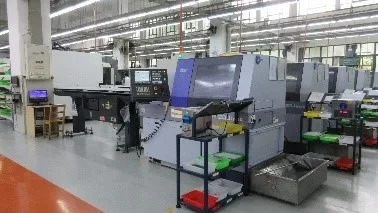
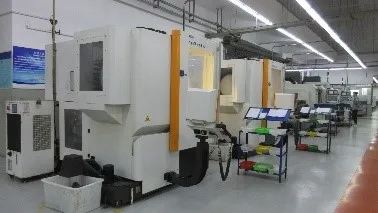
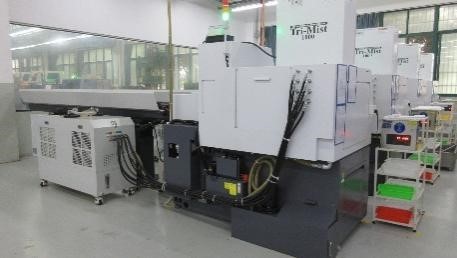
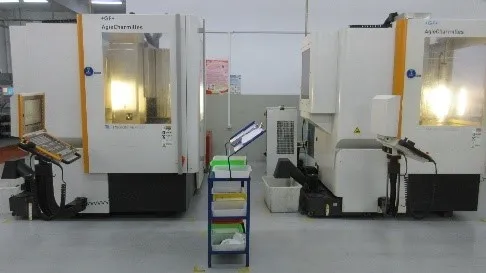
Suture anchors manufactured for the Nagoya market leverage advanced machining processes that guarantee optimal thread pitch, high torque resistance, and seamless insertion dynamics.
From standard rotator cuff fixation to complex Bankart lesion repairs, our products match the anatomical nuances of diverse patient demographics in Japanese clinical settings.
Built in compliance with international and regional quality management frameworks, bridging the gap between global manufacturing and local clinical requirements.
Demographic shifts in East Asia—notably Japan’s super-aging society—have redefined the criteria for orthopedic success. The dual demand of keeping an aging population mobile and addressing sports injuries in active younger cohorts has placed a spotlight on the long-term biological integration of implants. Modern suture anchors must minimize bone resorption, prevent tissue reaction, and support robust tendon-to-bone healing. Our research and development initiatives focus heavily on micro-rough surface treatments and ultra-high-molecular-weight polyethylene (UHMWPE) suture configurations to meet these evolving clinical demands.
For procurement directors and surgical teams in Nagoya, a suture anchor is not merely a consumable; it is a critical variable in postoperative outcomes. The mechanical pull-out strength, the ease of knot sliding, and the security of the suture eyelet directly impact clinical rehabilitation timelines. By utilizing medical-grade Titanium Alloy (Ti-6Al-4V ELI) and advanced all-suture structures, our factory supplies implants that deliver robust primary stability. This mechanical integrity is paired with a strict localized support system, ensuring that hospitals and distributors in Japan receive swift delivery, sterilizable surgical instrumentation, and dedicated technical training resources.
In practice, surgeons at premier institutions in Nagoya utilize these anchoring systems across a spectrum of reconstructive interventions:
Leveraging 22 years of advanced orthopedic manufacturing expertise, clinical R&D, and rigorous multi-stage quality control.
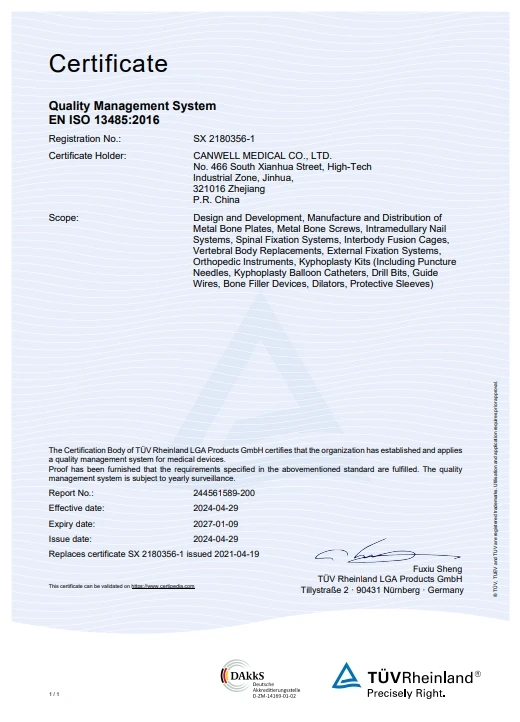
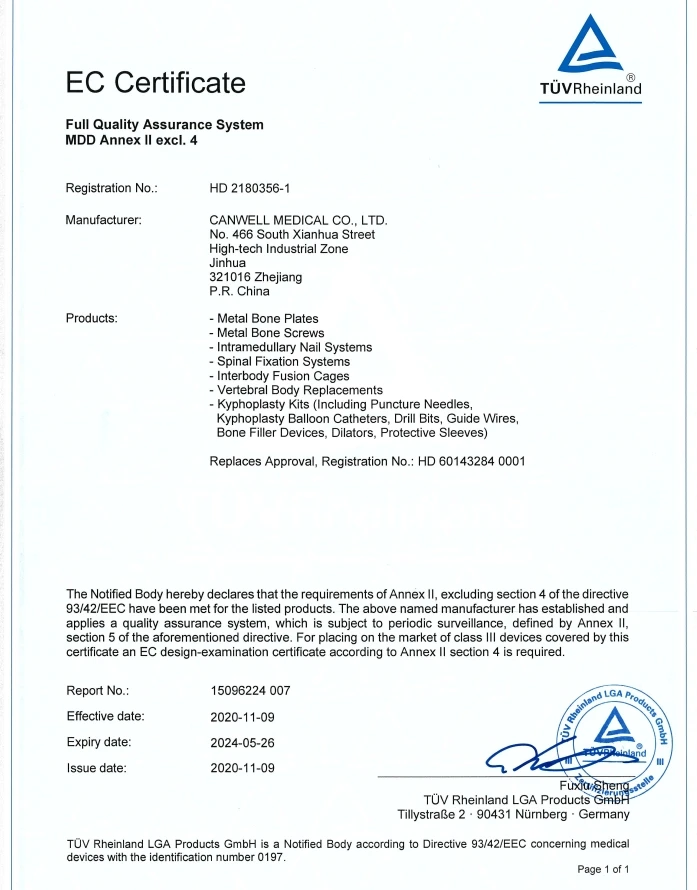
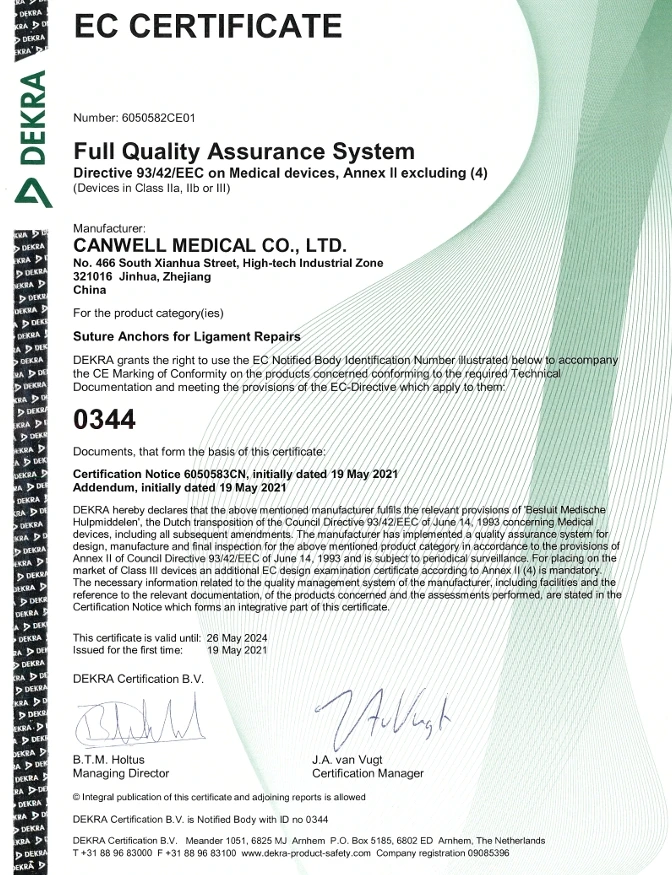
Our manufacturing facilities comply strictly with the most demanding international medical device standards to ensure seamless market entry and patient safety.

The trajectory of orthopedic implants is shifting toward smart, bio-inductive materials. Our technical roadmap for the Japanese market and broader global systems incorporates research into bioabsorbable polymers, such as poly-L-lactic acid-co-glycolic acid (PLGA) combined with osteoconductive ceramic additives like beta-tricalcium phosphate (β-TCP). These materials are engineered to slowly transfer mechanical loads to the healing tendon while promoting bone remodeling at the anchor site, preventing the long-term "empty hole" syndrome sometimes observed with conventional non-absorbable implants.
Additionally, we are investing in advanced 3D-printing technologies to build porous metal structures for spine and joint applications. By combining subtractive precision machining (for suture anchor threads) with additive manufacturing (for spine fusion cages), our engineering lines address the full continuum of bone and joint reconstruction.
Extending clinical precision from soft tissue anchors to heavy-load skeletal implants.
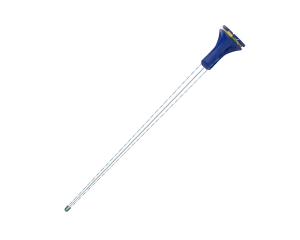
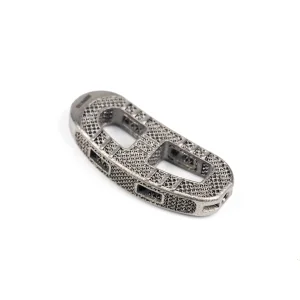
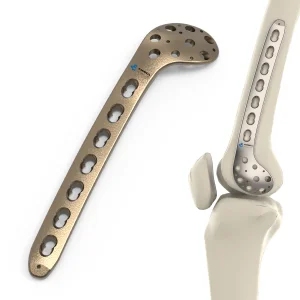
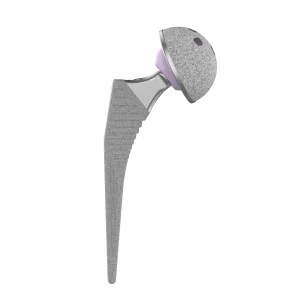
A complete surgical catalog comprising nails, plates, and specialized dynamic hip systems optimized for state-of-the-art trauma centers.
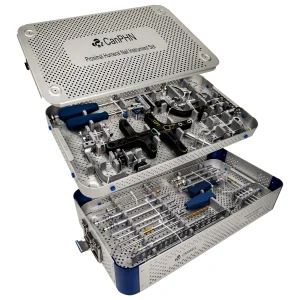
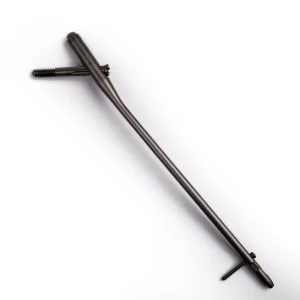
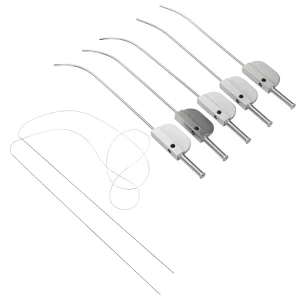
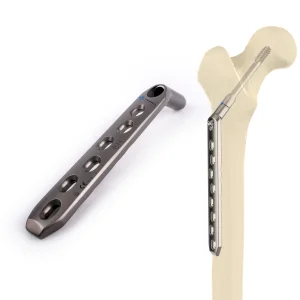
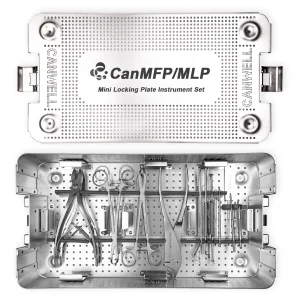
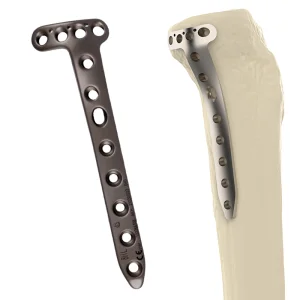
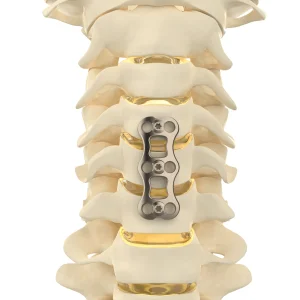
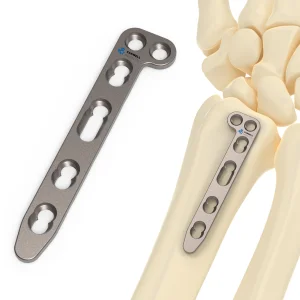
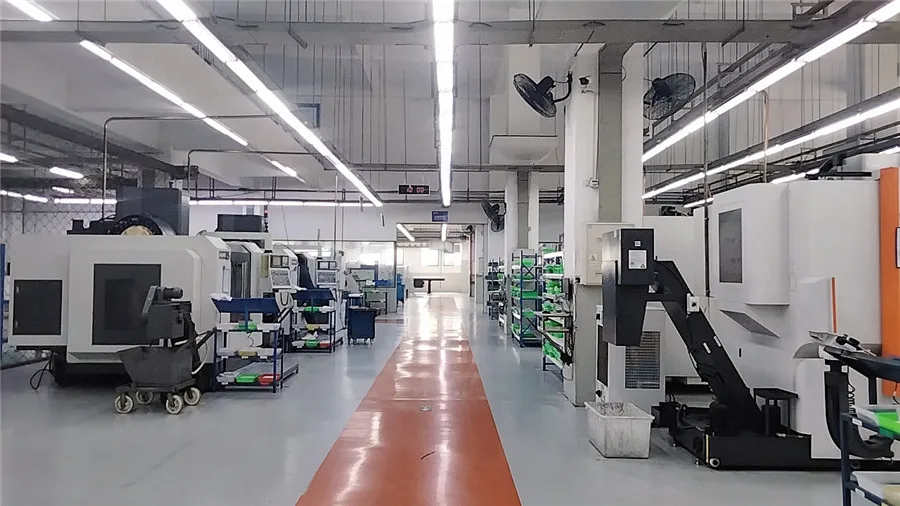
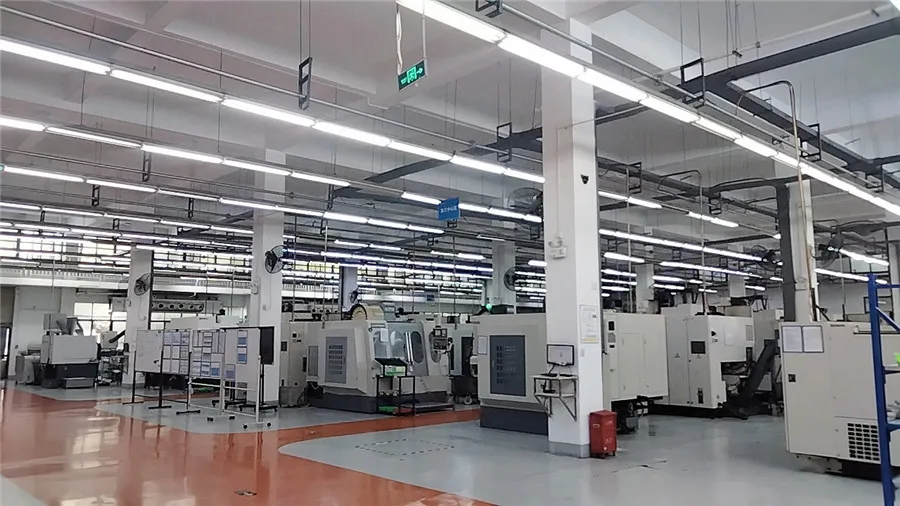
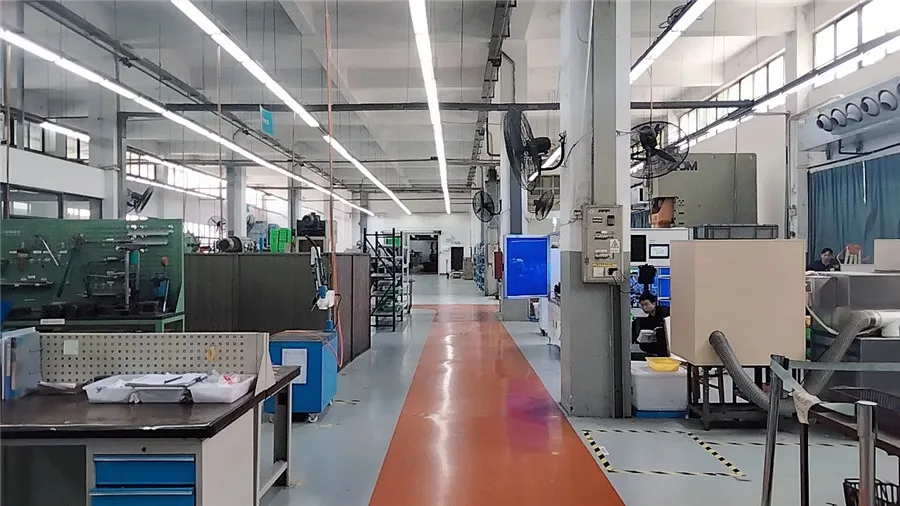
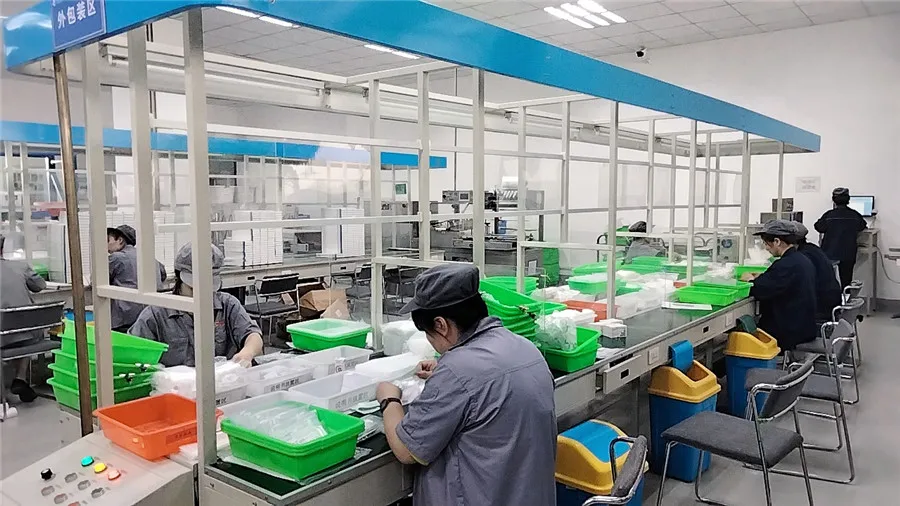
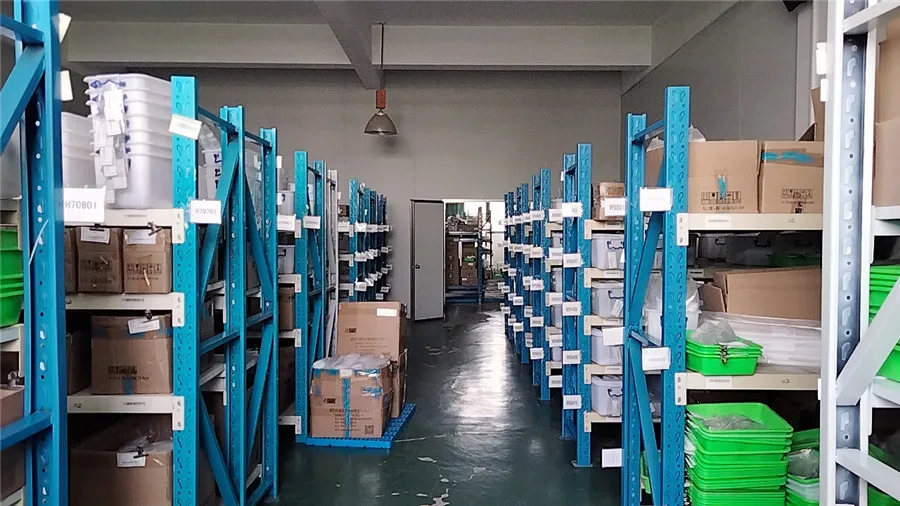
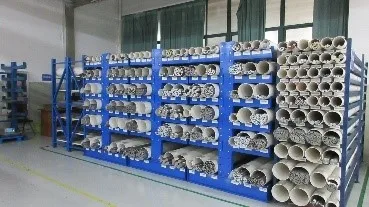
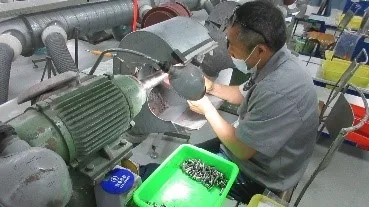
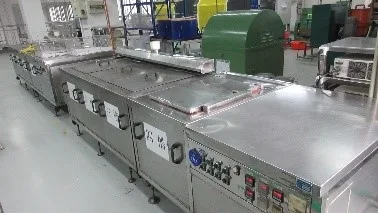
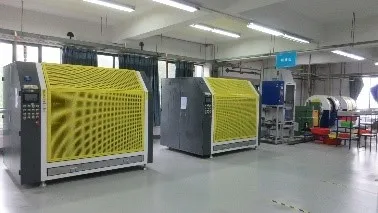
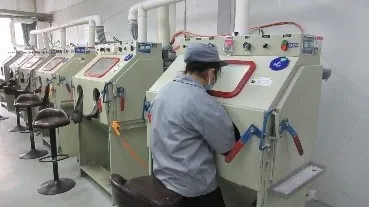
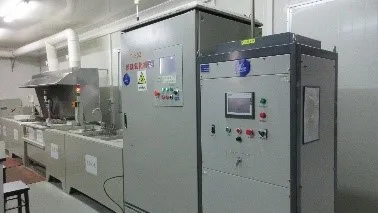
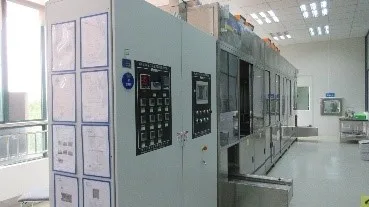
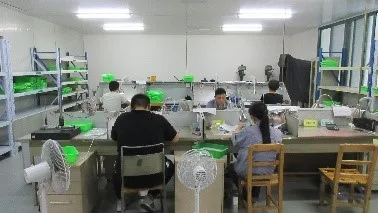
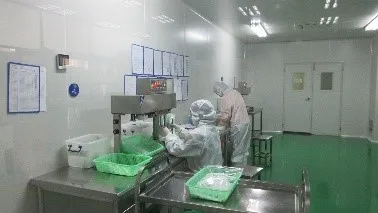
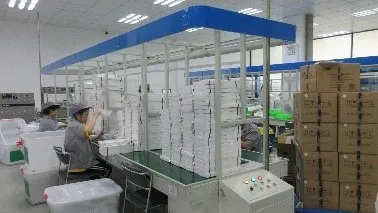
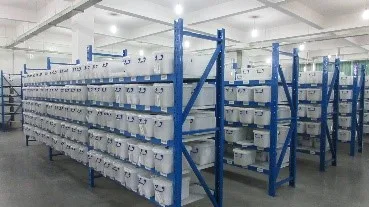
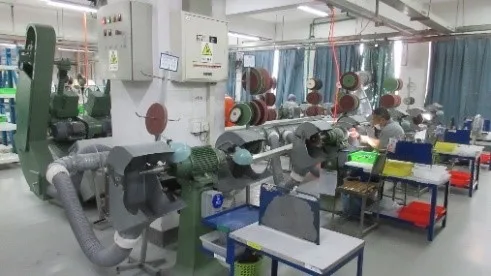
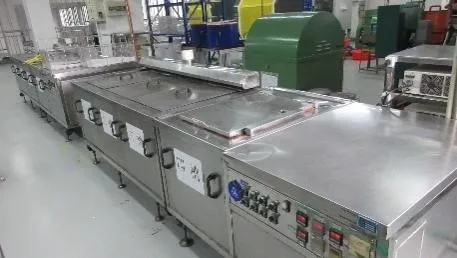
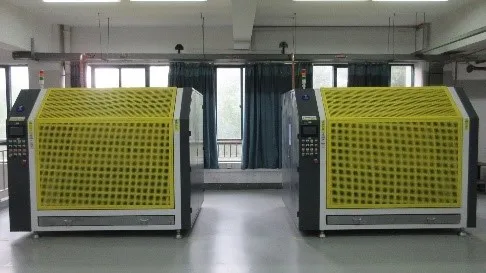
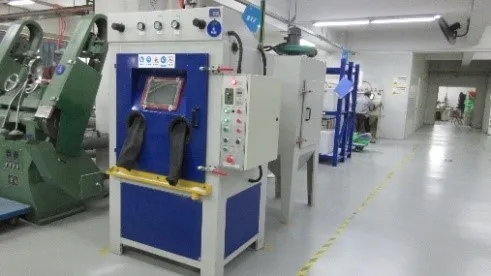
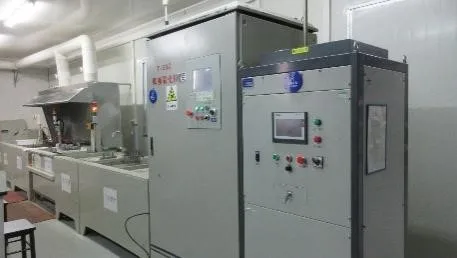
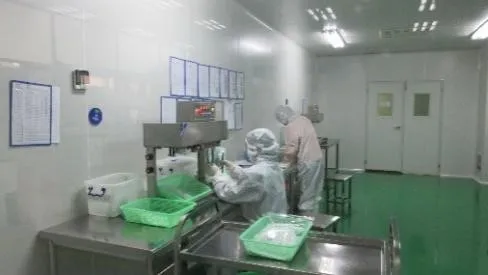
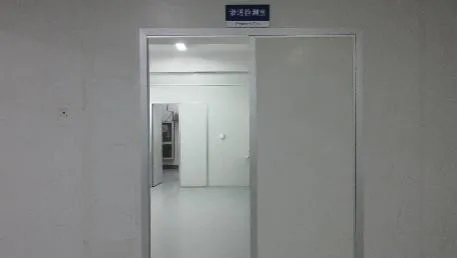
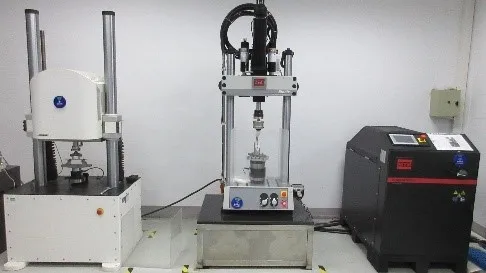
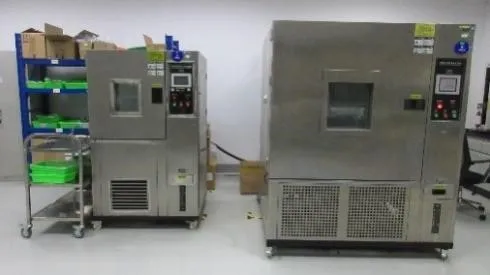
Undergoing rigid raw material verification, CNC multi-axis processing, cleanroom packaging, and individual component batch testing.
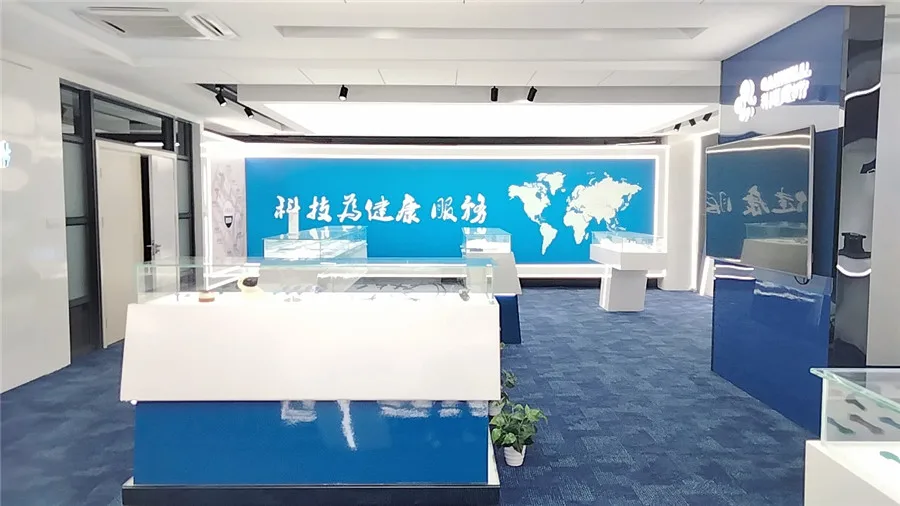
Answers to critical technical, clinical, and logistics questions from Nagoya surgical teams and procurement departments.
Whether you are a medical device distributor in Aichi Prefecture or a hospital procurement manager looking for high-precision, clinically verified sports medicine implants, our global team is ready to provide engineering documentation, certifications, and sterile samples.
 Harney-Well