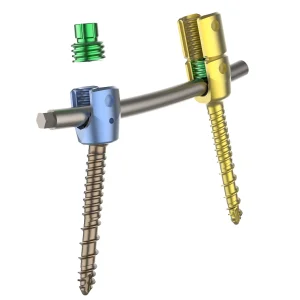
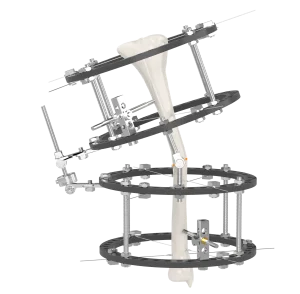
Advanced minimally invasive screw assemblies and modular mesh cages engineered for high-complexity spinal reconstructions in Mumbai's private healthcare centers.
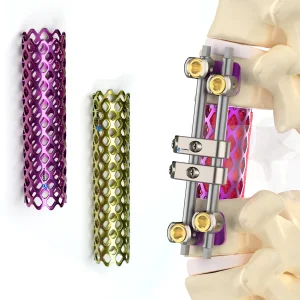
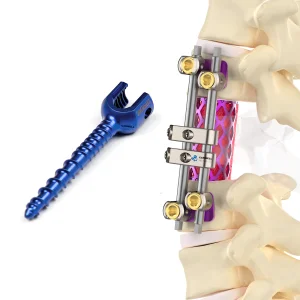
A macroeconomic and clinical overview of Mumbai's tertiary orthopedic landscape.
Mumbai houses premier healthcare systems including the Municipal Corporation (BMC) hospitals (KEM, Sion, and Nair Hospitals) alongside premium corporate facilities such as Kokilaben Dhirubhai Ambani, Hinduja, and Lilavati. These centers require consistent, high-volume supply chains for Class III spinal fixations that balance clinical efficacy with predictable cost metrics.
Driven by the aging population, urbanization, degenerative disc diseases, and acute trauma from high-density commuting networks, Mumbai represents one of India's largest localized markets for spinal instrumentation. Spondylolisthesis, stenosis, and spinal deformity corrections represent more than 60% of all neuro-spine and orthopedic procedures in the metro area.
Historically dominated by highly priced US and European multinationals, Mumbai’s surgical networks are transitioning to value-driven, MDR/ISO-certified manufacturers. Procurement managers are seeking options that offer comparable biomechanical tolerances, traceable raw materials, and robust sterile packaging at a sustainable cost structure.
Developing spinal implant technology to maximize biomechanical stability and promote rapid osteointegration.
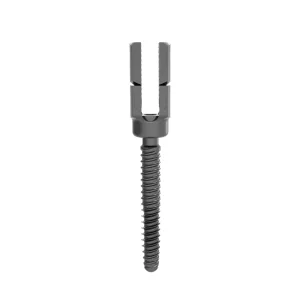
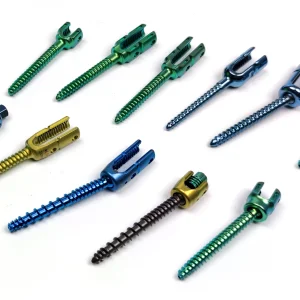
Our pedicle screws are manufactured from implant-grade Titanium Alloy (Ti-6Al-4V ELI) conforming to ASTM F136 standards. This provides an optimal strength-to-weight ratio, fatigue resistance, and biocompatibility, minimizing the risk of postoperative implant failure.
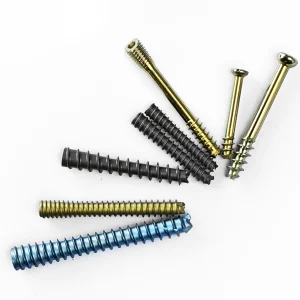
Featuring a dual-lead thread profile that optimizes pullout resistance and reduces insertion torque during orthopedic procedures. The self-tapping tip allows for precise placement, while the low-profile polyaxial head provides up to 50 degrees of angulation for easier rod alignment in complex multi-segment fixations.
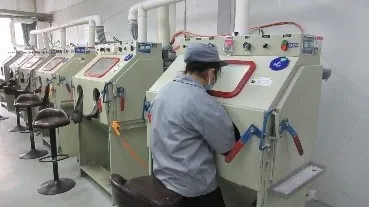
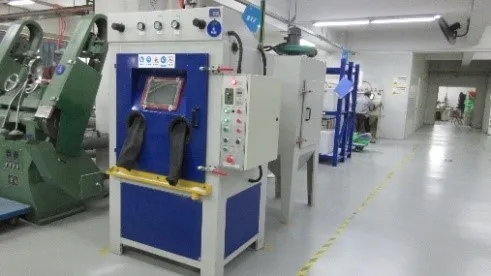
Utilizing advanced surface modification processes, including controlled sandblasting and acid etching, to create micro-rough surfaces. This topography supports bone cells (osteoblasts) in adhering and proliferating directly onto the implant surface, accelerating biological fixation.
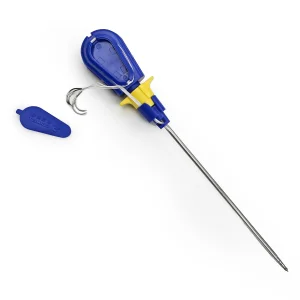
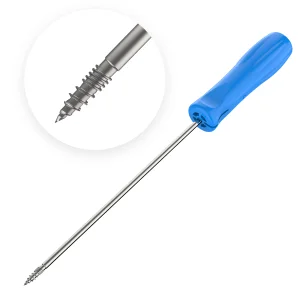
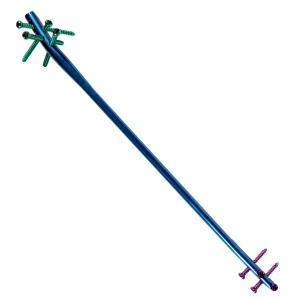
Our current MIS pedicle screw systems utilize cannulated screws and specialized guide wires, allowing surgeons in Mumbai to perform percutaneous stabilizations that minimize muscle trauma and accelerate patient recovery.
Developing Hydroxyapatite (HA) coated pedicle screws designed to enhance implant-to-bone contact stability in osteoporotic patients, minimizing the risk of screw loosening over time.
Adapting our instrumentation kits for seamless compatibility with major intraoperative imaging systems and robotic-assisted surgical platforms, supporting high-accuracy screw placement.
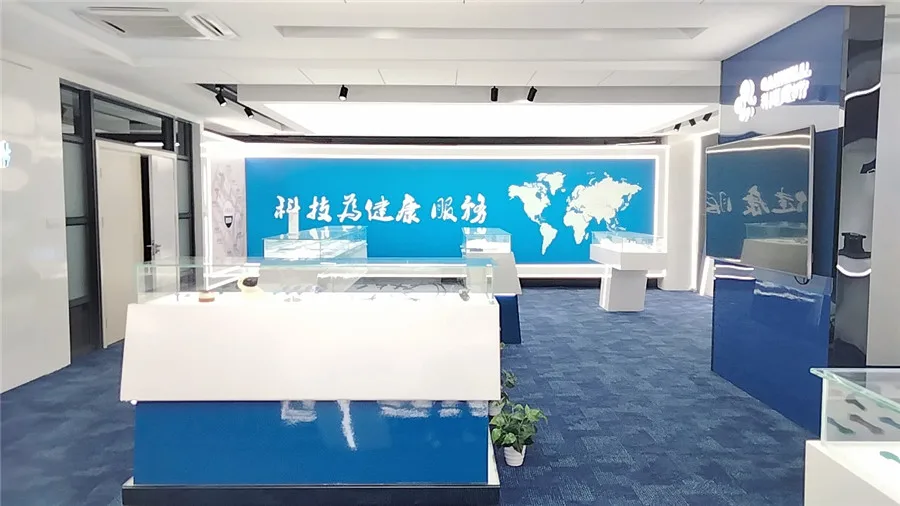
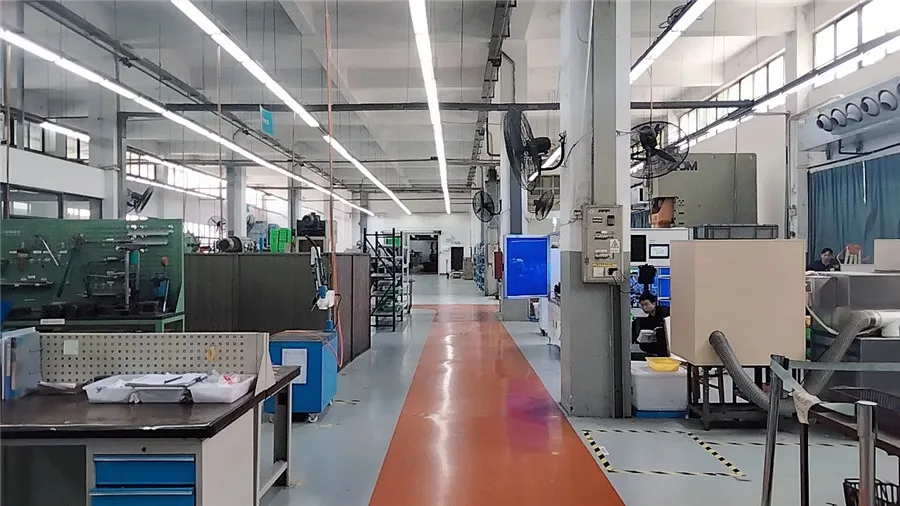
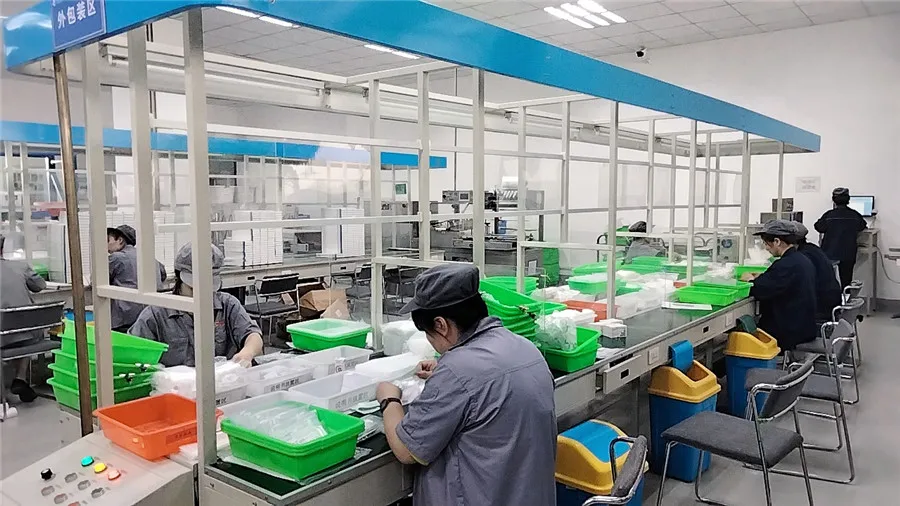
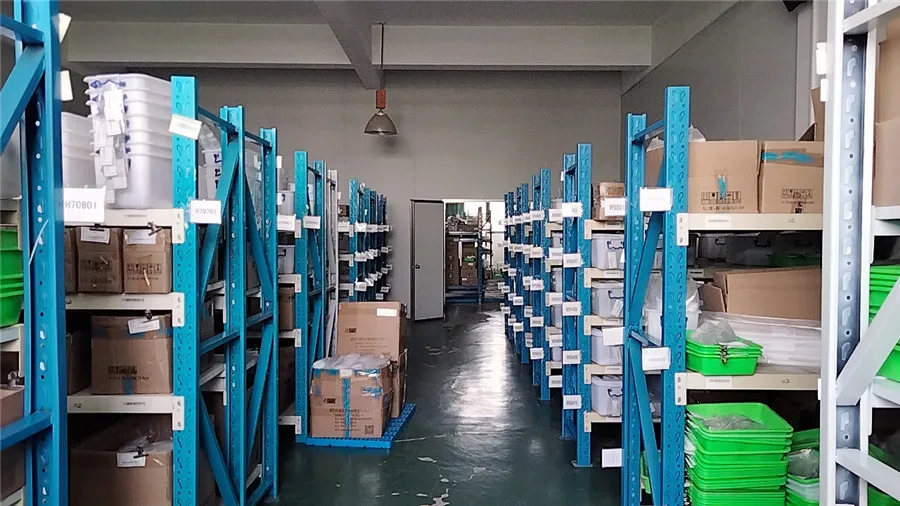
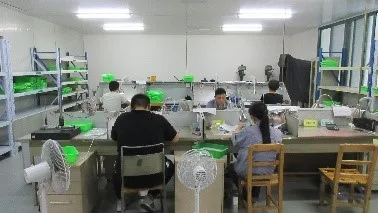
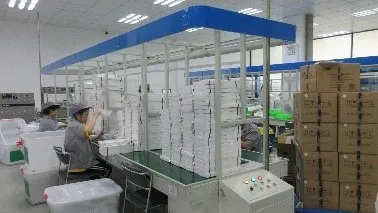
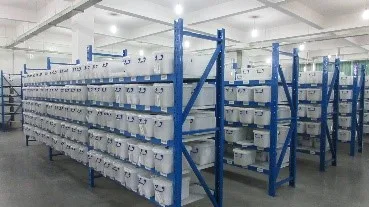
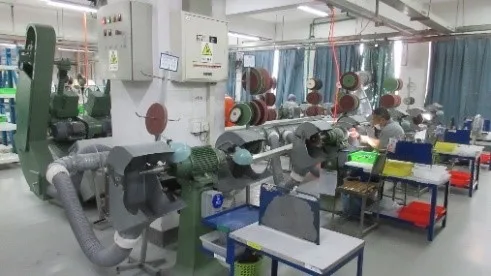
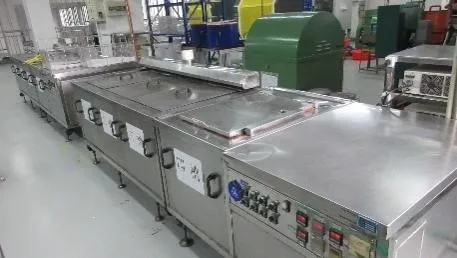
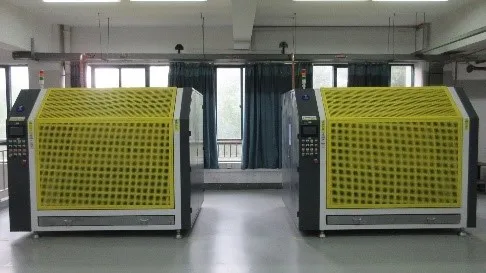
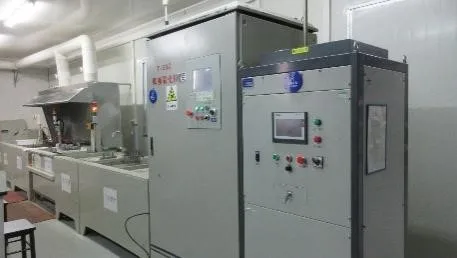
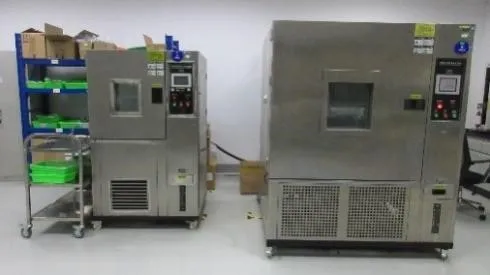
Our manufacturing facility combines rigorous quality controls with scaled output to support international clinical supply chains.
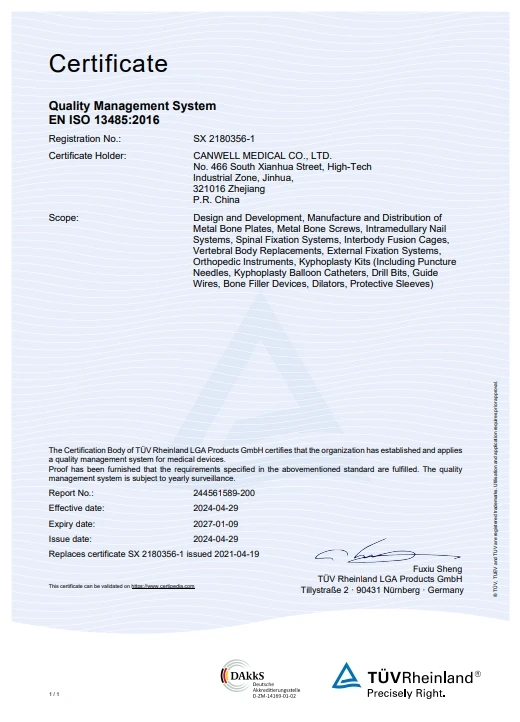
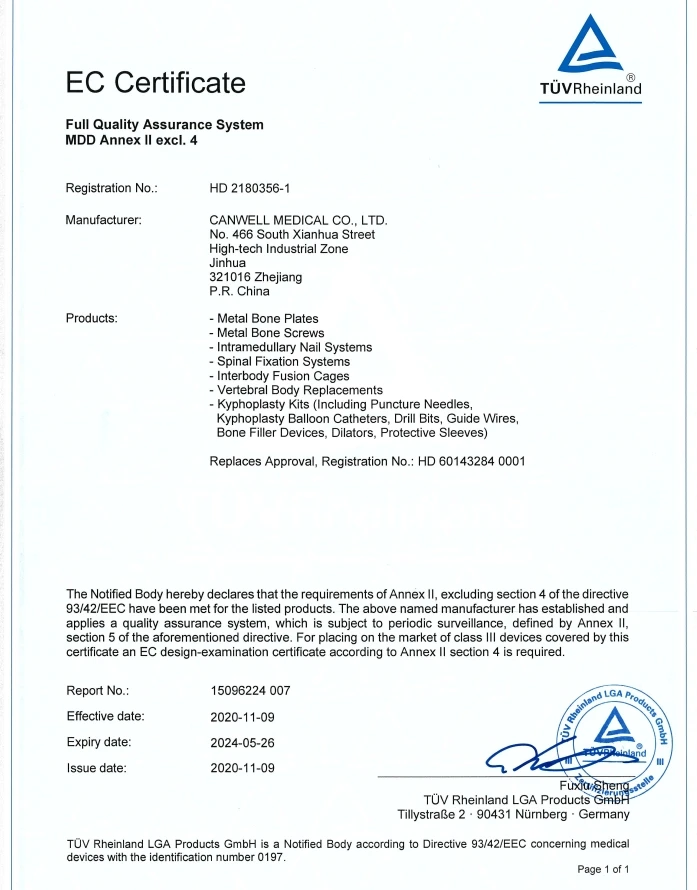
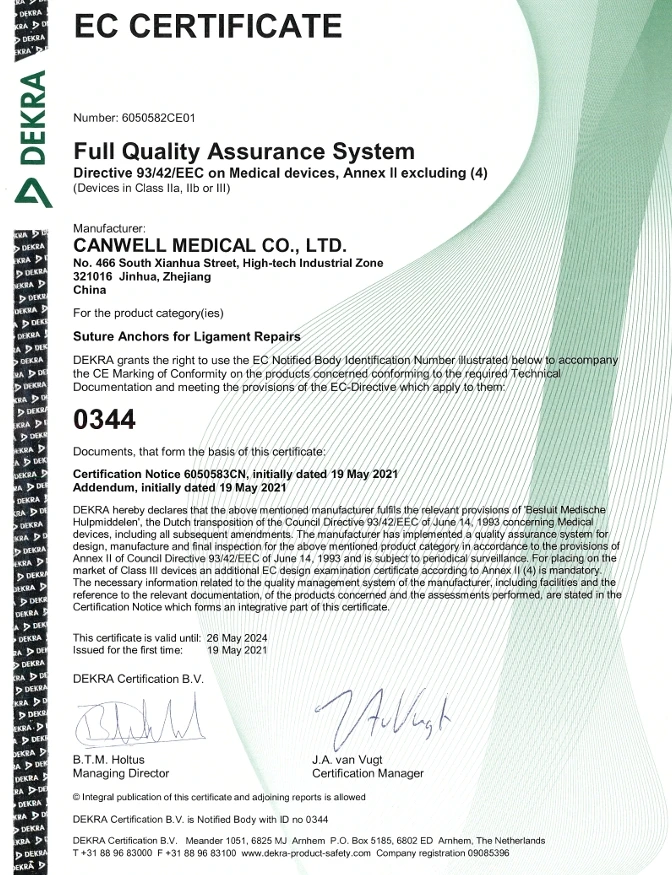
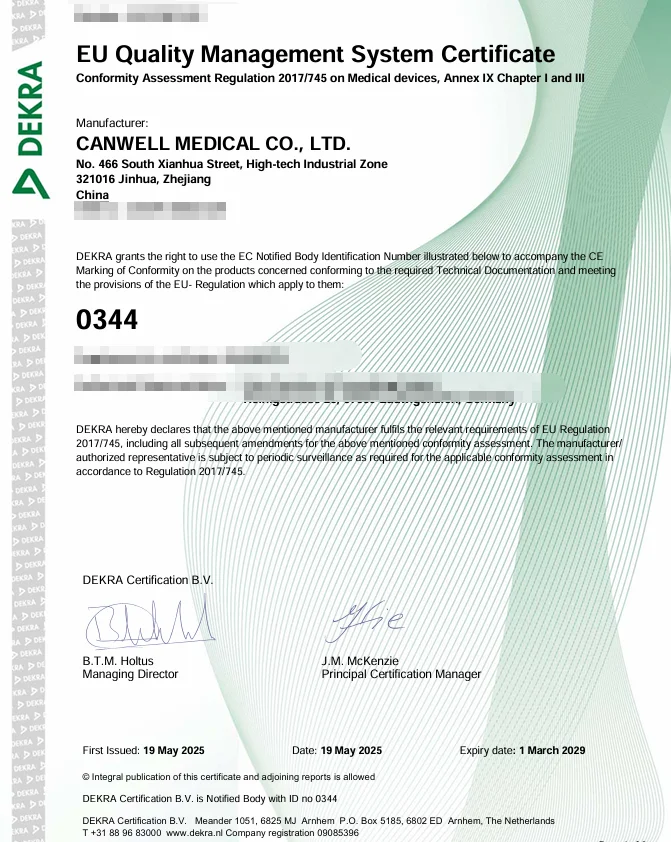
Navigating the regulatory framework for medical device importation under the Central Drugs Standard Control Organisation.
In accordance with the Medical Device Rules (MDR) 2017 of India, spinal implants fall under Class C (Moderate to High Risk) medical devices. Successful market authorization in India requires deep compliance validation:
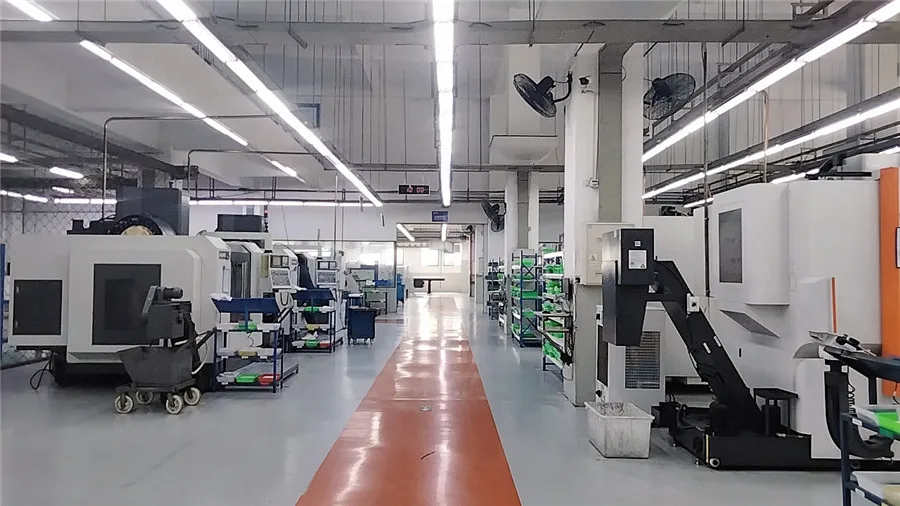
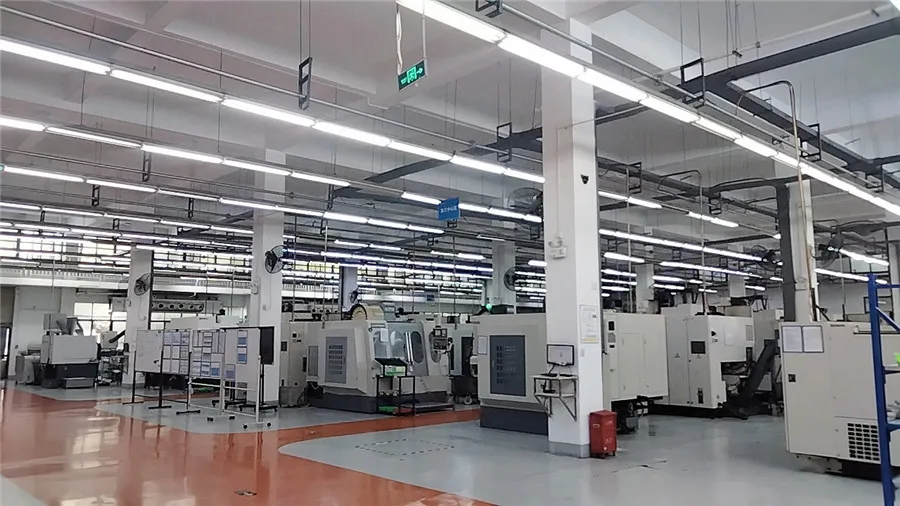
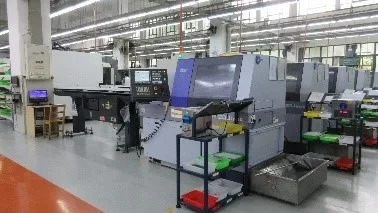
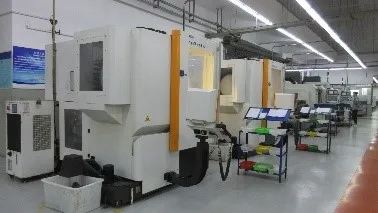
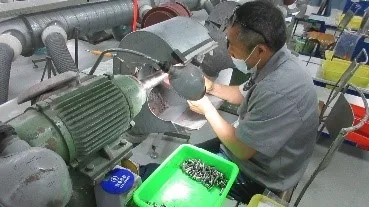
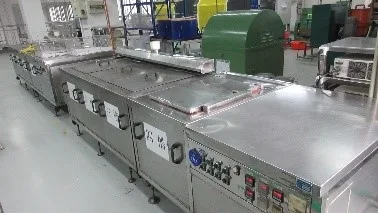
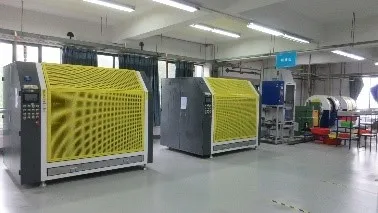
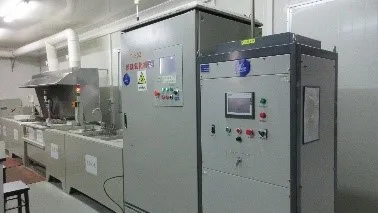
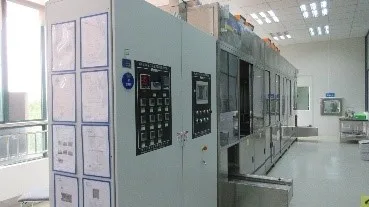
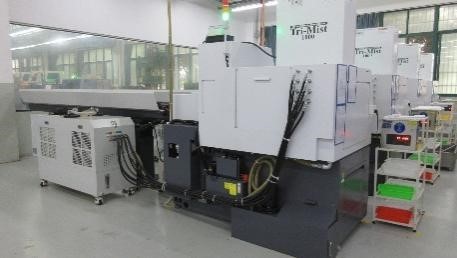
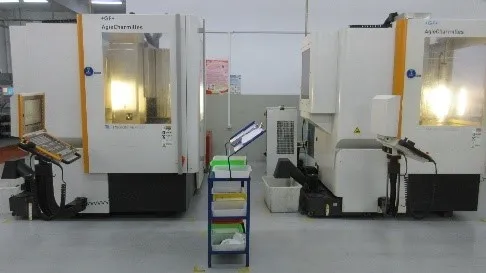
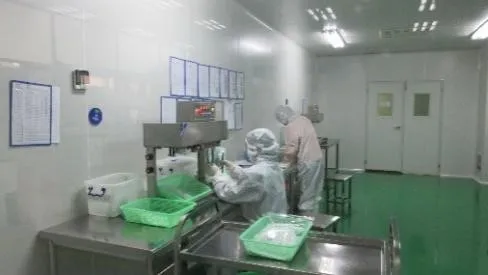
Our smart manufacturing facility leverages advanced automation to deliver consistent surgical implants at scale.
We use Japanese Swiss-type automatic lathes and high-precision CNC machining centers. This automation ensures tight dimensional tolerances (+/- 0.005 mm) for thread profiles and locking mechanics, reducing variance across production runs.
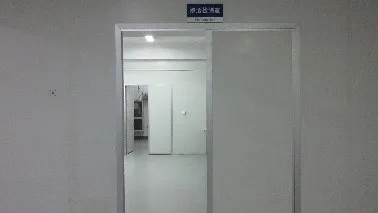
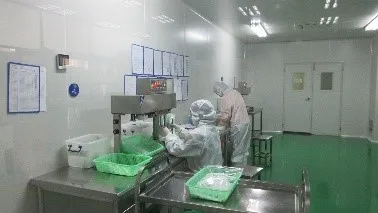
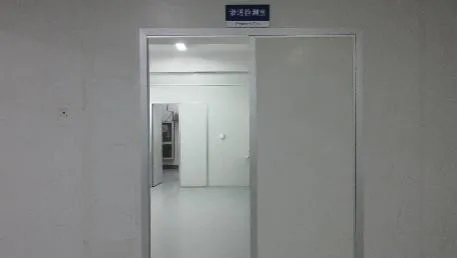
Implant packaging is executed within Class 10,000 (ISO Class 7) cleanrooms. Monitored air-filtration systems and strict environmental controls prevent particulate contamination, ensuring safety for direct surgical use.
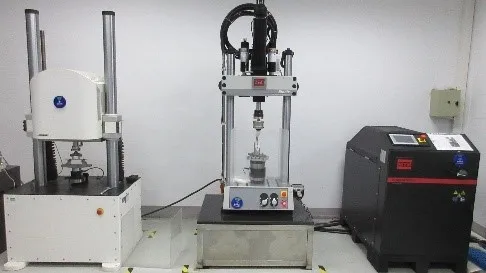
Implant designs undergo static and dynamic fatigue tests (such as ASTM F1717 and ASTM F1798 setups for spinal implants) to verify structural integrity under simulated physiological loads.
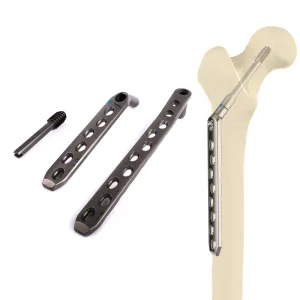
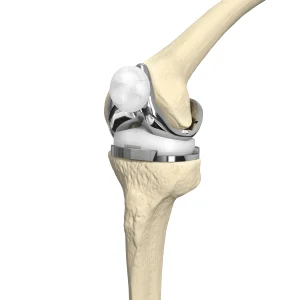
A comprehensive catalog of orthopedics, trauma plates, suture anchors, and joint arthroplasty kits certified for global distribution.
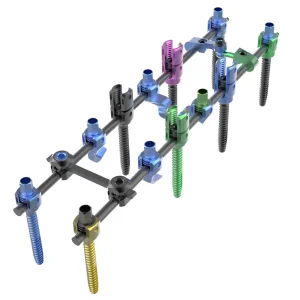
A structural outline for hospital procurement departments and orthopedic distributors.
Verify that your manufacturer is registered under MD-15 import rules, and possesses up-to-date certificates for ISO 13485 and MDR/CE. These are critical for avoiding customs delays at major ports like Nhava Sheva or Mumbai Air Cargo.
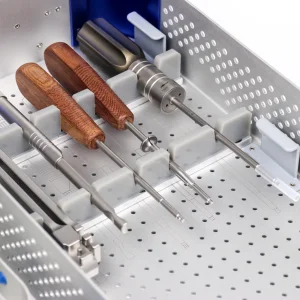
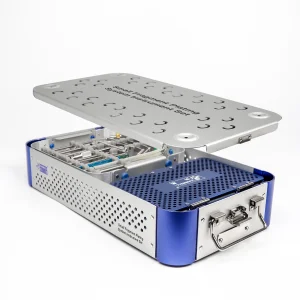
Spinal surgeries require complete, reliable instrument sets. Sourcing screws alongside matching driver assemblies, taps, rod benders, and sterilization trays ensures compatibility during procedures.
Audit manufacturing pathways to confirm the use of biocompatible titanium alloys (Ti-6Al-4V ELI conforming to ASTM F136). Ensure the supplier provides complete material test reports for each production lot.
Expert answers addressing regulatory, technical, and logistic inquiries for Mumbai importers.
Establish a direct, traceable procurement route for Class III spinal fixations and trauma systems. Contact our regulatory and technical export teams today.
 Harney-Well