Engineered to exact biomechanical standards, using medical-grade titanium and PEEK materials, certified with CE and ISO approvals.
An in-depth analysis of materials science, biomechanical engineering, and global regulatory navigation for sourcing directors and medical product distributors.
The orthopedic implant industry is undergoing a radical transition driven by advanced materials science, high-precision manufacturing, and an increasingly strict global regulatory framework. For global procurement directors, hospital supply managers, and orthopedics brands, identifying and qualifying the right orthopedic plate factory is no longer just a pricing decision; it is a complex risk management and clinical compliance assessment.
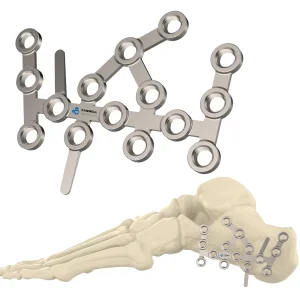
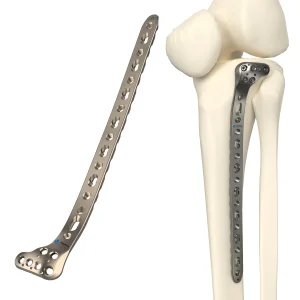
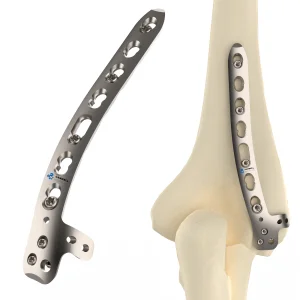
Modern osteosynthesis has progressed far past the era of generic dynamic compression plates (DCP). The focus is now on anatomical pre-contouring, variable-angle locking mechanisms, and specialized surface technologies that promote osseointegration while minimizing infection risk.
A premier orthopedic manufacturer must display outstanding material science competence. Medical implants require the highest standards of materials to prevent tissue rejection and structural fatigue. The main alloy of choice remains Ti-6Al-4V ELI (Extra Low Interstitial), conforming to ASTM F136 specifications, alongside commercially pure titanium (Grade 2, 3, and 4) and premium implant-grade 316L stainless steel (ASTM F138).
| Material Specification | Common Application | Tensile Strength (MPa) | Yield Strength (MPa) | Biocompatibility Benefits |
|---|---|---|---|---|
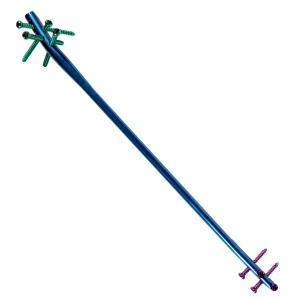
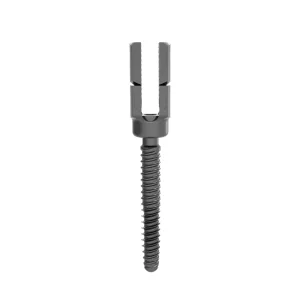
| Titanium Ti-6Al-4V ELI (ASTM F136) | Locking plates, pedicle screws, intramedullary nails | ≥ 860 | ≥ 795 | Excellent corrosion resistance, low modulus of elasticity, optimal osseointegration |
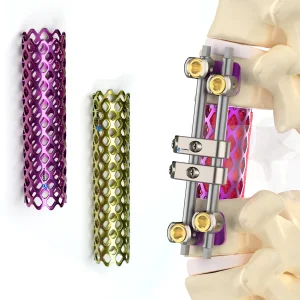
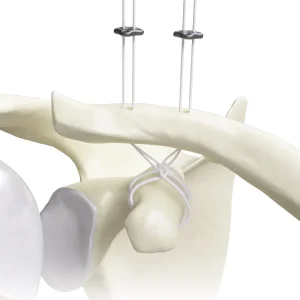
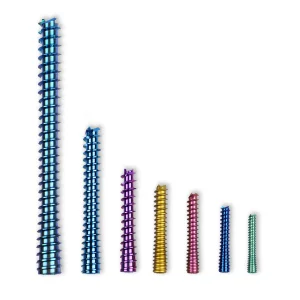
| PEEK (Polyetheretherketone) | Spinal mesh cages, suture anchors, interference screws | ≥ 90 | ≥ 100 | Radiolucency (artifact-free MRI/CT), elastic modulus comparable to cortical bone |
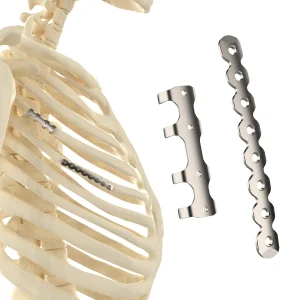
| Commercially Pure Titanium (Grade 4) | Rib locking plates, reconstructive meshes | ≥ 550 | ≥ 483 | High ductility, optimal contouring flexibility in complex anatomical structures |
With the transition from the old Medical Device Directive (MDD 93/42/EEC) to the stringent European Medical Device Regulation (MDR 2017/745), factories that cannot supply comprehensive clinical documentation and full raw material traceability are rapidly losing access to international markets. Sourcing partners must actively verify that their chosen orthopedic plate manufacturer maintains active certified quality management systems (specifically ISO 13485) and has valid CE certificates under the MDR framework.
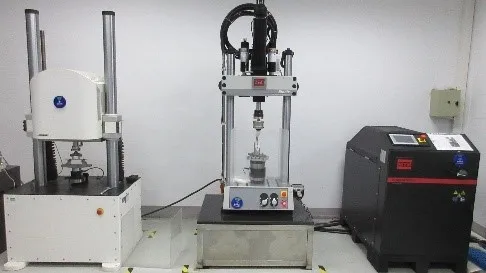
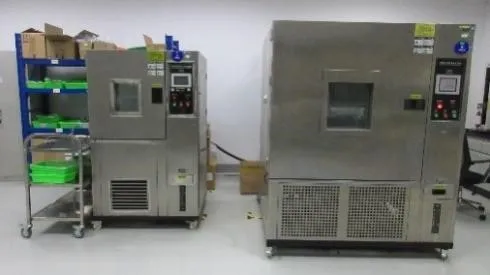
In addition, raw material validation is a critical element of E-E-A-T (Expertise, Authoritativeness, and Trustworthiness). The best suppliers run in-house mechanical and metallurgical laboratories to perform fatigue testing (ASTM F382 for bone plates), chemical composition analysis, and metallographic structure evaluation before any batch enters the CNC milling phase.
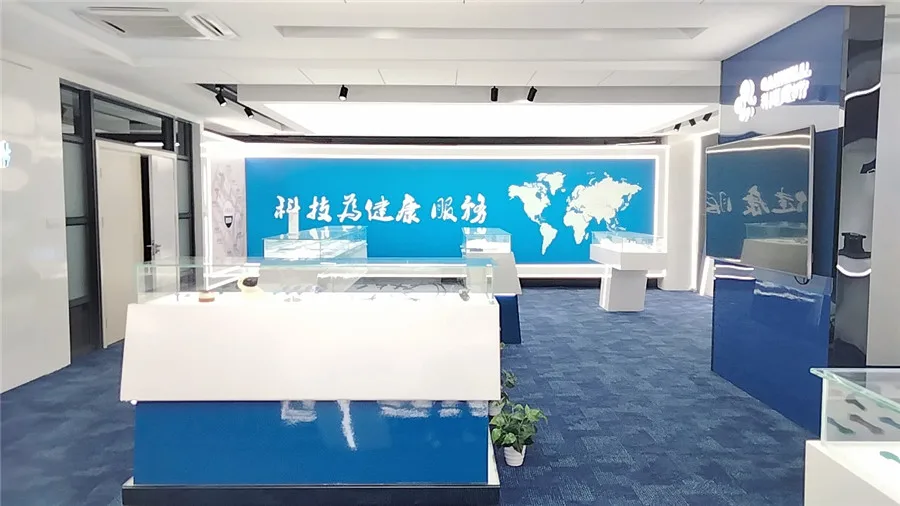
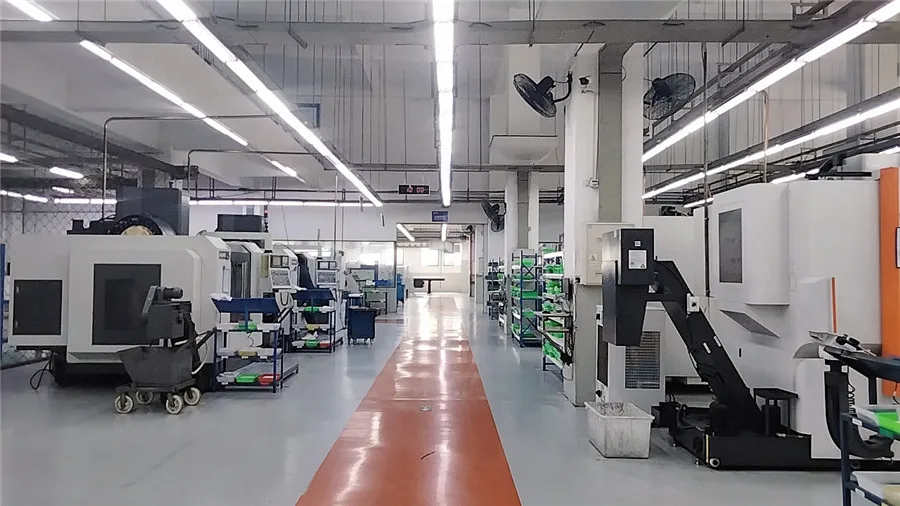
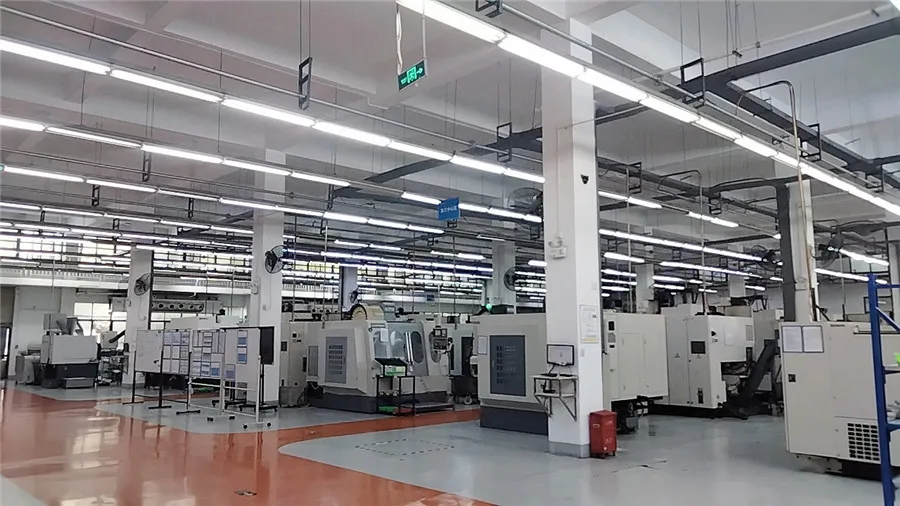
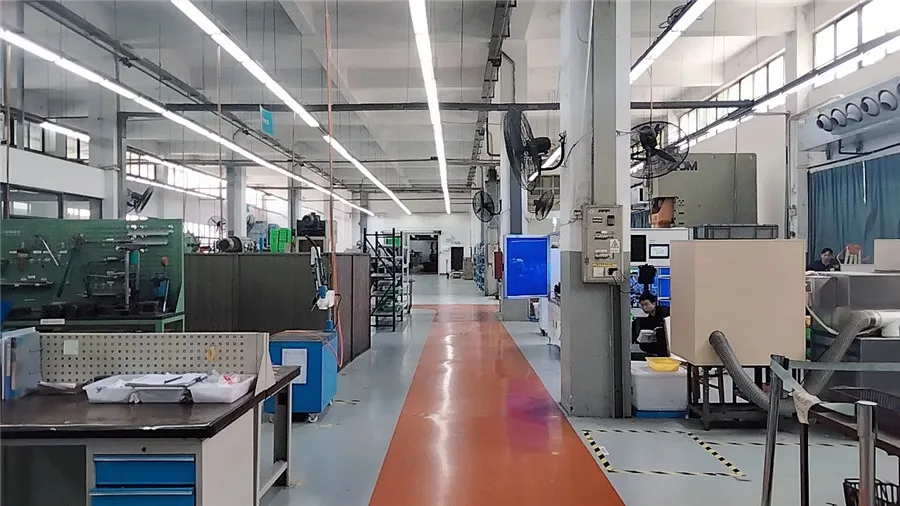
A look into our manufacturing footprint, showing the scale, certifications, and quality control systems driving our production lines.
Maintaining rigorous certification structures ensures our products comply with local and international regulatory authorities worldwide.
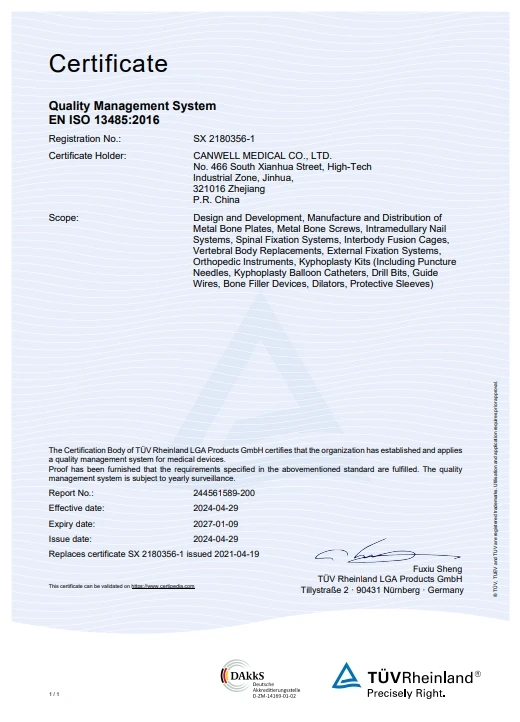
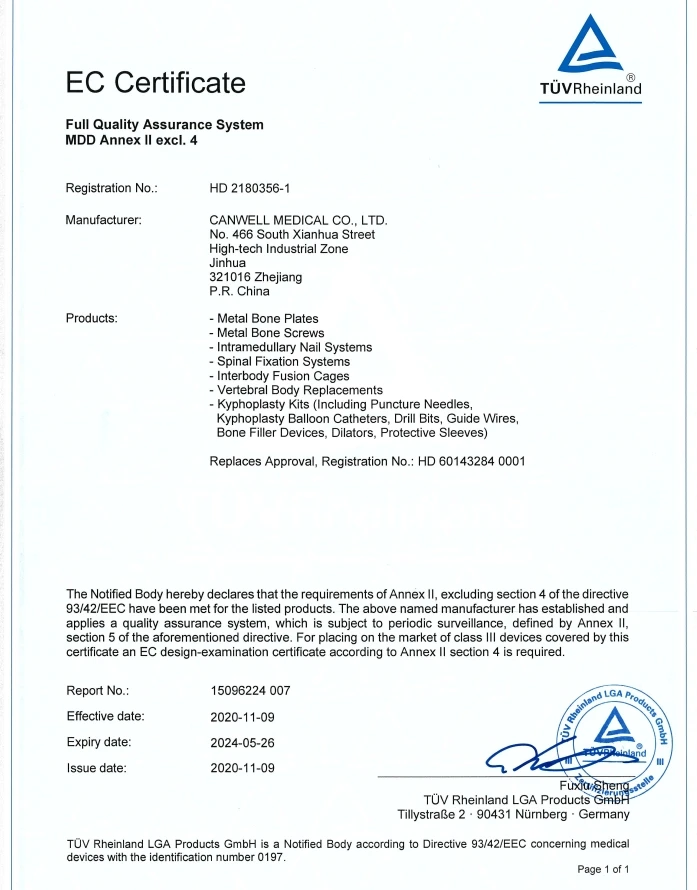
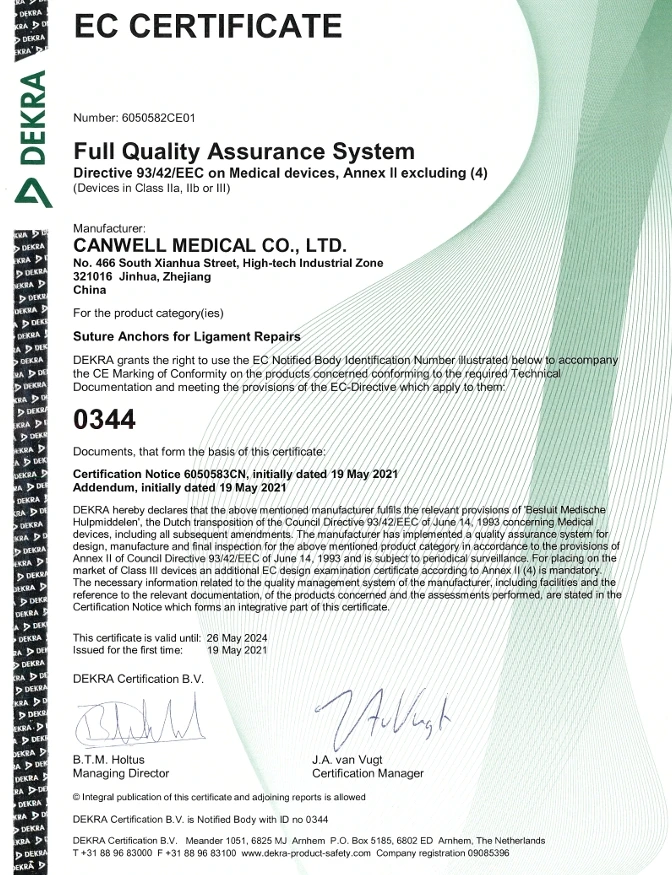
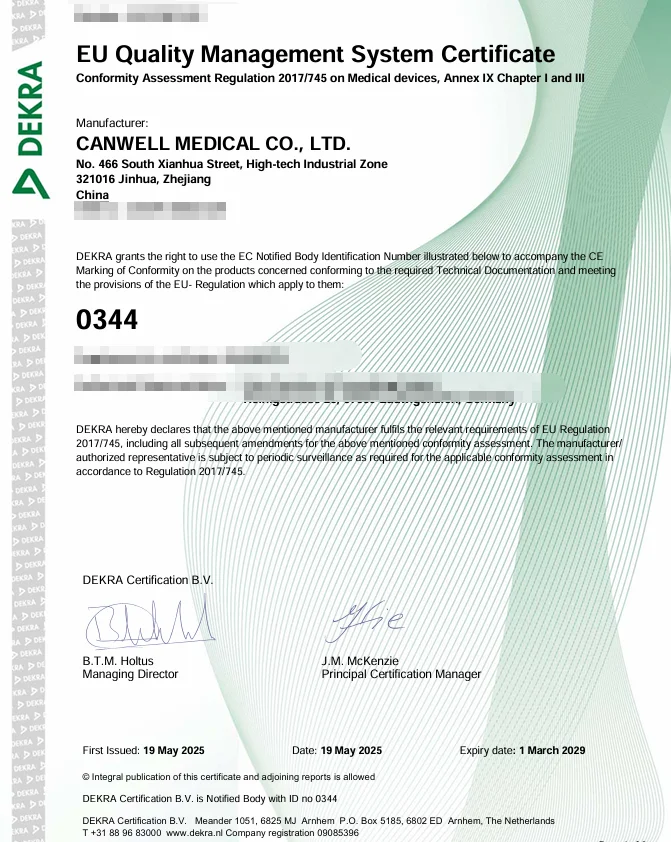
Mitigating sourcing risk through robust quality control systems, tailored OEM design capability, and clear compliance tracking.
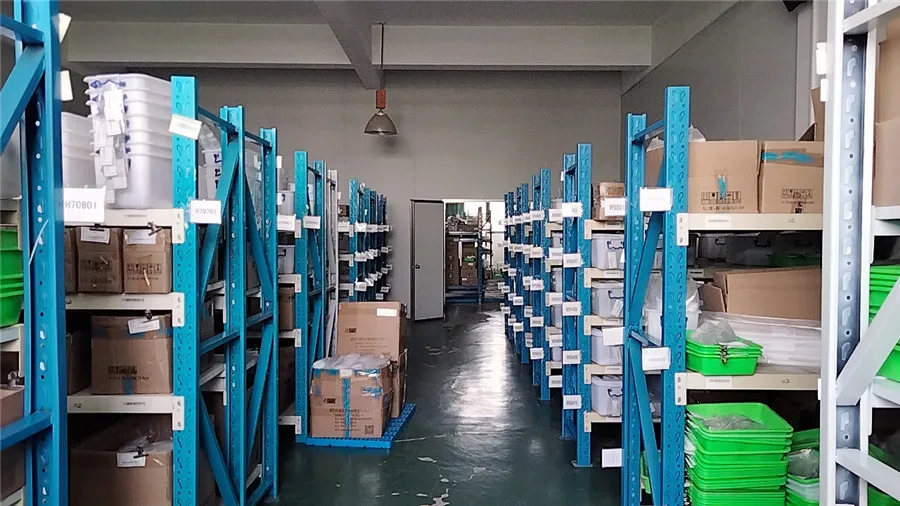
Every single batch of raw titanium (Ti-6Al-4V ELI) is logged, tracked, and stored with mill certificates matching its heat code. Sourcing partners receive comprehensive material chemical analysis reports.
Our R&D team consists of 59 graduate engineers specializing in bone fracture plating dynamics. We support full custom modeling, structural fatigue tests, and sample production in under 30 days.
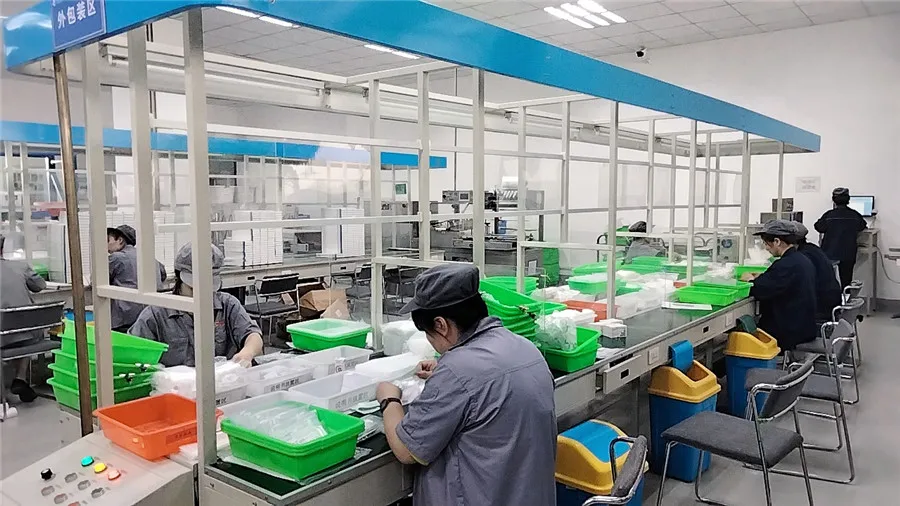
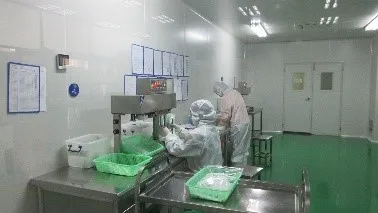
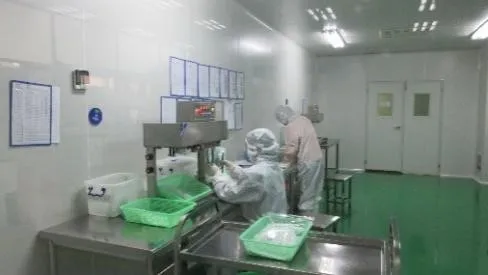
Our 69 QC inspectors oversee visual micro-finishes, thread pitch stability, locking component matching tests, and packaging sterility verification within ISO Class 8 cleanrooms.
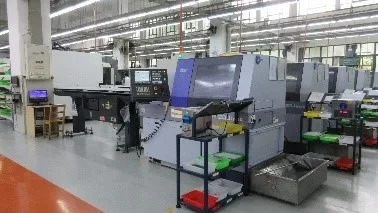
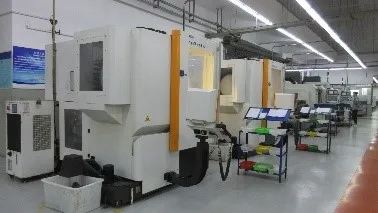
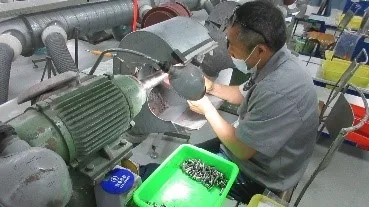
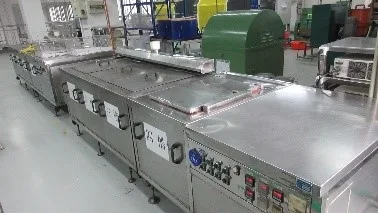
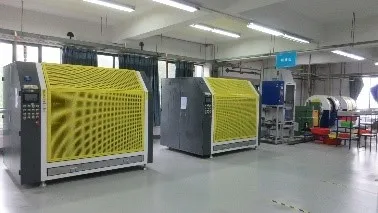
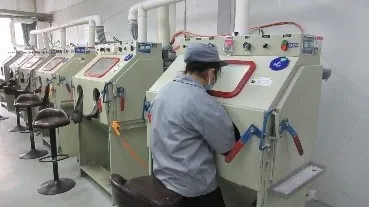
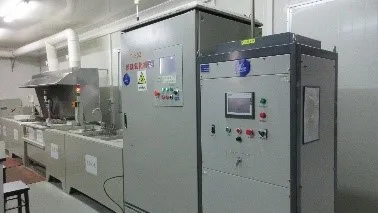
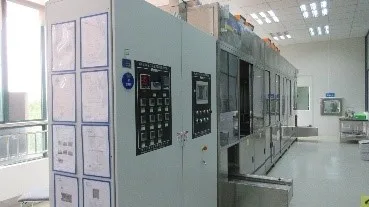
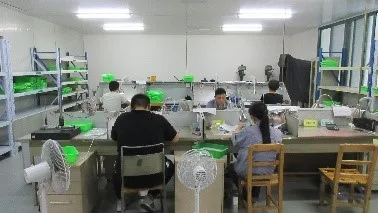
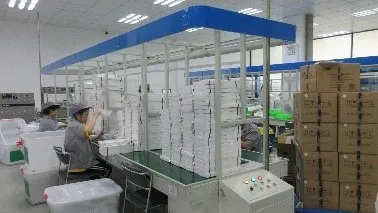
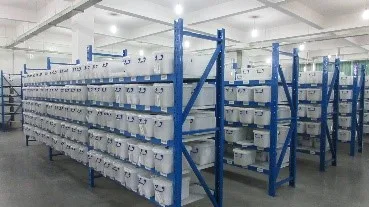
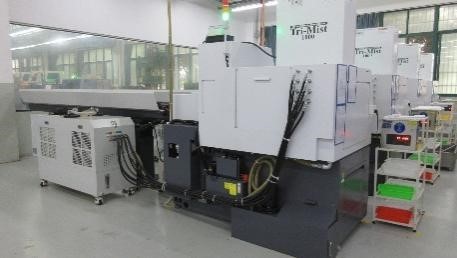
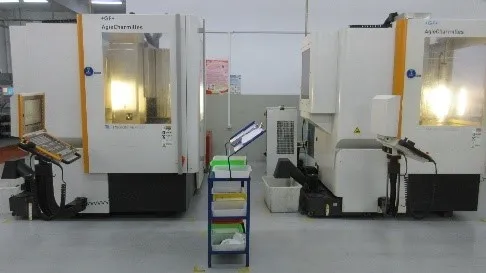
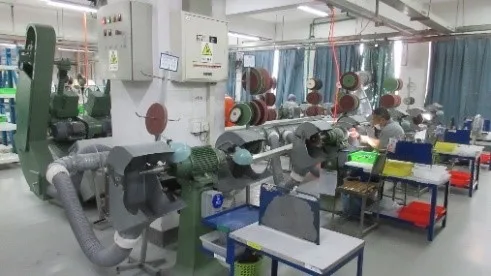
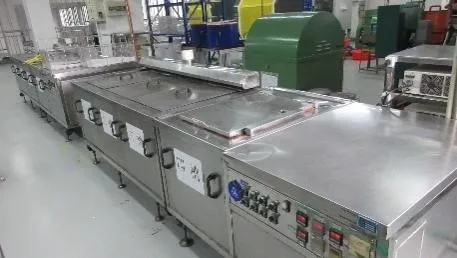
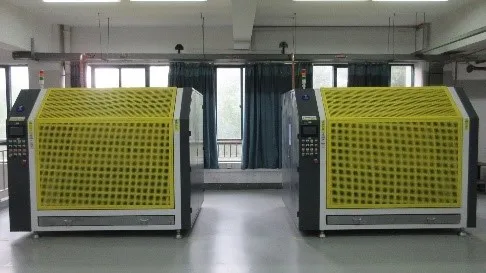
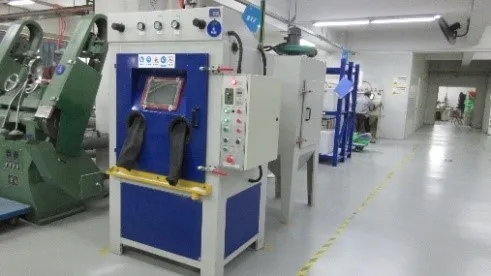
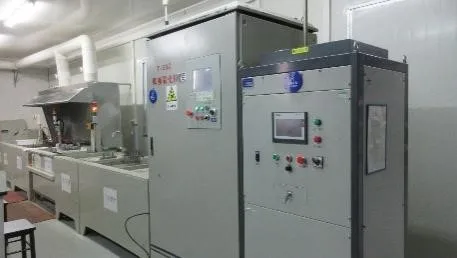
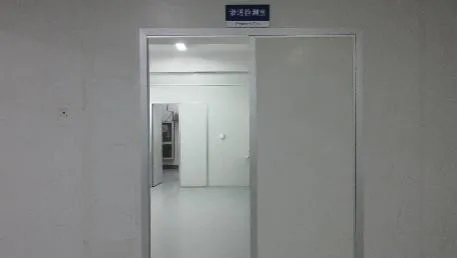
Visual representation of our manufacturing processes, including CNC milling stations, inspection zones, and clean packaging facilities.

Get clear, detailed technical and regulatory answers regarding orthopedic plates and global supply chains.
Engineered to support precise anatomical matching, faster recovery, and robust mechanical fixation.
 Harney-Well