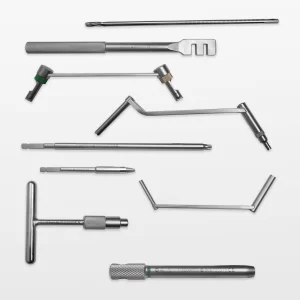
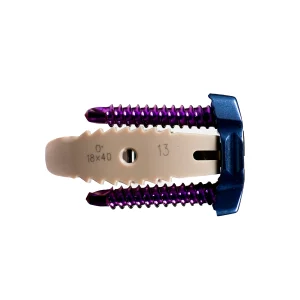
Trauma Instrument Set Supplier & Exporter for the Singapore Market

CE & ISO 13485 Certified Orthopedic OEM/ODM Solutions Customized for Singapore Public Health Clusters (SingHealth, NUHS, NHG) and Private Medical Systems.

Send Inquiry Now
22+
Years of Industry Excellence
29,523㎡
Modern Smart Factory Space
69
QA/QC Inspectors
59
R&D Graduate Engineers

Surgical Trauma Ecosystem in Singapore: Market Analysis & E-E-A-T Framework

Singapore's medical technology landscape stands out as one of the most sophisticated in the Asia-Pacific region. As a primary healthcare hub, the Singapore market demands surgical equipment that strictly conforms to international quality thresholds. Key regulatory benchmarks include those set by the Health Sciences Authority (HSA) and the global standards established by CE (MDR) and ISO 13485. Procurement departments within public health clusters, such as SingHealth, National University Health System (NUHS), and National Healthcare Group (NHG), prioritize sourcing partners that deliver clinical safety, traceable raw materials, and high cost-efficiency.

Global & Singapore Local Commercial Dynamics

The global market for trauma fixation devices and associated surgical instrument sets is expanding rapidly. This growth is driven by a rising elderly demographic susceptible to osteoporotic fractures, alongside a high volume of active-lifestyle injuries in metropolitan centers like Singapore. In the local context, public hospitals (such as Singapore General Hospital, Tan Tock Seng Hospital, and National University Hospital) maintain a high demand for instrument sets that can sustain repeated autoclaving cycles without loss of calibration. The regional trend leans heavily toward minimally invasive plate osteosynthesis (MIPO) and intramedullary nailing systems, which require highly specialized, ergonomic instrumentation.

"For modern healthcare systems, the total cost of ownership of trauma instrument sets is determined by their durability and clinical reliability. Even minor miscalibrations in depth gauges or torque limiters can lead to surgical delays, screw stripping, or patient revision surgeries, escalating hospital operational costs."

Chinese Advanced Medical Manufacturing: Efficiency & Cost Advantage

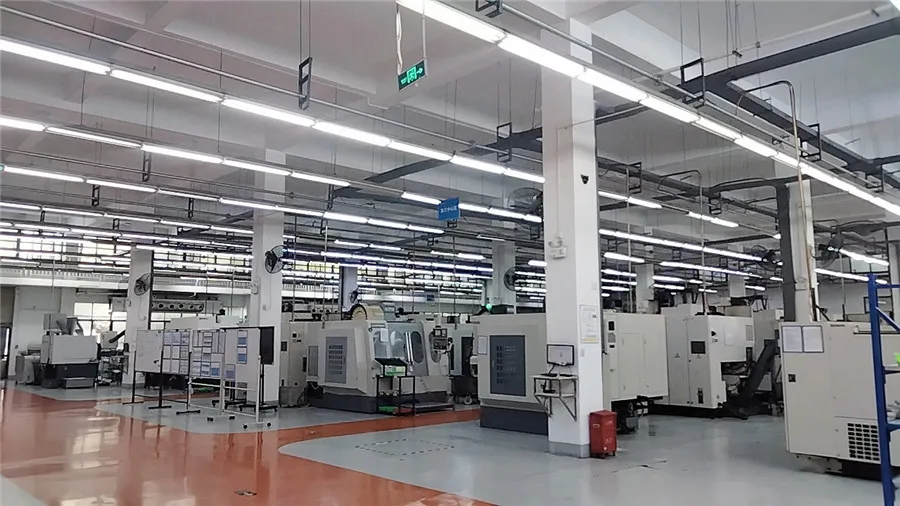
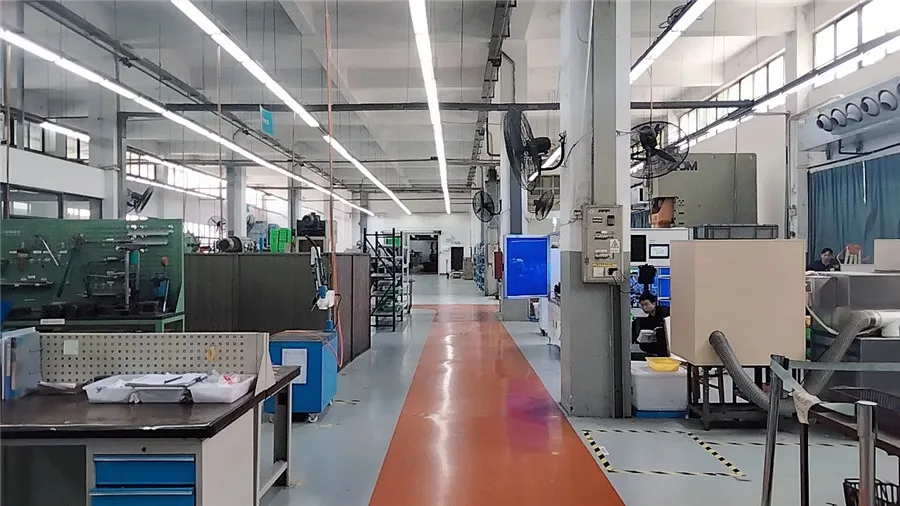
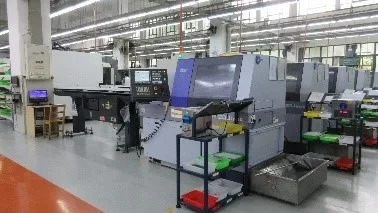
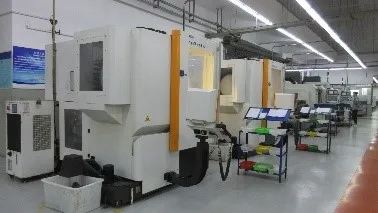
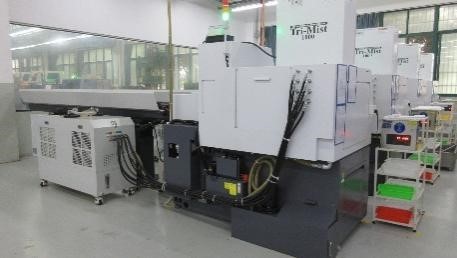
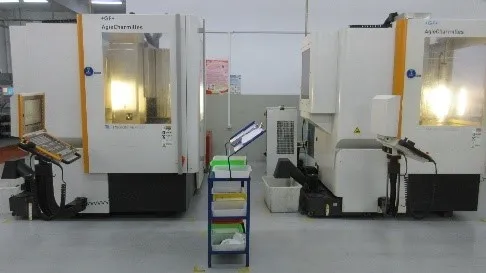
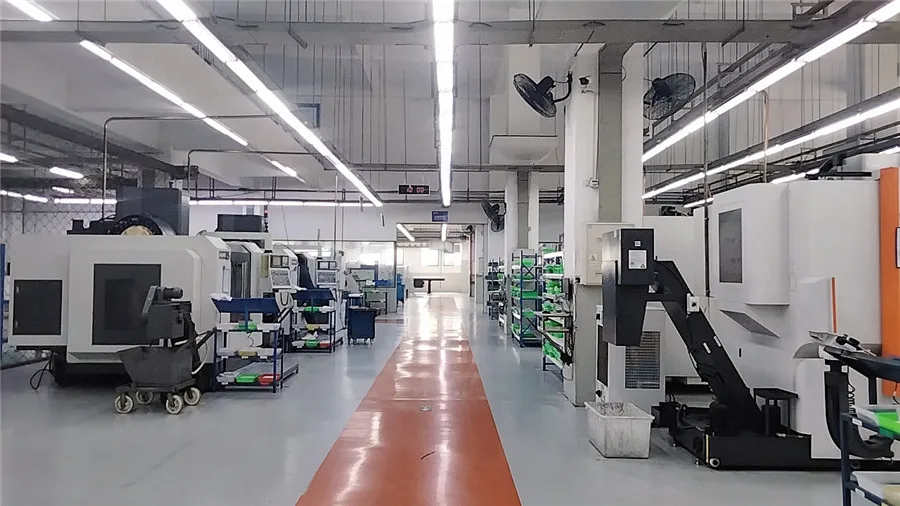
For B2B buyers and global distributors, the paradigm of sourcing from China has evolved. It is no longer just about low labor costs; the shift has been toward high-precision automated manufacturing. Facilities certified under ISO 13485, such as Canwell Medical, utilize state-of-the-art Swiss CNC machining centers, high-capacity wire-cutting systems, and automated passivation lines. This infrastructure ensures that orthopedic instrument sets, including drills, guides, and torque limiters, meet the exact tolerance levels of Western equivalents, but with a highly optimized capital expenditure (CapEx) profile. This efficiency enables healthcare systems to balance tight budgets with uncompromising clinical demands.

Clinical Application Scenarios in Singaporean Operating Theatres

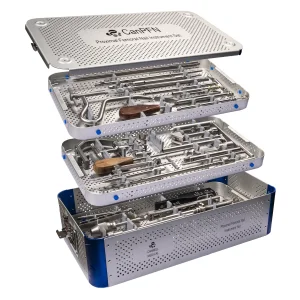
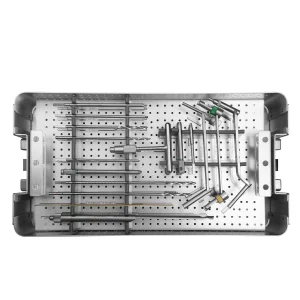
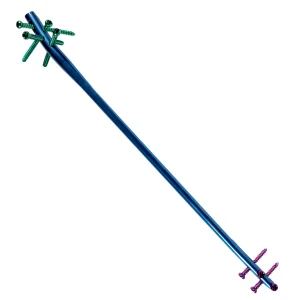
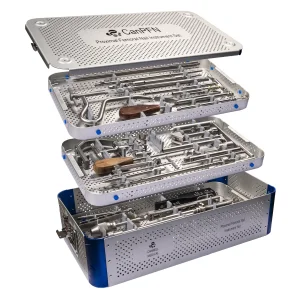
  • Geriatric Hip Fracture Interventions: Specialized PFN/PFNA instrument sets optimized for rapid intramedullary fixation, reducing anesthesia time for elderly patients in community hospitals.
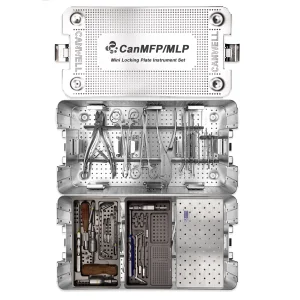
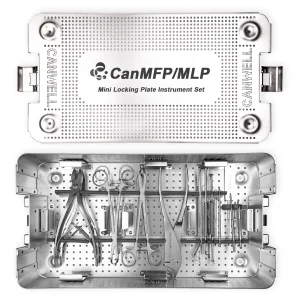
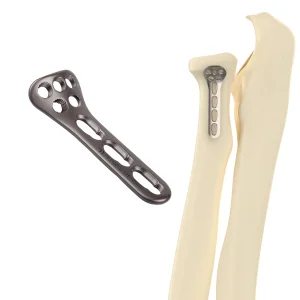
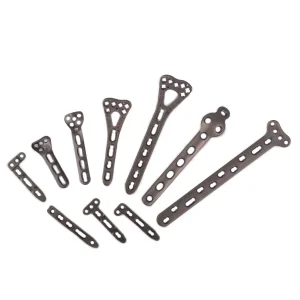
  • Complex Wrist & Distal Radius Fractures: High-precision titanium mini and small fragment locking plate systems deployed in active-adult outpatient surgery centers.
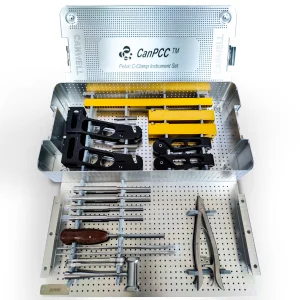
  • Major Poly-Trauma & Pelvic Ring Stabilisation: Heavy-duty Pelvic C-Clamp instrumentation systems used in emergency trauma wards for rapid stabilization and emergency critical care.

Future Technical Trends in Trauma Instrumentation

Surgical instruments are advancing toward smart integration. Future developments focus on tracking technologies, such as laser-etched matrix codes and integrated RFID tags, to streamline sterile processing department (SPD) inventory audits. Additionally, material science research is yielding ultra-durable carbon-fiber-reinforced polymers (PEEK) and advanced titanium alloys (Ti-6Al-4V ELI). These materials are being used to manufacture lighter, radiolucent retractors and guides, enhancing intraoperative fluoroscopy visualization.
Verified Manufacturer Profile & Factory Audited Data
Company Registration Date 2004-11-03
Total Manufacturing Floor Space 29,523 m²
Years of Global Export Experience 22 Years
Accepted Languages English, Chinese
R&D Engineers (Graduate Level) 59 Technical Experts
QA/QC Inspectors on Duty 69 Dedicated Inspectors
Raw Material Traceability System Yes (Full Digital Logs)
Quality Control Coverage 100% of Production Lines

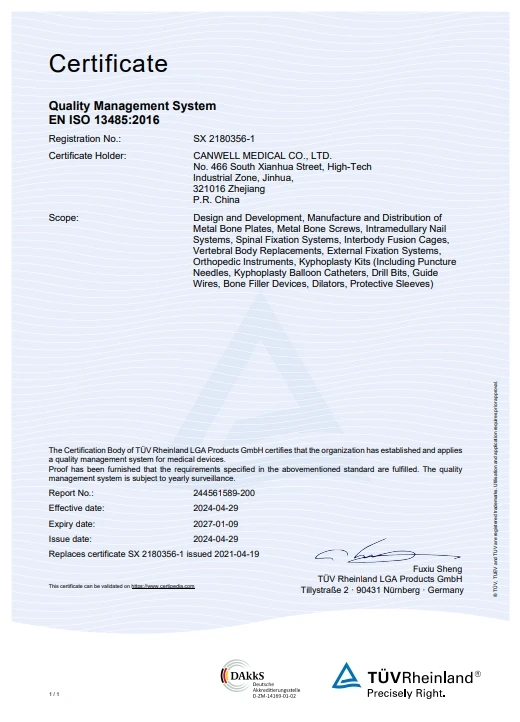
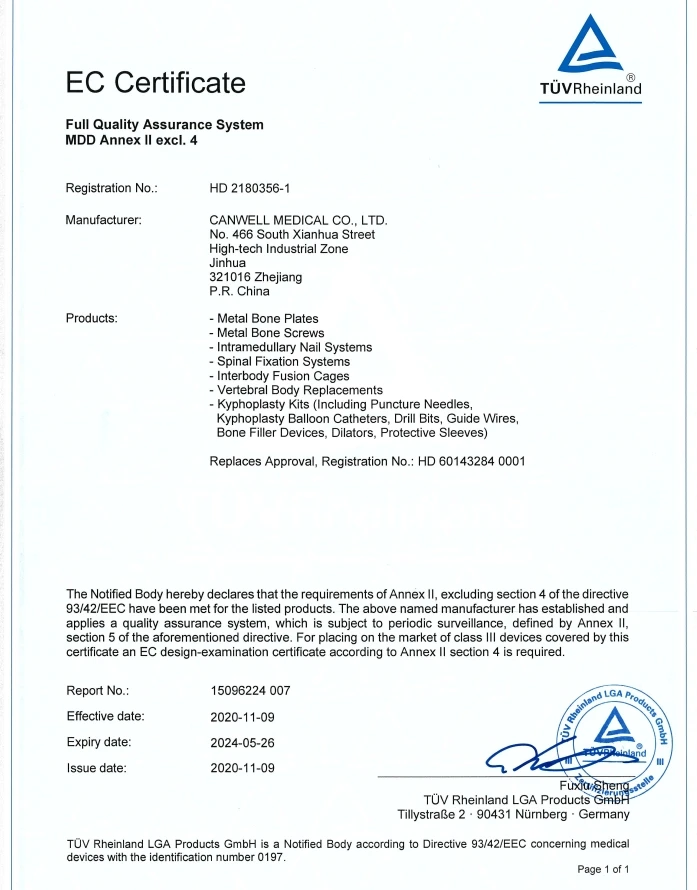
Global Certifications File

ISO 13485 Certificate
ISO 13485
SX 2180356-1
CE 93/42/EEC Certificate
93/42/EEC
HD 2180356-1
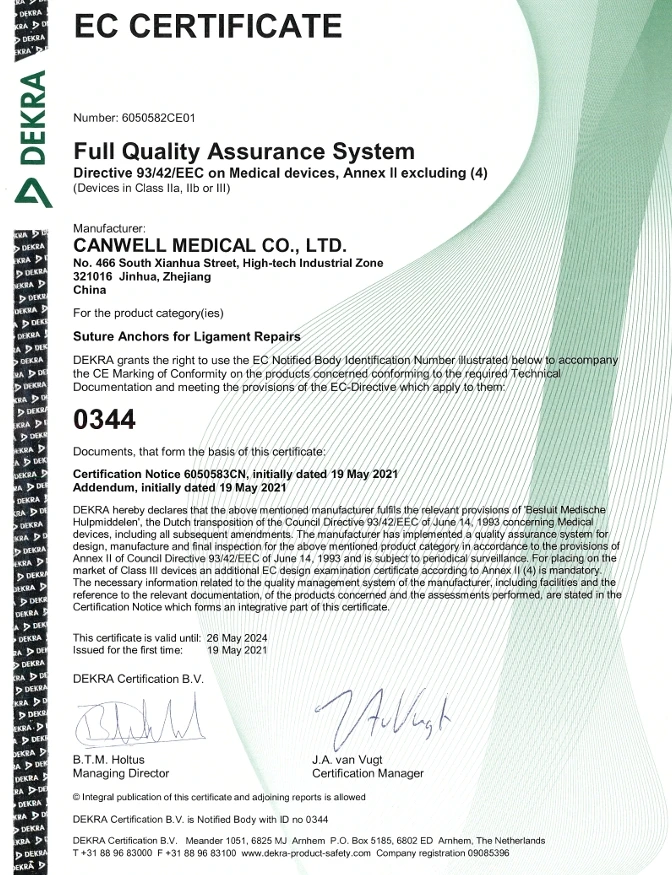
CE 93/42/EEC Annex II
93/42/EEC
6050582CE01
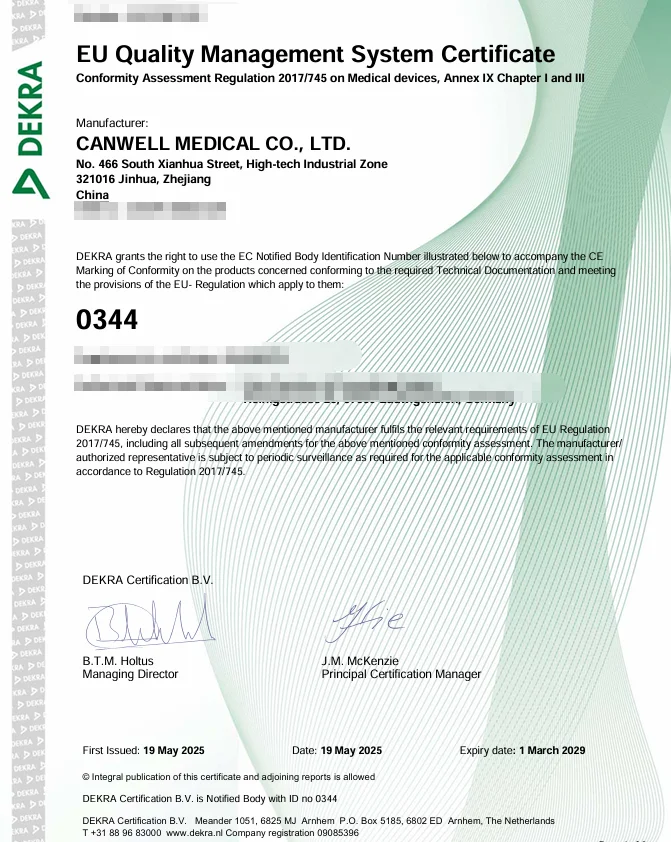
CE MDR Certificate
MDR
6142788CE02

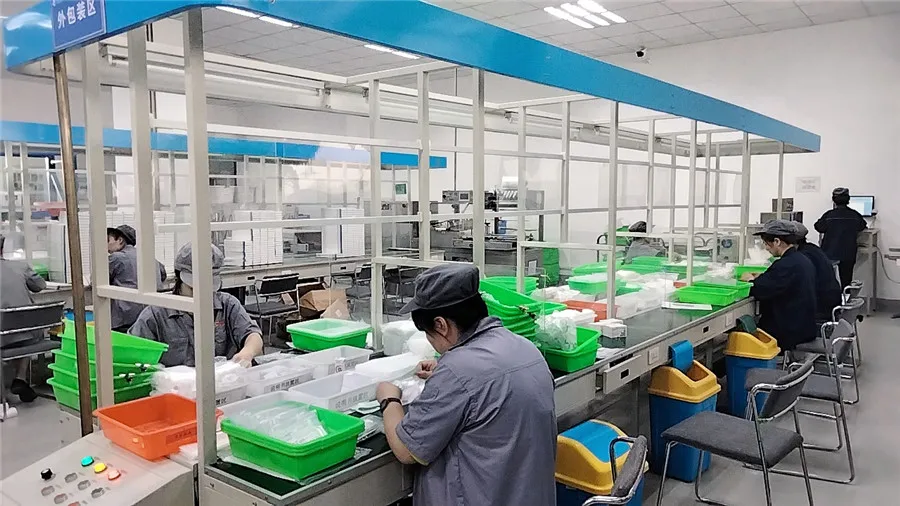
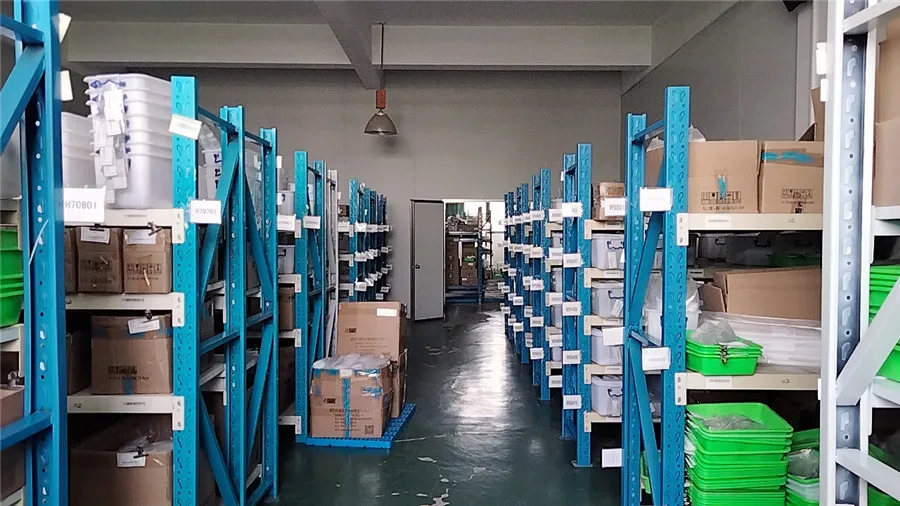
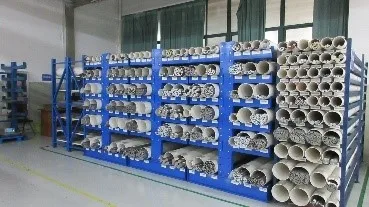
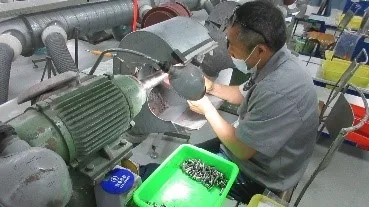
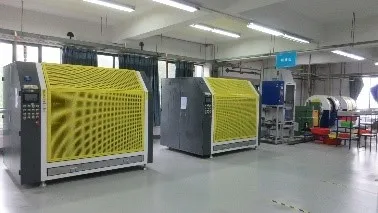
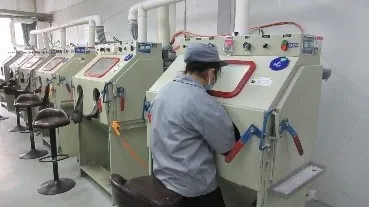
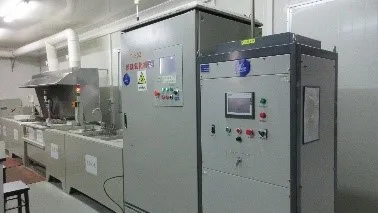
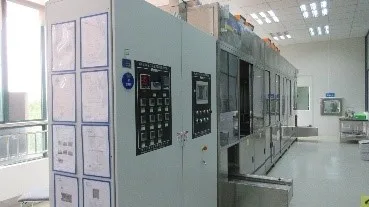
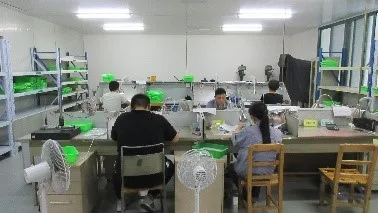
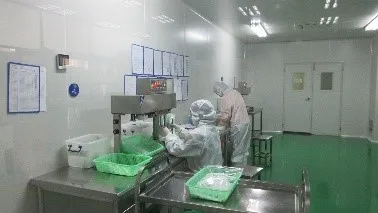
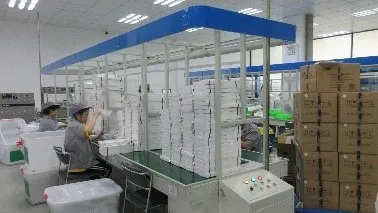
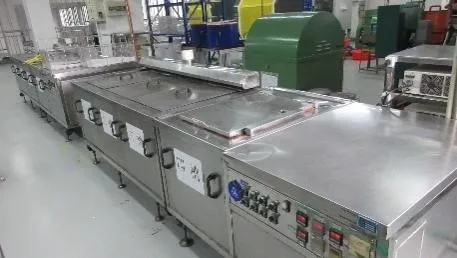
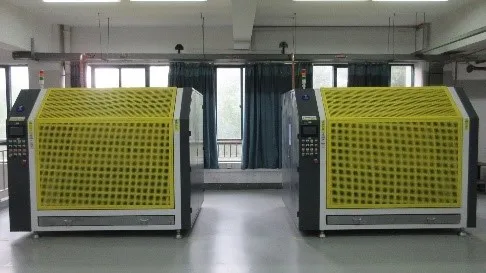
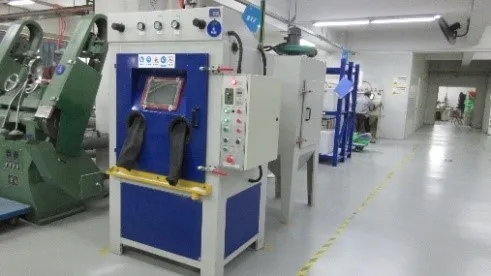
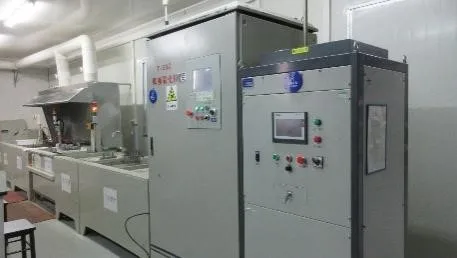
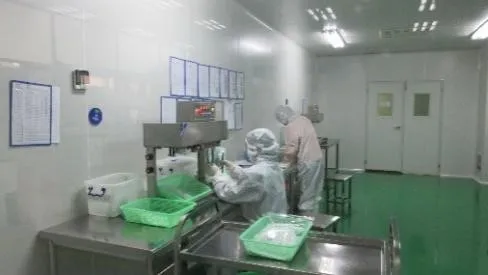
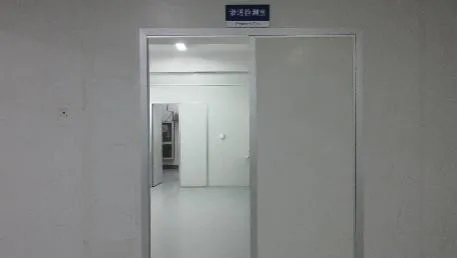
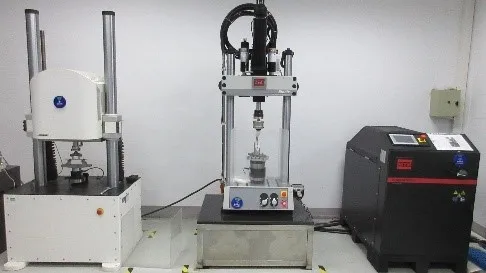
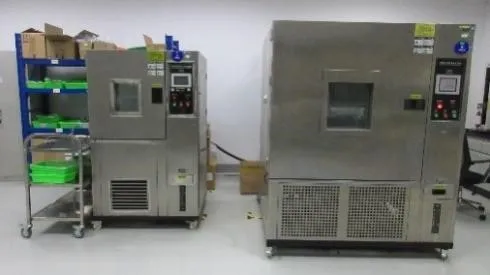
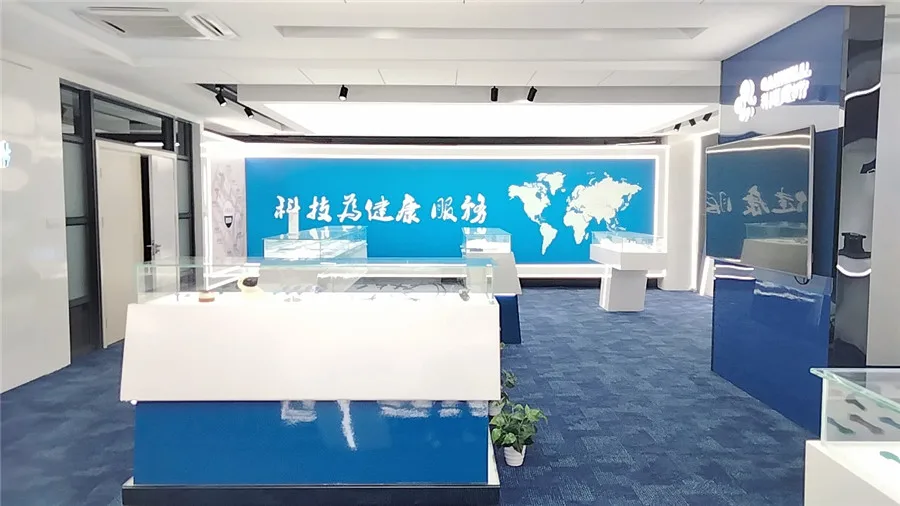
Audited Precision Manufacturing & Quality Lab Operations

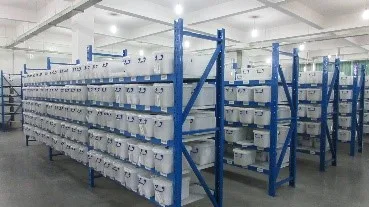
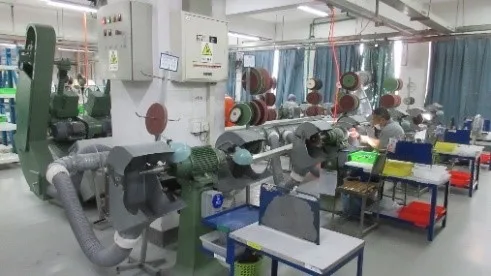
Traceable raw materials transformed via high-tech production. Certified sterile processing ready for global hospitals.
Global B2B Procurement Trends & Sourcing Solutions

The landscape of orthopedic healthcare sourcing is shifting toward value-based procurement. Hospital administrators and supply chain directors are no longer looking at purchase price in isolation. Instead, they examine the long-term utility, cleaning parameters, and potential vendor customization capabilities. Partnering with a manufacturer equipped with a dedicated R&D division enables the creation of custom surgical instrumentation trays tailored to local surgical protocols.

Essential Technical Checklist for Singapore Healthcare Buyers

When selecting a trauma instrument supplier, procurement officers should verify the following capabilities:

  • Mechanical Tolerance Standards: Verify that instruments align with AO standards, ensuring seamless compatibility with plates and screws from different manufacturers.
  • Robust Passivation Processes: Ensure instruments undergo chemical passivation treatments to maximize corrosion resistance during repeated steam sterilization cycles.
  • Comprehensive Verification Dossier: Suppliers must provide full mechanical verification documentation, raw material certificates, and biocompatibility studies. These records are necessary for registration with the Health Sciences Authority (HSA) in Singapore.
  • Integrated Torque Calibration: Surgical torque limiters must feature verified mechanical feedback to prevent over-tightening locking screws within thin cortical bone.

Frequently Asked Questions (FAQ)

1. What regulatory certifications do your trauma instrument sets carry for the Singapore market?
Our manufacturing facilities hold ISO 13485 certification. Our primary product lines are CE marked under the 93/42/EEC directive and fully comply with the European Medical Device Regulation (MDR). We provide comprehensive technical documentation, material test reports, and compliance certificates to assist local partners with Singapore Health Sciences Authority (HSA) Class B registration.
2. Can you manufacture customized instruments (OEM/ODM) based on specific surgical designs?
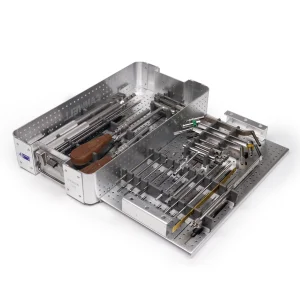
Yes. Supported by a team of 59 graduate R&D engineers, we offer full design customization, sample processing, and custom graphic services. We can modify handle geometries, laser etch custom branding, adapt screw-driver interfaces, and configure specialized modular trays to align with specific clinical protocols.
3. What raw materials are used in your orthopedic instrument sets?
We use medical-grade stainless steel (such as 316LVM, 630, and 420) and high-strength titanium alloys (Ti-6Al-4V ELI). All raw materials are sourced from verified suppliers and undergo internal chemical and mechanical verification testing. Sourcing files and certificates of analysis (CoA) are archived for 100% trace-to-heat batch verification.
4. What is the standard lead time for shipping cargo to Singapore?
Standard, non-customized instrument configurations typically ship from our factory warehouse within 15 to 30 days. For custom OEM productions, lead times range from 45 to 60 days, depending on mechanical complexity. Logistics options to Singapore include air freight directly to Changi Airport or sea shipping for high-volume orders.
5. How does your facility ensure calibration accuracy for surgical torque limiters?
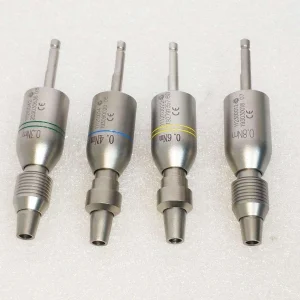
Each torque limiter (0.3Nm, 0.4Nm, 0.8Nm, 1.5Nm) undergoes mechanical stress testing and dynamic calibration verification using computerized torque testers. Verification sheets showing torque curve tolerances are generated for every unit, ensuring reliability in operating rooms.

Ready to Optimize Your Medical Device Supply Chain?

Contact our B2B sales engineers today for a technical consultation, pricing quotes, or details on HSA registration support for the Singapore market.

Contact Our Specialists Now