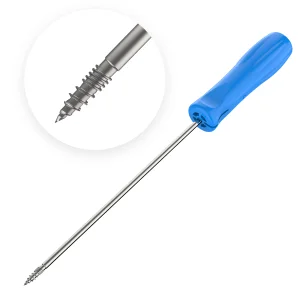
High-performance implants designed for arthroscopic shoulder reconstruction, Bankart repair, and rotator cuff fixation within Queensland's sports medicine infrastructure.
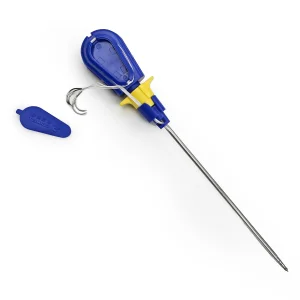
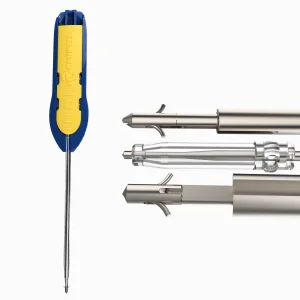
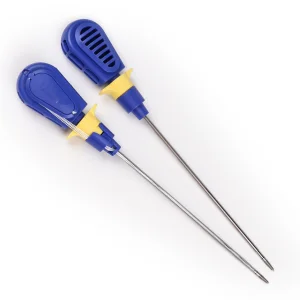
Brisbane, as the clinical and economic capital of Queensland, has emerged as a prominent regional hub for advanced surgical orthopaedics, translational medicine, and high-performance sports injury rehabilitation. With major healthcare clusters including the Herston Health Precinct, the Princess Alexandra Hospital, and private hospital networks like Mater Health and Ramsay Health, clinical demand for high-reliability medical devices is exceptionally high. Queensland's active lifestyle, paired with its professional athletic franchises, drives a consistent volume of arthroscopic procedures, particularly rotator cuff repairs, Bankart shoulder stabilization, and complex ligament reconstructions.
For procurement officers, biomedical engineering teams, and orthopaedic distributors in Brisbane, sourcing high-performance suture anchors directly from verified manufacturers is crucial to balancing clinical efficacy with fiscal responsibility. The global orthopedic industry is transitioning away from inefficient, multi-tiered distribution models toward streamlined, factory-direct supply agreements. This evolution ensures that surgical centers in Brisbane maintain access to state-of-the-art suture fixation technologies while managing cost-per-procedure limits dictated by both public health systems and private healthcare insurers.
"Procurement directors in Queensland Health and private clinical networks increasingly prioritize manufacturers that demonstrate clear clinical data, robust regulatory certification (including TGA and EU MDR conformity), and direct factory-to-hospital supply chain visibility."
When selecting suture anchors for the Brisbane market, clinical decision-makers must evaluate the biomechanical properties and tissue-integration profiles of different material groups:
Titanium remains the gold standard for high-torque applications and dense bone regions. Engineered with high pull-out resistance, titanium anchors provide unmatched primary stability in compromised or osteoporotic bone. However, they remain permanently visible under post-operative imaging and can interfere with magnetic resonance imaging (MRI) due to metal artifact distortions. For trauma-prone joint locations common in rugby and contact sports, titanium is preferred for its structural resilience.
PEEK anchors present a modulus of elasticity highly comparable to cortical bone, which minimizes stress shielding at the bone-implant interface. PEEK is radiolucent, allowing surgeons to monitor postoperative healing and tissue remodeling via conventional radiographs and MRI scans without artifact interference. Its thermal stability and inertness make it an exceptional material for shoulder and knee arthroscopies.
Representing the latest step in the sports medicine roadmap, all-suture anchors utilize ultra-high-molecular-weight polyethylene (UHMWPE) braided fibers. By requiring a significantly smaller insertion footprint (often between 1.0mm to 1.8mm in diameter), all-suture devices preserve critical bone stock, making them highly suitable for revision cases or multi-anchor installations in tight joint capsules. The deployment of the soft-anchor sleeve behind the cortex provides dynamic load distribution.
The procurement of Class III medical implants in Australia involves navigating complex global trade pipelines. Partnering with established medical device exporters provides Brisbane-based healthcare networks with significant advantages:
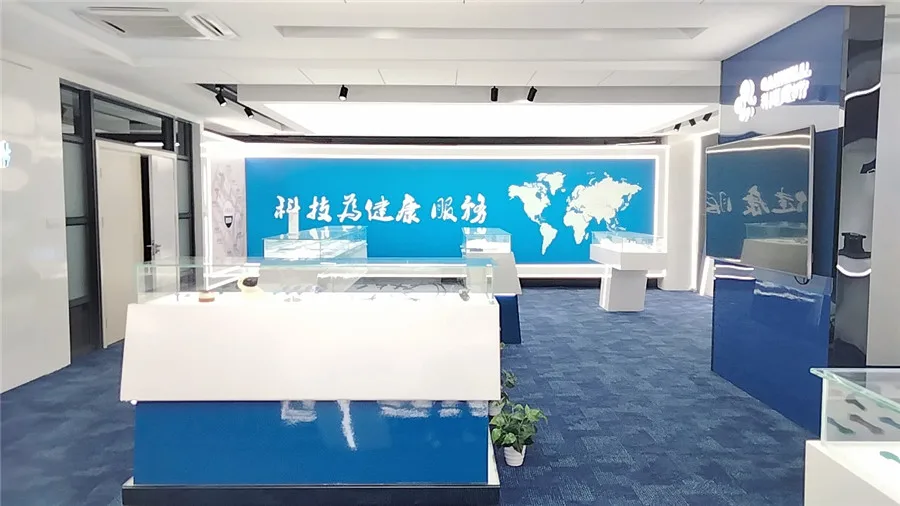
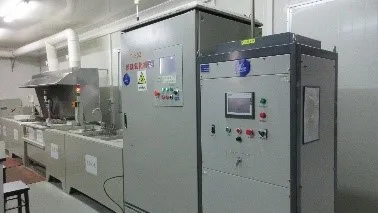
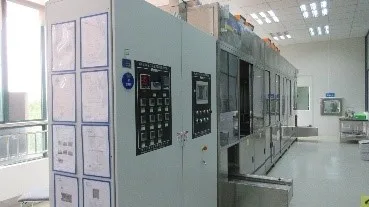
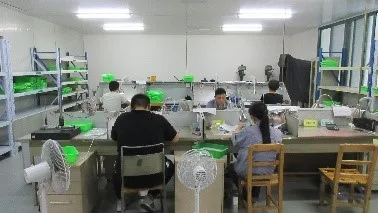
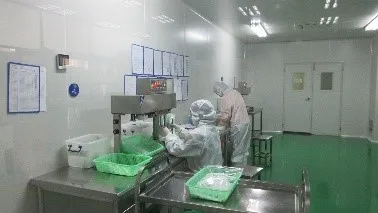
Underpinning our supply to the Brisbane market is our long-standing industrial experience and strict compliance with international medical device standards.
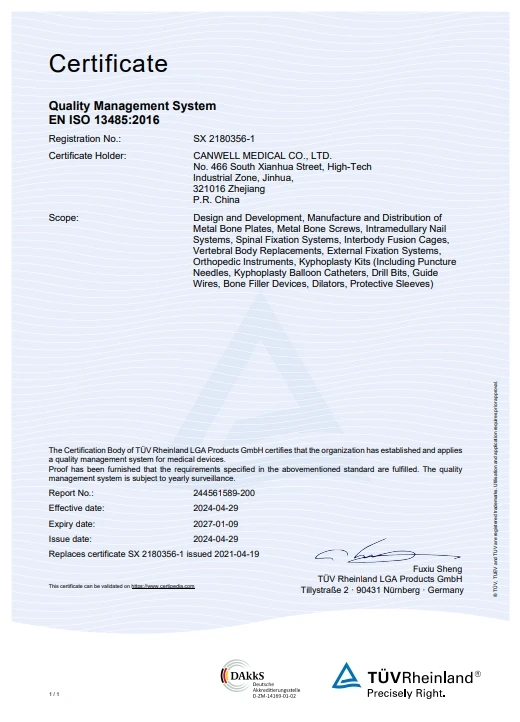
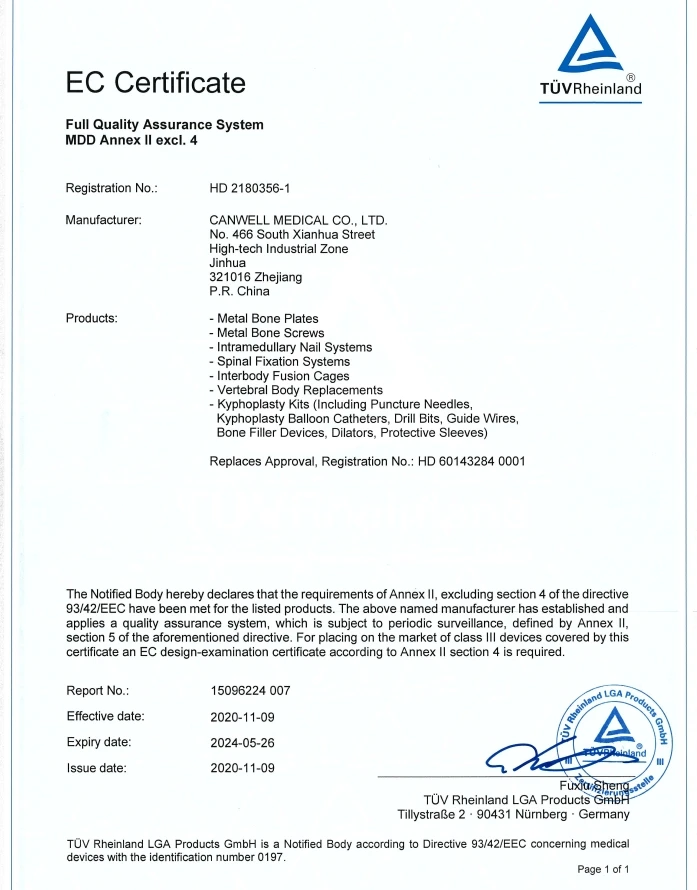
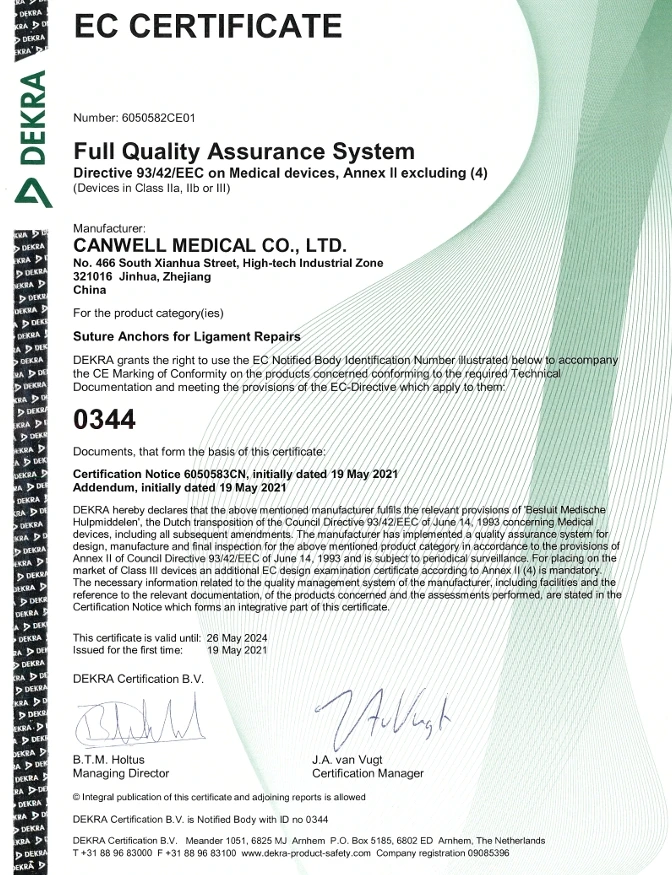
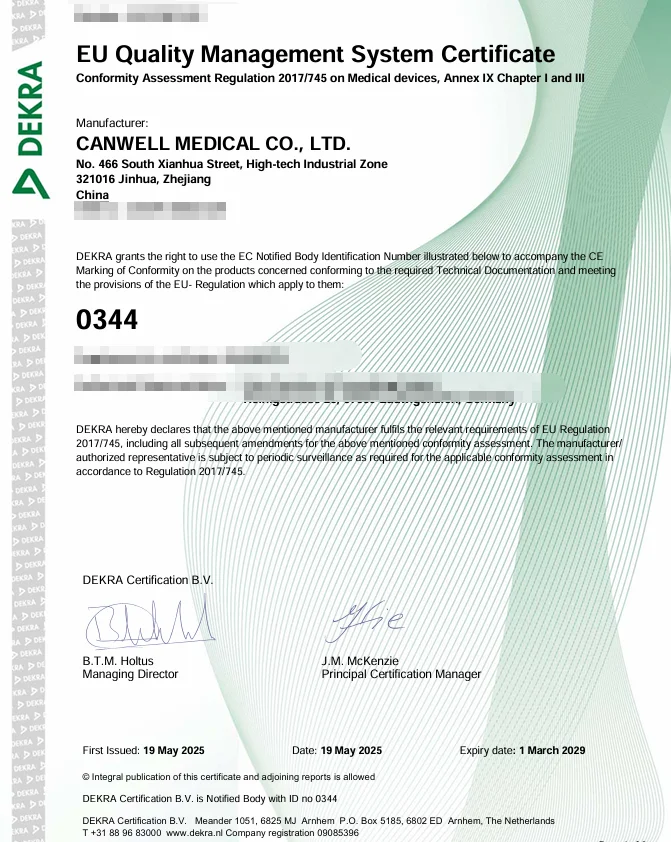
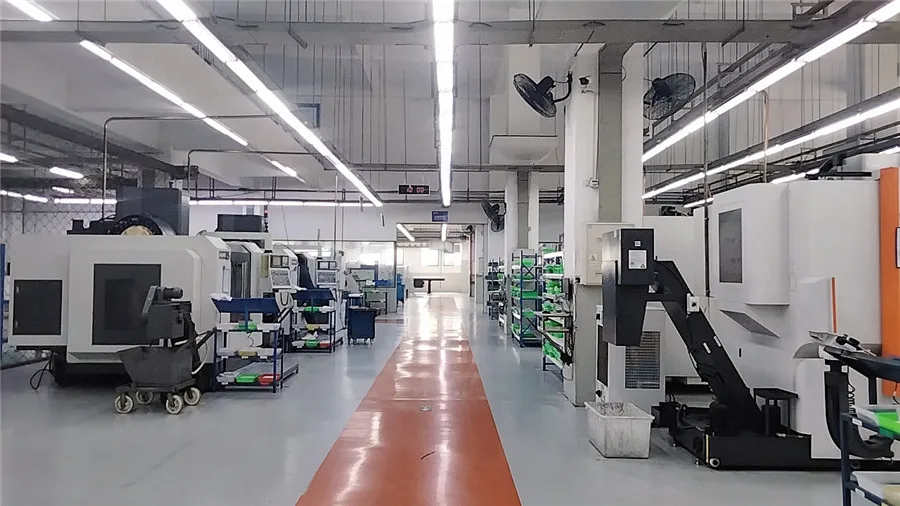
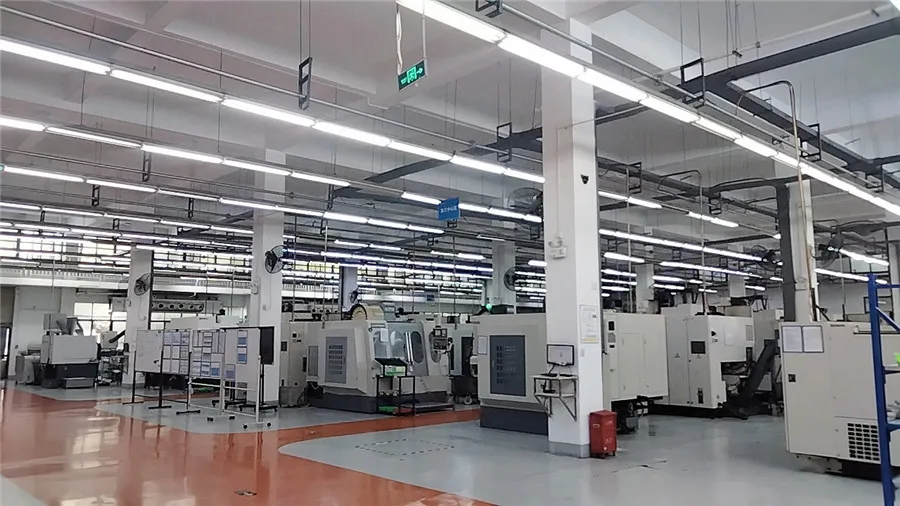
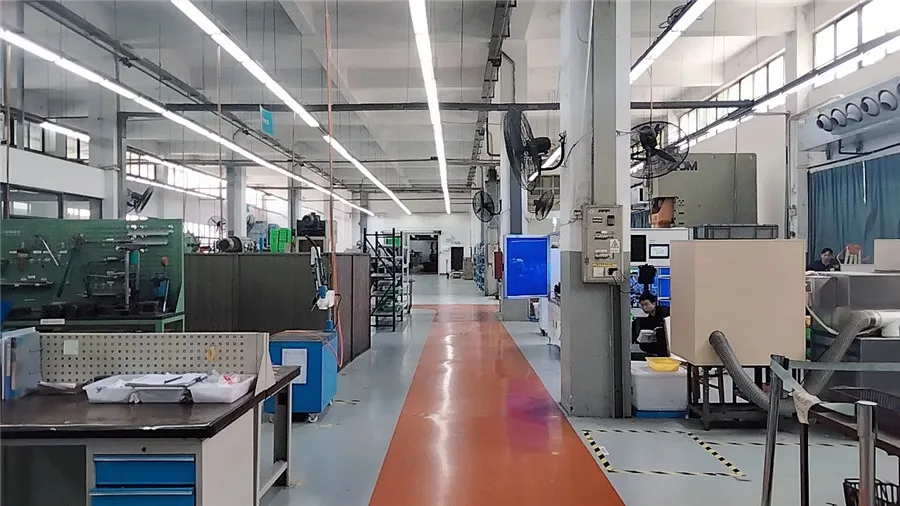
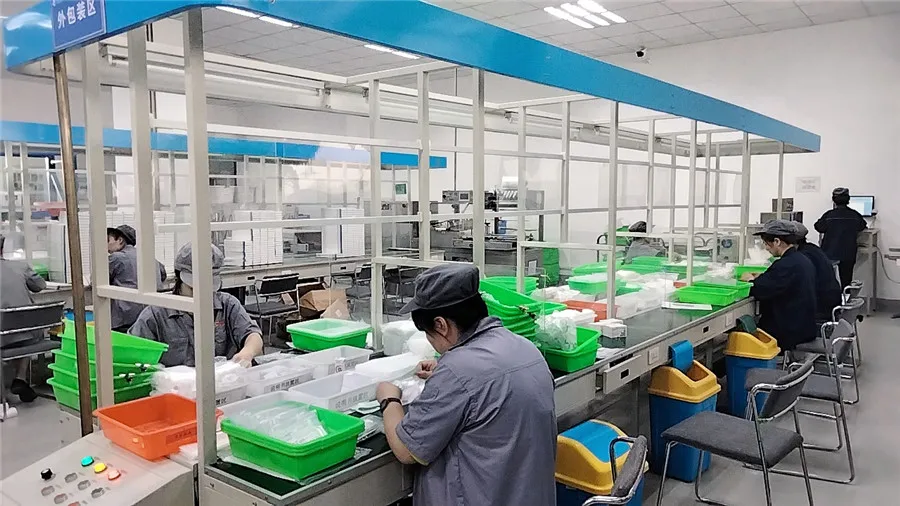
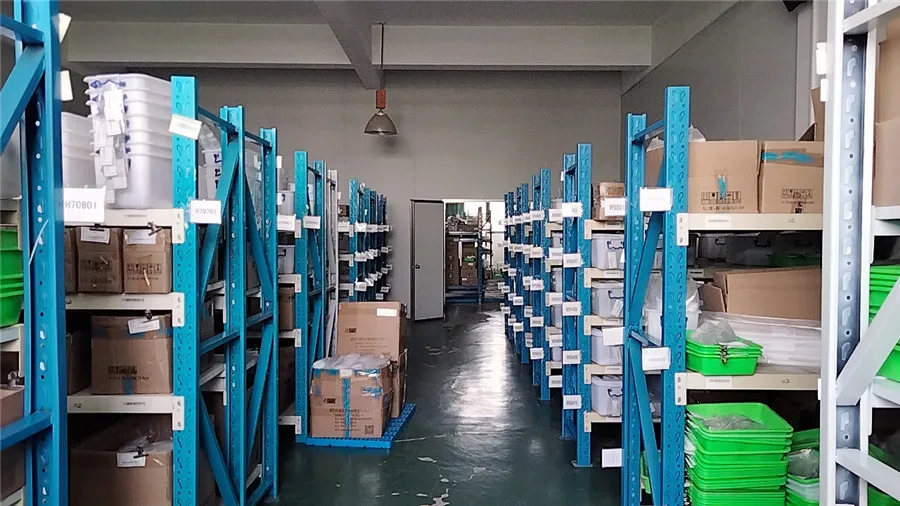
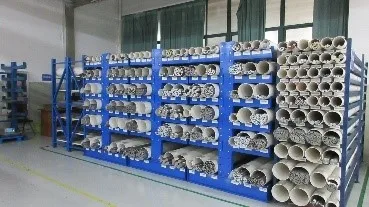
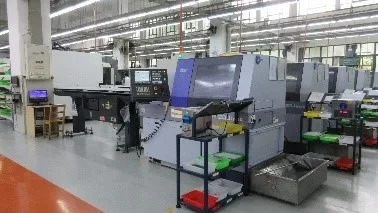
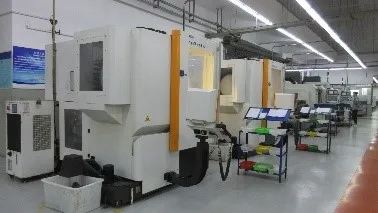
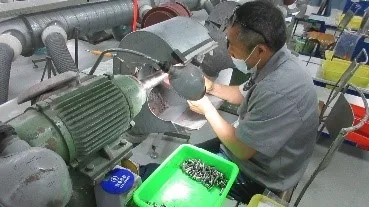
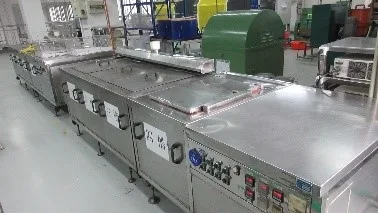
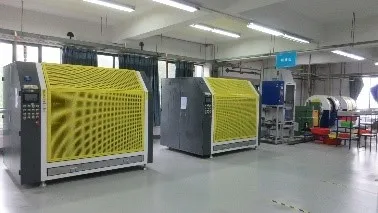
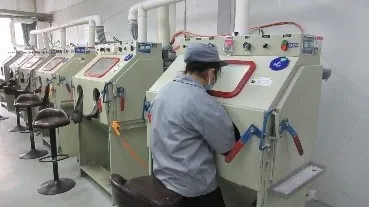
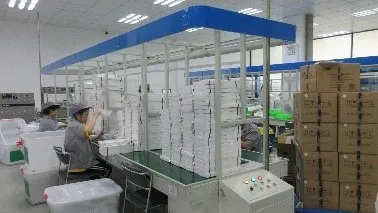
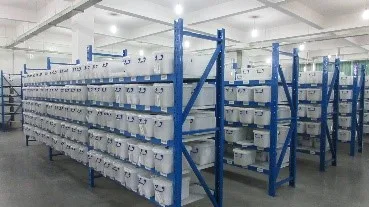
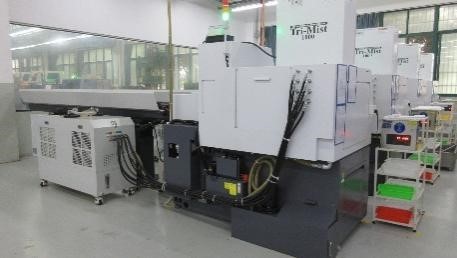
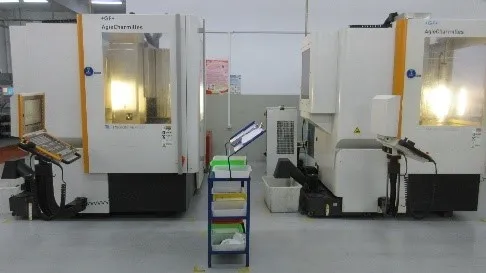
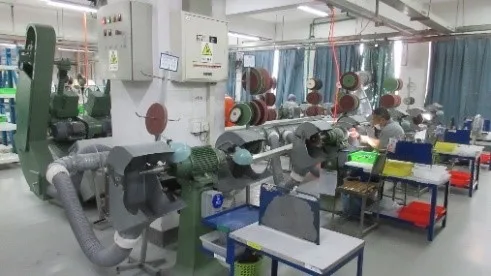
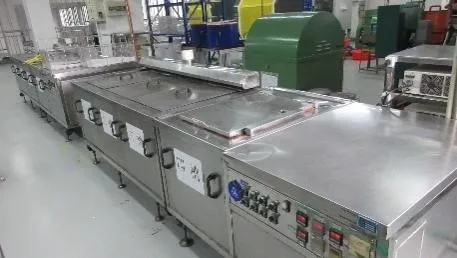
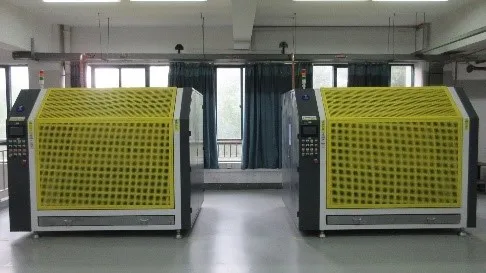
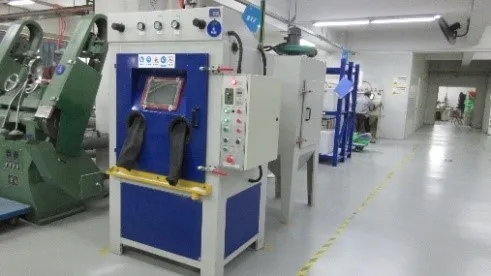
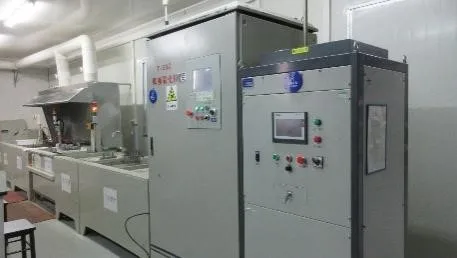
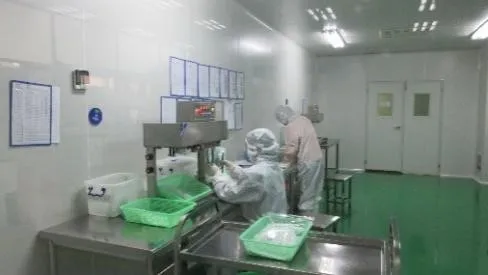
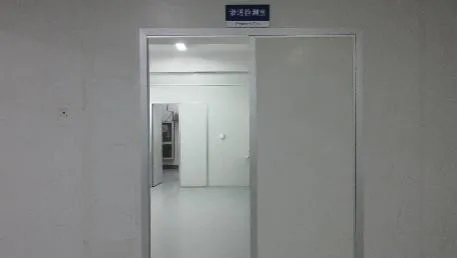
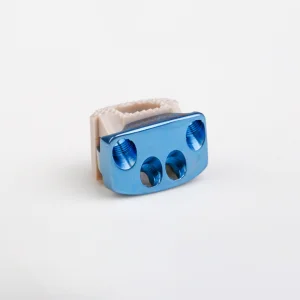
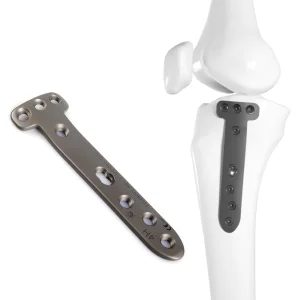
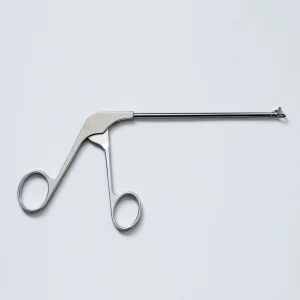
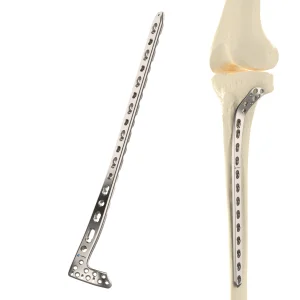
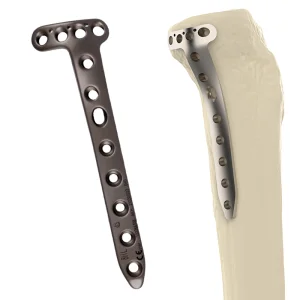
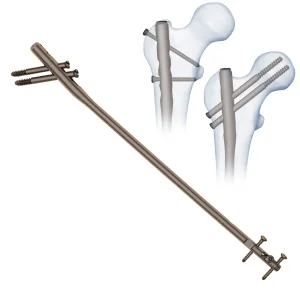
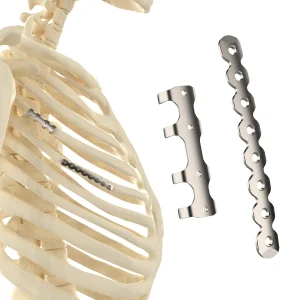
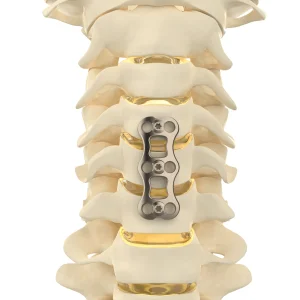
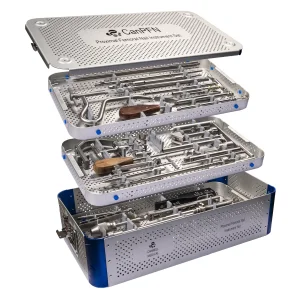
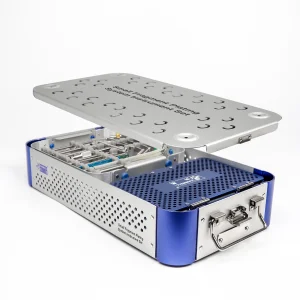
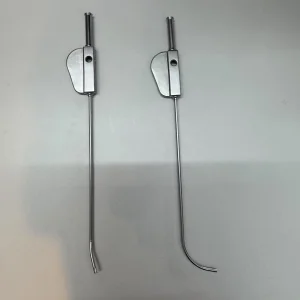
Extending our engineering capabilities to bone plates, instrumentation, and spine fusion systems aligned with Brisbane's Level-1 trauma centers.
In Australia, all medical devices must be listed in the Australian Register of Therapeutic Goods (ARTG) administered by the Therapeutic Goods Administration (TGA) before they can be legally supplied. Suture anchors and orthopedic plates are categorized as Class III (high-risk) medical devices due to their implantable, long-term nature. Sourcing from a factory with valid ISO 13485:2016 and CE Mark (complying with EU MDR 2017/745) certificates simplifies the TGA conformity assessment procedure.
Our quality management team works in collaboration with Australian sponsors and regulatory consultants to supply necessary technical files, risk assessment dossiers, biocompatibility study data (ISO 10993), and sterilization validation documentation (covering both Ethylene Oxide and Gamma Irradiation protocols). This ensures uninterrupted compliance during product audits and continuous post-market surveillance activities.
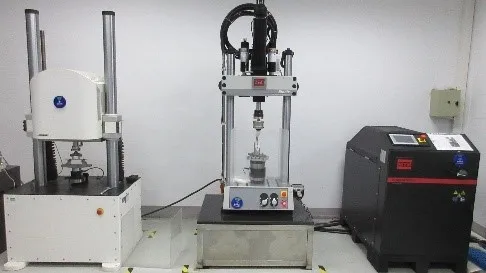
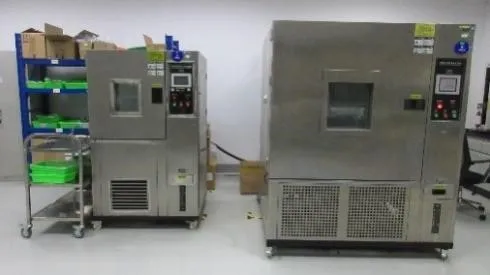
Optimizing mechanical fixation within the bone requires careful engineering of the anchor threads. The pitch and depth of the anchor threads are engineered to maximize surface contact with both the dense cortical layer and the cancellous bone tissue. Key metrics measured at our mechanical testing facilities include:
Full-spectrum orthopaedic trauma, spinal stabilization, and meniscal repair solutions designed for hospitals across Queensland.
Technical and logistical insights for clinical specialists, procurement officers, and orthopaedic distributors in Brisbane.
 Harney-Well