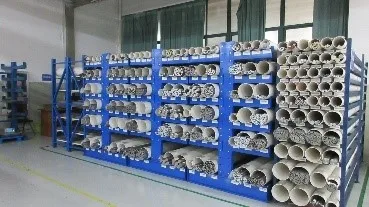
In modern trauma surgery and structural industrial applications, the mechanical integrity of bone locking plates and structural load-bearing plates is paramount. The global healthcare ecosystem demands bone plates manufactured from biocompatible Ti-6Al-4V ELI (Extra Low Interstitial) titanium alloys. These materials deliver exceptional fatigue strength, ideal elastic modulus matching human cortical bone, and complete immunity to localized corrosion. For remote regional maritime hubs such as Noro in the Solomon Islands, access to internationally certified, precision-engineered plate manufacturing ensures rapid medical intervention and long-term surgical success without micro-motion displacement or failure under physiological load.
Modern osteosynthesis relies heavily on Locking Compression Plate (LCP) technology. By integrating combination holes that accommodate both standard cortex screws and threaded locking screws, our manufacturing facility delivers versatile fixation options for complex peri-articular fractures. Threaded plate holes lock precisely with screw heads, forming a rigid fixed-angle construct. This mechanical principle preserves periosteal blood supply, minimizes tissue disruption, and facilitates early patient mobilization—a critical factor for surgical care in island regions with centralized healthcare facilities.
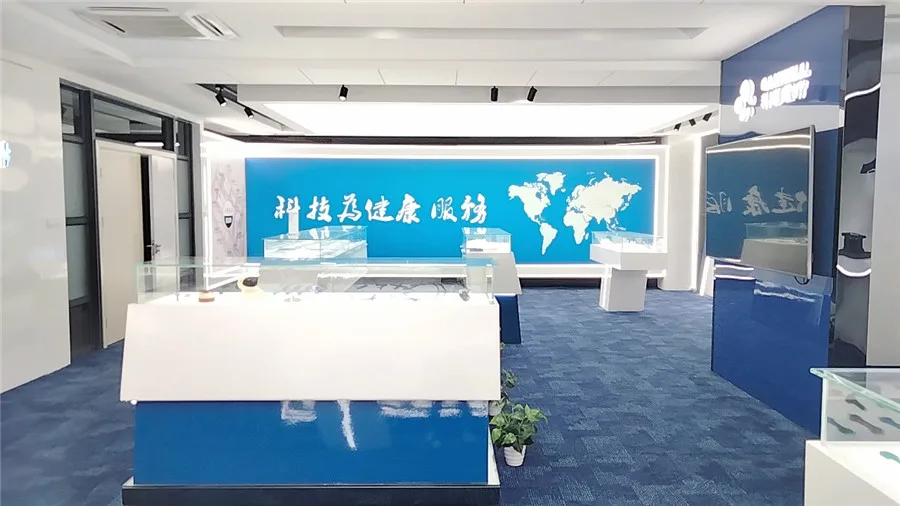
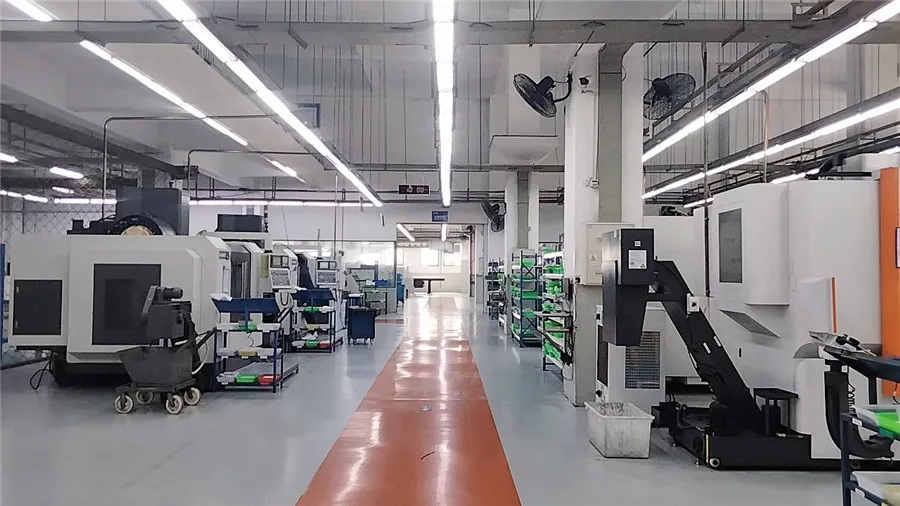
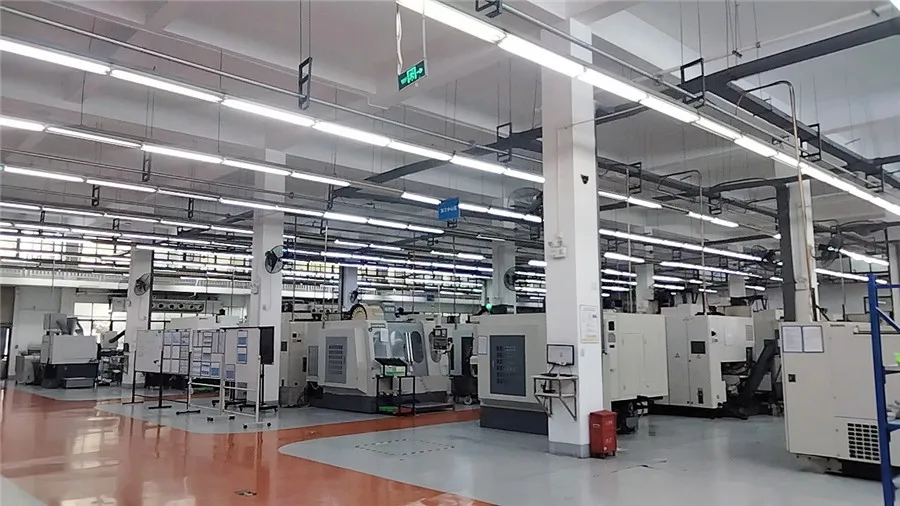
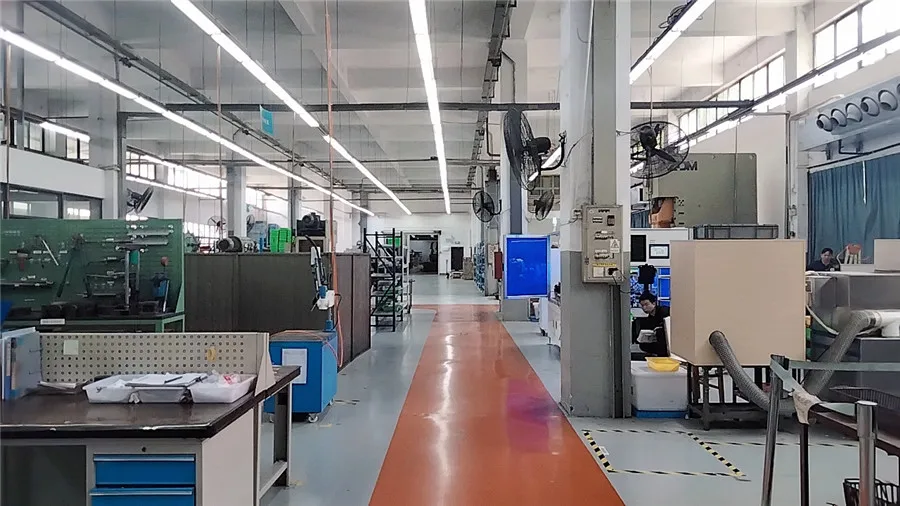
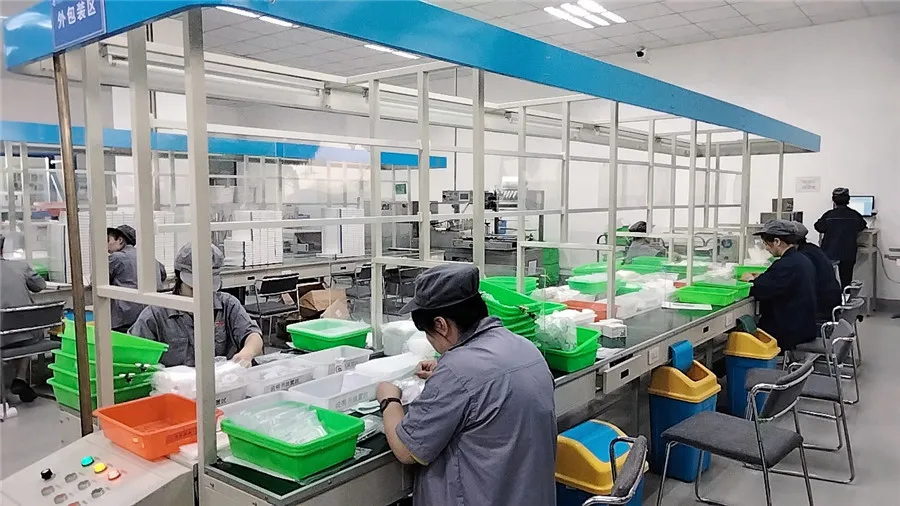
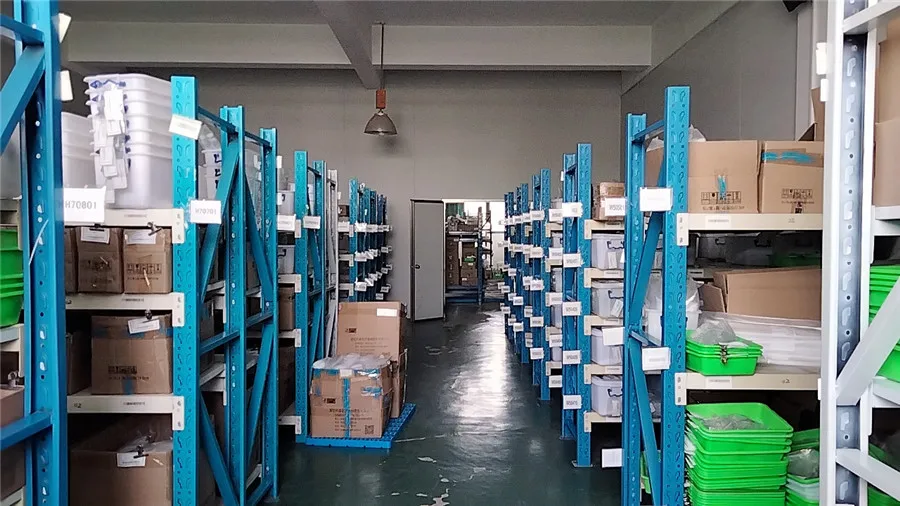
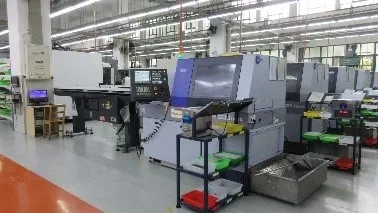
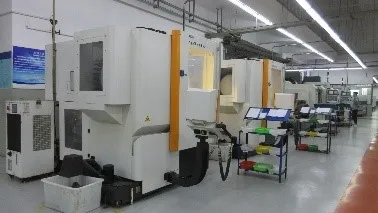
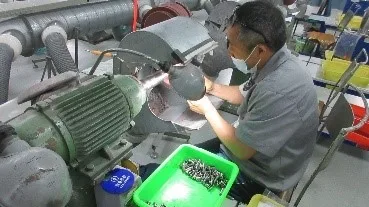
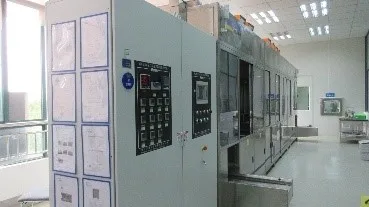
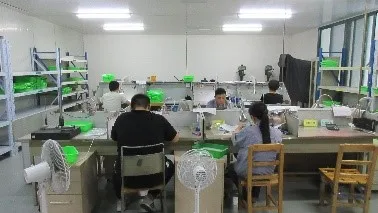
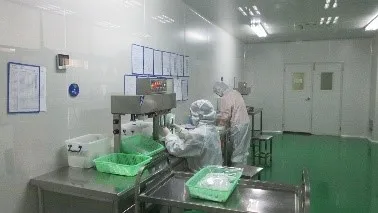
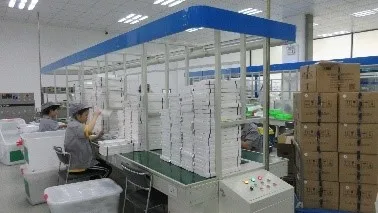
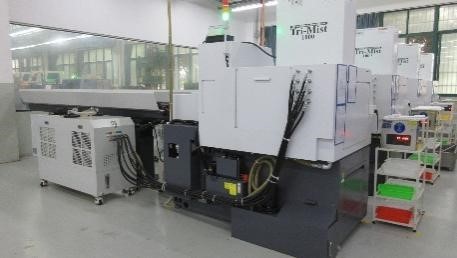
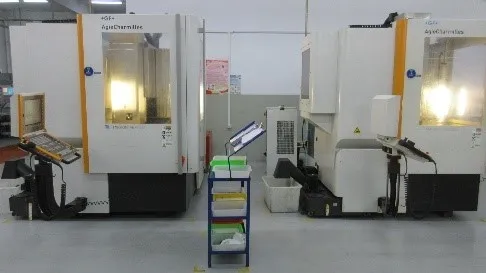
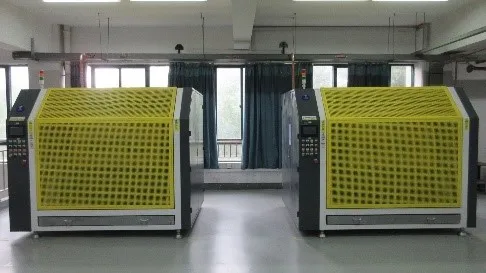
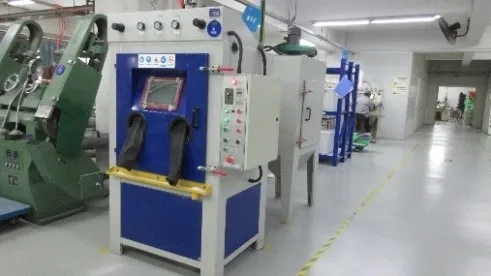
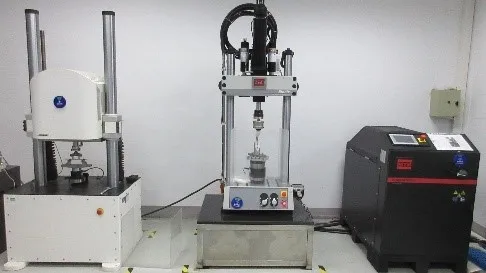
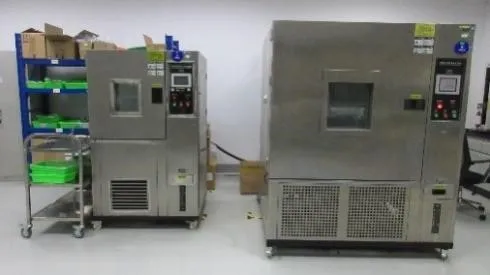
Information Gain Insight: Unlike standard commercial suppliers, our manufacturing architecture combines multi-axis CNC swiss machining with 100% optical coordinate inspection. Every plate designated for export to Noro undergoes rigorous bio-burden analysis, passivated surface verification, and strict fatigue testing compliant with ASTM F136 and ISO 5832-3 standards.
Noro serves as the primary deep-water port and commercial center of Western Province, Solomon Islands. As a vital hub for tuna processing, international shipping, and timber export, the municipality experiences continuous heavy machinery movement and maritime freight handling. This industrial profile generates specific demands for ultra-durable structural titanium components, marine-grade metal plates, and prompt trauma medical device availability.
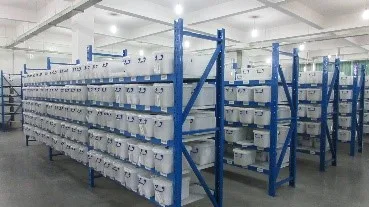
Regional clinical networks surrounding Noro require robust, predictable supply chains for orthopedic hardware. Given the transport distances between provincial clinics and national referral hospitals, medical teams in Noro need comprehensive, pre-sterilized titanium locking plate systems (cervical, distal radius, tibial, calcaneal) and intuitive instrument sets capable of managing acute orthopedic trauma reliably.
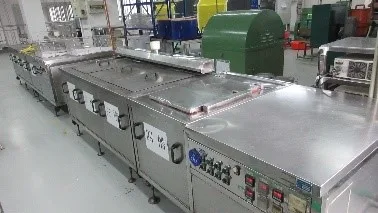
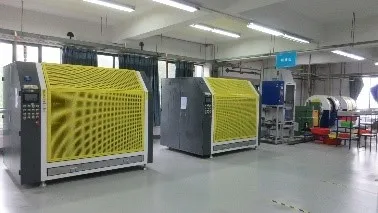
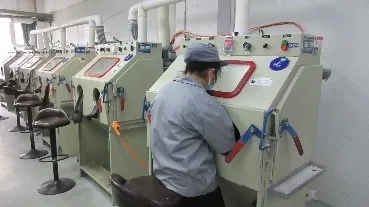
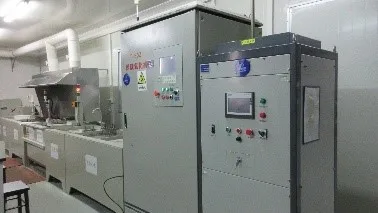
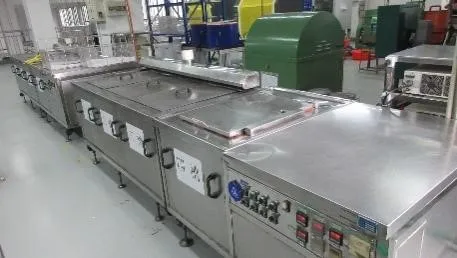
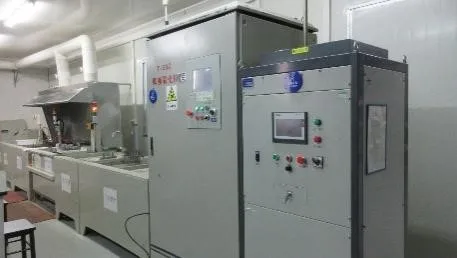
Operating in a high-humidity, salt-laden marine atmospheric environment demands superior material passivization. Plates and surgical instruments intended for Noro's facilities undergo rigorous electrochemical anodization and passivation treatments. This eliminates trace surface contaminants, preventing intergranular corrosion and extending storage shelf life even under demanding tropical climate conditions.
Globally, surgical procedures are shifting toward minimally invasive techniques requiring lower-profile titanium plates, contoured anatomic geometries, and percutaneous placement instruments. Our research and development center produces anatomically pre-contoured plates that drastically reduce intraoperative bending time and lower structural stress concentrations, improving patient healing rates.
The implementation of European Medical Device Regulation (EU MDR 2017/745) has elevated technical documentation and quality assurance expectations worldwide. Manufacturers must maintain complete raw material traceability, full bio-compatibility verification, and robust clinical evaluations. Our operations operate fully within these standardized frameworks, ensuring flawless international compliance.
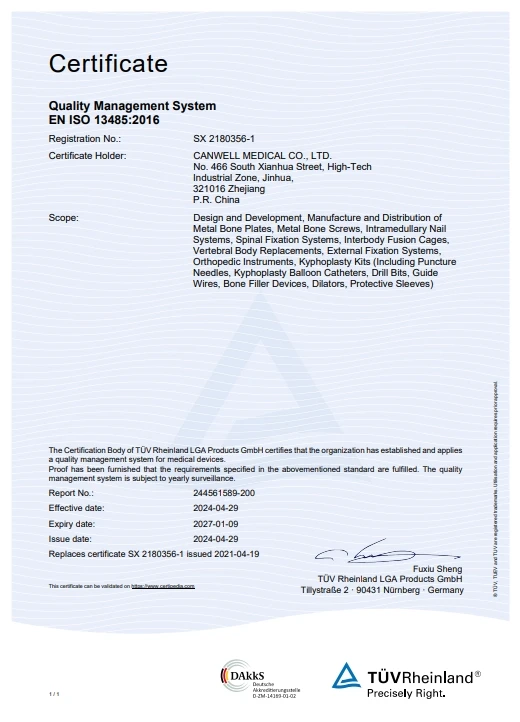
 ISO13485
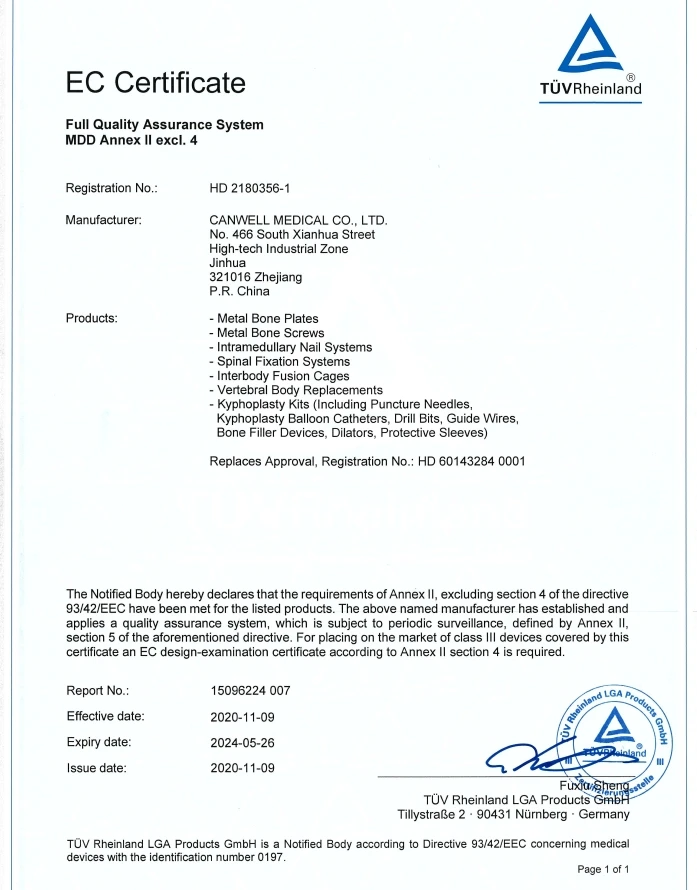
 93/42/EEC
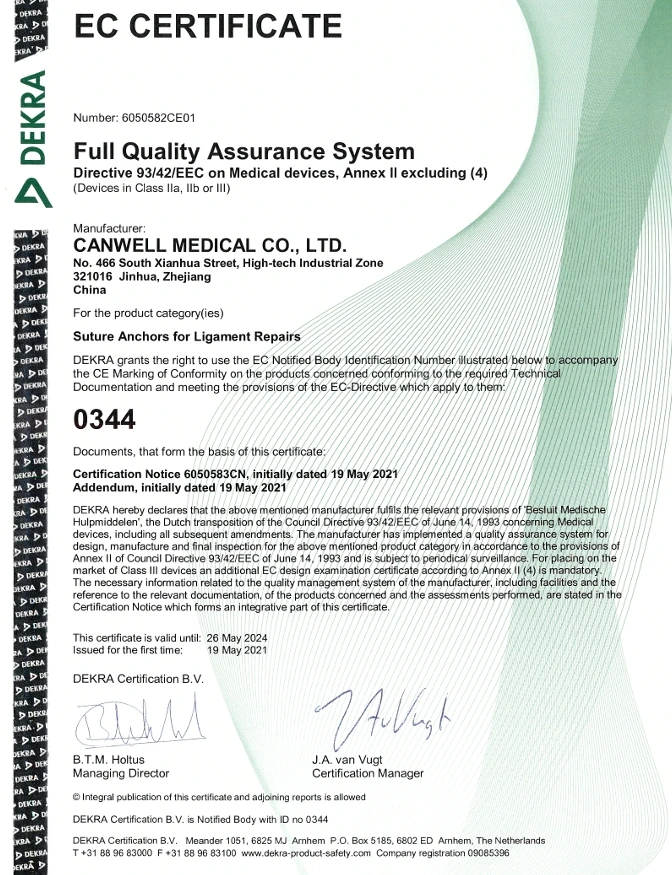 93/42/EEC
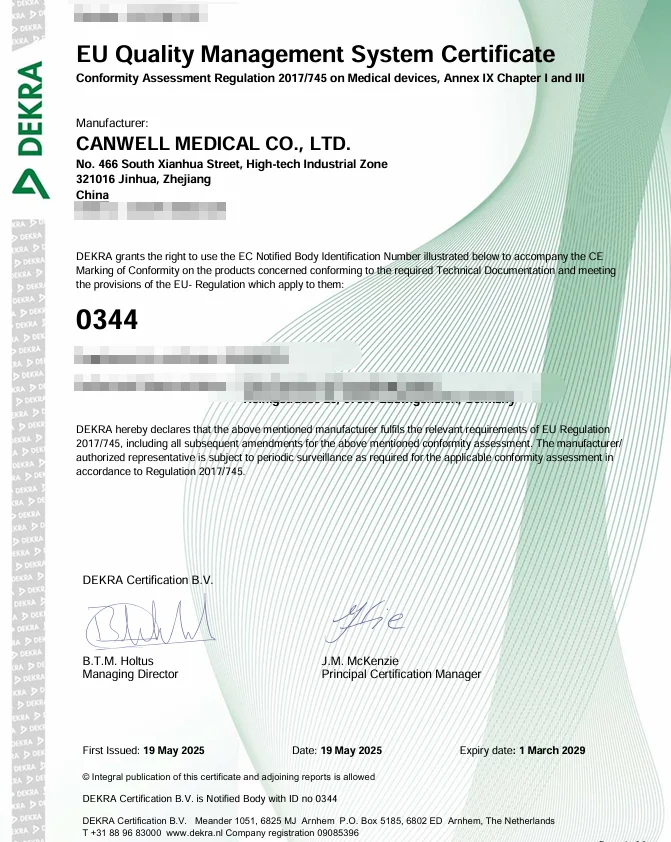
 MDR Compliance
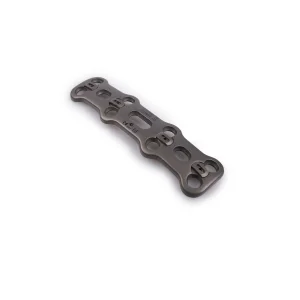
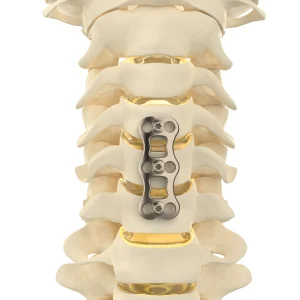
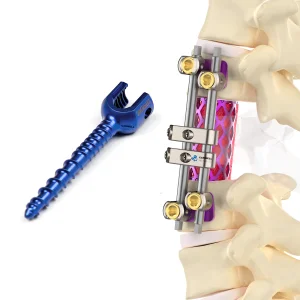
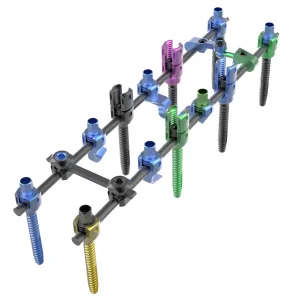
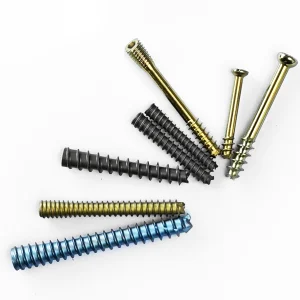
For anterior cervical and thoracolumbar spine stabilization, our titanium anterior cervical bone plates and polyaxial pedicle screw systems deliver anatomical rigidity. Built to AO standards, these implants ensure immediate multi-planar stability, essential for emergency trauma stabilization in island facilities prior to complex recovery regimes.
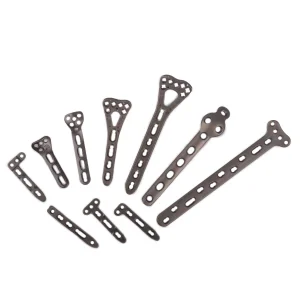
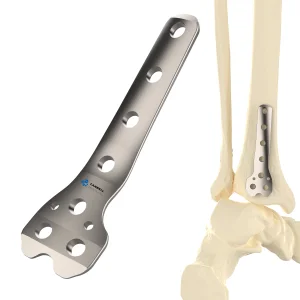
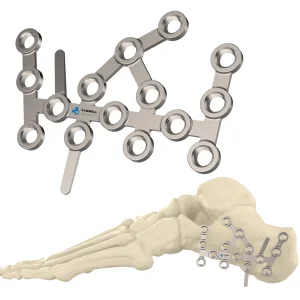
Distal radius, calcaneal, distal tibial, and mini locking plate systems accommodate micro-fragment and peri-articular fractures. Ultra-low profile plate contours prevent soft tissue irritation while allowing firm compression across fracture lines, optimizing bone union in active local workforces.
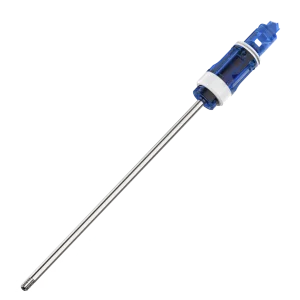
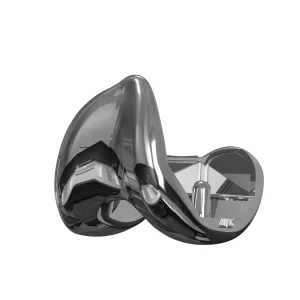
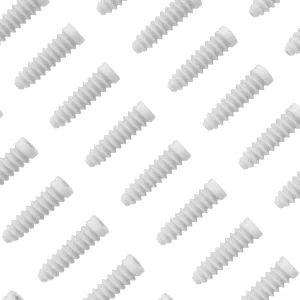
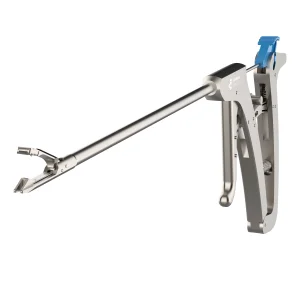
Providing specialized surgical tools such as arthroscopy shaver blades compatible with Smith & Nephew systems, scorpion suture passers, and PLGA bioabsorbable ACL interference screws. These components enable advanced joint repair and minimally invasive reconstruction in regional surgical suites.
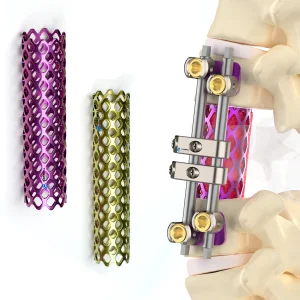
Transitioning from traditional subtractive machining to 3D electron beam melting (EBM) additive manufacturing. This enables customized titanium mesh cages and patient-specific structural plates with porous lattice structures that mimic natural trabecular bone, accelerating osseointegration.
Advancing PLGA (poly-lactic-co-glycolic acid) interference screw technology. Our future polymer formulations tune degradation rates to match tissue regeneration cycles precisely, eliminating secondary metal removal surgeries for patients in Noro and isolated Pacific communities.
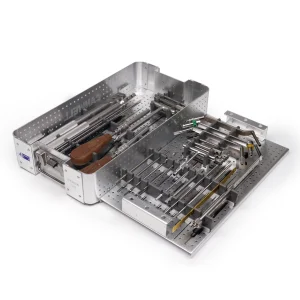
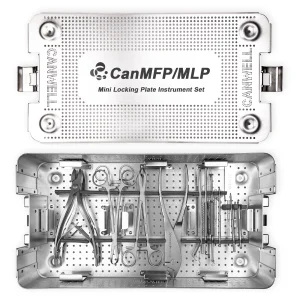
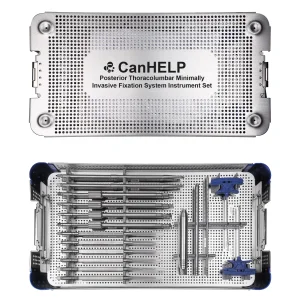
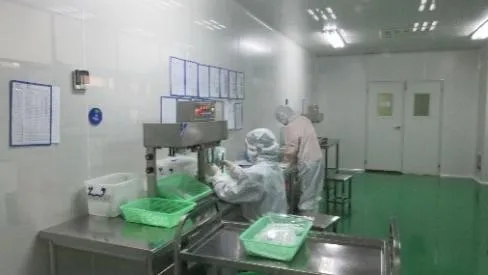
Integrating RFID tracking and modular sterilization system architecture into complete fragment instrument sets. This simplifies logistics, inventory verification, and cleanroom handling for surgical operations in remote oceania medical nodes.
Contact our specialized medical device export team today to receive detailed technical specifications, regulatory documentation, and competitive wholesale pricing.
Send Inquiry Now Harney-Well