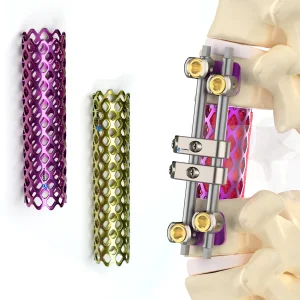
Advanced spine mesh cages and polyaxial reduction systems tailored for stabilization requirements in medical centers across Algiers, Oran, and Constantine.
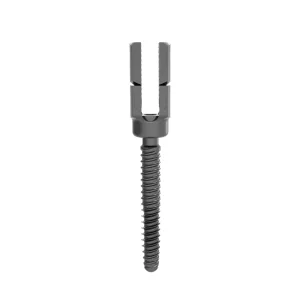
The medical landscape in Algeria is undergoing an unprecedented modernization program, spearheaded by the Ministry of Health, Population and Hospital Reform (MSPRH). Public healthcare facilities, such as the major University Hospital Centers (CHU) in Algiers, Oran, and Constantine, are actively upgrading their spinal surgery departments to meet the rising demand for degenerative spine corrections, pediatric scoliosis management, and trauma-induced stabilization treatments.
With a growing population and improved regional diagnostic capabilities via advanced CT and MRI scanning, spine surgical interventions are rising by approximately 8.5% annually in Algeria. However, the market is historically dependent on imports for implantable medical devices. As a response, medical purchasing bodies (such as the Pharmacie Centrale des Hôpitaux - PCH) are looking for manufacturing partners that present a balanced cost-to-performance ratio without compromising on mechanical safety standards, CE mark compliance, and ISO 13485 regulations.
Additionally, private surgical clinics (Cliniques Médico-Churgicales) in major metropolitan areas are expanding their portfolio of Minimally Invasive Spine Surgery (MISS). These operations require highly standardized pedicle screw sets, self-tapping screw threads, polyaxial reduction mechanisms, and low-profile spinal rods that ensure minimal soft-tissue damage and prompt postoperative mobilization.
Download Whitepaper DetailSpinal fusion remains the gold standard treatment for structural instability of the columns. Globally, the demand for high-strength Titanium Alloy (Ti-6Al-4V ELI conforming to ASTM F136) pedicle screw systems continues to grow. High-precision engineering is necessary to secure high pull-out strength, prevent thread stripping, and optimize torque distribution during insertion.
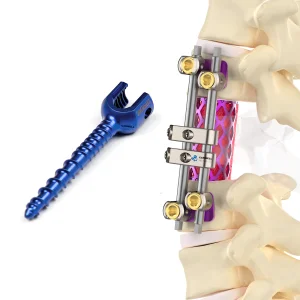
Modern designs combine polyaxial alignment mechanisms (allowing up to 50 degrees of angulation) with dual-lead thread structures to speed up insertion times, lowering intraoperative infection risks and surgical fatigue.
Combining state-of-the-art precision machinery with strict quality testing methods to ensure reliable delivery schedules and regulatory compliance.
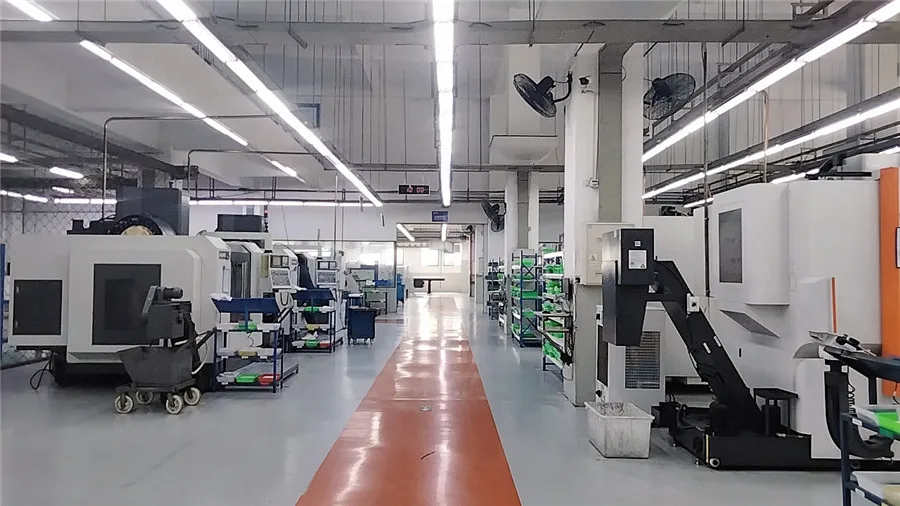
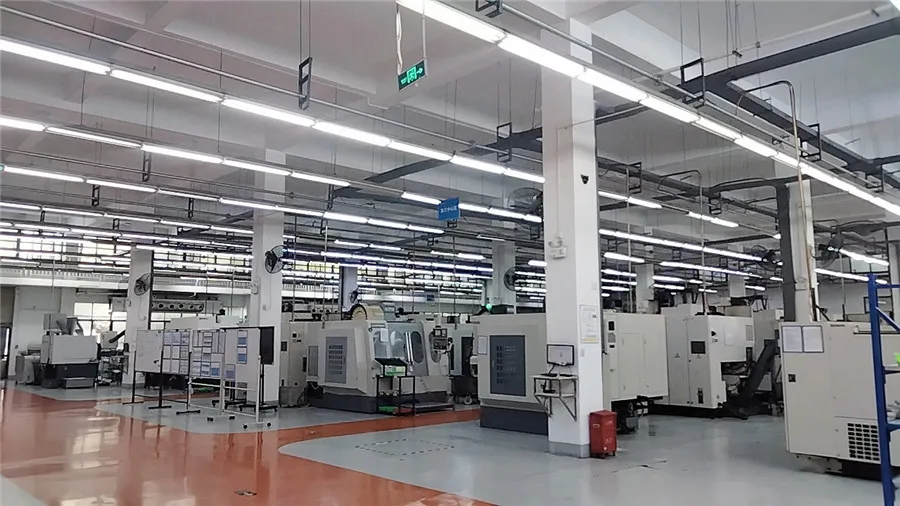
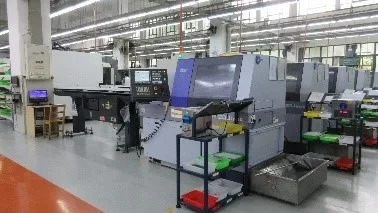
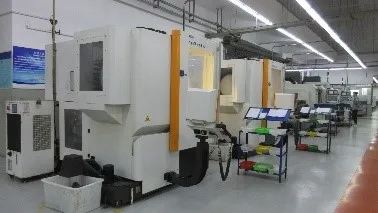
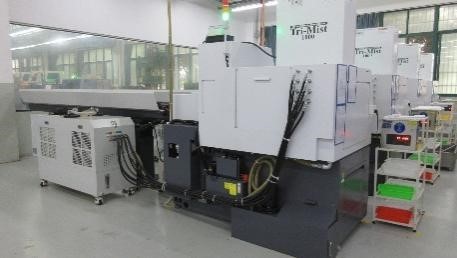
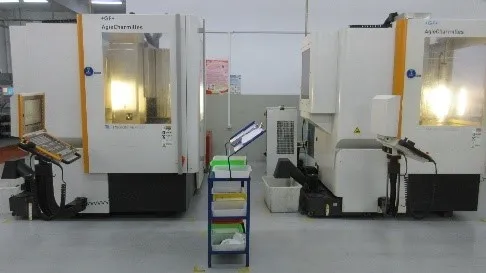
Using high-precision Swiss-type CNC lathes and multi-axis milling machines. Every batch of pedicle screws is crafted with tolerance margins down to ±5 microns, guaranteeing consistent interaction with rods and insertion instrumentation.
Every production batch undergoes static and dynamic fatigue tests (according to ASTM F1717 standards) alongside raw material traceability verification. Our 69 QA/QC inspectors maintain rigorous testing processes throughout all production lines.
Fully compliant with ISO 13485 certification, European CE (93/42/EEC), and the new EU Medical Device Regulation (MDR). This facilitates smooth customs clearance, simplified registration with the MSPRH, and compliance with public tenders in Algeria.



Providing functional, anatomically responsive implant designs suited to diverse clinical environments across the country.
High-speed road traffic accidents on national highways (Autoroute Est-Ouest) are major contributors to acute spinal trauma in Algeria. Emergency surgical units require reliable monoaxial and polyaxial stabilization implants capable of swift assembly. Low-profile instrumentation ensures rapid reduction, relieving mechanical pressure on the spinal cord during delicate emergency procedures.
As life expectancy increases, age-related spinal diseases (spinal stenosis, spondylolisthesis) are growing among the patient demographics in Algiers. Additionally, pediatric orthopedic centers require specialized scoliosis correction instrumentation. Our polyaxial implants offer an articulation angle of up to 50 degrees, accommodating complex lumbar and thoracic structural contours.
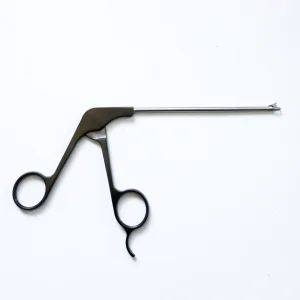
Complete reconstruction implants, trauma locking plates, arthroscopic instruments, and intramedullary nails engineered for clinical safety and durability.
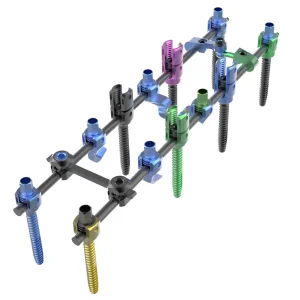
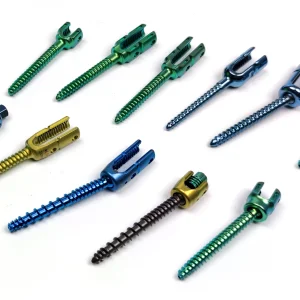
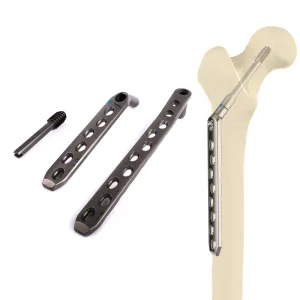
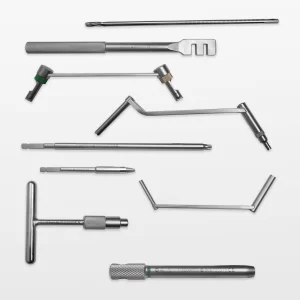
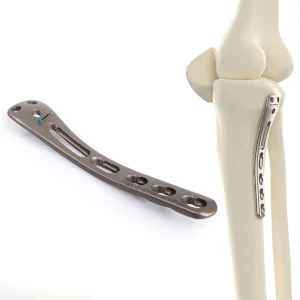
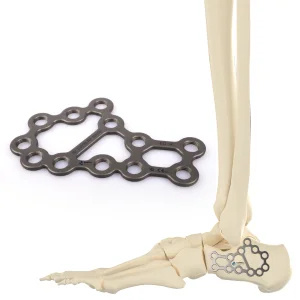
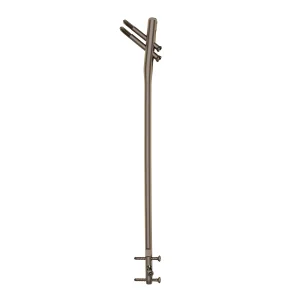
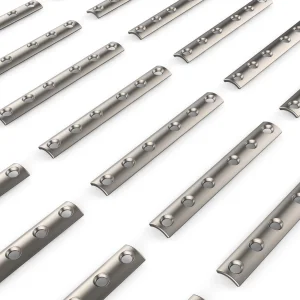
Supporting orthopedic surgeons with specific anatomical plating solutions and robust intramedullary systems.
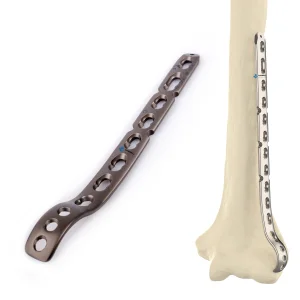
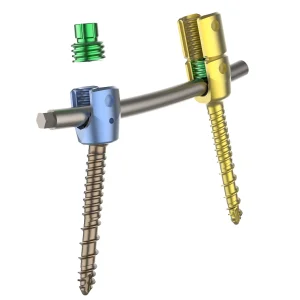
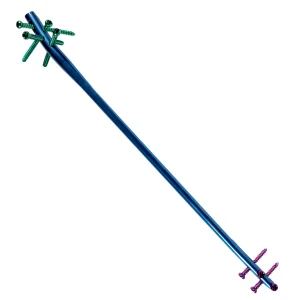
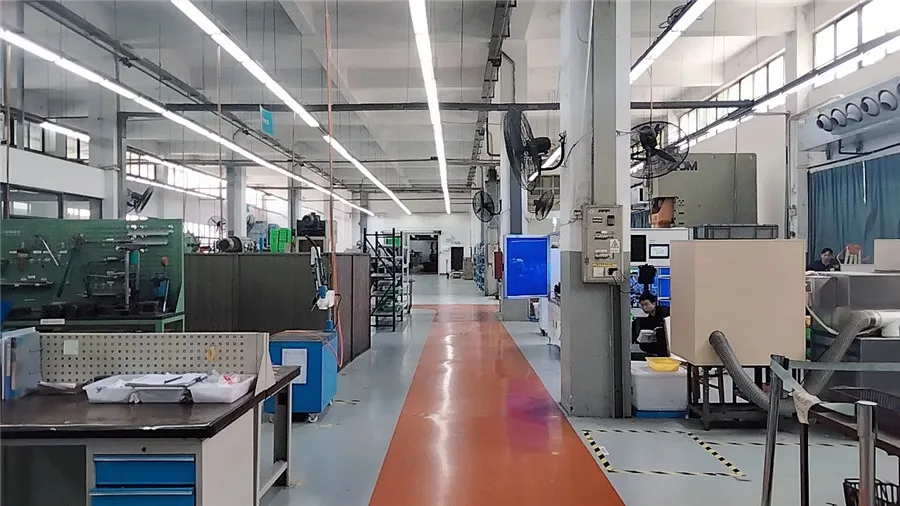
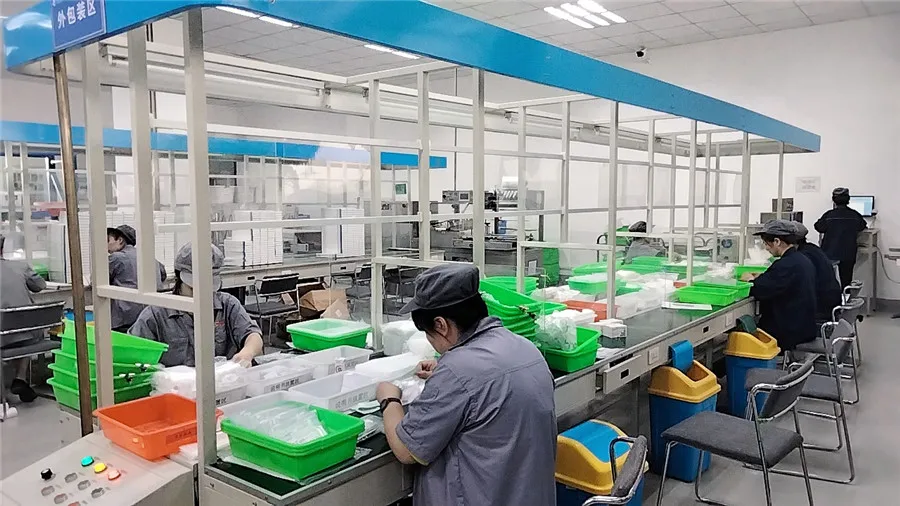
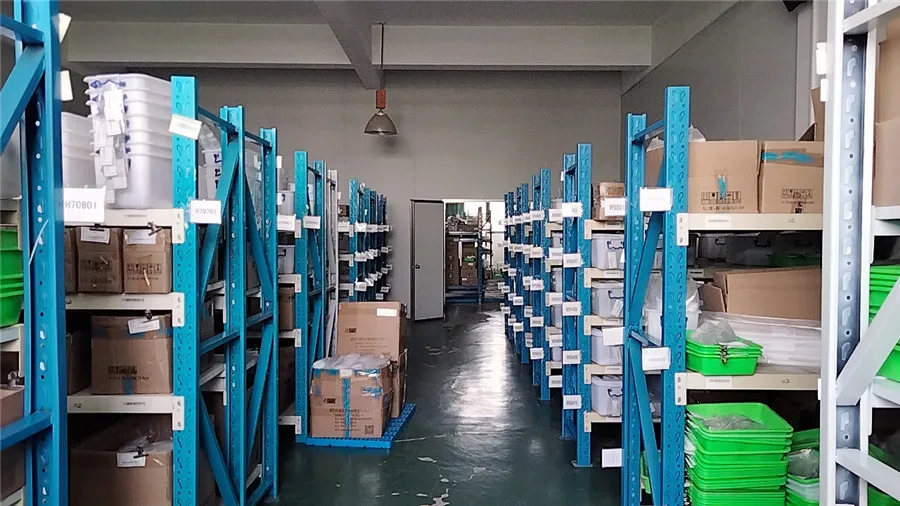
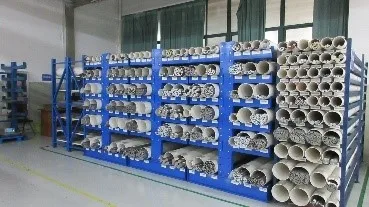
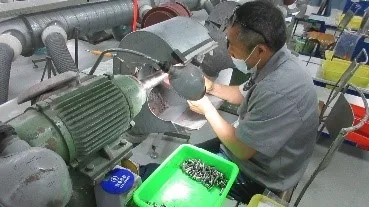
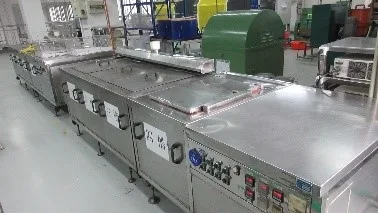
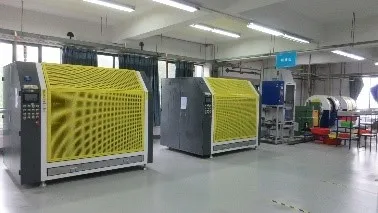
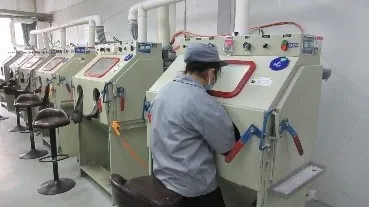
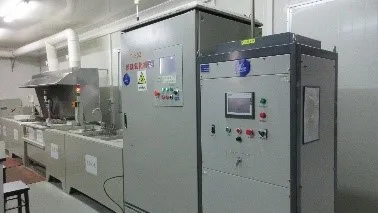
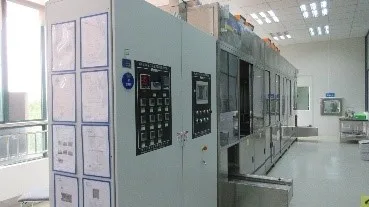
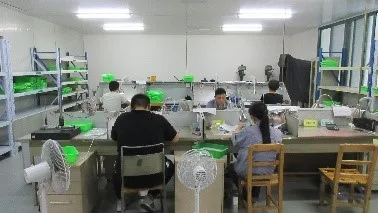
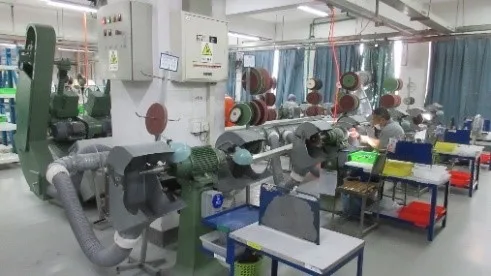
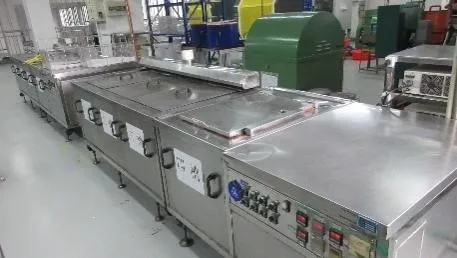
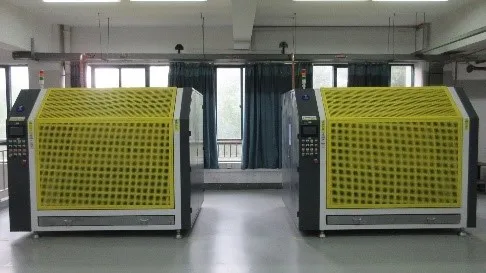
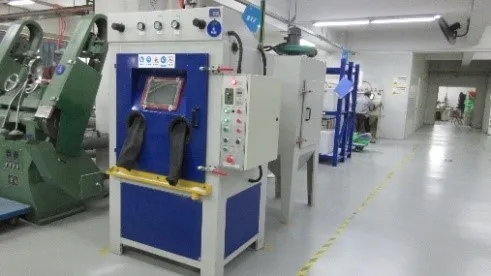
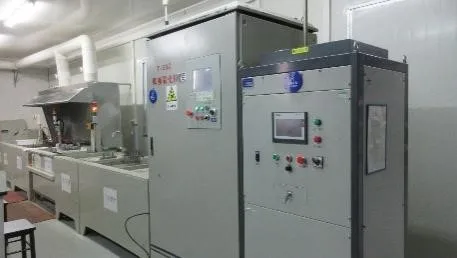
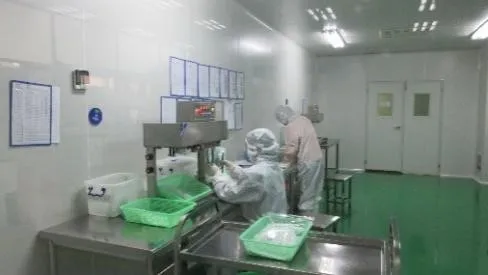
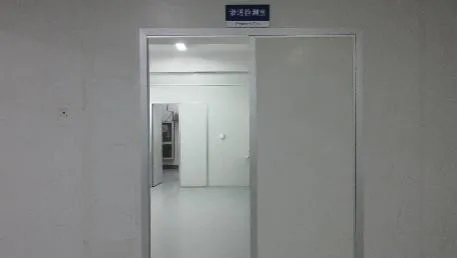
A photographic catalog showcasing our manufacturing standards, testing protocols, CNC operations, and sterile packaging.
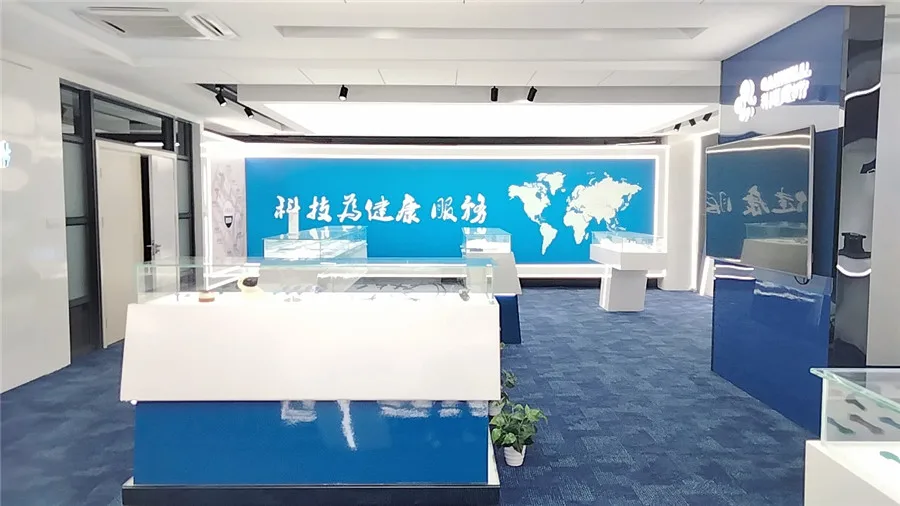
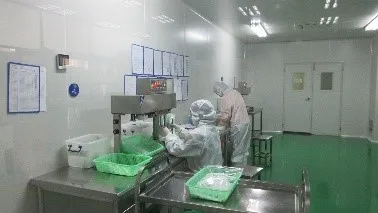
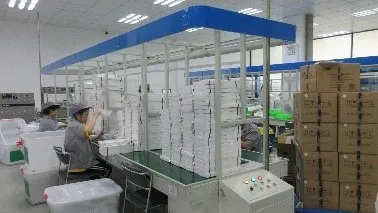
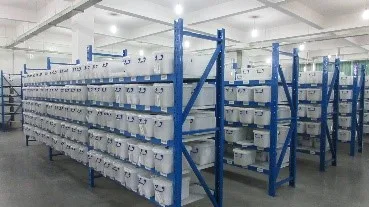
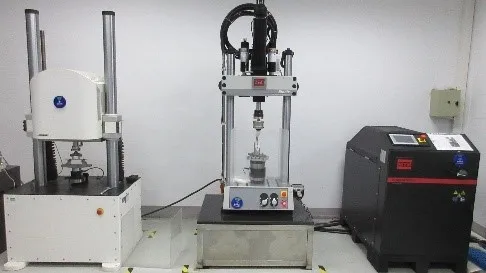
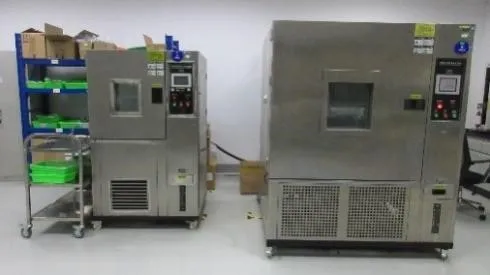
Understanding key market drivers, cleanroom requirements, and global distribution dynamics.
Spine implant procurement agents prioritize 100% component-to-instrument alignment, material biocompatibility certification, and reliable supply chain logistics. To minimize hospital inventory overhead, manufacturers must offer flexible batch production and swift shipment pathways.
Additionally, suppliers must provide clear laser markings on each pedicle screw for lot number tracking. They must also deliver extensive surgical validation kits that allow local medical technicians to properly train orthopedic surgeons on implant functionality.
Spine technology is moving away from extensive posterior open surgeries toward hybrid fusion systems and Minimally Invasive Spine Surgery (MISS). Hybrid systems utilize dynamic stabilization rods that complement rigid titanium pedicle screws.
This structure stabilizes unstable segments while preserving partial adjacent disc mobility, reducing adjacent segment degeneration (ASD). Our research division continuously refines self-tapping geometries and low-profile designs to support these advanced surgical techniques.
Quick answers regarding registration documents, raw materials, shipping logistics, and sterilization standards.
Contact our medical distribution team to request surgical product samples, mechanical engineering data sheets, and custom bulk pricing quotes for the North African territory.
 Harney-Well