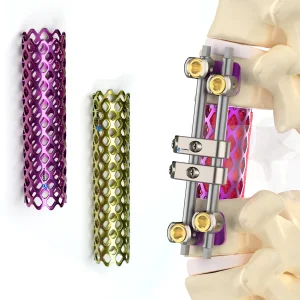
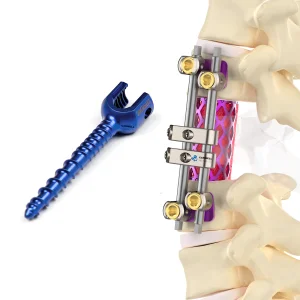
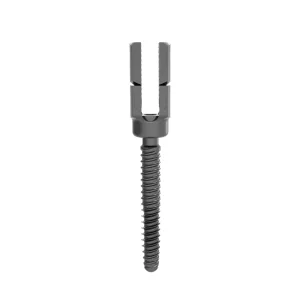
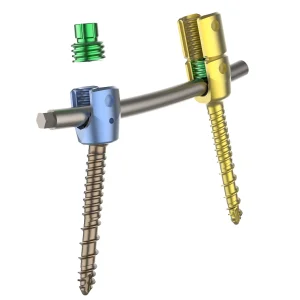
In the wake of rapid shifts in global logistics corridors and localized regulatory changes, the Russian medical device market is undergoing a structural transformation. Within neurosurgery and traumatology, the demand for stable, fatigue-resistant spine fixation mechanisms—specifically pedicle screw systems—has scaled exponentially. Distributors, public procurement officers, and private clinics in cities ranging from Moscow and Saint Petersburg to Yekaterinburg and Vladivostok are actively seeking medical device manufacturers capable of delivering surgical-grade titanium implants without logistical delays.
This whitepaper acts as a technical resource for Russian medical importers. It establishes the biomechanical benchmarks, regulatory parameters (ISO 13485, CE, GOST-R compliance pathways), and precision manufacturing operations that define our manufacturing capability. By executing smart production configurations under China's Industry 4.0 blueprint, we bridge the gap between high-precision orthopedic implants and sustainable procurement models inside the Russian Federation.
The clinical profile of spinal fixation in the Russian Federation is shaped by both demographic realities and regional epidemiological trends. High-energy trauma—resulting from extreme winter environments, automotive accidents, and heavy industrial operations (specifically in mining regions of Siberia and the Urals)—leads to a significant incidence of unstable thoracolumbar fractures. Furthermore, an aging demographic across Western Russia increases the clinical prevalence of degenerative disc diseases (DDD), severe spondylolisthesis, and spinal canal stenosis requiring fusion therapy.
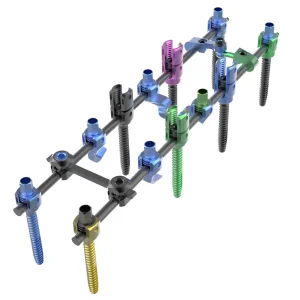
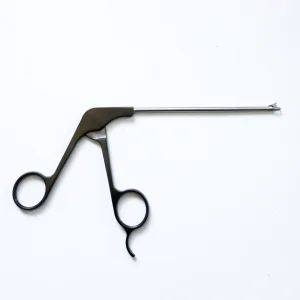
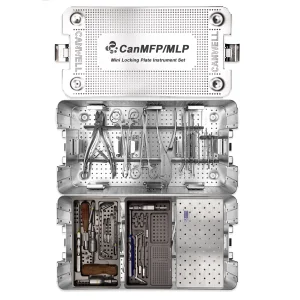
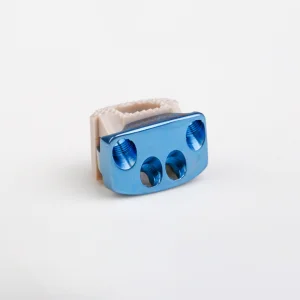
Neurosurgical units under the Russian Ministry of Health (Minzdrav) demand multi-functional surgical instruments and versatile implant families to cope with varied caseloads. Our systems offer:
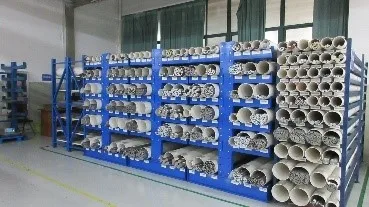
Under harsh physiological loads, implant failure can lead to catastrophic hardware breakage or pseudoarthrosis. Implants designed for Russian surgical standards must withstand repetitive mechanical strain. Our production processes utilize Titanium Grade 5 (Ti-6Al-4V ELI) conforming to ASTM F136. This alloy offers exceptional tensile strength, biocompatibility, and high fatigue resistance. The low-profile head design reduces soft tissue irritation, a critical concern in thin-shelled geriatric patients.
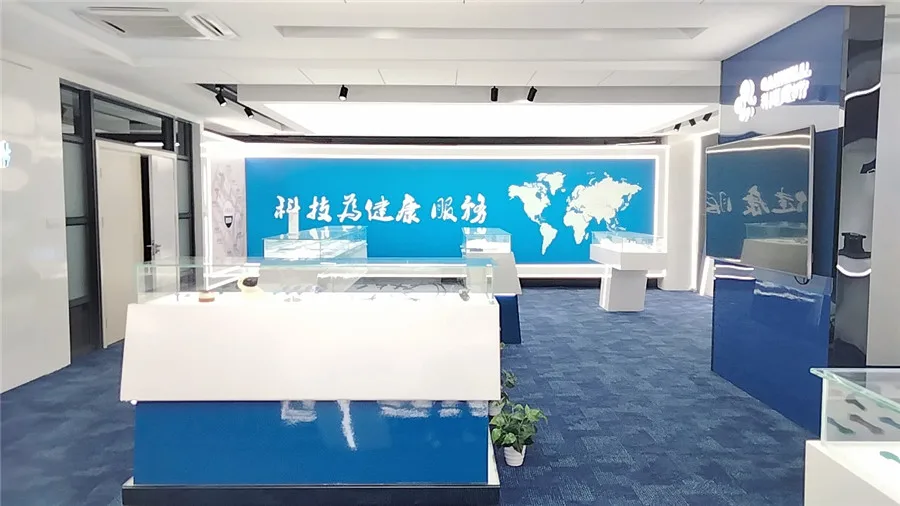
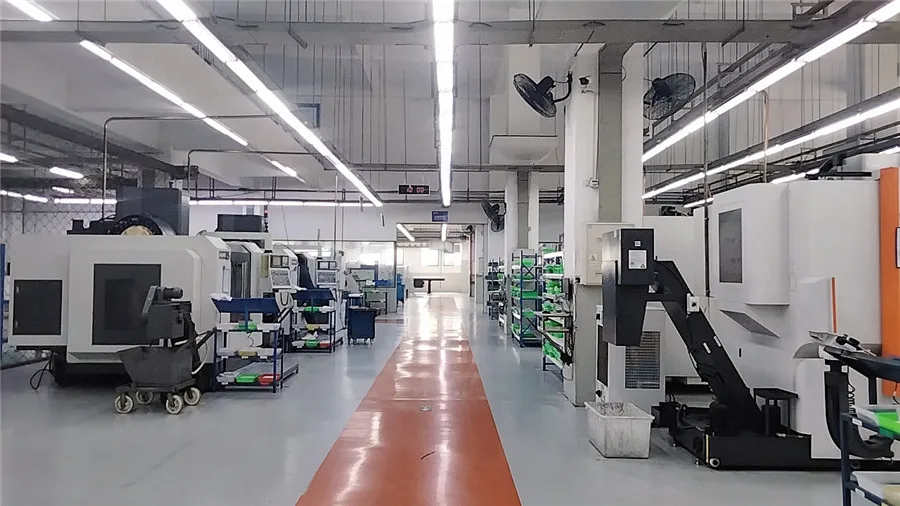
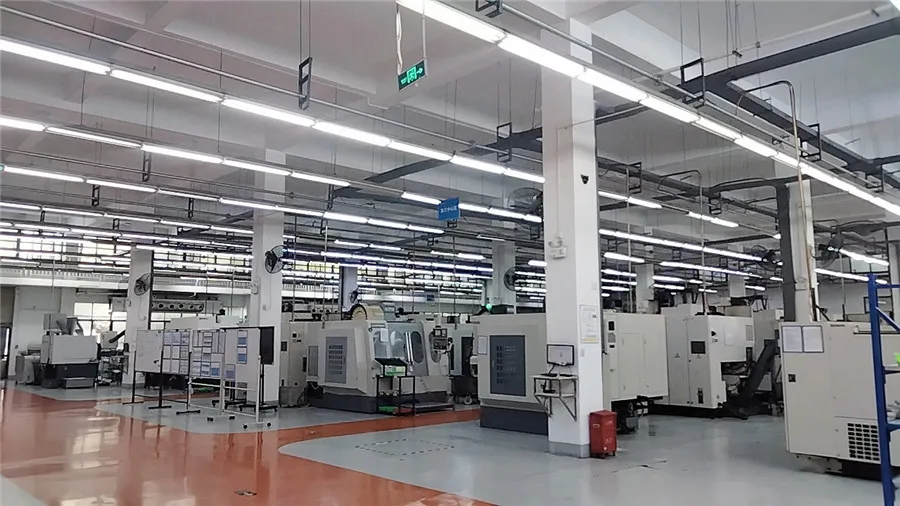
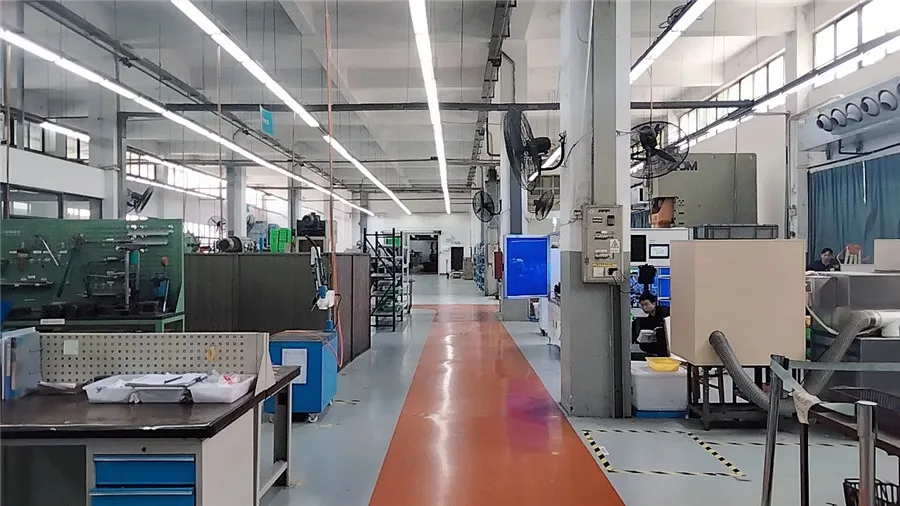
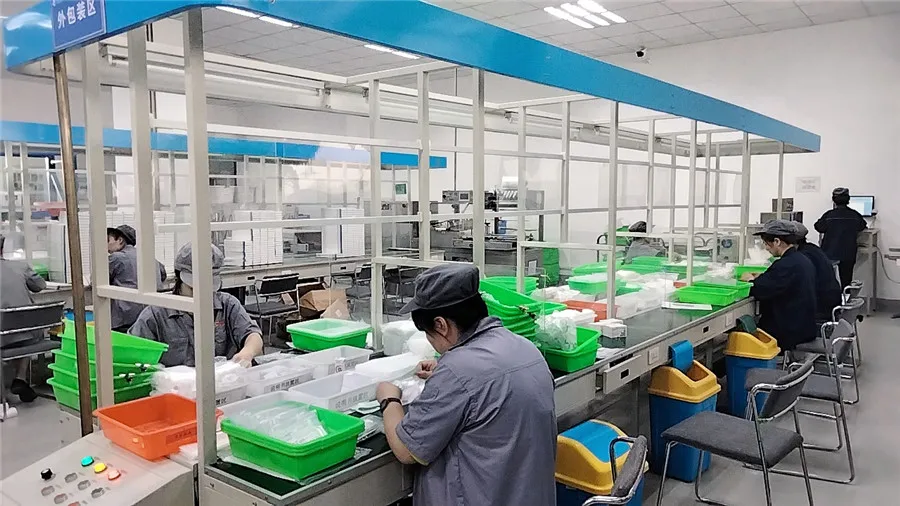
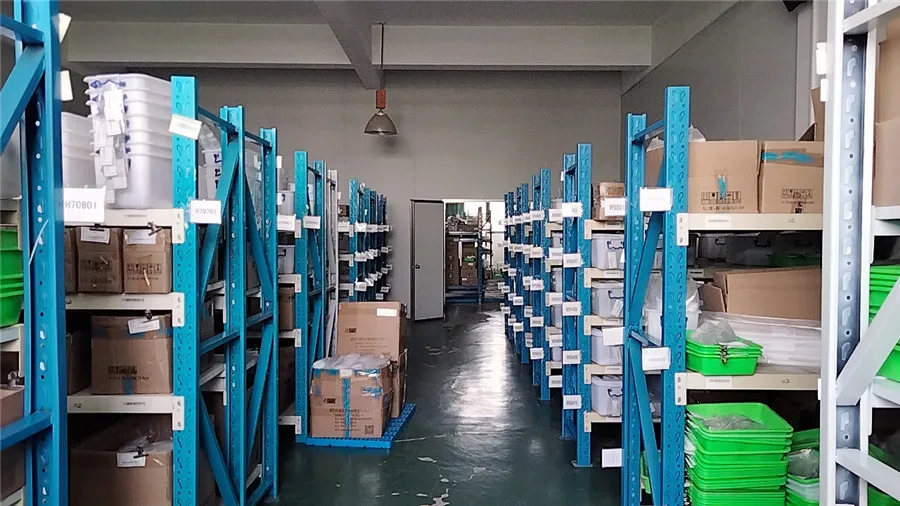
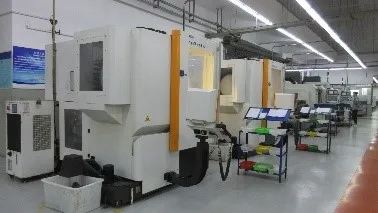
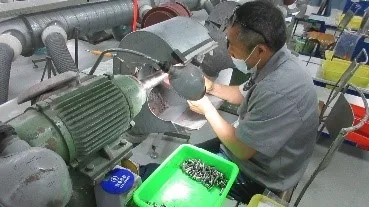
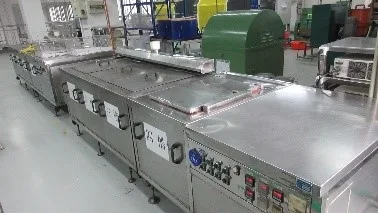
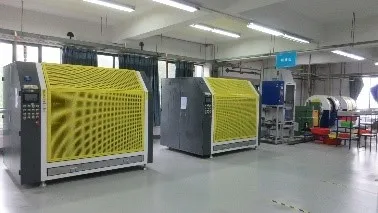
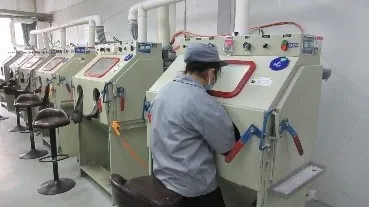
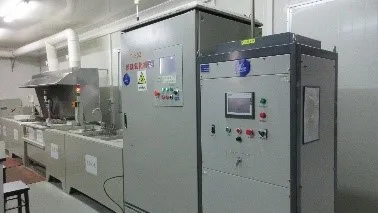
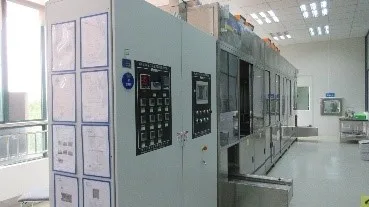
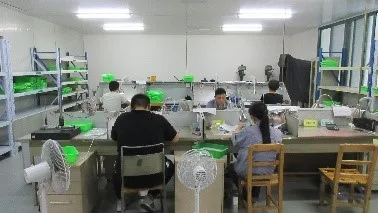
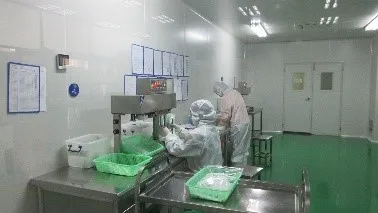
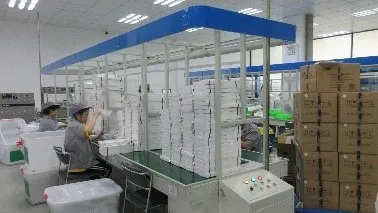
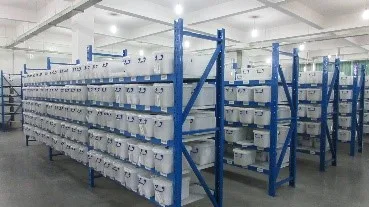
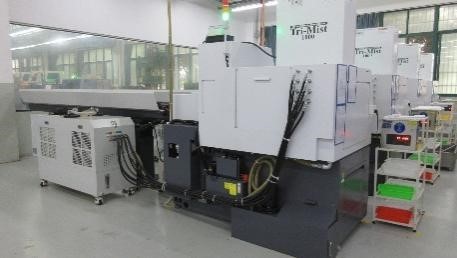
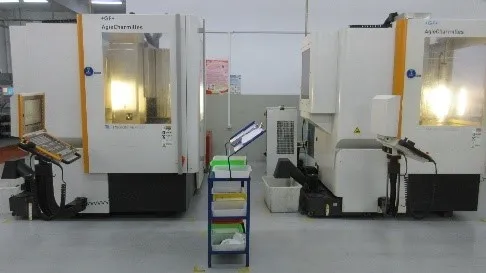
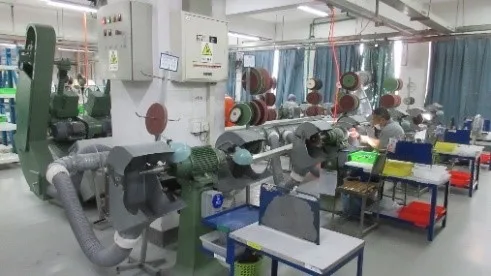
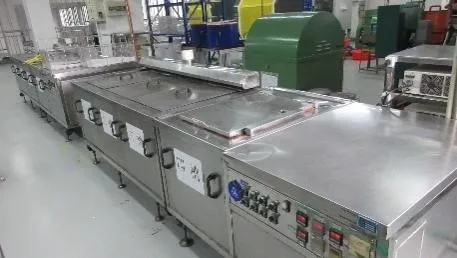
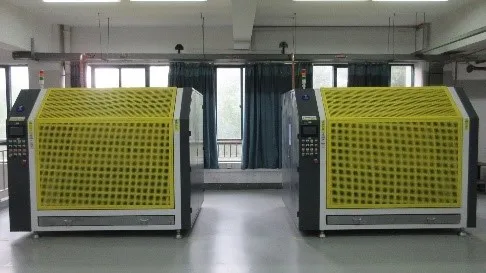
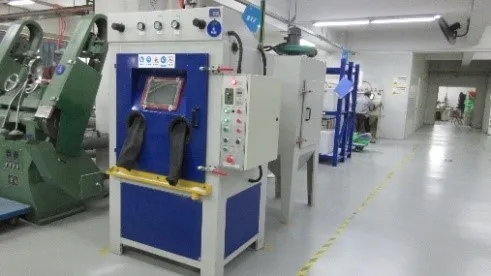
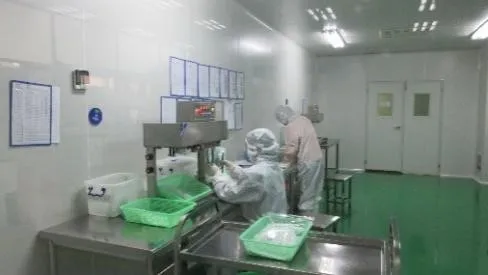
Sustaining a reliable medical export channel to Russian hubs requires more than just clinical compliance. It demands deep supply chain integration, precision manufacturing systems, and raw material security. As a leading manufacturer, we operate high-throughput production lines powered by computer-aided machining centers, automated quality gateways, and environmental cleanrooms.
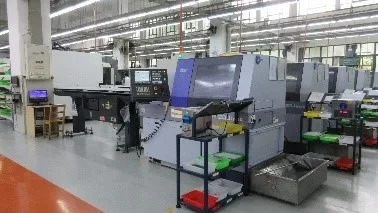
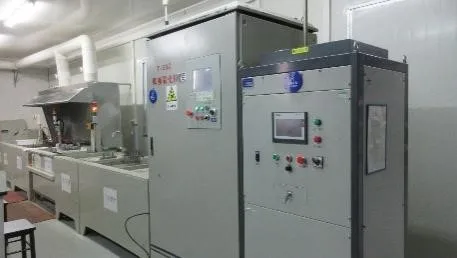
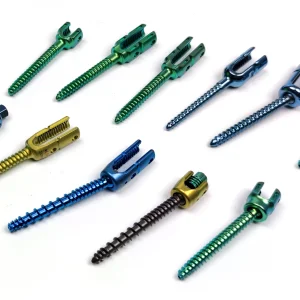
Our smart manufacturing framework relies on Swiss-type CNC automatic lathes that achieve machining tolerances within ±5 microns. This extreme precision ensures that the thread matching between the pedicle screw and the set screw prevents cross-threading—a complication that can occur in high-pressure operating rooms. Additionally, our automated anodization processes color-code screw diameters, allowing surgeons in high-stress environments to rapidly select the correct hardware during surgery.
Importers face challenges regarding supply chain delays. To address this, we leverage the New Silk Road rail network and specialized air freight systems. Shipments can travel via the Chongqing-Xinjiang-Europe railway link or direct flights to Moscow (SVO/DME), significantly reducing lead times compared to traditional maritime transport.
We manage custom clearance preparation, GOST-R registration document alignment, and supply documentation with meticulous care. Our regulatory team handles product registration, chemical analysis certificates, and sterilization reports. This streamlines importing and registration processes with the Federal Service for Surveillance in Healthcare (Roszdravnadzor).
Verified manufacturing, quality control, and regulatory compliance data.
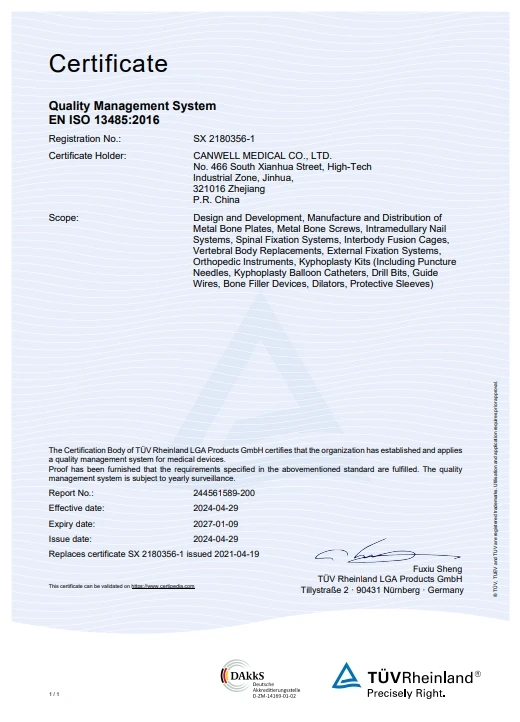
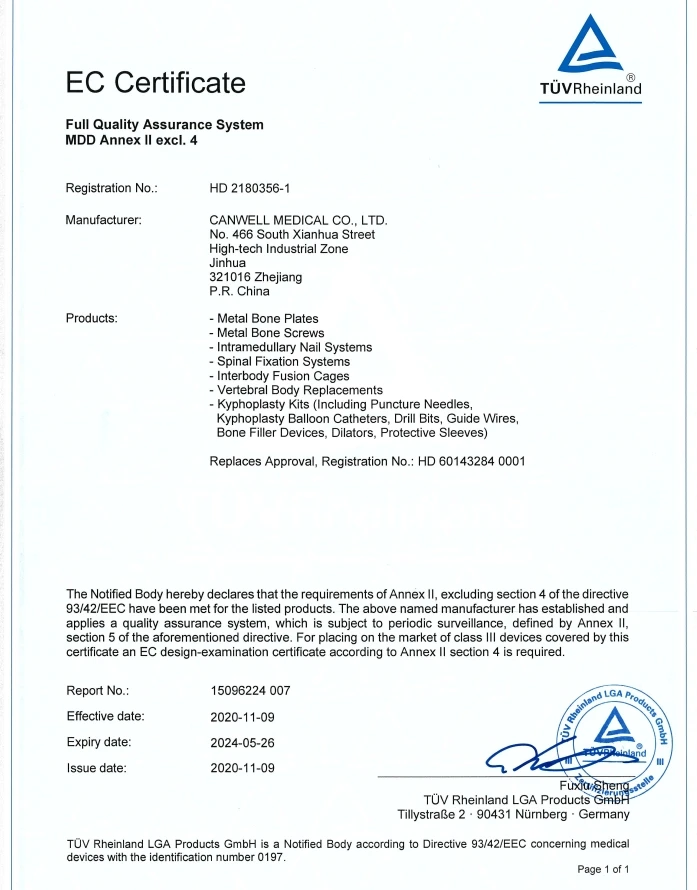
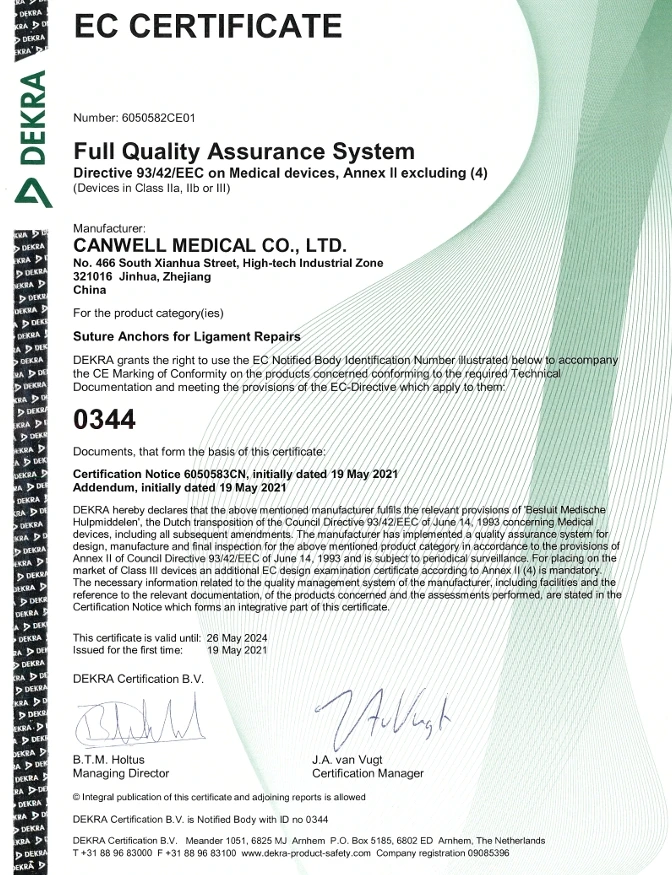
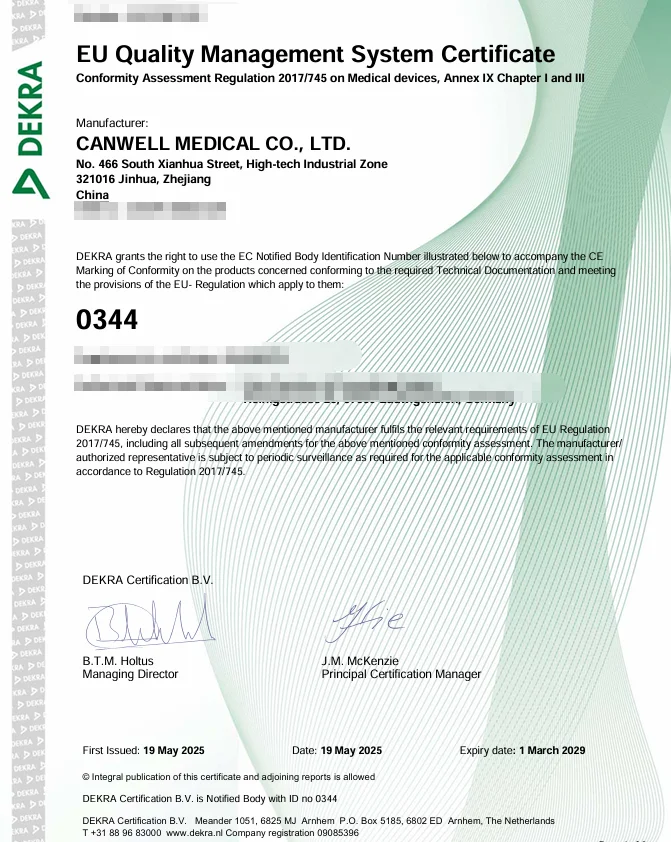
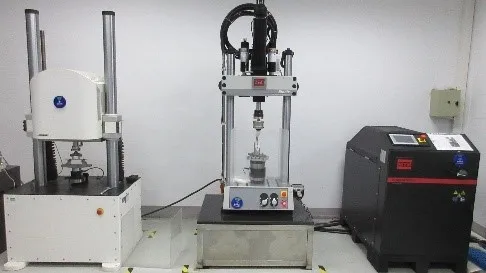
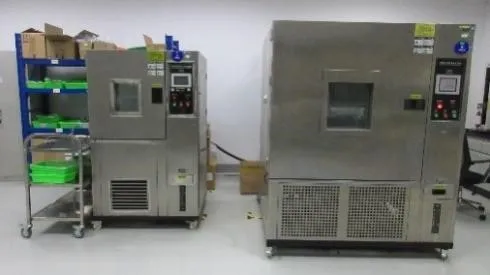
Precision engineering underpins the safety of implants placed in patients. Spinal hardware undergoes rigorous testing protocols to evaluate structural performance under simulated physiological stresses.
To evaluate mechanical performance, our construct variants are subjected to ASTM F1717 standard tests. These tests assess:
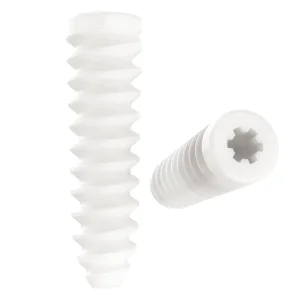
Our design incorporates a dual-lead thread profile that halves insertion time. A self-tapping tip allows for clean insertion with minimal bone preparation, preserving local bone architecture and maintaining pull-out strength.
The internal hex or torx drive system ensures high torque transfer during insertion. This reduces the risk of drive system deformation, even when working with dense, sclerotic bone tissue.
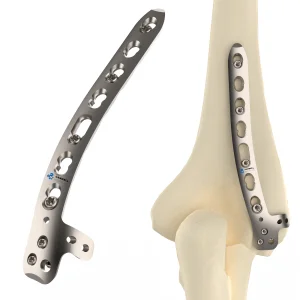
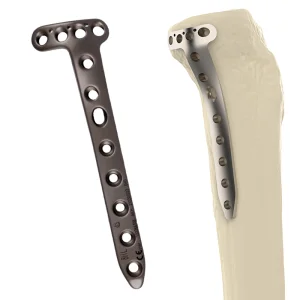
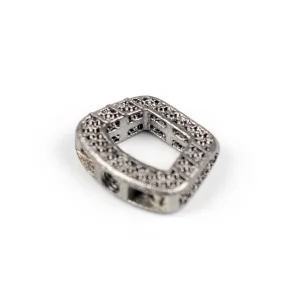
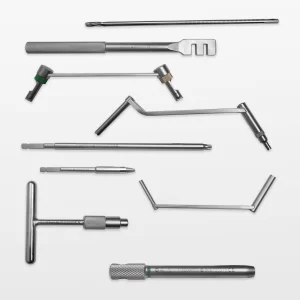
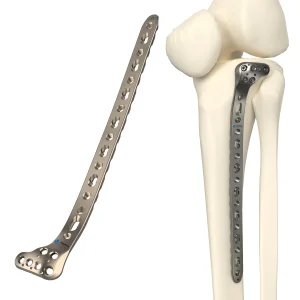
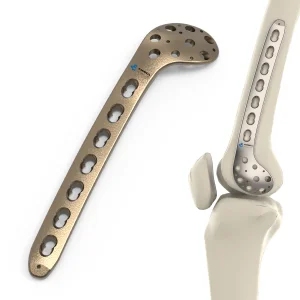
The following technical diagrams outline our raw material inspection, advanced surface modification, and multi-stage cleanroom validation protocols:
Contact our technical support and regional trade representatives today. Request our complete catalog, ASTM testing data, material certificates, and customized pricing structures.
 Harney-Well