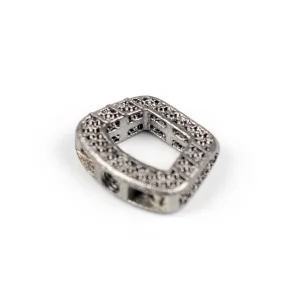
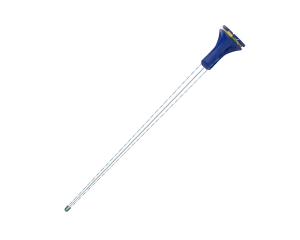
Engineered to match the high standards of Bay Area spine clinics and neurosurgical facilities. These solutions showcase the integration of Zero-Profile design paradigms and bio-mimetic structures.
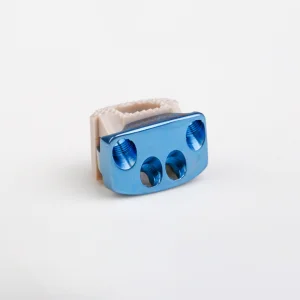
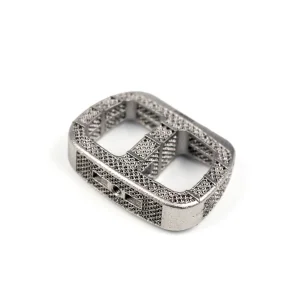
The San Francisco Bay Area is globally recognized as a powerhouse for clinical translation, biomechanical research, and medtech innovation. Supported by world-class academic institutions and healthcare networks—such as UCSF Medical Center, Stanford Health Care, and regional orthopedic hubs—the local demand for orthopedic implants has shifted from static, basic structural supports to intelligent, osteoinductive interbody fusion devices.
As healthcare systems face increasing pressure to improve patient discharge times, reduce reoperation rates, and limit complications like subsidence or pseudoarthrosis, surgeons in San Francisco are driving the transition toward minimally invasive spine surgery (MISS). To facilitate these advanced techniques, orthopedic cages must feature extreme mechanical durability, precise anatomically matching profiles, and micro-engineered topologies that accelerate bony bridge formation. By utilizing medical-grade polyetheretherketone (PEEK) and additive manufactured (3D-printed) porous titanium alloys, manufacturers are providing surgeons with the tools necessary to achieve immediate primary mechanical stability and long-term biological fixation.
Local hospitals prioritize implants that support early sagittal balance restoration, low profile profiles, and reduce ACDF/TLIF complications.
High-grade biocompatible PEEK and porous 3D-printed titanium structures mimic cortical and cancellous bone properties.
Strict clinical evaluation reports (CER) align with EU MDR and FDA regulatory guidelines for patient-safety assurances.
Modern spine arthrodesis utilizes two predominant material classes, each addressing distinct biomechanical profiles:
PEEK offers an elastic modulus (approx. 3.6 GPa) close to that of human cortical bone, reducing stress shielding and the risk of implant subsidence. Furthermore, its radiolucent characteristics allow clear postoperative assessment of fusion progression via standard X-ray or CT scans. Our Zero-Profile PEEK designs maximize the bone graft window while maintaining absolute torsional and compressive load capacity.
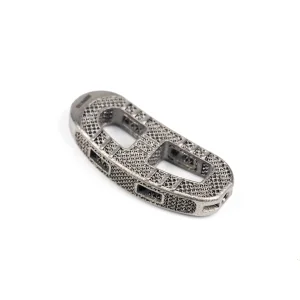
Leveraging additive manufacturing (SLM/EBM technology), our porous titanium implants possess structured, interconnected micro-pores (typically 300–600 μm diameter). This surface morphology acts as a scaffold that promotes osteoblast adhesion, proliferation, and deep vascularized bone ingrowth—a process known as osseointegration. The macro-roughness of these implants provides superior immediate coefficient of friction against the vertebral endplates, preventing micro-migration.
Years Exporting Experience
Modern Manufacturing Area
Graduate R&D Engineers
Dedicated QA/QC Inspectors
Partnering with an established global orthopedic manufacturer provides regional distributors, medical device companies, and hospital networks in San Francisco with exceptional supply chain security and technical consistency. Our facilities combine state-of-the-art production technology with traceably controlled sourcing of raw materials.
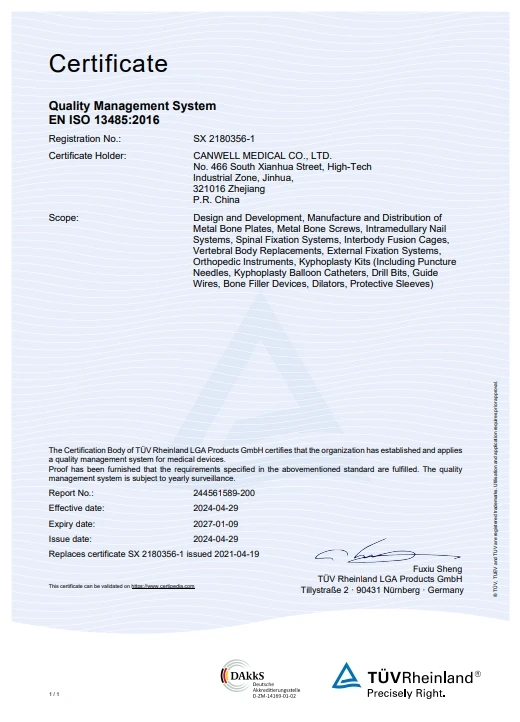
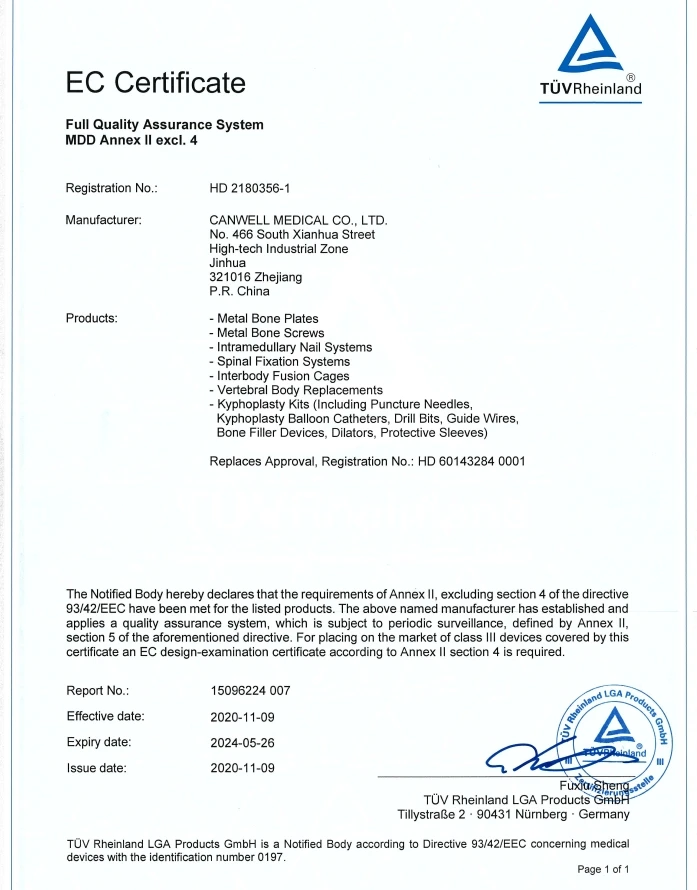
Our operations comply with key international quality assurance systems for orthopedic implants and trauma fixation instruments.
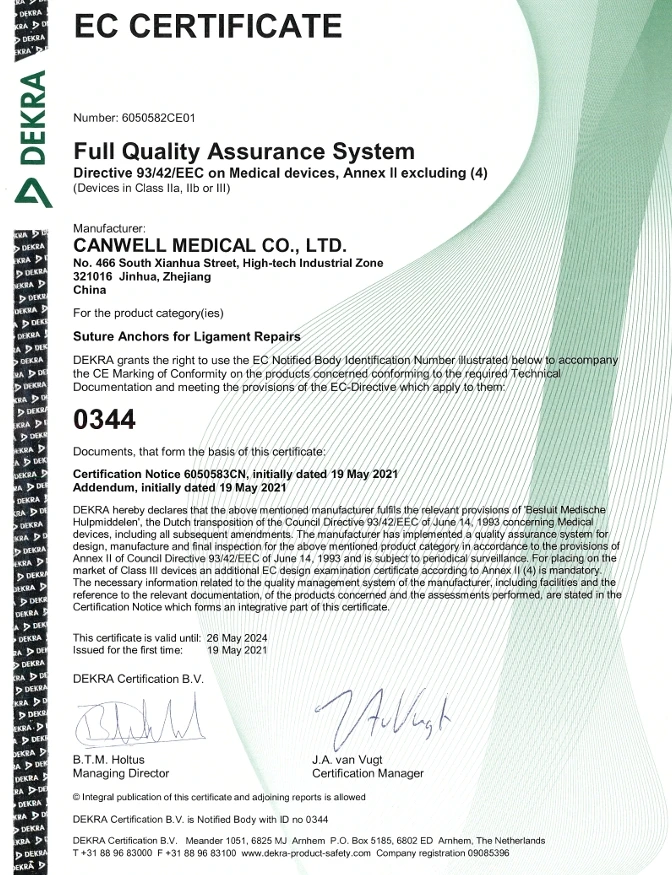
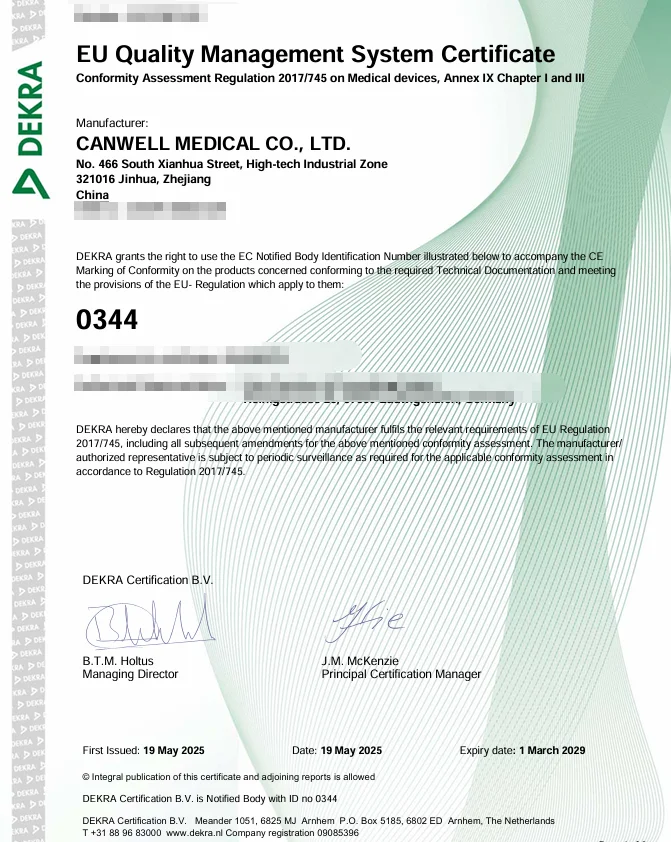
As medical institutions and surgical centers in California face cost-efficiency targets while maintaining high clinical performance standards, our manufacturing model provides a key strategic advantage.
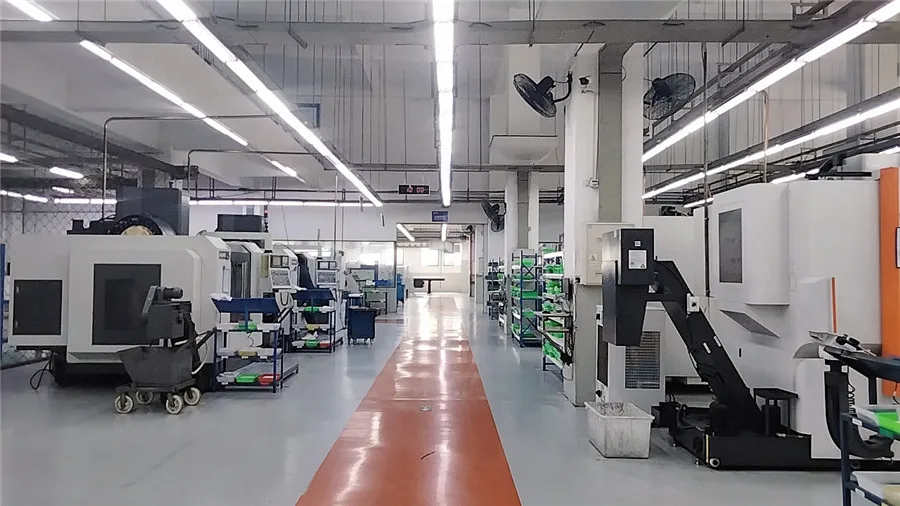
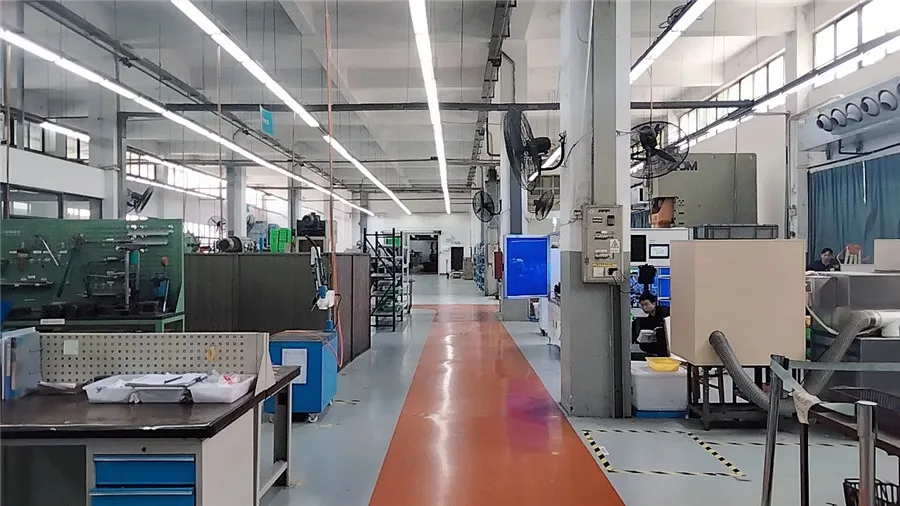
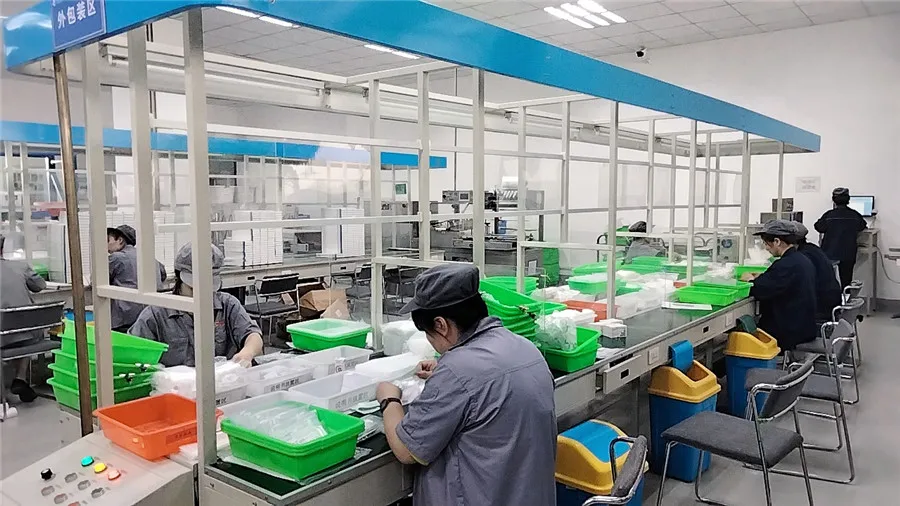
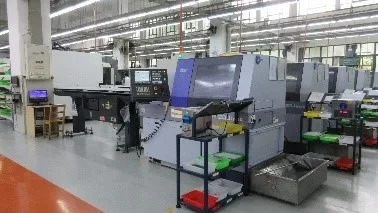
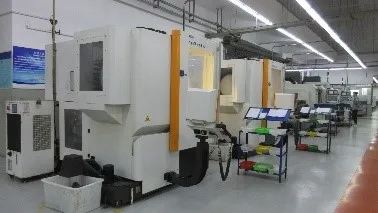
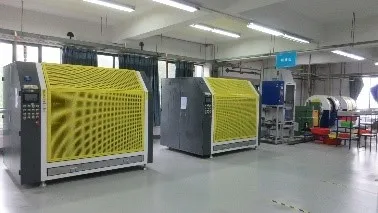
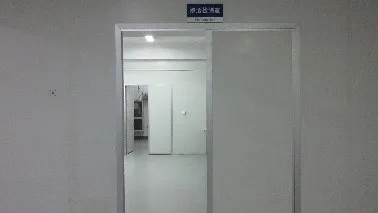
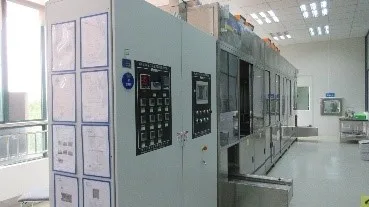
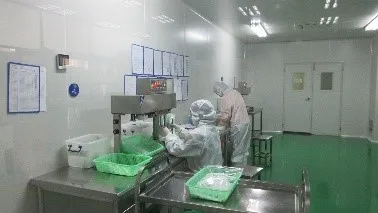
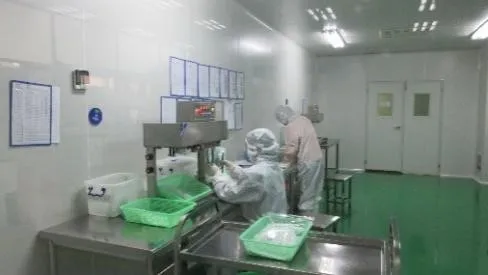
By leveraging Chinese manufacturing ecosystems, we combine cost efficiency with advanced manufacturing technology. Using state-of-the-art Swiss CNC multi-axis milling systems, class 100,000 cleanrooms for packaging, and automated coordinate measuring machines (CMM) for verification, our facility guarantees that every spine cage and external fixator complies with ISO 13485 regulations. This translates to a 30% to 50% cost advantage over local Bay Area production, without compromising raw material specifications or dimensional tolerances.
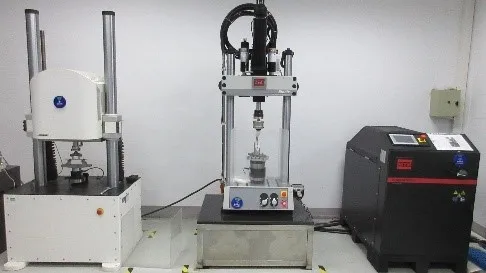
Our team of 59 graduate R&D engineers supports comprehensive OEM/ODM pathways. Whether a medical device supplier in San Francisco requires specialized anatomical geometries, bespoke screw patterns, or localized packaging, our workflow handles rapid titanium 3D-printing prototyping, mechanical fatigue testing (per ASTM F2077 standards), and clinical dossier generation in record time.
We source only high-grade medical alloys (e.g., Ti-6Al-4V ELI conforming to ASTM F136) and premium raw PEEK material. Complete lot traceability runs from the initial chemical analysis certificates of raw materials through processing, anodizing, sterilization validation, and final cargo dispatch, ensuring complete transparency for local regulatory reviews.
Leveraging over two decades of export experience, we manage all international shipping steps, customs declarations, and air transport to San Francisco International Airport (SFO) or direct delivery to regional warehouses. Our regulatory department provides CE (MDR) certifications, ISO validations, and test reports to support local compliance reviews.
The field of spinal fusion is moving rapidly toward intelligent, functional implants. Our research and development pipeline addresses these shifts by developing devices that go beyond providing passive mechanical support:
By mimicking the physical architecture of natural bone at the sub-micron scale, our next-generation titanium designs promote immediate protein adsorption and stem cell differentiation, leading to faster bone bridge formation.
Incorporating bioactive ceramics onto the outer layers of PEEK cages provides inherent antibacterial properties and speeds up mineral deposition, reducing the reliance on systemic antibiotic therapies.
We are researching magnesium-alloy structures that gradually break down and transfer mechanical load back to the newly formed bone once fusion is complete, eliminating long-term foreign-body risks.
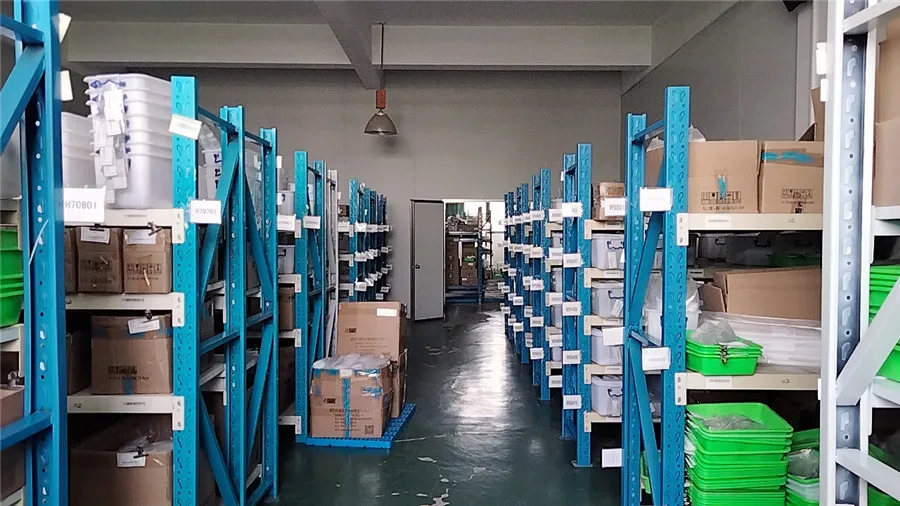
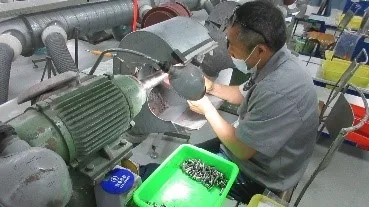
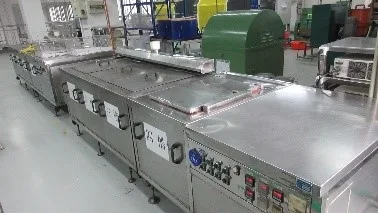
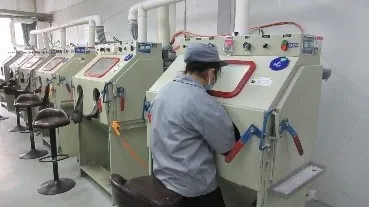
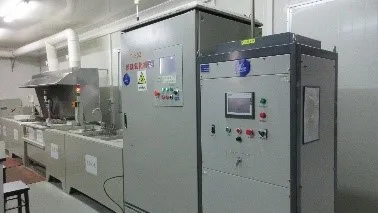
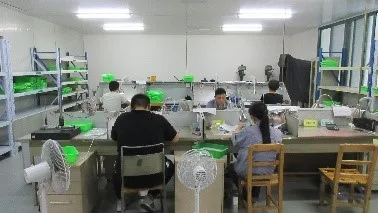
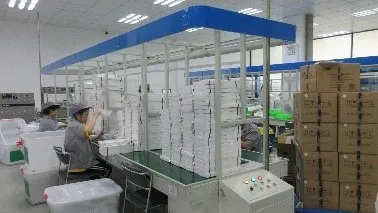
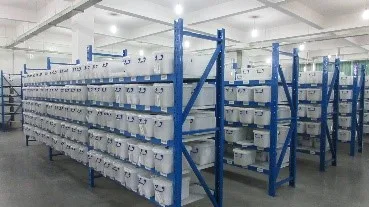
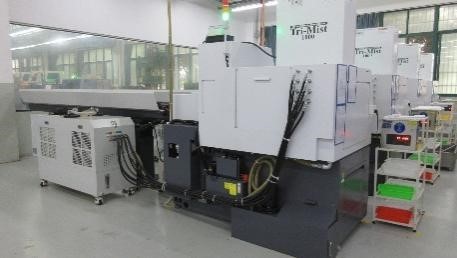
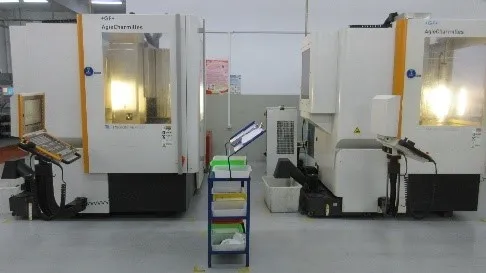
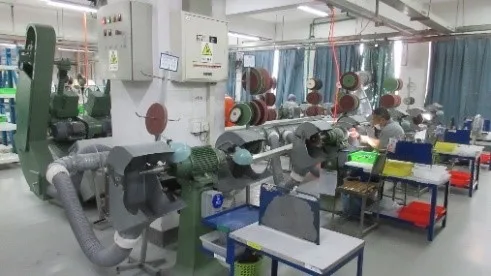
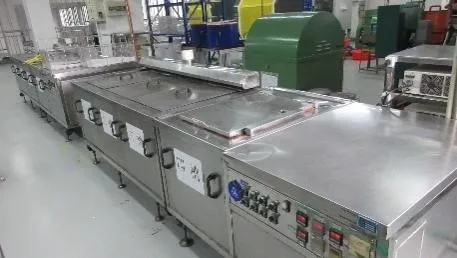
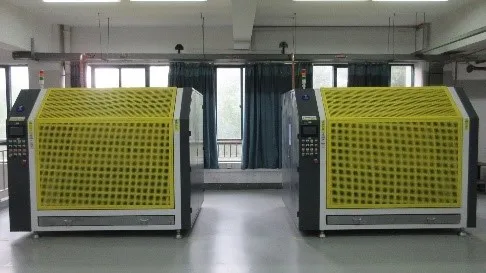
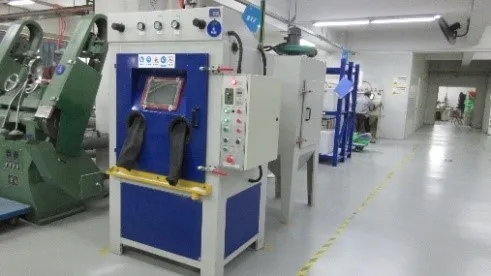
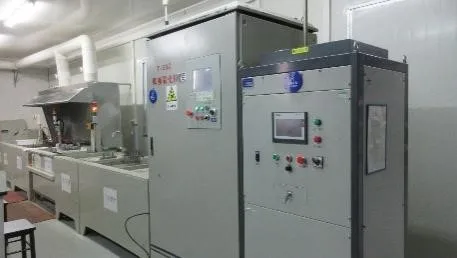
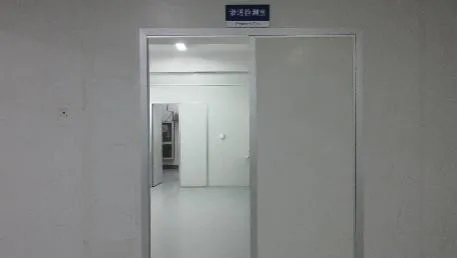
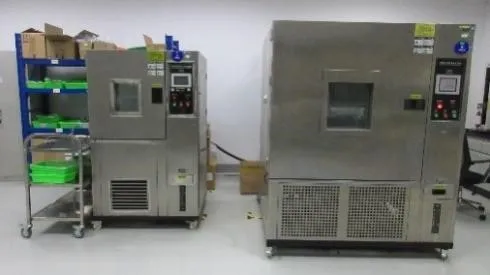
A visual overview of our manufacturing operations, showing high-precision machinery, quality control steps, cleanrooms, and testing facilities.
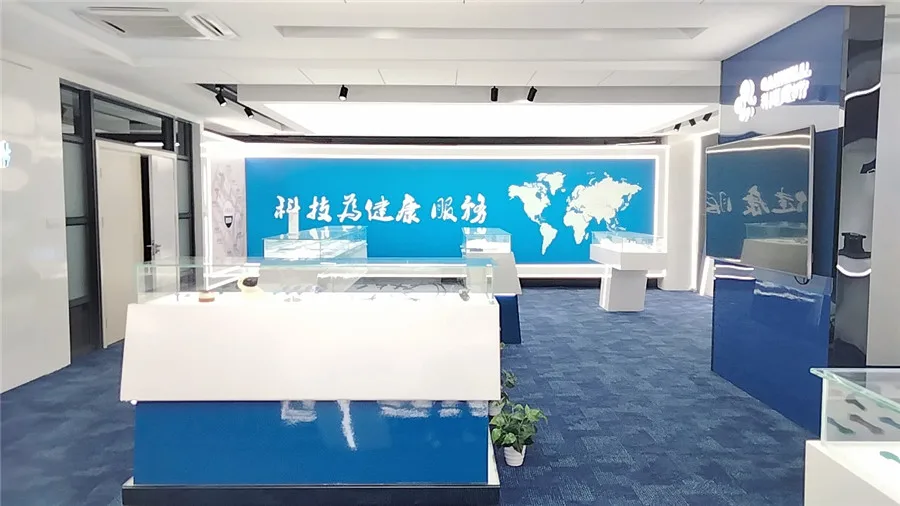
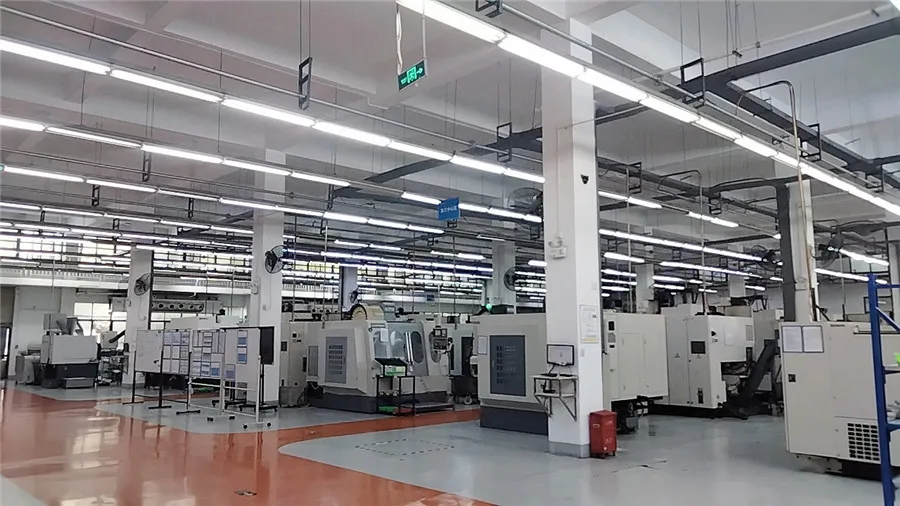
Crucial technical and logistical answers for spine specialists, purchasing directors, and distributors in California.
Subsidence typically occurs when there is a mismatch in stiffness between the interbody implant and the vertebral bone. Our additive-manufactured cages feature a controlled, biomimetic porous structure that reduces the overall modulus of elasticity to closely match trabecular bone, distributing loads more evenly. Furthermore, the micro-roughened surface provides high initial friction to prevent micro-movements that can damage the vertebral endplates.
Every shipment is backed by a comprehensive Quality Dossier. This includes ISO 13485:2016 certification records, CE Mark certificates (compliant with EU 93/42/EEC and MDR requirements), raw material mill test certificates (showing chemical purity and mechanical properties), sterilization validation reports (where applicable), and final dimensional inspection reports generated by automated CMM equipment.
Yes, we offer comprehensive OEM and ODM support. Driven by our 59 graduate R&D engineers, we can translate your custom 3D CAD models, target dimensions, or specific anatomical shapes into high-precision prototypes. This includes custom engraving, surface treatment, packaging design, and manufacturing validation to streamline local regulatory approval.
Standard catalog items are generally shipped within 7 to 15 business days from our logistics hub. Custom OEM orders, which require custom CAD confirmations and test runs, typically ship within 30 to 45 days. We offer expedited air freight options to SFO to meet urgent clinical and surgical schedules.
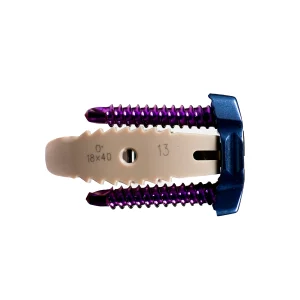
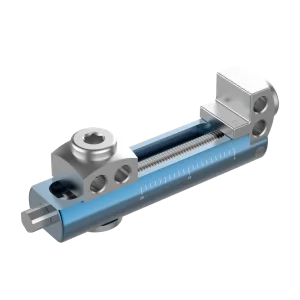
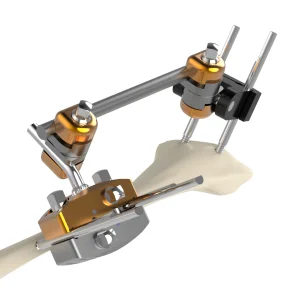
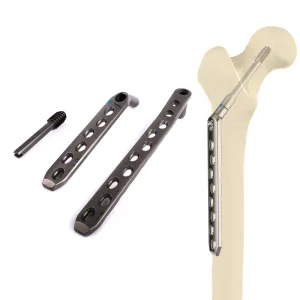
Discover our range of FDA-compliant, CE-certified orthopedic implants and trauma fixation instruments. Designed for demanding medical settings, from spinal reconstructions to complex trauma management.
Connect with our technical sales division to review clinical studies, request custom samples, or receive a formal bid package tailored for San Francisco healthcare networks and distributors.
 Harney-Well