Explore our premium clinical implants and instrument sets, certified under international orthopedic standards.
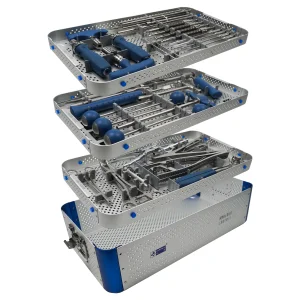
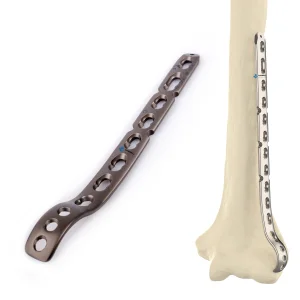
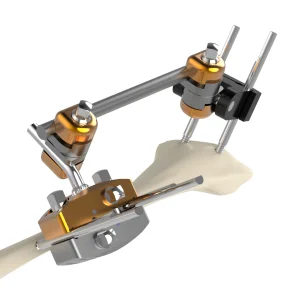
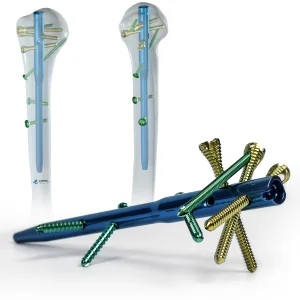
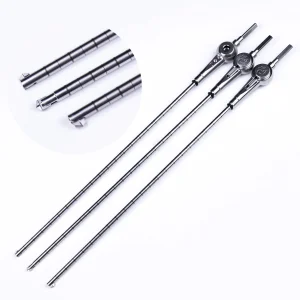
High-integrity screw mechanisms serving spinal fusion, trauma management, and joint reconstruction global networks.
In modern orthopedic biomechanics, the performance of a screw mechanism determines the success rate of complex osteosynthesis procedures. The mechanical integrity of a pedicle screw, cortical locking screw, or dynamic lag screw does not merely rest on surface aesthetics. It relies on microscopic engineering details—including thread profiles, pitch transition zones, raw material crystalline structure, and precise pitch ratios designed to match human bone densities.
Global orthopedic departments demand high-performance implants that minimize intraoperative failures and maximize long-term stabilization. Dynamic load-bearing scenarios, such as thoracolumbar fixation and distal tibia compression, subject these surgical screws to extreme mechanical fatigue. Reliable suppliers must utilize certified medical-grade titanium alloys (typically Grade 5 / Ti-6Al-4V ELI) and Polyether ether ketone (PEEK) to ensure high bio-compatibility, excellent osseointegration, and optimum load transfer to prevent stress shielding.
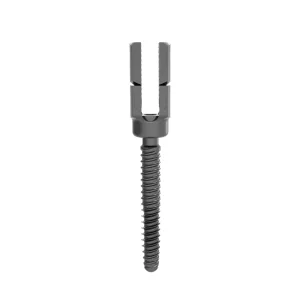
Polyaxial and monoaxial spine screw systems engineered to withstand multi-directional loads in posterior thoracolumbar surgeries. Low-profile head designs minimize soft-tissue irritation.
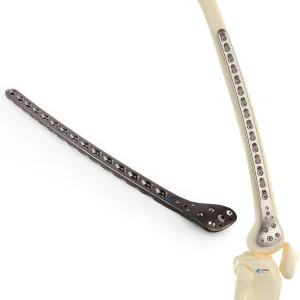
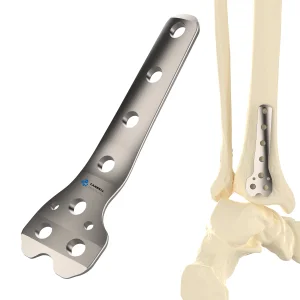
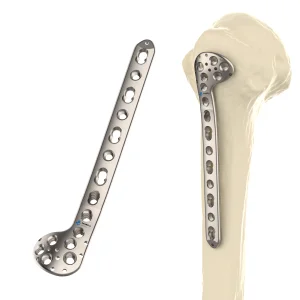
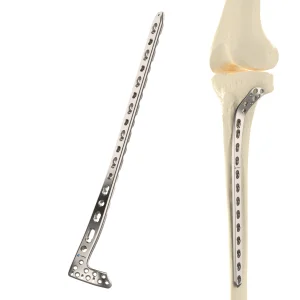
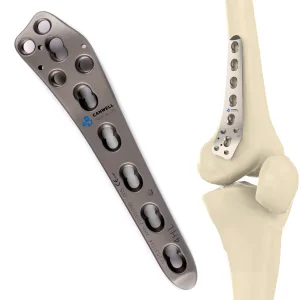
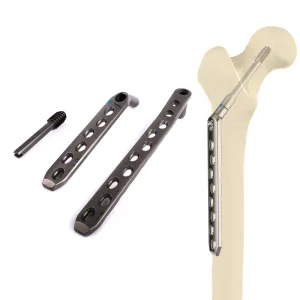
Locking plates and compression screws designed for anatomical matching, promoting primary bone healing under rigid internal fixation guidelines.
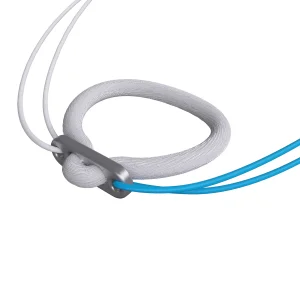
Titanium cortical loops and adjustable suture buttons that secure soft-tissue grafts in tibial and femoral tunnels, presenting superior pull-out strength.
Through systematic research in tribology and mechanics, manufacturers have improved the surgical interface. Advanced self-tapping profiles reduce screw-insertion torque, preserving structural bone integrity. In minimally invasive spinal surgery (MIS), where visibility is limited, these design parameters prevent thread stripping and secure long-term structural alignment.
A solid infrastructure of engineering excellence, strict inspection protocols, and verified global credentials.
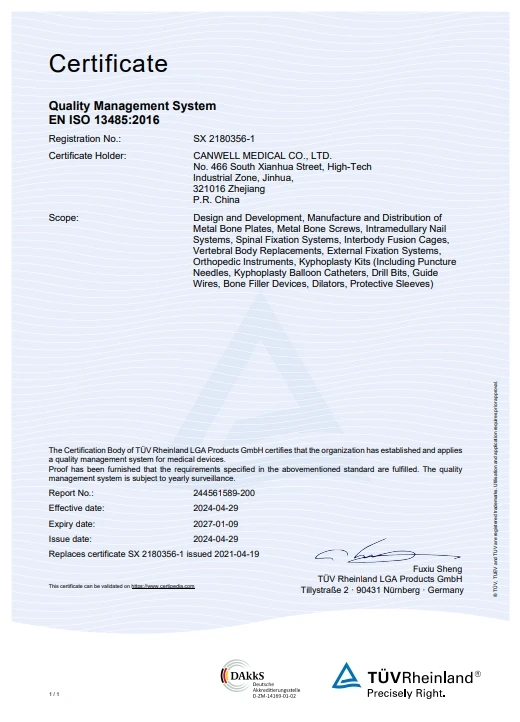 ISO13485 Quality System
Cert No: SX 2180356-1
ISO13485 Quality System
Cert No: SX 2180356-1
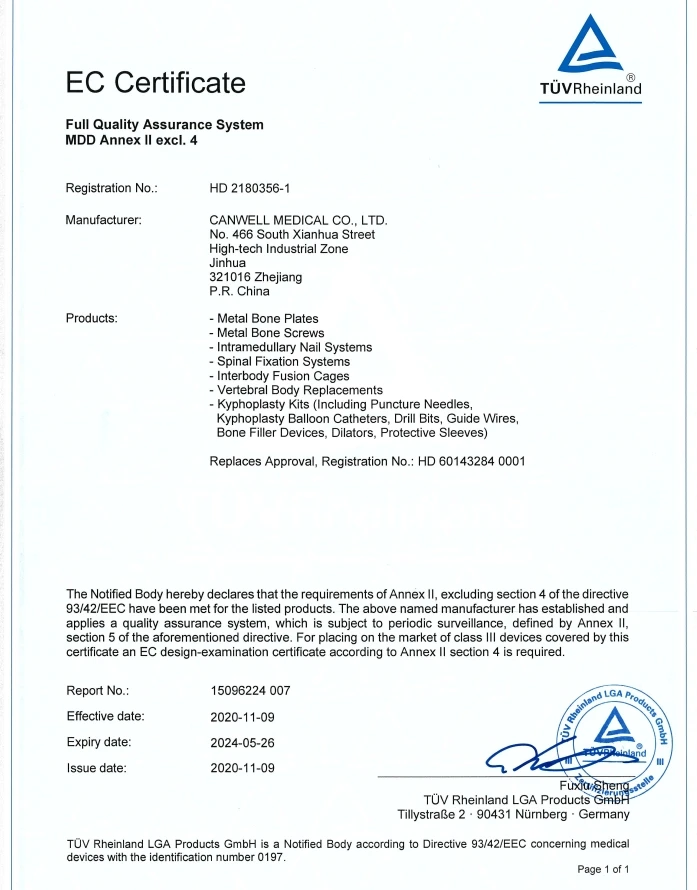 93/42/EEC MDD Certificate
Cert No: HD 2180356-1
93/42/EEC MDD Certificate
Cert No: HD 2180356-1
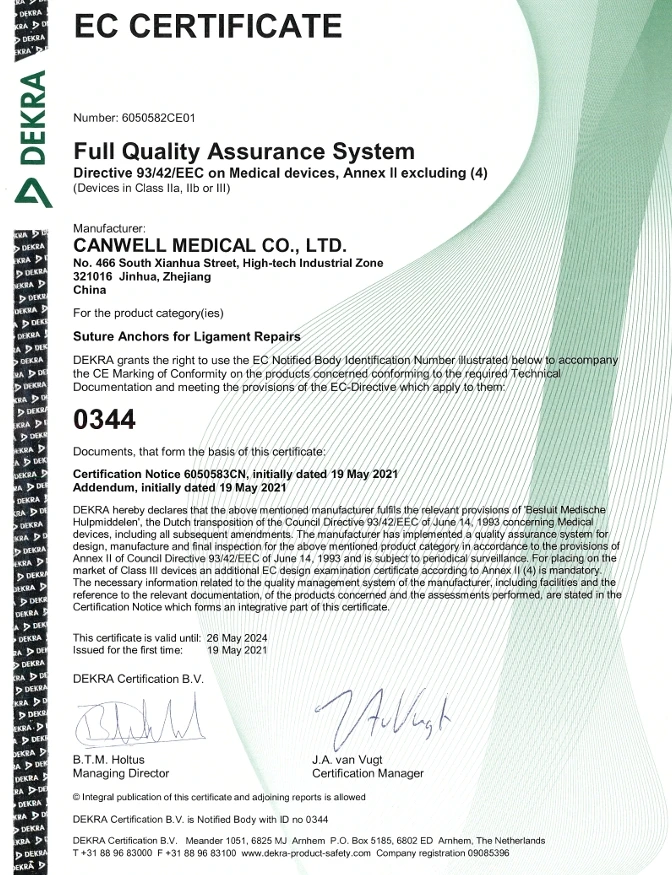 93/42/EEC MDD Annex II
Cert No: 6050582CE01
93/42/EEC MDD Annex II
Cert No: 6050582CE01
 MDR (EU) 2017/745 Compliant
Cert No: 6142788CE02
MDR (EU) 2017/745 Compliant
Cert No: 6142788CE02
Providing compliant and dependable medical implants across healthcare settings and emergency surgical centers worldwide.
Medical procurement teams must manage regulatory compliance, regional distribution, and supply chain security. Under the European Medical Device Regulation (MDR 2017/745) and strict FDA oversight, surgical screw mechanisms cannot enter clinical settings without rigorous validation. Our manufacturing processes conform to Class III medical device standards, providing full material heat-number traceability back to premium raw titanium bars.
Serving major surgical hubs in South America, Southeast Asia, and Western Europe, we align our logistics with modern clinical demands. We support local distributors with comprehensive regulatory dossiers, certificate authentication (CE, ISO 13485), and sterilization validation studies. This ensures seamless entry into hospital groups, public health facilities, and private orthopedic clinics.
Our implants are engineered to perform across diverse clinical environments:
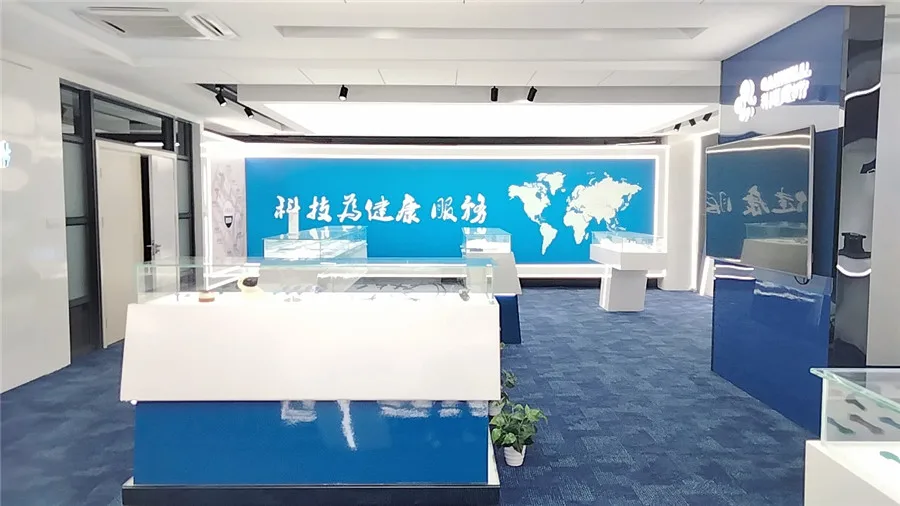
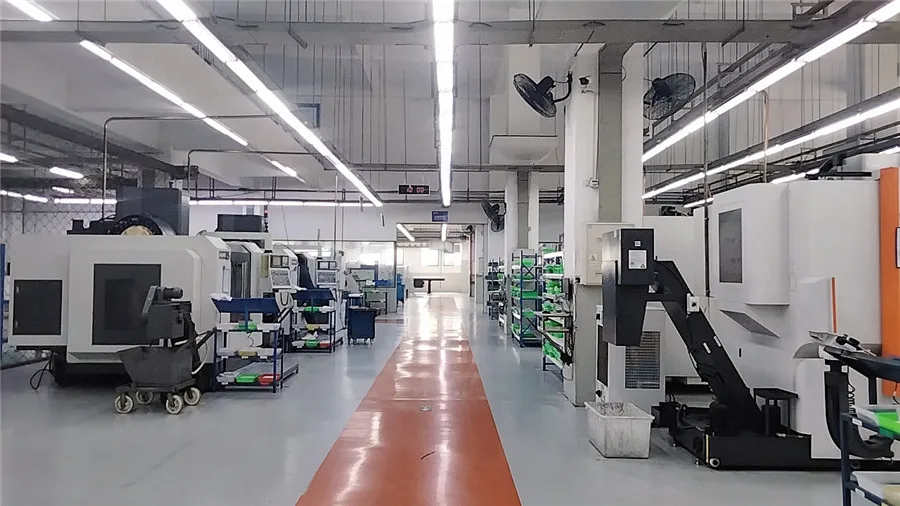
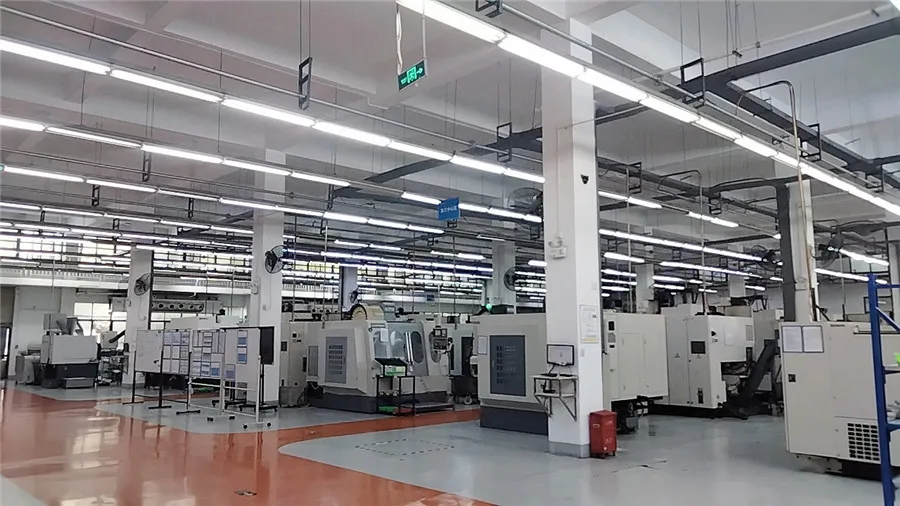
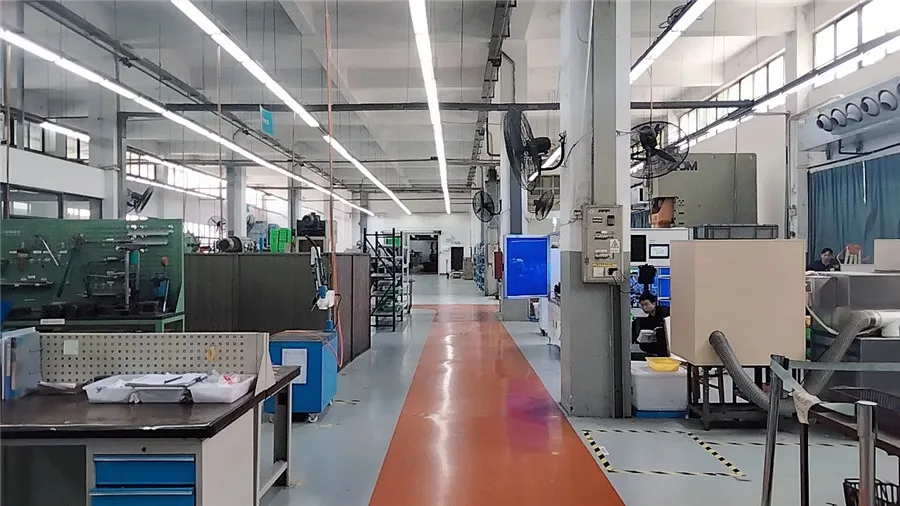
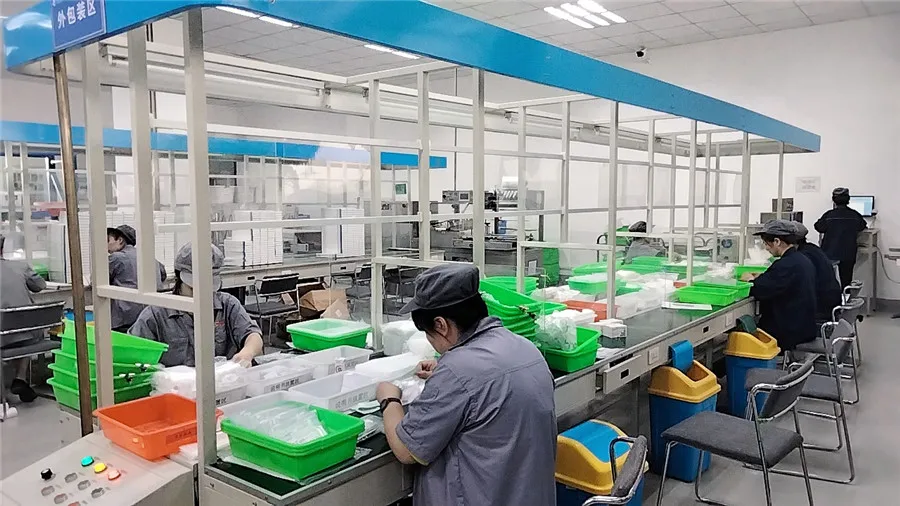
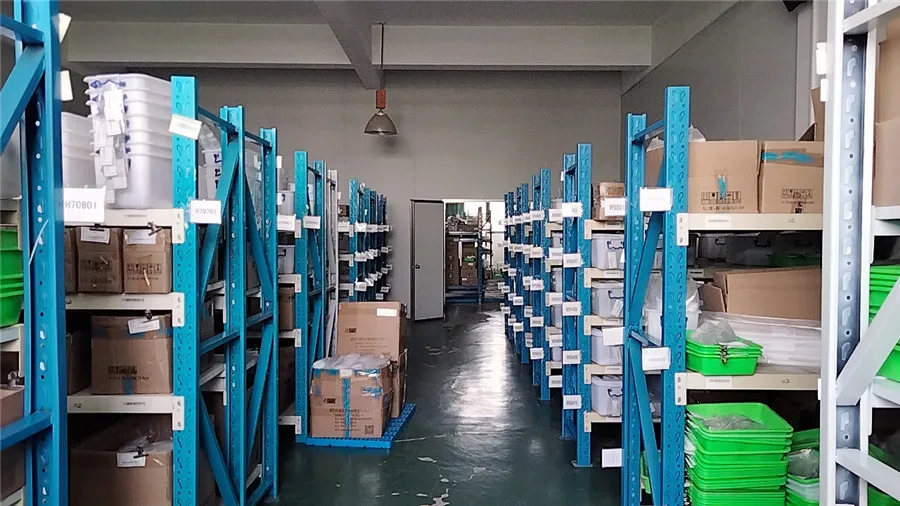
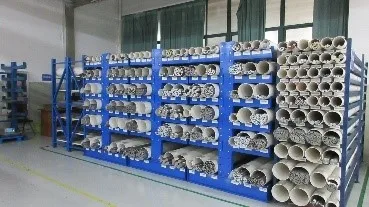
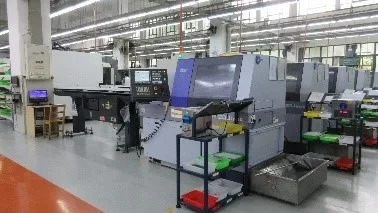
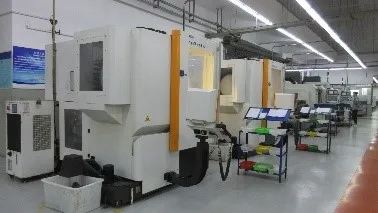
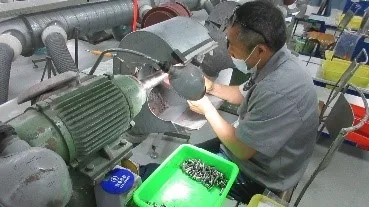
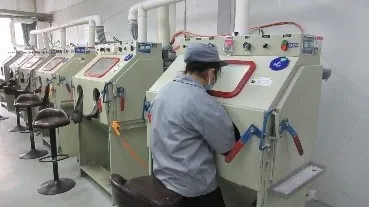
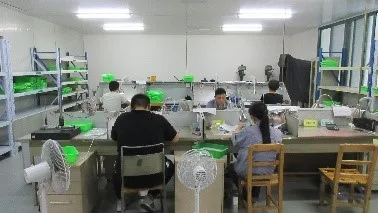
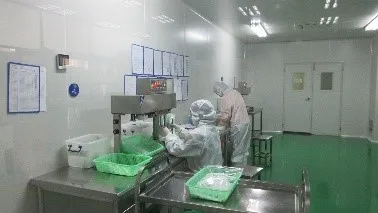
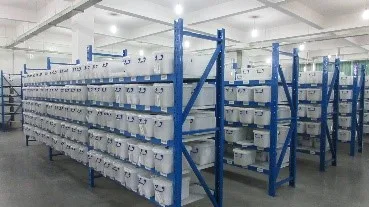
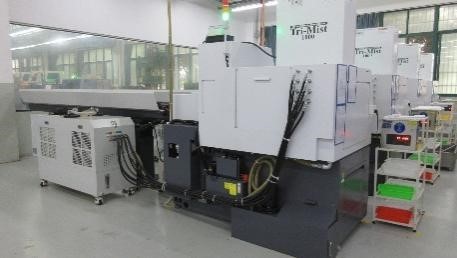
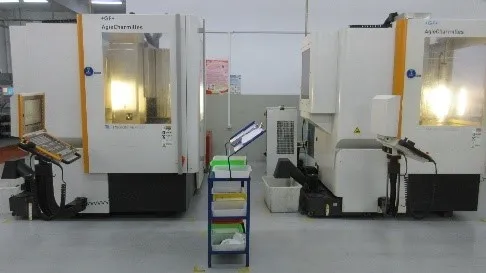
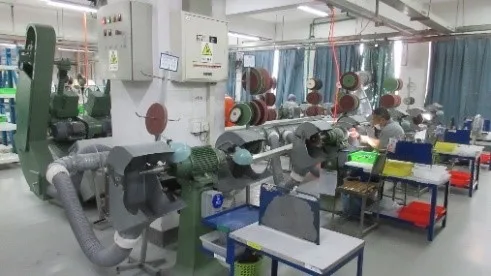
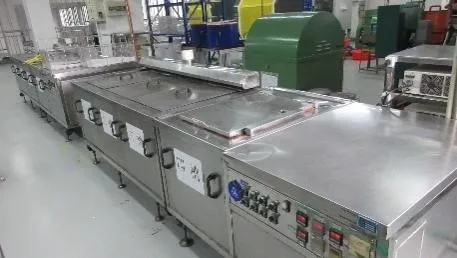
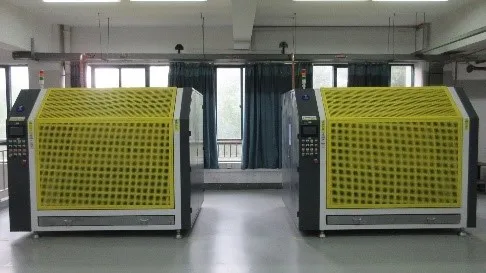
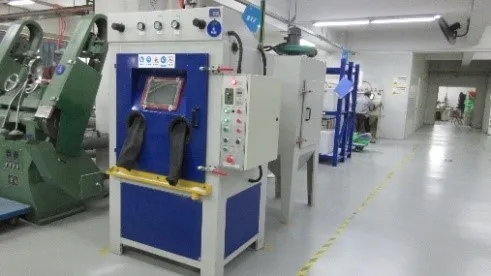
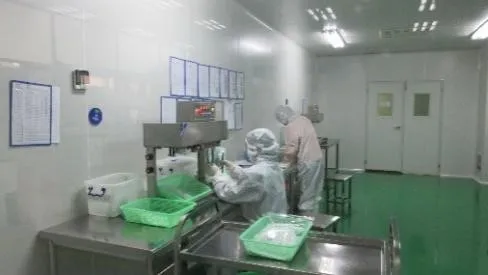
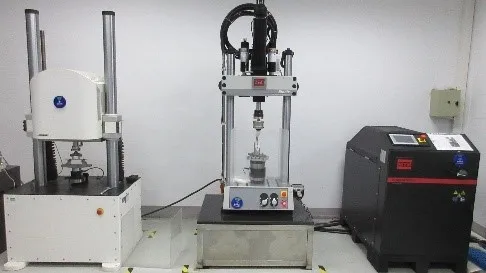
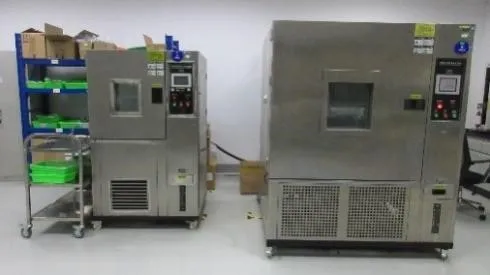
Visualizing our cleanrooms, high-precision multi-axis CNC machines, inspection centers, and manufacturing workflows.








A forward-looking perspective on material development and advanced orthopedic implant technology.
Orthopedic implant research is shifting toward bioactive designs and dynamic fixation. Traditional inert implants are evolving as clinical research indicates that smart surface textures improve healing timelines and outcomes. Our engineers are investigating two main clinical areas: 3D printed trabecular metal structures and biodegradable magnesium-based screws.
Additive manufacturing (3D printing) enables implants to mimic the micro-architecture of human cancellous bone. This structure encourages direct bone ingrowth into the implant, reducing long-term loosening. In sports medicine, where tendon-to-bone healing is critical, using bioactive coatings like hydroxyapatite (HA) on screw mechanisms helps accelerate recovery.
Additionally, transient bioabsorbable screw mechanisms are entering clinical evaluation. Designed to stabilize fractures during early healing, these magnesium and zinc alloys dissolve gradually once the bone is fully restored. This development eliminates the need for secondary removal surgeries, reducing both patient risk and healthcare costs.
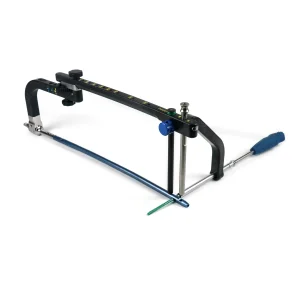
Engineered for stability, anatomical fit, and ease of use in orthopedic trauma procedures.
Answering key questions about material properties, design, and regulatory compliance for medical device procurement.
 Harney-Well