Explore our high-performance fixation technologies engineered for pediatrics, trauma, and sports medicine reconstruction.
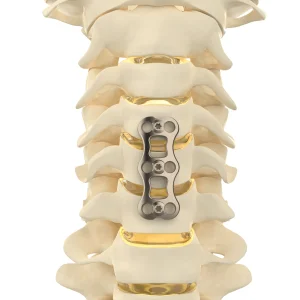
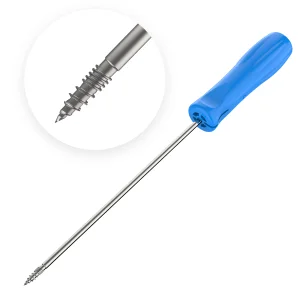
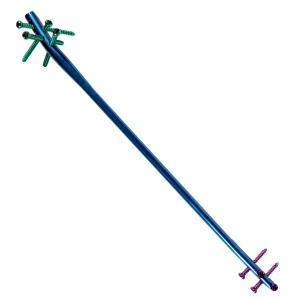
A statistical and structural breakdown of our 22-year manufacturing heritage, validated through clinical audits.
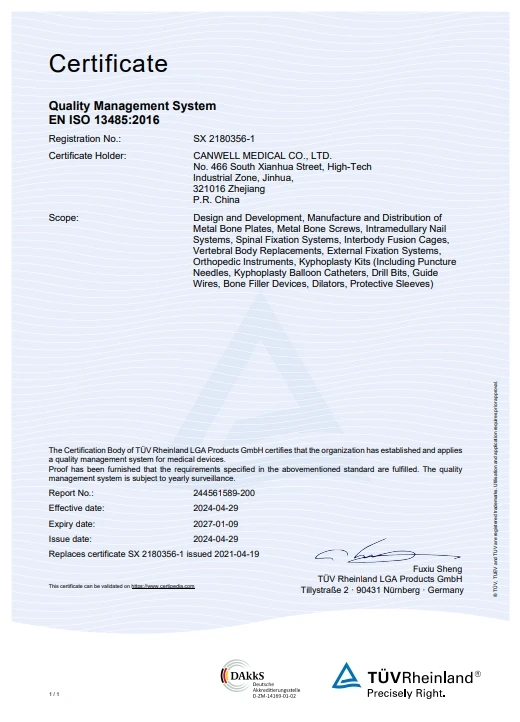
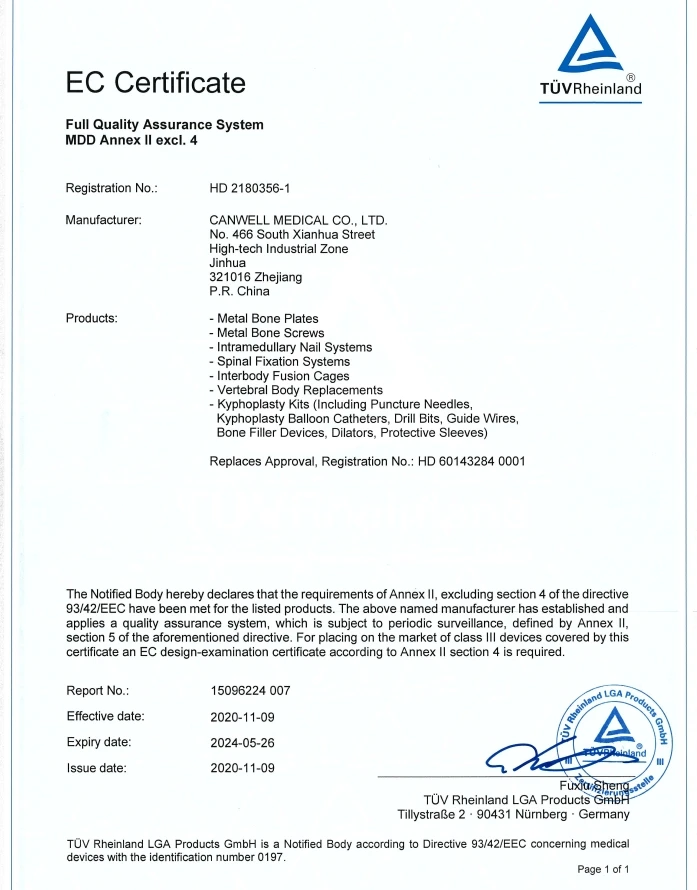
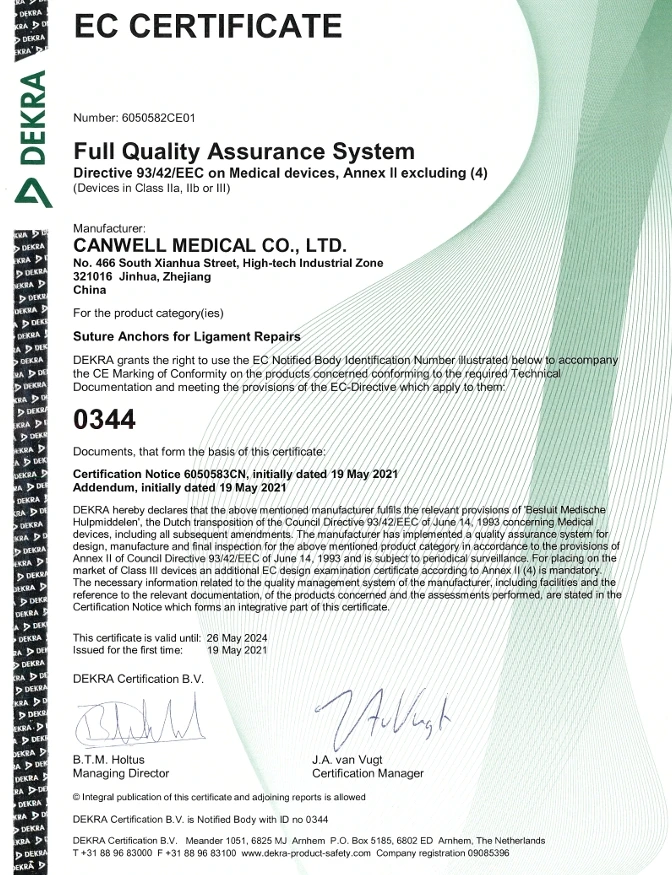
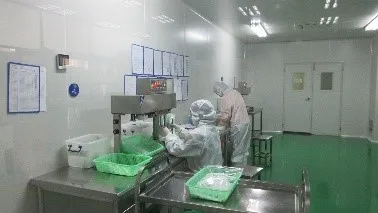
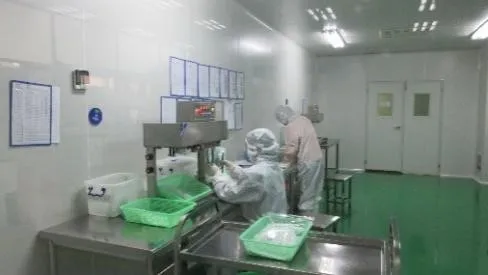
Every bone plate, intramedullary nail, and cortical screw is manufactured in medical-grade ISO Class 7 cleanrooms to comply with global clinical requirements:
An expert-level analysis of metallurgic profiles, implant geometry, and orthopedic stability systems.
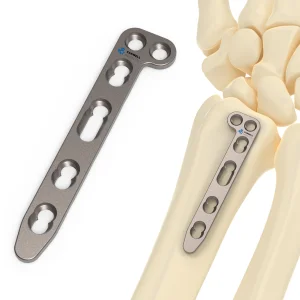
Utilizing high-purity Extra Low Interstitial titanium to optimize fatigue life and biocompatibility. Our processing methodologies reduce micro-impurity levels to below standard ASTM F136 specifications, providing unparalleled yield strength (≥ 860 MPa) and elongation tolerance in complex load-bearing systems like distal radius volar plates and dynamic hip screws (DHS).
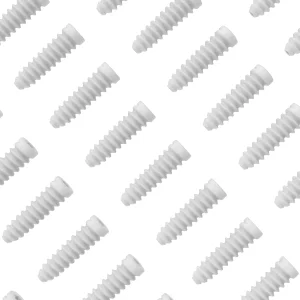
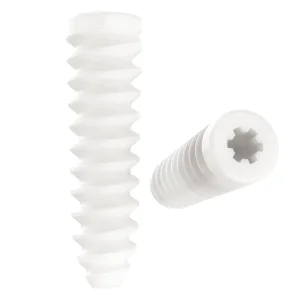
We lead the transition to smart resorbable implants. Our PLGA bioabsorbable interference screws offer structured degradation profile matches that align perfectly with natural ligamentous healing cycles. PEEK (polyetheretherketone) structural units ensure radiolucent, stress-shielding-free spinal constructs, maintaining mechanical integrity in body temperatures without imaging artifacts.
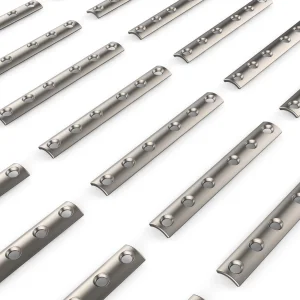
Applying type II anodization methods to our titanium locking plates creates a highly resilient biocompatible oxide barrier. This nanoscale rough topography significantly boosts primary osteoblast adhesion, lowering risk factors associated with bacterial colonization and implant displacement, while enhancing bone-to-implant contact (BIC) percentages.
How our vertically integrated production ecosystems protect hospital margins and global distributor pipelines.
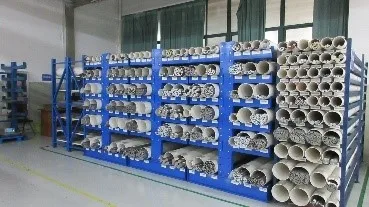
Through robust domestic sourcing channels, we secure consistent raw materials matching strict medical purity grades (grades conforming to ASTM F136 titanium, ISO 5832-1 stainless steel). By maintaining local buffers, we isolate global distribution partners from raw material market fluctuations.
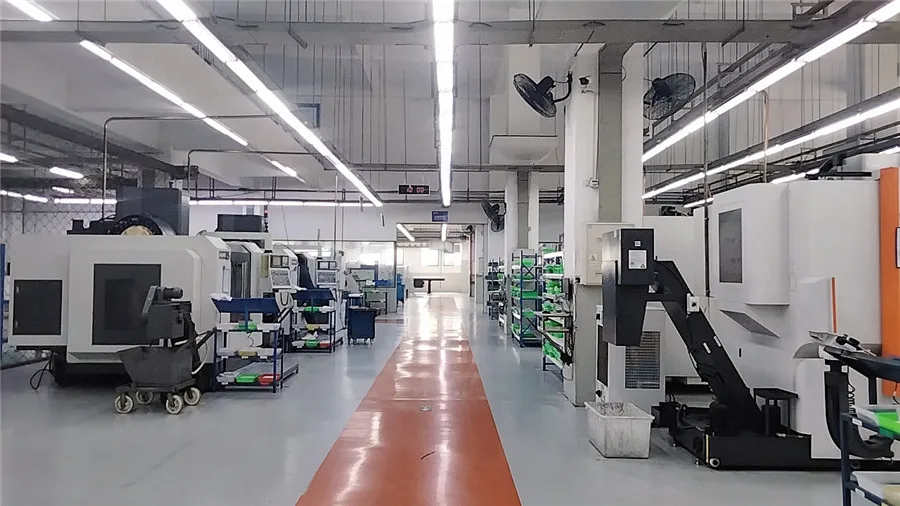
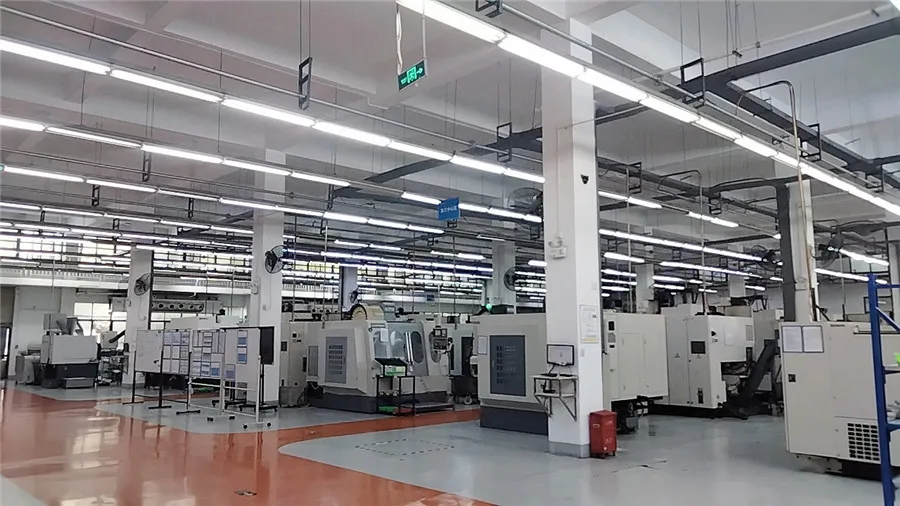
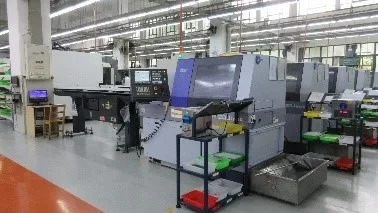
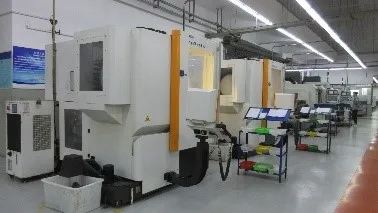
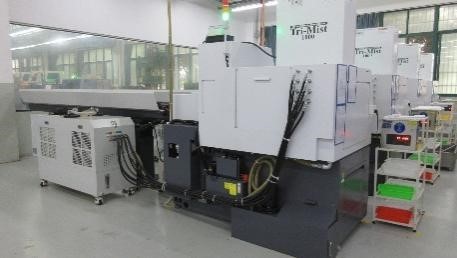
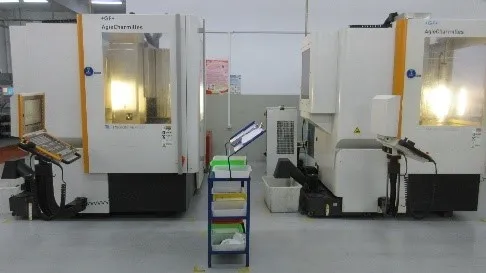
Featuring Swiss-type CNC automatic lathes, high-precision machining centers, and automated wire EDM systems. Our tolerances are locked down to ±0.005mm, which ensures consistency in thread pitch matching between locking screws and plate hole threads, mitigating cold-welding complications in theater.
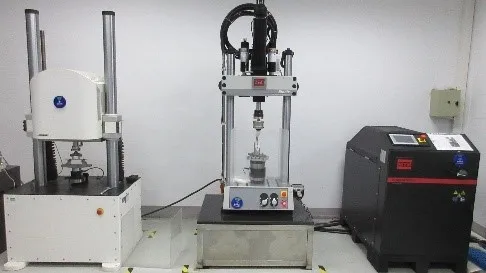
Our quality verification processes run under double-loop cycles. Run by 69 dedicated QA/QC specialists, every batch of plates and screws goes through coordinate measuring machine (CMM) testing, tensile testing, torque validation, and dynamic fatigue profiling (ASTM F382) before sterile packaging.
Tailored stabilization matrices designed for the clinical demands, patient profiles, and regulatory landscapes of global regions.
Focused on anatomical configuration flexibility and extreme fatigue lifetime limits. Demands in public tenders in countries like Brazil and Colombia require orthopedic implants to balance affordability with excellent postoperative strength, making our titanium locking and compression plates the primary option for public and private healthcare integration.
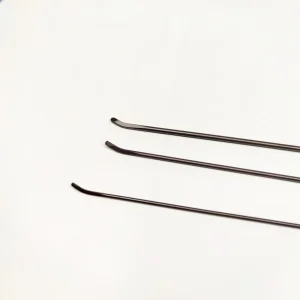
Engineered to match the smaller anatomical bone profiles typical of East and Southeast Asian patient groups. Our pediatric elastic nails and low-profile distal radius volar plates are built to prevent tissue irritation while guaranteeing structural stability without excess bulk.
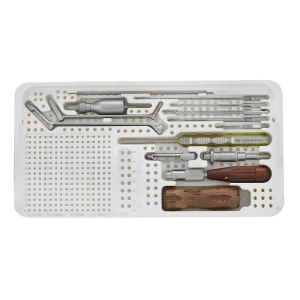
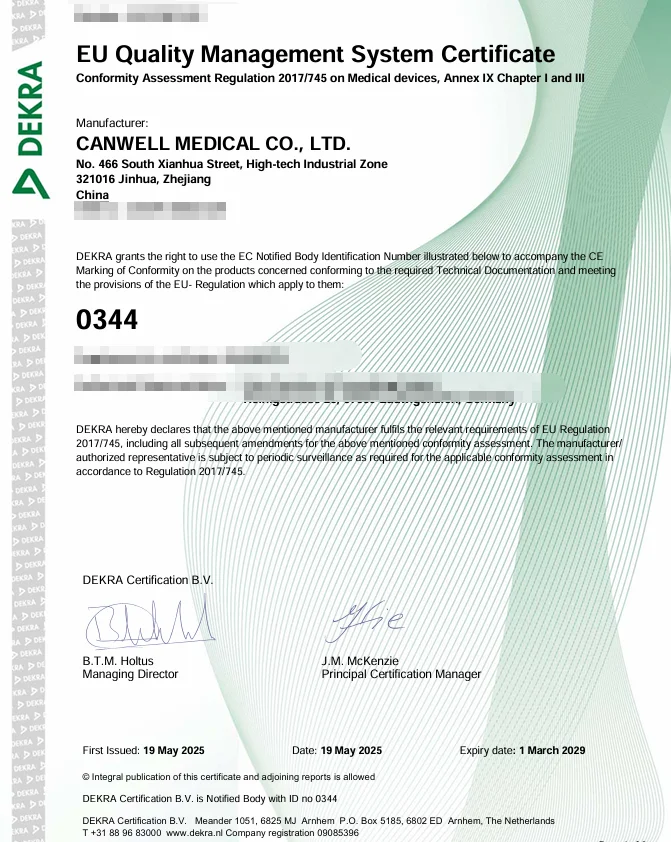
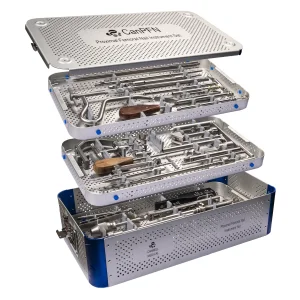
Tailored to meet the strict compliance requirements of the CE MDR framework. Our medical implants feature comprehensive product history documentation and complete material traceability. Clinical workflows are supported by complete, standard-size AO instrumentation kits designed for orthopedic surgeons who demand flawless usability in operating environments.
Our long-term R&D pathway focused on clinical innovation, material science advancements, and patient-specific implant fabrication.
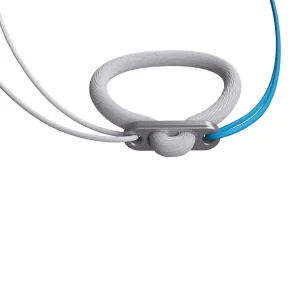
Expanding the CANWELL sports medicine and trauma portfolios with next-generation PEEK interference screws, specialized suture anchors, and anatomically contoured distal radius locking plates designed to match complex wrist fracture profiles.
Integrating selective laser melting (SLM) 3D printing directly into production to fabricate custom bone plates with localized trabecular structures, coupled with osteoinductive HA coatings to accelerate postoperative osseointegration.
Developing bioabsorbable magnesium-alloy plate systems designed to degrade naturally post-osteosynthesis, eliminating secondary removal procedures, alongside research into smart orthopedic plates with load-sensing telemetry.
Detailed technical answers addressing common quality and engineering inquiries from orthopedic procurement professionals.
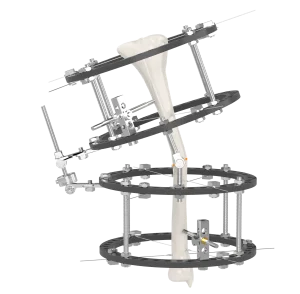
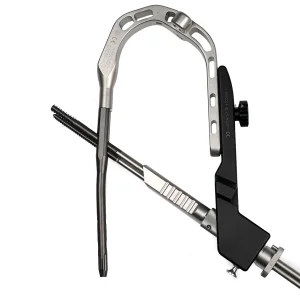
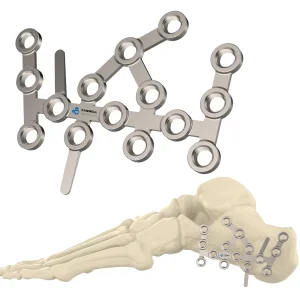
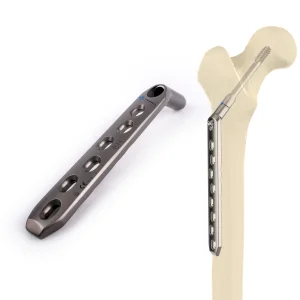
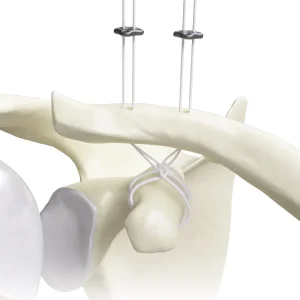
Discover our specialized fixation configurations, external frames, and clinical surgical toolsets.
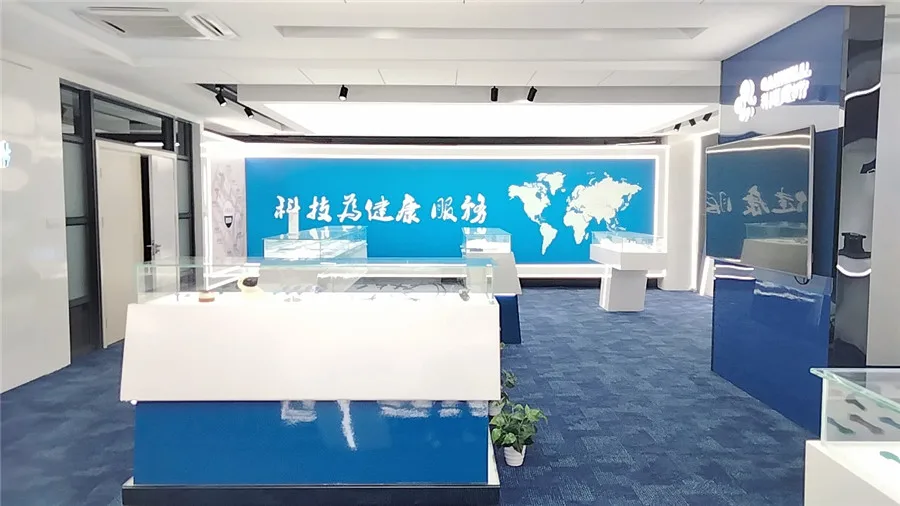
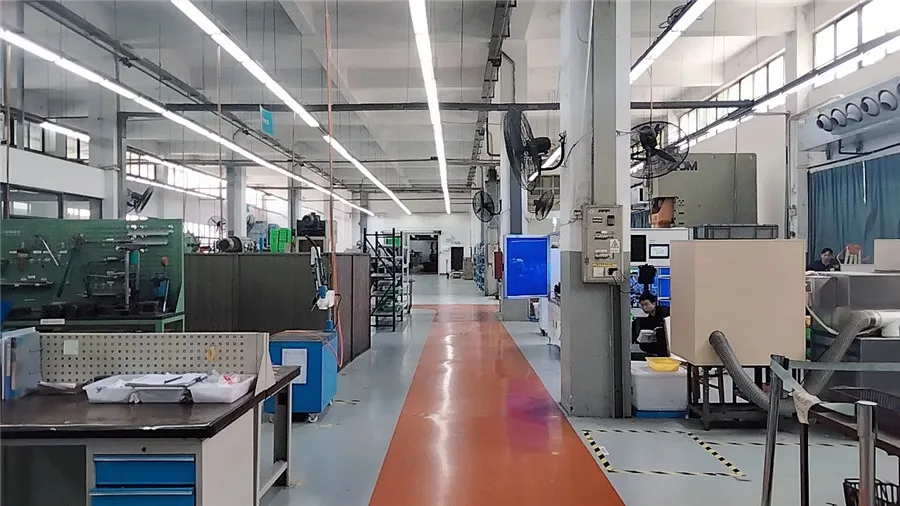
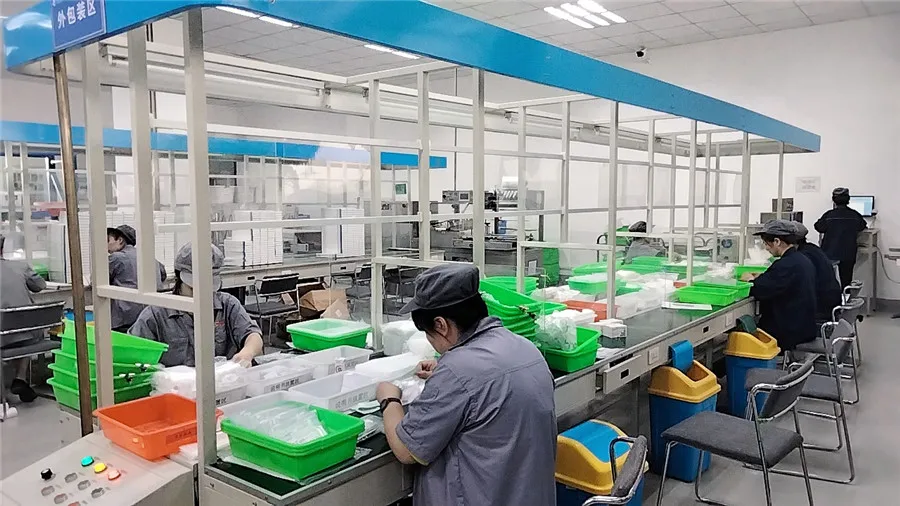
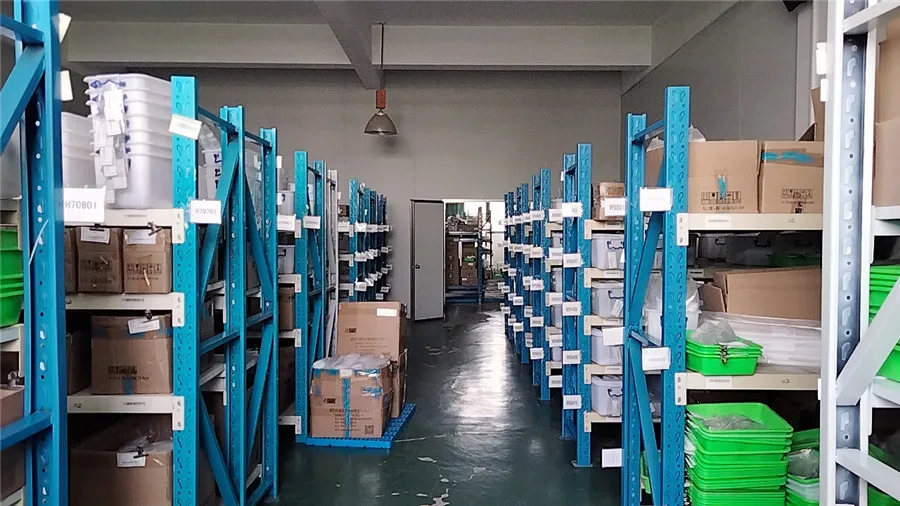
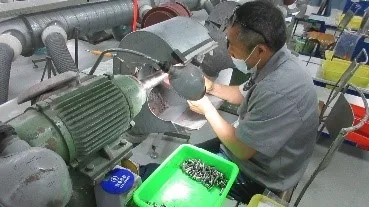
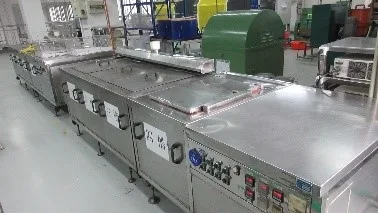
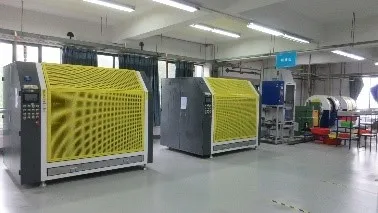
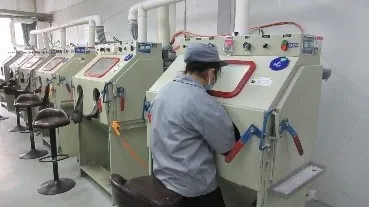
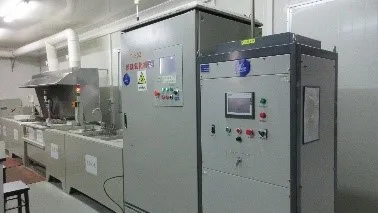
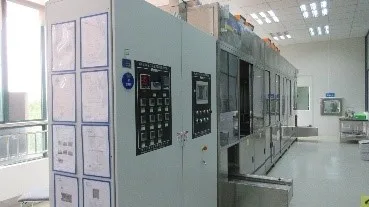
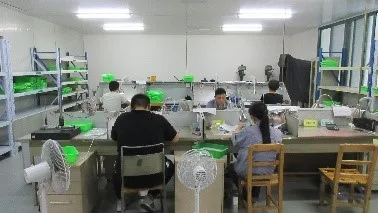
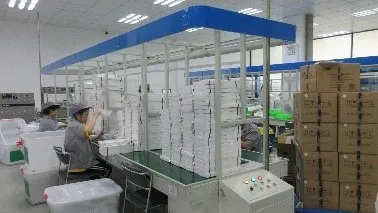
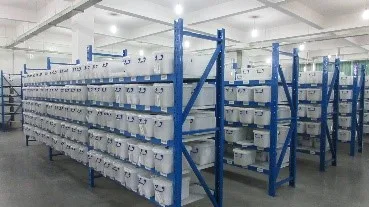
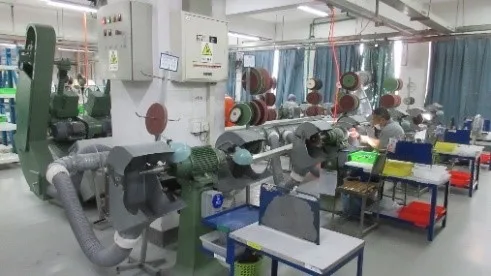
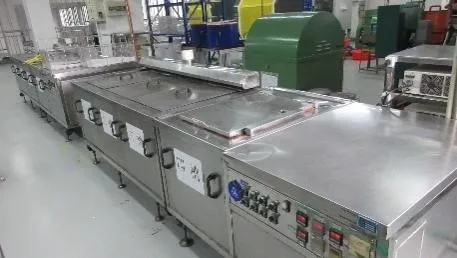
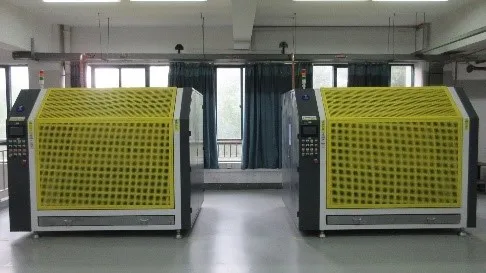
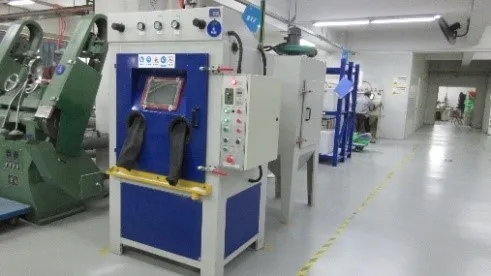
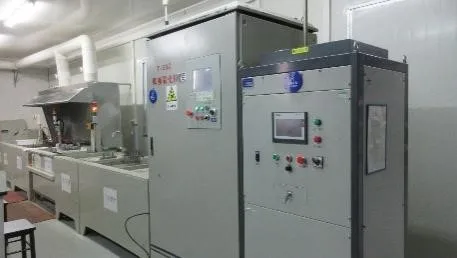
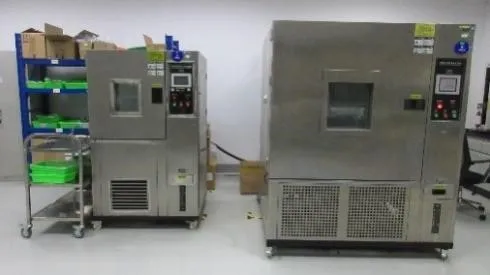
A visual walkthrough of our 29,523 square meter medical manufacturing infrastructure and testing laboratories.


 Harney-Well