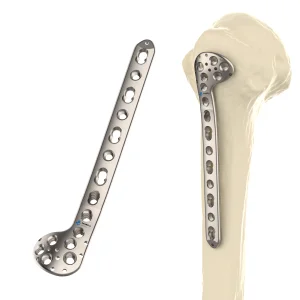
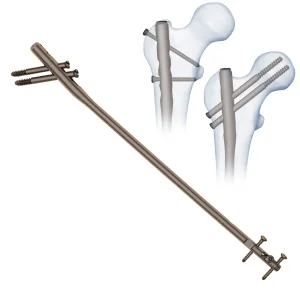
Explore our elite selection of trauma plates, sports medicine implants, and reconstructive systems certified to global clinical parameters.
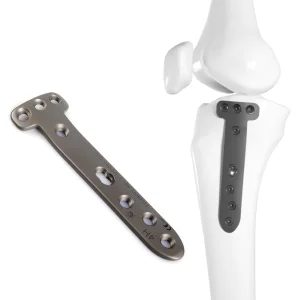
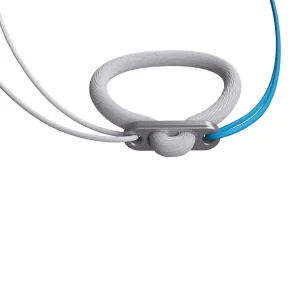
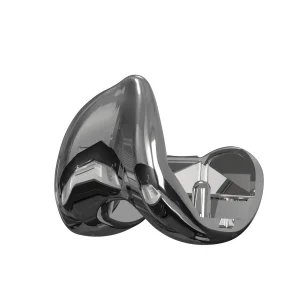
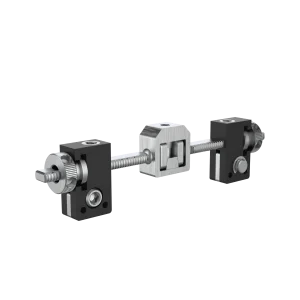
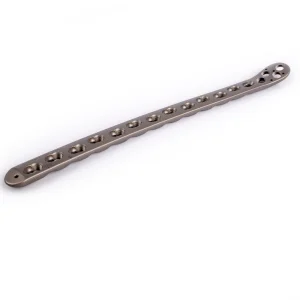
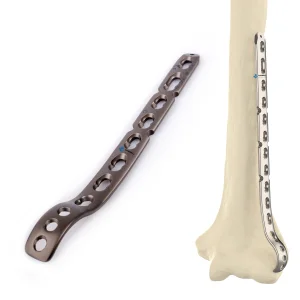
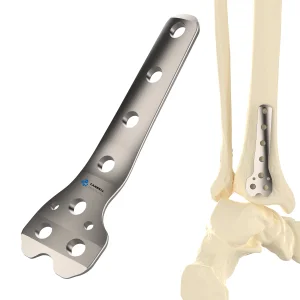
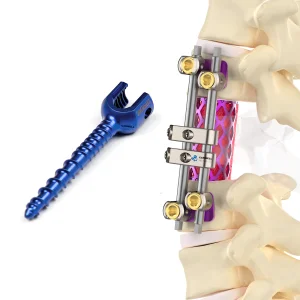
In modern spinal reconstruction, the introduction of the Multiaxial Screw System (also referred to cross-industrially as polyaxial or variable-angle spinal systems) has revolutionized clinical approaches to posterior spinal fusion. Originally designed to assist surgeons in overcoming complex anatomical variations, these systems employ an integrated ball-joint geometry that permits angular adjustments along multiple planes. Rather than forcing the longitudinal connecting rod to align perfectly with the sagittal orientation of the pedicle screw, the screw head can pivot smoothly—frequently up to a 40-degree total cone of rotation—before final mechanical locking is executed.
For large-scale medical device importers, regional distributors, and purchasing departments of tertiary hospital networks, sourcing components that combine high biomechanical load-bearing capability with micro-tolerance engineering is vital. Choosing the right supplier is not just about price; it directly influences clinical outcomes, surgical workflow efficiency, and legal safety under increasingly rigorous international medical regulations such as the EU Medical Device Regulation (EU-MDR) and the FDA 510(k) process.
"The core value proposition of a modern multiaxial screw system lies in its mechanical integration. A micro-machined internal saddle or split-ring collar must deliver uniform friction distribution to prevent head-splay and premature screw slip under dynamic, multi-axial mechanical stress."
While monoaxial pedicle screws provide high construct rigidity, they impose significant strain on the vertebral bodies and adjacent tissues if the alignment is not anatomically perfect. On the other hand, multiaxial screw designs offer key technical advantages:
| Technical Characteristic | Standard Monoaxial Screws | Premium Multiaxial Screws (Canwell Grade) |
|---|---|---|
| Range of Motion (Cone) | 0 Degrees (Fixed Axis) | Up to 40 Degrees (Continuous adjustment) |
| Stress Distribution Profile | Highly localized at the pedicle entrance | Evenly dispersed along the thread pathway |
| Rod Alignment Flexibility | Low (requires complex bending) | High (accommodates offsets automatically) |
| Surgical Application | Segmental stabilization, trauma | Multi-segment deformity, revision, degenerative conditions |
On a macro scale, procurement trends for orthopedic implants are shifting towards strategic, long-term partnerships with certified factories capable of offering end-to-end traceabilities. Standard procurement scenarios for high-volume distributors involve navigating several key commercial requirements:
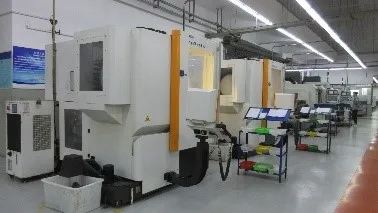
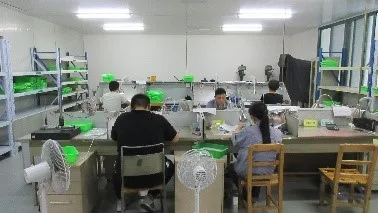
Large brand operators require tailormade product portfolios. A factory must have the capacity to modify the thread pitch (e.g., dual-core, self-tapping threads), outer diameter configurations, anodized color-coding systems, and instrumentation layouts. Our facility leverages 59 graduate R&D engineers to support light customization, sample processing, and custom demands, ensuring seamless translation from CAD designs to finished clinical-grade products.
With 69 dedicated QA/QC inspectors managing our production lines, every component undergoes stringent dimension checks. The tolerance profile of a multiaxial screw head must remain within single-digit micrometer levels (typically < 5µm). A mismatch in the cup radius or locking set screw threads can lead to locking failure, cross-threading, or metal debris generation (metallosis) post-implantation.
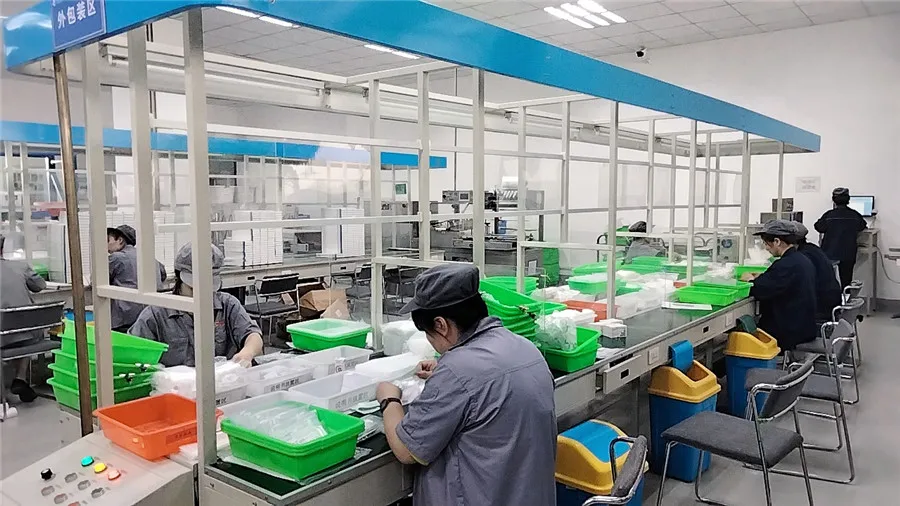
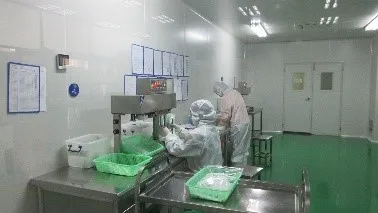
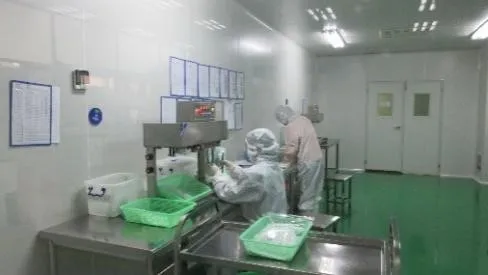
In mature markets, there is a clear shift towards single-sterile packaged implants. This reduces hospital sterilization burdens and eliminates contamination risks. Sourcing partners require cleanrooms operating under class-10,000 (ISO Class 7) and class-100,000 protocols to perform clean assembly, sterile barrier validation, and EO (Ethylene Oxide) or Gamma irradiation packaging.
Providing empirical credibility with verified production statistics, facility certifications, and robust QA infrastructures.
CANWELL orthopedic devices conform strictly to global health directives, maintaining the following certifications:
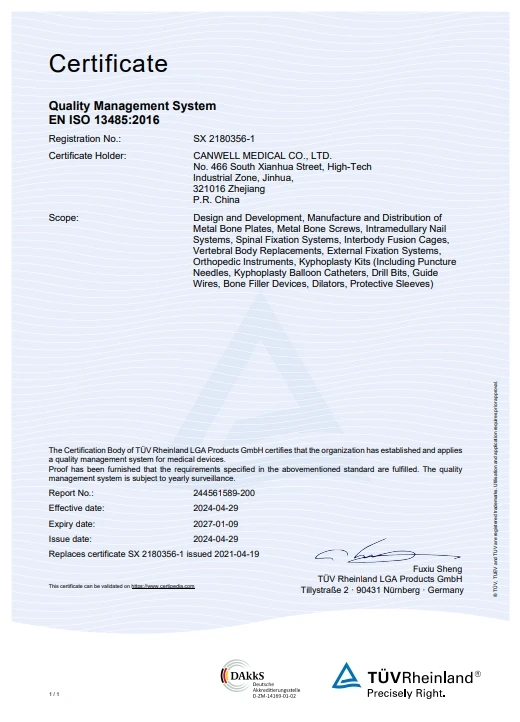
 ISO13485
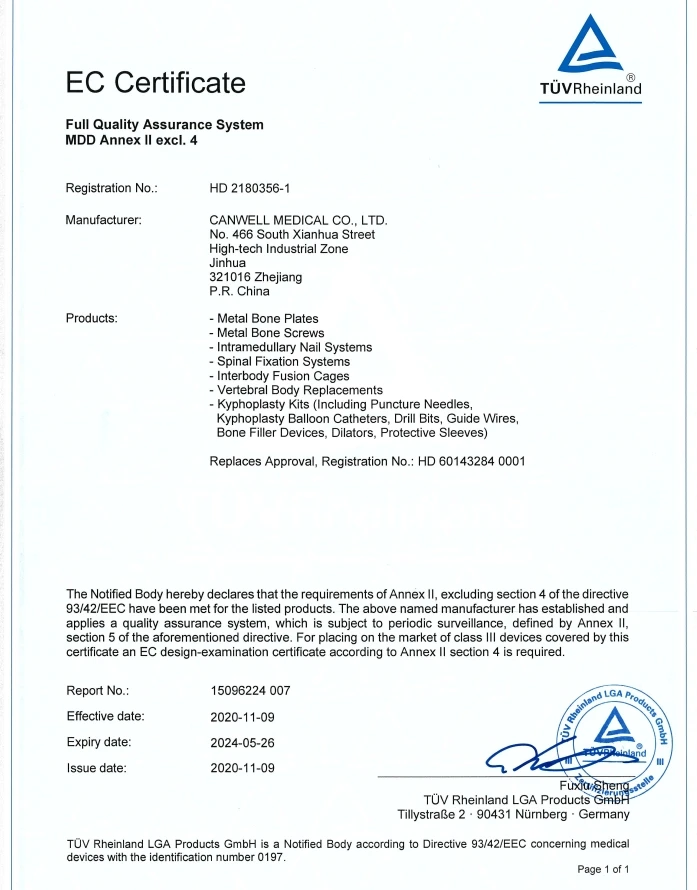
 93/42/EEC
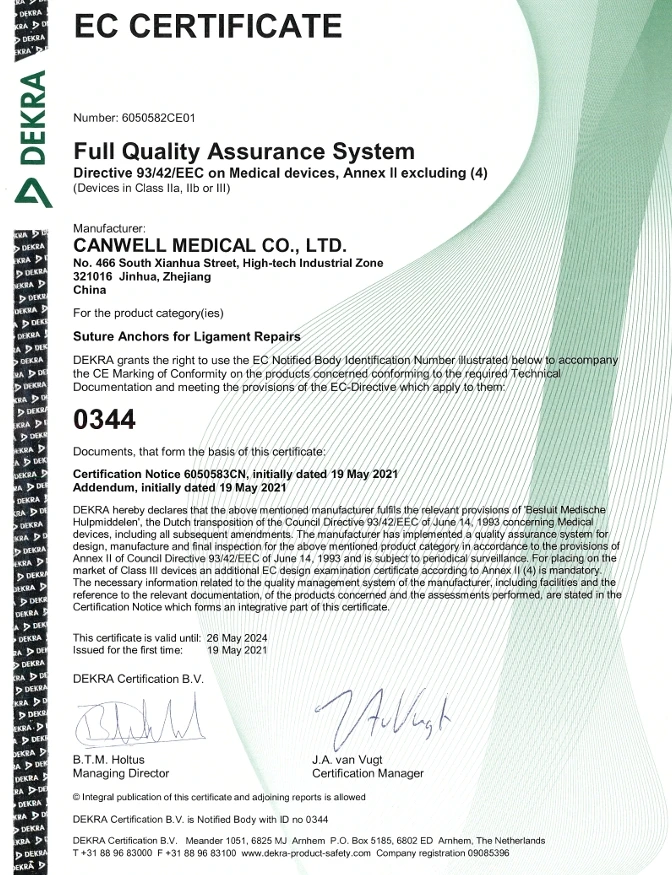 93/42/EEC

 MDR
MDR
The orthopedic implant sector is transitioning toward higher biomechanical performance and personalized medicine. As a pioneering manufacturer, our product development roadmap is focused on three main parameters:
To improve osseointegration and reduce healing times, we are refining our advanced titanium plasma spraying (TPS) and hydroxyapatite (HA) coating processes. These microporous treatments encourage osteoblasts to attach directly to the titanium implants, establishing a strong mechanical bond. Additionally, we use customized anodization to color-code screw diameters, which helps surgeons identify sizes quickly during operations.
While titanium remains the standard for trauma implants, spine stabilization is shifting towards radiolucent composites. Standard titanium structures can cause CT and MRI artifacts, complicating post-operative imaging. Using CFR-PEEK allows clinical teams to monitor bone healing and fusion progress clearly. Our R&D team is currently validating next-generation hybrid cages and screws that combine the structural benefits of CFR-PEEK with bioactive interfaces.
Computer-assisted navigation and robotic guidance systems are becoming more common in modern operating rooms. To support this, our multiaxial screws and drivers are engineered with precise spatial references. This design allows them to interface seamlessly with navigation arrays and optical tracking markers, enabling high-precision screw placement in minimally invasive surgeries (MIS).
"The future of spinal surgery depends on reducing implant complexity. Minimizing components while maximizing stability allows surgical teams to perform faster, safer, and less invasive operations."
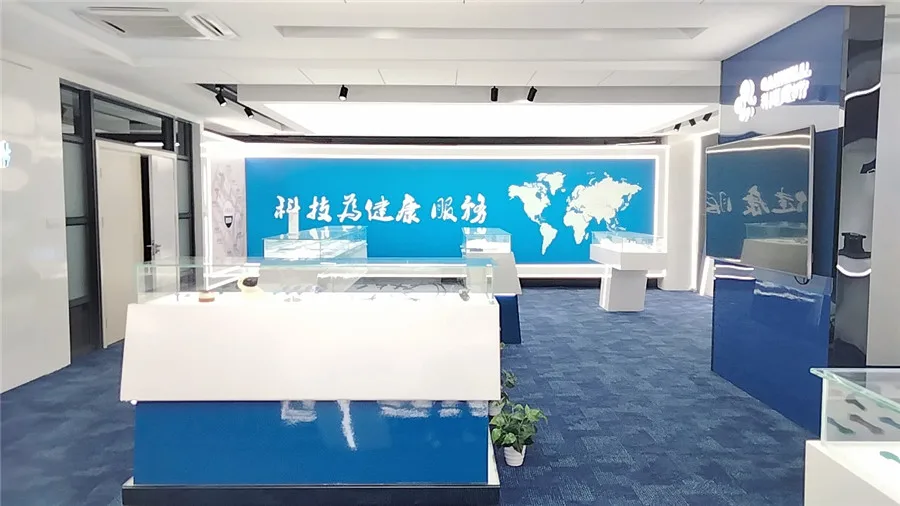
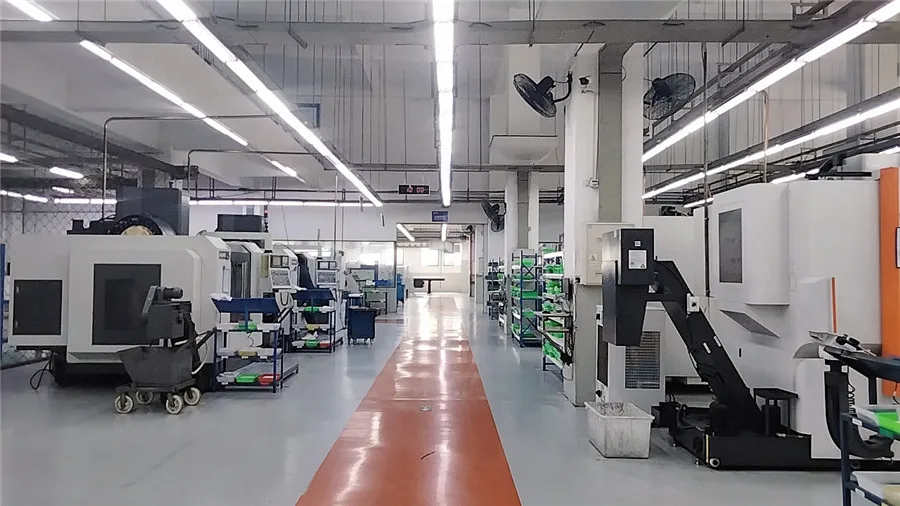
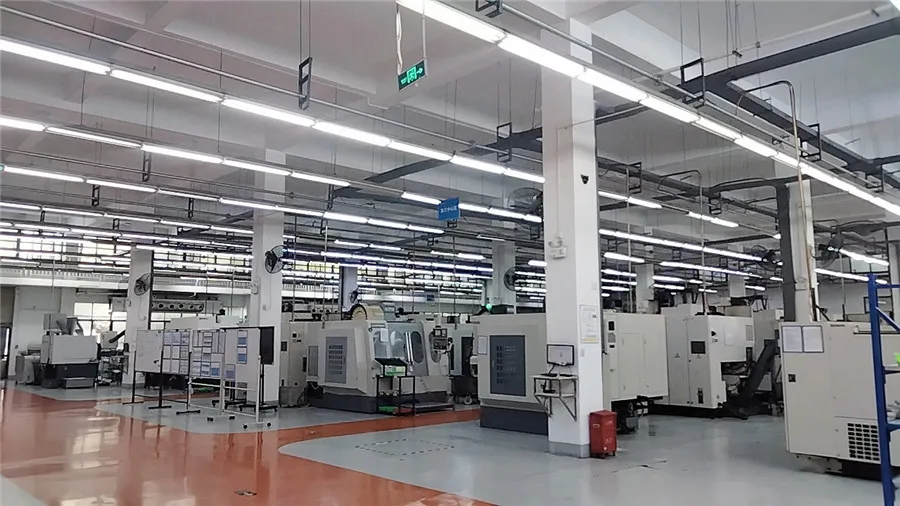
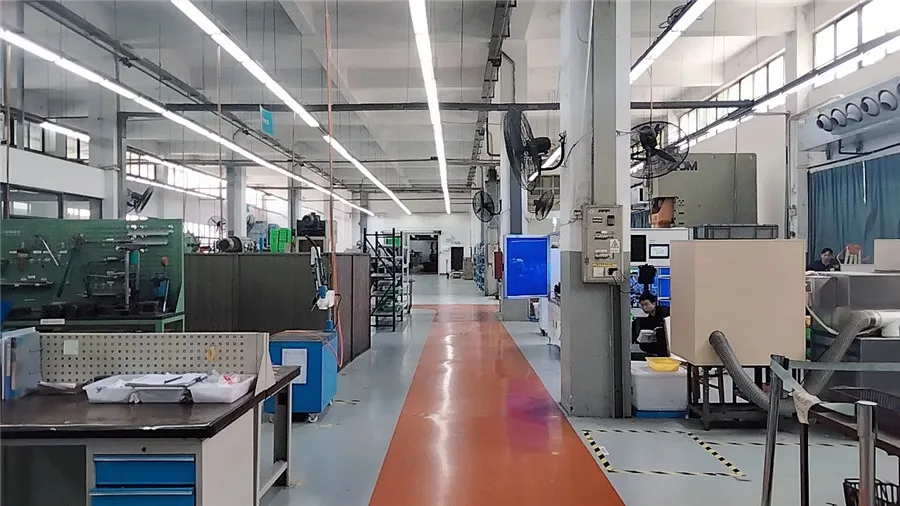
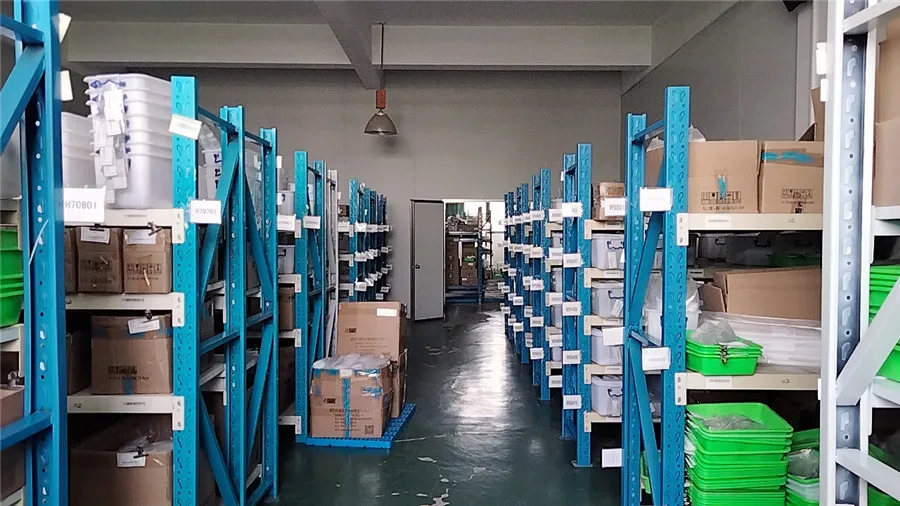
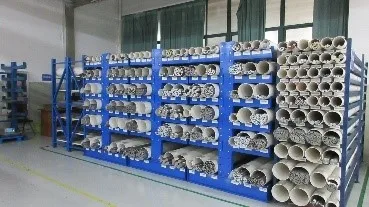
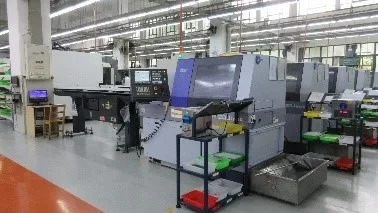
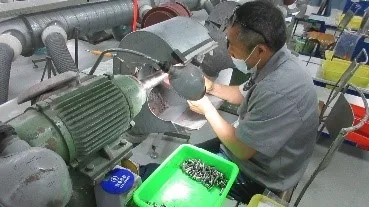
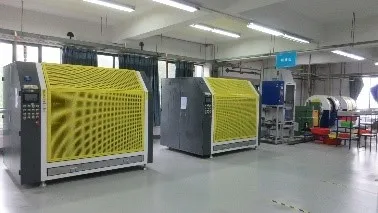
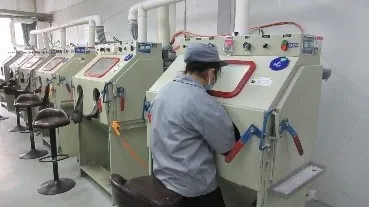
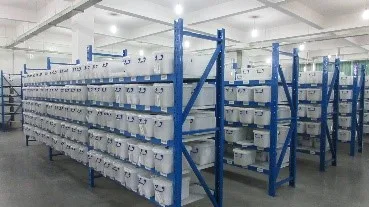
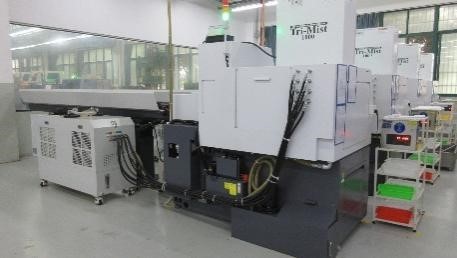
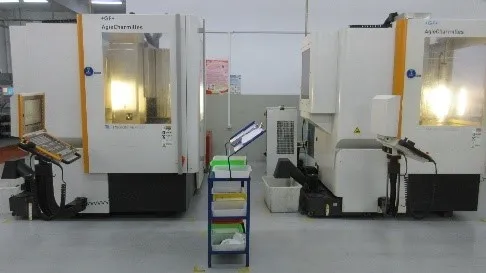
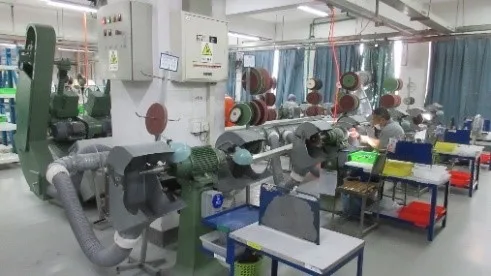
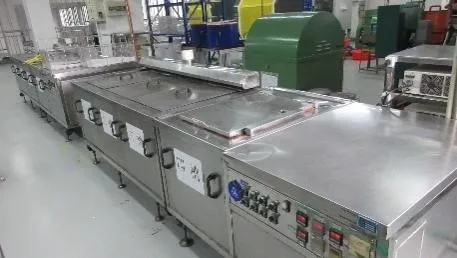
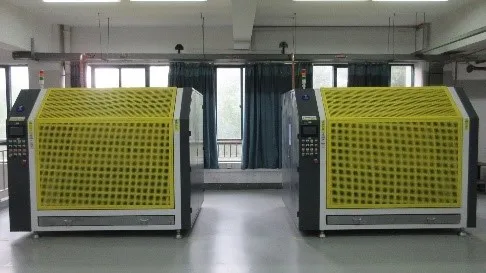
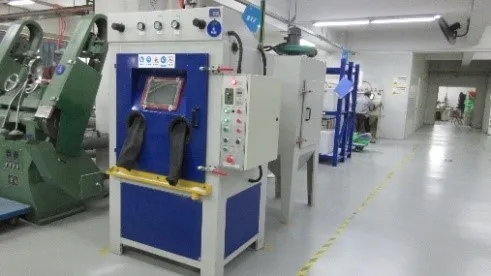
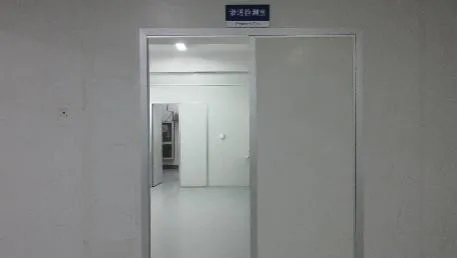
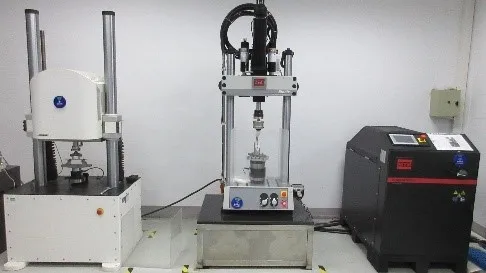
An inside look at our 29,523 square meter production floor, automated CNC machining equipment, and testing facilities.






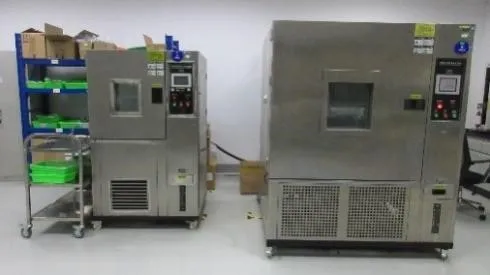
Direct answers from our engineering team regarding design criteria, certifications, and compliance details.
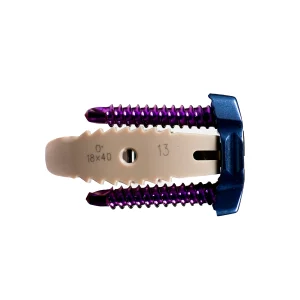
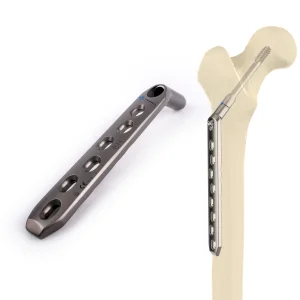
Engineered options for spinal fusion, arthroscopic repair, dynamic hip fixation, and intramedullary stabilization.
 Harney-Well