Select high-performance implants and specialized instrumentation portfolios for complex reconstructive and trauma surgeries.
Mapping the shift in global osteosynthesis and orthopedic implant supply chains.
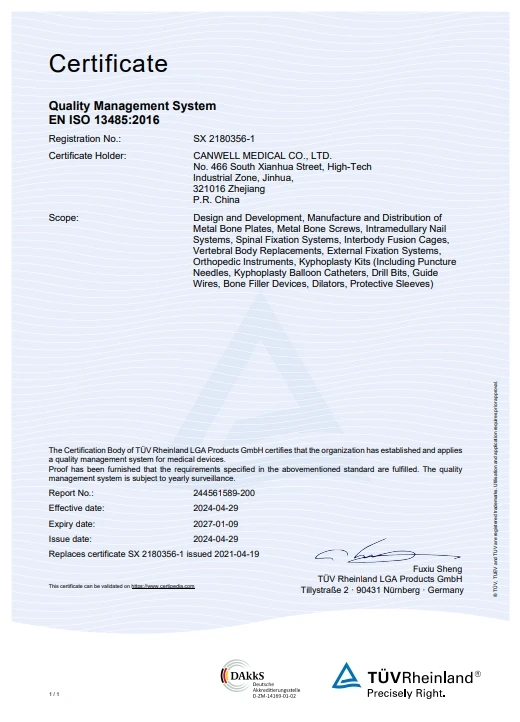
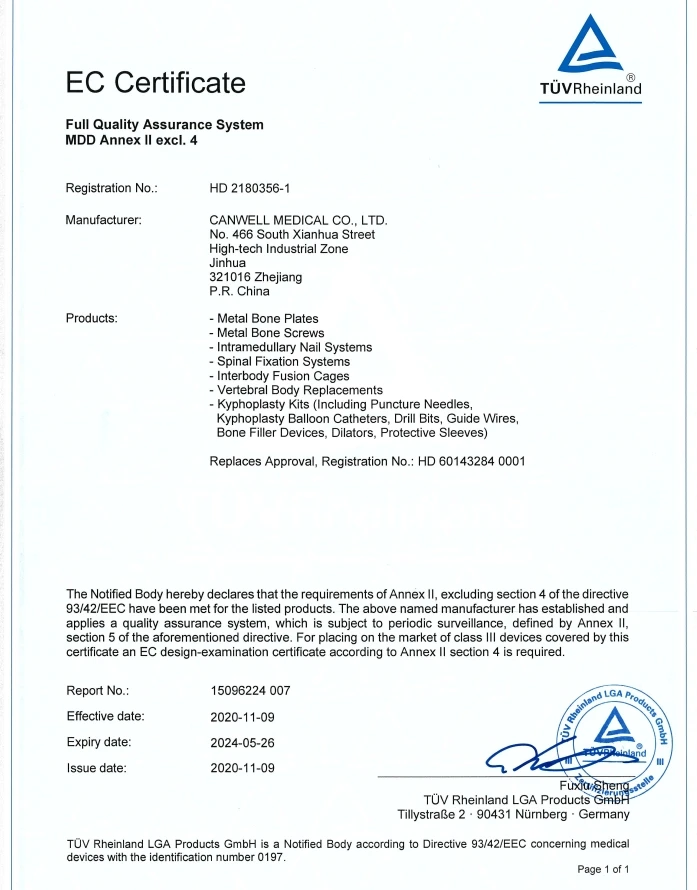
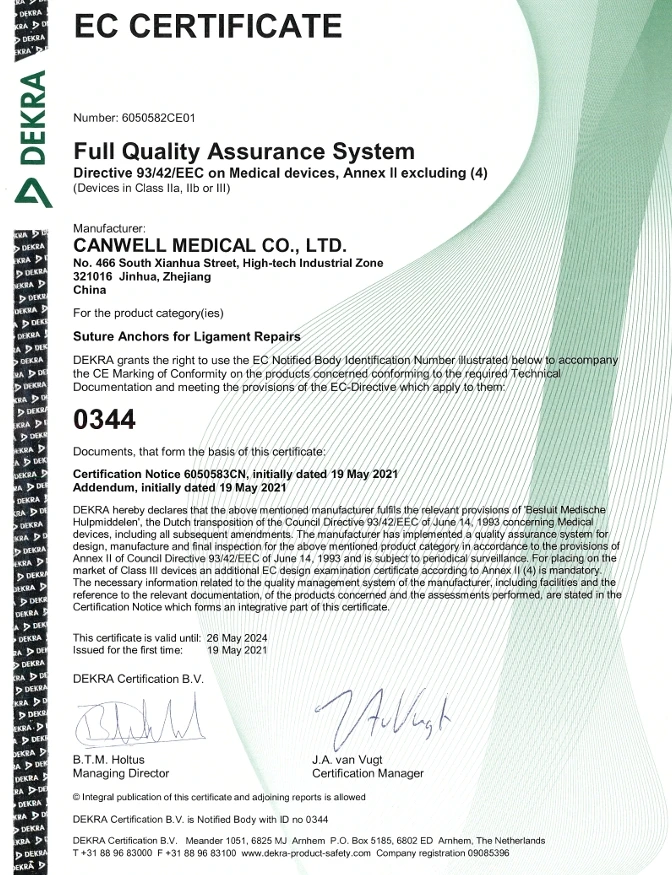
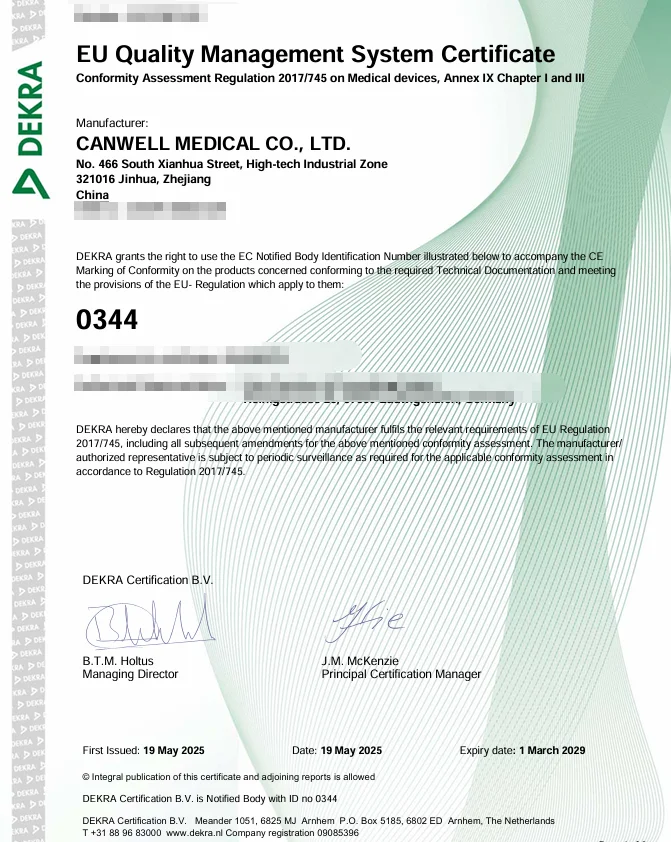
Global healthcare systems are moving towards diversified supplier structures. Chinese orthopedic manufacturers are filling critical voids by offering CE and MDR certified devices at scale, allowing global distributors to combat procurement volatility and rising raw material costs.
The orthopedic fixation field is dominated by titanium alloys (specifically Ti-6Al-4V ELI) and PEEK. China-based facilities leverage highly specialized smelting and CNC processes to deliver implants with optimized mechanical properties, preventing stress-shielding while ensuring high fatigue limits.
With an aging demographic and a surge in sports-related orthopedic trauma, demand for internal fixation (ORIF) and minimally invasive surgery (MIS) systems is expanding rapidly in South America, Western Europe, and Southeast Asia. Regulatory alignment is key to unlocking these regions.
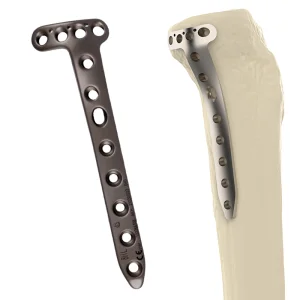
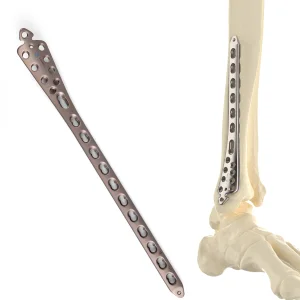
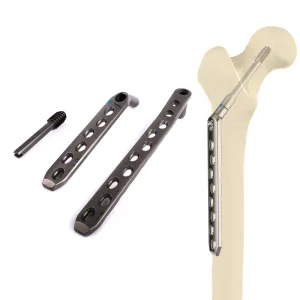
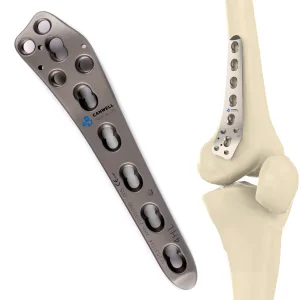
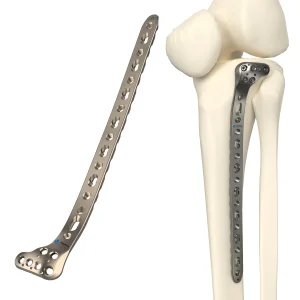
In modern osteosynthesis, internal fixation has transitioned from simple mechanical stabilization to biologically optimized micro-motion control. By employing advanced CAD modeling and finite element analysis (FEA), modern locking plate designs, such as proximal tibial and distal lateral femoral plates, are engineered to match the anatomical contours of target bones. This custom contours alignment reduces the need for intraoperative plate bending, minimizing structural degradation of the metal implant and preserving the periosteal blood supply.
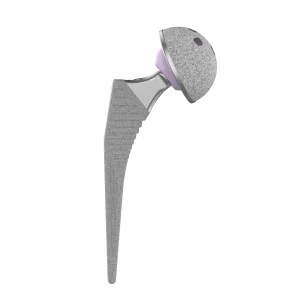
Furthermore, surface modifications represent a crucial vector in reducing implant rejection rates and improving osseointegration. Hydroxyapatite (HA) coating, combined with titanium plasma sprays, is utilized in Class III hip replacement prosthetics. This provides an initial bioactive surface that accelerates osteoblast proliferation, yielding long-term biologic fixation. For trauma devices, micro-arc oxidation and electrochemical passivation enhance corrosion resistance, shielding the human tissue environment from metal ion release.
Data-driven performance metrics reflecting international manufacturing standards, testing protocols, and certification pathways.
Deciphering the evolution of osteosynthesis products, trauma plates, and arthroscopic reconstruction tools.
Integration of combi-holes allowing both dynamic compression and locking structures. Surgeons can apply standard cortical screws for fragment compression or locking screws for angular stability in osteoporotic bone.
Application of Hydroxyapatite coatings onto Ti stems using state-of-the-art thermal spray chambers. The resulting porous layer guarantees micro-mechanical interlock, significantly increasing implant survival rate in hip arthroplasty.
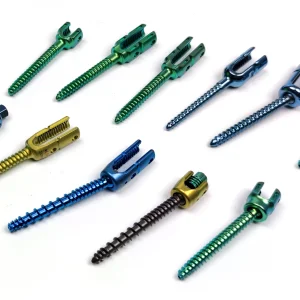
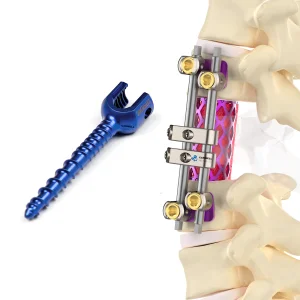
Polyaxial pedicle screw structures designed for posterior stabilization. The low-profile head design reduces soft tissue irritation, while self-tapping thread geometries speed up insertional torque requirements.
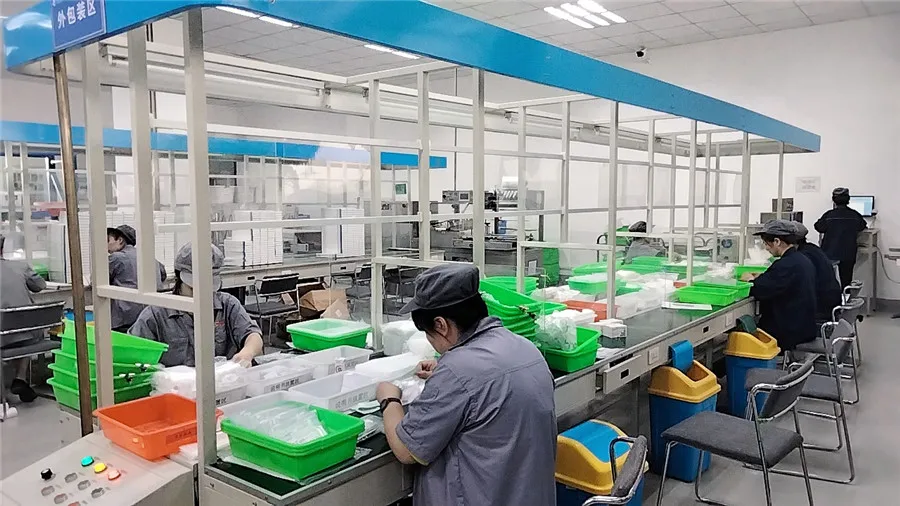
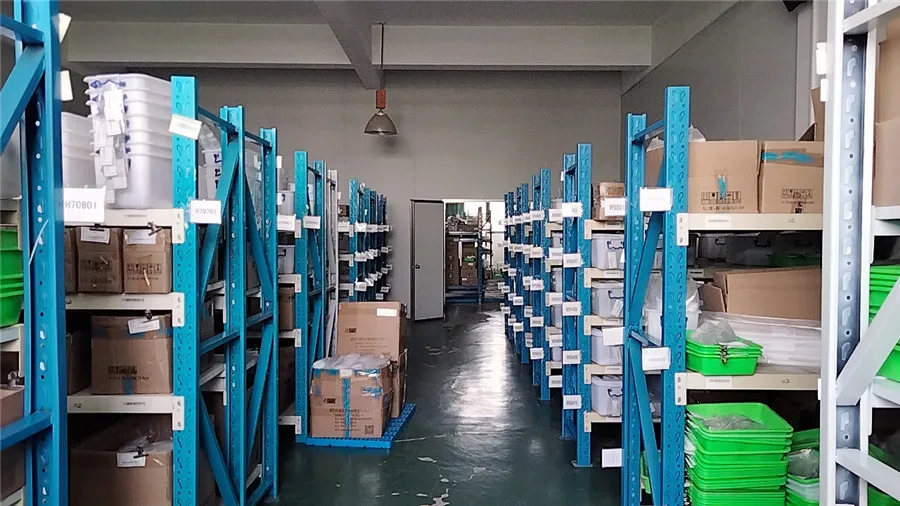
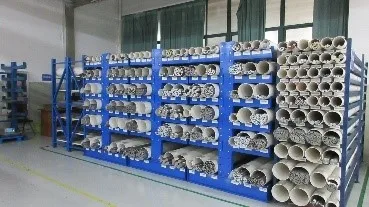
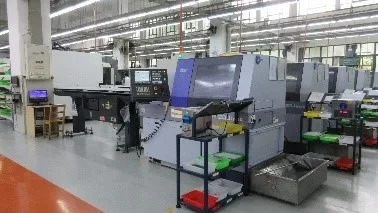
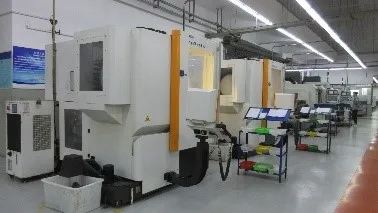
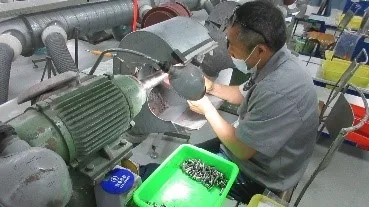
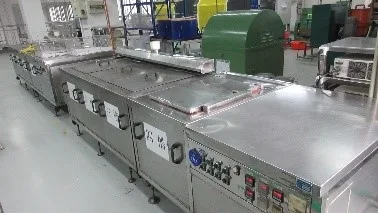
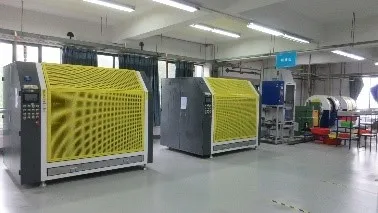
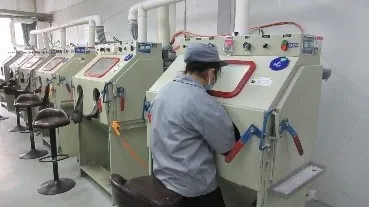
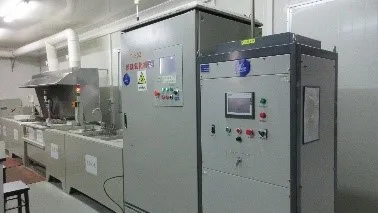
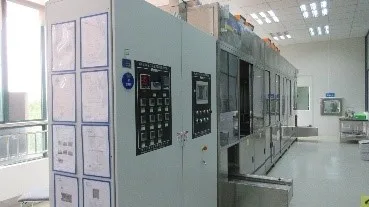
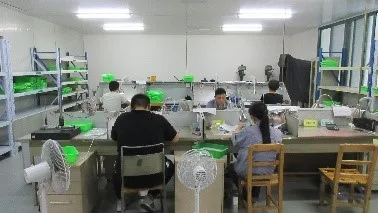
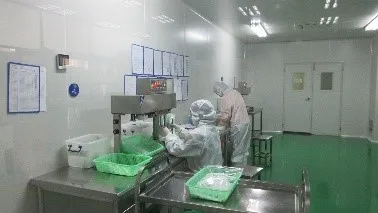
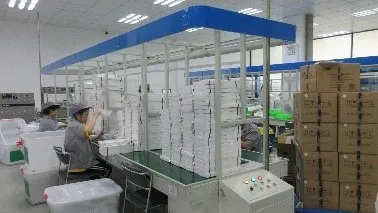
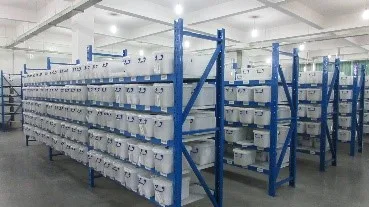
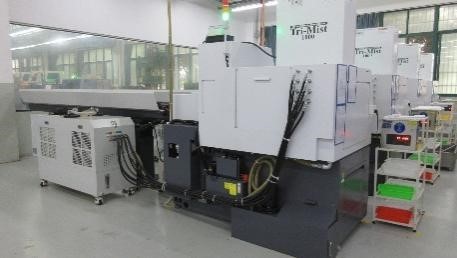
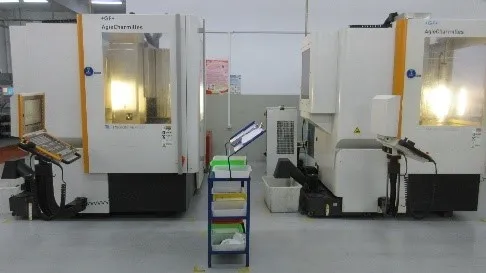
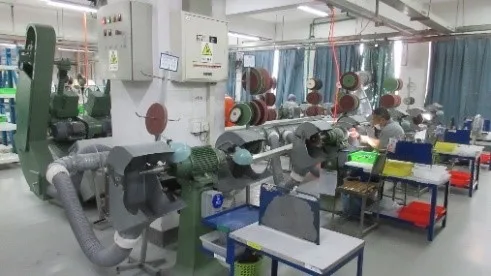
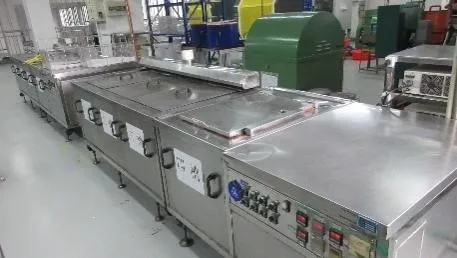
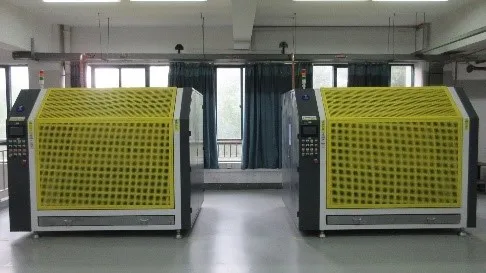
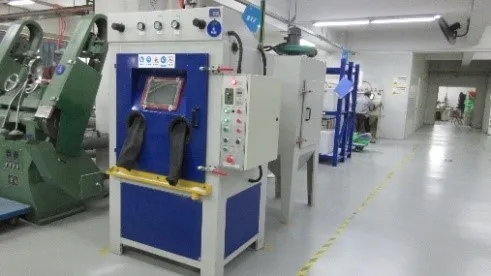
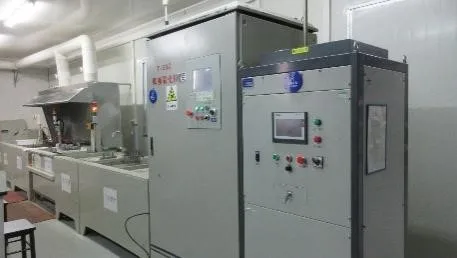
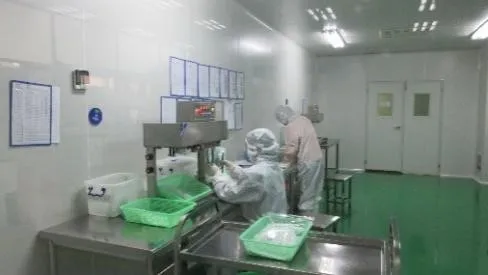
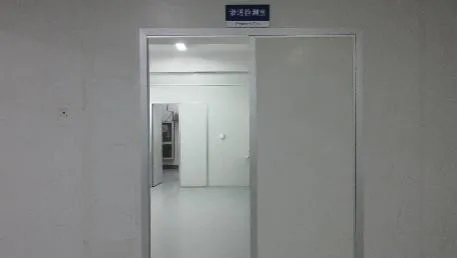
Inside our production lines: ISO Class 7 cleanrooms, high-precision German CNC machinery, and quality testing labs.
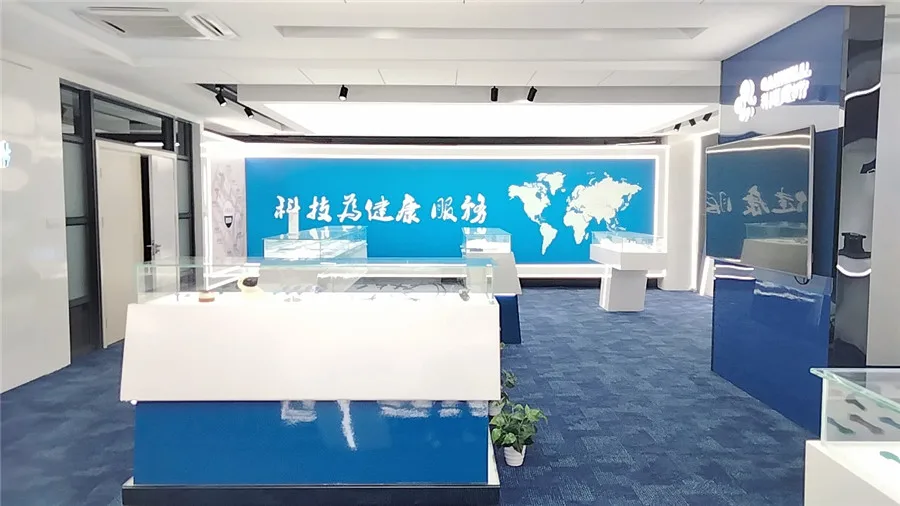
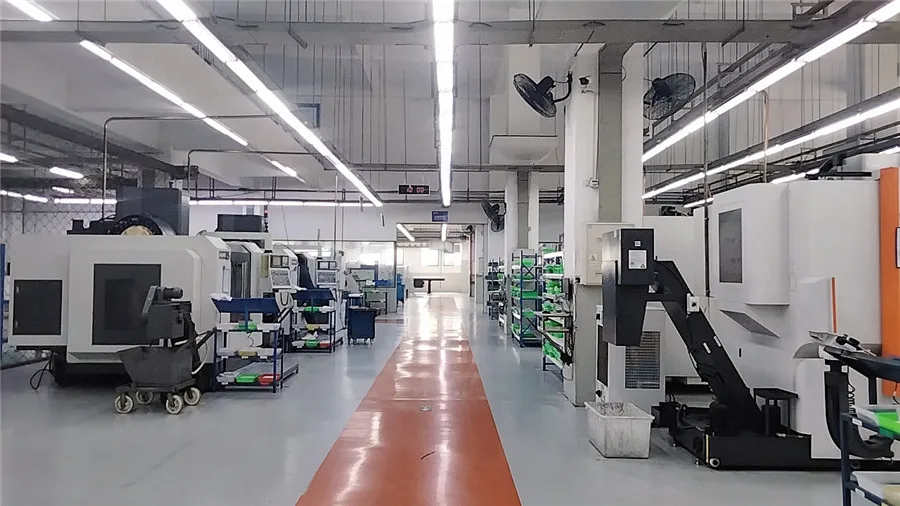
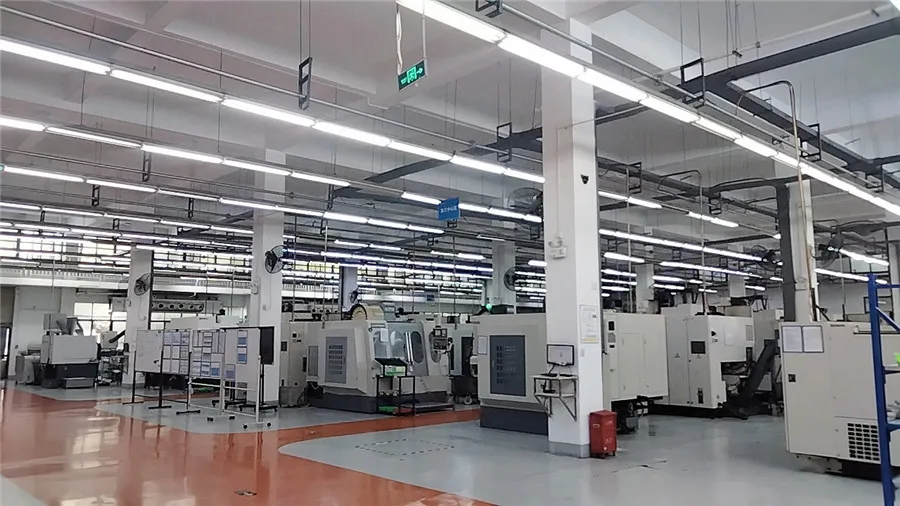
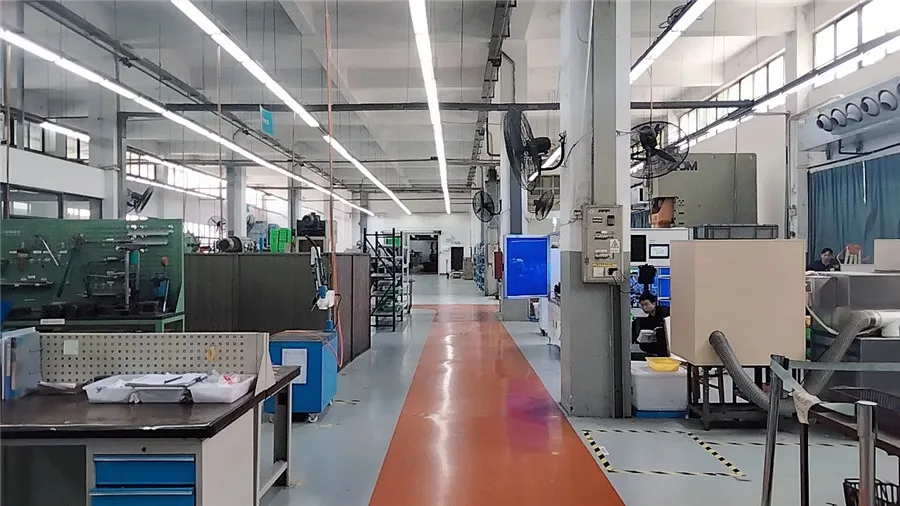

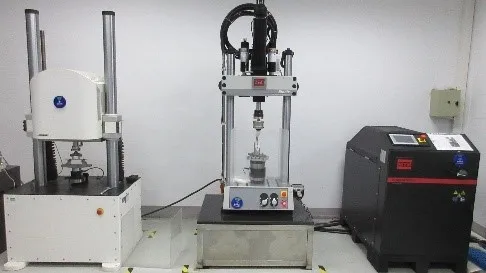
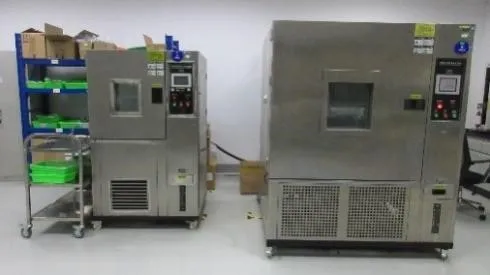
Expert technical and regulatory answers for hospital procurement departments, orthopedic distributors, and clinical buyers.
Explore our specialized intramedullary systems, external fixation equipment, and arthroscopic stabilization options.
 Harney-Well