Explore our premium range of clinical-grade implant systems designed for optimal bone healing, structural stability, and surgical ease.
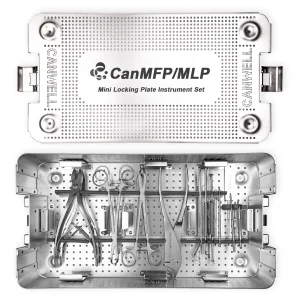
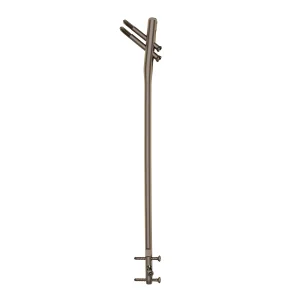
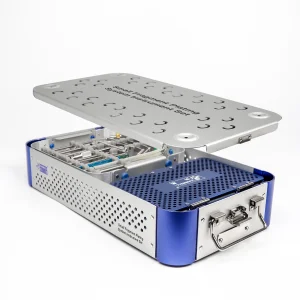
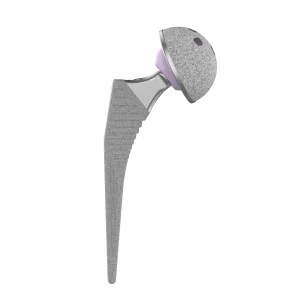
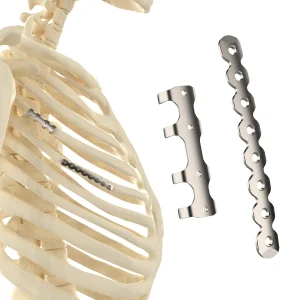
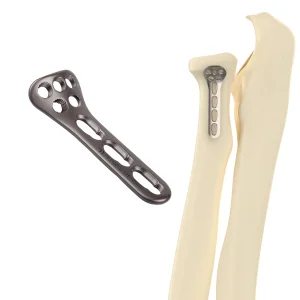
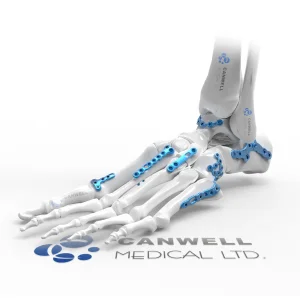
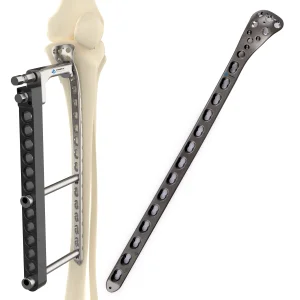
Orthopedic implants, specifically spine stabilization constructs, demand raw manufacturing precision coupled with flawless metallurgical structure. As a leading OEM/ODM Spine Surgical Device Factory, we have optimized our facilities to meet the stringent demands of global healthcare ecosystems. Over 22 years of export and design history, we have established an ecosystem that combines mechanical stability, bio-compatibility, and operational excellence.
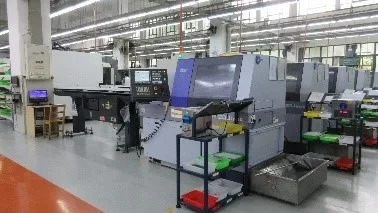
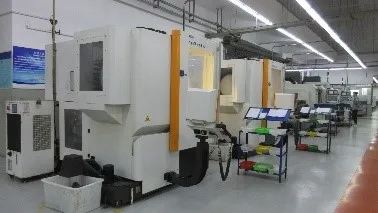
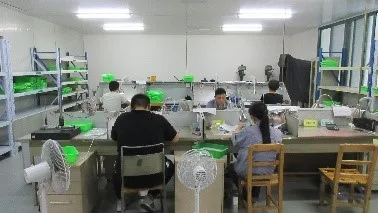
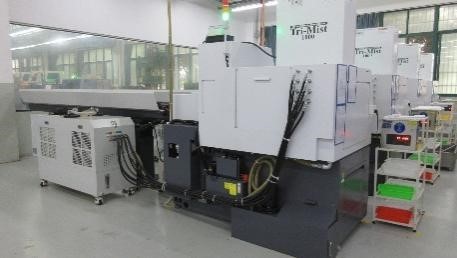
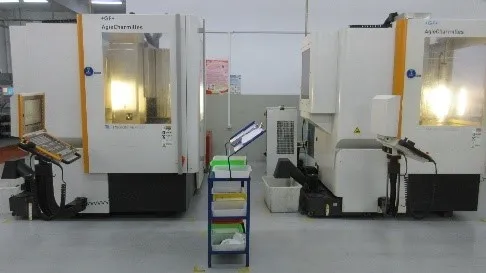
Utilizing high-end multi-axis CNC machines from Switzerland and Japan, we produce spine surgical screws and plates with dimensional tolerances of less than ±5 microns, ensuring reliable intraoperative fitment.
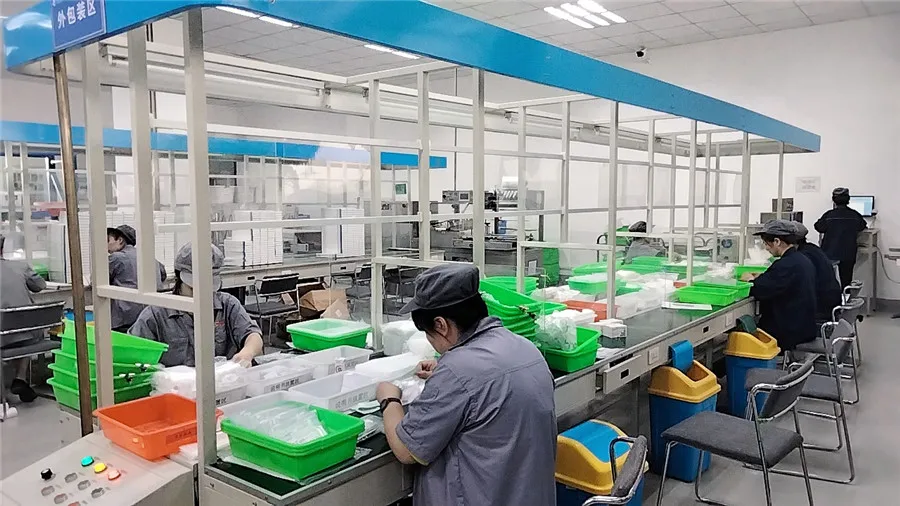
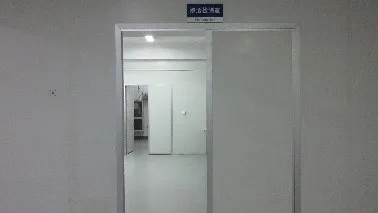
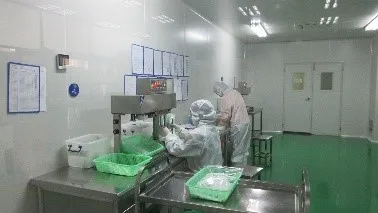
All implants are processed and packaged in controlled environments complying with ISO Class 7/8 standards, limiting bio-burden and ensuring ready-for-sterilization supply chain delivery.
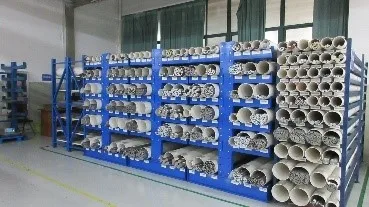
We source medical-grade Titanium alloys (Ti-6Al-4V ELI) conformant to ASTM F136 and pure PEEK polymers (polyetheretherketone) from verified international suppliers with trace certificate logs.
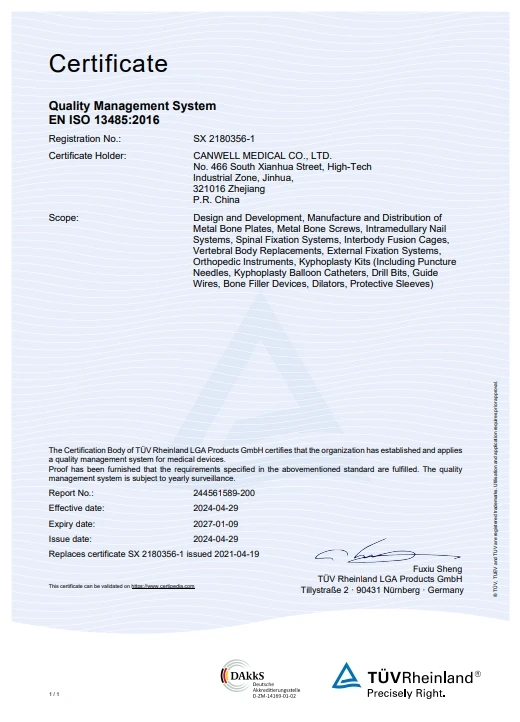
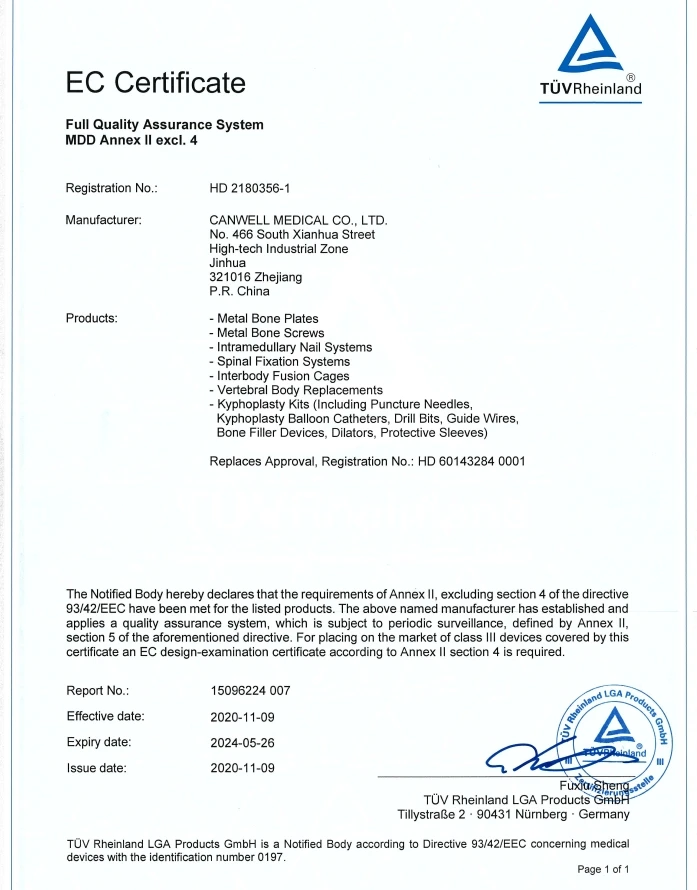
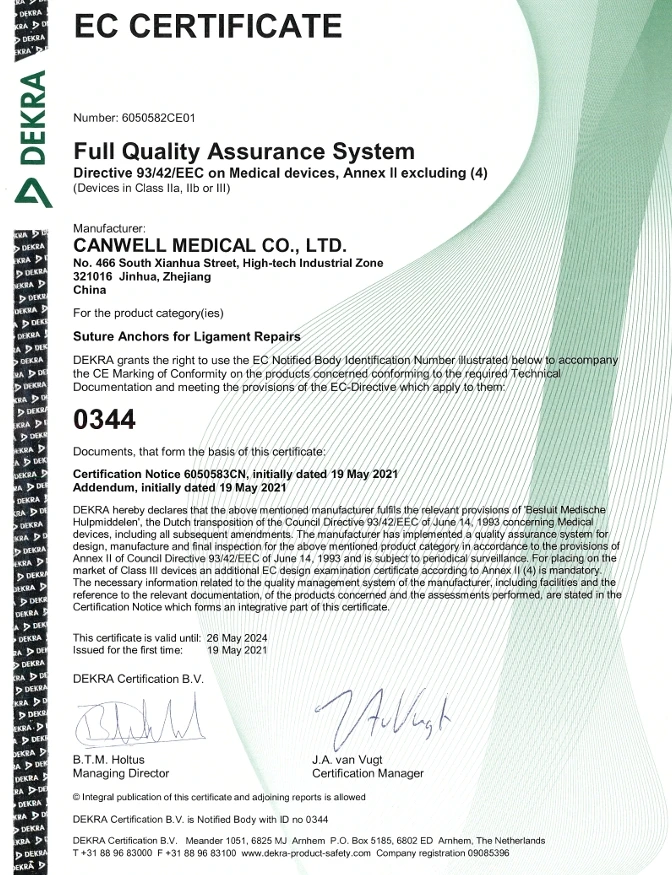
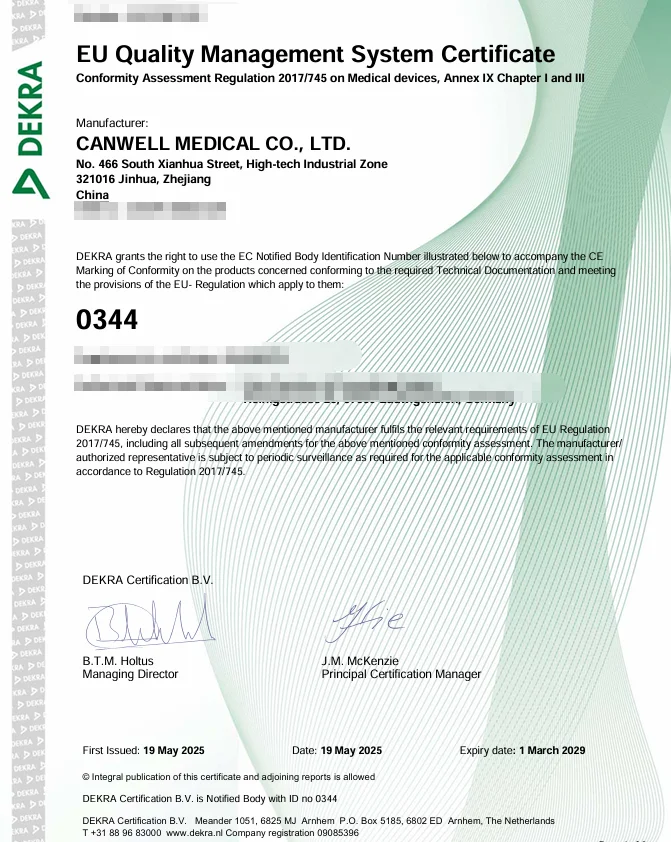
Our facility is fully verified. We maintain complete transparency in our credentials, offering raw material traceability and comprehensive verification documentation.
The production of medical devices, specifically orthopedic implants, requires a robust supply chain to balance development costs and clinical reliability. Located in China's advanced orthopedic manufacturing cluster, our facility capitalizes on localized access to high-purity titanium raw materials, surface treatment specialists, and testing laboratories.
This proximity reduces lead times and structural costs by 30% to 45% compared to Western manufacturers. From raw material receipt to finished, sterile-packaged goods, our integrated production flow limits supply chain fragmentation risk.
Exporting to South America, Southeast Asia, and Europe requires compliance with complex regulatory frameworks. Our certifications, including ISO 13485, 93/42/EEC (MDD), and the new EU MDR (6142788CE02), are managed by our regulatory affairs department.
We provide local distributors with comprehensive dossier packages, including clinical evaluation reports, ISO certificates, CE declarations of conformity, and biocompatibility dossiers. This supports fast national agency registration (such as ANVISA, HSA, or TFDA).
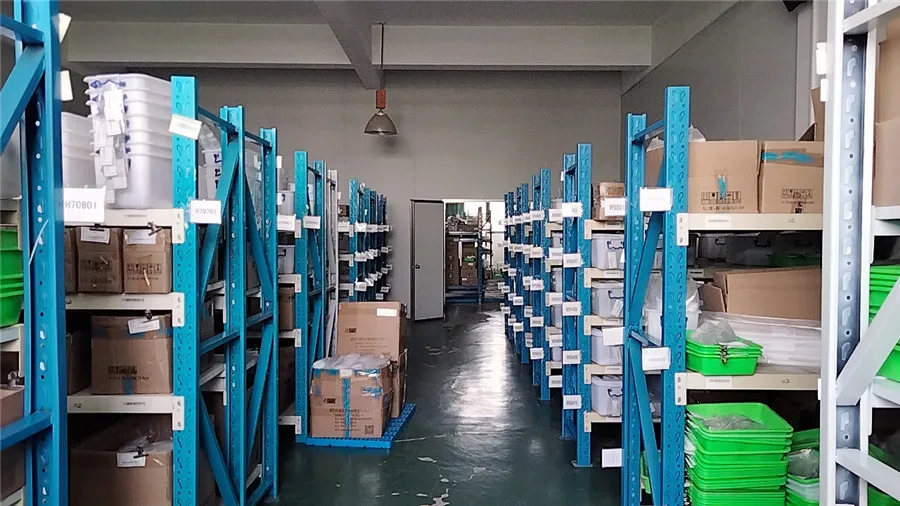
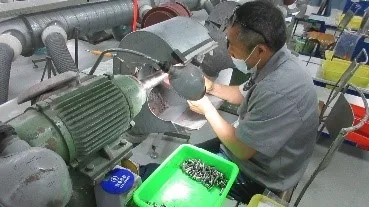
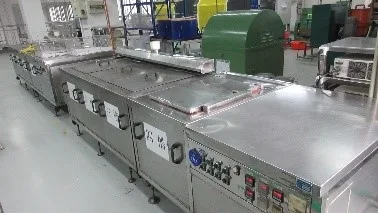
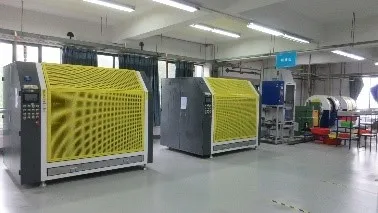
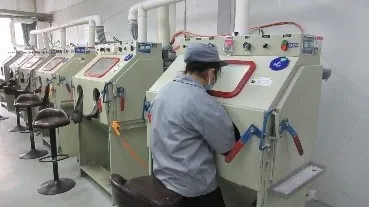
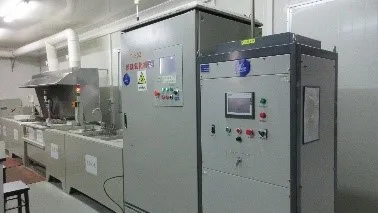
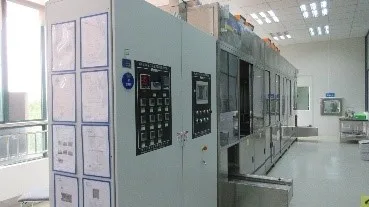
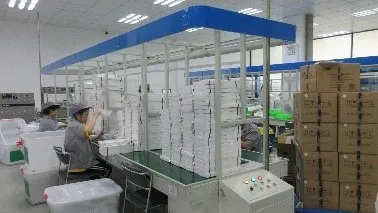
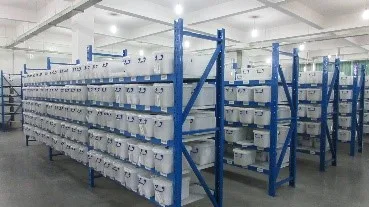
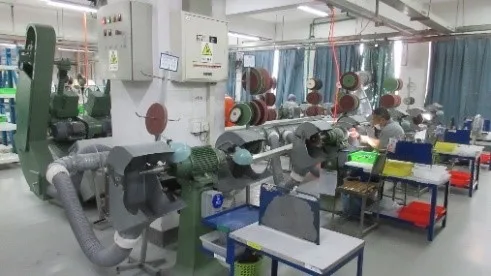
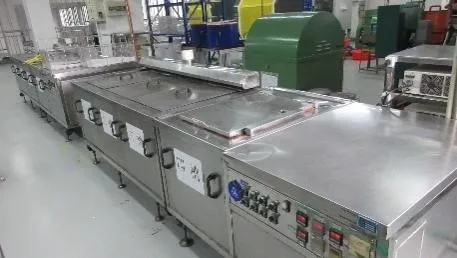
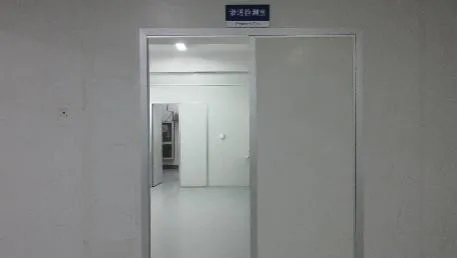
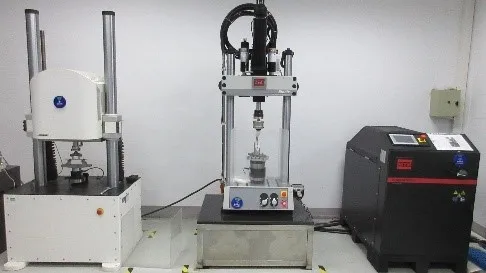
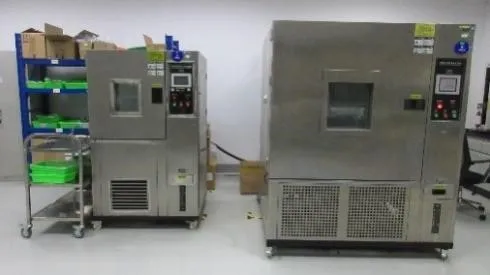
Visual evidence of our manufacturing equipment, testing laboratories, cleanrooms, and automated CNC machinery verifying our industrial capacity.
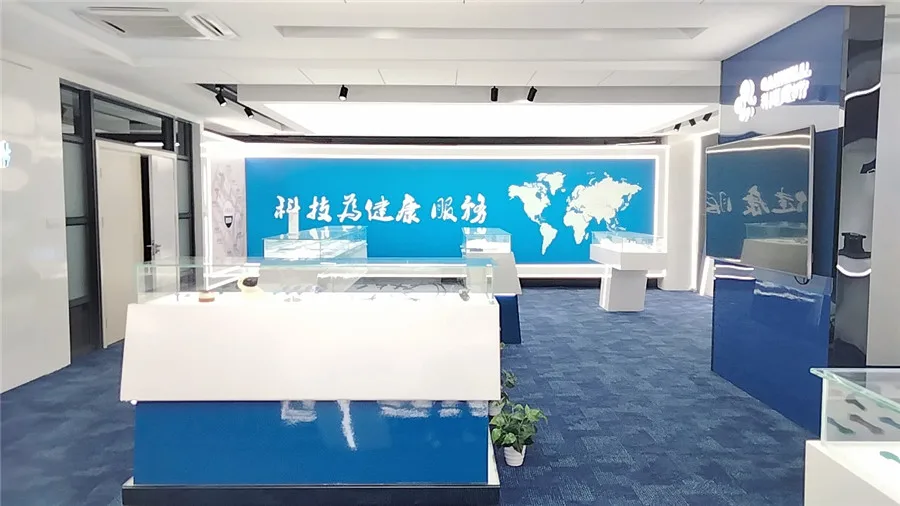
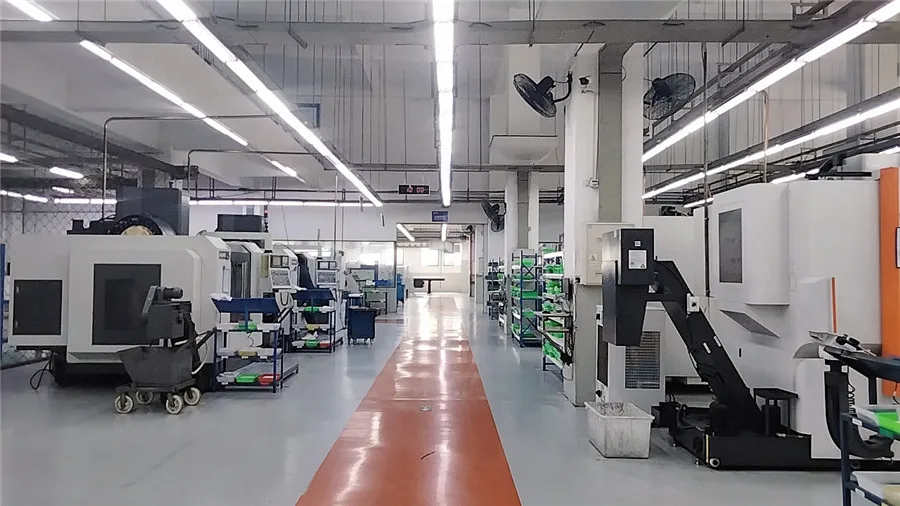
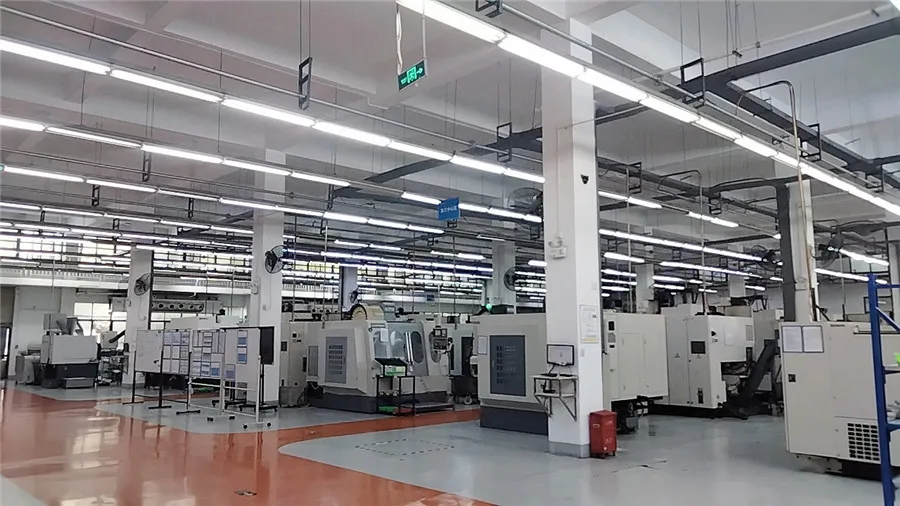
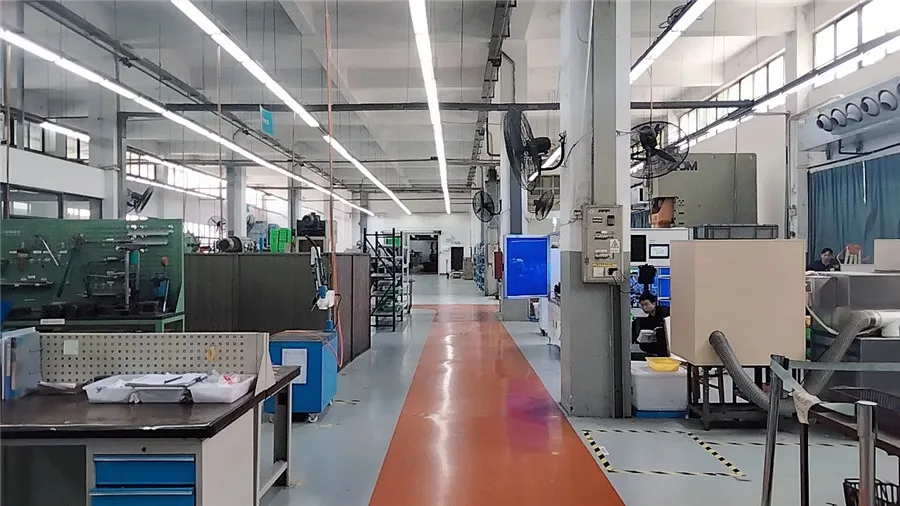
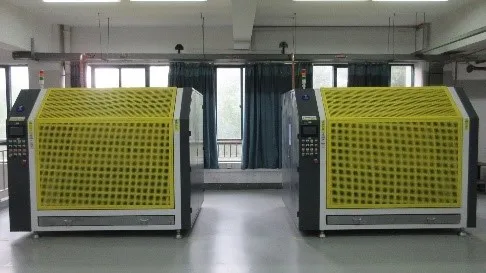
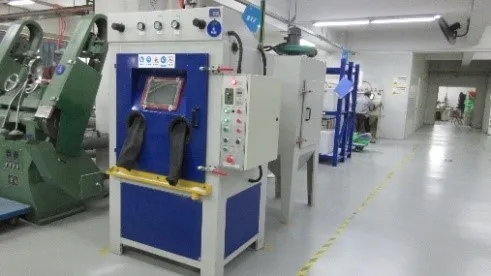
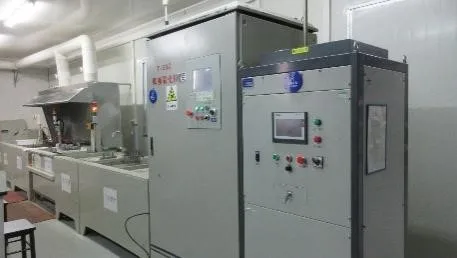
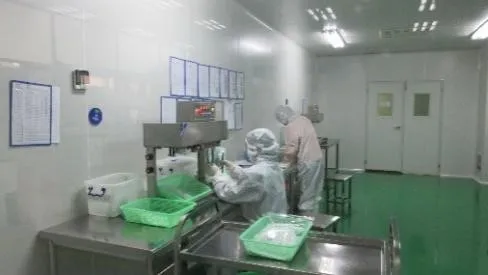
Sourcing orthopedic spinal devices involves strict regulatory, material, and logistics requirements. Understanding these criteria helps ensure clinical safety and regulatory compliance.
Ensure your OEM supplier uses medical-grade titanium conforming to ASTM F136 or ISO 5832-3 standards. These designations certify low interstitial levels (ELI), which improve toughness and fatigue limits. For spinal fusion cages, verify the use of biocompatible PEEK-OPTIMA polymers.
Verify whether the manufacturer employs 100% inspection for critical implant dimensions (such as screw threads, locking mechanisms, and plate geometries) or relies only on batch sampling. Our facility maintains 69 QA/QC inspectors to enforce 100% inspections on spine and trauma implants.
Orthopedic implants should undergo final cleaning and primary packaging within an ISO Class 7 or Class 8 cleanroom. This controls particle limits and bio-burden levels, which are critical for validating sterilization processes (such as Gamma or EtO).
Confirm that your OEM partner provides complete documentation, including risk management reports, ISO 13485 certifications, and EU MDR certificates (such as 6142788CE02). This ensures the necessary technical files are available for regulatory audits.
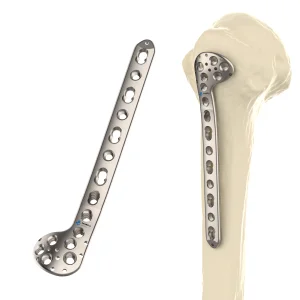
A comprehensive selection of surgical systems engineered for spinal stabilization, long bone reconstruction, and joint replacement procedures.
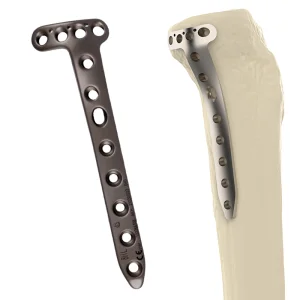
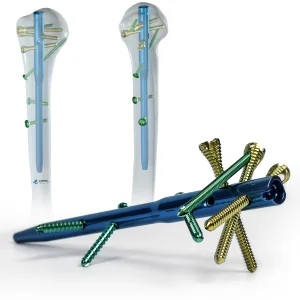
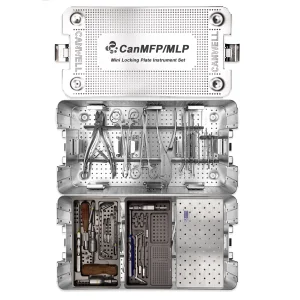
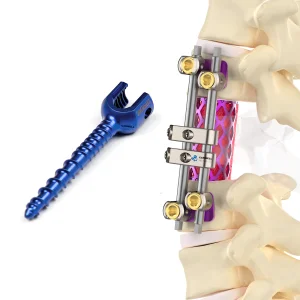
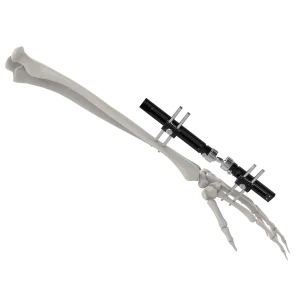
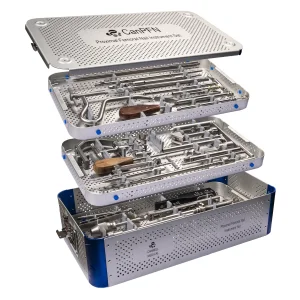
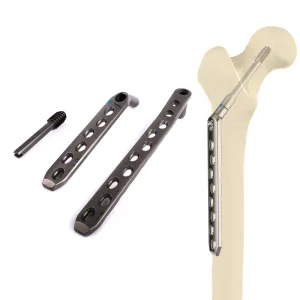
Detailed information on our technical specifications, global distribution logistics, and quality assurance workflows.
 Harney-Well