Explore our top clinical-grade orthopedic reconstruction devices, trusted by global medical distributors and surgical centers.
Understanding market forces, raw material engineering, and regulatory evolution driving clinical outcomes in interbody fusion.
The global spinal fusion cage market is witnessing a tectonic shift driven by aging demographics, the rising incidence of degenerative disc diseases, and a clinical preference for Minimally Invasive Surgery (MIS). Modern interbody fusion cages (including TLIF, PLIF, ALIF, and LLIF variants) are no longer simple space-holding blocks. They are complex biomechanical interfaces designed to maximize contact area, limit subsidence, and actively accelerate osseointegration.
Clinicians and global procurement officers now evaluate cage devices on specific architectural attributes: load distribution parameters, modulus of elasticity relative to the host bone, and the osteoconductive properties of their surfaces. As an established OEM/ODM exporter, we bridge the gap between high-level surgical requirements and heavy industrial manufacturing capabilities, providing orthopedic products that reduce recovery times and structural failures.
How our facility leverages raw material control, multi-axis machining, and verification protocols.
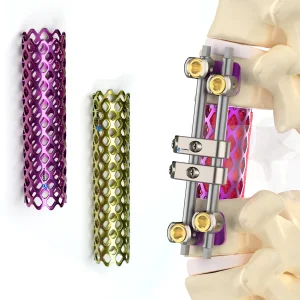
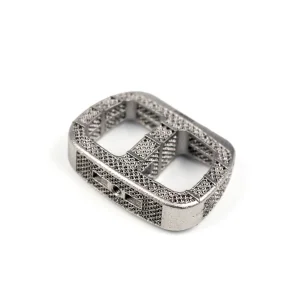
We utilize advanced Electron Beam Melting (EBM) and Direct Metal Laser Sintering (DMLS) to fabricate porous titanium structures. This creates interconnected porosity that mimics cancellous bone, significantly reducing structural stiffness and promoting faster, stronger biological fixation.
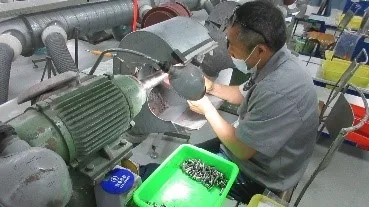
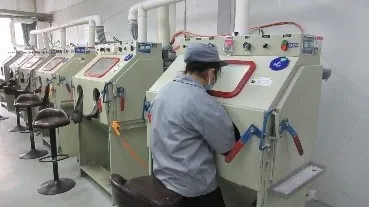
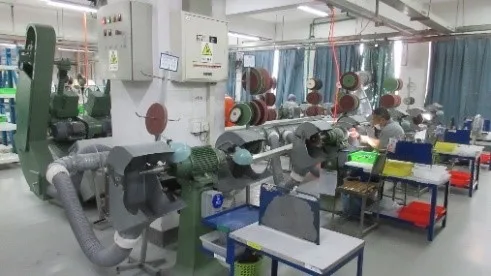
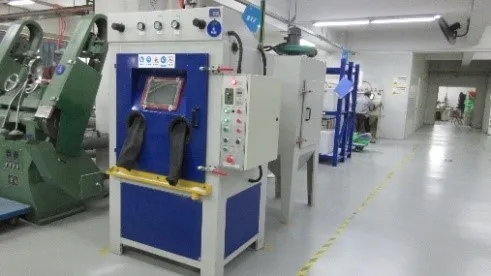
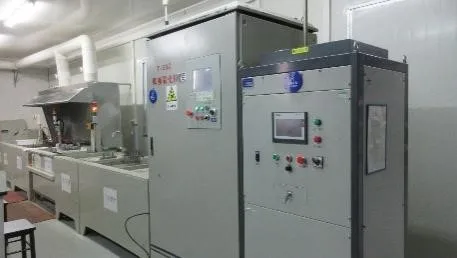
Whether through blasting, acid etching, or anodic oxidation, our surface modification protocols optimize surface roughness at the micro and nano levels. This ensures superior cell adhesion, promoting osteoblast differentiation directly on the implant surfaces.
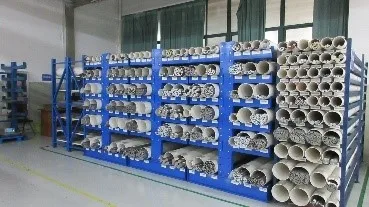
All implants are fabricated from medical-grade Titanium Alloy (Ti-6Al-4V ELI) and implant-grade PEEK conforming to ASTM F136 and ASTM F2026. Material certification and physical/chemical test reports accompany every single production batch.
China's medical device manufacturing sector has progressed from basic assembly to high-precision engineering and structural integration. By partnering with our 29,523㎡ facility, global clients gain substantial competitive advantages:
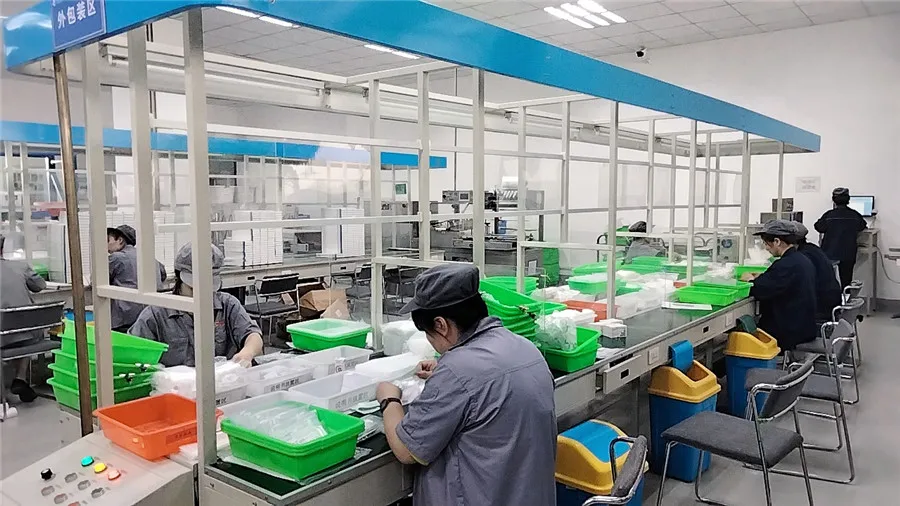
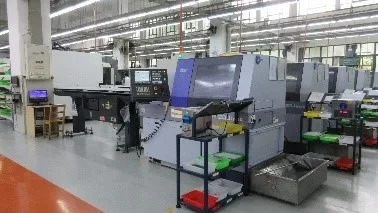
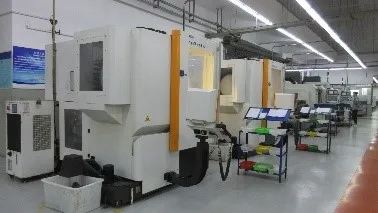
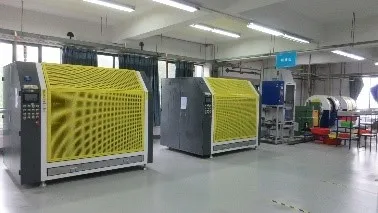
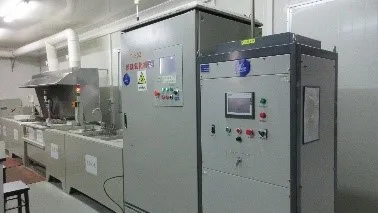
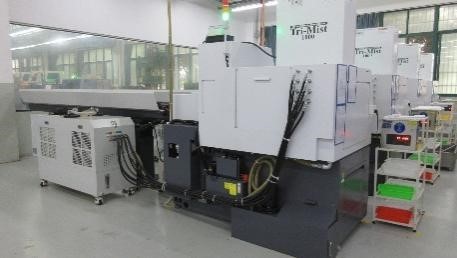
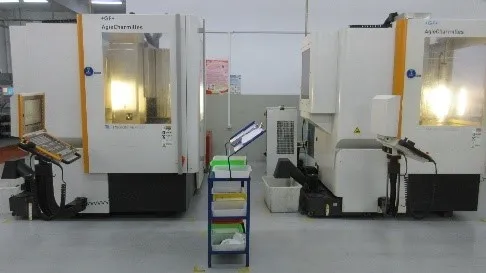
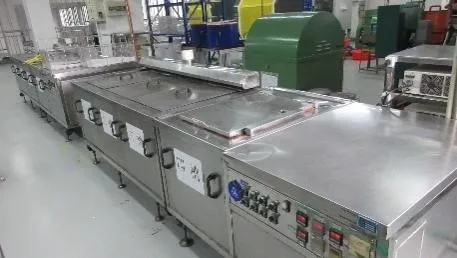
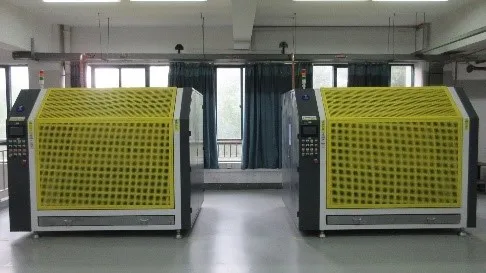
Modern surgical operations demand reliable lead times. The primary friction point in orthopedic procurement is the latency between initial R&D design and sterilized delivery. Our operational infrastructure in China addresses this constraint through integrated scheduling. By maintaining dedicated in-house CNC centers and automated cleaning lines, we compress product validation timelines.
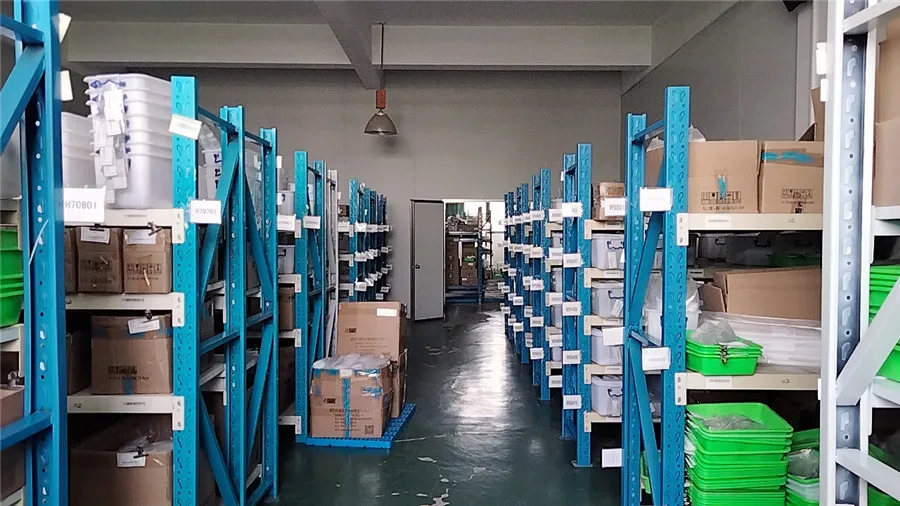
Additionally, we mitigate systemic supply chain risks by ensuring our component vendors undergo strict bi-annual verification audits. This comprehensive oversight ensures that our global distribution partners receive consistent quality, batch after batch, shielding them from product recalls and regulatory friction.
Rigorous quality controls, global registrations, and engineering resources backed by 22 years of industry experience.
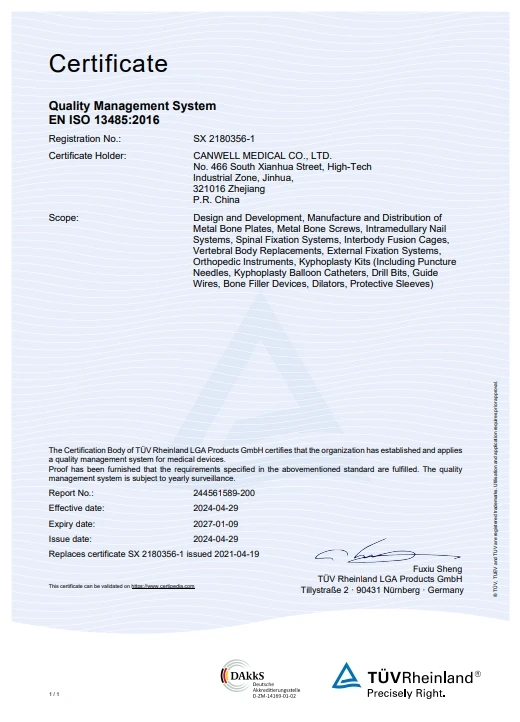
 ISO 13485
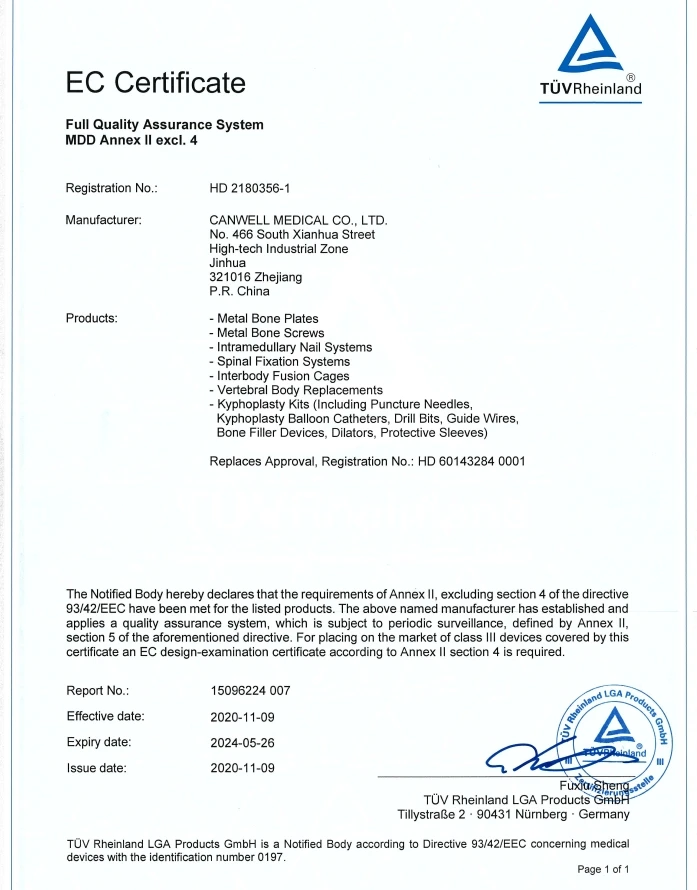
 93/42/EEC
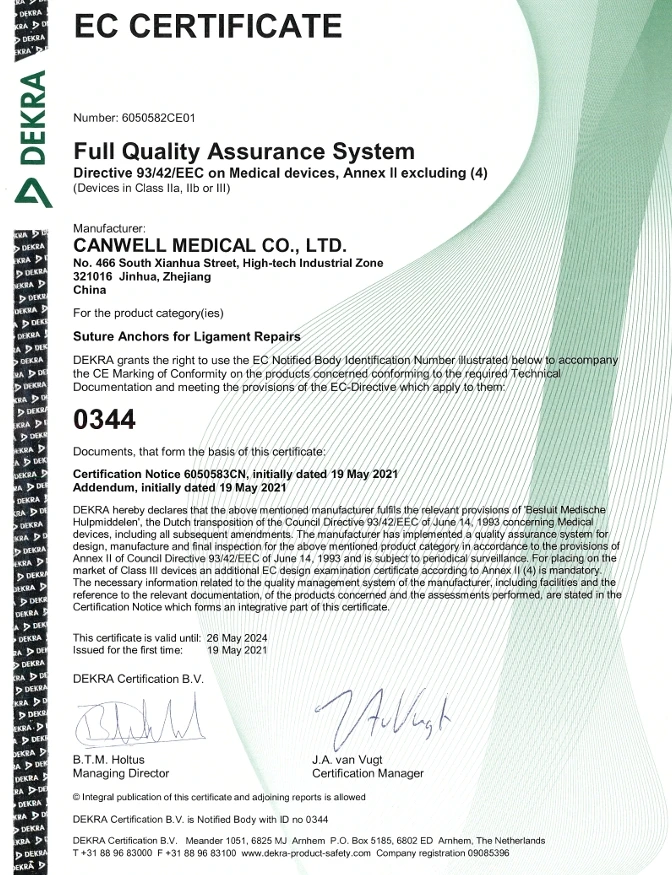 93/42/EEC
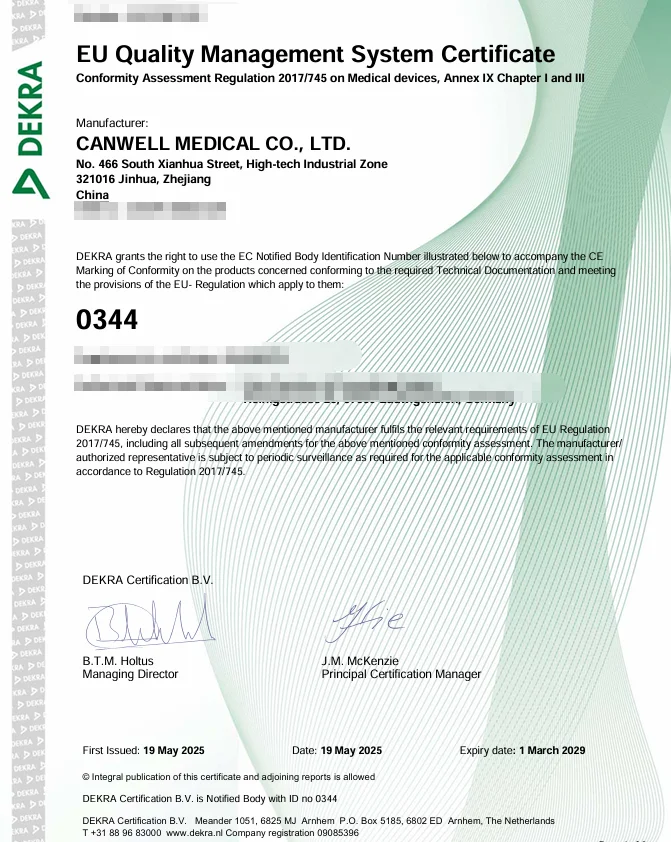
 EU MDR
Translating biomechanical engineering into targeted clinical solutions in hospitals and surgery centers worldwide.
In cases of symptomatic lumbar disc herniation and stenosis, spinal fusion cages provide rapid structural stabilization. PEEK and 3D porous titanium cages are designed with bulleted noses or self-retaining profiles, enabling easy insertion via posterior or transforaminal pathways while preventing implant migration.
For patients requiring cervical decompression, lightweight, anatomical cervical cages offer the perfect solution. Designed with hollow graft chambers, they optimize the space available for autologous or synthetic bone grafts to achieve rapid interbody fusion across targeted vertebrae.
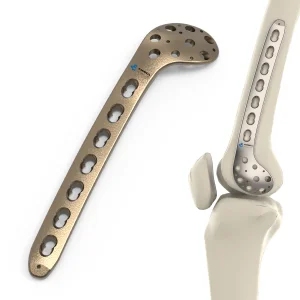
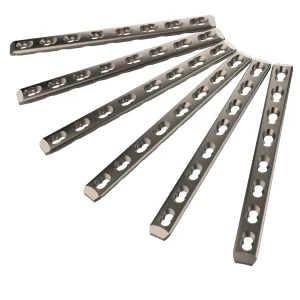
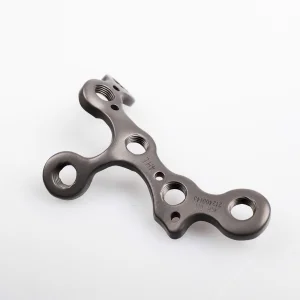
In conjunction with cage devices, trauma systems (such as distal medial femoral plates, proximal ulnar radius plates, and intramedullary nails) play a crucial role in stabilization. This comprehensive implant offering ensures that hospitals and trauma centers can secure all necessary equipment from a single certified source.
Procuring medical implants is a rigorous process defined by strict risk management frameworks. Unlike generic metal components, orthopedic implants remain inside the patient's body for years. As a result, purchasing departments at major hospitals and multinational brand distributors require clear, verifiable documentation:
Ensure your orthopedic supplier ticks all the regulatory and capability checkboxes before initiating production:
Answers to common technical, clinical, and logistical inquiries from orthopedic distributors and procurement professionals.
PEEK (Polyetheretherketone) is a high-performance polymer that matches the mechanical properties of cortical bone, reducing stress shielding. Its primary advantage is radiolucency, allowing surgeons to assess fusion progress clearly on X-rays. 3D printed titanium cages feature a porous, trabecular-like micro-structure that mimics native bone. This design promotes direct cell attachment and vascularization, providing superior early-stage stability and biological fixation.
Yes, our facility and product portfolio are fully certified under ISO 13485:2016 quality management systems. Furthermore, we maintain active CE certifications compliant with MDD 93/42/EEC and are actively transitioning all relevant implants to the new EU Medical Device Regulation (MDR 2017/745) to ensure uninterrupted supply to European markets.
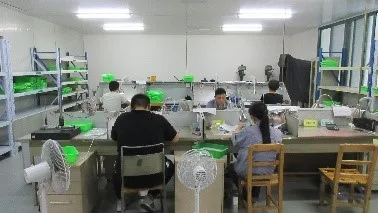
We support comprehensive customization tiers: light customization (such as custom laser marking, branding, and packaging), sample processing based on client-provided mechanical specs, graphic-assisted CAD/CAM modifications, and full-scale custom on-demand engineering. Our 59 R&D graduate engineers work closely with your clinical teams to transition ideas from prototypes into verified, production-ready implants.
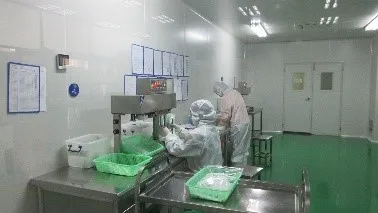
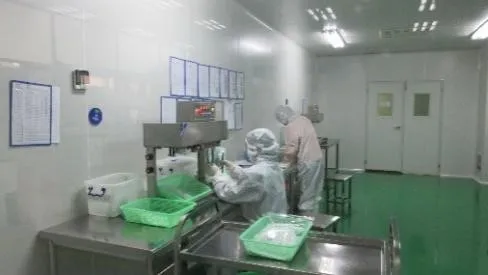
Quality is managed through structural controls. Our 69 QA/QC inspectors oversee a multi-stage validation program: 100% inspection of critical implant features, chemical composition verification of every metal batch, coordinate measuring machine (CMM) dimensional verification, and particulate testing. All implants are packaged in cleanrooms under cleanroom validation standards, with biological indicators monitored periodically.
Take a look at our manufacturing capability, instrument configurations, and implant specifications.
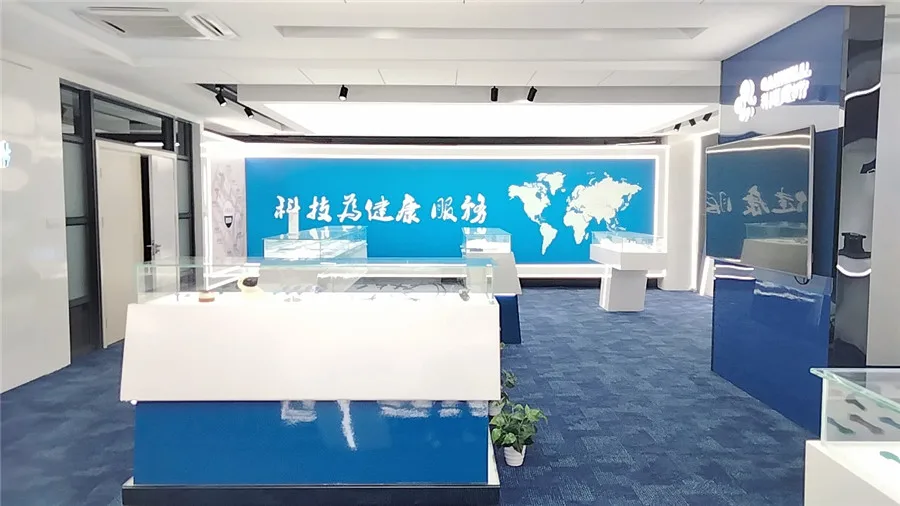
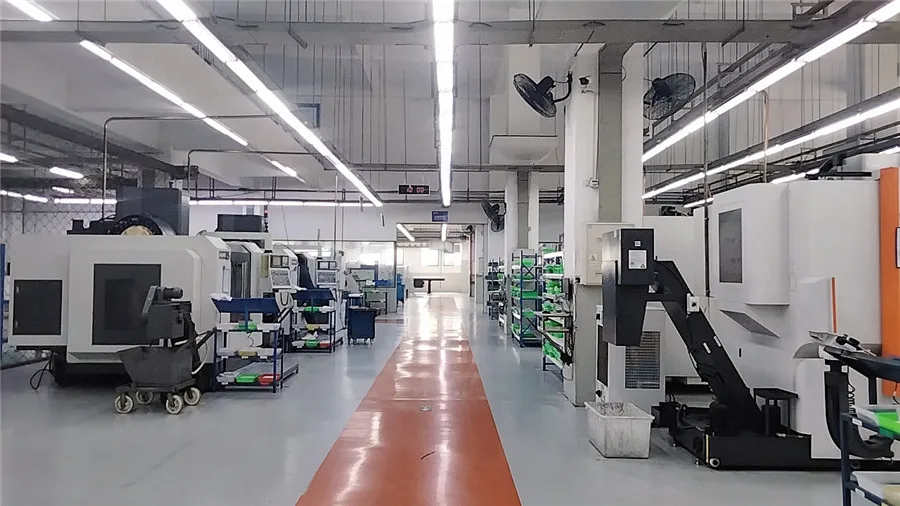
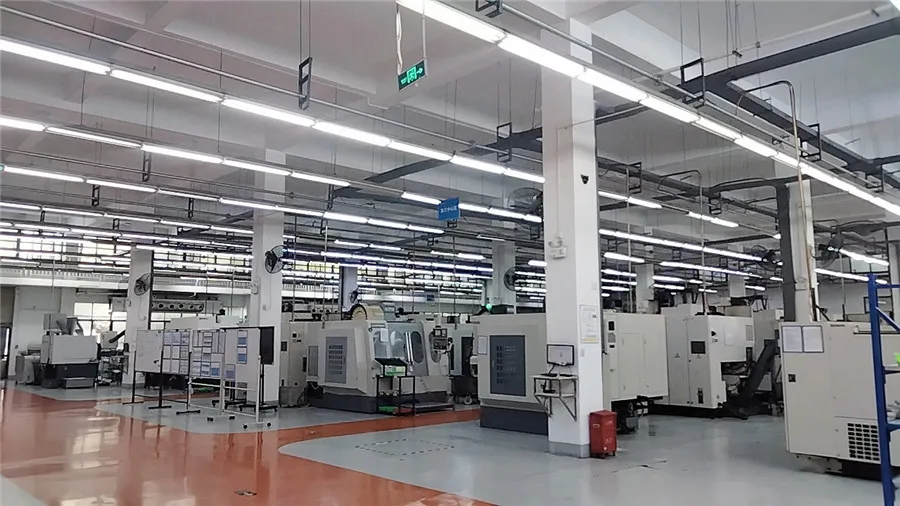
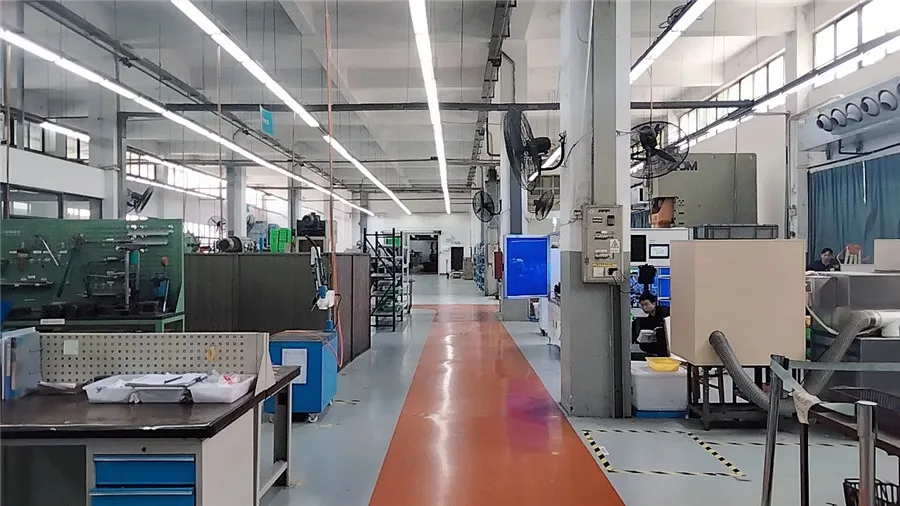





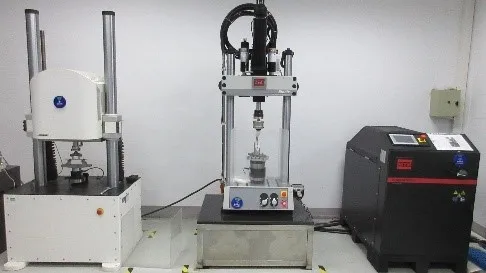
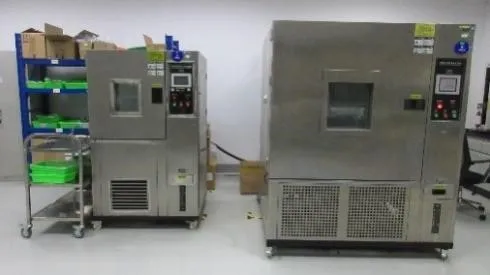
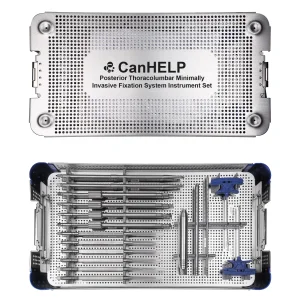
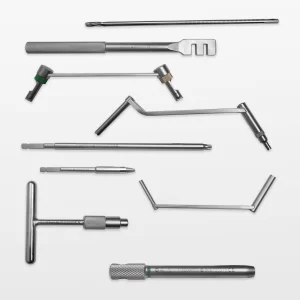
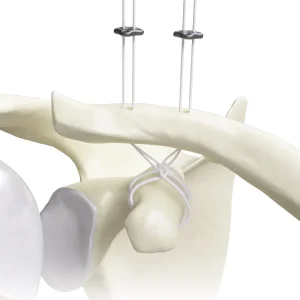
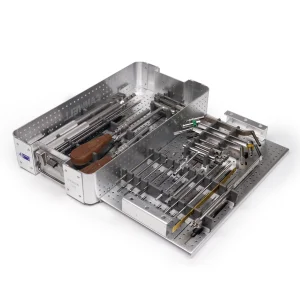
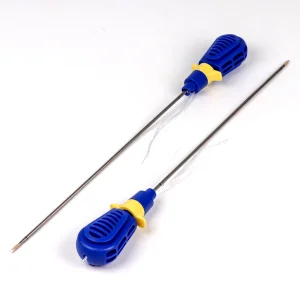
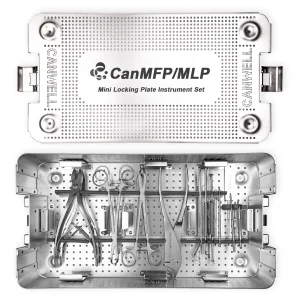
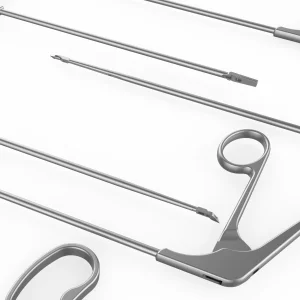
Complete your clinical selection with specialized trauma plates, sports medicine implants, and high-durability instrument sets.
 Harney-Well