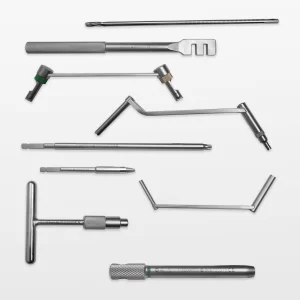
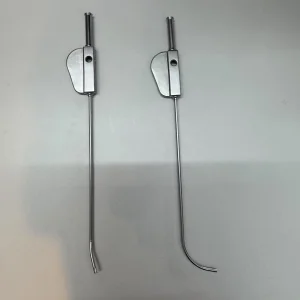
Explore our state-of-the-art trauma, spine, joint reconstructive, and arthroscopy systems engineered for structural integrity and clinical efficacy.
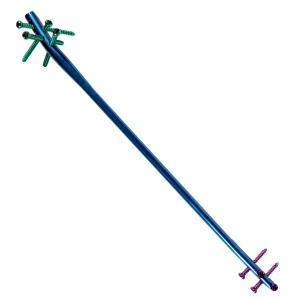
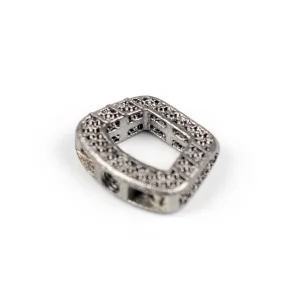
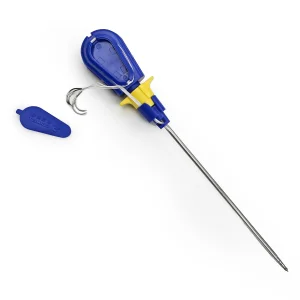
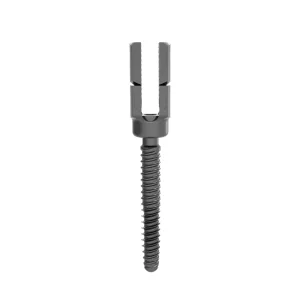
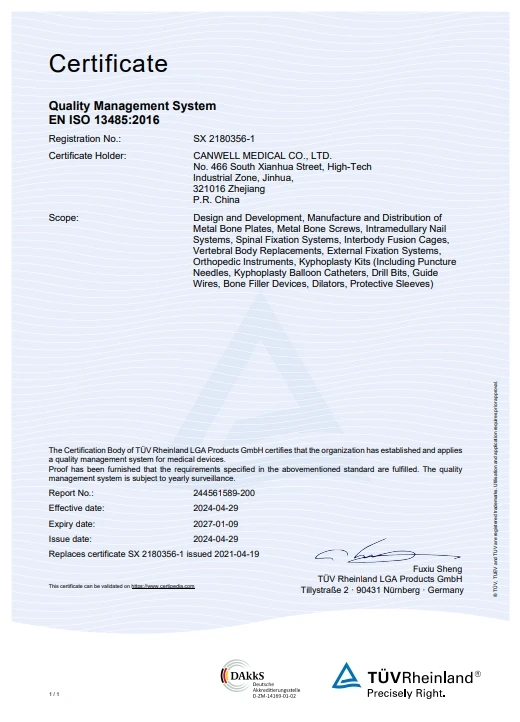 ISO13485
SX 2180356-1
ISO13485
SX 2180356-1
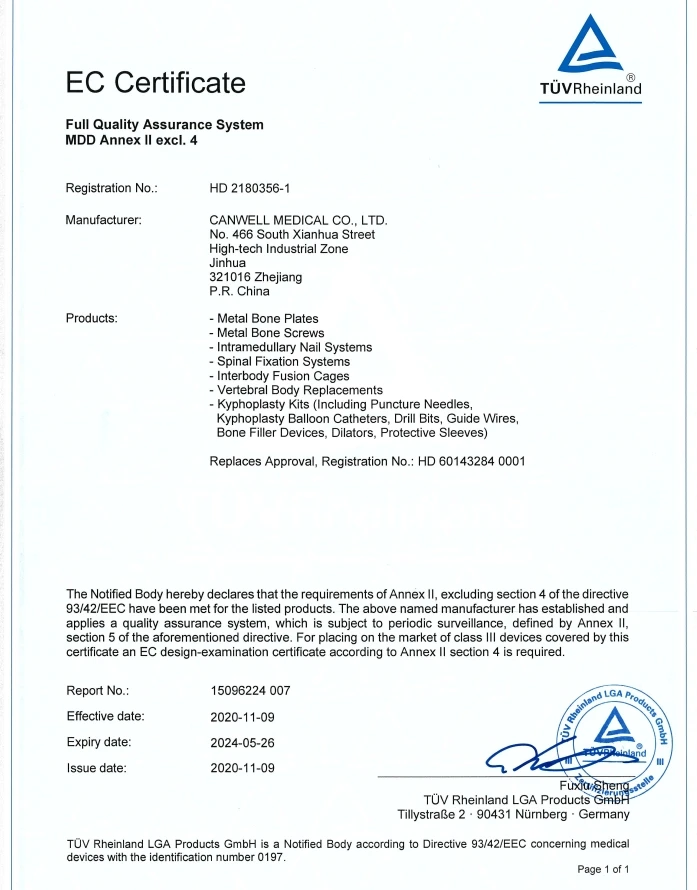 93/42/EEC MDD
HD 2180356-1
93/42/EEC MDD
HD 2180356-1
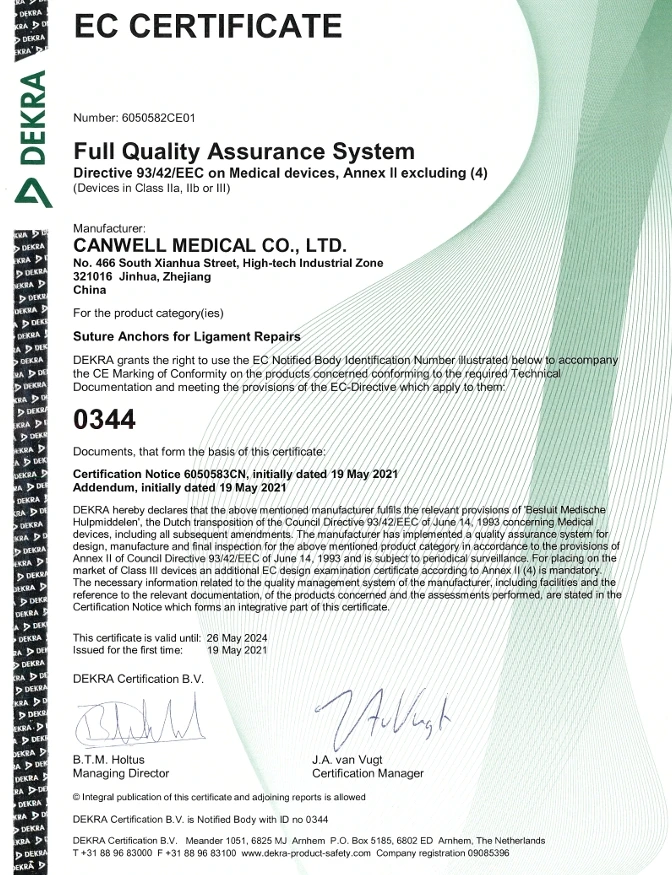 CE Certified
6050582CE01
CE Certified
6050582CE01
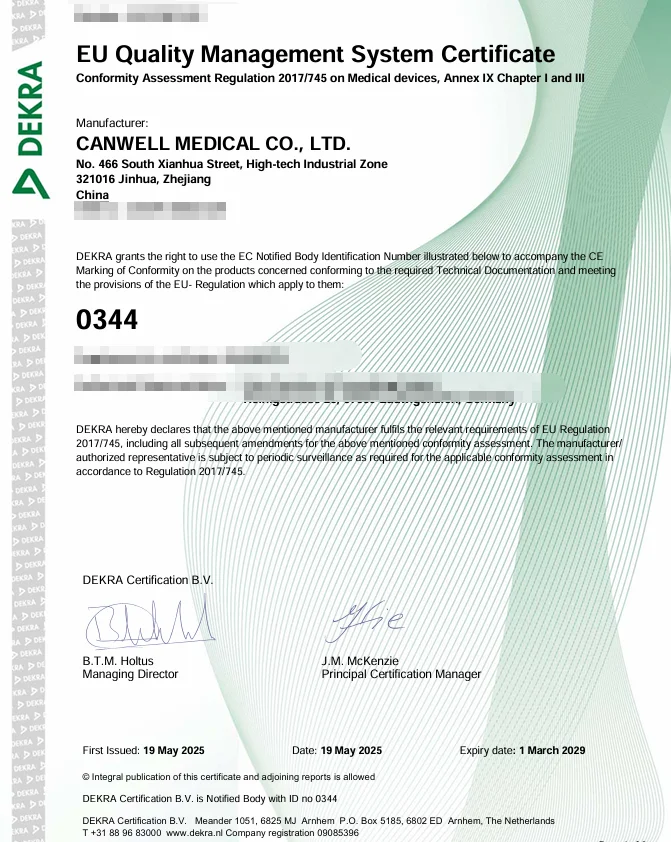 CE MDR
6142788CE02
CE MDR
6142788CE02
The global orthopedic reconstruction industry is undergoing a paradigm shift driven by demographic aging, expanding healthcare access in developing regions, and rising demands for primary and revision joint arthroplasties. In this landscape, medical device brand owners, distributors, and surgical centers require more than standard catalog items; they necessitate robust partnerships with Original Equipment Manufacturers (OEM) capable of delivering clinical excellence, structural customized implants, and rigid regulatory adherence.
Hip joint reconstruction requires implants that conform closely to varying anatomical geometries, absorb immense cyclic loading forces, and facilitate stable biological osseointegration. For global medical brands, sourcing from a specialized OEM factory offers structural cost-optimization without compromising on the biological, metallurgical, and tribological parameters critical to long-term implant survival.
"Orthopedic engineering is an uncompromising field. Sourcing titanium hip joint replacements requires direct oversight of alloy microstructures, surface porous coatings, and the mechanical fatigue limits defined by ISO 7206 standards."
Over the past two decades, China has evolved from a high-volume manufacturing center to a global powerhouse in advanced biomedical engineering. The consolidation of raw material suppliers, CNC machining technology, and chemical treatment plants creates an efficient ecosystem for producing ISO 13485 and CE MDR compliant implants. Here are the core structural competitive advantages:
Utilizing Electron Beam Melting (EBM) and Selective Laser Sintering (SLS) 3D-printing technologies to generate complex porous structures that mimic natural trabecular bone, accelerating osseointegration.
Consolidated medical manufacturing clusters allow for highly competitive pricing structures for femoral stems, acetabular cups, and instrumentation, while retaining premium raw materials.
Established operations with CE MDD/MDR, ISO 13485, and localized GMP certifications, providing fully traceable raw materials and standardized biocompatibility testing documentation.
Modern total hip arthroplasty (THA) relies on the optimization of bearing surfaces and fixation methods. OEM manufacturers play a vital role in providing design variability that caters to diverse clinical indications:
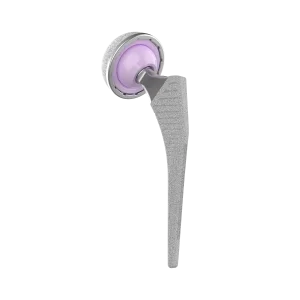
Femoral stems are optimized for either cemented or cementless (press-fit) fixation. Press-fit designs are typically forged from high-strength Titanium Alloy (Ti-6Al-4V ELI) conforming to ASTM F136 standards. The surface is treated via vacuum plasma spraying (VPS) of titanium or hydroxyapatite (HA) coating to promote biological fixation. Cemented stems, frequently constructed from highly polished CoCrMo alloys (ASTM F75), provide immediate structural stability in osteoporotic bone.
Wear debris is the primary etiology of long-term aseptic loosening. OEM factories offer premium pairing options:
To support global medical device brands, we provide a streamlined, validation-focused custom engineering pathway:
Managing a medical brand requires robust supply chain logistics. A direct partnership with an OEM factory minimizes lead times and provides full traceability documentation required by audit bodies. By consolidating the manufacturing of total joint systems (hip, knee, and spine) alongside trauma plates and specialized instrument kits, OEMs allow global buyers to package implant offerings into unified surgical trays, streamlining hospital procurement cycles.
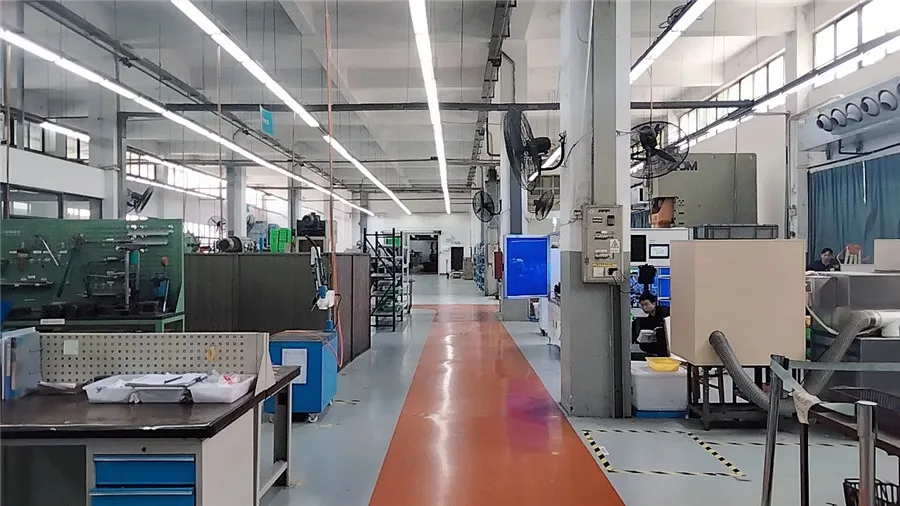
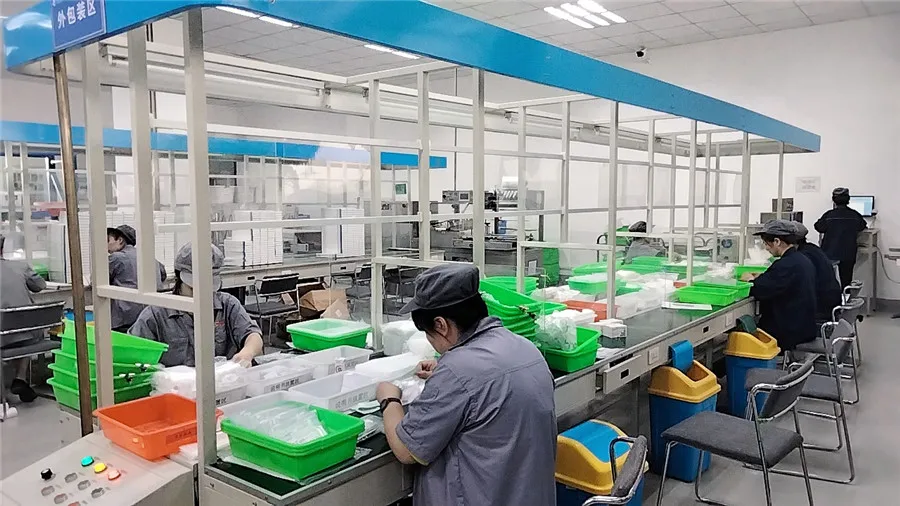
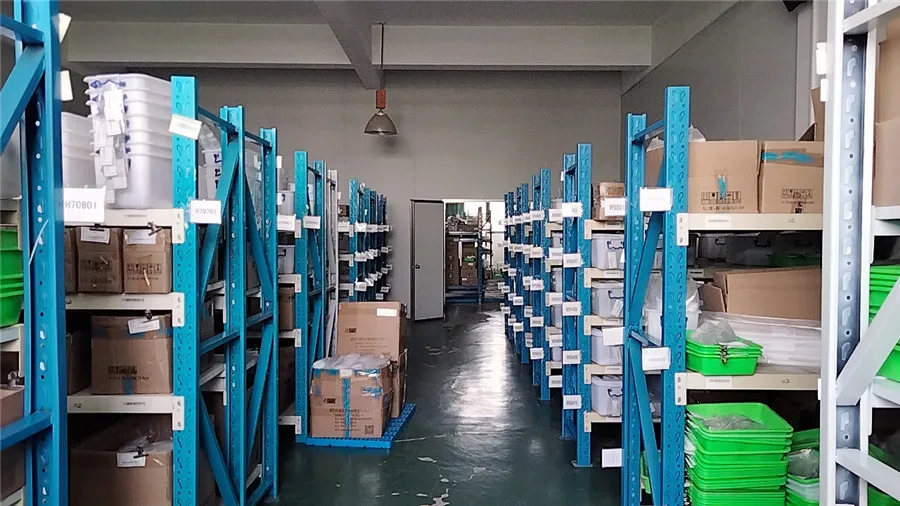
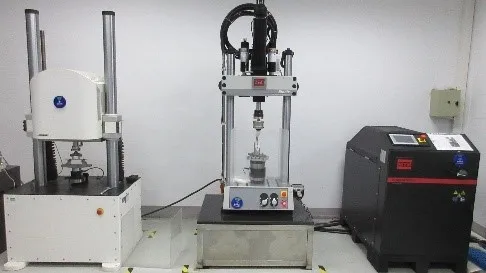
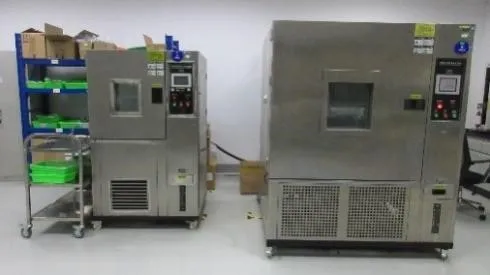
Transparent display of our state-of-the-art production floors, advanced CNC machining tools, cleanrooms, and testing facilities.
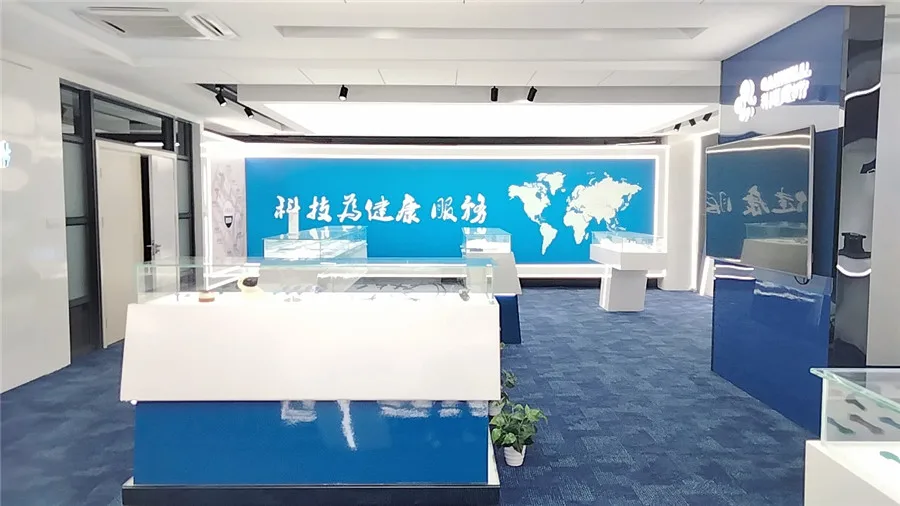
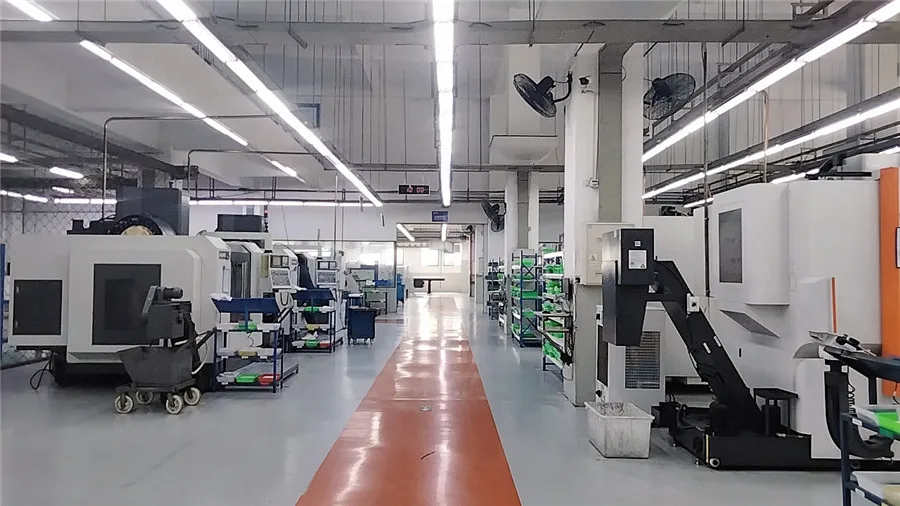
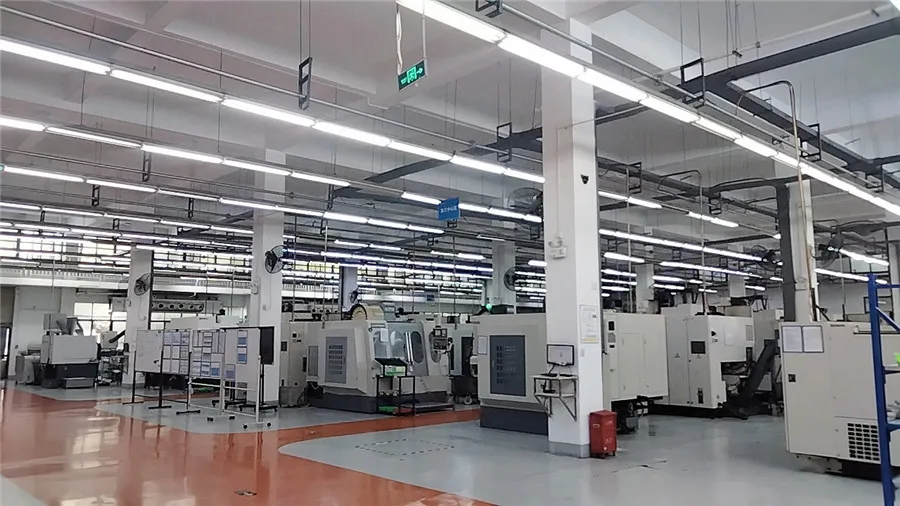
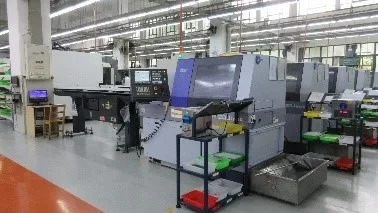
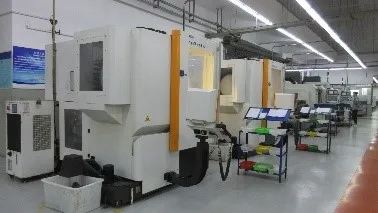
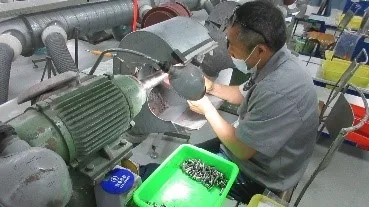
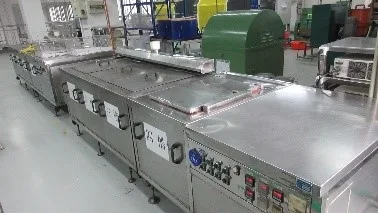
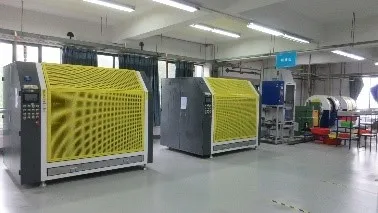
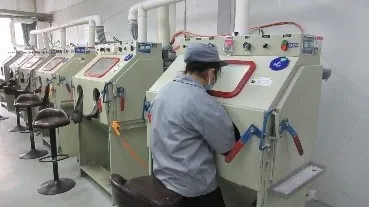

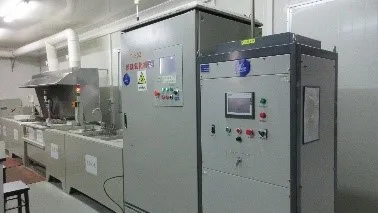
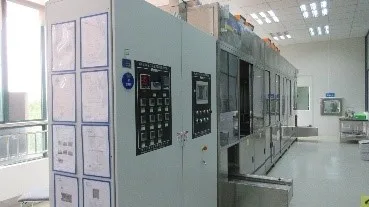
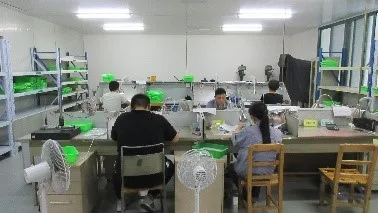
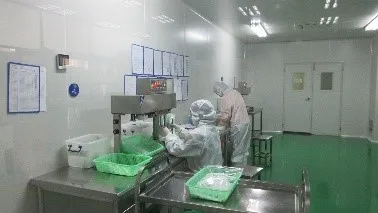
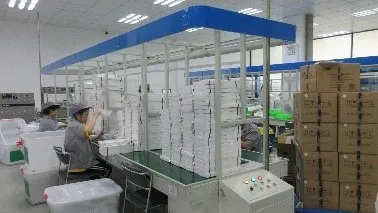
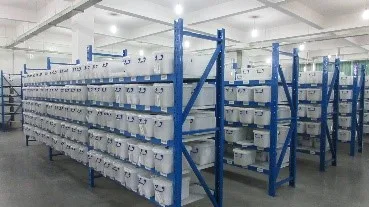
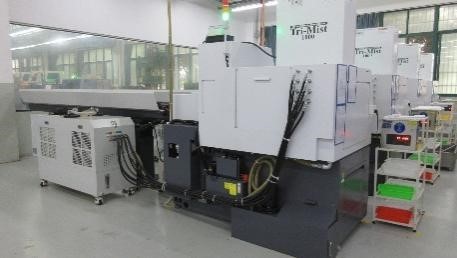
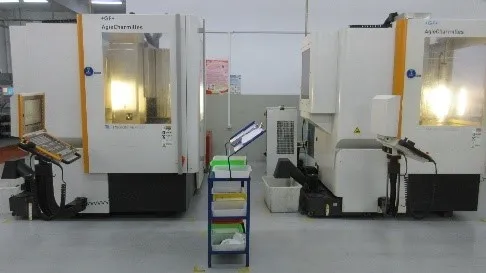
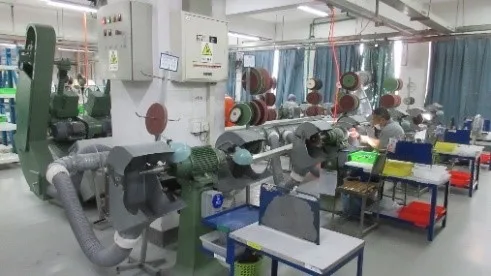
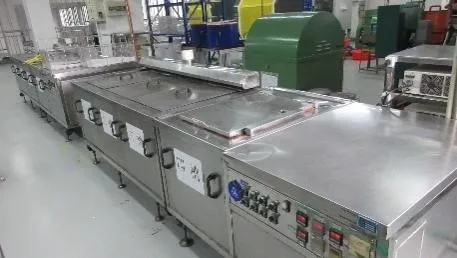
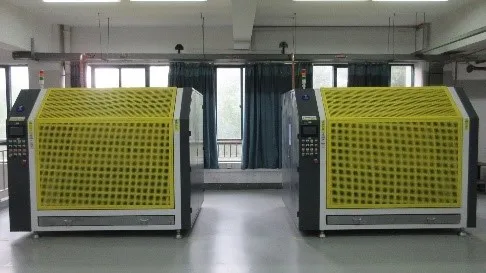
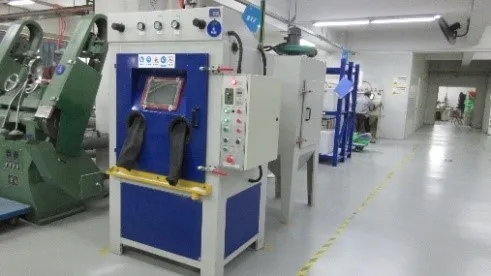
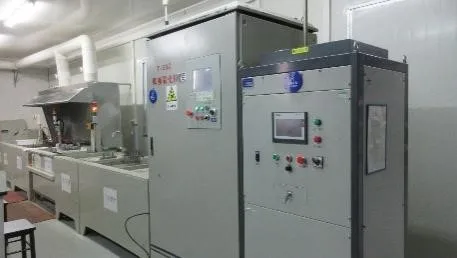
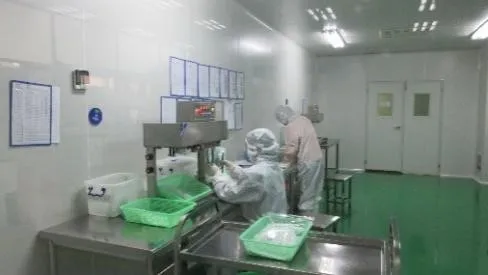

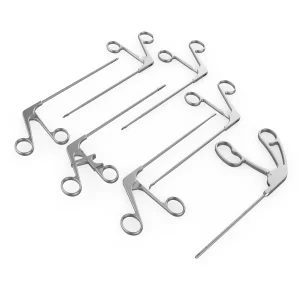
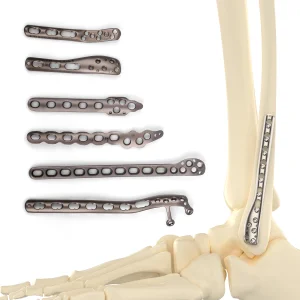
Optimized implant accessories, surgical instruments, and trauma fixator portfolios engineered for complete operating room efficiency.
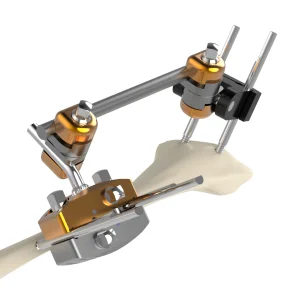
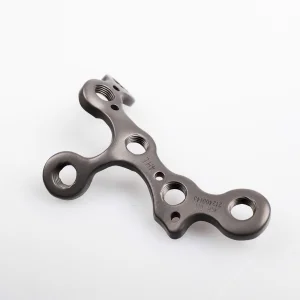
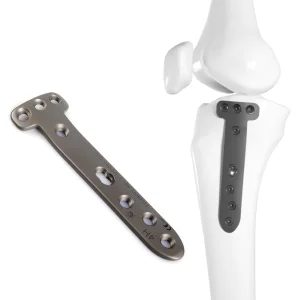
Answers to critical design, regulatory, material, and logistics queries for international orthopedic buyers.
Our cementless femoral stems and acetabular cups are machined from titanium alloy (Ti-6Al-4V ELI) conforming to ISO 5832-3 or ASTM F136 specifications. For cemented applications, we utilize high-wear-resistant Cobalt-Chromium-Molybdenum (CoCrMo) alloy conforming to ISO 5832-12. Surface coatings typically feature Vacuum Plasma Sprayed titanium (VPS) or Hydroxyapatite (HA) to maximize osteointegration.
Yes, our manufacturing facility operates under a rigorous ISO 13485:2016 quality management system. The joint implants, trauma plates, and arthroscopic systems carry CE MDR (EU Directive 2017/745) certificates, ensuring smooth import routes into European markets and other territories aligned with CE regulations.
We provide light customization (custom laser marking, specific packaging options), graphic design-based engineering, physical sample processing, and end-to-end custom design based on clinical specification files. With 59 graduate-level R&D engineers, we translate prototypes into production-ready orthopedic designs.
Every batch of raw titanium, cobalt-chromium, or ultra-high molecular weight polyethylene (UHMWPE) is sourced from verified medical-grade material suppliers and accompanied by chemical composition and tensile test certs. We have 69 QA/QC inspectors monitoring operations from initial forge steps through 100% optical and coordinate-measuring machine (CMM) dimensional verification.
Yes. We design and manufacture comprehensive instrumentation sets tailored to specific implant geometries. This includes trial prostheses, femoral broaches, acetabular reamers, and depth gauges. The instrument sets are crafted from surgical-grade stainless steel and biocompatible polymers, arranged in anodized aluminum sterilization trays.
Standard OEM production for existing designs with light modifications ranges between 30 to 45 days. For completely new customized implants, the timeline ranges from 60 to 90 days. This allows for CAD verification, finite element modeling, sample machining, verification testing, and sterilization validation runs.
Seeking a certified OEM partner for hip prosthetics, spine cages, or trauma systems? Request a direct consultation and customized proposal today.
Inquire & Request Samples Harney-Well