Direct supply from state-of-the-art Chinese manufacturing facilities with comprehensive clinical certifications.
A comprehensive analysis of load-bearing properties, surface treatments, and thread configurations.
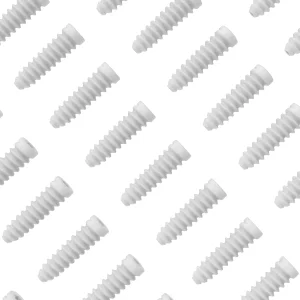
In modern osteosynthesis and trauma reconstruction, stability screws represent the cornerstone of load transfer and bone stabilization. These micro-engineered devices are critical for securing plate-to-bone fixation, facilitating osseointegration, and mitigating the risks associated with stress shielding. The biomechanical efficacy of stability screws relies heavily on precise thread geometry, raw material morphology, and advanced surface modification technologies.
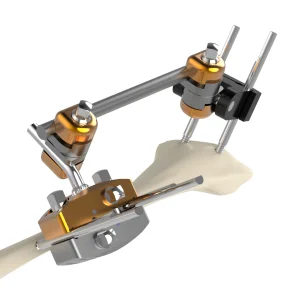
Orthopedic stability screws are typically classified into cortical, cancellous, and locking configurations. Cortical screws feature a shallow pitch and a high number of threads per unit length, maximizing purchase in dense cortical bone. Cancelleous screws utilize a deeper, wider thread pitch to compress the porous trabecular bone structure. The clinical introduction of locking screws has revolutionized trauma fixation. By locking into the threaded holes of anatomical locking plates, these screws form a fixed-angle construct that behaves biomechanically as an external fixator, preserving periosteal blood supply and offering superior stability in osteoporotic bone.
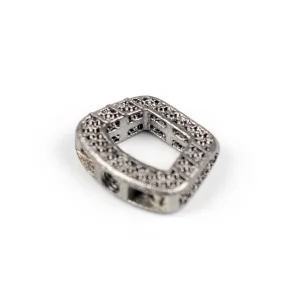
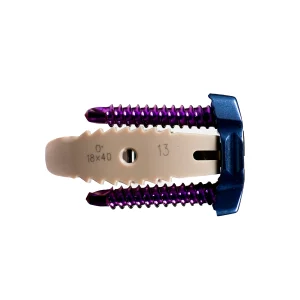
The choice of biomaterial dictates the success of internal fixation. Titanium Alloy (Grade 5, Ti-6Al-4V ELI) is widely utilized due to its remarkable strength-to-weight ratio, excellent fatigue resistance, and high biocompatibility. In spine surgery, Polyetheretherketone (PEEK) is preferred for interbody fusion cages (such as the CANWELL PEEK-L Lumbar Cage) due to its radiolucency and an elastic modulus that closely matches human cortical bone, reducing the risk of implant subsidence.
Transparency, validation, and regulatory compliance data for global supply procurement.
Certified clinical safety and engineering validation for global distribution channels.
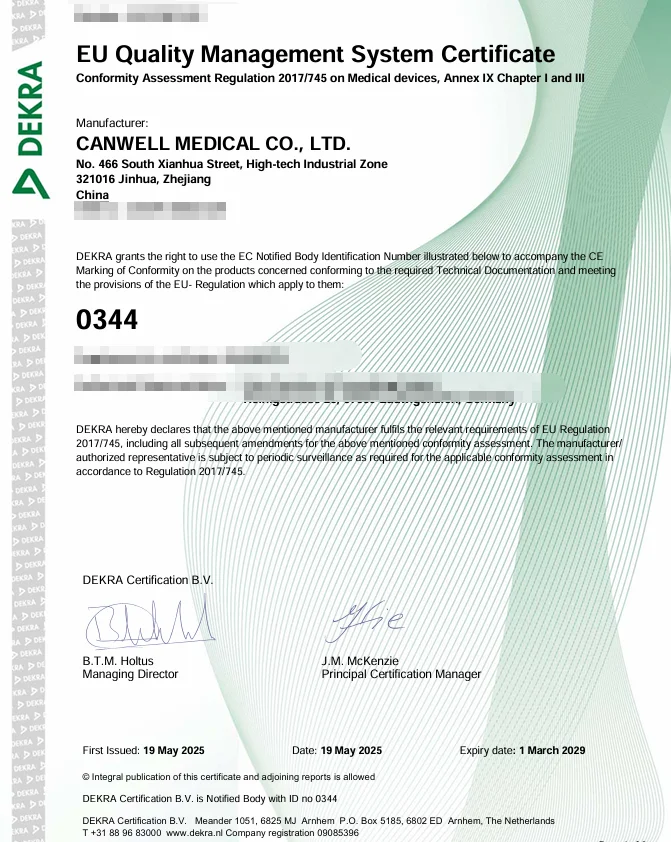
Exploring the technology integration, cost scaling, and supply reliability of Chinese factories.
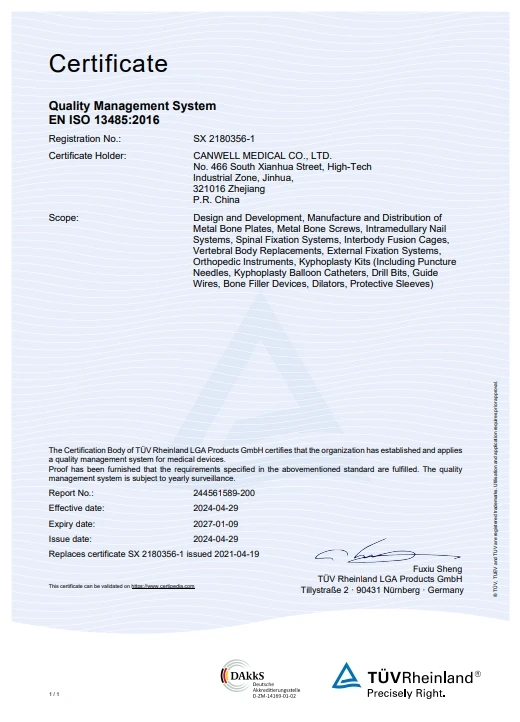
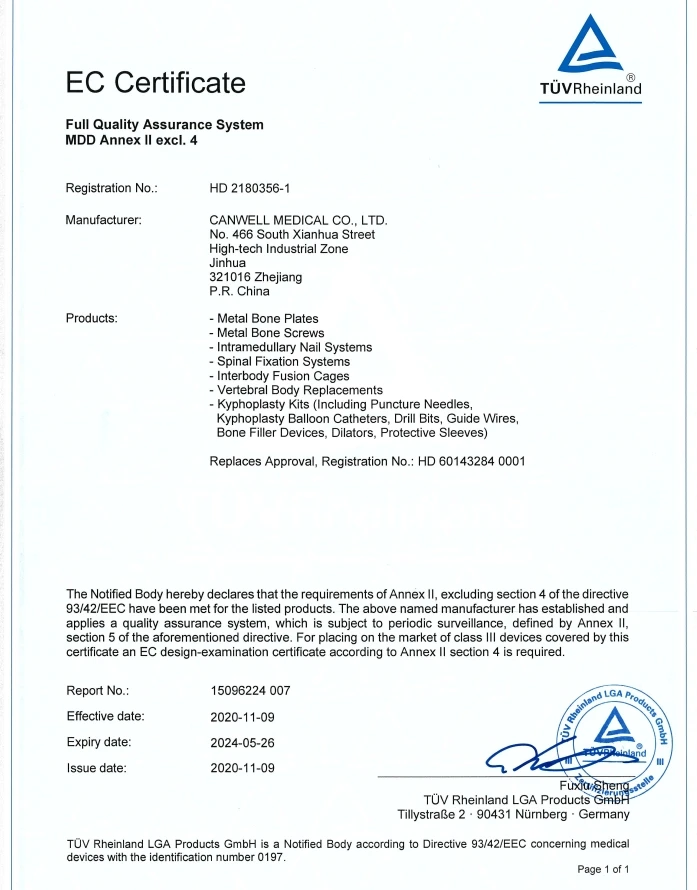
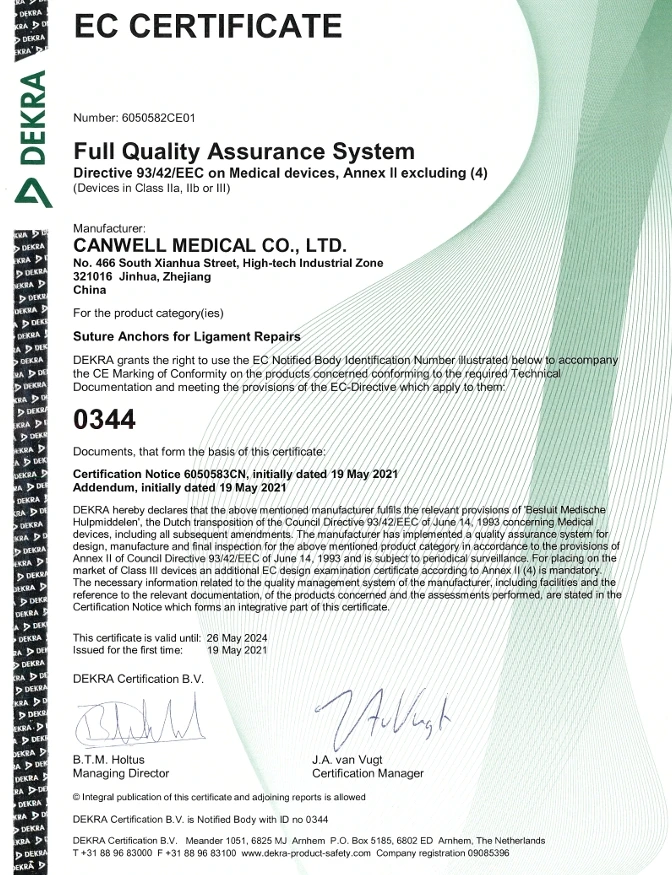
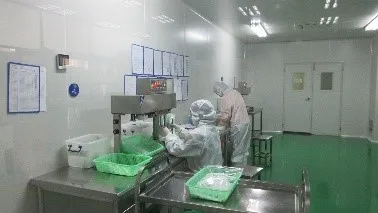
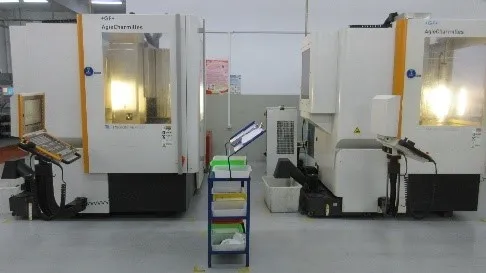
The global medical device market demands the highest level of regulatory alignment and manufacturing consistency. Over the last two decades, China's orthopedic manufacturing sector has evolved from a basic machining model to an advanced industrial hub. Today, Chinese factories utilize five-axis Swiss CNC machines, electron beam melting (EBM) 3D printers, and cleanrooms certified under ISO Class 5 and Class 7 to produce implants that match or exceed Western performance baselines.
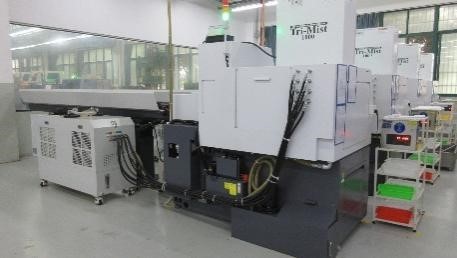
Utilizing high-end longitudinal lathes to achieve tolerances within +/- 0.005mm, crucial for the thread precision of micro and mini locking screws.
Controlled chemical surface modifications to enhance bone contact area and accelerate osteoblast differentiation for early osseointegration.
Every titanium bar or PEEK batch is tracked using spectral analysis certificates and mill-test reports, preventing structural degradation in load-bearing implants.
A significant advancement in arthroscopy is the transition from metal screws to bioabsorbable fixation systems, such as the CANWELL ACL Bioabsorbable Interference Screw (PLGA). Composed of Poly(lactic-co-glycolic acid), these screws offer mechanical stability during the critical 12-to-24-week ligament healing phase. As the bone heals, the polymer undergoes controlled hydrolysis, converting into carbon dioxide and water, eliminating the need for secondary hardware removal surgeries.
Matching dynamic anatomical demands with customized engineering configurations.
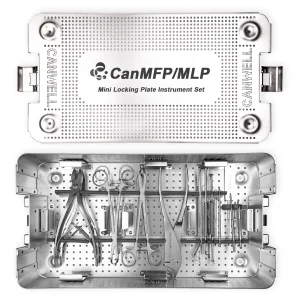
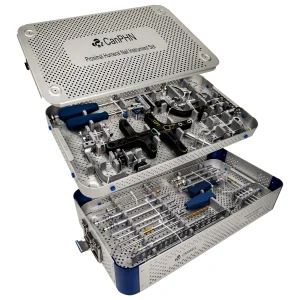
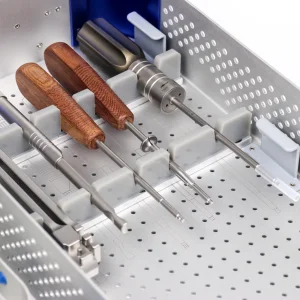
Modern clinical environments require comprehensive implant portfolios rather than isolated components. Standardizing surgical kits (plates, screws, intramedullary nails, and corresponding instrumentation sets) reduces operative errors, shortens anesthesia times, and simplifies hospital inventory management. Below is an overview of anatomical application scenarios and their corresponding stabilization methodologies.
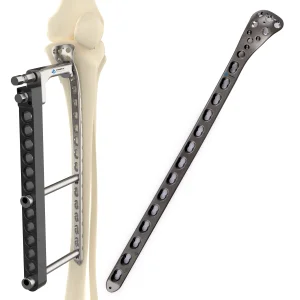
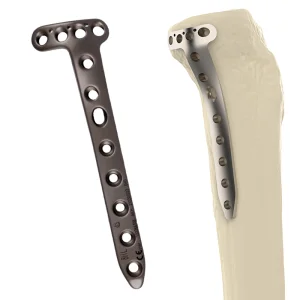
High-energy fractures of the proximal tibia require anatomical locking compression plates that match the joint curvature. Variable angle locking screw systems allow clinicians to target specific bone fragments while maintaining a low-profile construct to prevent soft tissue irritation.
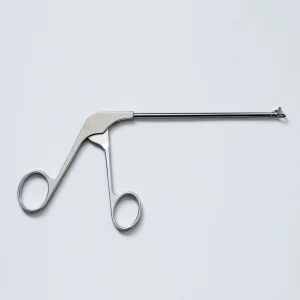
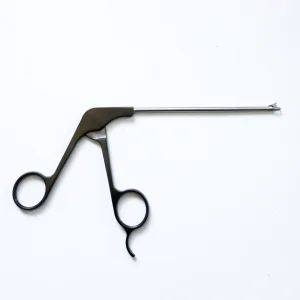
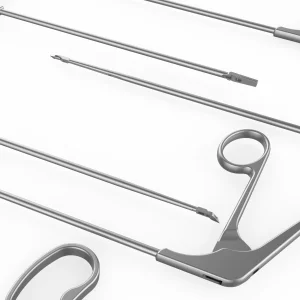
Reconstruction of the ACL/PCL using autologous or allogeneic grafts requires high-torque interference screws and arthroscopic instrumentation. Precision-manufactured basket forceps and rotator cuff graspers allow surgeons to manipulate tissues in restricted joint spaces.
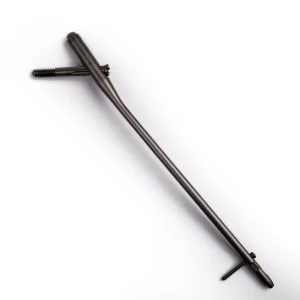
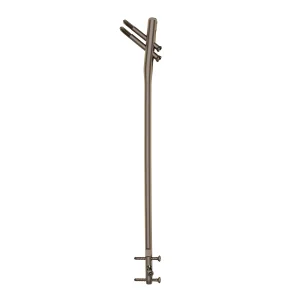
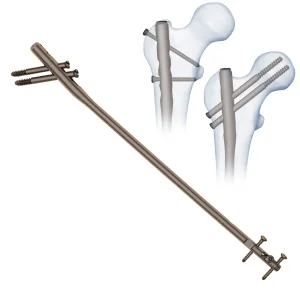
Long bone femoral or tibial fractures are best treated using intramedullary nails. These structures load share with the bone, relying on distal and proximal interlocking stability screws to prevent rotational displacement during early mobilization.
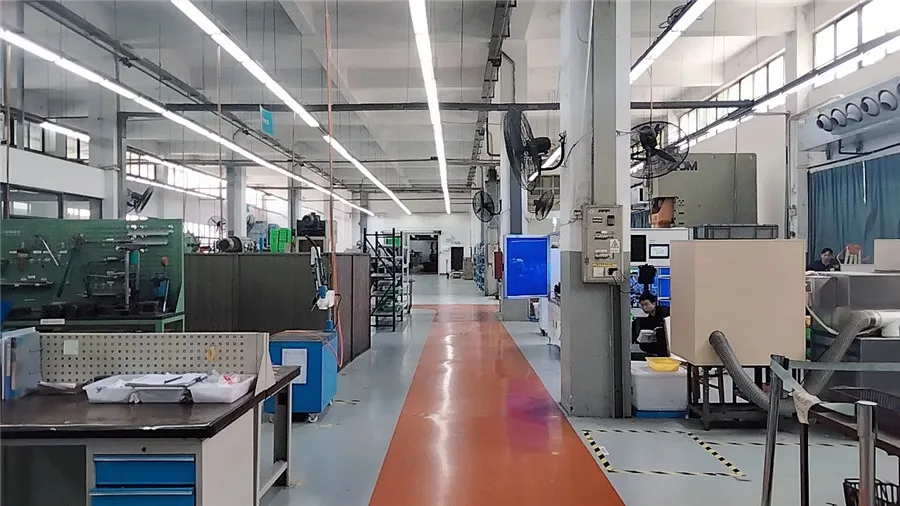
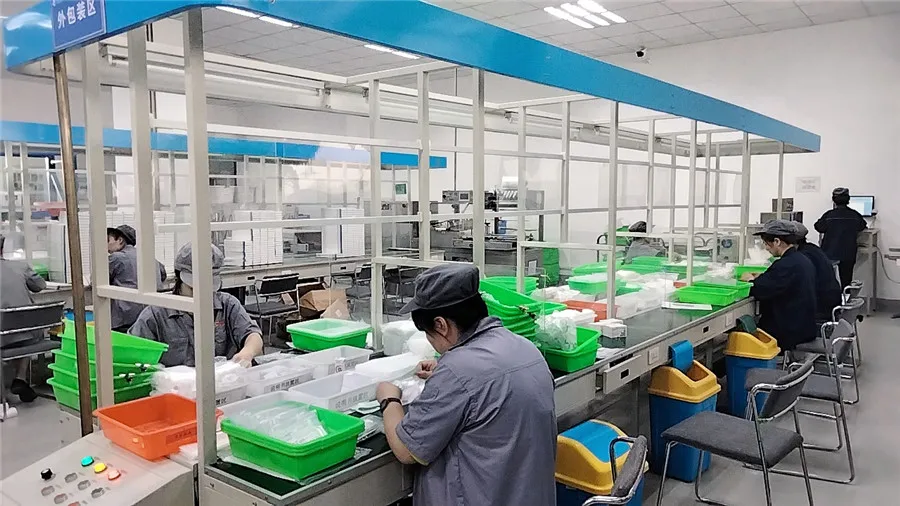
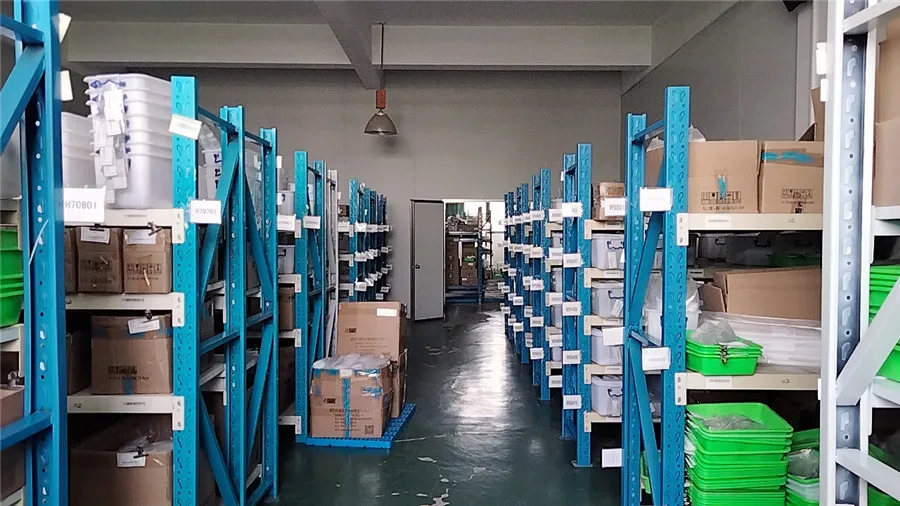
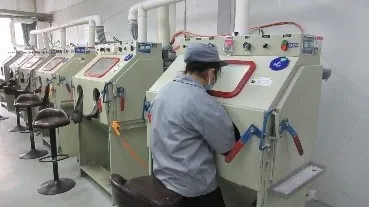
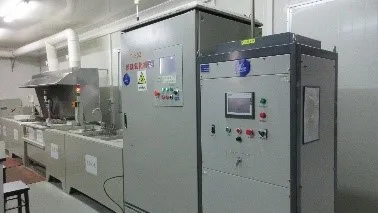
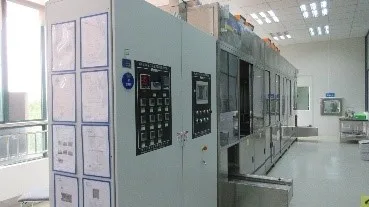
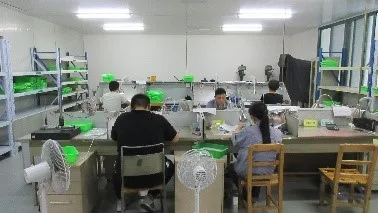
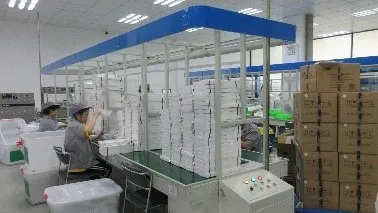
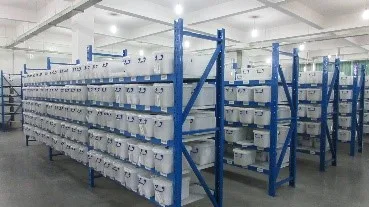
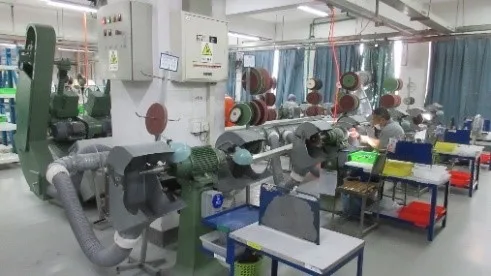
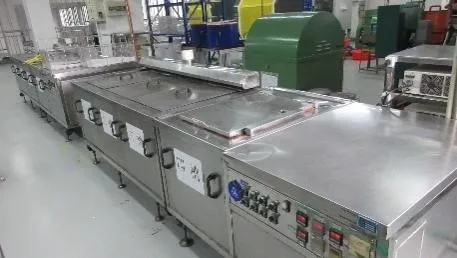
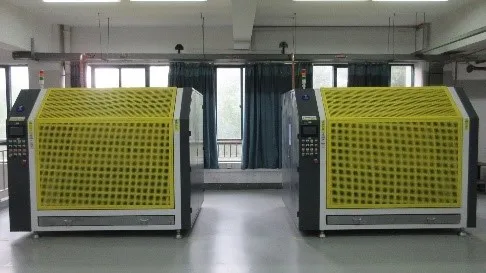
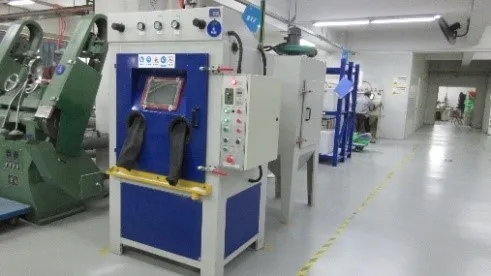
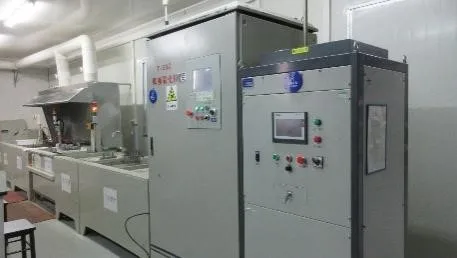
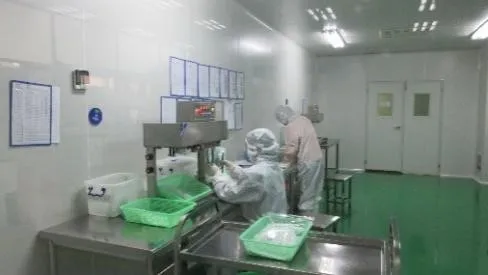
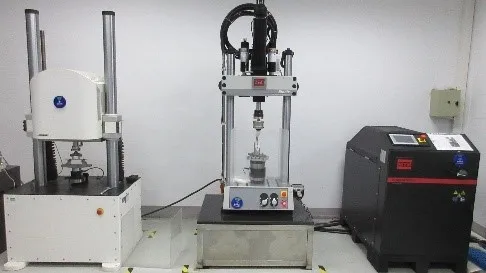
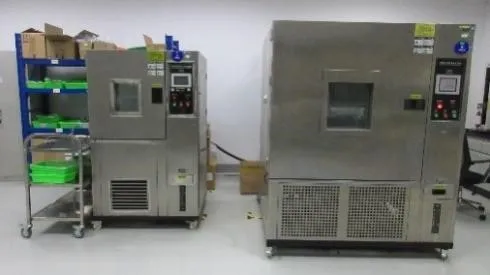
A visual showcase of our automated manufacturing lines, quality validation chambers, and logistics pipeline.
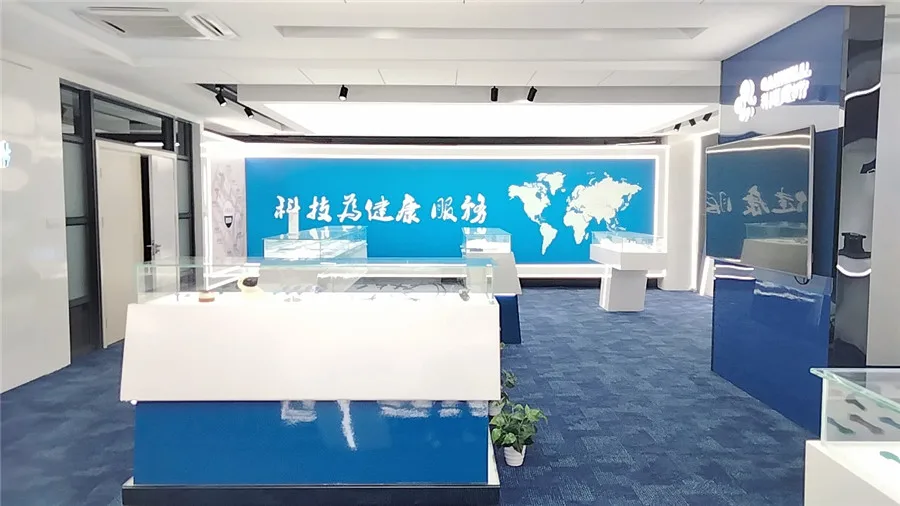
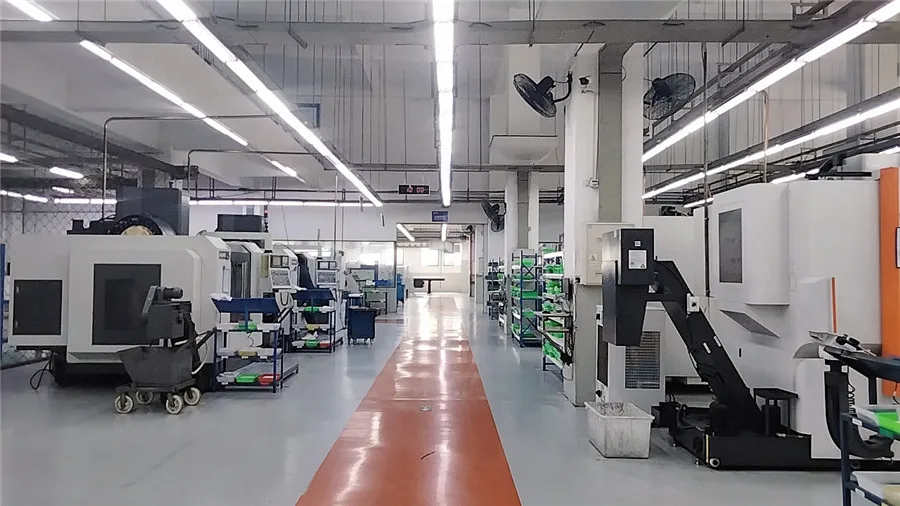
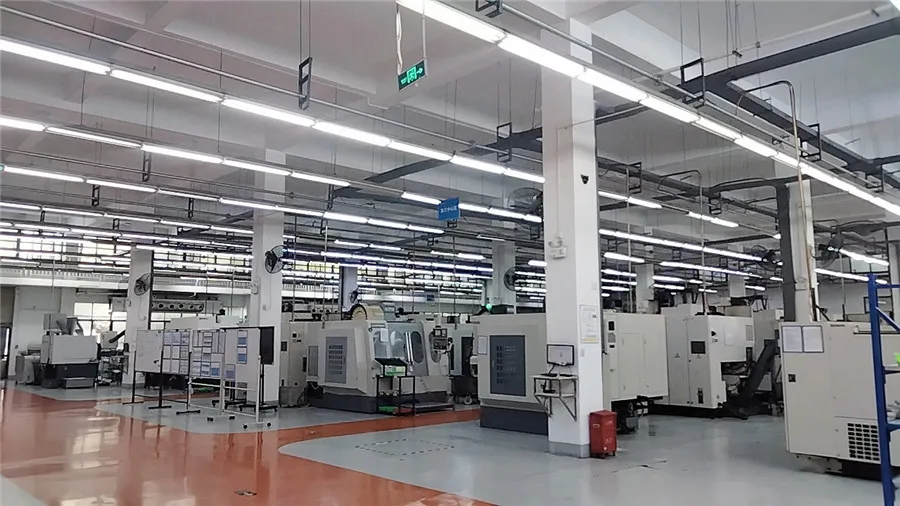
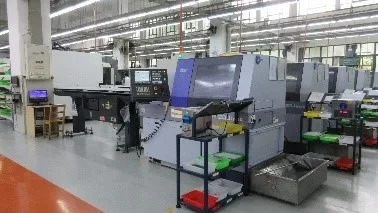
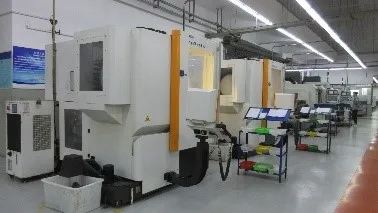
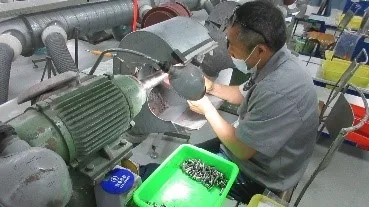

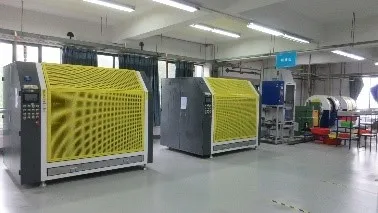


Key checkpoints for hospital buyers, B2B purchasing managers, and medical device brands.
Procuring orthopedic implants involves balancing patient safety, regulatory compliance, and cost efficiency. For wholesale stability screw procurement, purchasing agents must evaluate several operational metrics:
Addressing primary search intents regarding stability screw engineering, ordering specifications, and regulatory approvals.
Complete surgical instrumentation and reconstructive implant solutions.
 Harney-Well