China Top Products Factory & Exporters

Premium Medical Implants & Advanced Orthopedic Trauma Fixation Systems. Operating with CE, ISO 13485, and MDR Certifications for Global Compliance and Precision Healthcare Delivery.

Advanced Clinical Implant Systems

Explore our premium medical products engineered for precision reconstruction and robust orthopedic stabilization.

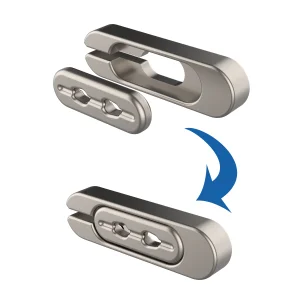
CANWELL Arthroscopy Implants ACL Endobutton
CANWELL Arthroscopy Implants ACL Endobutton Reinforced Button Cl ultra Sports Medicine Medical Orthopedic
View Specifications
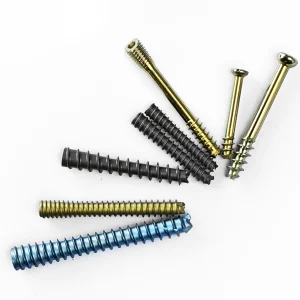
Canwell Cannulated Screw Orthopedic Titanium Compression
Canwell Cannulated Screw 4.5 Medical Orthopedic Cannulated Bone Screw Surgical Herbert Titanium Cannulated Compression Screw
View Specifications
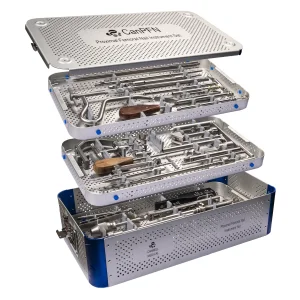
CANWELL CanPFN Proximal Femoral Nail
CANWELL CanPFN Proximal Femoral Nail Orthopedic Surgery Intramedullary Fixation Instrument Set for Trauma Surgery
View Specifications
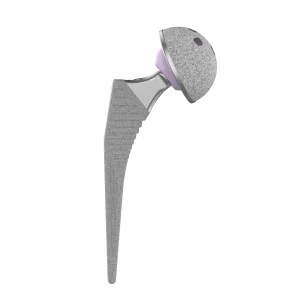
CANWELL Primary Femoral Titanium Stem
CANWELL Primary Femoral Titanium Stem Artificial Hip Ti HA Coated Prosthetics Joint Replacement Hip Replacement Class III
View Specifications
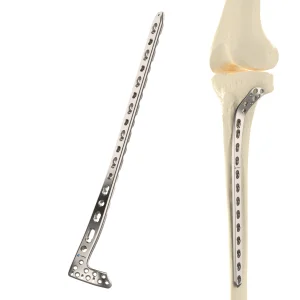
CANWELL Distal Tibial Locking Plate
CANWELL Distal Tibial Low Profile Locking Plate Titanium Metaphyseal Compression Fixation System Orthopedic Trauma CE ISO
View Specifications
CANWELL Multifunction Femoral Nail
CANWELL Retrograde Antegrade Multifunction Femoral Nail Titanium Intramedullary Nail Orthopedic Implants CE Certified AO
View Specifications
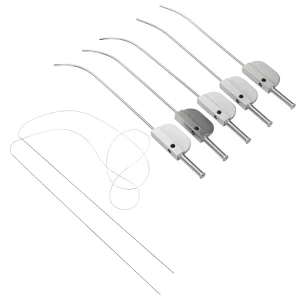
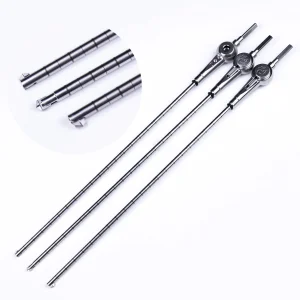
CANWELL Meniscus Repair Suture Needle
CANWELL Double Arm Meniscus Repair Suture Needle Meniscal Repair Surgery UHMWPE Arthroscopic Knee Insiden Out CE ISO
View Specifications
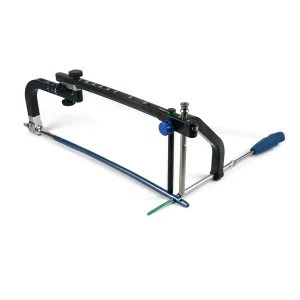
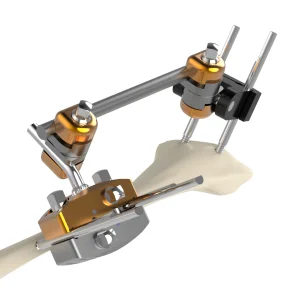
CANWELL External Palm Fixation Instrument Set
CANWELL External Palm Fixation Instrument Set Fit for Hoffmann External Fixator Ankle Compact External Fixator Orthoppedic CE
View Specifications

Executive Whitepaper: The Evolution and Modern Standards of Orthopedic Implants Manufacturing

In the contemporary global medical landscape, surgical solutions demand precision engineering, biomaterial integrity, and absolute sterility. The orthopedic device market is transitioning from simple structural stabilization toward active bio-integration and minimally invasive therapies. As a premier Chinese medical device manufacturer, we serve this high-stakes clinical sector with a production paradigm rooted in international standards. With over two decades of technical expertise, our processes focus on addressing the dual challenges of physiological load-bearing requirements and biological compatibility.

Surgical intervention for musculoskeletal injuries requires an understanding of osteogenesis, bone remodeling dynamics, and biomechanical stress distribution. Bone plates, intramedullary nails, and arthroscopic reconstructive devices are not merely hardware; they are critical functional interfaces. Their primary role is to secure fractured segments or soft tissue structures while facilitating physiological healing. Poor raw materials or geometric inaccuracies can lead to plate breakage, screw loosening, osteolysis, or chronic localized inflammatory responses. Consequently, our manufacturing protocols are systematically designed to align with strict mechanical engineering and clinical criteria.
22+
Years in Medical Industry
29,523
Sqm Factory Footprint
69
Dedicated QA/QC Inspectors
59
R&D Graduate Engineers

Biocompatibility & Advanced Metallurgy: Medical-Grade Alloys

The selection of raw materials is the cornerstone of our implant production. We utilize ultra-clean titanium alloys (specifically Ti-6Al-4V ELI / Extra Low Interstitial) and ultra-high-molecular-weight polyethylene (UHMWPE) for suture systems. The advantages of Ti-6Al-4V ELI over standard grade titanium include enhanced fracture toughness, higher fatigue strength, and superior resistance to environmental stress cracking inside the human body. This material forms a stable oxide layer (TiO₂) when exposed to oxygen, creating a bio-inert surface that resists corrosion from physiological fluids.
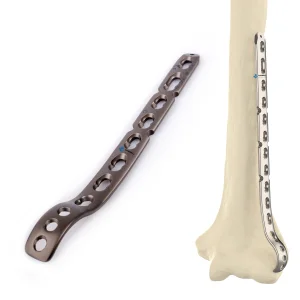
During the thermal and mechanical processing of these metals, maintaining structural integrity is critical. Microstructural homogeneity is achieved through precise heat treatments that control grain size distribution. Fine grain size improves both tensile and fatigue limits, ensuring that thin-profile bone plates, such as our Distal Tibial Low Profile Locking Plate, can withstand cyclical axial loading without plastic deformation. Additionally, we implement advanced electrochemical anodization processes to passivate surface finishes, reduce metal ion release, and support optimized osteoblast adhesion.

Verified Corporate Profile & Production Capabilities

Rigorous transparency and verified data underpinning our position as a leading global orthopedic manufacturer.

Infrastructure & History

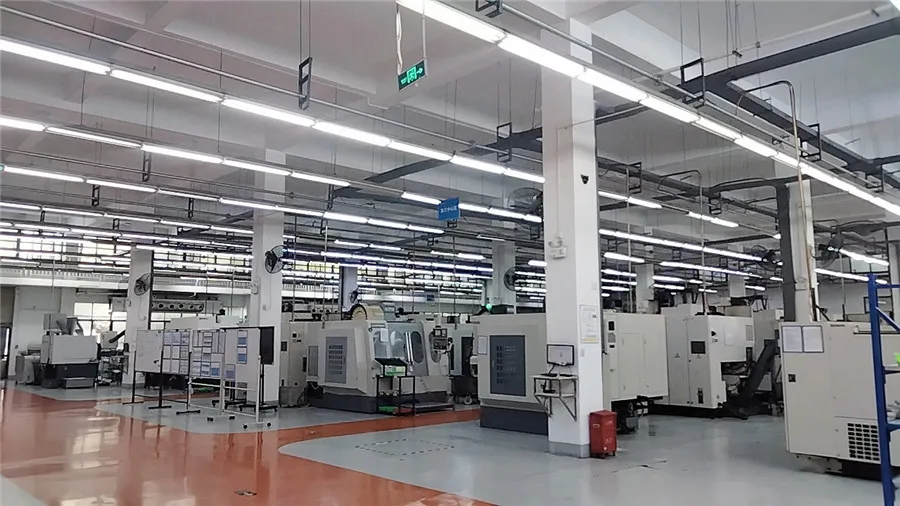
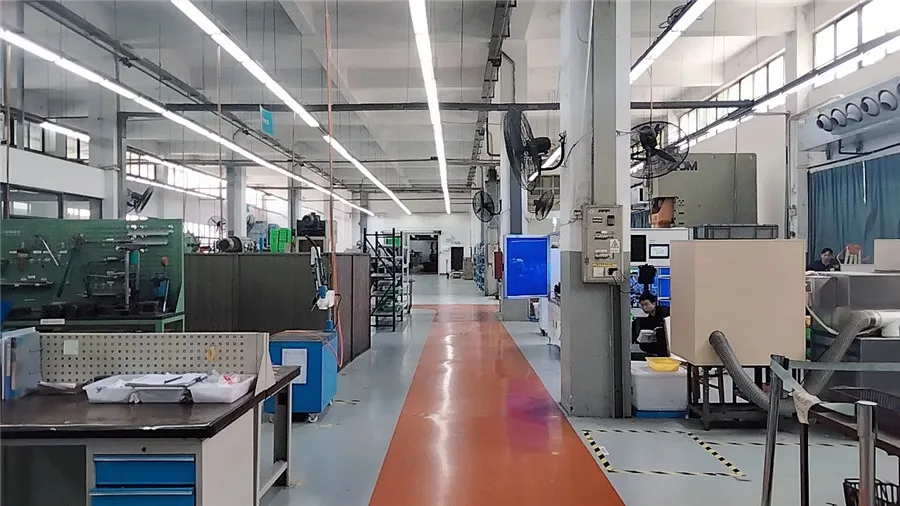
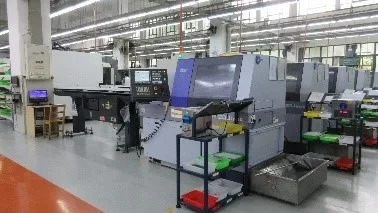
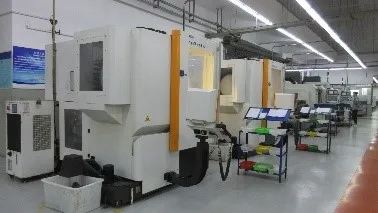
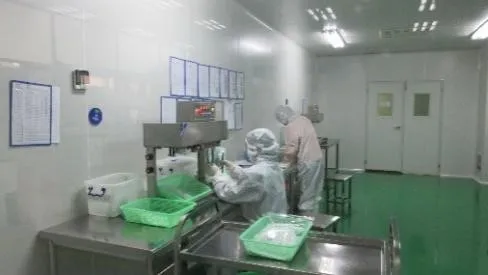
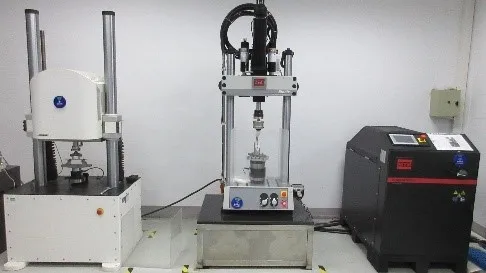
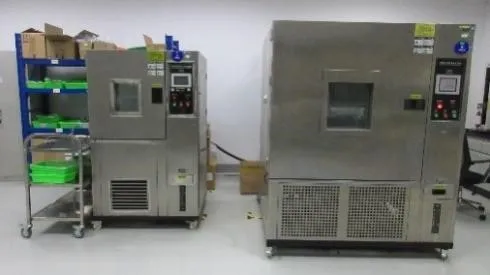
Established on November 3, 2004, we operate a specialized facility encompassing 29,523 square meters. Over our 22-year industrial history, we have developed integrated systems for raw material milling, high-precision multi-axis CNC machining, class-10,000 cleanroom packaging, and in-house mechanical testing labs.

Global Certifications

Our regulatory foundation is built on international medical standards. We maintain comprehensive certifications including ISO 13485, 93/42/EEC, and the European Union’s Medical Device Regulation (MDR), facilitating seamless market entry and procurement for clinical applications globally.

Quality Control System

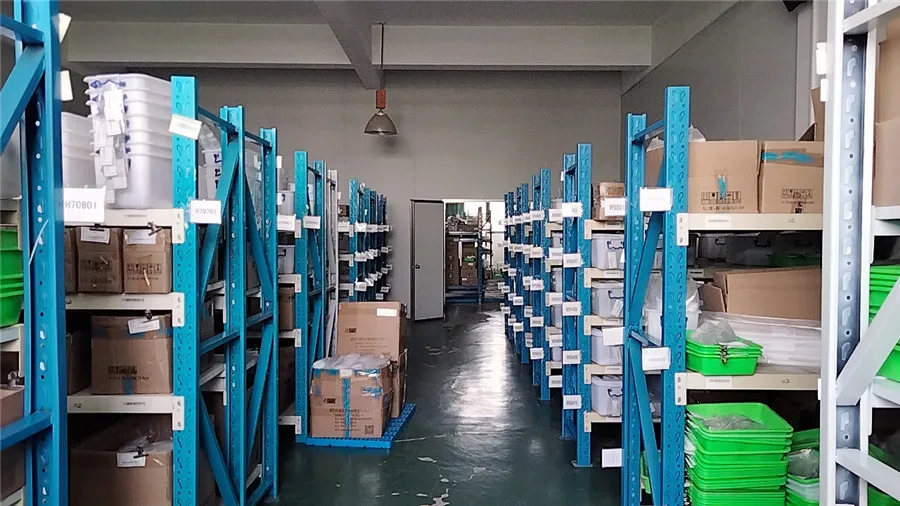
A team of 69 dedicated QA/QC inspectors oversees every phase of production. We enforce 100% inspection for critical implant batches alongside random mechanical fatigue tests. Raw material traceability is fully documented, from raw bar stock to finished clinical implants.

Inspection Phase Test Parameters Methodology / Equipment Compliance Target
Raw Materials Incoming Chemical composition analysis, microstructural grain checking, inclusion content. Optical Emission Spectrometry (OES), Metallographic Microscopes. ASTM F136 / ISO 5832-3 compliance
CNC Machining & Geometry Dimensional tolerance verification, thread pitch, locking mechanism interface. Coordinate Measuring Machines (CMM), Optical Comparators. Tolerance within ± 5 microns
Surface Conditioning Roughness measurements, passivation thickness, anodization integrity. Profilometers, Electrochemical potential measurements. Ra ≤ 0.4 μm (articulating surfaces)
Final Cleaning & Packaging Endotoxin testing, bioburden limits, sterile barrier validation. LAL Gel Clot Test, ISO Class 7 Cleanroom environment processing. Bioburden < 10 CFU/unit; Sterile SAL 10⁻⁶

Global Market Dynamics & Technical Innovation Trends

The global orthopedic implant sector is evolving rapidly. Procurement teams at healthcare networks and distributors are increasingly focusing on the total cost of care. This transition has changed how orthopedic implants are evaluated. Purchasers look beyond individual component costs to assess the entire product life cycle—including surgical failure rates, ease of implantation, and the design quality of corresponding surgical instruments. In mature markets like Western Europe and North America, regulatory pathways (such as MDR and FDA 510(k)) are primary procurement gates. Meanwhile, fast-developing health networks in South America and Asia prioritize robust supply lines, cost-performance efficiency, and reliable OEM/ODM support.

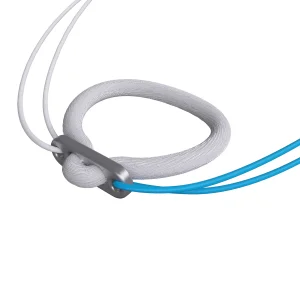
Technological advancement is driving changes in design. The shift toward minimally invasive surgery (MIS) has elevated the role of arthroscopic techniques, particularly in sports medicine. In ligament reconstructions, such as ACL repair, traditional metallic interference screws are being replaced by suspension fixation methods like the ACL Endobutton with Adjustable Loop. Suspension systems help minimize bone tunnels, limit post-operative graft micro-motion, and prevent wind-shield wiper degradation effects. Our R&D team continuously refines loop elasticity and loop tension parameters to support stable primary fixation and promote early mobilization.

Trauma Fixation and Structural Alignment

For complex fractures, locking compression plate systems remain the clinical standard. Traditional non-locking plates rely on friction at the bone-plate interface, which can disrupt periosteal perfusion. In contrast, locking systems function as internal fixators. Locking screws thread directly into the plate, preserving cortical blood supply and enhancing biological healing. This is particularly beneficial for osteoporotic bone structures. Our *Distal Tibial Metaphyseal Compression Fixation System* and *Proximal Lateral Tibial Locking Plate* utilize low-profile geometries with contoured transitions to minimize soft-tissue irritation while providing reliable structural support.

Procurement Needs by Region

We optimize our export configurations to meet regional standards. Currently, South America represents 30% of our volume, Southeast Asia 20%, and Western Europe 20%. This diversified portfolio ensures our operations comply with varying regional regulations, including ANVISA, HSA, and CE MDR.

OEM & ODM Engineering

Our engineering services accommodate multiple tiers of product adjustment: light customization, sample processing, and customized on-demand manufacturing. The R&D division utilizes CAD/CAM integrations to refine implant prototypes through finite element analysis (FEA).

Clinical Interface Systems

An implant is only as effective as the instruments used to place it. We design and manufacture corresponding surgical kits, drill guides, and insertion instruments alongside our implants. Ensuring precise alignment between screws, plates, and guide systems helps reduce operation times and minimize intraoperative complications.

Technical Roadmap and Global Regulatory Frameworks

The transition from the Medical Device Directive (MDD 93/42/EEC) to the Medical Device Regulation (MDR 2017/745) in Europe has introduced stricter oversight across the industry. Our organization has updated its documentation systems, biological evaluations, and post-market clinical follow-up (PMCF) practices to align with these requirements. The MDR standard demands rigorous evidence of clinical benefit, traceability through unique device identification (UDI), and extensive biocompatibility evaluations. Our internal databases track the processing history of every surgical batch, providing verified transparency from raw titanium bar stock through to autoclave-compatible surgical packaging.

Our long-term engineering roadmap focuses on surface modifications and bio-absorbable materials. While titanium implants provide reliable structural stabilization, modern bone-integrating systems are exploring active surface finishes. Our research team is investigating hydroxyapatite (HA) plasma-sprayed coatings for cementless joint prosthetics, such as our *Primary Femoral Titanium Stem*. The HA layer serves as an osteoconductive matrix, encouraging natural bone growth onto the implant to improve long-term fixation stability and reduce the likelihood of aseptic loosening.

Phase 1: Precision Subtractive Machining

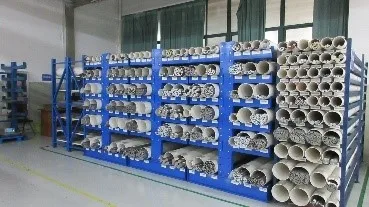
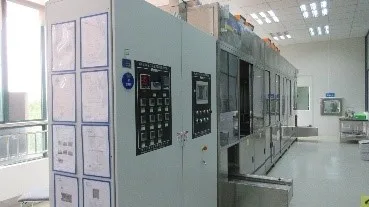
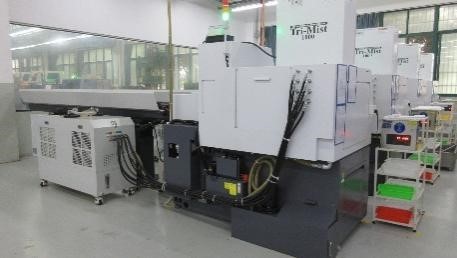
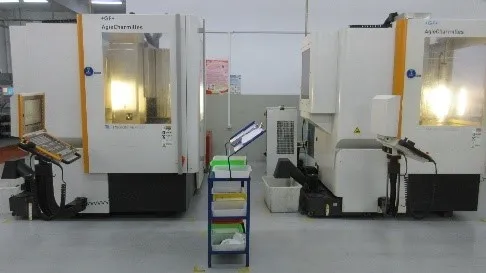
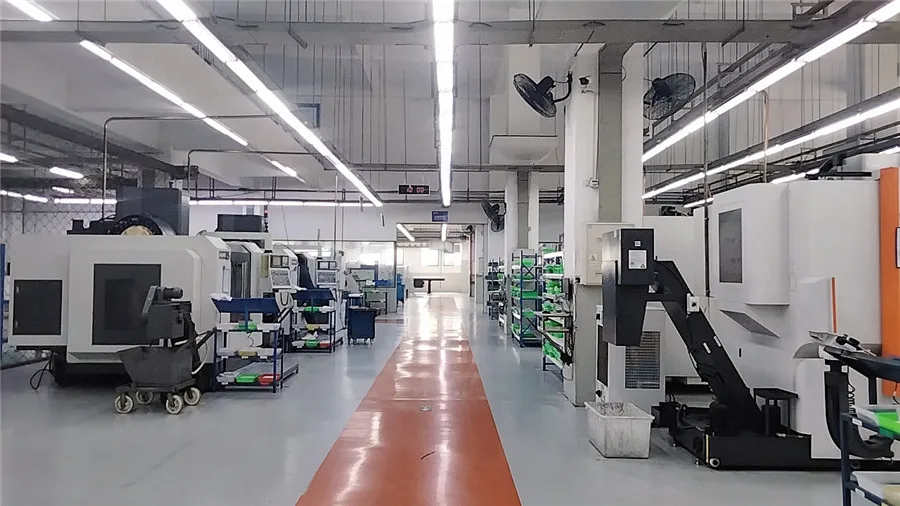
We use Japanese multi-axis CNC machines and Swiss longitudinal lathes to machine raw medical-grade titanium bars. Strict dimensional control prevents thread pitch variance and mechanical mismatch between locking plate threads and screw head interfaces.

Phase 2: Passivation & Chemical Cleaning

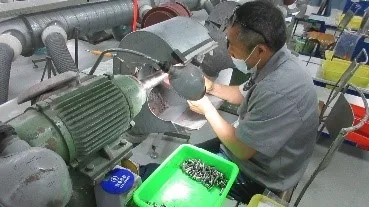
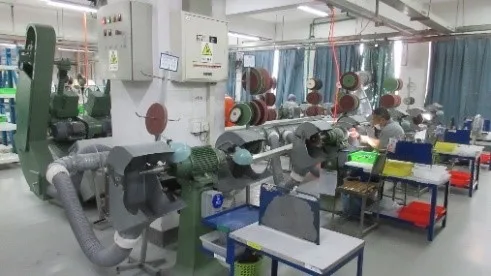
Implant surfaces undergo chemical pickling, mechanical deburring, and passivation to remove metallic residues and particulate matter. The process generates a consistent passivating titanium oxide film that improves biocompatibility and corrosion resistance.

Phase 3: Class 10,000 Cleanroom Packaging

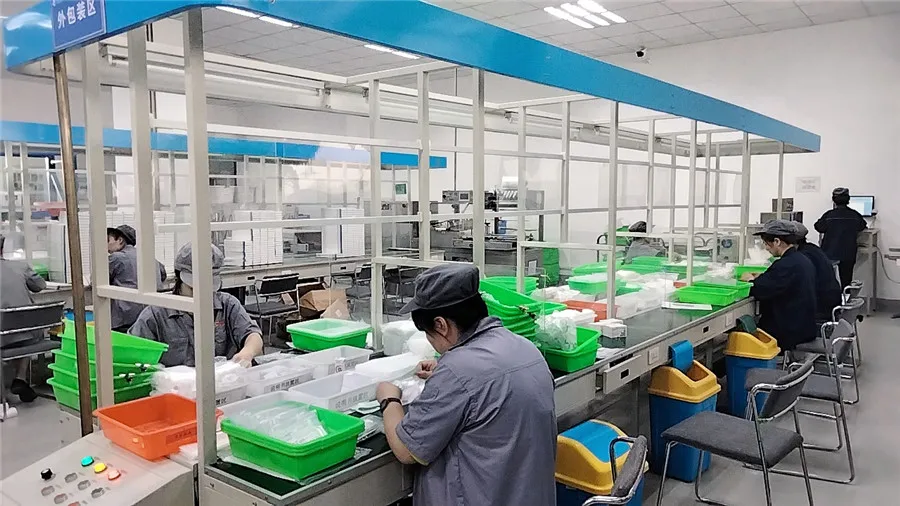
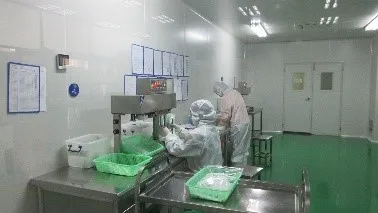
Cleaned implants are transferred directly to our Class 10,000 cleanroom (ISO Class 7 equivalent) for final inspection, sterile barrier packaging, and labeling. This environment keeps particulate levels low, reducing biological risk factors prior to sterilization.

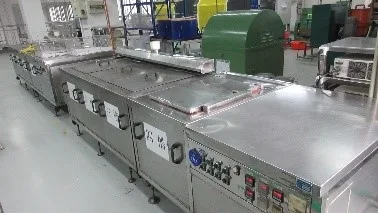
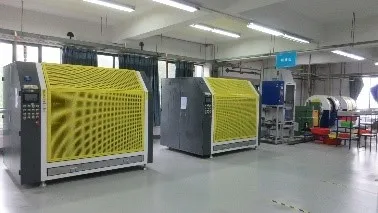
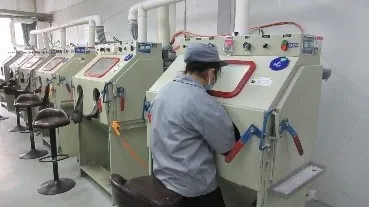
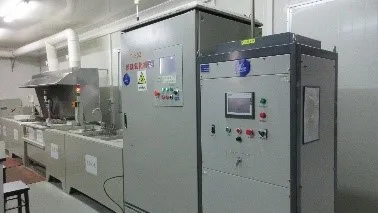
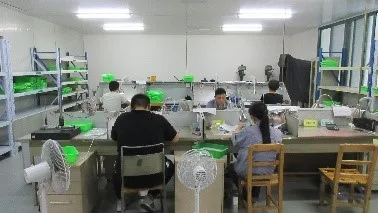
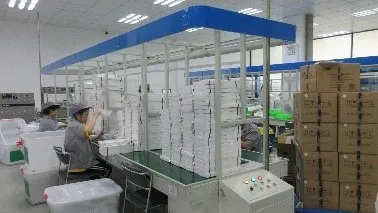
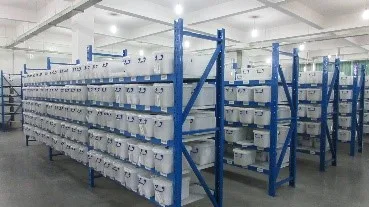
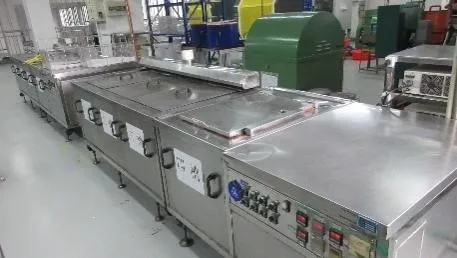
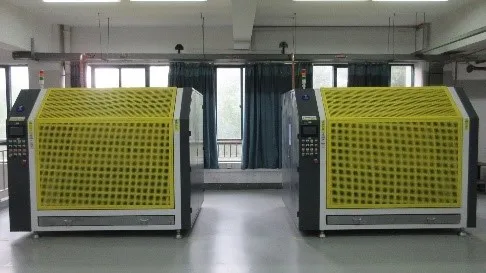
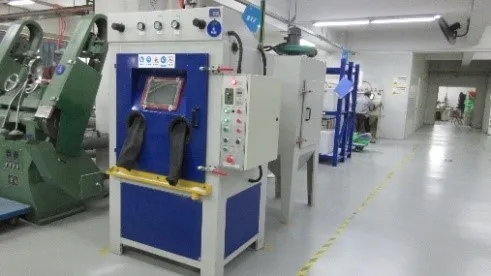
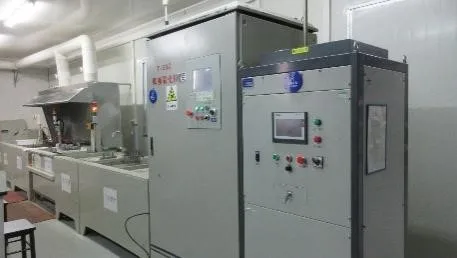
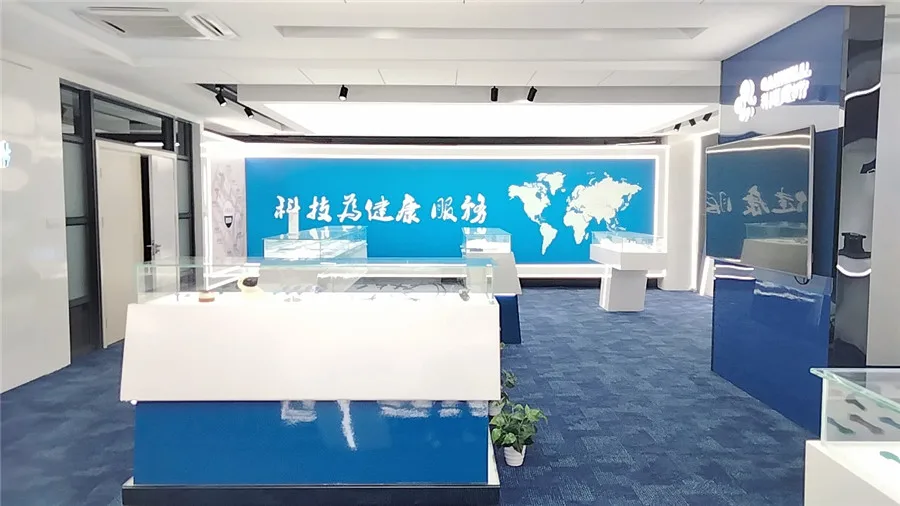
Manufacturing Facilities & Quality Inspection Gallery

Visual documentation showcasing our production environment, precision machining systems, and quality control laboratories.

Expert Q&A & Sourcing Inquiries

Technical and regulatory answers curated for medical procurement directors and orthopedic importers.

What parameters define the mechanical performance and safety of locking plates?
The safety profile of locking compression plates depends on structural fatigue strength, anatomical fit, and connection integrity. By using titanium alloys like Ti-6Al-4V ELI (ASTM F136), we target a yield strength of 860 MPa and elongation of 10%. We run dynamic fatigue tests simulating millions of load cycles to verify that our low-profile configurations, such as the *Distal Tibial Low Profile Locking Plate*, do not suffer mechanical failure under physiological loads.
How does the facility maintain MDR compliance for European exports?
Our European Medical Device Regulation (MDR) compliance is managed through a comprehensive Quality Management System (QMS) aligned with EN ISO 13485. This covers raw material traceability, manufacturing monitoring, and post-market clinical follow-up (PMCF) to track clinical outcomes. We maintain technical documentation that evaluates the biological and mechanical profile of each device class, ensuring our exports to Western Europe meet current regulatory requirements.
What customization options (OEM/ODM) are available for international buyers?
We provide multiple tiers of OEM and ODM support, including light modifications of standard orthopedic designs, sample processing, and custom development of implant geometries and matching instrument kits. Our R&D division works with customer-provided specifications, using CAD/CAM software and CNC milling to fabricate prototypes that undergo biomechanical validation prior to production.
How are sterile barrier systems and packaging verified?
Our implants are packaged inside an ISO Class 7 (Class 10,000) cleanroom. We use medical-grade Tyvek pouches that are sealed using calibrated machinery. The sterile barrier packaging undergoes dye penetration testing (ASTM F1929) and peel strength verification (ASTM F88) to confirm seal integrity. This ensures that the implants remain sterile throughout transport and storage until they are opened in the surgical theater.

Specialized Surgical Instrumentation & Extremities Systems

Explore our specialized range of external fixators, anchors, and anatomical trauma plate systems.

CANWELL Cortical Button Endobutton Adjustable Loop
CANWELL Cortical Button Endobutton Adjustable Loop Titanium Button Plate Suture Button ACL Reconstruction Implant CE ISO
View Specifications
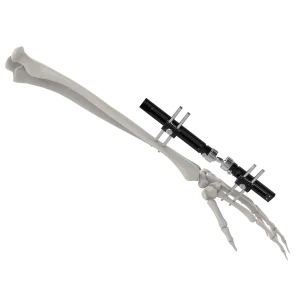
CANWELL Wrist External Fixator
CANWELL Wrist External Fixator Small Bones Fracture Fixation Mini External Fixator Orthopedic Implant Phalanges and Metacarpals
View Specifications
CANWELL Flip Cutter
CANWELL Flip Cutter All Inside ACL/PCL Reconstruction Drill Guide Orthopedic Surgical Instrument Set Sports Medicine
View Specifications
CANWELL All-suture Anchor
CANWELL All-suture Anchor Full Suture Anchor with 4 Needles Arthroscopic Surgery Orthopedic Implant Rotator Cuff Repair
View Specifications
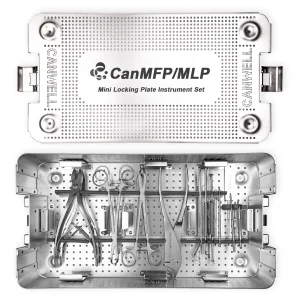
CANWELL Titanium Mini Locking Plate System
CANWELL Titanium Mini Locking Plate System Orthopedic Trauma Implant for Hand Foot Bone Fracture Fixation Surgery
View Specifications
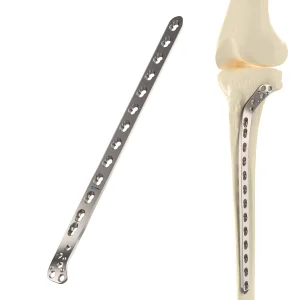
CANWELL Proximal Lateral Tibial Locking Plate
CANWELL Proximal Lateral Tibial Locking Plate Orthopedic Trauma Implant Hospital Bone Plate 5.0mm Screw Orthopedic Manufacturer
View Specifications
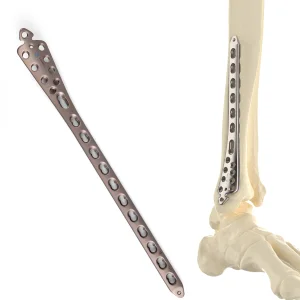
CANWELL Distal Medial Tibial Locking Plate
CANWELL Distal Medial Tibial Locking Plate 3.5mm Compression Bone Orthopedic Implants Trauma Fracture Surgery CE OEM Titanium
View Specifications
Canwell Distal Humeral Titanium Locking Plate
Canwell Distal Humeral Middle Metaphyseal Titanium Locking Plate Orthopedic Implants Trauma Fracture Surgery CE ISO
View Specifications