Explore our certified orthopedic solutions, engineered with advanced microstructures and certified to global quality standards.
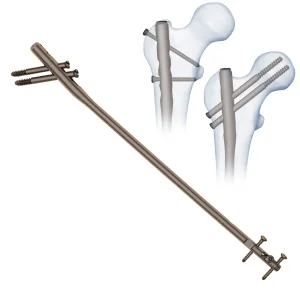
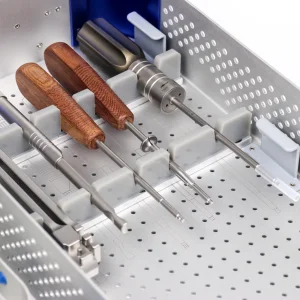
Analyzing how structural dynamics, material advancements, and surface engineering drive successful osteointegration.
Modern lumbar cages must balance compressive load bearing with the elastic modulus of natural bone. Traditional rigid solid titanium implants often caused stress shielding, leading to bone resorption and subsequent implant subsidence. The paradigm has shifted toward specialized biomimetic designs, such as high-molecular-weight PEEK and porous 3D-printed titanium, optimizing load sharing according to Wolff’s Law.
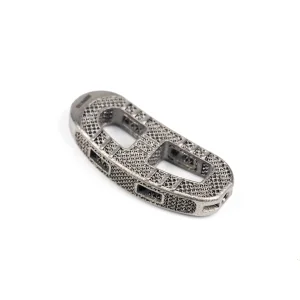
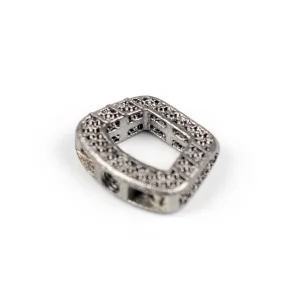
Accelerating spinal fusion relies heavily on the scaffold design. Leading Chinese manufacturers leverage additive manufacturing to construct interconnected lattice pore structures ranging between 300μm and 800μm. This specific pore range allows optimal vascularization and osteoblast migration, establishing an uninterrupted osteoconductive pathway through the lumbar cage body.
Surgical access channels mandate specific implant geometries. Transforaminal (TLIF), Posterior (PLIF), Anterior (ALIF), and Lateral (LLIF) approaches utilize dedicated footprints. Modern manufacturers optimize insertional profiles, bulleted noses, and anatomical lordotic angles (ranging from 0° to 15°) to match patients' native sagittal alignment, restoring disc height efficiently.
How state-of-the-art manufacturing clusters and material access drive cost-effective, high-quality production.
Chinese manufacturers maintain direct supply channels for high-grade raw materials, specifically medical-grade titanium alloys (Ti-6Al-4V ELI conforming to ASTM F136) and premium biocompatible polymers (PEEK-OPTIMA from Invibio). Each batch undergoes full chemical and mechanical characterization, with comprehensive documentation detailing heat numbers and mill test reports to guarantee regulatory compliance.
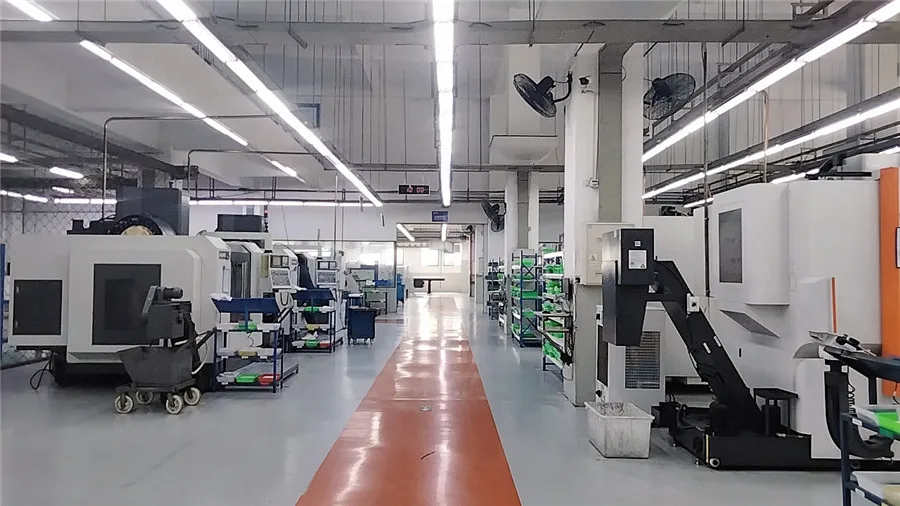
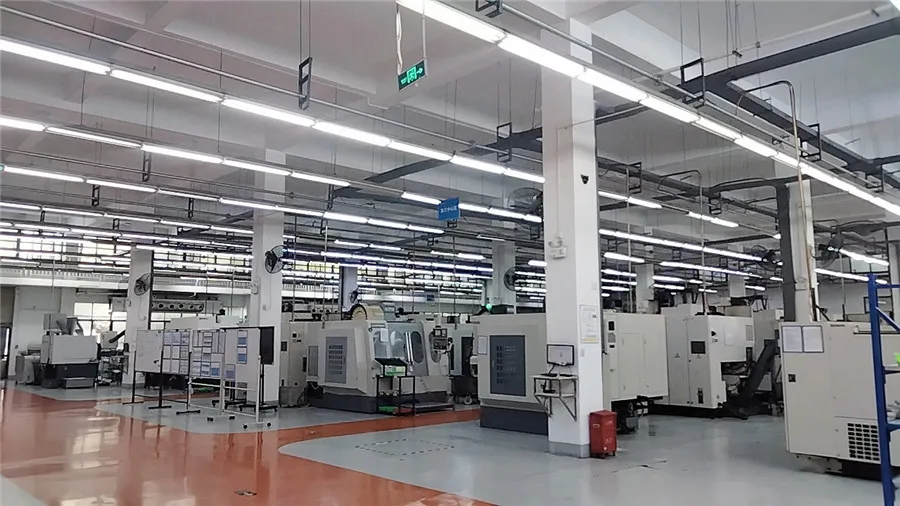
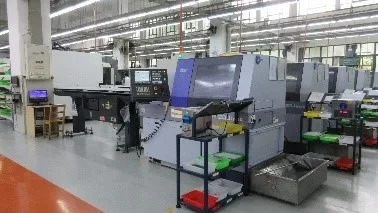
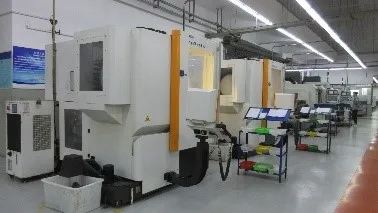
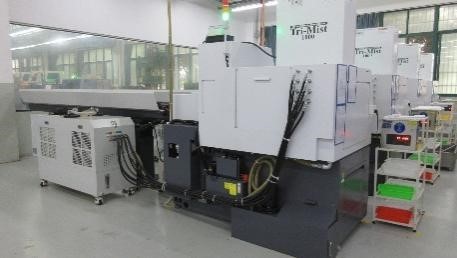
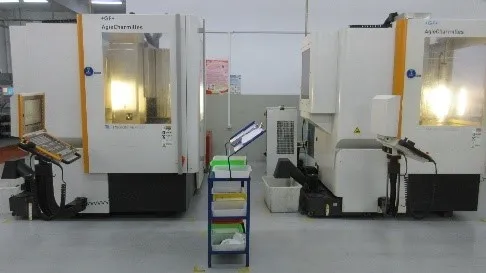
By blending traditional 5-axis Swiss-type CNC machining centers with modern Direct Metal Laser Sintering (DMLS) 3D-printing systems, Chinese plants achieve massive throughput and precision. Complex surface structures, teeth alignments, and internal graft cavities are fabricated consistently, providing OEM/ODM buyers with rapid turnaround times and flexible order volumes.
The concentration of raw material processors, specialized toolmakers, and sterilizers in Eastern China (specifically Jiangsu and Zhejiang regions) reduces logistics overhead. This geographic clustering enables factories to deliver spine implants that match or exceed Western performance benchmarks, at a fraction of their manufacturing cost, maintaining high competitiveness in global tenders.
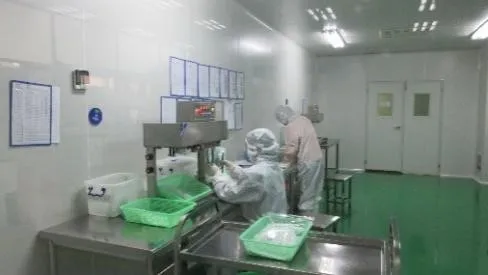
With more than two decades of dedicated orthopedic manufacturing expertise, our facilities align with global standards. We provide transparent documentation, rigorous material testing, and advanced cleanroom conditions to ensure safe surgical applications.
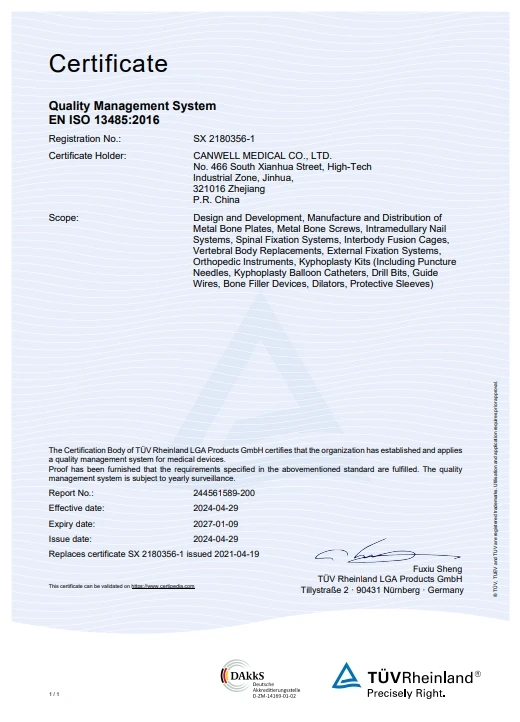
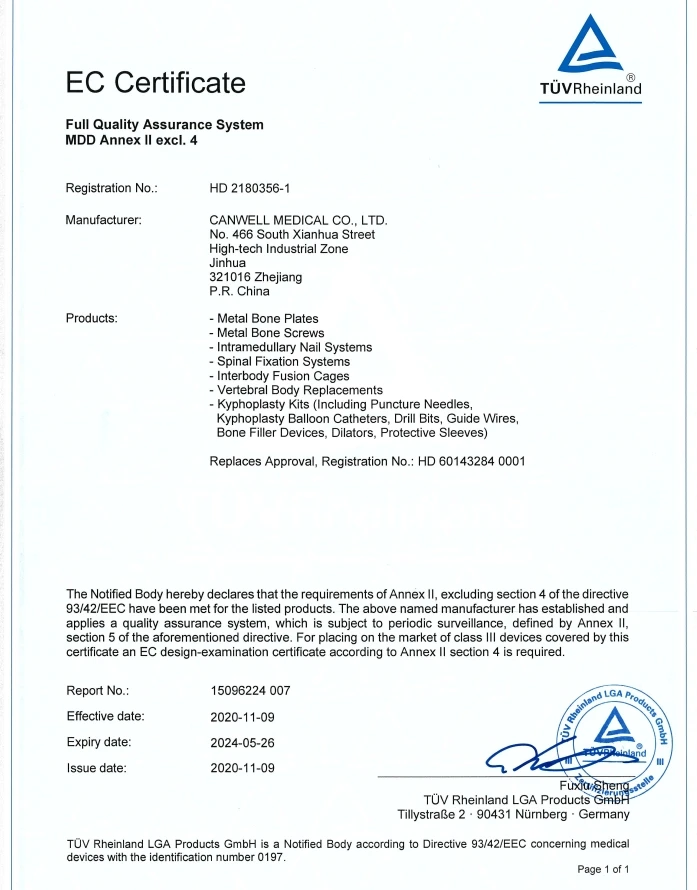
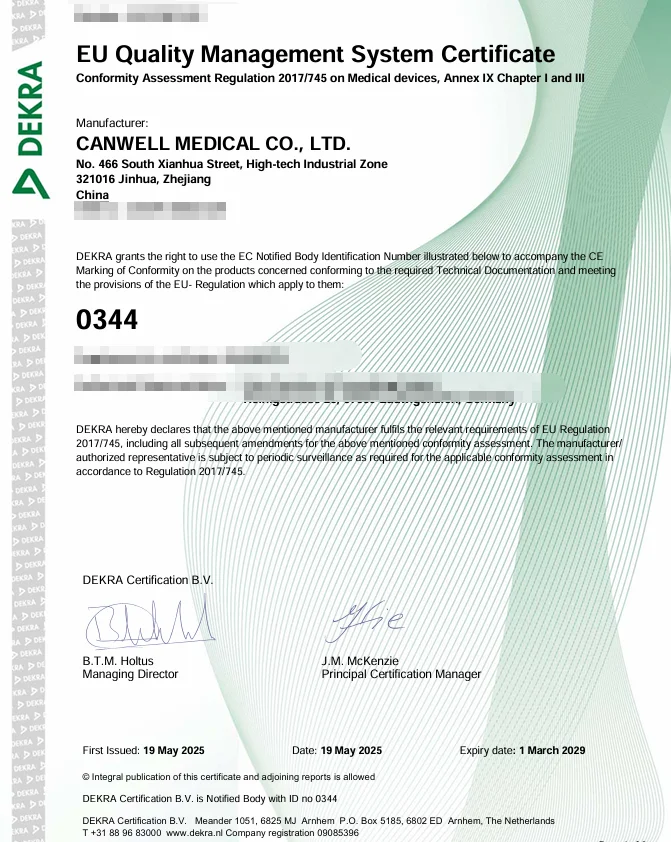
Navigating MDR transitions, local registrations, and high-standard quality verification protocols.
Global regulatory shifts demand stricter compliance. Leading Chinese manufacturers have actively transitioned to the new EU MDR framework, upgrading technical documentation, post-market surveillance systems, and clinical evaluation protocols. Working with accredited Notified Bodies ensures seamless certification transitions for import partners.
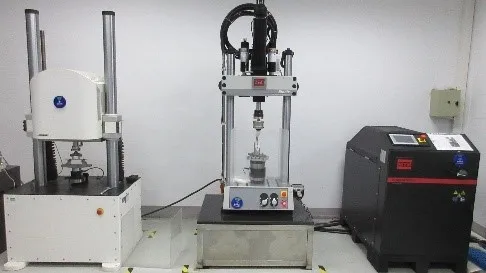
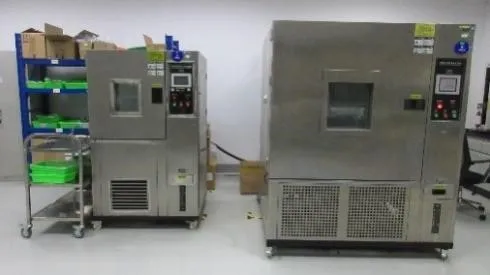
Product safety is verified through mechanical testing under ASTM standards. This includes static and dynamic compression testing (ASTM F2077) and subsidence characterization (ASTM F2267). A dedicated QC team of over 69 professionals coordinates raw material analysis, in-process CMM inspection, and final cleanroom particle validation.
We provide full documentation dossiers (including DMF, biocompatibility reports according to ISO 10993, and cleaning/sterilization validations) to support distributors in registering products with local health ministries, such as ANVISA, COFEPRIS, and the FDA.
An outlook on patient-specific adjustments, advanced surface treatings, and smart spinal interbody fusion devices.
The industry is transitioning away from solid PEEK towards 3D-printed porous titanium. These porous micro-lattices resemble trabecular bone structure, reducing stiffness while increasing contact surface area to achieve faster bone ingrowth and long-term mechanical stability.
Bioactive surface coatings, such as Hydroxyapatite (HA) or nano-structured titanium dioxide layers on PEEK substrates, are growing in demand. These coatings alter hydrophobic polymer surfaces to become hydrophilic, encouraging protein absorption and cellular attachment.
With advances in preoperative imaging and planning software, lumbar cages can be tailored to a patient's specific spinal curvature. Custom lordotic angles, footprints, and heights help restore complex sagittal balance, especially in deformity correction surgeries.
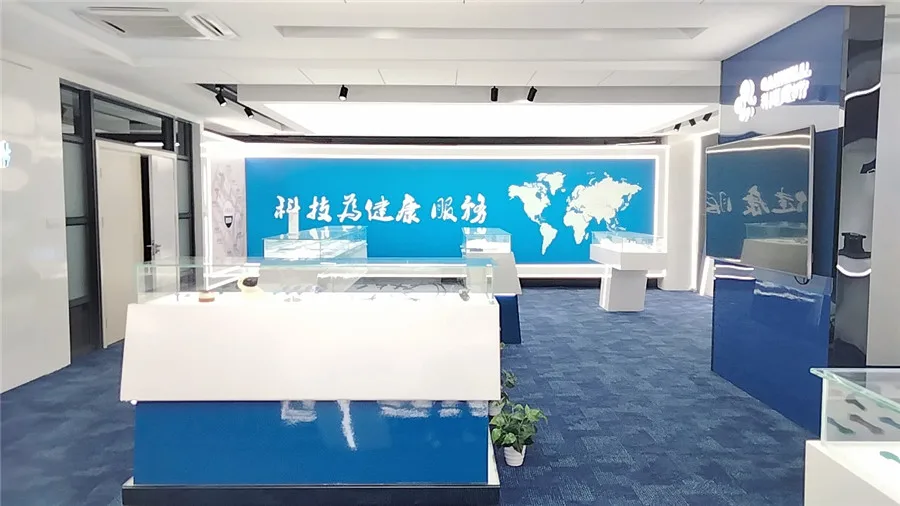
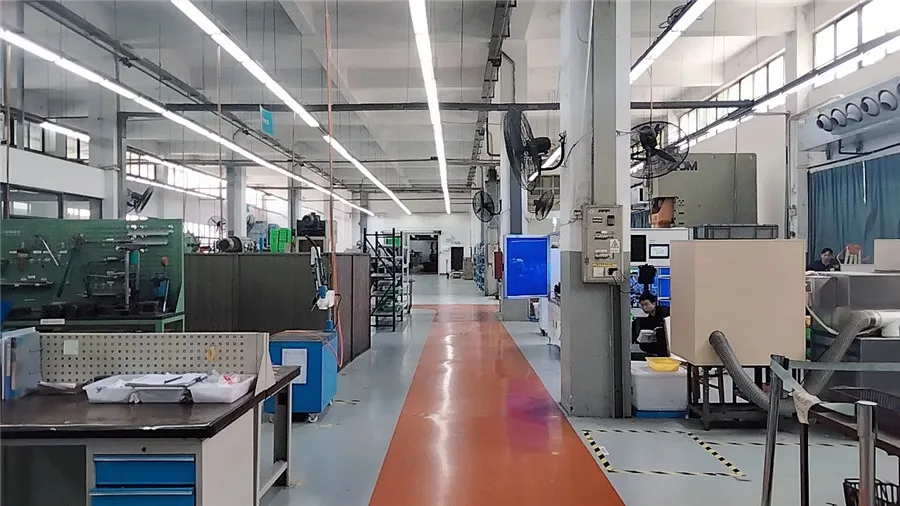
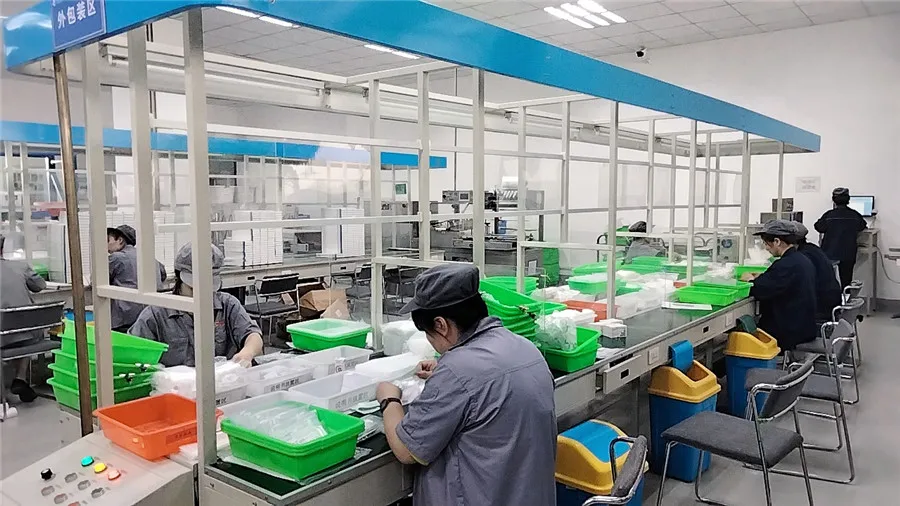
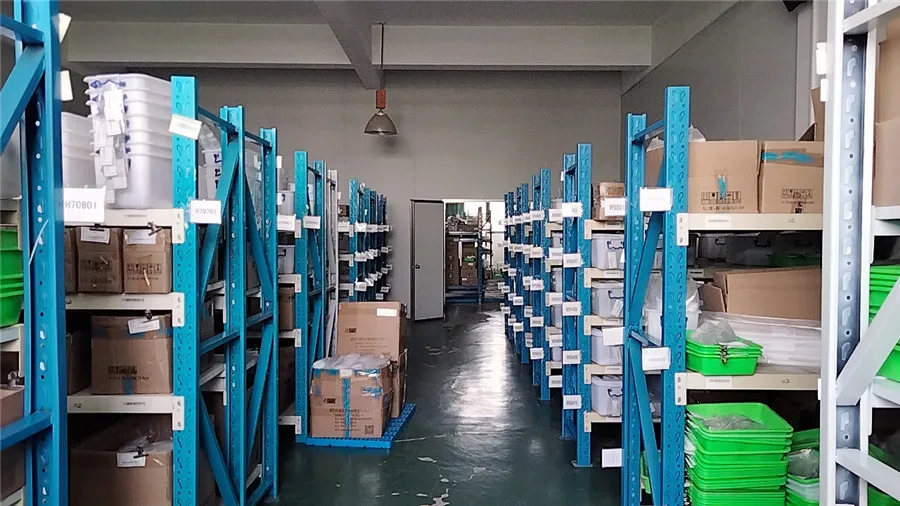
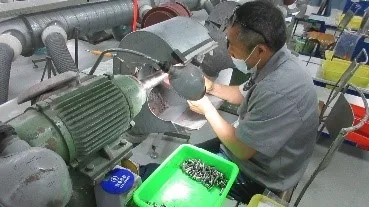
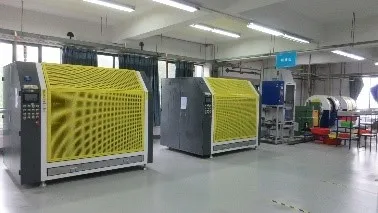
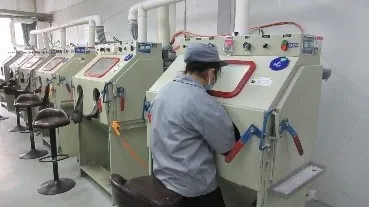
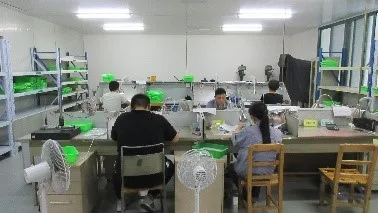
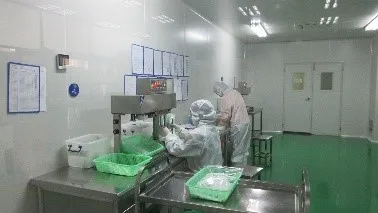
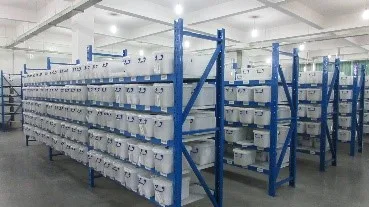
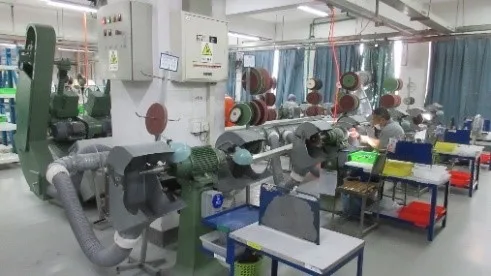
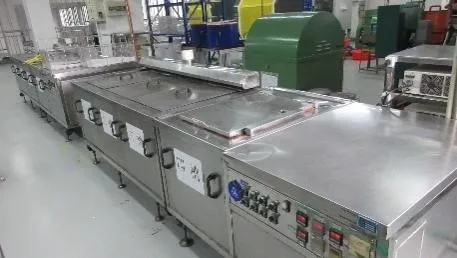
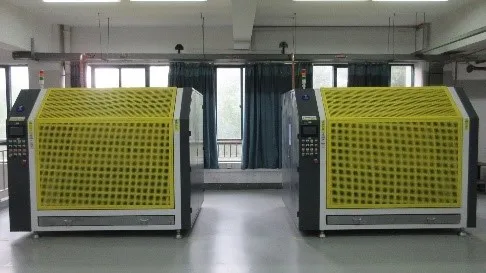
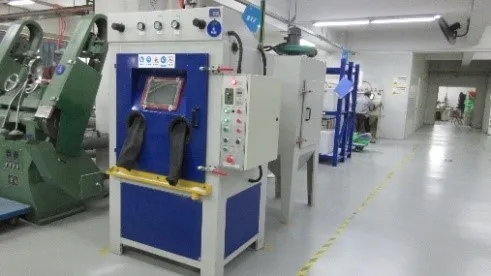
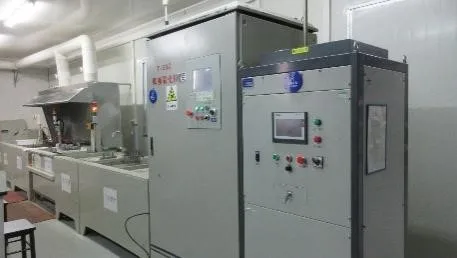
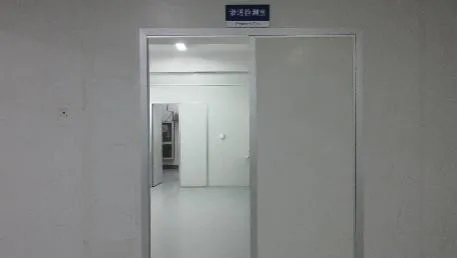
A inside look into our 29,523㎡ production plant, equipped with ISO Class 7 cleanrooms and testing laboratories.





Answering common questions from orthopedic procurement managers and medical device distributors.
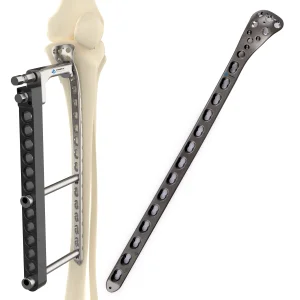
Complete surgical systems, fixation structures, and reconstruction solutions for hospitals worldwide.
 Harney-Well