Precision-engineered medical hardware optimized for structural reinforcement and advanced trauma interventions.
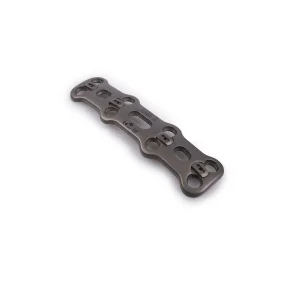
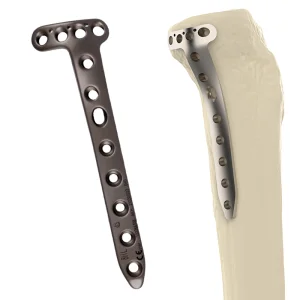

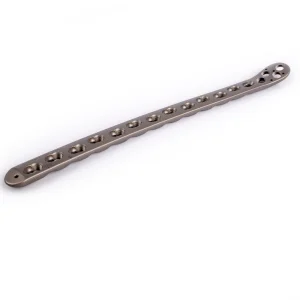
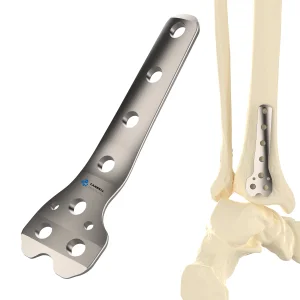
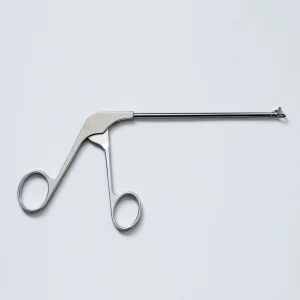

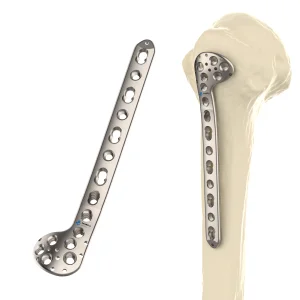
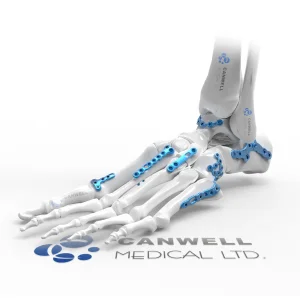
Thermal ablation systems have transformed interventional medicine, introducing highly controlled, localized energy to devitalize target tissue in oncology, cardiology, and orthopedics. By deploying technologies like Radiofrequency Ablation (RFA), Microwave Ablation (MWA), and cryoablation, surgical interventions achieve rapid coagulation necrosis with minimal damage to adjacent structures. In modern spine and sports medicine treatments, thermal energy is frequently paired with mechanical fixation implants—such as anterior cervical plates, tibial locking plates, and custom suture anchors—to deliver comprehensive, minimally invasive anatomical restoration.
As clinical priorities pivot toward lowering patient morbidity, outpatient viability, and reducing hospitalization times, energy-based therapies have become a core pillar of operating suites. The integration of high-performance physical implants with dynamic thermo-therapeutic energy systems provides a dual benefit: mechanical stabilization of bone tissue and precise ablation of benign osteoid lesions or inflamed soft tissue.
Continuous or pulsed currents induce ionic agitation, transforming cellular structures via targeted hyperthermia.
Electromagnetic fields target dipole water molecules, generating large active coagulation zones swiftly.
Ultra-low temperatures create controlled crystal zones to relieve compression and pain prior to vertebral locking plate positioning.
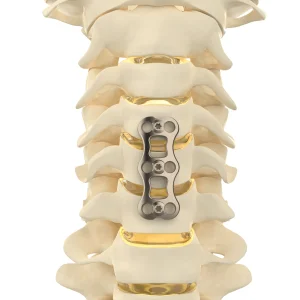
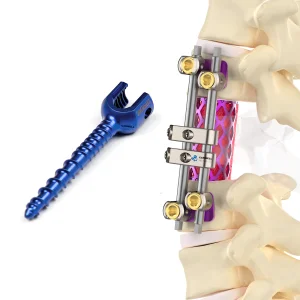
For patients suffering from osteolytic spine tumors or chronic degenerative arthrosis, the therapeutic pathway often combines two phases: tissue reduction via thermal energy and mechanical stabilization. For example, during spinal interventions, a surgeon may implement localized microwave or radiofrequency ablation to degrade a pathological mass, followed immediately by structural bracing with a *Titanium Anterior Cervical Bone Plate System* or a *3D Printed Porous Spinal Fusion Cage*.
This dynamic combined approach ensures:
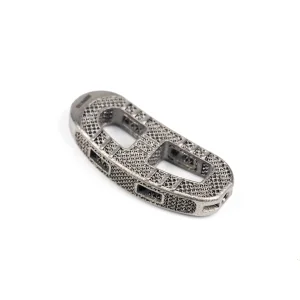
To meet demanding clinical standards, modern manufacturers must design devices according to rigorous, high-precision protocols. The roadmap for thermal systems focuses on AI-driven energy delivery, where sensors adjust power levels in real-time based on local tissue impedance. Meanwhile, implant design relies on advanced structural engineering, such as *3D printing porous titanium TLIF/PLIF cages* that mimic natural trabecular bone patterns.
These advanced platforms address several crucial applications:
Our medical devices and industrial processes adhere to the highest regulatory baselines. We focus on transparency, empirical certification, and traceability.
Over two decades of excellence in orthopedics, spinal systems, and advanced medical equipment manufacturing.
Our medical devices are evaluated and certified under strict international regulatory frameworks, ensuring clinical reliability and patient safety.
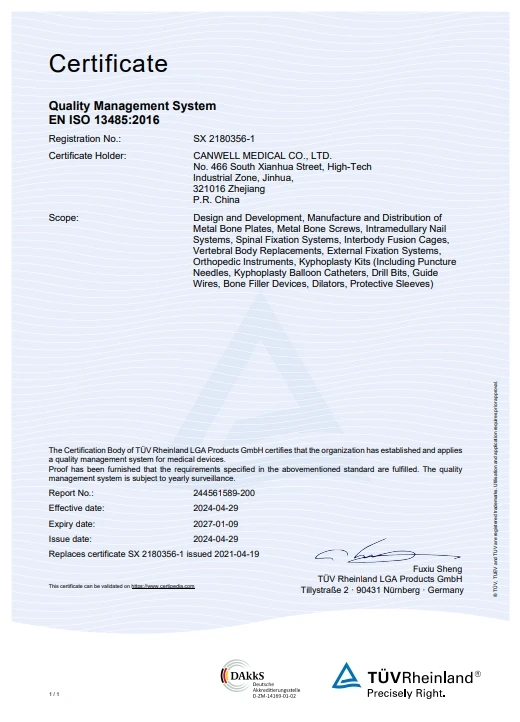
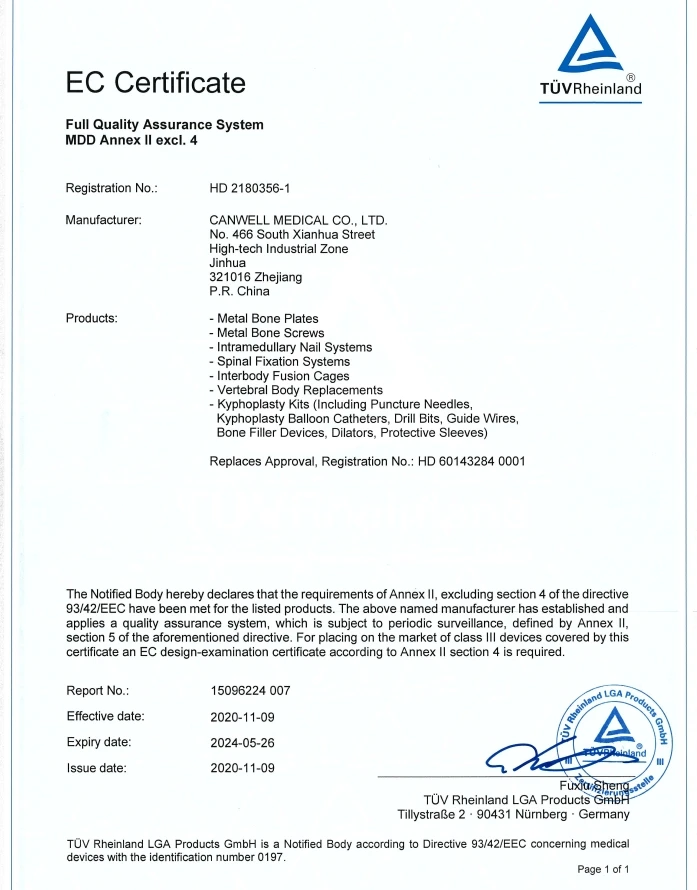


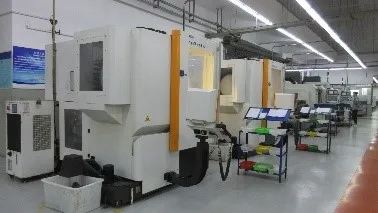
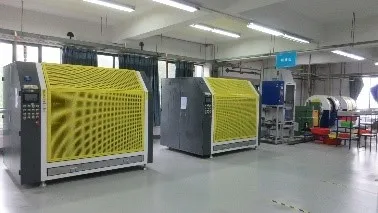
Every stage of production—from design to packaging—takes place inside our ISO Class 7 cleanrooms using high-precision CNC machinery.
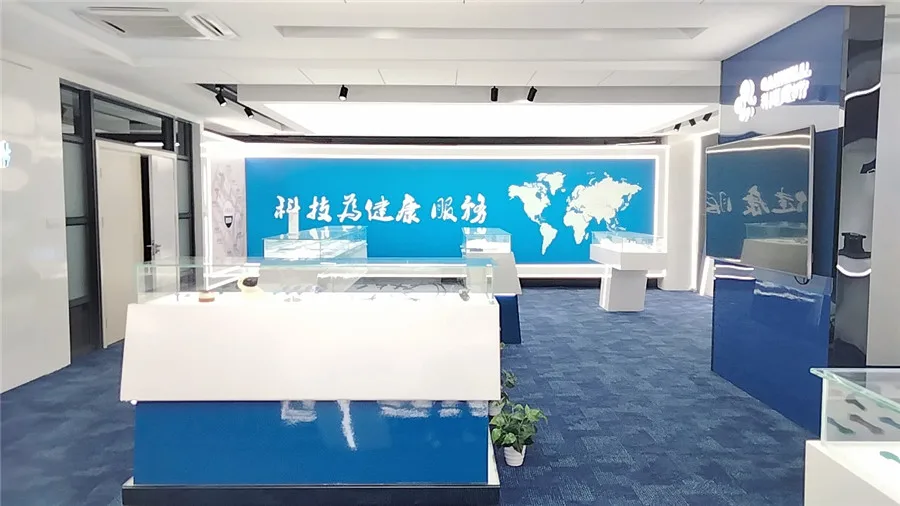
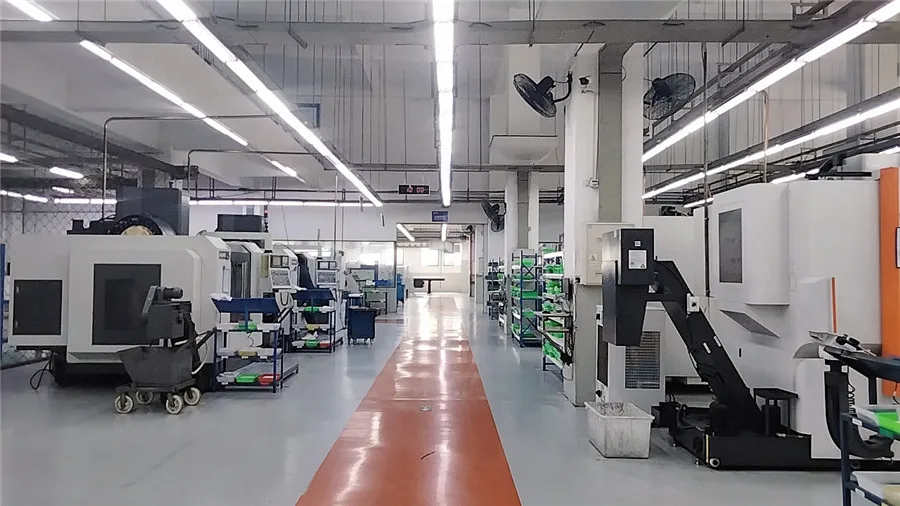
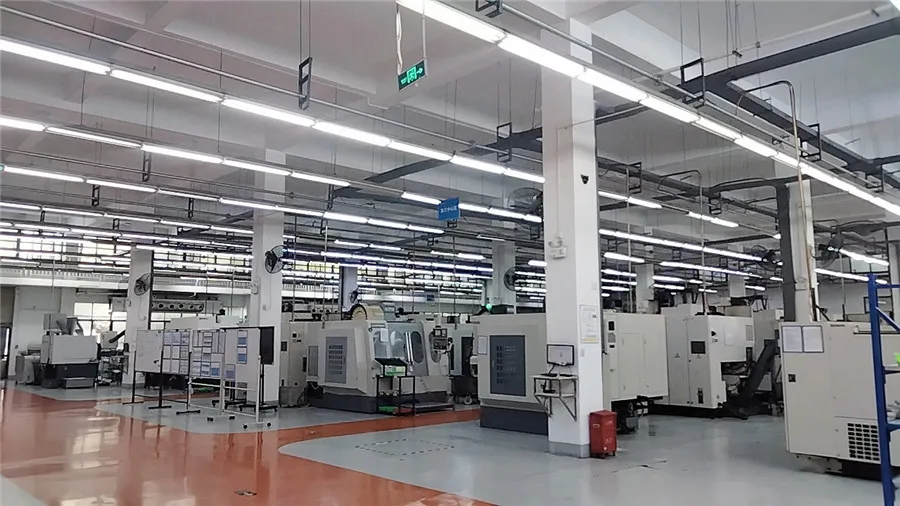
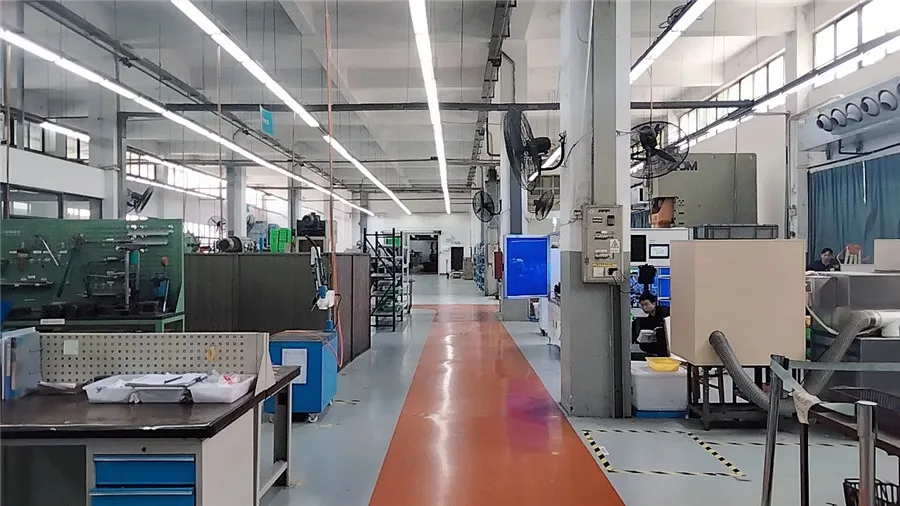
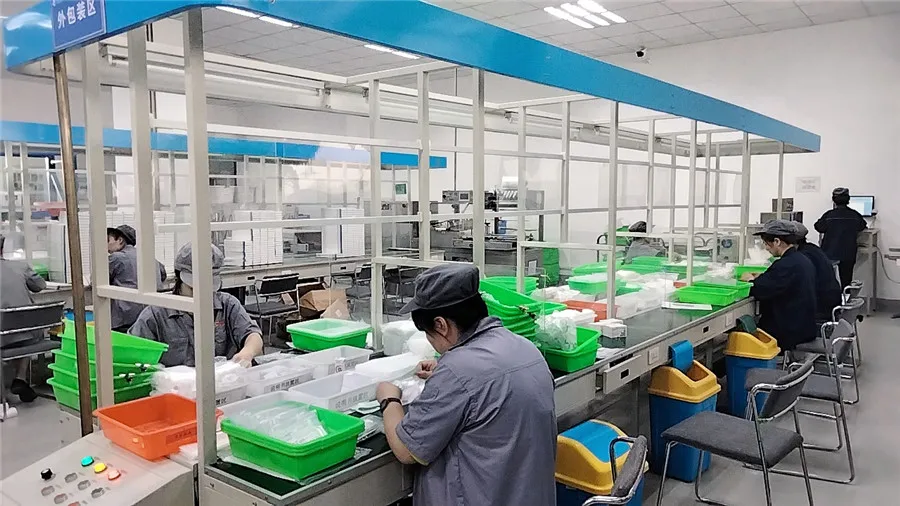

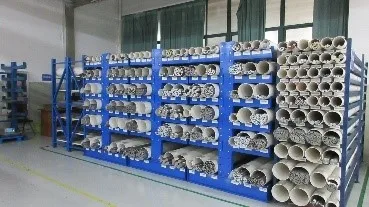





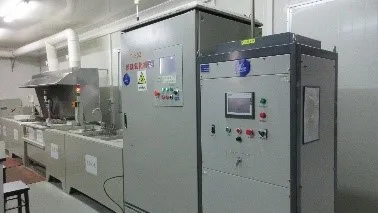


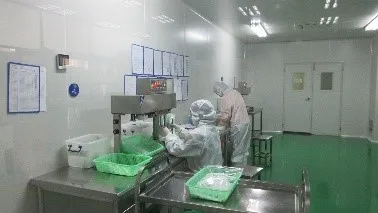


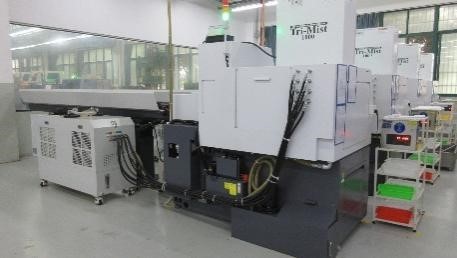
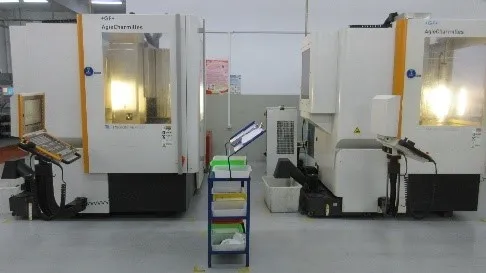
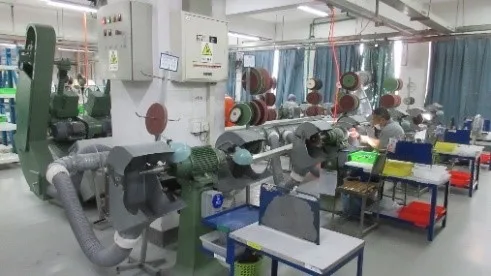
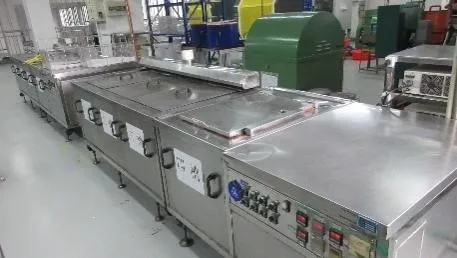
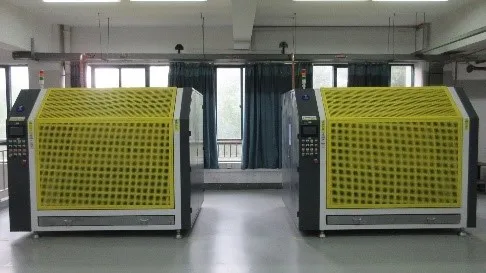
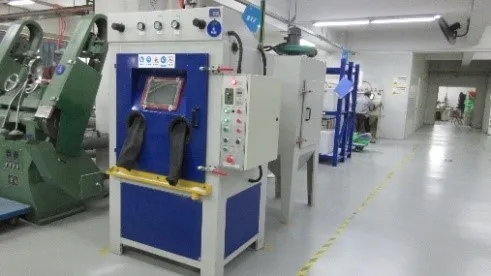
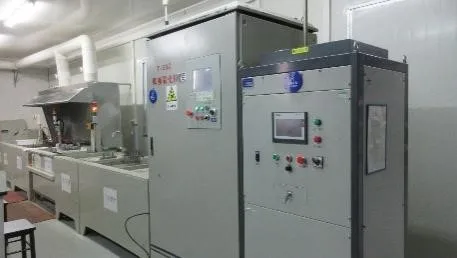
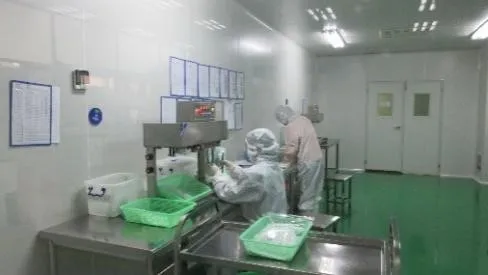

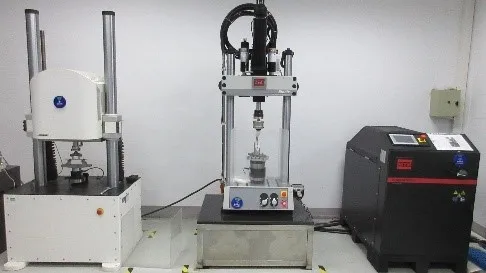
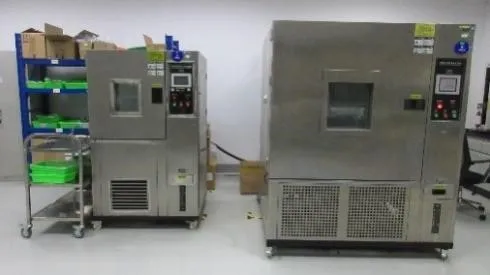
In medical manufacturing, patient safety is paramount. Raw materials undergo detailed chemical and mechanical verification, including spectrum testing of medical-grade titanium alloy bars and PEEK polymers. Every batch is tracked through production to ensure consistency and meet regulatory criteria.
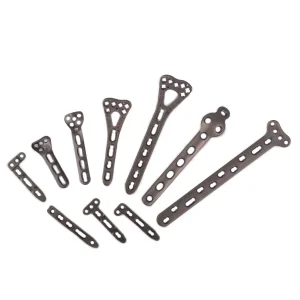
Our team of 69 QA/QC inspectors conducts in-line inspections at multiple points in production: dimensional tolerance testing via precision CMM (Coordinate Measuring Machines), surface roughness profiling, and fatigue limit evaluations. These processes guarantee that our orthopedic locking plates, anterior bone plates, and suture anchors are safe, reliable, and perform consistently in clinical settings.
Premium implants designed for optimal biomechanical compatibility, tissue attachment, and structural support.
 Harney-Well