China Best Spinal Fusion Device Manufacturers & Factory

Precision Engineering, ISO 13485 & CE MDR Compliant Clinical Fixation Systems for Global Orthopedic OEM/ODM Channels

Featured Surgical Implants & Instrumentation

Premium medical devices designed for trauma, joint reconstruction, and spinal fusion procedures.

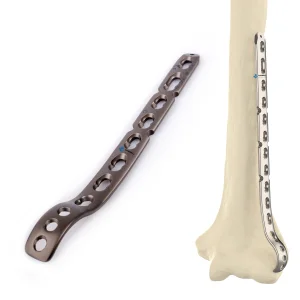
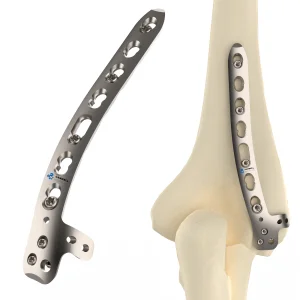
Canwell Distal Humeral Titanium Locking Plate
Canwell Distal Humeral Middle Metaphyseal Titanium Locking Plate Orthopedic Implants Trauma Fracture Surgery CE ISO
View Details
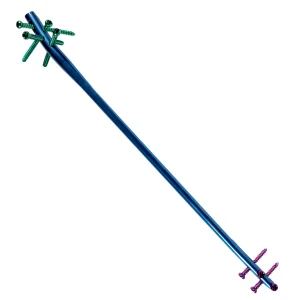
CANWELL Suprapatellar Tibial Intramedullary Nail
CANWELL Suprapatellar Tibial Intramedullary Nail Expert Interlocking Fixation System for Orthopedic Trauma Surgery
View Details
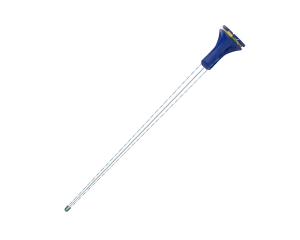
CANWELL All-suture Anchor
CANWELL All-suture Anchor Full Suture Anchor with 4 Needles Arthroscopic Surgery Orthopedic Implant Rotator Cuff Repair
View Details
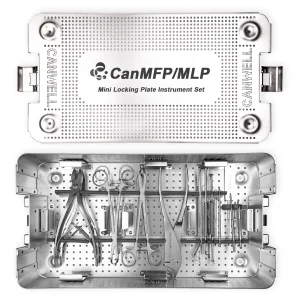
CANWELL Titanium Mini Locking Plate System
CANWELL Titanium Mini Locking Plate System Orthopedic Trauma Implant for Hand Foot Bone Fracture Fixation Surgery
View Details
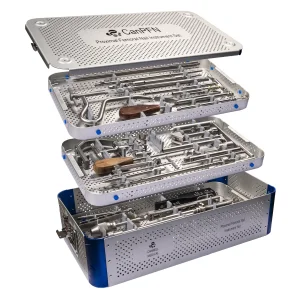
CANWELL PFN/PFNA Nails Instrument Sets
CANWELL PFN/PFNA Nails Instrument Sets Proximal Femoral Nail Intramedullary Orthopedic Instrument Set Fracture Fixation Surgery
View Details
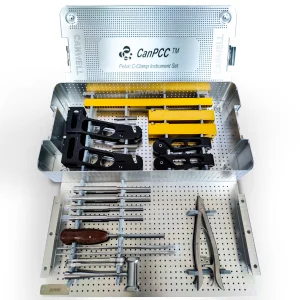
CANWELL CanPCC Pelvis C-Clamp
CANWELL CanPCC Pelvis C-Clamp Ii Instrument Set
View Details
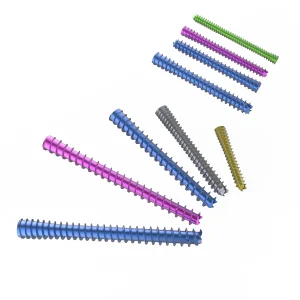
CANWELL 6.5 Cannulated Locking Screw
CANWELL 6.5 Cannulated Locking Screw Orthopedic Implant 7.3 Headless Compression Titanium Herbert Screw
View Details
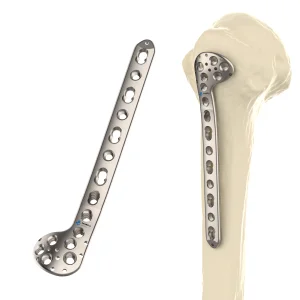
CANWELL Proximal Humerus Titanium Locking Plate
CANWELL Proximal Humerus Titanium Locking Plate Compression Orthopedic Manufacturer Trauma Factory OEM CE Certified
View Details

Global Spinal Fusion Industry: Market Dynamics and Industrial Status

The global spinal fusion market has entered an era characterized by aging demographics, rising clinical expectations, and accelerating technological convergence. As spinal disorders, degenerative disc diseases, and spinal instability cases continue to surge, the demand for implantable spinal fusion devices—ranging from pedicle screw systems and interbody cages to dynamic stabilization constructs—has grown exponentially. Today, the global spine surgery market exceeds USD 10 billion, driven primarily by innovations that reduce operation times, minimize post-operative complications, and promote rapid osteointegration.

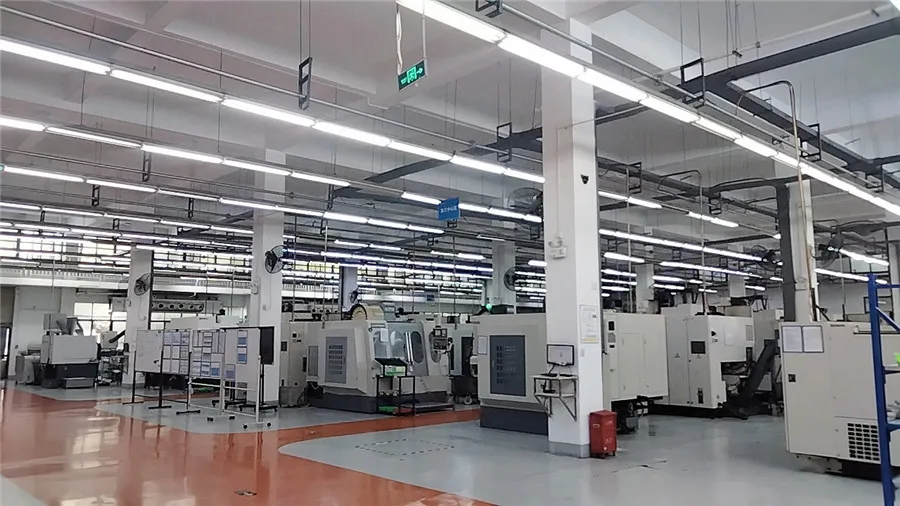
Historically dominated by North American and Western European multinational giants, the industrial landscape of orthopedic manufacturing has undergone a profound structural shift. China has emerged from a high-volume component supplier into a powerhouse of high-precision design, advanced bio-material engineering, and regulatory-approved final assemblies. By integrating modern CNC machining centers, additive manufacturing (3D printing) technologies, and stringent ISO cleanroom operations, top Chinese spinal fusion factories now produce implants that match or exceed Western counterparts in mechanical performance and biocompatibility, while offering significant cost efficiency.
"The modern paradigm of spinal fusion centers on achieving primary mechanical stability instantly post-operation, while simultaneously facilitating rapid biological fixation through advanced micro-porous surface interfaces."

Bio-Materials Transition

The transition from pure titanium to medical-grade PEEK (Polyetheretherketone) and trabecular porous titanium coatings has revolutionized modulus-of-elasticity matching, drastically lowering stress-shielding risks and post-operative implant subsidence.

Minimally Invasive Focus

Global demand is rapidly shifting toward percutaneous and minimally invasive spine surgery (MISS) instrument sets. Reduced tissue disruption correlates directly with faster patient rehabilitation and lower infection rates.

MDR Regulatory Hurdles

With the implementation of the European Union Medical Device Regulation (MDR), only manufacturers possessing robust traceability protocols, validated sterilization cycles, and exhaustive clinical data can sustain global market access.

Verified Industrial Infrastructure & Manufacturing Scale

A statistical overview of our manufacturing footprint, testing capabilities, and international regulatory certifications.

2004
ESTABLISHED
29,523 ㎡
FLOOR SPACE
22 Years
EXPORTING EXPERIENCE
59
GRADUATE R&D ENGINEERS
69
QA/QC INSPECTORS
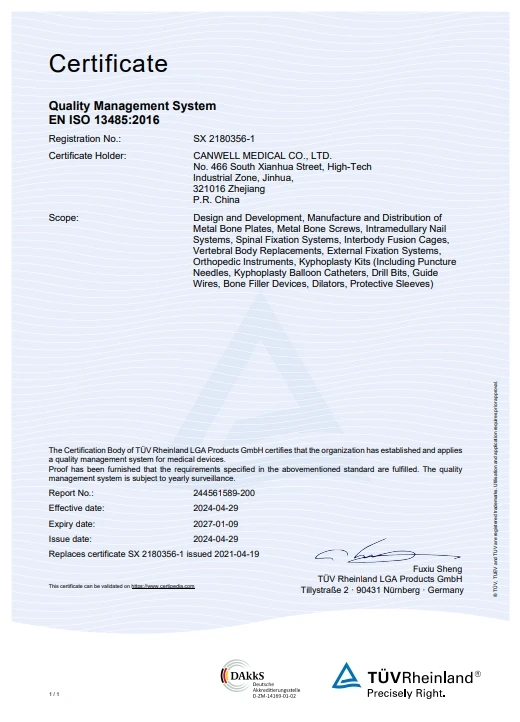
ISO13485
ISO13485 SX 2180356-1
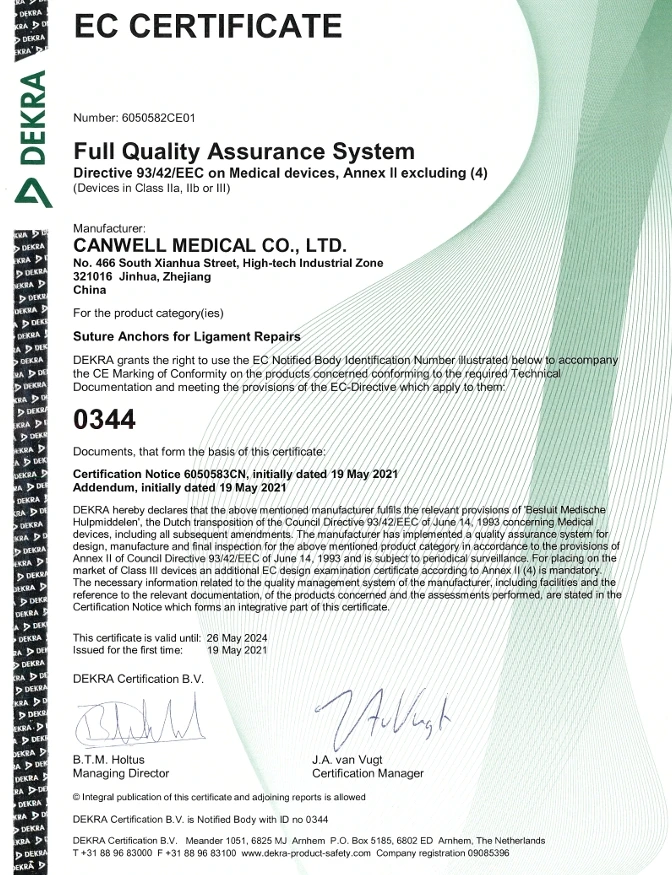
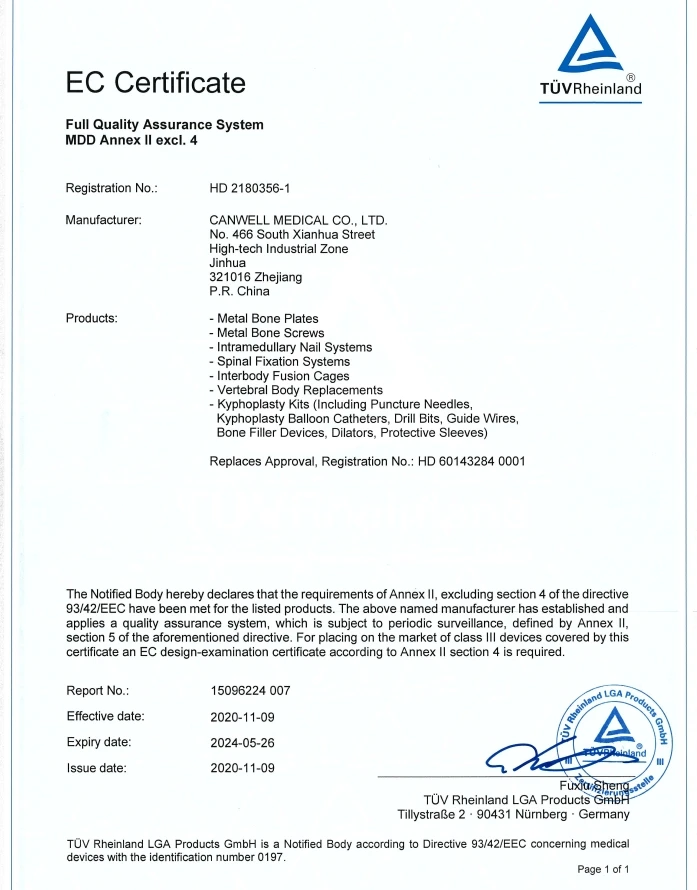
93/42/EEC
93/42/EEC CE HD 2180356-1
93/42/EEC
CE Certification 6050582CE01
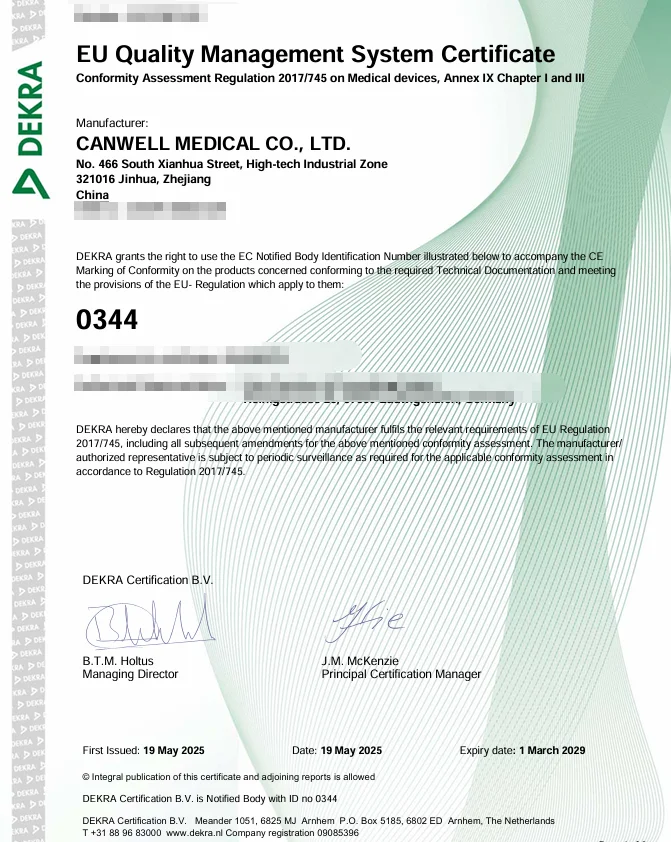
MDR
EU MDR Compliant 6142788CE02

End-to-End Quality Management & Full Traceability

Our manufacturing philosophy is grounded in unconditional reliability. Backed by 69 dedicated QA/QC inspectors, every single batch of raw medical-grade titanium alloy and PEEK undergoes raw material identity verification, chemical composition analysis, and mechanical integrity mapping. We maintain complete traceability from the initial material heat number to the final sterile packed implant. This ensures that surgical teams in South America (30%), Southeast Asia (20%), and Western Europe (20%) receive implants that conform strictly to international ASTM and ISO standards for load-bearing and wear characteristics.
Technical Roadmap: The Next Frontier in Spinal Fusion

As a leading orthopedic manufacturer, our engineering team maps out R&D cycles 5 to 10 years in advance to anticipate clinical shifts. Current clinical focus has transitioned from mere structural bridging to intelligent bio-integration. Below is the blueprint driving our design innovations:

1. Surface Topography and Micro-Texturing

By utilizing advanced acid-etching and anodic oxidation, we create sub-micron textures on titanium pedicle screws and fusion cages. This nanoscale roughness stimulates osteoblasts (bone-forming cells) directly, leading to accelerated bone deposition without requiring excessive autologous bone grafting. Our surface-treated implants exhibit a significantly higher shear strength at the bone-implant interface during critical early healing phases.

2. 3D-Printed Trabecular Titanium Structures

Standard solid titanium constructs have a high modulus of elasticity compared to cancellous bone, which can cause stress-shielding and eventual implant failure. Our technical roadmap incorporates additive manufacturing using electron beam melting (EBM) to produce porous trabecular titanium cages. These cages feature an interconnected pore network (65-80% porosity with average pore size of 500-700μm) that closely mimics human bone, facilitating rapid osseous integration throughout the entire body of the cage.

3. Dynamic Stabilization and Motion Preservation

While rigid fusion remains the gold standard for severe instability, adjacent segment degeneration (ASD) remains a long-term risk. We are refining semi-rigid posterior fixation options, utilizing flexible PEEK rods and dynamic pedicle screw heads that distribute load more naturally across adjacent levels, slowing down the degeneration of healthy disc spaces above and below the instrumented levels.

"The integration of mechanical adaptability with chemical biocompatibility represents the peak of spinal engineering, providing personalized solutions for complex spinal reconstructions."

Macro Clinical Solutions & Localized Applications

How our engineering platforms resolve diverse clinical conditions across major global healthcare systems.

Degenerative Disc Disease (DDD)

Clinical Scenario: Chronic lower back pain arising from disc dehydration, height loss, and subsequent nerve impingement.
Solution: TLIF/PLIF PEEK or 3D-printed titanium cages loaded with bone graft, stabilized via posterior pedicle screw constructs to restore disc height, lordosis, and immediate stability.

Severe Spinal Deformity

Clinical Scenario: Pediatric or adult scoliosis and kyphosis requiring multi-level correction and rigid realignment.
Solution: High-strength titanium rods paired with polyaxial reduction pedicle screws, cross-link connectors, and anterior column support, enabling precise three-dimensional correction and solid fusion across multiple segments.

High-Energy Trauma

Clinical Scenario: Unstable burst fractures or dislocation injuries of the thoracolumbar spine from accidents.
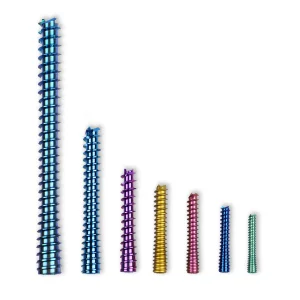
Solution: Long-arm percutaneous pedicle screws for minimally invasive stabilization, or open rigid instrumentation combined with corpectomy cages to replace fractured vertebral bodies.

Customized on Demand (OEM/ODM Solutions)

Recognizing that patient anatomy and surgeon preferences vary by region, we provide comprehensive OEM/ODM pathways. Leveraging our 59 graduate R&D engineers, we specialize in customizing implants based on customized design briefs, sample processing, and localized surgical techniques. Whether a channel partner requires unique thread profiles, anatomical pre-bent plates, or custom instrument layouts, our advanced CAD/CAM systems translate blueprints into sterile-packaged, clinical-ready realities within predictable lead times.

Advanced Production Facility & In-Process Quality Controls

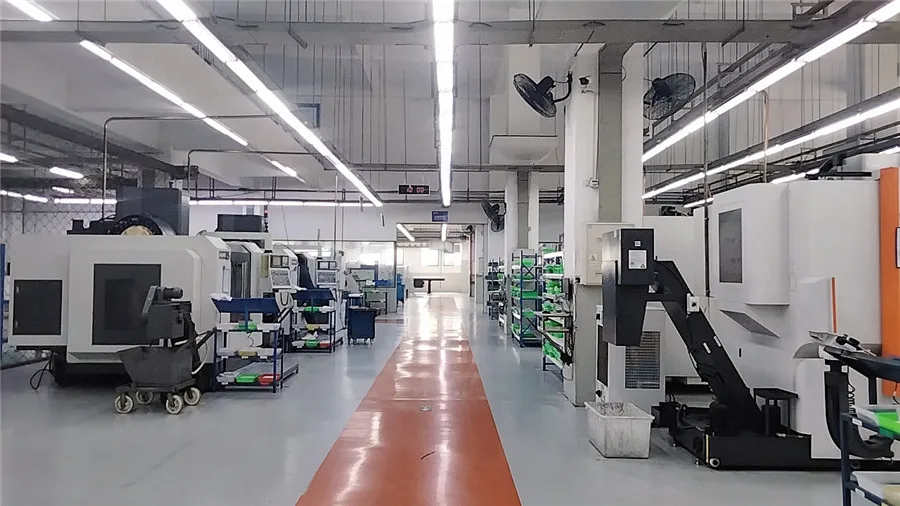
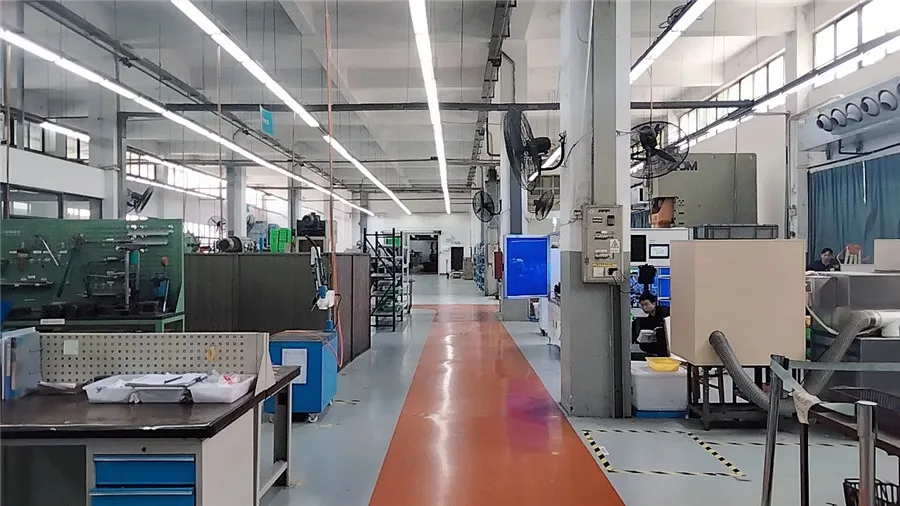
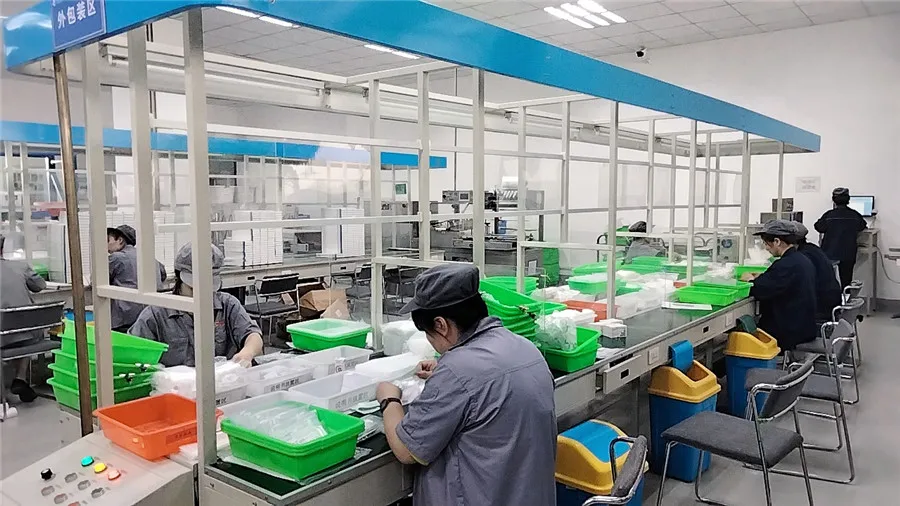
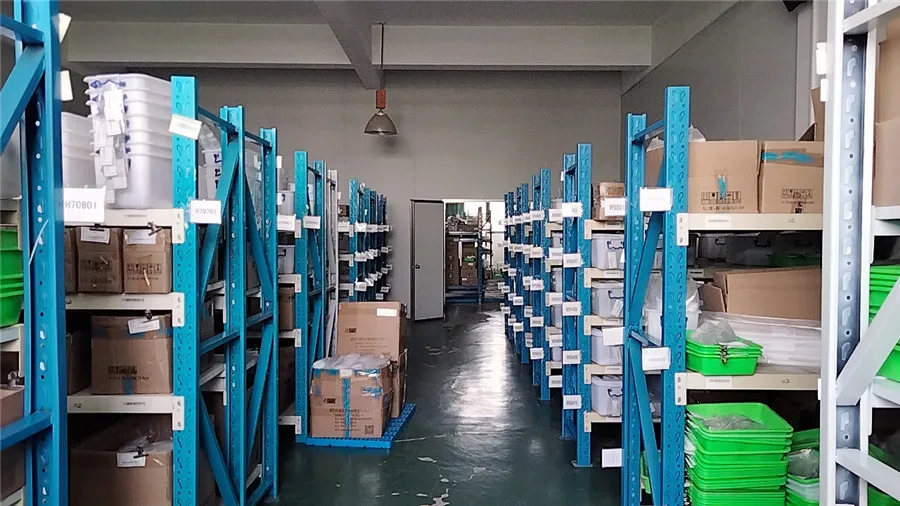
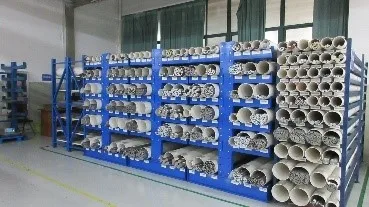
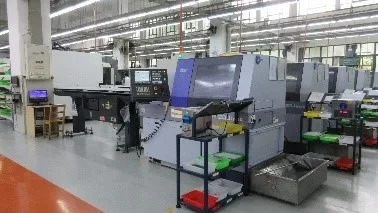
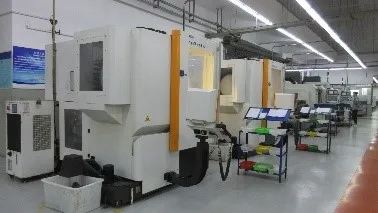
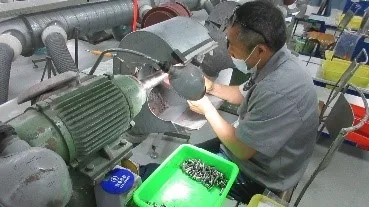
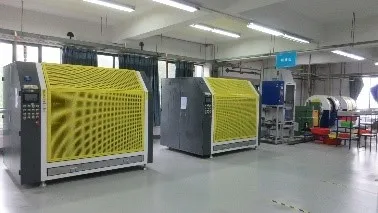
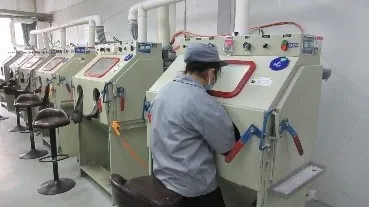
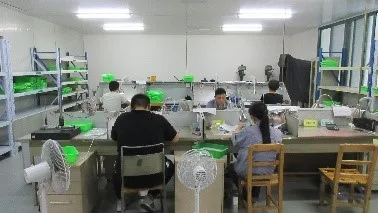
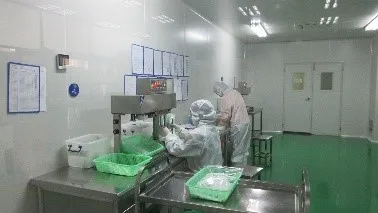
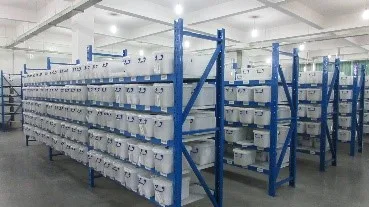
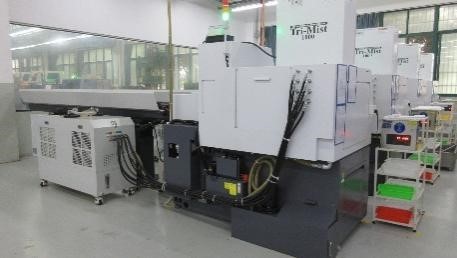
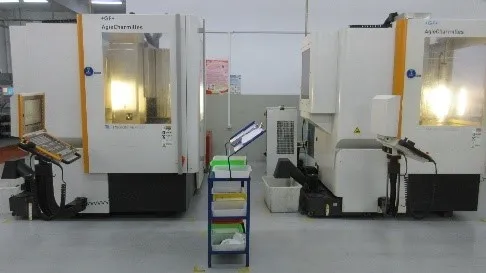
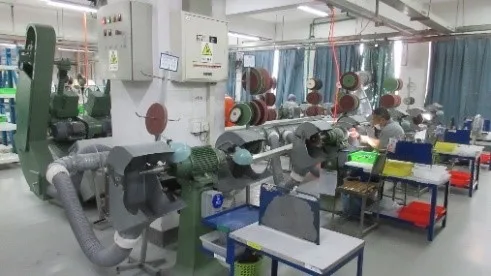
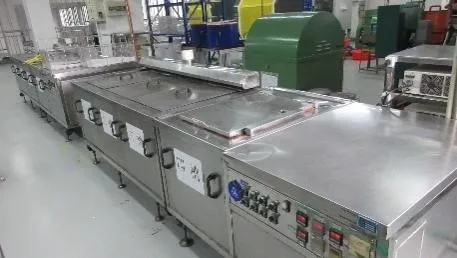
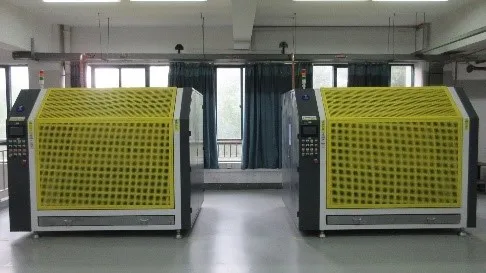
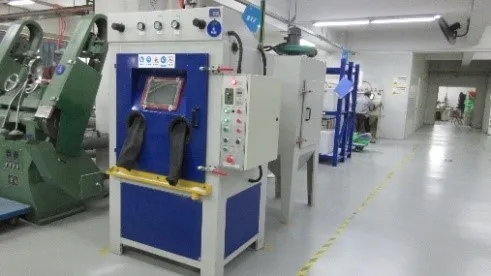
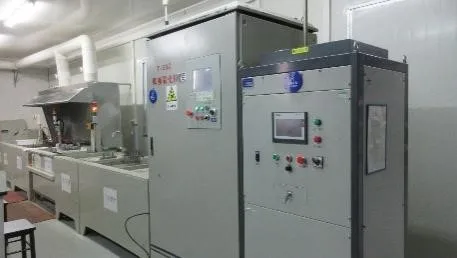
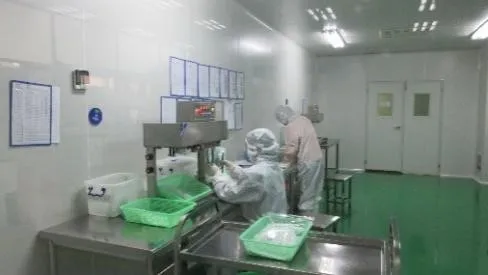
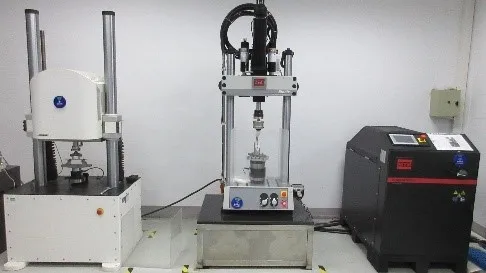
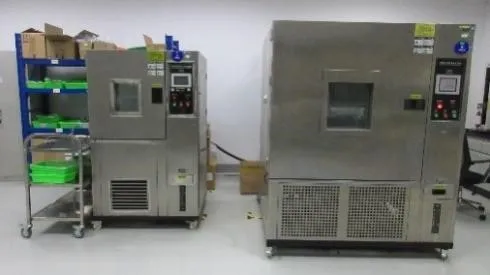
A photographic walkthrough of our 29,523 ㎡ CNC machining, surface finishing, and quality testing facility.

Additional Surgical Systems & Instrumentation Sets

Complete surgical solutions, targeting bone trauma, reconstructive osteotomy, and spine instrumentation.

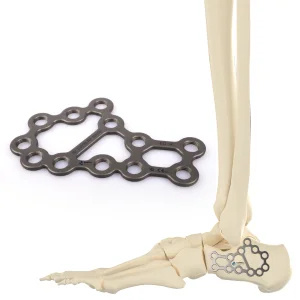
CANWELL Medical Calcaneal Locking Plate
CANWELL Medical Calcaneal Locking Plate Titanium Foot Heel Bone Orthopedic Implants Factory Trauma Fracture Surgery OEM CE ISO
View Details
CANWELL Retrograde Antegrade Femoral Nail
CANWELL Retrograde Antegrade Multifunction Femoral Nail Titanium Intramedullary Nail Orthopedic Implants CE Certified AO
View Details
CANWELL Titanium Cannulated Compression Screws
CANWELL Titanium Headless Cannulated Compression Screws Orthopedic Trauma Implant System CE Certified
View Details
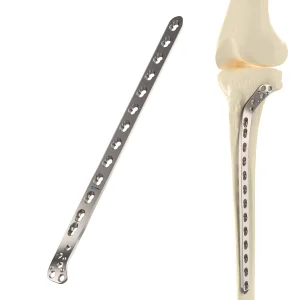
CANWELL Proximal Lateral Tibial Locking Plate
CANWELL Proximal Lateral Tibial Locking Plate Orthopedic Trauma Implant Hospital Bone Plate 5.0mm Screw Orthopedic Manufacturer
View Details
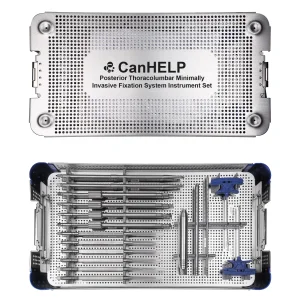
CANWELL Titanium Spine Surgical Instruments Set
CANWELL Titanium Spine Surgical Instruments Set for Posterior Thoracolumbar Fixation System
View Details
CANWELL Humeral Locking Plate Titanium
CANWELL Humeral Locking Plate Titanium Distal Lateral Dorsal Elbow Fracture Fixation Orthopedic Trauma Implant OEM Supplier
View Details
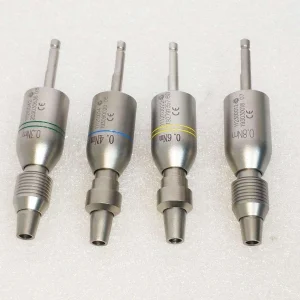
CANWELL Orthopedic Trauma Surgery Instruments
CANWELL Orthopedic Trauma Surgery Instruments 0.3/0.4/0.8/1.5Nm Torque Limiter Surgical
View Details
Canwell Medical Minimally Invasive Spine Fixation Set
Canwell Medical Long Arm Pedicle Screw Stainless Steel Minimally Invasive Spine Fixation Surgery Instruments Set for Orthopedic
View Details

Regulatory & Technical FAQ

Detailed technical answers for global distributors, regulatory affairs managers, and hospital purchasing committees.

What raw materials are utilized in your spinal fusion devices?
We utilize medical-grade titanium alloy (Ti-6Al-4V ELI) conforming to ASTM F136 and pure PEEK-OPTIMA™ from Invibio. These materials are selected for their excellent biocompatibility, high fatigue limit, and low magnetic resonance imaging (MRI) distortion.
How does your factory handle MDR compliance for Western European exports?
Our facilities operate in strict alignment with the European Union Medical Device Regulation (MDR 2017/745). Our certification pathways (under Notified Body assessment) guarantee that all clinical evaluations, post-market surveillance (PMS), and Unique Device Identification (UDI) tracking protocols are thoroughly integrated into our quality management system.
What is the standard lead time for OEM customization projects?
For OEM/ODM projects (sample processing or custom graphic processing), our standard timeline is 45 to 60 days. This includes initial CAD design rendering, structural FEA (Finite Element Analysis) simulation, prototyping, cleanroom test-runs, and packaging validation.
How do you test the mechanical performance of spinal implants?
We run exhaustive fatigue testing in compliance with ASTM F1717 (for spinal reconstructive constructs) and ASTM F2077 (for interbody fusion devices). These tests simulate worst-case scenarios, applying up to 5 million cycles of axial compression, torsion, and bending shear to guarantee long-term implant survival.