Explore our top-tier CE-certified spinal cages, titanium bone plates, and advanced intramedullary nail systems designed for minimal invasive surgeries.
Revolutionizing surgical intervention through high-frequency electrical fields and low-temperature ablation.
The global medical landscape has witnessed a rapid transition from conventional electrosurgical tools to advanced low-temperature radiofrequency (RF) plasma surgery. Operating typically between 40°C and 70°C, RF plasma devices utilize high-frequency electrical currents to ionize conductive mediums like saline. This creates a dense, energized plasma field containing reactive particles that disintegrate molecular bonds within target soft tissues. Compared to standard electrocautery (which reaches temperatures of 400°C–600°C), RF plasma ablation mitigates collateral thermal damage, prevents deep tissue necrosis, and accelerates postoperative wound recovery.
Driven by an aging global population and the demand for minimally invasive surgeries (MIS), the market value of RF plasma systems is growing dynamically. Clinics in North America, Western Europe, and parts of Asia are prioritizing low-temperature coblation systems for ENT (tonsillectomy, adenoidectomy, turbinate reduction), arthroscopic sports medicine (rotator cuff repair, labral repair), and spinal surgeries (discectomies and nucleoplasty). The demand for disposable wands combined with multi-use plasma generators creates a high-margin, recurring revenue stream for procurement agencies and medical distributors.
Medical whitepapers highlight several key clinical indicators that validate the use of RF plasma devices over traditional laser or cold scalpel resection: reduced intraoperative blood loss, minimized visual impairment of the surgical site, shorter hospital stays, and decreased patient reliance on postoperative analgesics. By establishing precise boundaries of ablation without charring adjacent tissues, surgeons can operate in delicate anatomical areas near critical nerves and blood vessels with elevated safety margins.
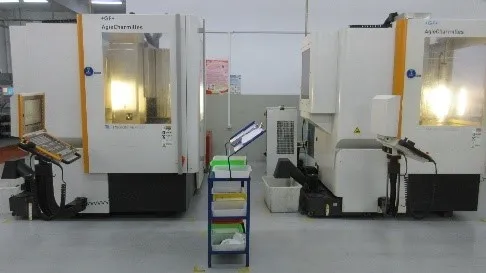
China's medical instrument manufacturing sector has matured from basic component assembly to high-precision engineering. By combining advanced CNC milling, titanium surface treatments, and cleanroom packaging within integrated medical industrial zones, Chinese factories provide unmatched efficiency. For international medical brands and wholesale buyers, this synergy yields highly competitive lead times, robust quality assurance compliant with European MDR standards, and flexible production options (including OEM and ODM customization).
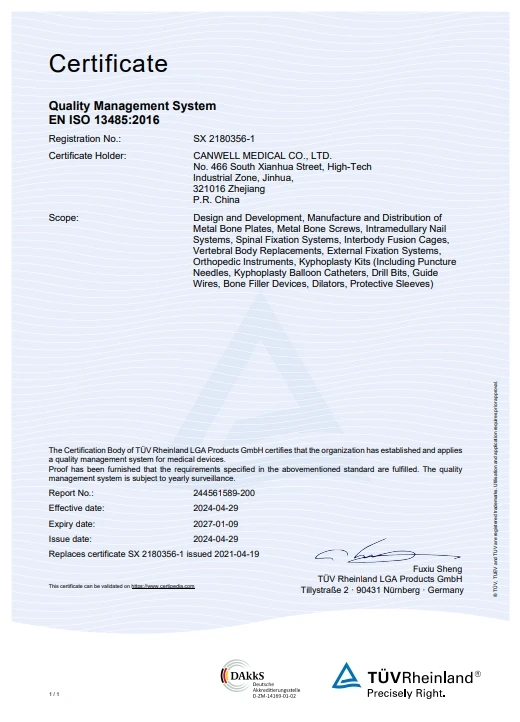
We employ robust quality systems guaranteeing the traceability of raw materials—ranging from biocompatible PEEK polymer to surgical-grade titanium alloys. Each raw material batch undergoes chemical composition testing and physical stress profiling before entering production lines, conforming strictly to ISO 13485 standards.
Sterility is critical for surgical wands and orthopedic implants. Our manufacturing floors include specialized Class 10,000 (ISO Class 7) and Class 100,000 cleanrooms where medical instruments are assembled, inspected, and packaged. This ensures zero contamination, readying devices for immediate gas sterilization.
Our QA/QC team operates at every step of manufacturing, executing raw material, in-process, and final pre-shipment inspections. Employing optical measurement systems, pull testing rigs, and simulated surgical trials, we ensure that every batch exhibits mechanical stability and electrical reliability.
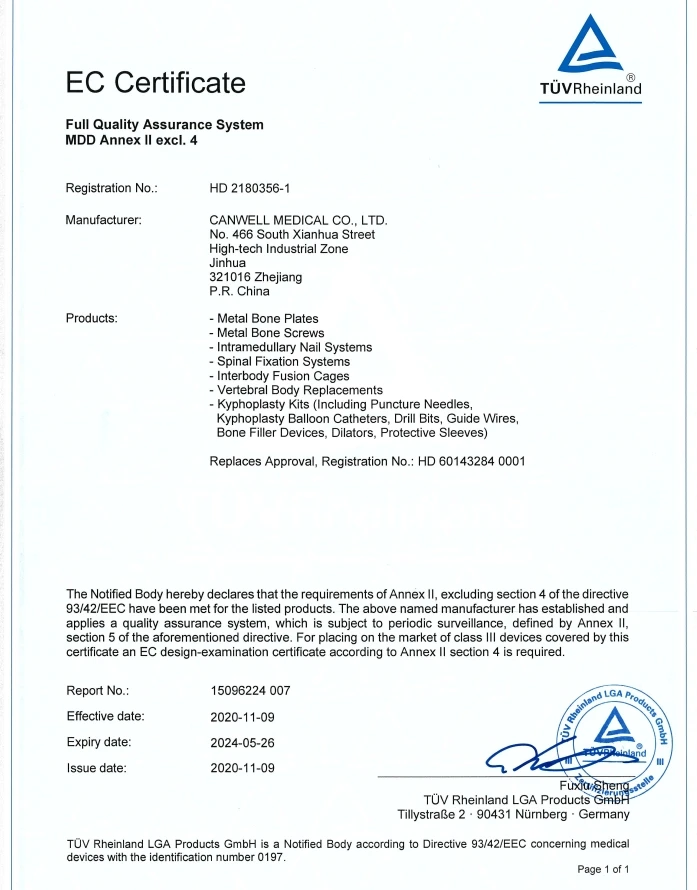
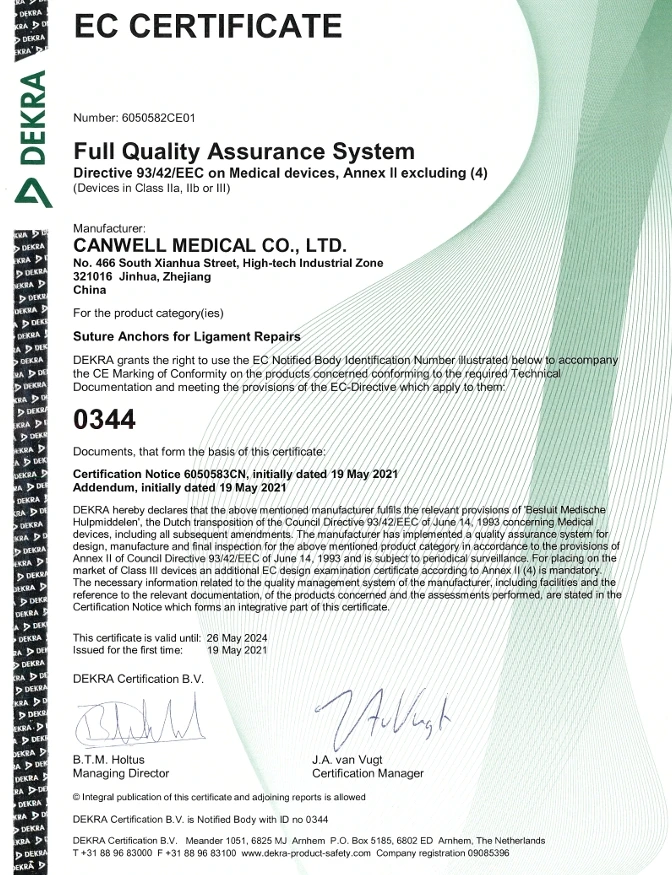
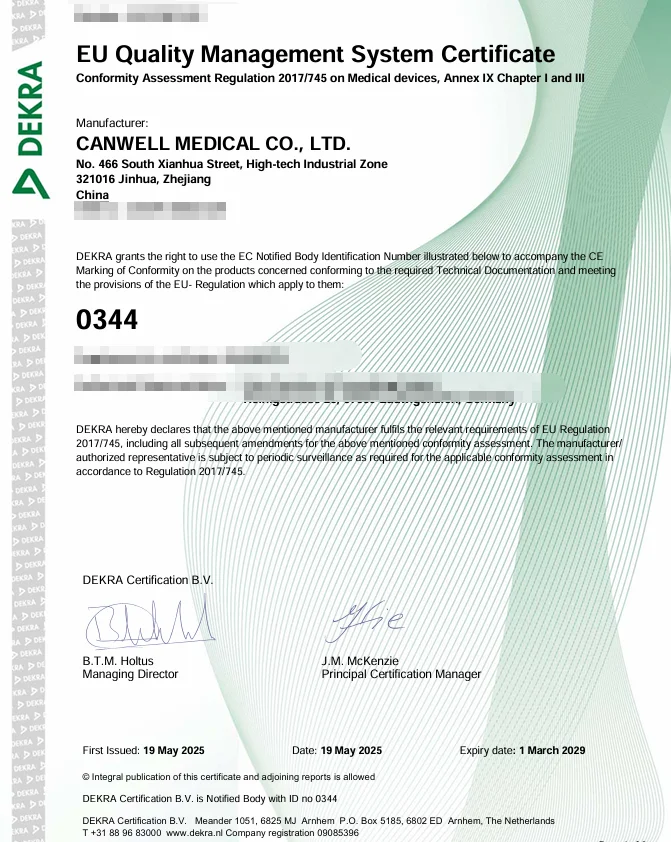
Rigorous manufacturing standards backed by internationally recognized certifications.
Integrating surgical implants with low-temperature ablation to optimize patient outcomes.
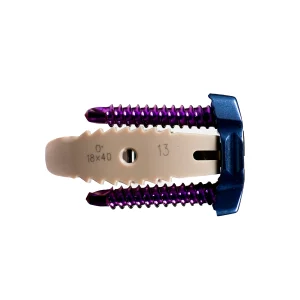
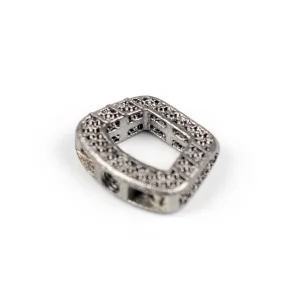
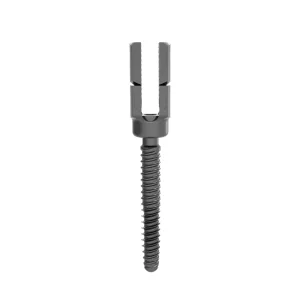
For spinal decompression and herniated disc treatment, surgeons utilize low-temperature plasma wands to shrink disc tissue without risking heat injury to surrounding nerve roots. This technique is paired with our PEEK-L Lumbar Fusion Cages and 3D Printed Titanium Spinal Cages, providing structural support while minimizing soft-tissue disruption.
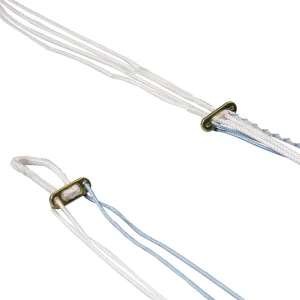
In arthroscopic procedures like ACL reconstruction and rotator cuff repair, plasma devices are utilized for debridement, tissue resection, and hemostasis. Using plasma wands alongside products like our Titanium Endobutton with Suture Loop or Shoulder Anchors streamlines joint reconstruction, helping to preserve healthy articular cartilage.
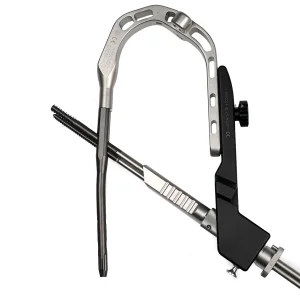
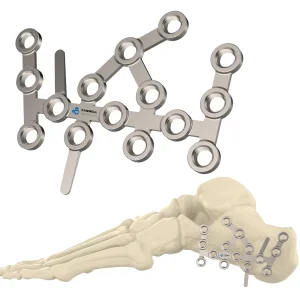
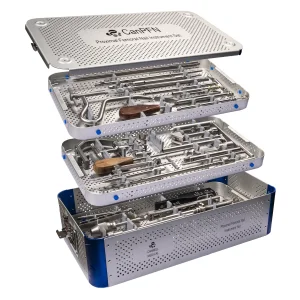
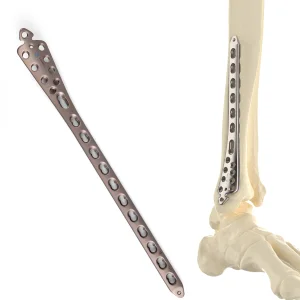
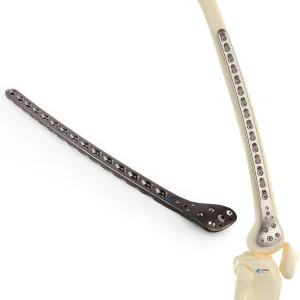
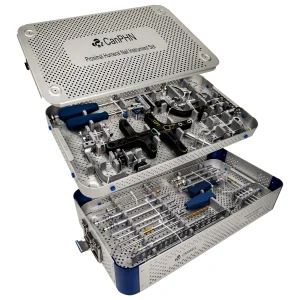
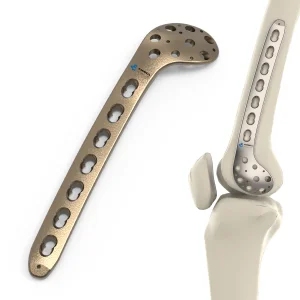
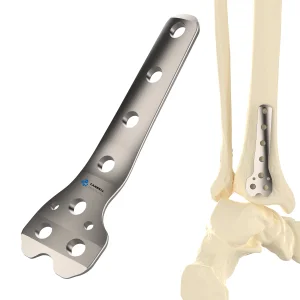
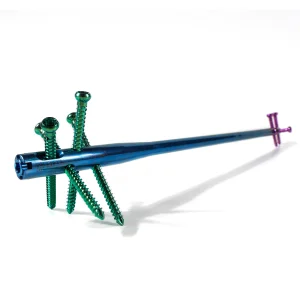
In complex trauma cases involving long bones or joint fractures, stabilizing implants like our Serpentine Locking Plates and Intramedullary Nails is essential. RF plasma devices support these procedures by enabling clean debridement of damaged soft tissue and hematomas around the fracture site, preparing a clean vascular bed for the implant.
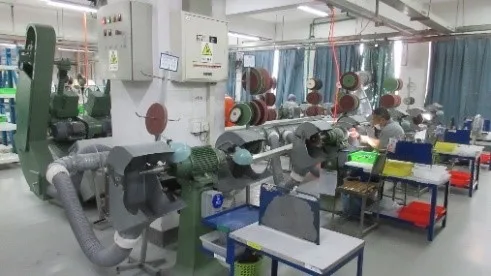
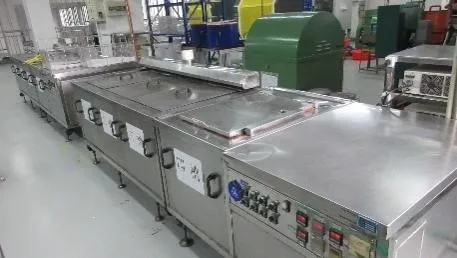
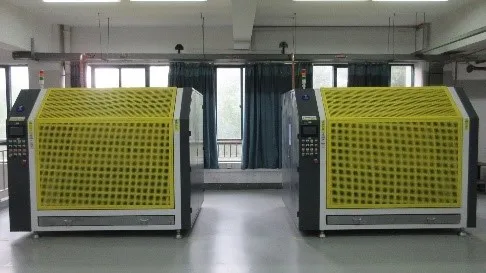
A visual overview of our precision CNC milling, cleanrooms, and testing facilities.

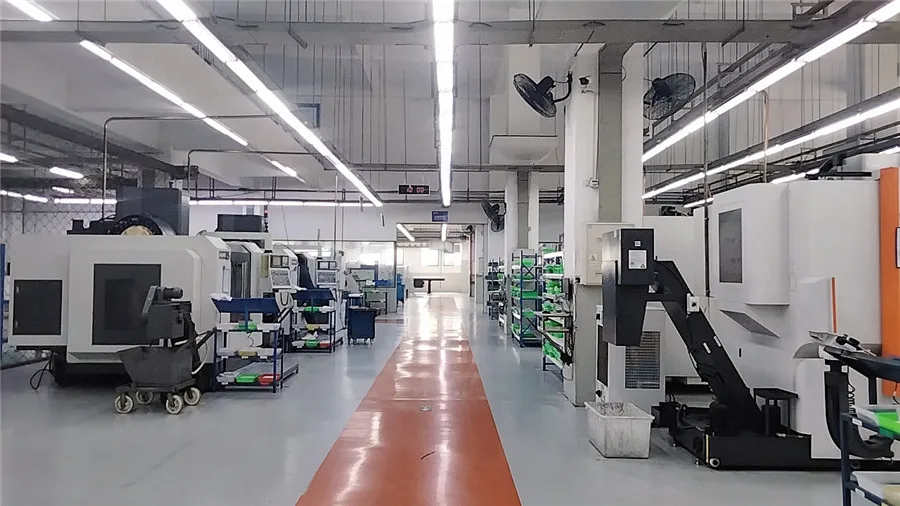
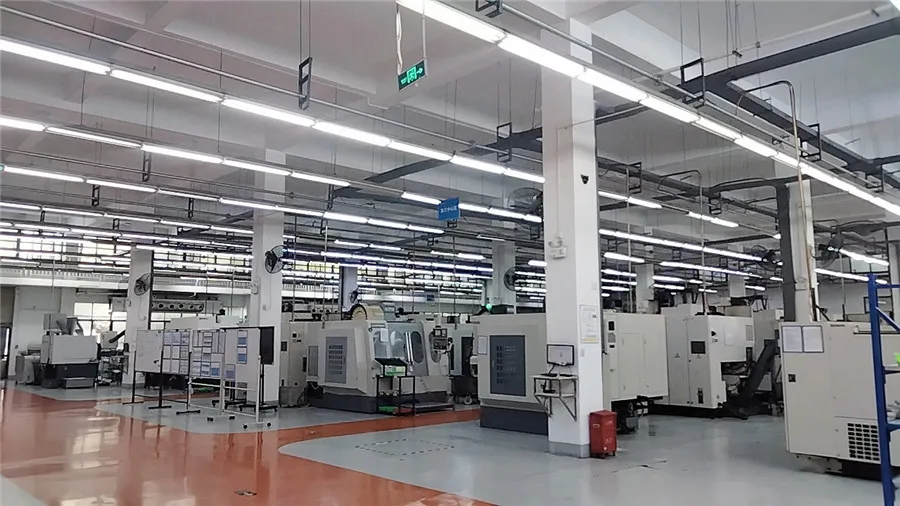
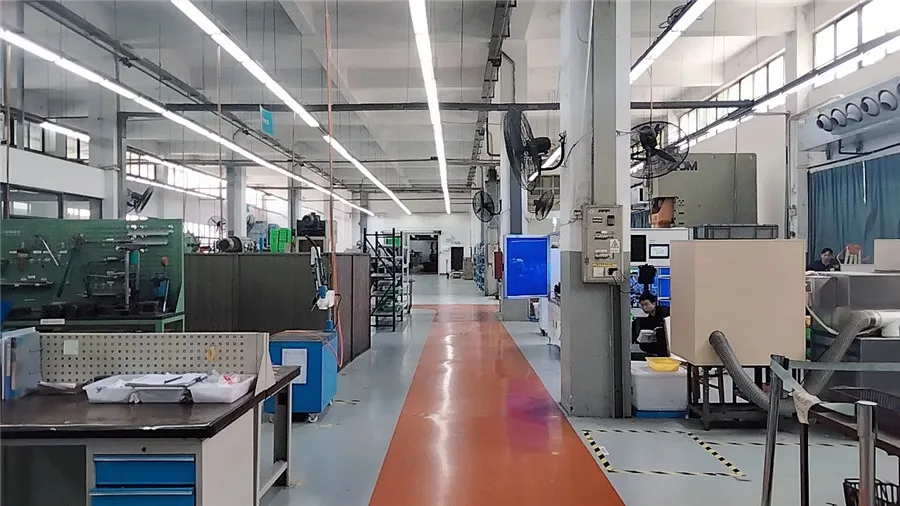
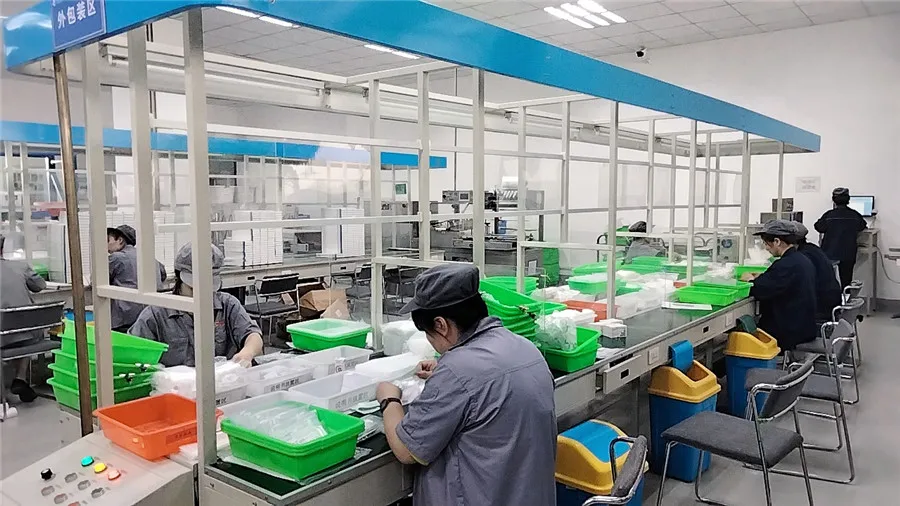
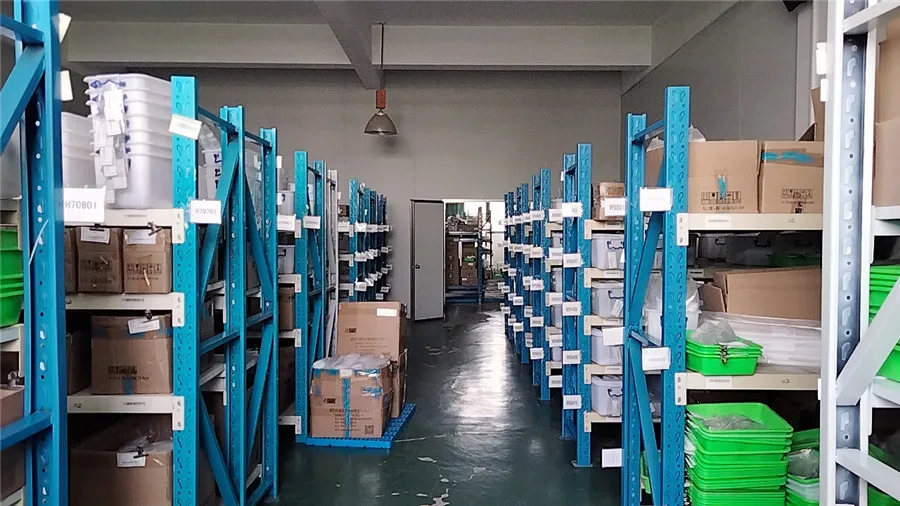
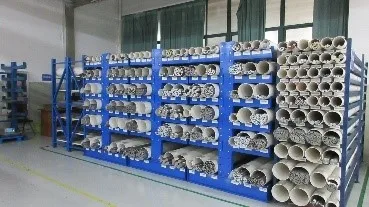
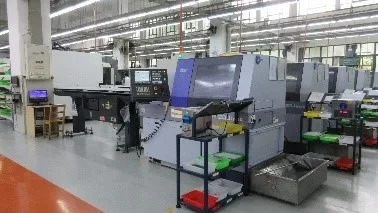
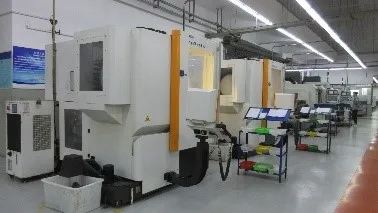
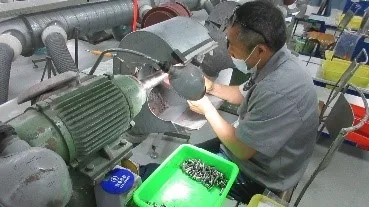

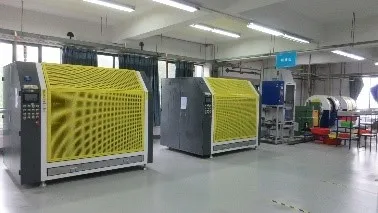
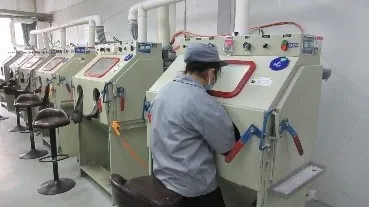

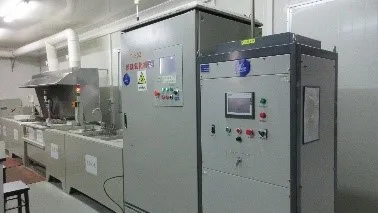

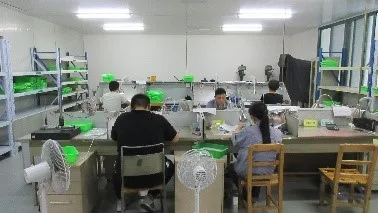
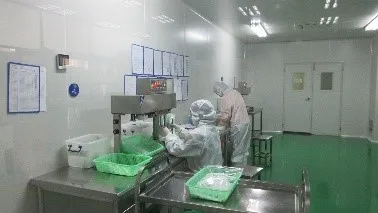

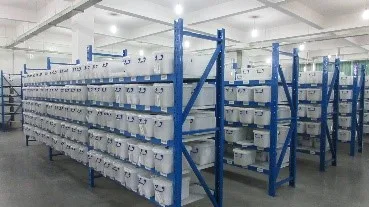
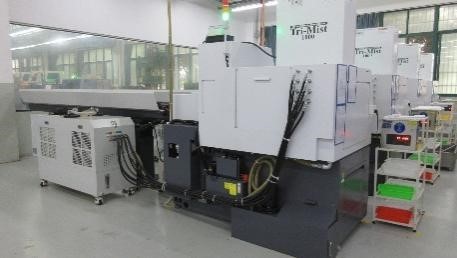
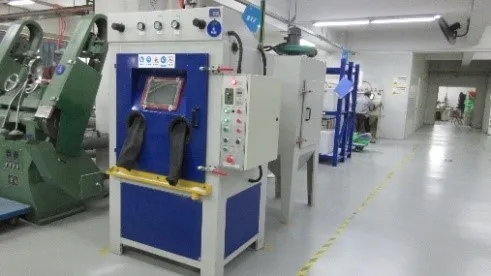
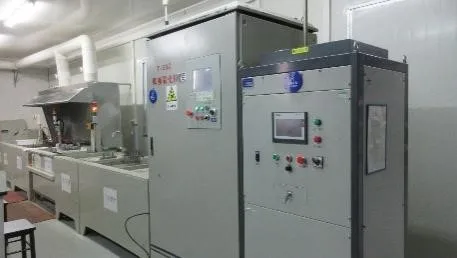
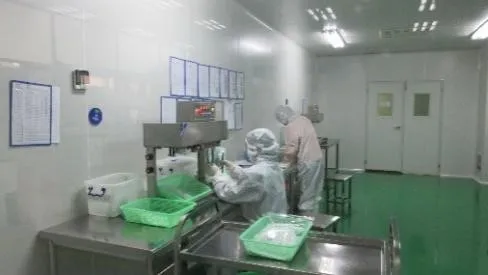

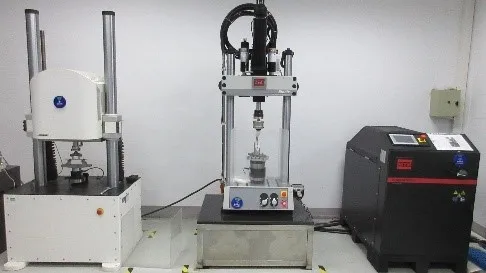
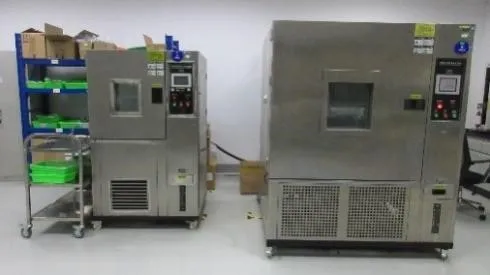
Navigating compliance, engineering standards, and supply chain continuity when sourcing RF plasma wands and implants.
Global procurement teams must prioritize suppliers with active certification footprints. The transition from MDD to MDR in Europe requires comprehensive clinical documentation. Sourcing from a factory certified under ISO 13485 with valid CE marks ensures frictionless imports and compliance with domestic health authorities.
Established distributors and hospital networks often require proprietary modifications—whether custom electrode angles, specialized connector pins for RF generators, or custom branding on surgical kits. Partnering with a manufacturer featuring a large, graduate-level R&D engineering division ensures design integrity and rapid prototyping.
Surgical implants and ablation electrodes demand long shelf-lives and high packaging integrity. Sourcing programs must evaluate sterile barrier materials (such as Tyvek pouches) and check validation data for EO (Ethylene Oxide) or Gamma sterilization. A reliable factory must provide validation reports confirming packaging performance over time.
Answers to essential clinical, engineering, and manufacturing questions for industry professionals.
Radiofrequency plasma devices typically operate between 40°C and 70°C. Traditional electrocautery or laser systems cut and ablate tissue using extreme heat (often 400°C–600°C), which can cause thermal necrosis in surrounding bone and tissue. Low-temperature plasma uses energized ions in a conductive fluid (such as saline) to break molecular bonds, allowing for precise tissue ablation with minimal thermal damage and faster patient recovery.
We ensure product quality using high-precision CNC machinery, regular tool calibration, and strict quality control protocols. Our 69 QA/QC inspectors perform inspections at each stage of production. Additionally, we provide raw material certificates (like medical-grade titanium and PEEK) and maintain full ISO 13485 batch traceability.
Yes, we provide extensive OEM and ODM customization. Our R&D department, consisting of 59 graduate engineers, designs custom electrode configurations, handle shapes, and connection interfaces to match your existing RF generators. We work with standard parameters and provide technical drawings prior to mass production.
All sterile-packaged products are processed in ISO Class 7 or 8 cleanrooms and sealed in medical-grade Tyvek pouches. The packaging is certified for sterilization using Ethylene Oxide (EO) or Gamma radiation. It conforms to ISO 11607 standards for sterile barrier systems, ensuring the product remains sterile throughout international shipping and long-term storage.
We maintain complete technical files and conduct clinical evaluations as required by the EU MDR. Our manufacturing processes are regularly audited by notified bodies, and our certifications (such as 93/42/EEC CE and MDR 6142788CE02) are kept up to date. This ensures that distributors can import and distribute our products within European markets without regulatory delays.
High-precision orthopedic trauma solutions and arthroscopy instrumentation engineered for clinical performance.
 Harney-Well