Discover our primary selection of CE & ISO certified surgical systems engineered for maximum biomechanical performance and long-term stability.
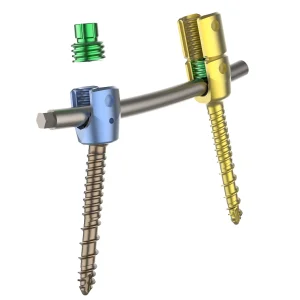
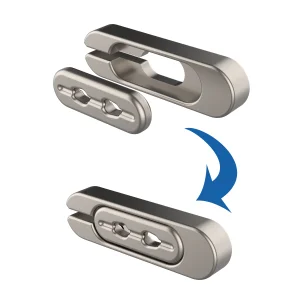
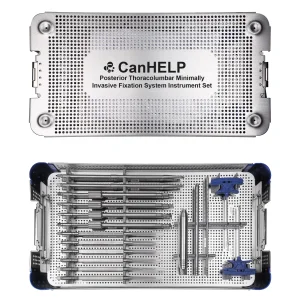
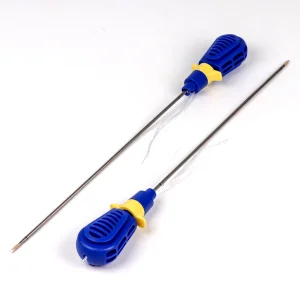
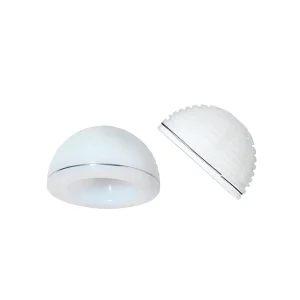
The global demand for spine fixation systems, specifically posterior pedicle screw constructs, has entered a phase of highly technical differentiation. As life expectancies rise globally, degenerative disc diseases, spondylolisthesis, spinal stenosis, and complex vertebral fractures require increasingly stable and biomechanically optimized implants. Medical distributors and purchasing departments in regions like South America (30% market share), Southeast Asia (20%), and Western Europe (20%) are systematically evaluating Chinese manufacturers not just on unit cost, but on long-term clinical efficacy, regulatory certitude, and material traceability.
Historically, the spinal implant market was dominated by Western conglomerates. However, the last decade has seen a paradigm shift. Advancements in localized Swiss-type CNC precision machining and strict validation standards have positioned China's top-tier manufacturers as premier choices. Modern spine arthrodesis demands pedicle screw systems that feature low-profile head heights to reduce soft tissue irritation, high-performance polyaxial friction fits for ease of rod placement, and specialized dual-thread designs to optimize purchase in both cortical and cancellous bone structures.
A pedicle screw is not merely a threaded fastener; it is a load-sharing biomechanical interface designed to bridge segment instabilities until solid bone fusion is achieved. Clinical studies indicate that optimal screw insertion torque and resistance to pullout are highly dependent on the thread pitch, minor-to-major diameter ratio, and the overall screw profile. Advanced systems integrate dual-core architectures (conical core) and dual-lead thread pitches to decrease insertion time while significantly increasing axial pull-out strength in osteoporotic or compromised bone tissue.
To meet the precise demands of spinal surgeons worldwide, our pedicle screw systems (such as the CANWELL IVY Posterior Thoracolumbar Fixation System) are designed around the AO Foundation standards. The engineering architecture encompasses several core innovations:
Manufactured from Grade 5 ELI Titanium Alloy (Ti-6Al-4V ELI) conforming to ASTM F136. Provides exceptional biocompatibility, superior fatigue strength, and minimizes artifact interference during post-operative MRI or CT scans.
Subjected to rigorous mechanical validations according to ASTM F1717 standards (static compression bending, static torsion, and dynamic fatigue testing exceeding 5 million cycles) to ensure the system withstands physiological loading profiles.
Low-profile implant footprint reduces post-operative construct protrusion and minimizes soft tissue irritation. Designed for seamless interoperability with standard AO surgical instrument sets.
Backed by 22 years of export experience and industry specialization, delivering high-performance implants to over 50 countries.
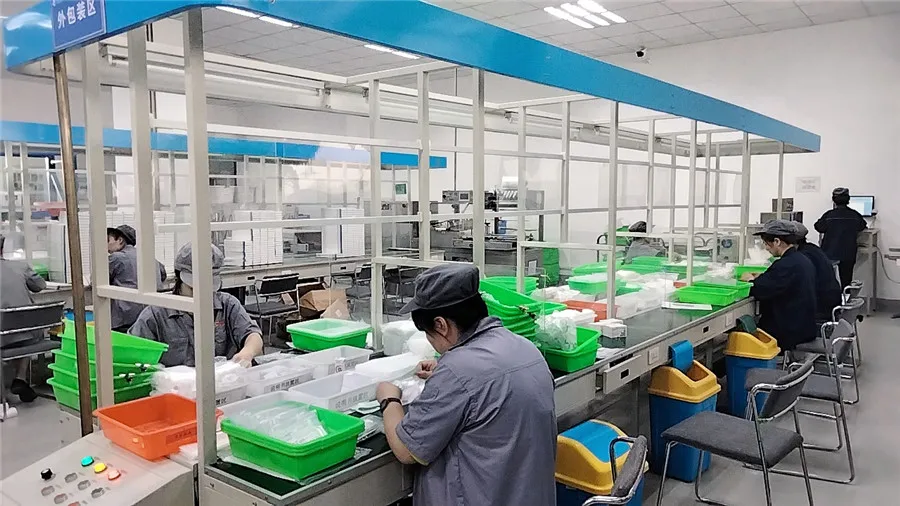
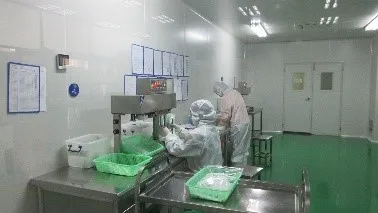
Established in 2004, Canwell Medical has developed into one of China's most trusted manufacturers of orthopedic implants and surgical instruments. Over the past 22 years, we have committed ourselves to material excellence, technological advancement, and a robust global support model. Operating within our modern 29,523 square meter facility, we integrate raw material sourcing, CNC precision machining, class-10,000 cleanroom packaging, and extensive physical validation testing.
In the medical device domain, regulatory compliance is the cornerstone of reliability. Canwell has established a high-tier quality management system that aligns with international medical regulations, ensuring a seamless procurement process.
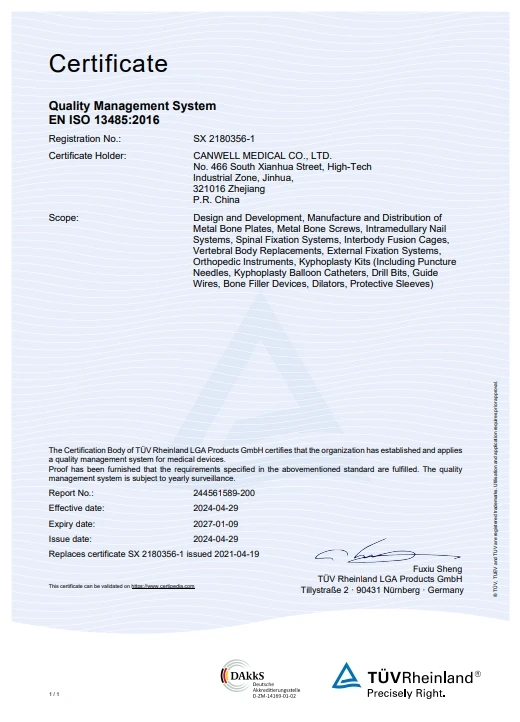 ISO13485
SX 2180356-1
ISO13485
SX 2180356-1
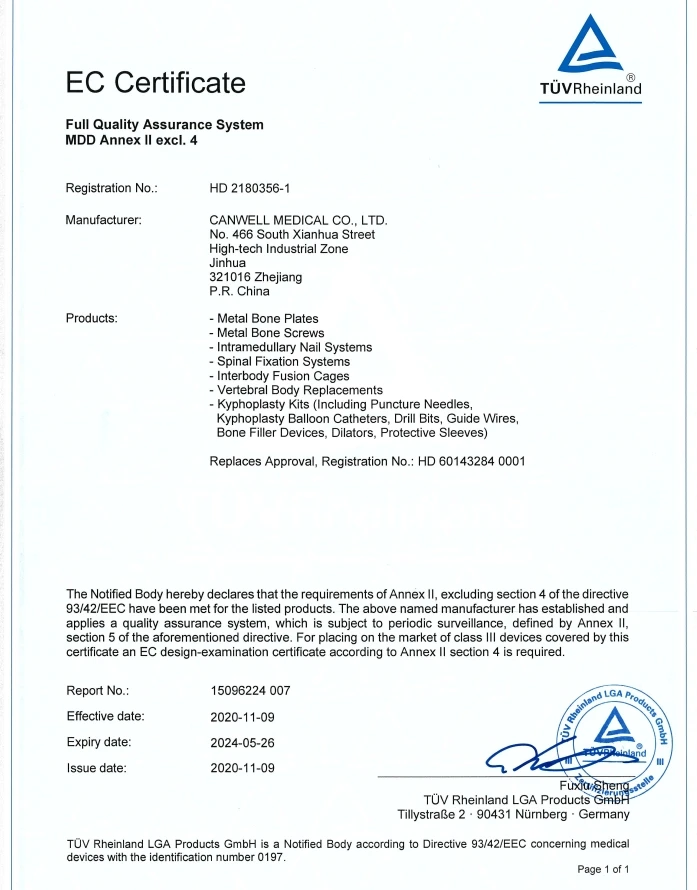 93/42/EEC
HD 2180356-1
93/42/EEC
HD 2180356-1
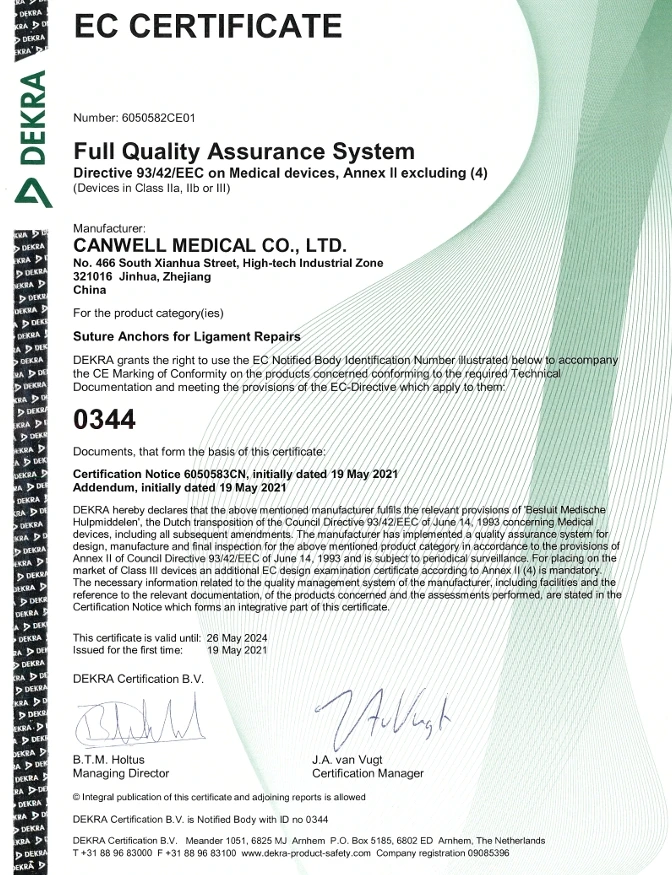 CE Cert
6050582CE01
CE Cert
6050582CE01
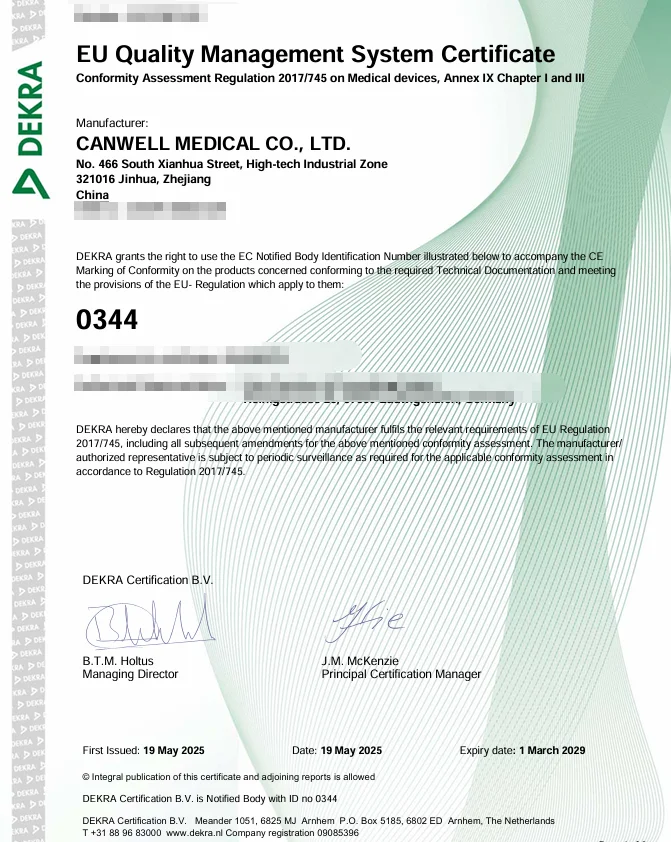 EU MDR
6142788CE02
EU MDR
6142788CE02
The field of spinal fusion is transiting towards biological integration and digital tracking. Our long-term technology roadmaps are centered on three distinct areas of medical innovation:
To accelerate spinal fusion and reduce the recovery time of arthrodesis procedures, our R&D team (consisting of 59 specialized graduate engineers) is actively developing osteoinductive and antibacterial surface modifications. Applying sub-micron Hydroxyapatite (HA) or silicon nitride coatings onto titanium screw surfaces promotes earlier osteoblast attachment. This increases pull-out stability, particularly in patients with osteoporotic bone conditions.
Modern operating rooms utilize surgical navigation platforms and robotic arms to achieve high precision in pedicle screw insertion. We are optimizing our posterior spine implant systems to integrate seamlessly with optical and electromagnetic tracking systems, providing instrumentation with pre-calibrated navigation markers.
Looking ahead, we are expanding our additive manufacturing capabilities. 3D printing allows for the construction of porous titanium structures that mimic human cancellous bone. This reduces the stress-shielding effect and encourages direct bone-ingrowth (osseointegration) directly into the implant structural matrix.
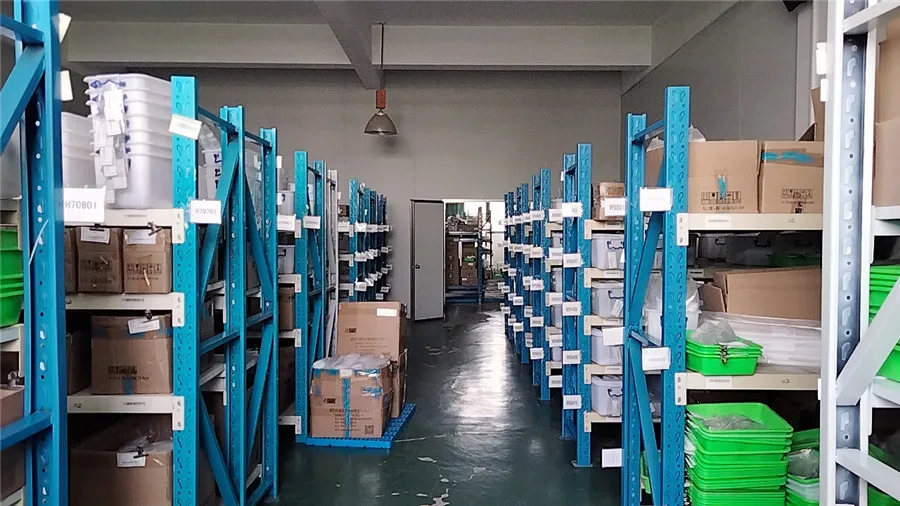
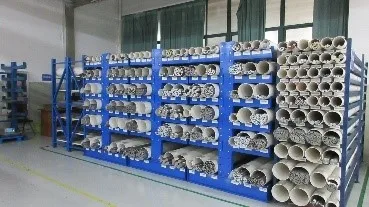
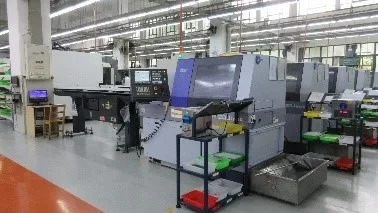
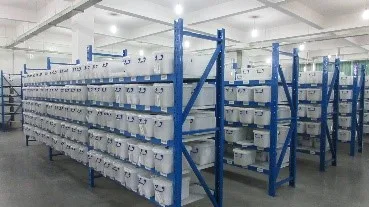
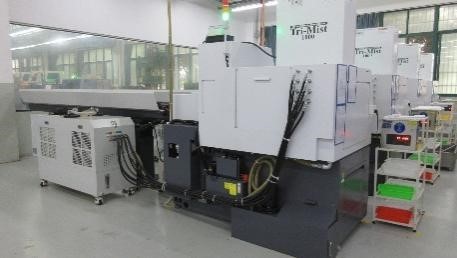
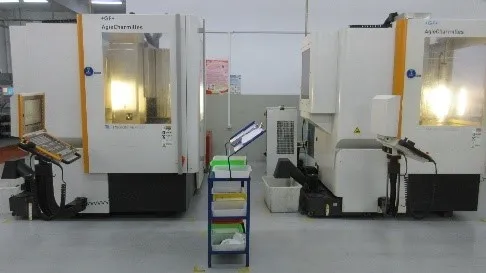
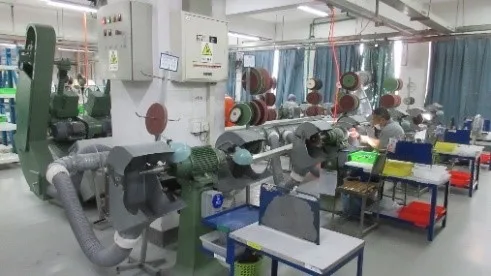
Our 29,523 m² facility utilizes vertically integrated manufacturing pipelines. By maintaining long-term partnerships with raw material suppliers (fully trace-verified titanium alloy bars) and operating high-throughput Swiss CNC machining centers, we insulate our global distributors from market supply fluctuations. Standardized QA protocols on all assembly lines, supervised by 69 dedicated QC inspectors, keep product performance consistent across all batches.
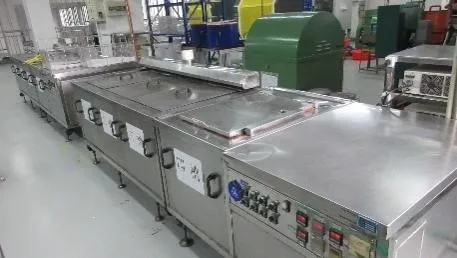
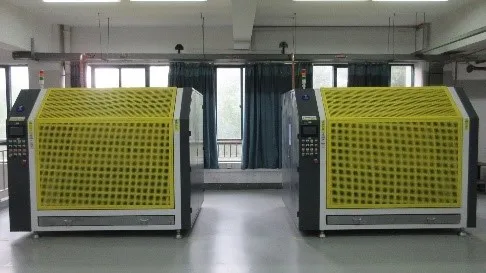
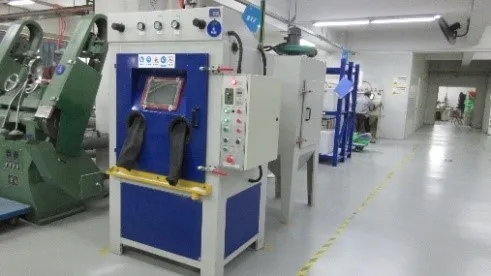
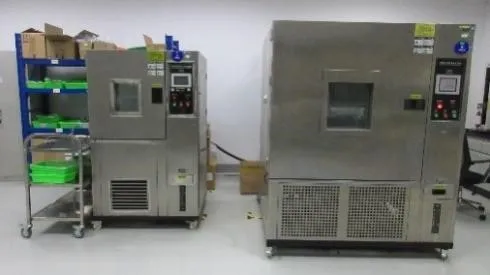
Visual evidence of our rigorous manufacturing workflows, cleanroom procedures, and testing facilities.
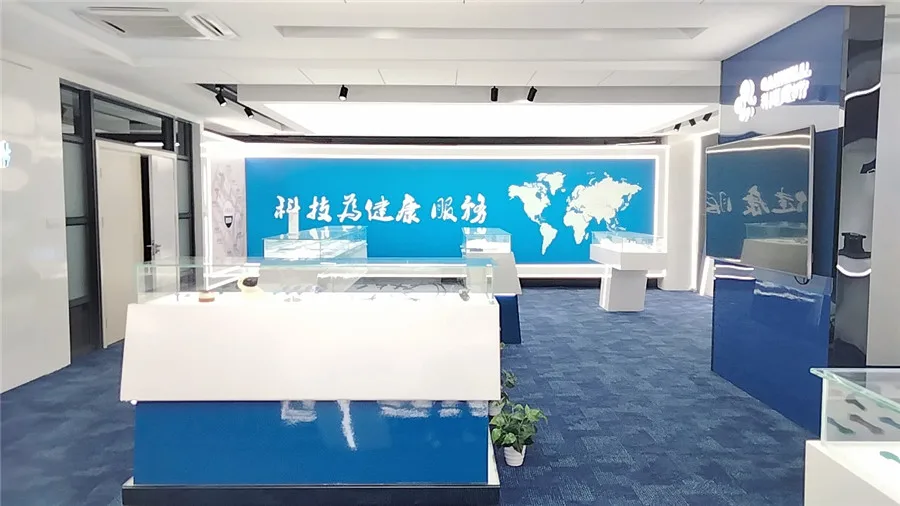
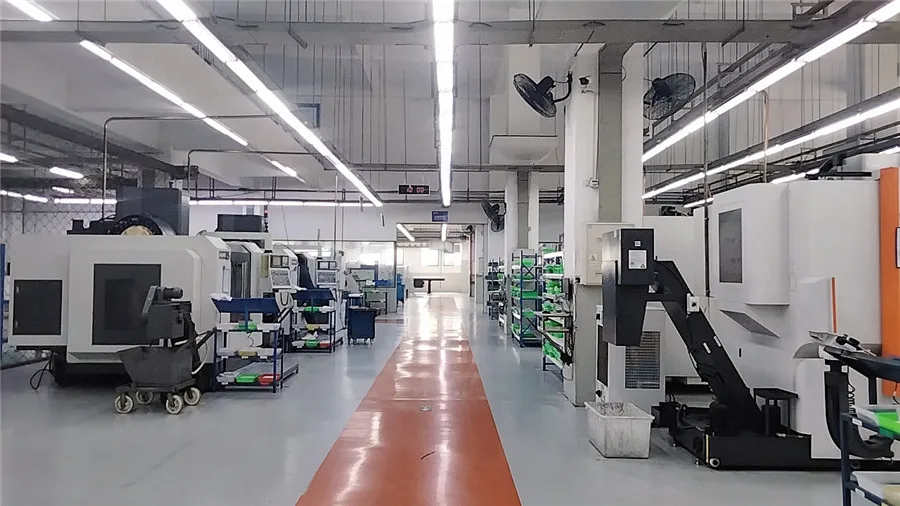
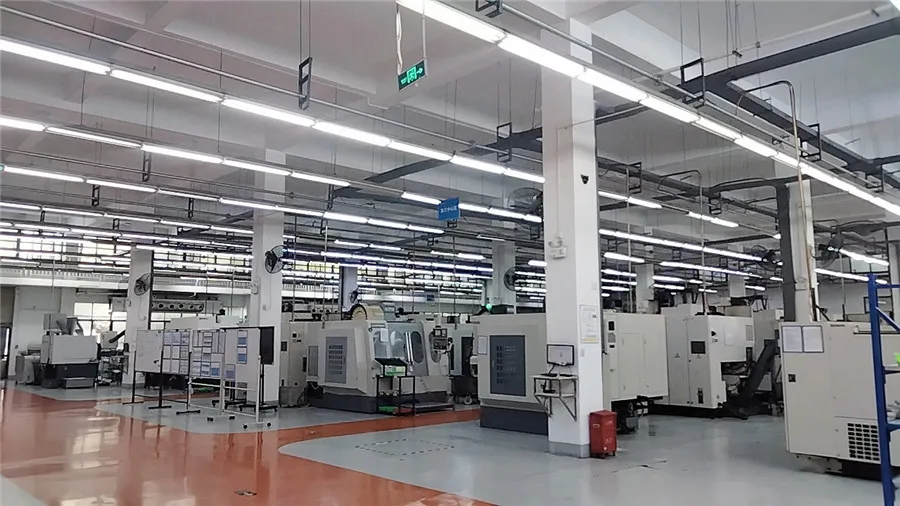
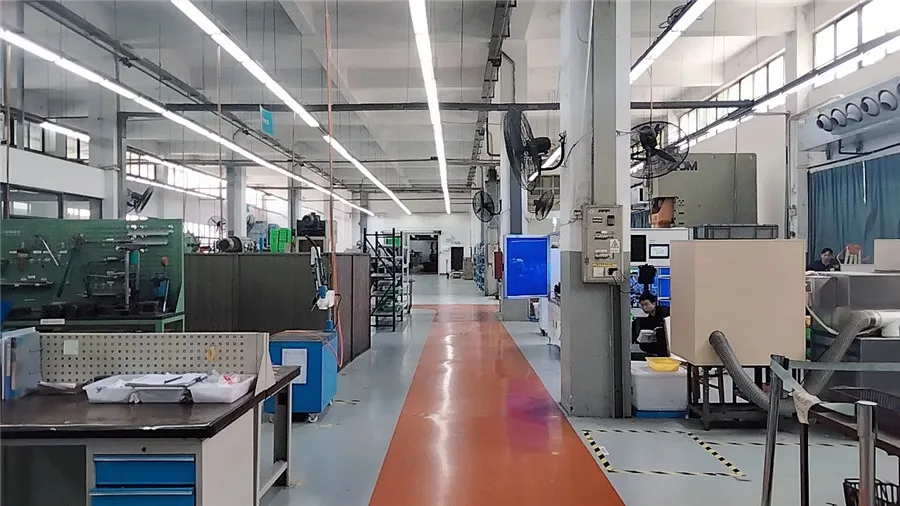
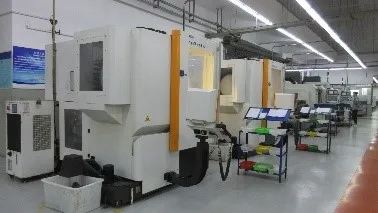
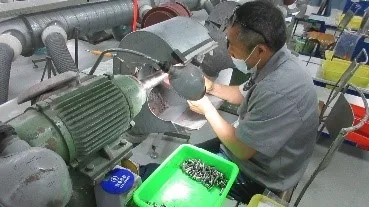
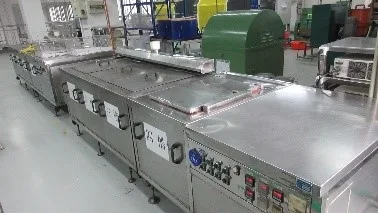
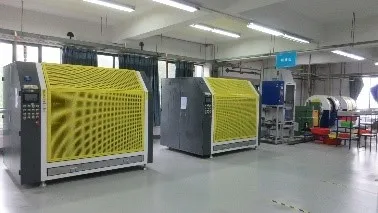
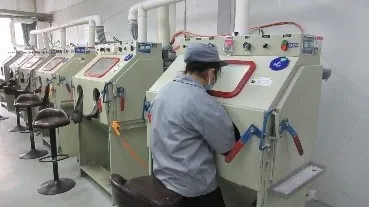

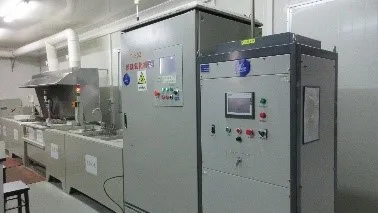
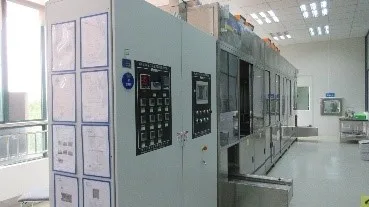
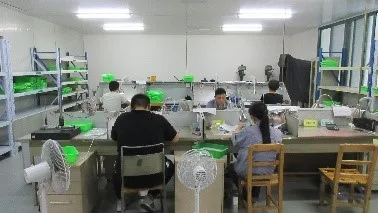

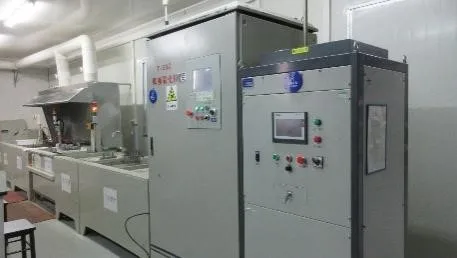
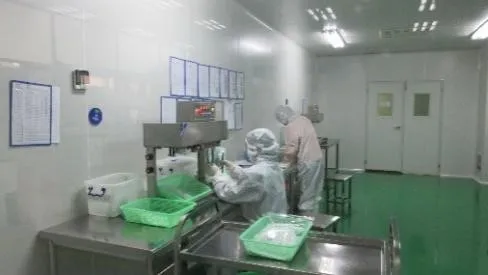
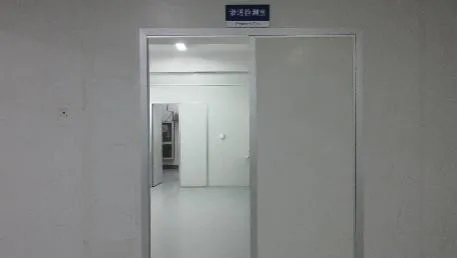
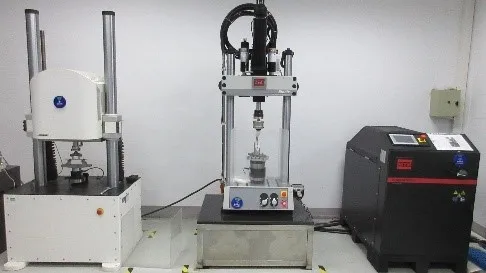
Adapting spinal systems to regional preferences is vital for market integration. We configure our pedicle screw systems for several localization scenarios:
In South American markets, clinical providers emphasize robust trauma solutions and complete instrument sets. Our systems provide long-arm pedicle screws and dedicated reduction instrumentation tools, helping surgeons perform stabilization procedures efficiently in regional medical facilities.
European clinical settings require adherence to the new EU Medical Device Regulation (MDR). Canwell holds active MDR Certification (6142788CE02), providing comprehensive clinical evaluation reports, material safety records, and post-market clinical follow-ups (PMCF) to ensure uninterrupted supply across European countries.
In Southeast Asian markets, cost efficiency must balance high clinical standards. We support these markets with competitive pricing structures and targeted sizing options that align with regional anatomical distributions. This ensures safe and secure pedicle placement across varying patient sizes.
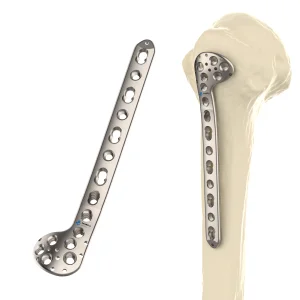
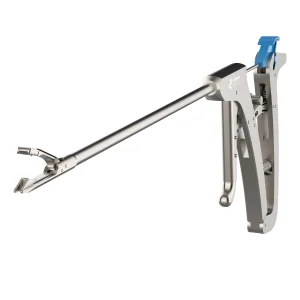
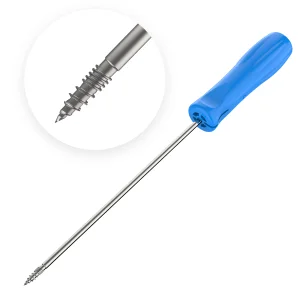
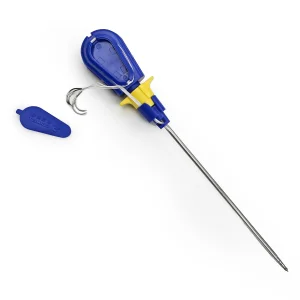
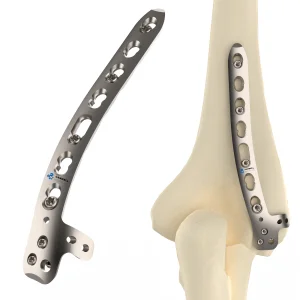
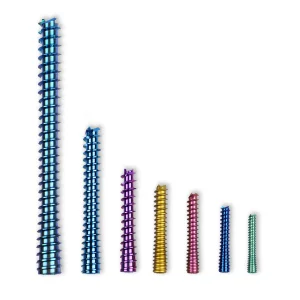
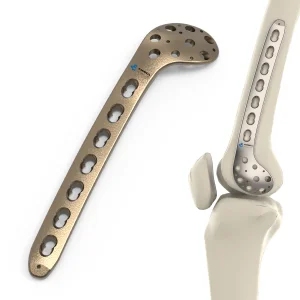
Explore our technical portfolio of locking plates, suture anchors, and modular joint replacement components.
 Harney-Well