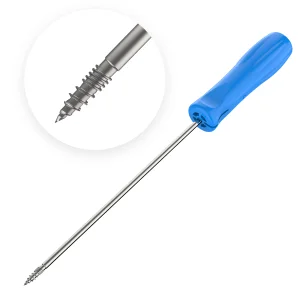
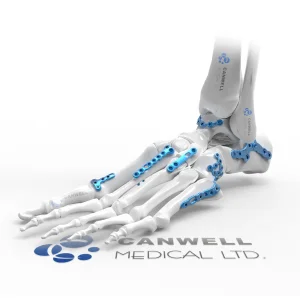
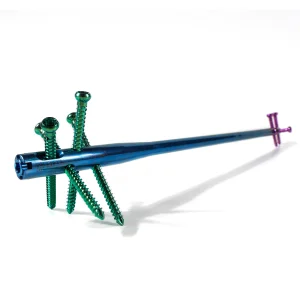
CE Certified Suture Anchor System Factory & Suppliers

Elite Medical Grade Sports Medicine Fixation, Orthopedic Implants, and Trauma Reconstruction Solutions Engineered to Rigorous Global Standards (MDR, ISO13485)

Industrial Overview: Global Suture Anchor Systems Landscape

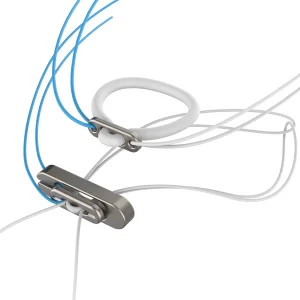
Suture anchor systems have revolutionized arthroscopic sports medicine by establishing highly stable, biomechanically verified connections between soft tissues—such as tendons and ligaments—and cortical or cancellous bone structures.

Material Innovations

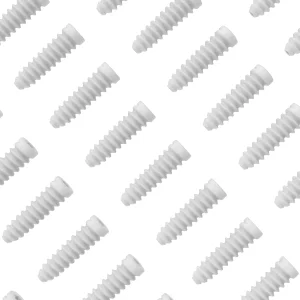
Modern clinical settings demand options ranging from corrosion-resistant Ti-6Al-4V ELI (Grade 5 Titanium) for maximum tensile capacity, to Polyether ether ketone (PEEK) for non-metallic radiolucency, to advanced bioabsorbable copolymer compositions (such as PLGA) which gradually transfer physiological loads to native bone architectures during healing cycles.

Biomechanical Pull-out Strength

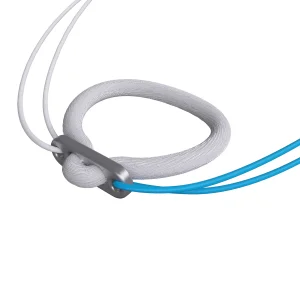
Anchor thread configurations, including pitch density, dual-thread designs, and self-tapping structures, are engineered to optimize mechanical interlock within osteoporotic bone tissue. These are coupled with Ultra-High Molecular Weight Polyethylene (UHMWPE) braided sutures that offer high fatigue resistance and minimal post-operative elongation.

Regulatory Compliance (CE/MDR)

Under the EU Medical Device Regulation (MDR 2017/745), suture anchors are classified under high-risk implantable brackets (Class III / Class IIb). Procuring devices certified under the latest MDR frameworks ensures clinical continuity, absolute traceablity of raw materials, and risk mitigation for international medical distributors.

22+
Years Industry Experience
29,523㎡
Modern Production Area
59
Graduate R&D Engineers
69
QA/QC Inspectors

CANWELL Manufacturing Profile & Quality Infrastructure

Established in 2004, CANWELL has built a massive production ecosystem configured for high-capacity medical implant manufacturing, meeting the strictest international quality verification protocols.

Overview of Production Assets & Trade Background

Company Registration Date2004-11-03
Total Cleanroom Floor Space29,523 ㎡
Years Exporting Globally22 Years
Accepted Communication LanguagesEnglish
R&D Capability59 Graduate Engineers
Main Export MarketsSouth America (30%), Western Europe (20%), Southeast Asia (20%)

Accreditation & International Certifications

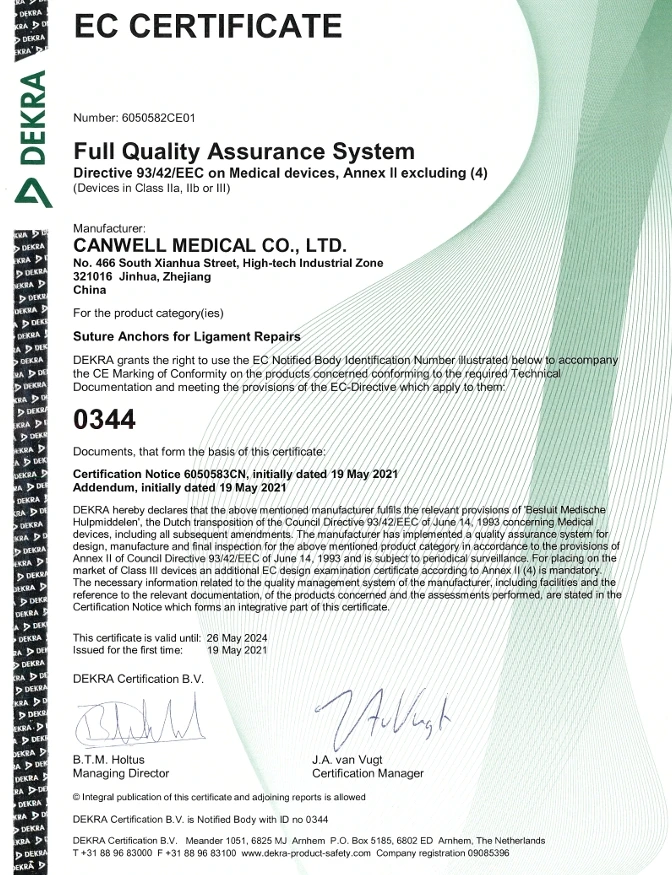
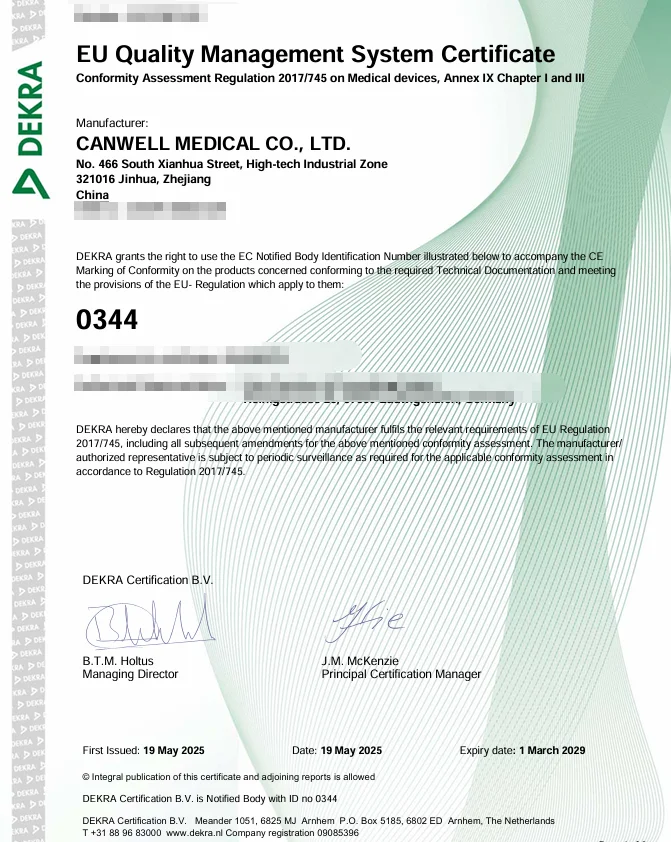
Our production facilities maintain compliance with CE standards, Medical Device Regulation (MDR) specifications, and global ISO protocols. Below are the verified registration profiles:
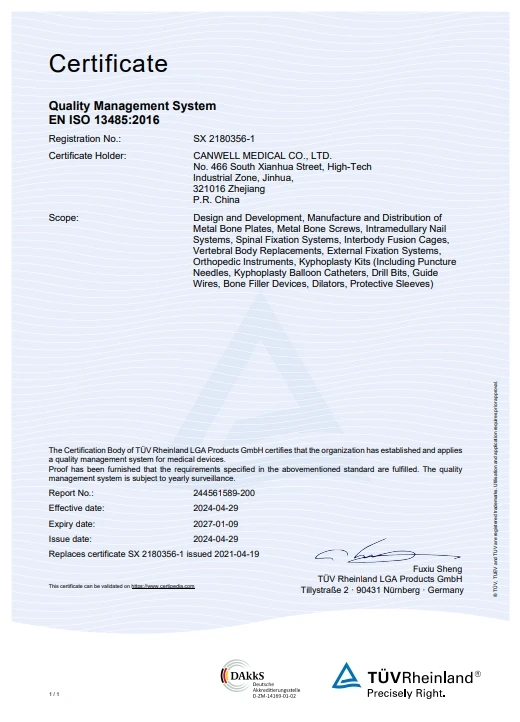
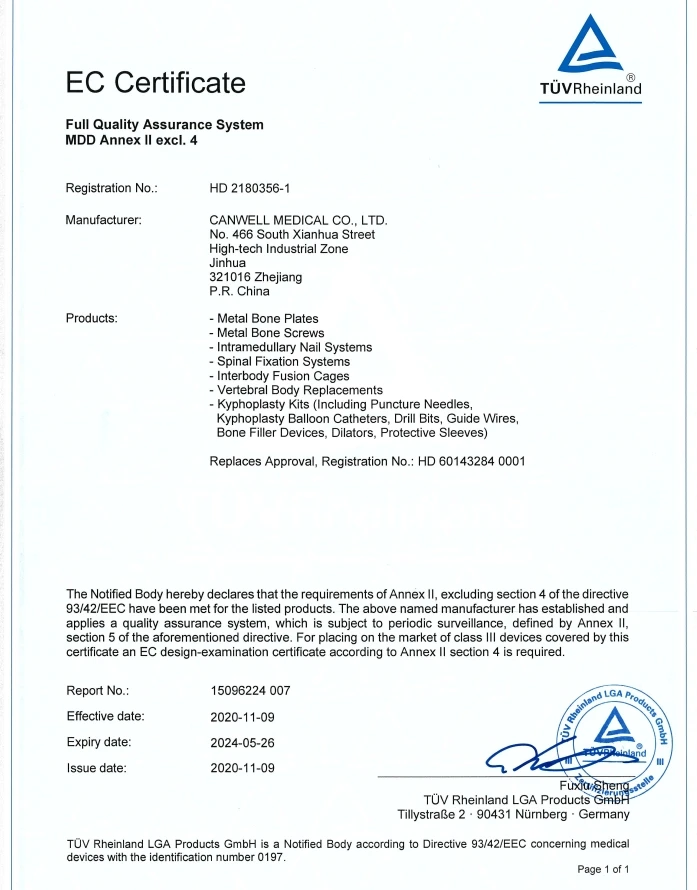
ISO13485 Certificate
ISO13485 Certified Facility
Reg: SX 2180356-1
93/42/EEC Certificate
93/42/EEC Medical Devices
Reg: HD 2180356-1
93/42/EEC Standard Certification
93/42/EEC CE Certification
Reg: 6050582CE01
MDR Certificate
MDR (EU 2017/745) Compliance
Reg: 6142788CE02

Quality Control, Traceability & R&D Capacity

Traceability of Raw Materials Full batch trace back to foundational titanium ingots, PEEK pellets, or bioabsorbable copolymer resins (Yes).
Testing & Inspection Protocols Visual and mechanical testing across all lots. Random batch testing, torque limit validation, and customized client specifications.
Inline Quality Control Continuous monitoring by 69 dedicated QA/QC inspectors integrated across all CNC and cleanroom lines.
Customization Flexibility Full support for OEM/ODM engineering, graphic adjustment, tooling adaptation, and design customization on demand.

Technical Guide to Suture Anchor Systems

A comprehensive examination of engineering parameters, material interfaces, clinical execution, and manufacturing protocols.

Expert Insights (E-E-A-T Focus): In load-bearing reconstruction sites, the clinical success of a suture anchor relies on three primary components: the bone interface, the anchor body mechanical strength, and the anchor-suture eyelet interface. A failure in any of these components leads to clinical fixation loss.

1. Metallurgy and Advanced Biomaterials

Suture anchor technology has evolved from simple mechanical fasteners into biologically compatible integration devices. CANWELL utilizes three specialized material configurations depending on the mechanical and biological needs of the host site:

  • Medical Grade 5 Titanium (Ti-6Al-4V ELI): Specifically selected for high mechanical stress applications (e.g., gluteal tendon repairs, large cuff repairs). Titanium provides high fatigue limits, excellent biocompatibility, and optimal osseointegration over time.
  • PEEK (Polyether ether ketone): A high-performance radiolucent thermoplastic that matches the modulus of human cortical bone. This helps minimize stress shielding at the implantation site and allows clear post-operative visualization via MRI or CT scan.
  • Bioabsorbable PLGA: Formulated from poly(lactic-co-glycolic acid). These anchors degrade gradually, allowing the patient's natural bone tissue to heal into the repair site. This helps avoid the long-term hardware presence common with standard metal anchors.

2. Biomechanical Threads & Eyelet Integrity

The threads of CANWELL suture anchors are designed to optimize pull-out resistance and ease of insertion. They feature a high-pitch, dual-threaded design that engages both dense cortical bone at the surface and porous cancellous bone deeper inside. The proximal thread profile helps prevent cortical bone cracking, while the distal self-tapping threads make initial insertion easier. Additionally, the internal suture eyelet is rounded and polished to minimize friction against UHMWPE sutures, protecting the sutures from shearing during knot tying or tensioning.

3. Localized Clinical Application Scenarios

Our anchor systems are optimized for specific arthroscopic procedures across various anatomical regions:

Shoulder Stabilization

Specifically engineered for Rotator Cuff repairs (using double-row bridge constructs), Bankart lesions, and SLAP repairs. These anchors provide strong holding power in the humeral head and glenoid rim.

Knee Ligament Reconstruction

Commonly used in ACL/PCL femoral fixation, meniscus root repairs, and medial collateral ligament stabilization. The high pull-out strength helps support early patient rehabilitation.

Foot & Ankle Reconstruction

Ideal for Achilles tendon repairs and lateral ankle ligament stabilization (such as the Brostrom-Gould technique). Features small diameters designed to fit tighter anatomical spaces.

4. Supply Chain Resilience and Manufacturing Efficiency

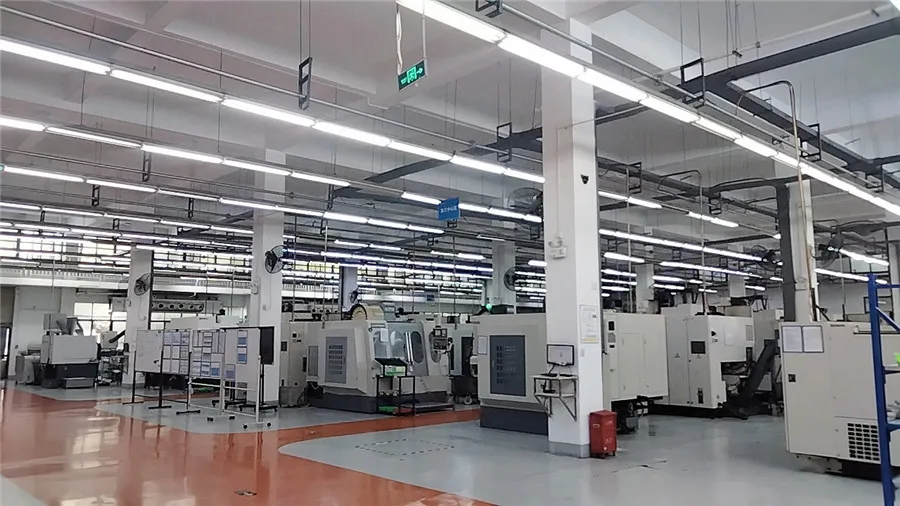
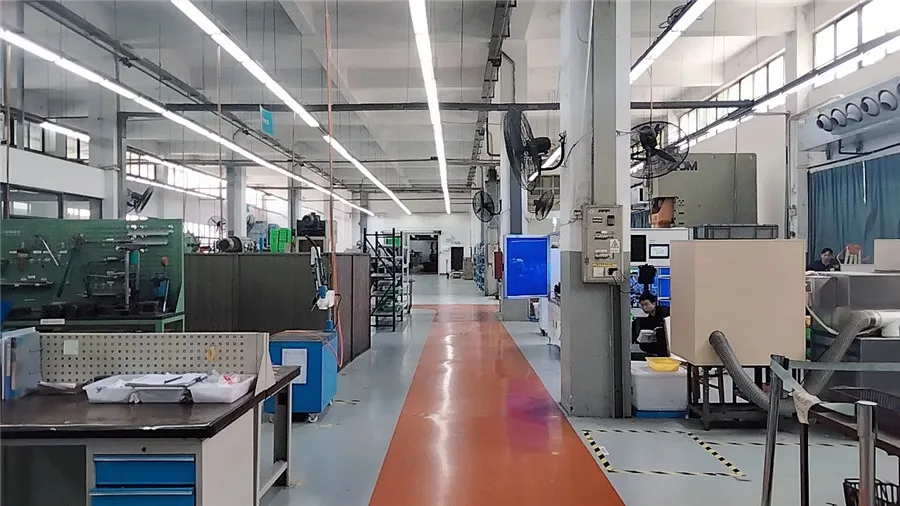
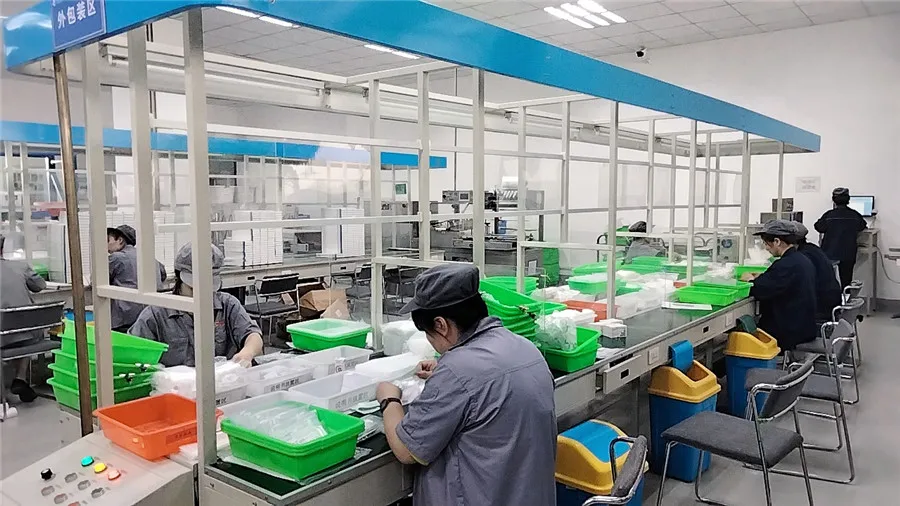
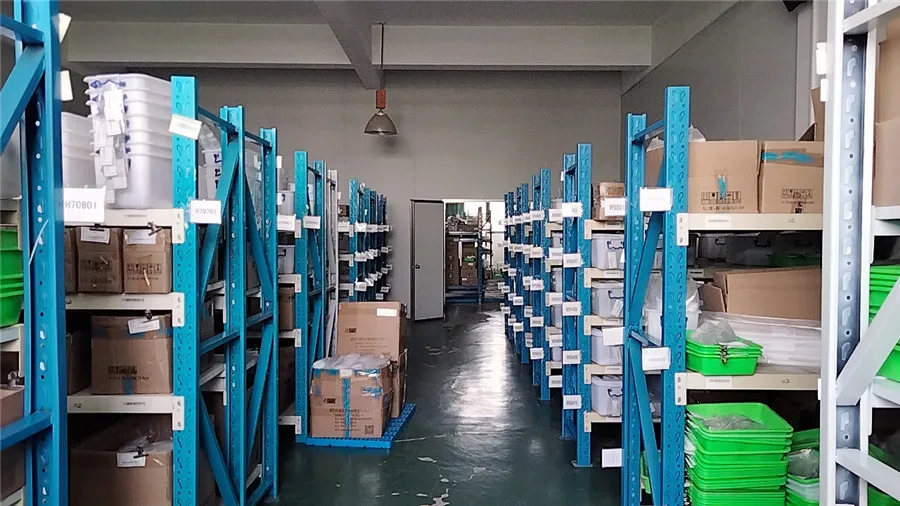
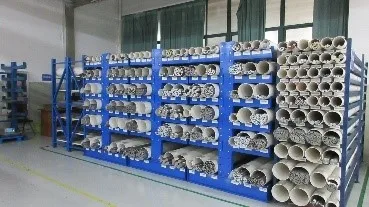
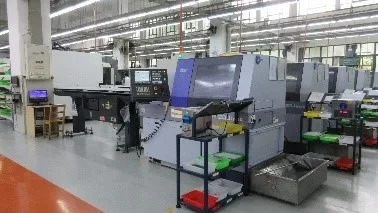
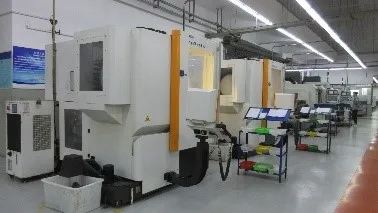
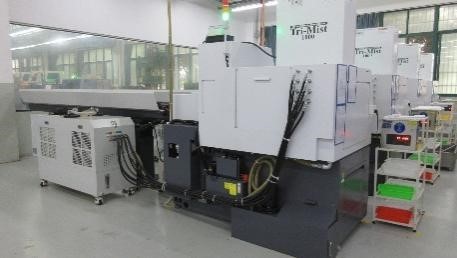
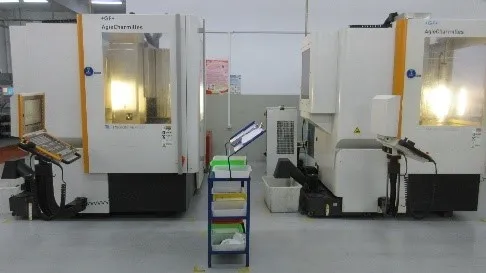
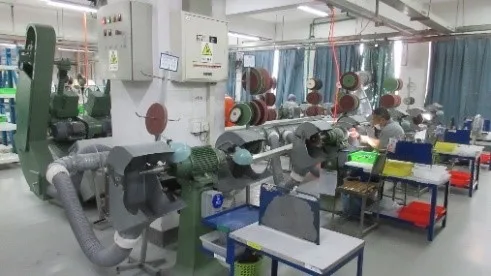
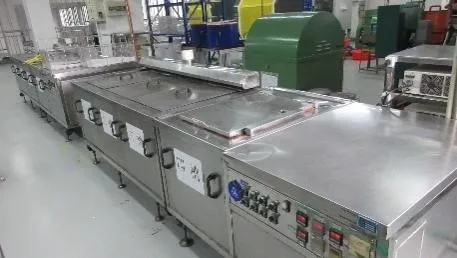
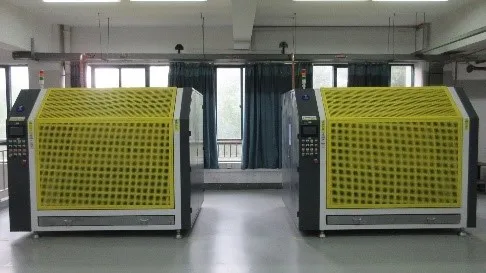
Operating a 29,523 ㎡ production facility allows CANWELL to manage the entire manufacturing cycle. This starts with sourcing raw medical materials and goes all the way through Swiss CNC machining, electrochemical polishing, automated cleanroom packaging, and EO gas sterilization. By managing these processes in-house, we help shield our distribution partners from global logistics bottlenecks, maintaining a reliable supply of Class III implants even during high-demand periods.

5. Regulatory Compliance & Localized Technical Support

Meeting regulatory standards like the European Union's MDR 2017/745 and ISO 13485 is a core part of our quality process. Every production run undergoes material trace validation, mechanical pull-out testing, and sterility checks. Our dedicated global technical support team assists distributors with regulatory filings, local product registrations, and provides surgical training materials to ensure safe and correct use.

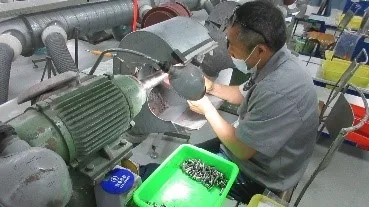
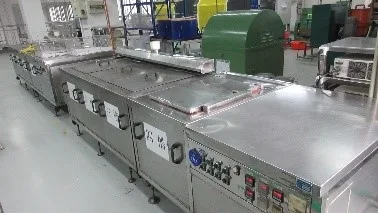
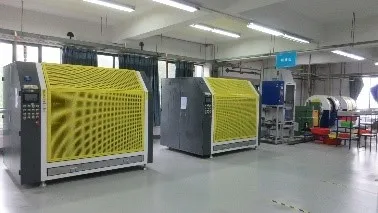
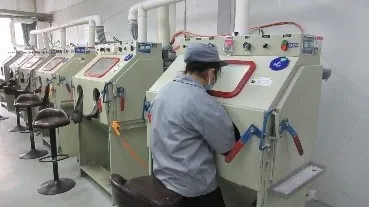
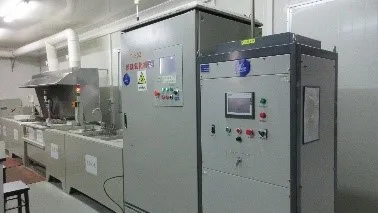
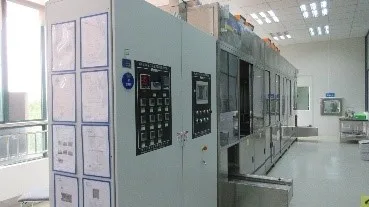
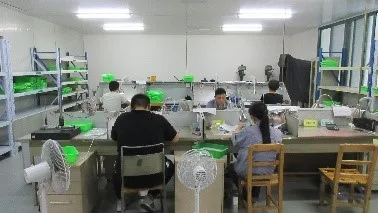
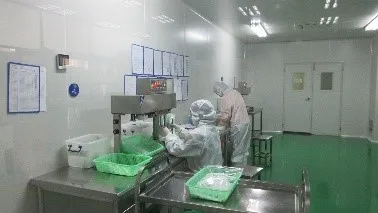
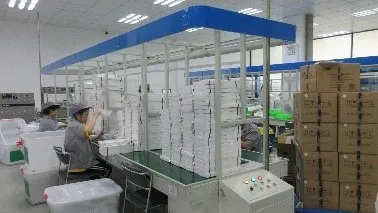
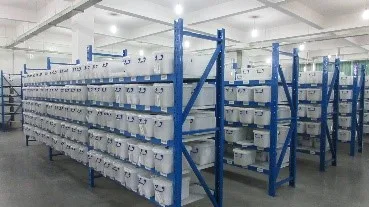
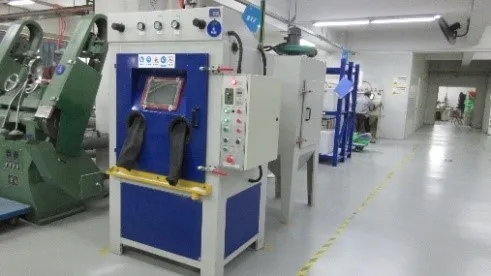
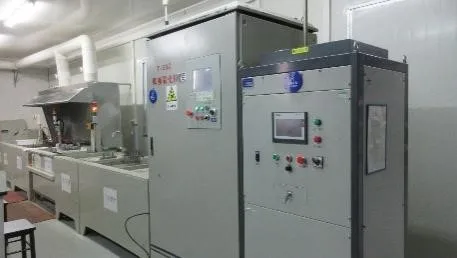
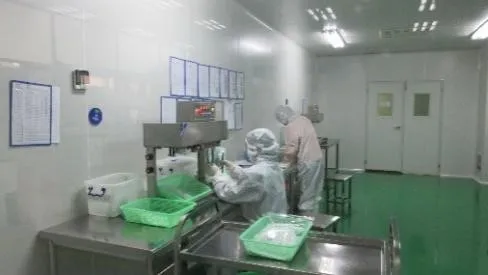
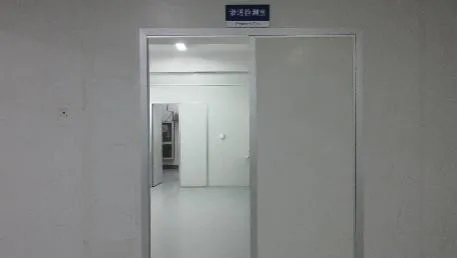
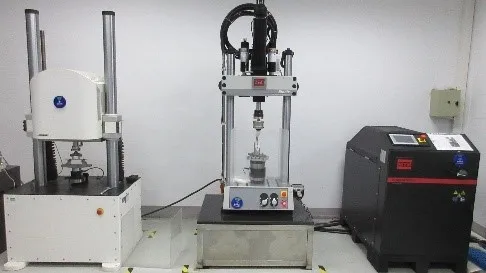
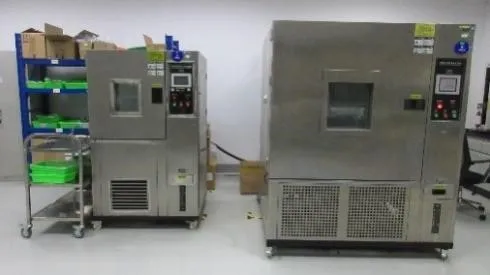
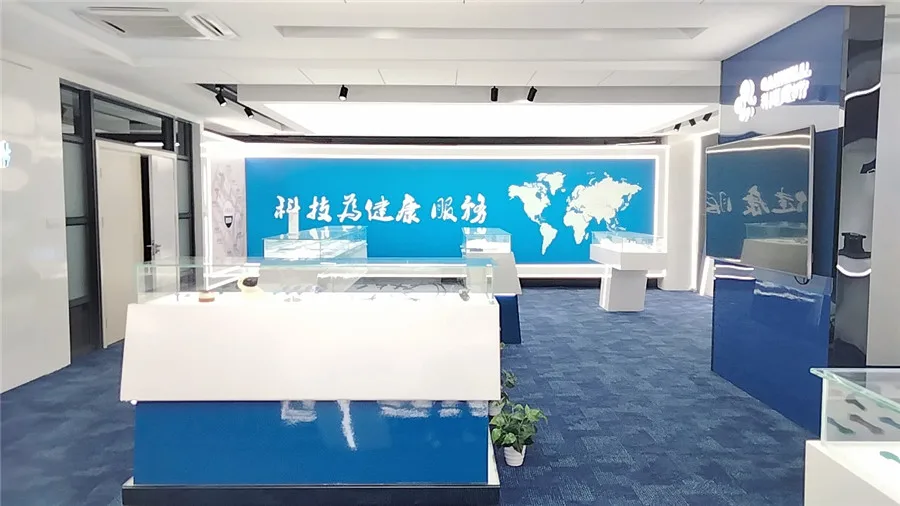
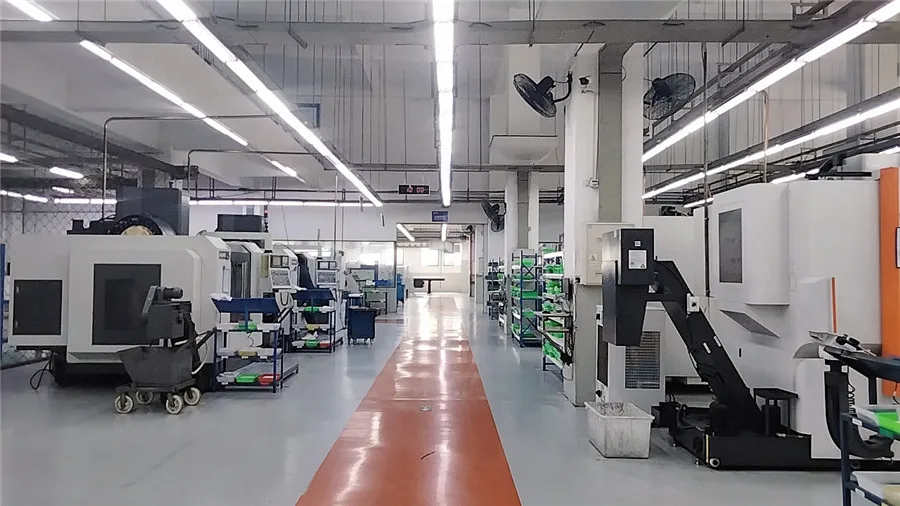
Industrial Manufacturing Showcase & Quality Control Operations

Step inside CANWELL's production lines, advanced manufacturing machinery, and verified sterilization and testing facilities.
Suture Anchor Systems: Commercial & Clinical FAQ

Answers to key questions from medical device distributors, procurement managers, and orthopedic surgeons.

Q1: How does CANWELL ensure the mechanical safety and pull-out resistance of its suture anchors?
Every batch of CANWELL suture anchors undergoes mechanical validation. We test insertion torque and ultimate pull-out strength using synthetic bone models that simulate normal and osteoporotic human bone density. This ensures our anchors maintain their holding power under physiological loads.
Q2: Are PEEK, Titanium, and Bioabsorbable anchors compatible with the same instrumentation?
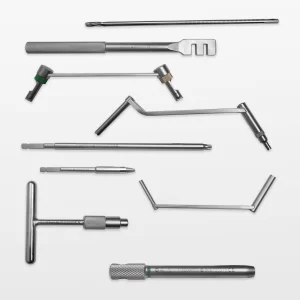
Our suture anchor systems are designed as integrated units, featuring specific drivers and insertion tools optimized for each anchor type (PEEK, Titanium, or Bioabsorbable PLGA). This helps ensure stable insertion and reduces the risk of driver slippage during surgery.
Q3: How does CANWELL support international product registration under MDR rules?
We provide a comprehensive technical documentation package. This includes raw material mill certificates, biocompatibility test results (ISO 10993), sterilization validation records (ISO 11135), and clinical assessment papers, helping our partners streamline local registration processes.
Q4: What customization options are available for OEM partners?
We offer flexible OEM/ODM options. Partners can request custom laser etching, customized suture configurations (including single, double, or triple-loaded UHMWPE configurations), modified driver interfaces, and private label packaging, all supported by our 59 graduate R&D engineers.
Q5: What are the target degradation times for your bioabsorbable (PLGA) anchors?
Our PLGA interference screws and bioabsorbable anchors are engineered to maintain mechanical stability during the critical initial healing phase (12–16 weeks), after which they gradually absorb over a period of 12 to 18 months, allowing the native bone to regenerate in the site.