Engineered to comply with stringent European MDR and international orthopedic standards.
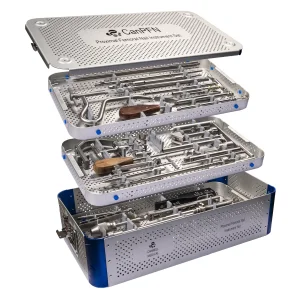
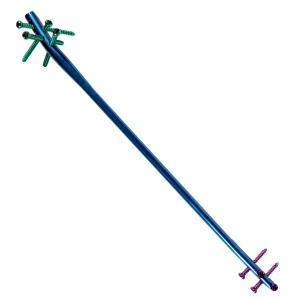
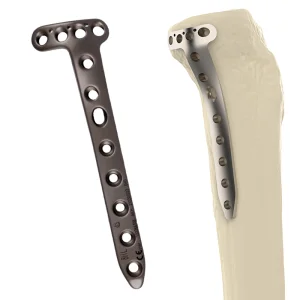
Operating since 2004 with world-class facilities and standard compliance structures.
The global demand for high-performance biomaterial implants, reconstruction systems, and bone fusion conduits is experiencing unprecedented growth. Driven by a rapidly aging global population, rising rates of high-energy traumatic injuries, and expanding sports medicine interventions, contemporary orthopedic surgery demands structural conduits that offer both biological inertness and mechanical adaptability. Modern surgical conduits are designed to bridging skeletal gaps, restoring loading paths, and facilitating rapid osteogenesis.
As hospitals and ambulatory surgical centers (ASCs) seek to standardize orthopaedic operations, the reliance on CE-certified manufacturers has become critical. The transitioning regulatory landscape—particularly from the Medical Devices Directive (MDD 93/42/EEC) to the stringent European Medical Devices Regulation (EU 2017/745 MDR)—demands exhaustive clinical evaluation reports, complete raw material traceability, and continuous post-market surveillance.
State-of-the-art materials transformed into high-performance clinical hardware.
Utilizing high-purity Ti-6Al-4V ELI (Grade 5) and biocompatible Polyetheretherketone (PEEK) to ensure optimal elasticity, high tensile strength, and non-shielding stress-transfers.
From initial titanium bar extrusion to chemical composition spectroscopy and mechanical load validation, every batch is fully traceable under ISO 13485 protocols.
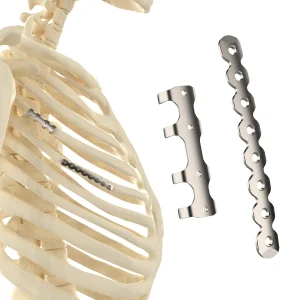
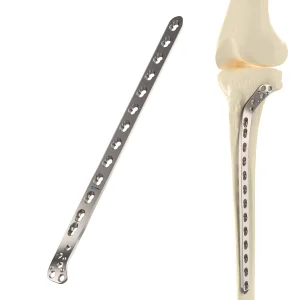
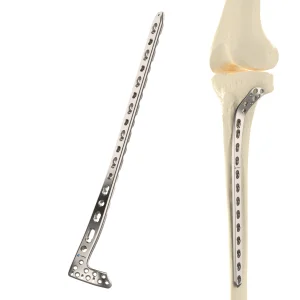
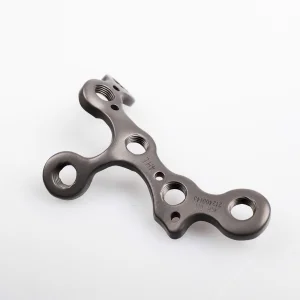
Our bone plates feature polyaxial locking mechanisms, facilitating custom screw trajectories and secure anchor placement in osteoporotic bone tissue.
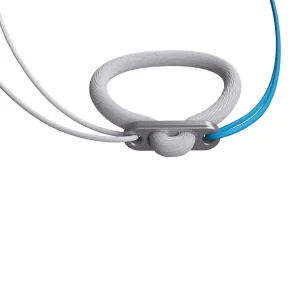
Advanced sports medicine implants, including suture anchors and ACL Endobutton loops, engineered for minimal wear and precise anatomical anchoring.
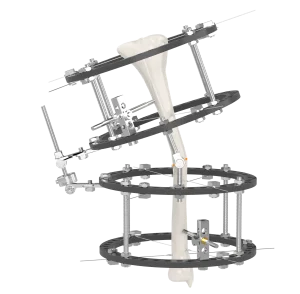
Ilizarov Ring Fixators utilizing lightweight alloys, facilitating micromotion for bone transport, complex deformity correction, and non-union stabilization.
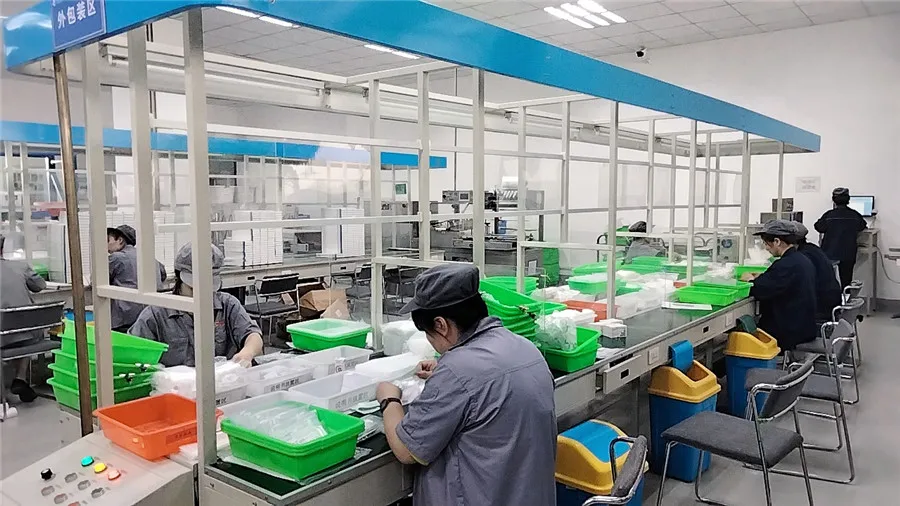
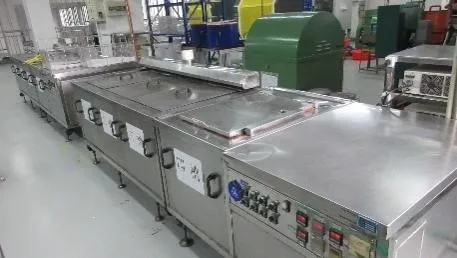
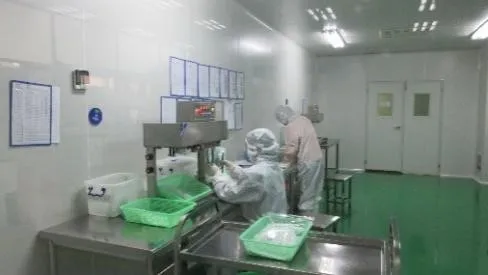
All surgical components undergo ultrasonic cleaning and packaging in ISO Class 7 cleanrooms, ensuring endotoxin-free implant deliveries.
A deep clinical assessment of how implant design influences bone remodeling and patient outcomes.
When engineering surgical implants such as locking plates, intramedullary nails, and spinal fusion cages, addressing the biomechanical interface between synthetic materials and host cortical bone is paramount. An mismatch in elastic modulus can trigger stress shielding, a phenomenon where the stiffer titanium implant bears the physiological load, starving the surrounding bone of mechanical stimuli. Over time, this leads to localized bone resorption and aseptic loosening.
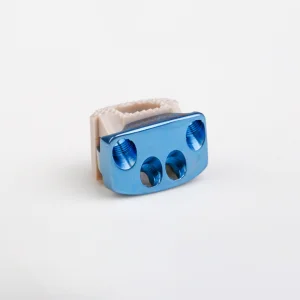
To combat this, CANWELL utilizes proprietary grain refinement and specialized anodization processes on Titanium Grade 5 (Ti-6Al-4V ELI) substrates. This optimizes surface roughness (Ra values) to promote robust protein adsorption and accelerate osteoblast adhesion. In spinal applications, the utilization of medical-grade PEEK (Polyetheretherketone) inside the *ACDF Zero Profile Fusion Cages* provides an elastic modulus highly comparable to human cancellous bone. This compatibility ensures a balanced mechanical load distribution, minimizing the risk of cage subsidence while allowing clear radiographic monitoring of the bone graft conduit's progress.
Fully certified under international quality management systems and medical device directives.
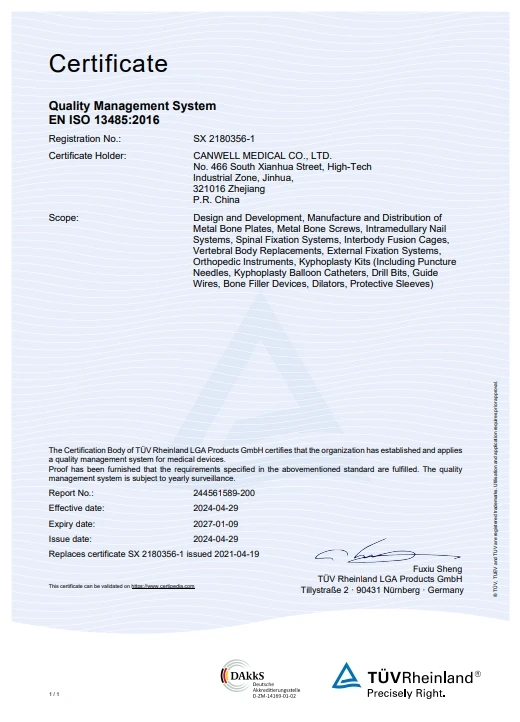
 ISO13485
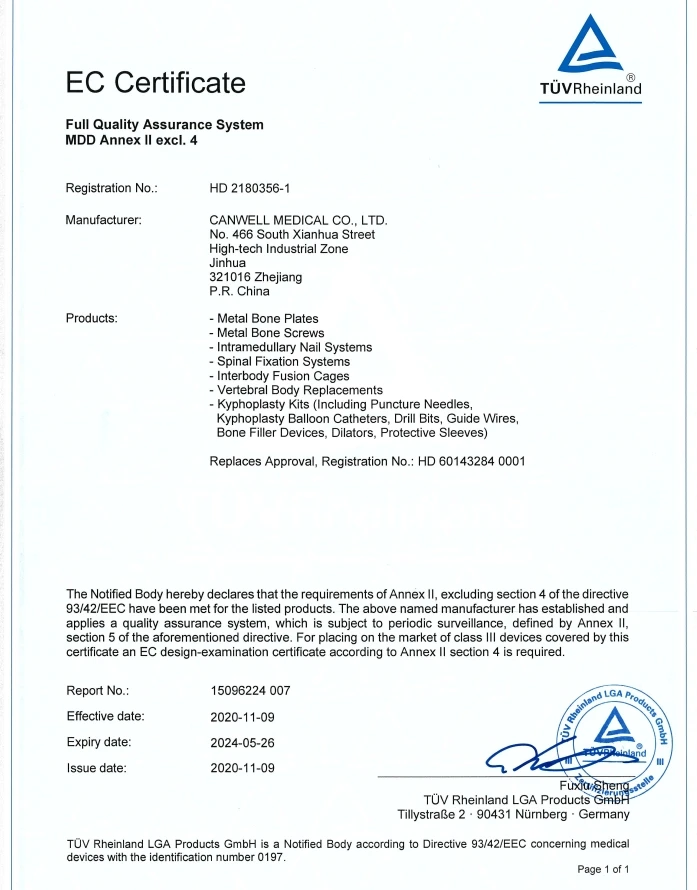
 93/42/EEC
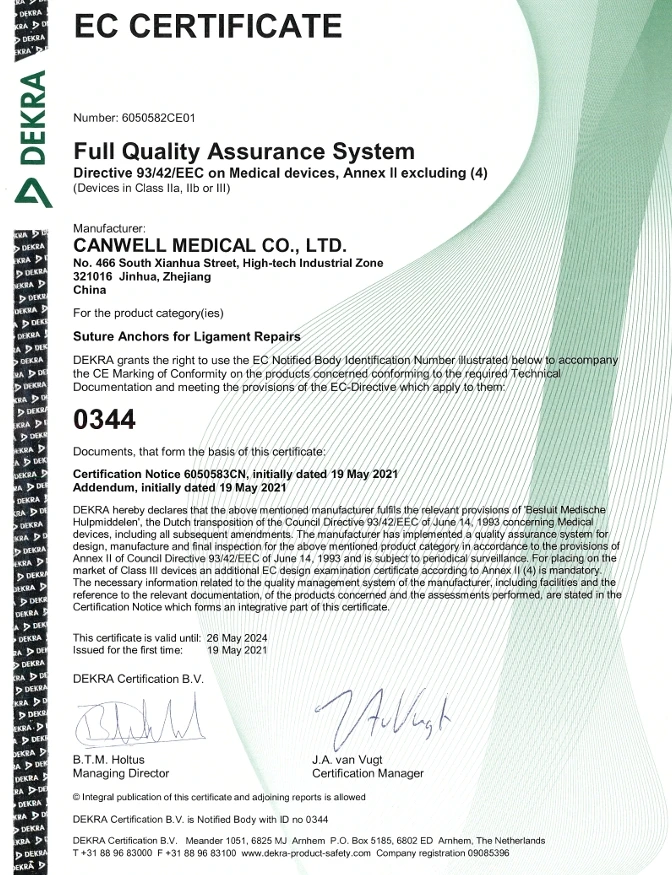 93/42/EEC
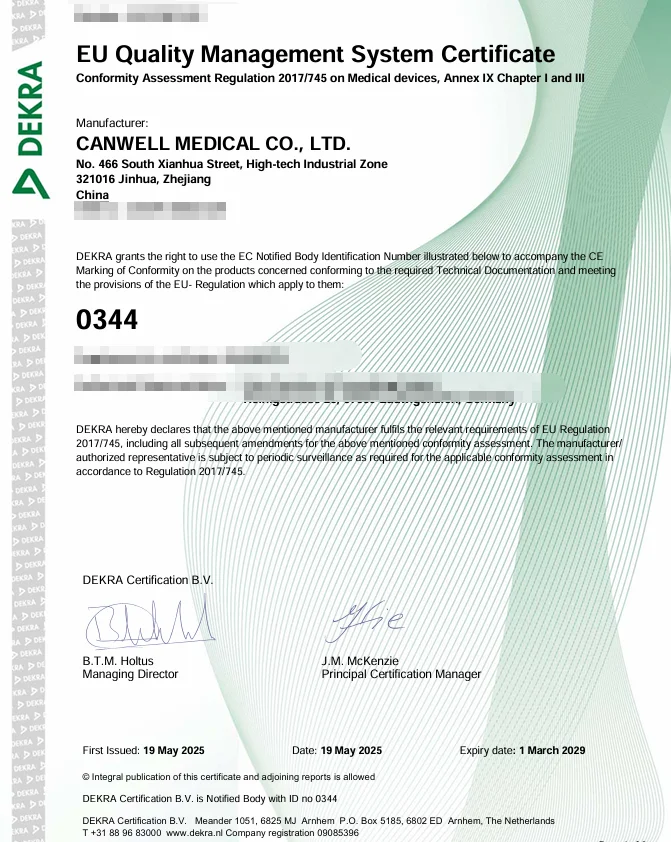
 MDR
MDR
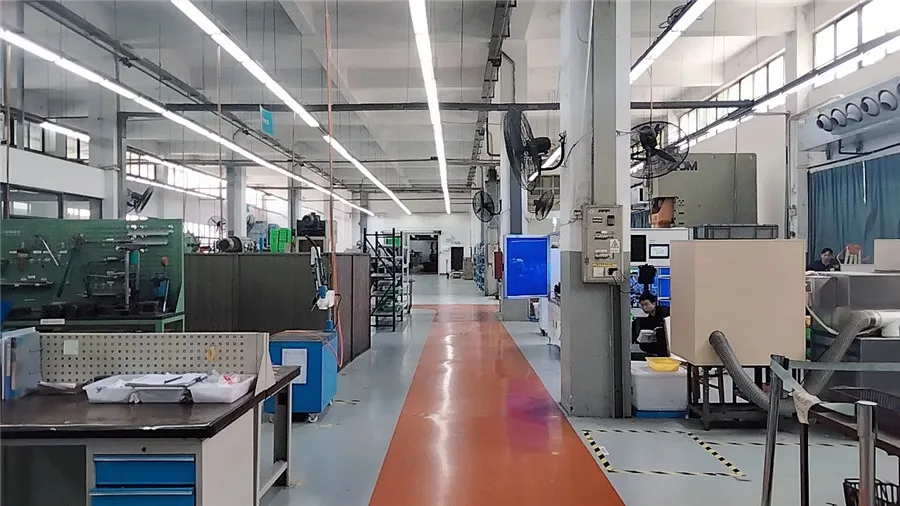
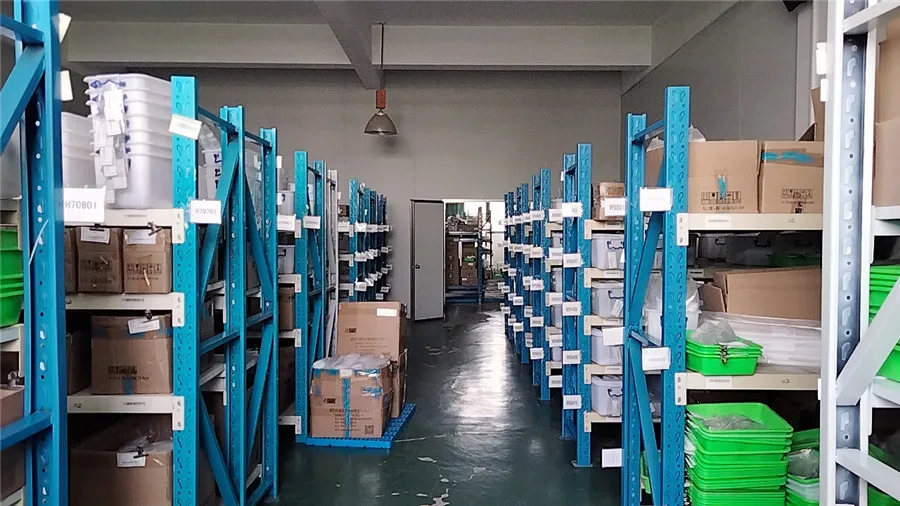
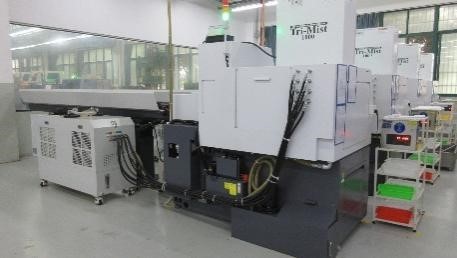
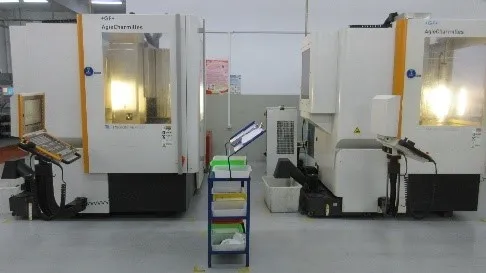
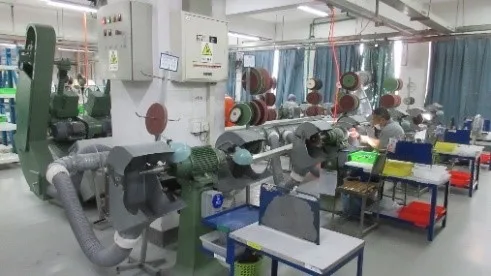
Virtual tour showcasing our CNC machining centers, automated polishing lines, and quality verification labs.
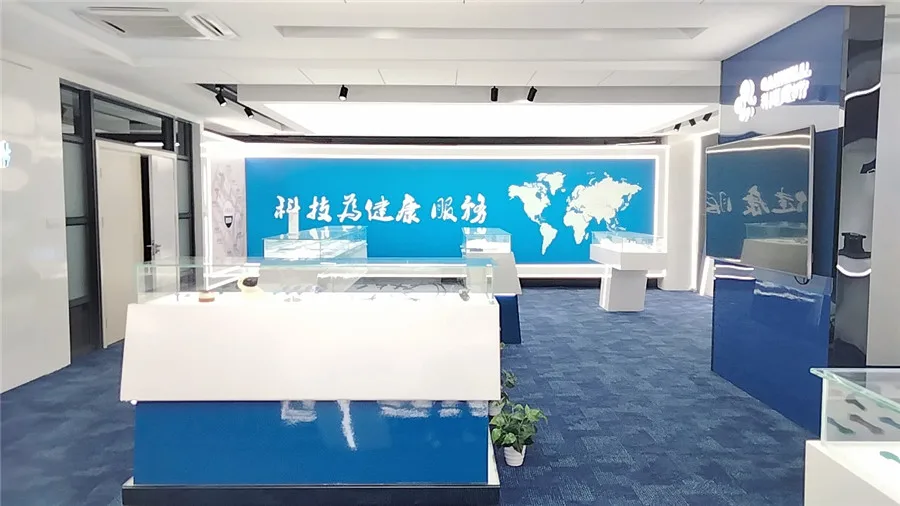
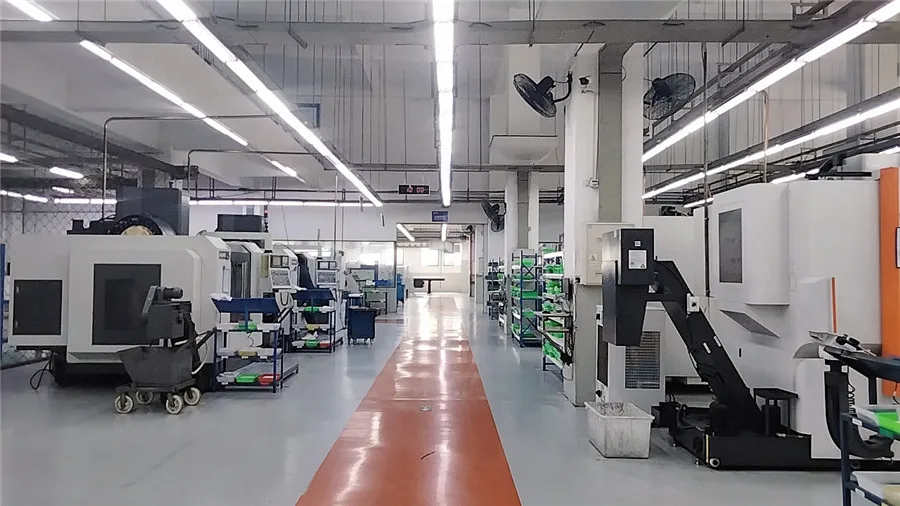
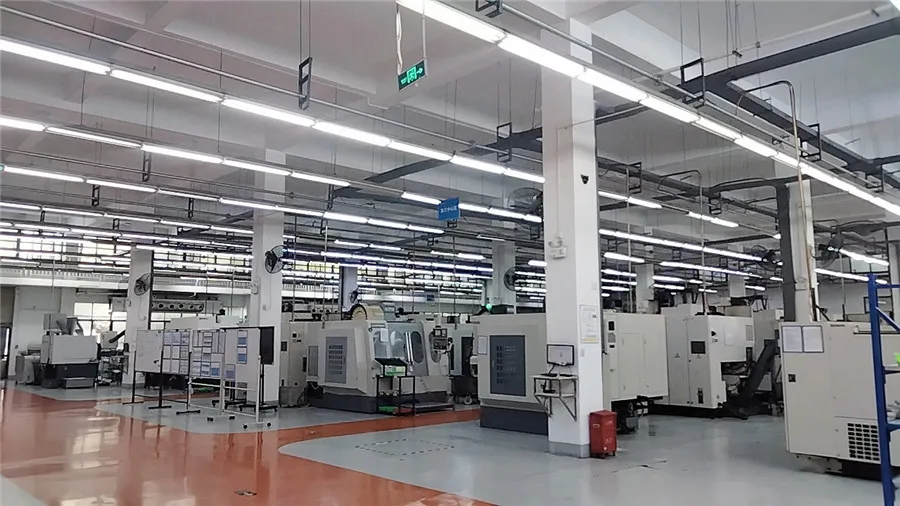
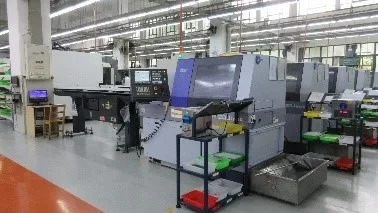
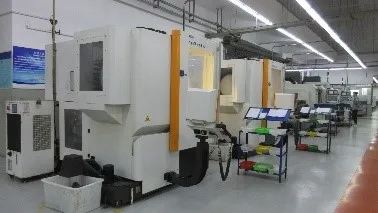
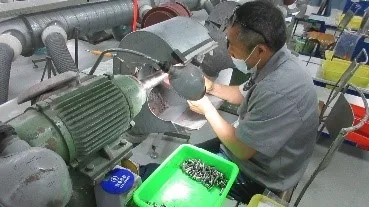
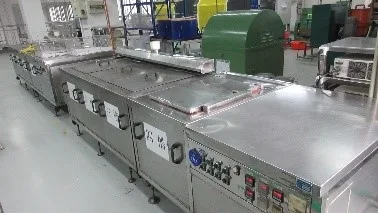
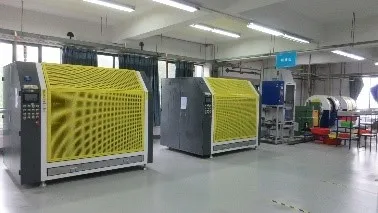
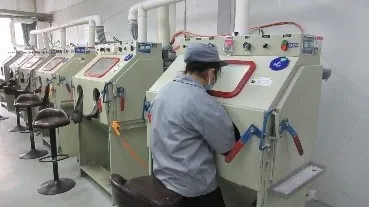

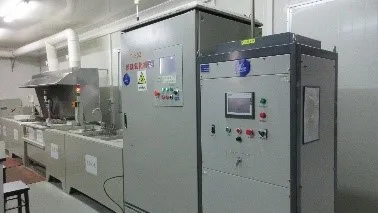
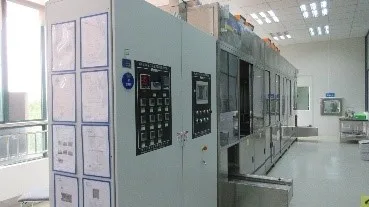
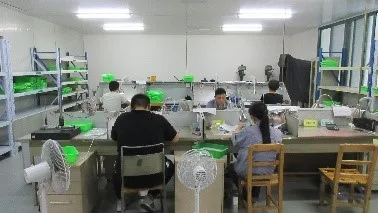
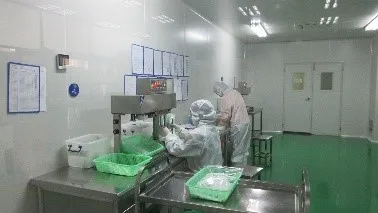
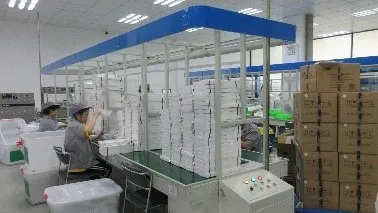
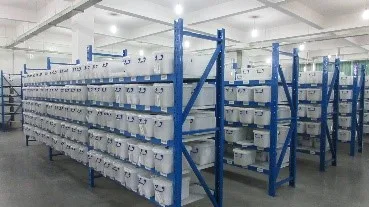
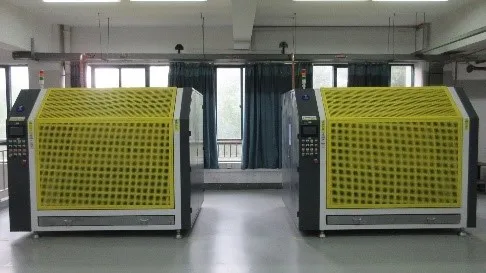
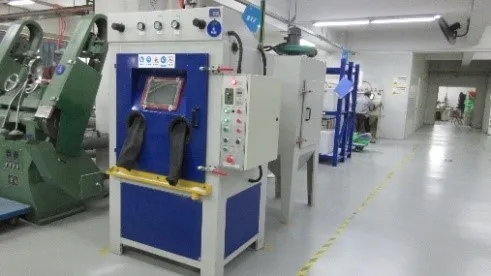
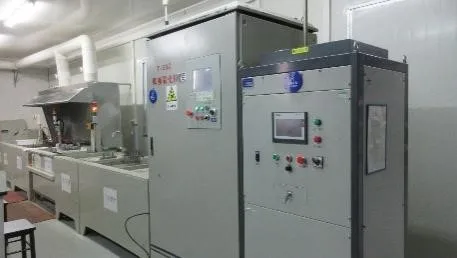
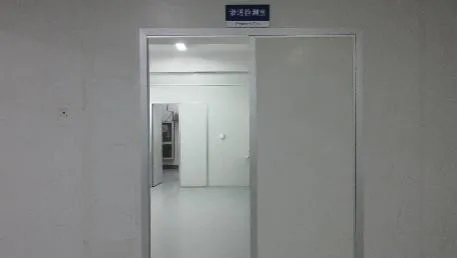
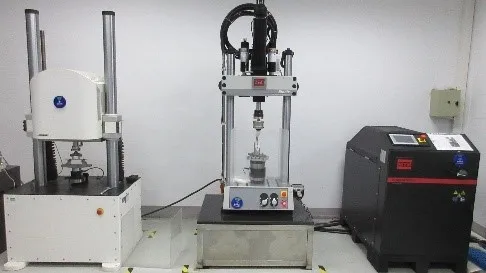
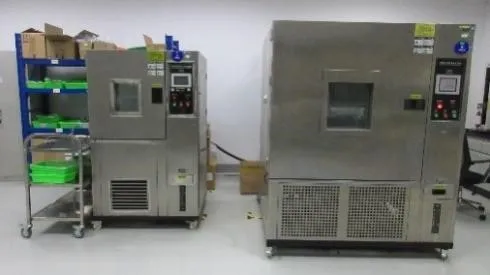
As a forward-thinking orthopedic supplier, our R&D roadmap focuses on the integration of smart technologies and bio-active surface coatings. Our R&D division, consisting of 59 graduate engineers, collaborates with mechanical testing laboratories and orthopaedic surgeons to develop next-generation implants. We are exploring the application of porous titanium lattices created through additive manufacturing (3D printing). These structures mimic the elasticity of natural trabecular bone and act as conduits, facilitating osteoconductive cell migration and tissue ingrowth directly into the implant matrix.
In parallel, we are designing hybrid biodegradable fixation conduits. These transient systems support structural loading during early bone healing phase, then gradually degrade as the bone regenerates, eliminating the need for a secondary implant removal surgery. These innovations, combined with our experience in sports medicine joint reconstruction and spinal fusion, ensure our product lines remain at the forefront of the orthopedic medical device sector.
Exporting to diverse medical jurisdictions (comprising South America, Western Europe, and Southeast Asia) requires adaptable localized solutions. We offer:
Engineered for extreme load resistance, anatomic alignment, and rapid surgical placement.
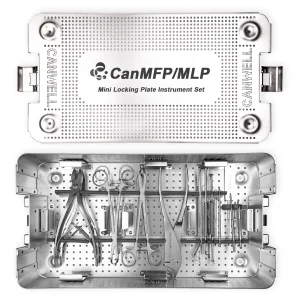
Professional responses regarding regulatory status, engineering, customization options, and material safety.
 Harney-Well