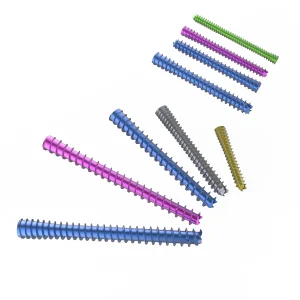
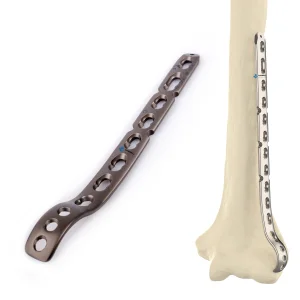
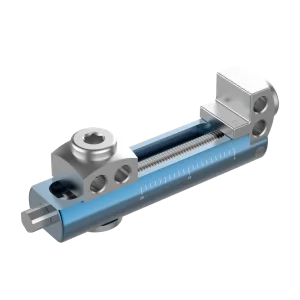
Advanced orthopaedic fixation implants pre-evaluated for Doha's major clinical emergency protocols.
Doha has emerged as a state-of-the-art medical hub in the Middle East, driven by the Qatar National Vision 2030. The rapid expansion of infrastructure, combined with a high influx of multi-national labor forces and the state's strategic positioning for elite sports training (anchored by institutions like Aspetar Orthopaedic and Sports Medicine Hospital), has created a highly specialized demand profile for orthopedic trauma implants. Major emergency pathways, primarily run by the Hamad Medical Corporation (HMC) system, require trauma hardware that meets stringent international safety marks (MDR CE, ISO13485) and offers flawless clinical performance under acute surgical scenarios.
Currently, the procurement channels in Doha are transitioning from traditional Western sole-source relationships toward resilient, high-quality manufacturing partners from China who can offer localized regulatory compliance, consistent sterilization specifications, and rapid delivery cycles. This shift is accelerated by the need for cost optimization within public healthcare budgets and private clinic groups, such as Aster Qatar and Al Ahli Hospital, without sacrificing mechanical fatigue resistance or biological compatibility.
How our trauma implants perform under maximum biomechanical load in clinical environments.
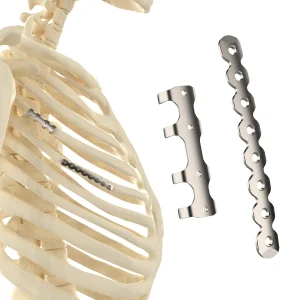
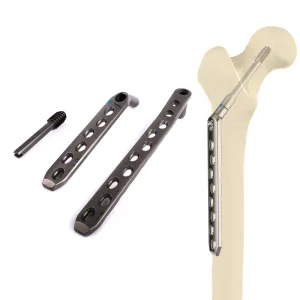
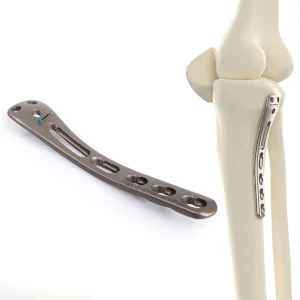
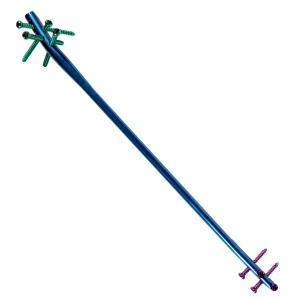
All of our bone plates and intramedullary nails are forged using medical-grade Titanium Alloy (Ti6Al4V ELI) conforming strictly to ASTM F136 standards. This alloy delivers an optimized strength-to-weight ratio and a low elastic modulus that closely matches human cortical bone, reducing stress-shielding effects post-implantation.
Advanced electrochemical anodization treatment is applied to all titanium surface boundaries. This increases surface bio-inertness, forms a thicker protective titanium oxide layer, and significantly reduces the release of metal ions into localized tissues, protecting patient safety in long-term implants.
| Implant Property | Standard Specs | Clinical Benefit |
|---|---|---|
| Ultimate Tensile Strength | ≥ 860 MPa | Prevents premature plate breakage |
| Yield Strength (0.2% offset) | ≥ 795 MPa | Maintains anatomical bone alignment |
| Elongation at Break | ≥ 10% | Enables precise anatomical contouring |
| Surface Finish (Ra) | ≤ 0.4 μm | Minimizes bacterial adhesion risk |
Global regulatory compliance matching Hamad Medical Corporation procurement standards.
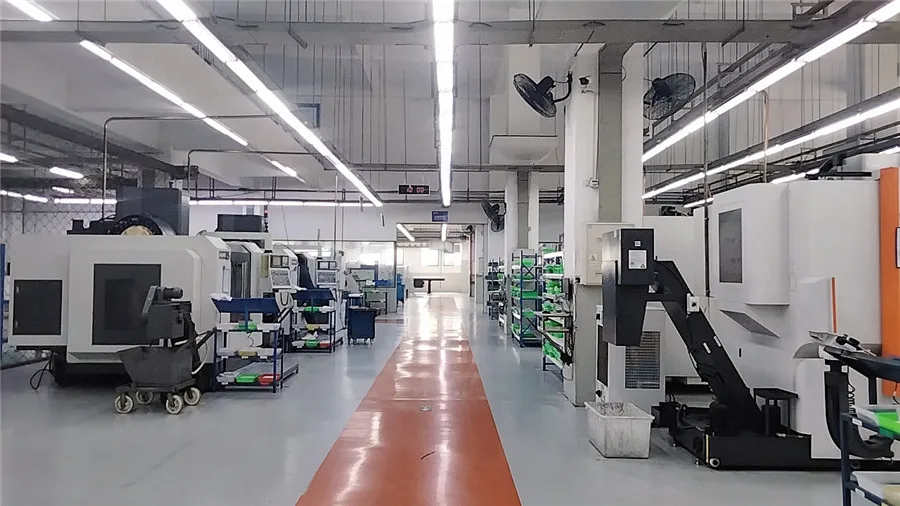
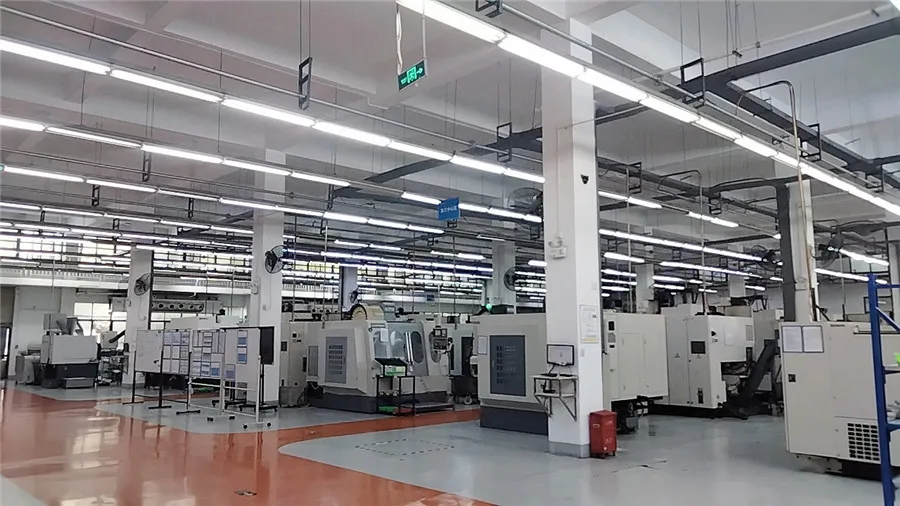
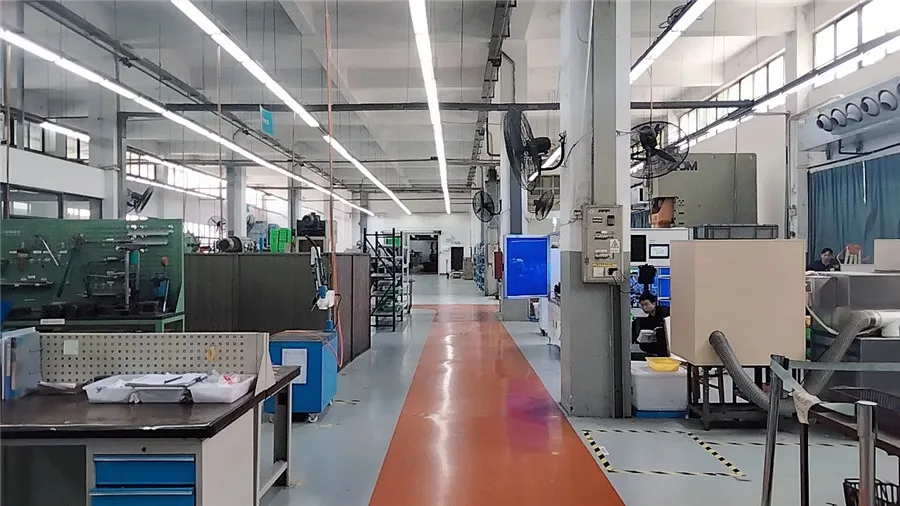
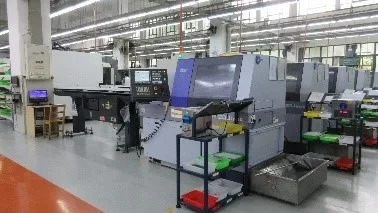
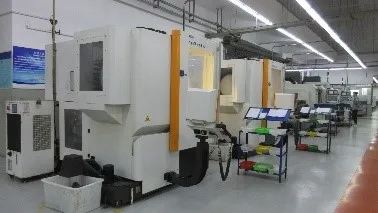
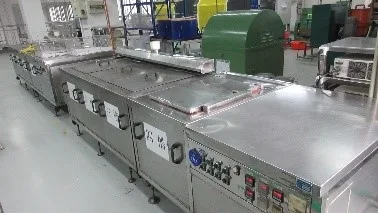
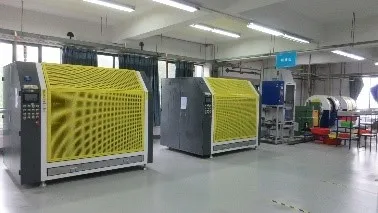
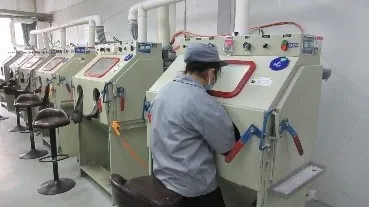
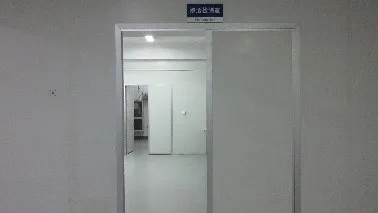
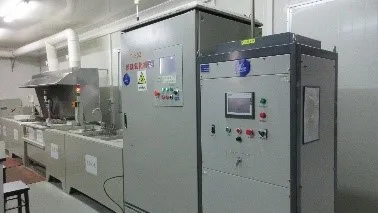
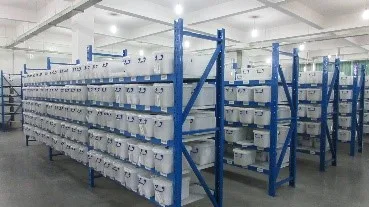
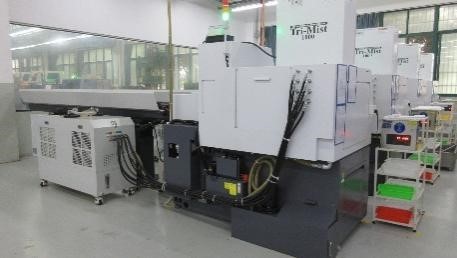
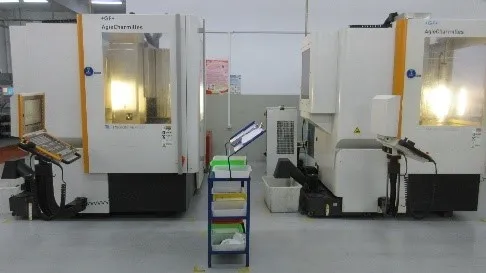
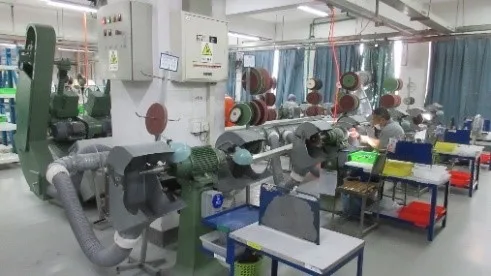
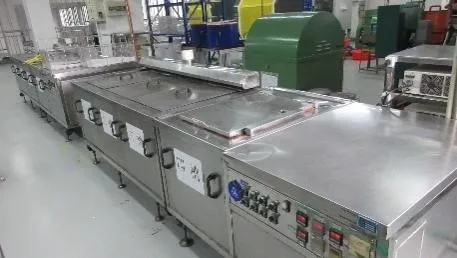
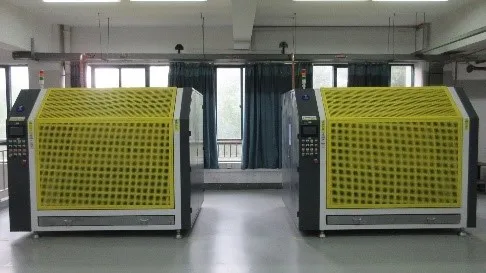
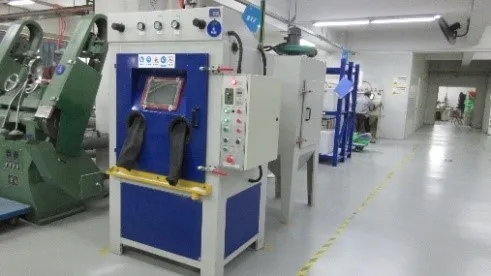
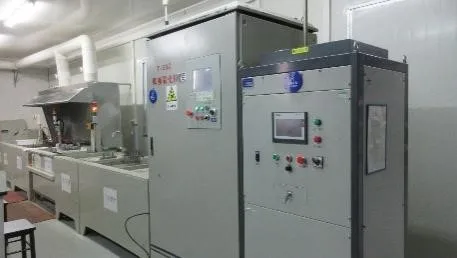
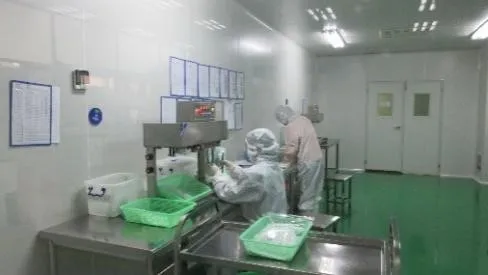
Over 29,523 square meters of state-of-the-art manufacturing floor space housing high-precision German and Japanese CNC machine centers. Our manufacturing process integrates fully automated cleaning lines, Class 10,000 cleanrooms, and computerized coordinate-measuring systems (CMM) to guarantee product reliability.
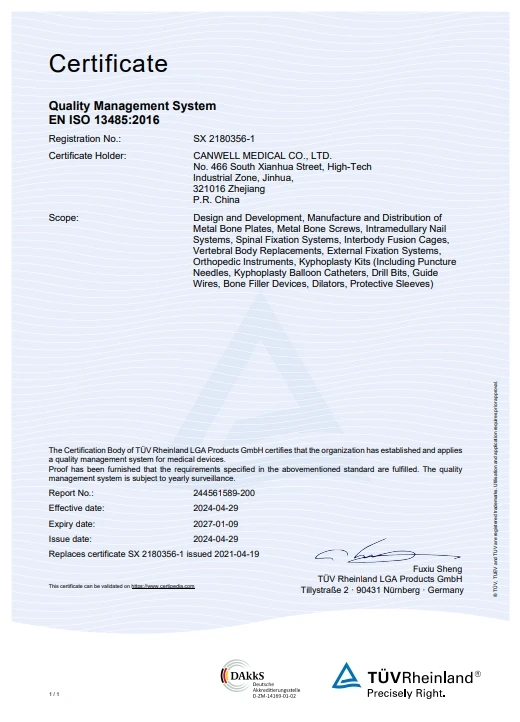
 ISO13485
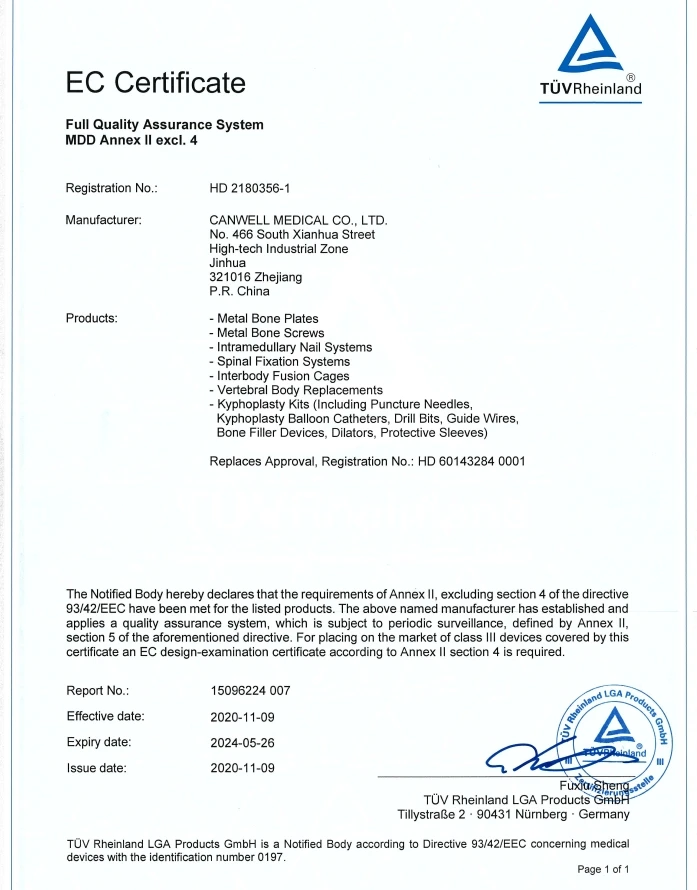
 93/42/EEC
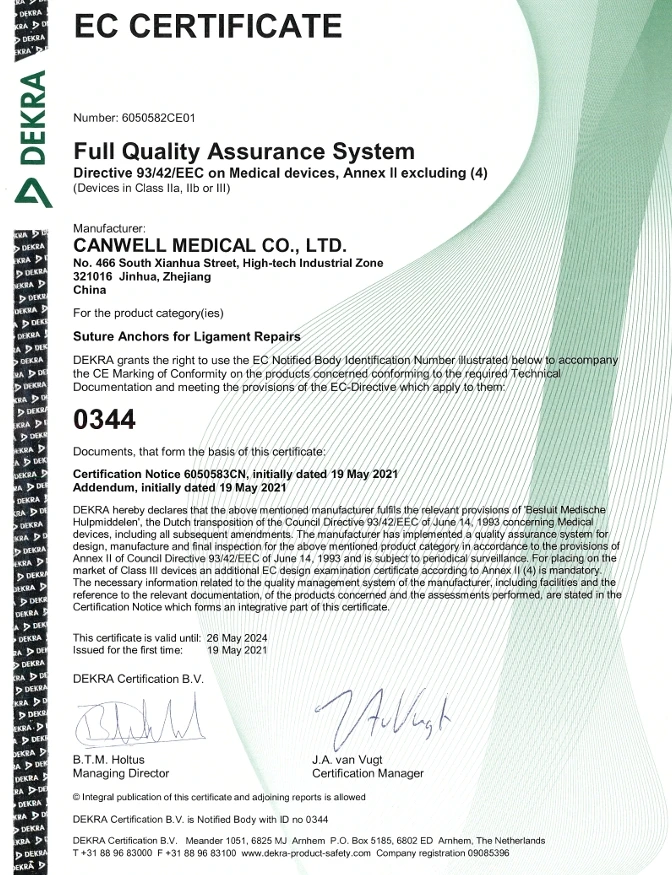 93/42/EEC
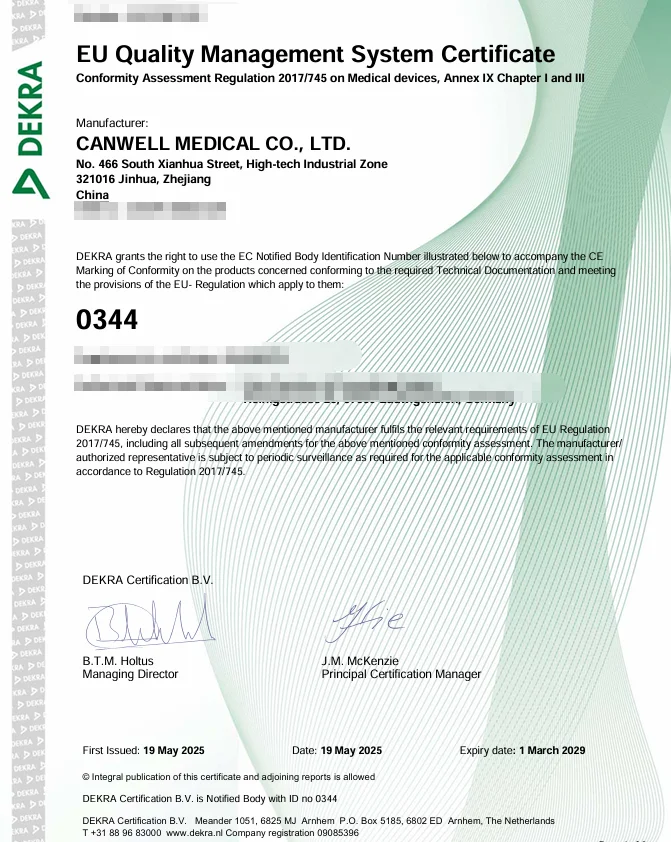
 MDR CE
Reducing supply lead times and optimizing inventory costs for Qatari medical distributors.
With established air cargo routes between China logistics hubs and Hamad International Airport (DOH), we guarantee typical customs clearance readiness and freight transport within 7–10 working days. This reduces emergency stock-out risks for active trauma institutions.
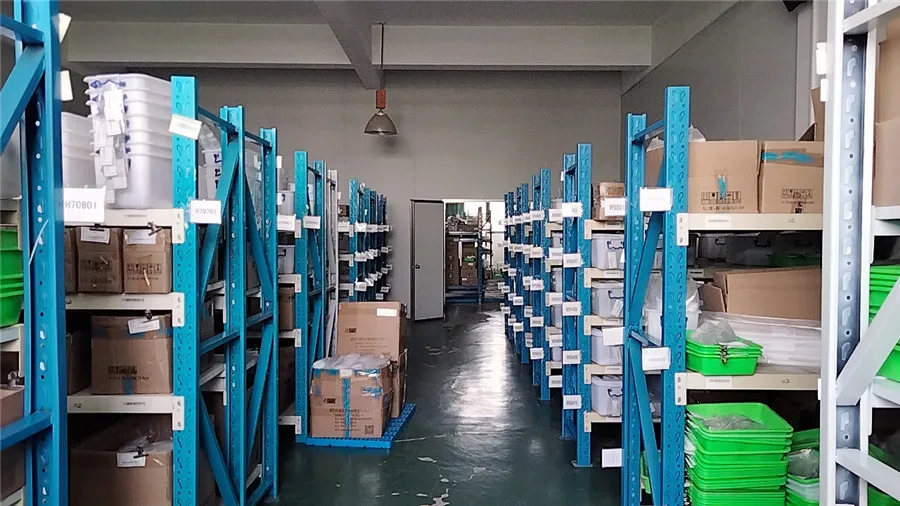
Our facility outputs millions of units annually, allowing Qatari partners to lock in raw material prices. It provides predictable pricing structures that are insulated from global supply disruptions, resulting in lower costs for HMC healthcare frameworks.
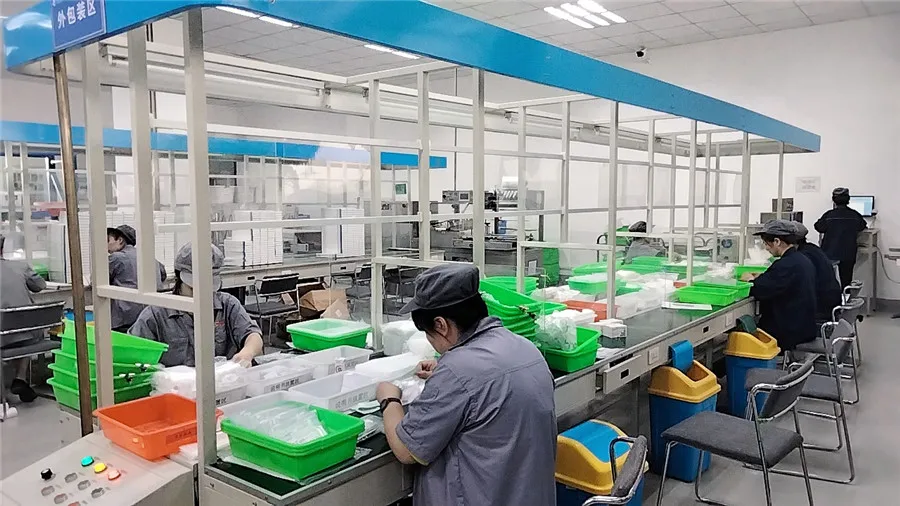
Implant units are packaged within state-of-the-art cleanroom enclosures. They are ready for immediate gas or gamma sterilization protocols and feature labels configured with modern traceability barcodes for tracking within Qatari hospital inventory databases.
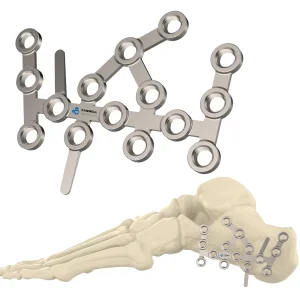
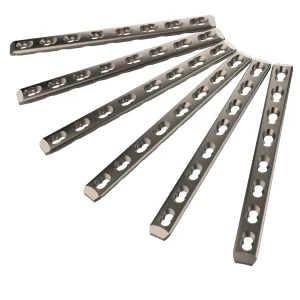
A full range of implants, instruments, and stabilization devices optimized for the Doha trauma registry.
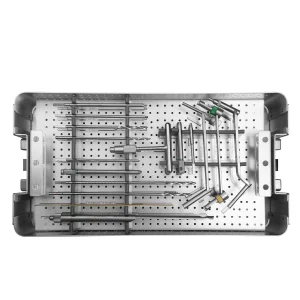
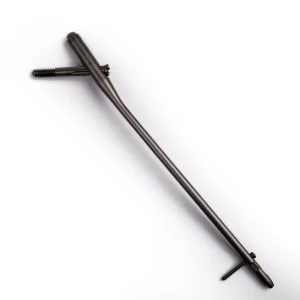
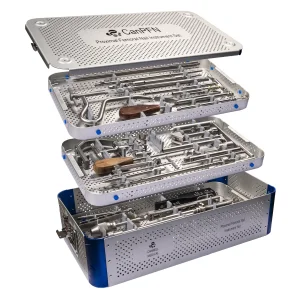
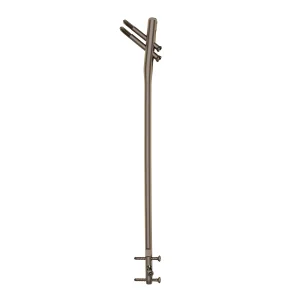
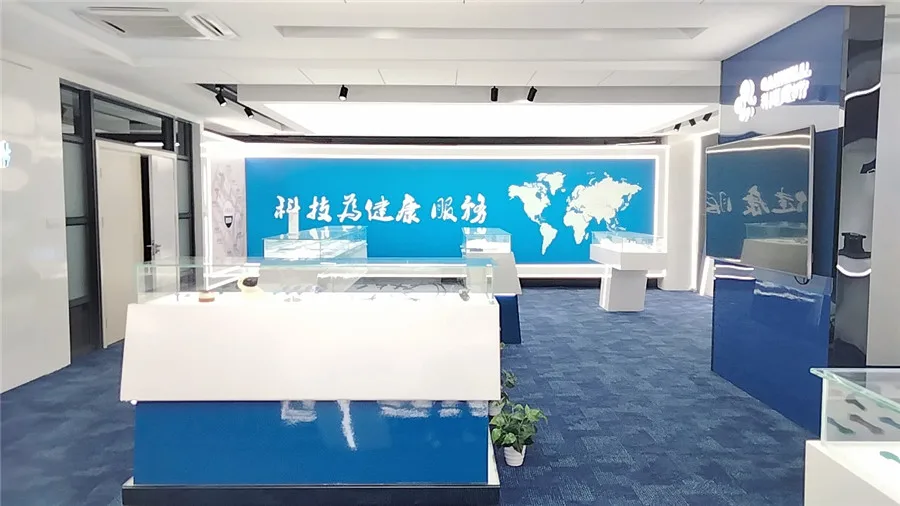
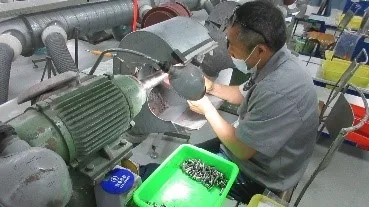
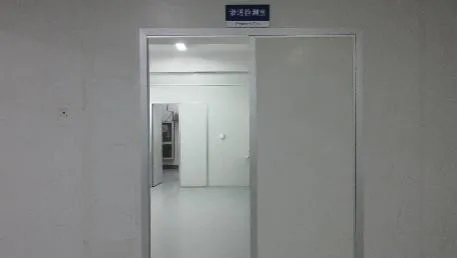
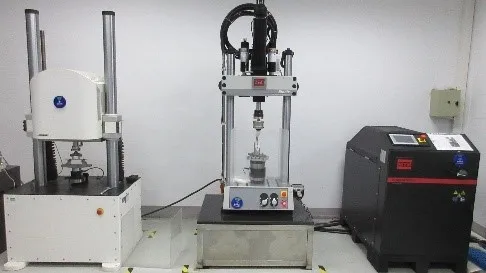
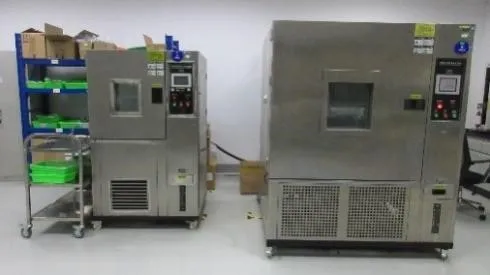
Our high-precision manufacturing, cleaning, and quality assurance processes operate under strict CE, ISO, and MDR oversight to ensure consistent product quality.
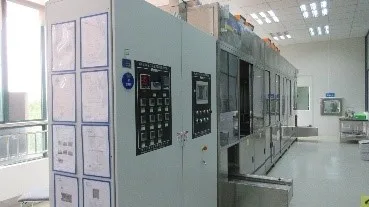
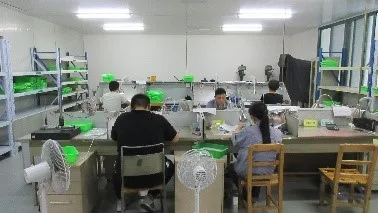
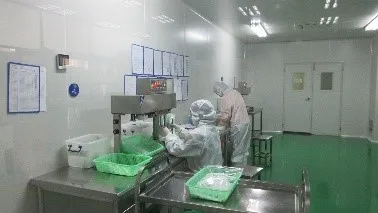
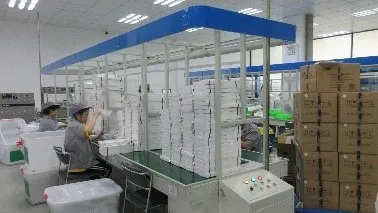
How we are preparing for the next generation of patient care inside Middle East operating rooms.
We are investing in advanced nano-structured surface modification technologies. These methods use physical vapor deposition (PVD) to apply antibacterial copper-silver coatings directly onto implants. This significantly reduces the risk of postoperative osteomyelitis in open-fracture cases.
By working closely with Qatari radiology databases, we construct anatomical models optimized for Middle Eastern skeletal morphology. Pre-contoured locking plates eliminate the need for time-consuming intraoperative bending, helping reduce anesthesia time and improve surgical flow.
Facilitating seamless product registration under Qatar Ministry of Public Health guidelines.
Our dedicated regulatory affairs team compiles complete documentation dossiers (including CE, ISO 13485, and MDR certificates) to support local Qatari medical agents during submission to the Ministry of Public Health (MOPH) in Doha.
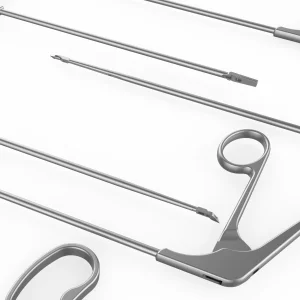
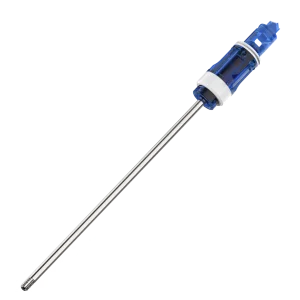
We provide comprehensive instrument manuals, 3D anatomical guides, and hands-on sawbones workshop support. This helps surgical staff and theater technicians become comfortable with our specialized instrumentation kits.
We offer custom modifications for orthopedic distributors. This includes customizing instrument tray layouts, adding laser-etched branding, and adjusting locking screw configurations to meet localized hospital tender specifications.
Key information for hospital procurement officers, medical distributors, and surgical consultants in Doha.
 Harney-Well