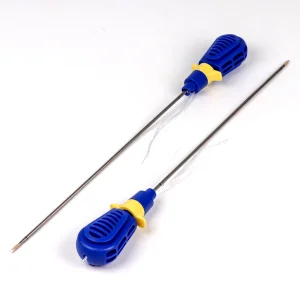
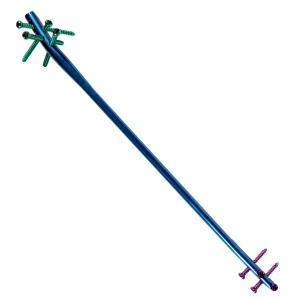
Advanced clinical tools engineered for immediate deployment across orthopedic trauma centers and tertiary care hospitals in Pakistan.
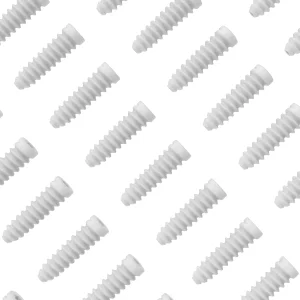
A comprehensive assessment of regulatory compliance, clinical shifting patterns, and macroeconomic parameters shaping orthopedic device procurement in South Asia.
The sports medicine and arthroscopy landscape in Pakistan is witnessing a profound paradigm shift. Historically heavily reliant on open surgical interventions, Pakistani healthcare institutions—ranging from public sector tertiary teaching hospitals like the Pakistan Institute of Medical Sciences (PIMS) and Mayo Hospital, to premium private facilities such as the Aga Khan University Hospital (AKUH) and Shifa International—are rapidly transitioning towards minimally invasive surgical techniques (MIS). This structural shift is propelled by the clinical imperative to reduce hospital length-of-stay (LOS), minimize surgical site infections (SSIs), and expedite patient recovery protocols, particularly for the country’s active athletic demographic.
From an industrial perspective, Pakistan represents one of the fastest-growing orthopedic implant markets in the region. The high incidence of road traffic accidents (RTAs) coupled with sports-related knee, shoulder, and ankle trauma—particularly from highly popular contact and field sports like cricket, football, and field hockey—generates a persistent, high-volume clinical demand for anterior cruciate ligament (ACL) reconstructions, rotator cuff repairs, and meniscal interventions. However, the localized market is challenged by economic volatility, exchange rate fluctuations, and strict regulatory barriers overseen by the Drug Regulatory Authority of Pakistan (DRAP). Consequently, healthcare procurement specialists are increasingly looking for international manufacturing partners who can supply premium, biocompatible, and CE-marked implants and surgical kits at a balanced cost-to-performance ratio.
On a global scale, the sports medicine sector is moving toward advanced polymer chemistry and smart bioactive implants. The reliance on permanent metallic fixation systems (such as titanium interference screws) is declining in knee reconstructions, giving way to high-performance thermoplastic polymers like Polyetheretherketone (PEEK) and bioabsorbable composites. Materials such as Poly(lactic-co-glycolic acid) (PLGA) are designed to provide robust initial mechanical fixation during the early phases of ligament-to-bone healing, followed by gradual hydrolytic degradation, ultimately being replaced by native trabecular bone structure.
This biological integration eliminates the long-term clinical complications associated with metallic implants, including potential stress shielding, metal allergy sensitivities, and the undesirable requirement of secondary implant removal surgeries. By integrating advanced CNC milling, medical-grade extrusion, and cleanroom packaging, modern manufacturing facilities are ensuring that sports medicine surgeons in developing healthcare economies have access to the exact same technological benchmarks as their Western counterparts.
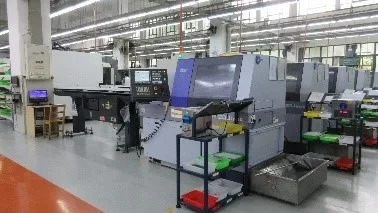
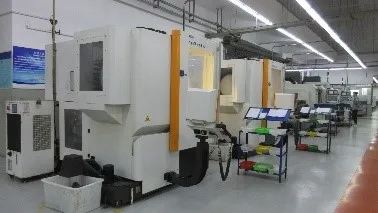
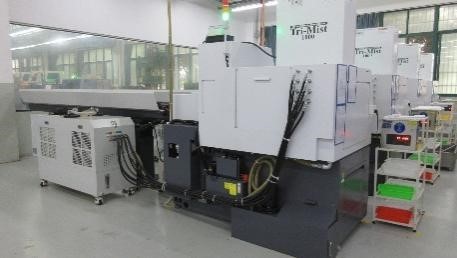
Execution of extreme tolerance machining on Swiss-type CNC lathes using implant-grade Ti6Al4V ELI and pure PEEK raw materials traceable to source batches.
Implementation of custom surface modification technologies to enhance hydrophilic properties, encouraging rapid osseointegration and cellular attachment.
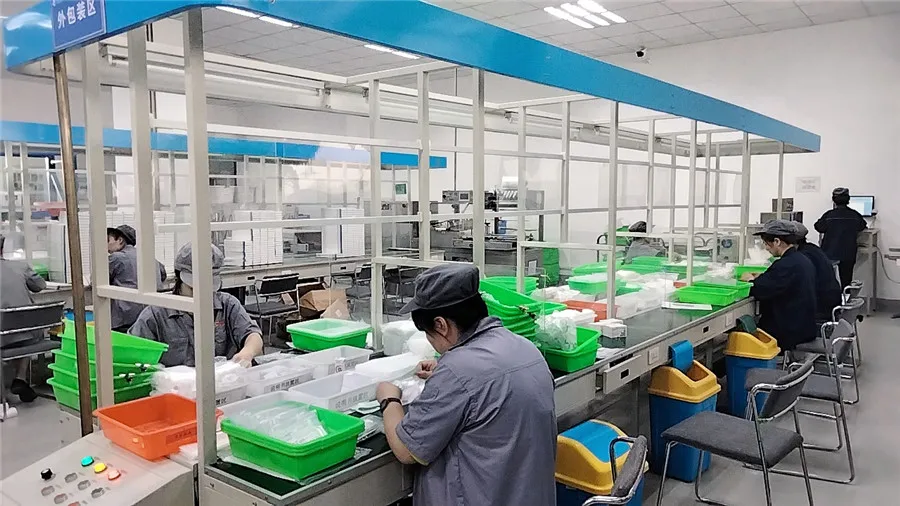
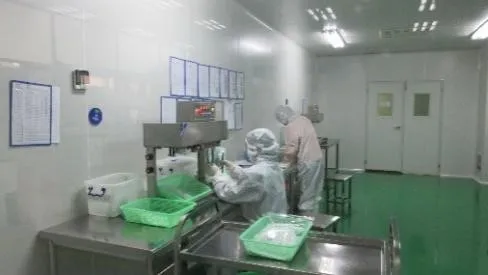
Final product washing, inspection, and sterile barrier packaging executed under ISO Class 7 cleanroom conditions, validated for terminal ethylene oxide (EO) sterilization.
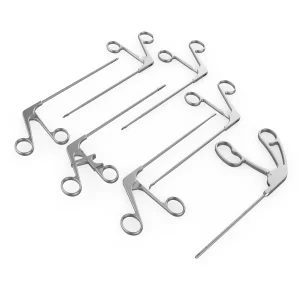
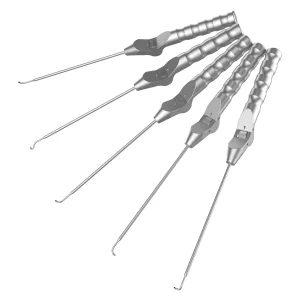
In Pakistan, clinical environments are highly diverse, calling for tailored product portfolios. In major urban nodes like Rawalpindi, Peshawar, and Faisalabad, public and private orthopedic departments face high patient volumes. Here, the primary demand centers on highly reusable, extremely durable arthroscopic hand instruments—such as oval punch forceps, rotator cuff graspers, and suture hooks. These tools must withstand frequent sterilization cycles under autoclave conditions without losing cutting edge sharpness or jaw alignment.
Conversely, specialized sports clinics and private hospitals require high-tier implant solutions, including PEEK and titanium suture anchors with pre-loaded ultra-high-molecular-weight polyethylene (UHMWPE) non-absorbable sutures for secure labral and rotator cuff repair. Meeting these diverse application scenarios requires a flexible manufacturing paradigm capable of handling custom low-volume, high-variety runs (OEM/ODM) while maintaining rigid raw material traceability and quality control.
Validated operational benchmarks, regulatory certifications, and technological infrastructure behind our global orthopedic output.
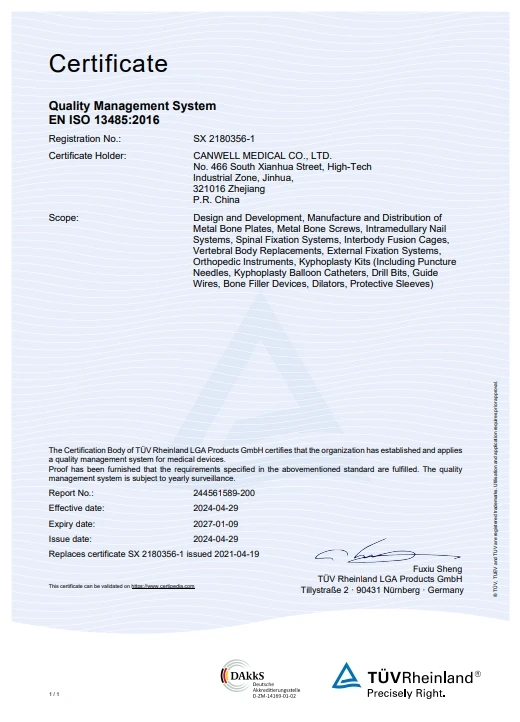
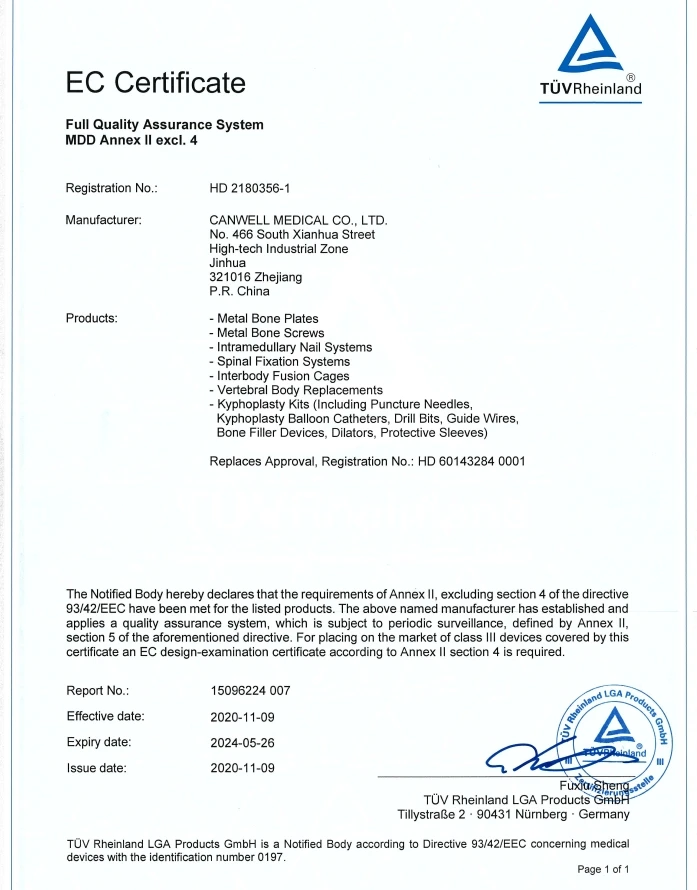
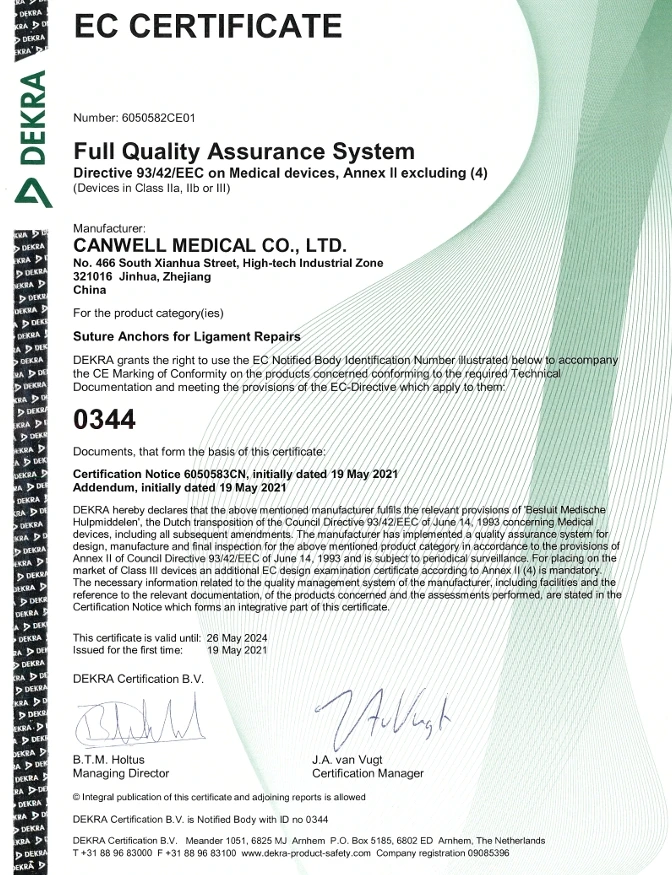

Discover our comprehensive catalog of surgical instruments, suture management systems, and specialized bio-implants serving global healthcare systems.
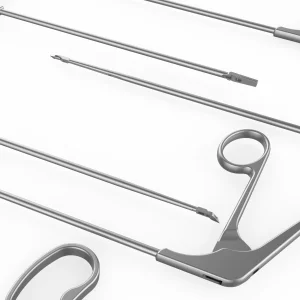
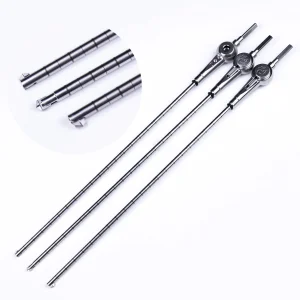
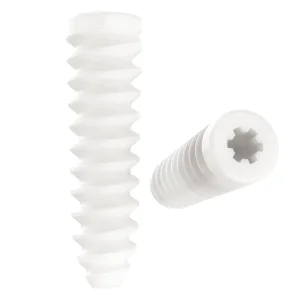
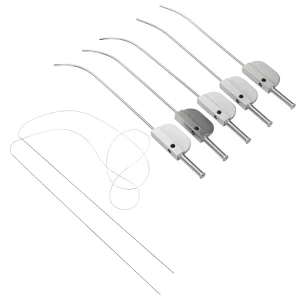
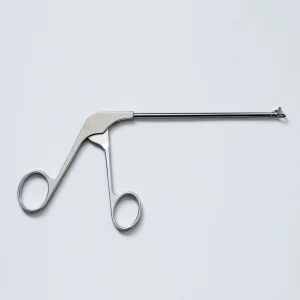
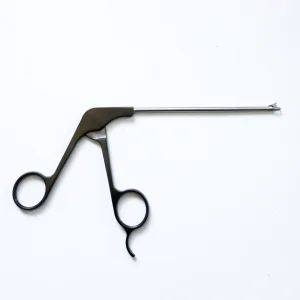
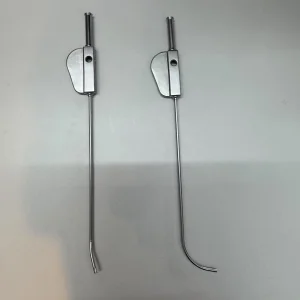
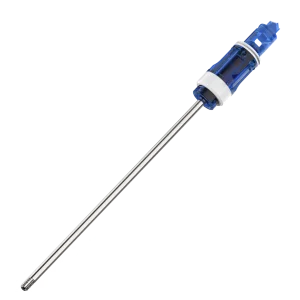
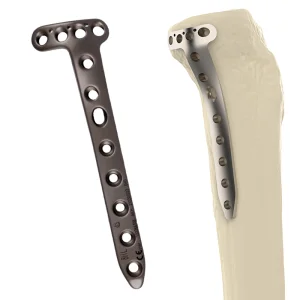
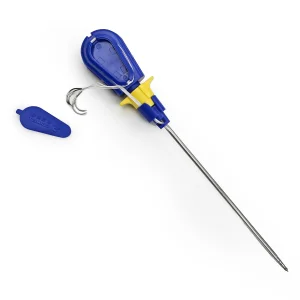
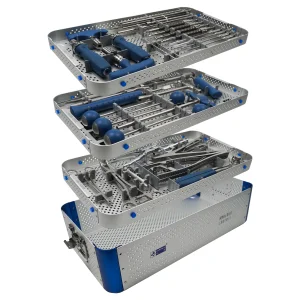
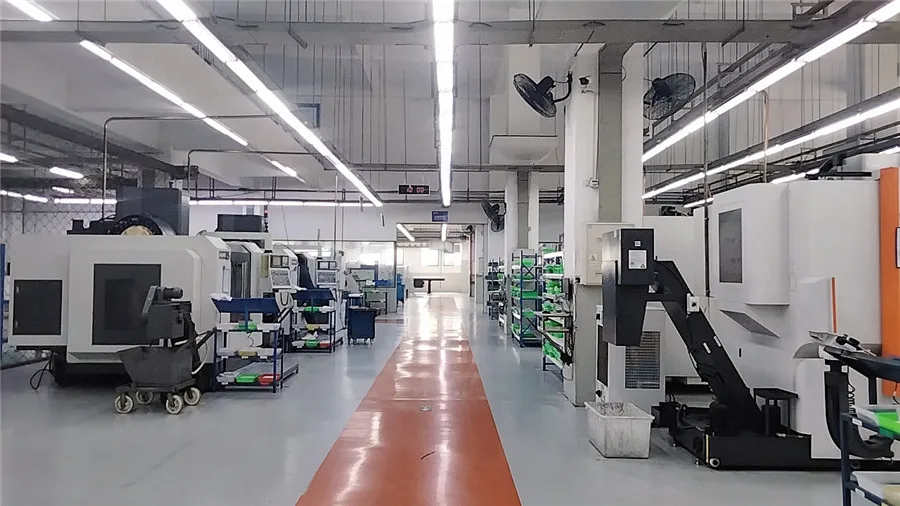
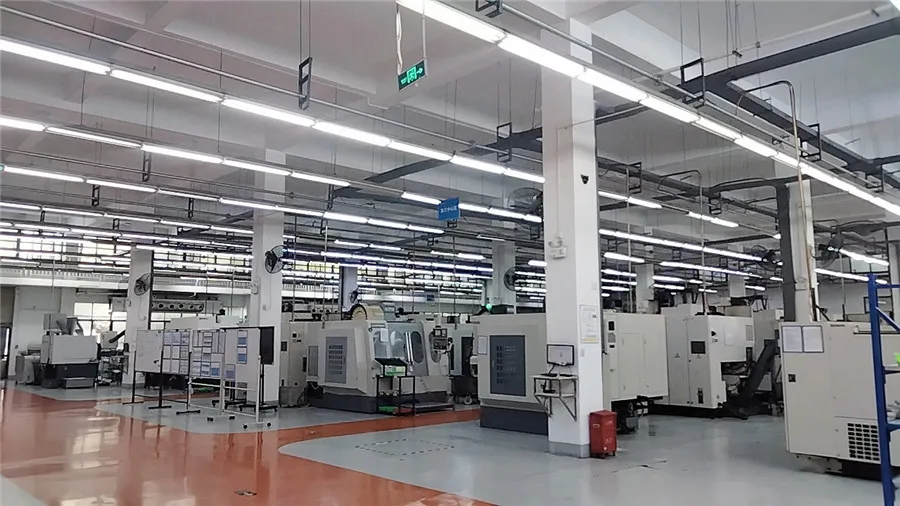
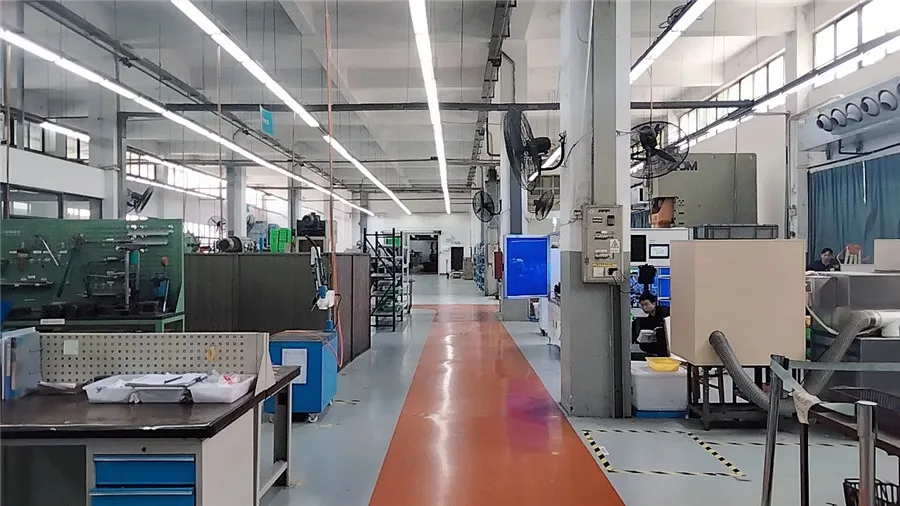
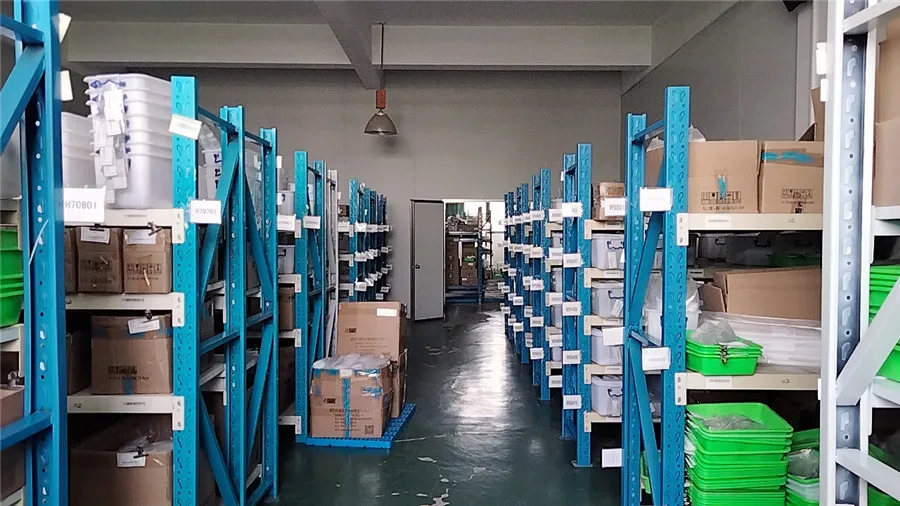
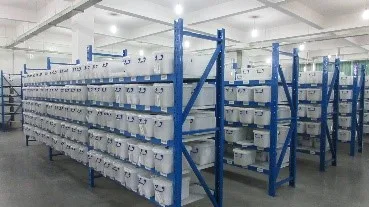
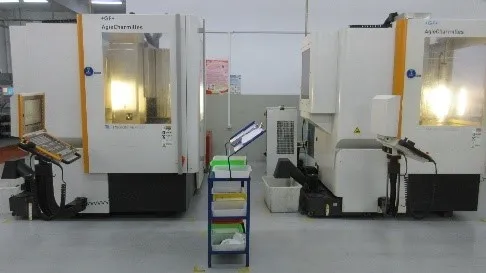
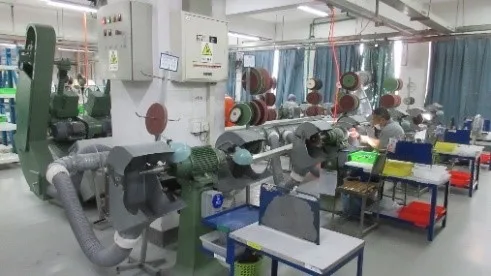
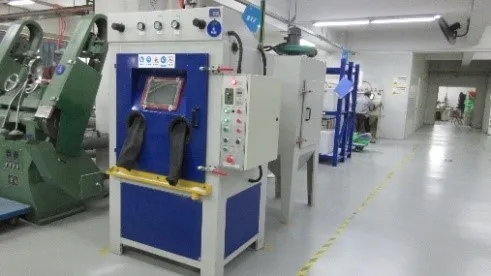
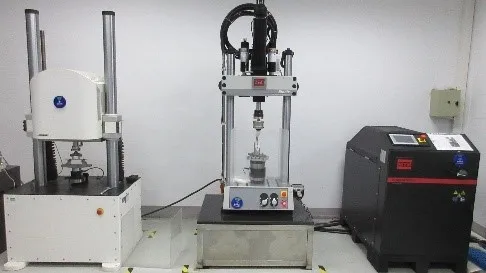
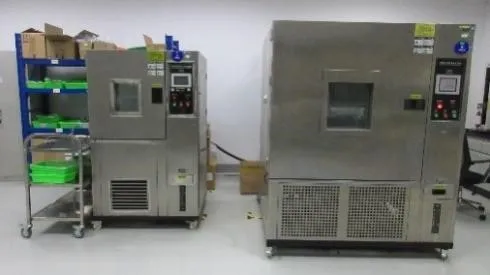
A photographic directory detailing our advanced production cleanrooms, quality testing verification steps, and high-precision CNC processes.
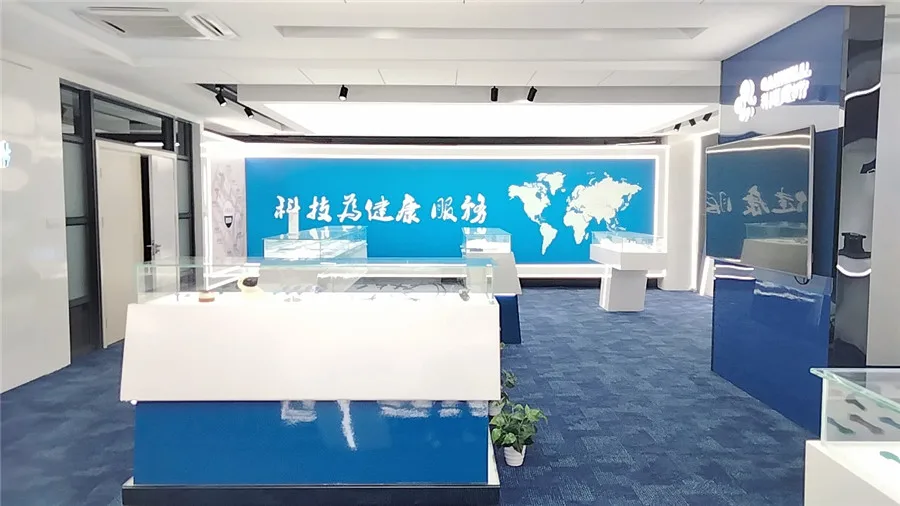
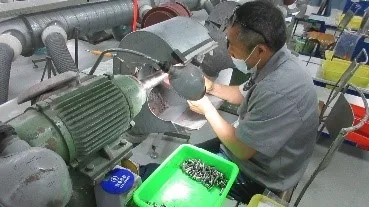


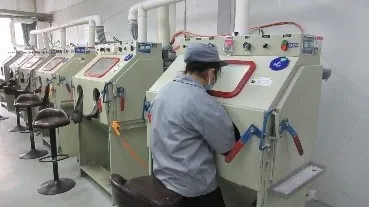



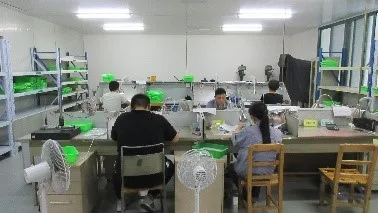
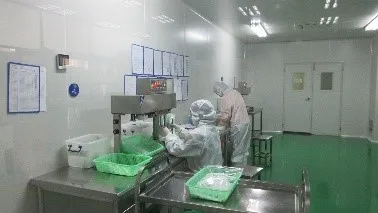





Analyzing key technical specifications, clinical integration guidelines, and logistics paths for sports medicine distribution in Pakistan.
Navigating the complex import framework for medical devices in Pakistan requires comprehensive documentation and certified product tracking. Our logistics operations provide direct support for clearing agents at major entry points, including Karachi Port (KICT/PICT) and Allama Iqbal International Airport in Lahore. By supplying complete documentation—including certificate of origin, raw material inspection certificates, sterilizer validations, and CE/ISO declarations—we facilitate seamless DRAP (Drug Regulatory Authority of Pakistan) registration and customs clearance. This minimizes administrative delays and ensures that critical orthopaedic inventory reaches operating theatres on schedule.
We work closely with national distributors to fulfill tenders from the Provincial Health Departments of Punjab, Sindh, Khyber Pakhtunkhwa (KPK), and Balochistan. Our capabilities support high-volume supplies of sterile, individually packaged implant units (such as bioabsorbable PEEK interference screws and titanium suture anchors) alongside reusable orthopedic surgical trays. These surgical sets are engineered from high-grade stainless steel alloys, designed to withstand the strict autoclave reprocessing cycles typical of busy central sterile services departments (CSSD) in public teaching hospitals.
The biomechanical reliability of our implants is driven by careful material selection. We utilize medical-grade PEEK (Polyetheretherketone) sourced from leading global suppliers, offering an elastic modulus closely matching that of cortical bone. This helps reduce the risk of stress shielding and localized bone resorption. Our titanium implants are machined from Ti6Al4V ELI (Extra Low Interstitial) alloy, ensuring high tensile strength, fatigue resistance, and excellent biocompatibility. Our absorbable screws are made of PLGA (Poly(lactic-co-glycolic acid)) copolymer, providing a balanced degradation profile that maintains structural support during crucial healing phases before gradually converting into naturally metabolized byproducts.
Addressing key regulatory, technical, and commercial inquiries for medical distributors and orthopedic surgeons in Pakistan.
 Harney-Well