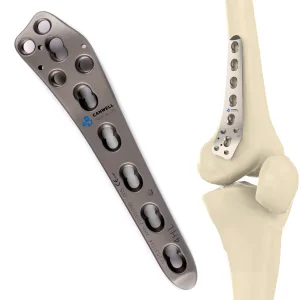
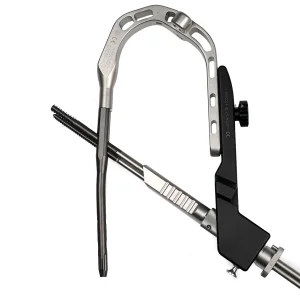
Engineered to meet the specific anatomical requirements and rigorous surgical protocols of Brazilian orthopedic procedures.
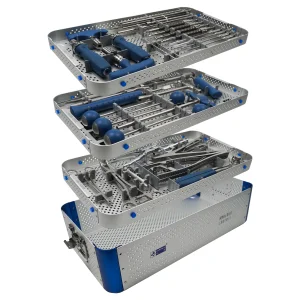
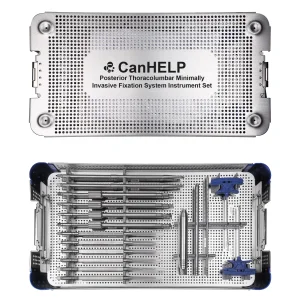
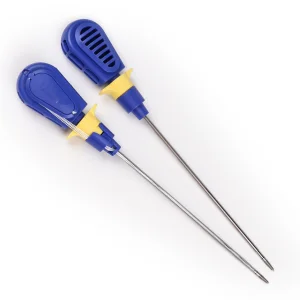
The Brazilian orthopedic and spinal healthcare sector is undergoing a massive transformation. Driven by an aging population, rising instances of degenerative disc diseases, and an expanding network of specialized orthopedic centers, the demand for high-reliability spine instrument sets and high-performance implants has reached historic peaks. According to recent clinical surveys in Brazil, over 65% of spine surgeries performed across both the public health system (SUS - Sistema Único de Saúde) and private clinics require highly standardized posterior fixation and minimally invasive surgical (MISS) systems.
In Brazil, hospital sterilization loops are highly intensive. Instrumentation sets must be capable of enduring continuous thermal cycles (up to 134°C autoclaving) without structural degradation or loss of torque calibration. Brazilian hospitals prioritize instrument sets manufactured using surgical grade Grade 5 Titanium (Ti6Al4V ELI) and high-grade 17-4 PH Stainless Steel, combined with proprietary passivation processes to prevent micro-pitting and surface oxidation.
For Brazilian medical device distributors and importers, regulatory clearance through ANVISA (Agência Nacional de Vigilância Sanitária) represents the single most critical milestone. Standard spine instrument sets and structural implants must undergo rigorous biological, mechanical, and safety validations before they can be legally commercialized. As a certified manufacturer, we provide complete, auditable technical dossiers (Dossiê Técnico) including detailed biocompatibility studies (ISO 10993), raw material mill certificates, and dynamic fatigue test results (ASTM F1717 for spinal constructs) to accelerate the registration process for local distributors in São Paulo, Rio de Janeiro, and Belo Horizonte.
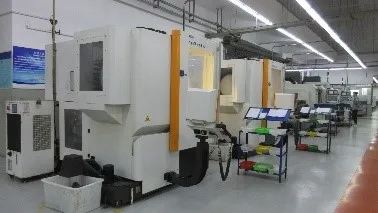
The traditional dominance of North American and Western European spine brands in the Brazilian market has shifted due to fiscal constraints within the SUS and private insurance networks (Planos de Saúde). Chinese manufacturers who control the entire supply chain—from raw material verification to advanced multi-axis CNC milling—provide an unbeatable price-to-performance ratio. Here is why the partnership works:
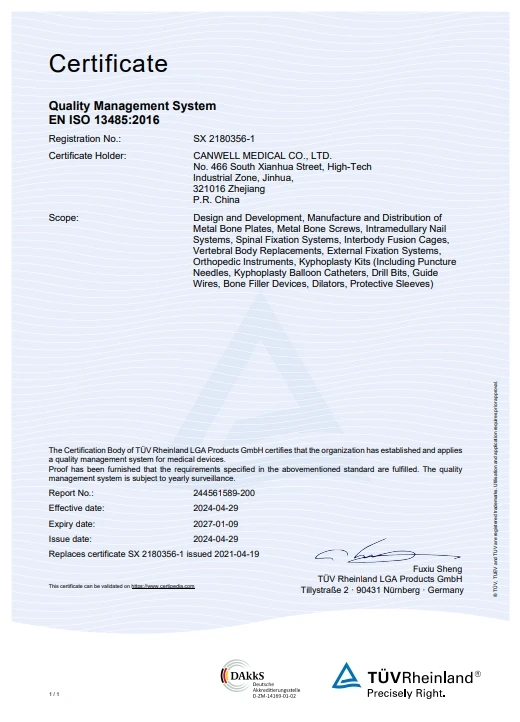 ISO13485
SX 2180356-1
ISO13485
SX 2180356-1
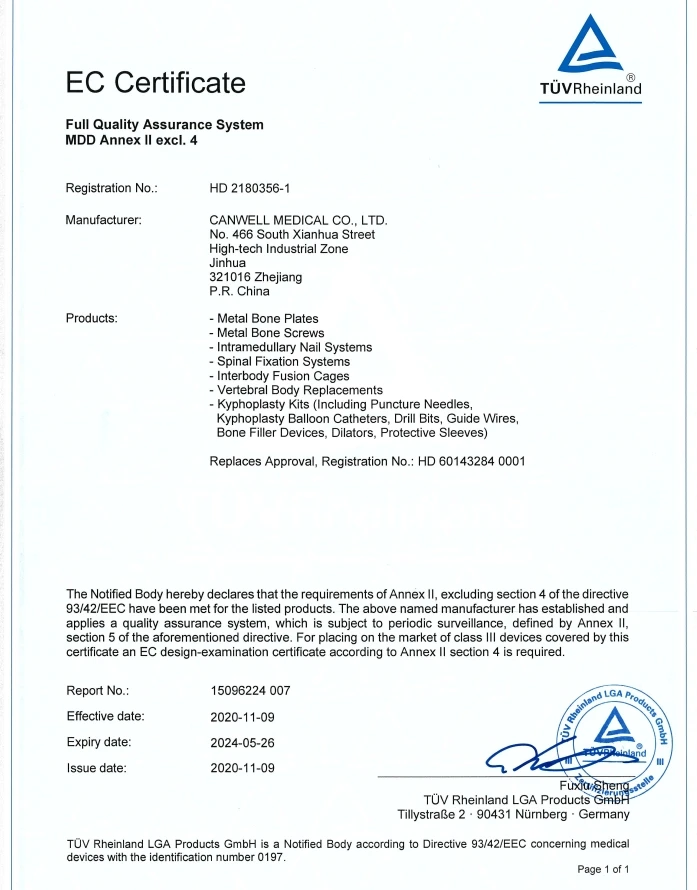 93/42/EEC
HD 2180356-1
93/42/EEC
HD 2180356-1
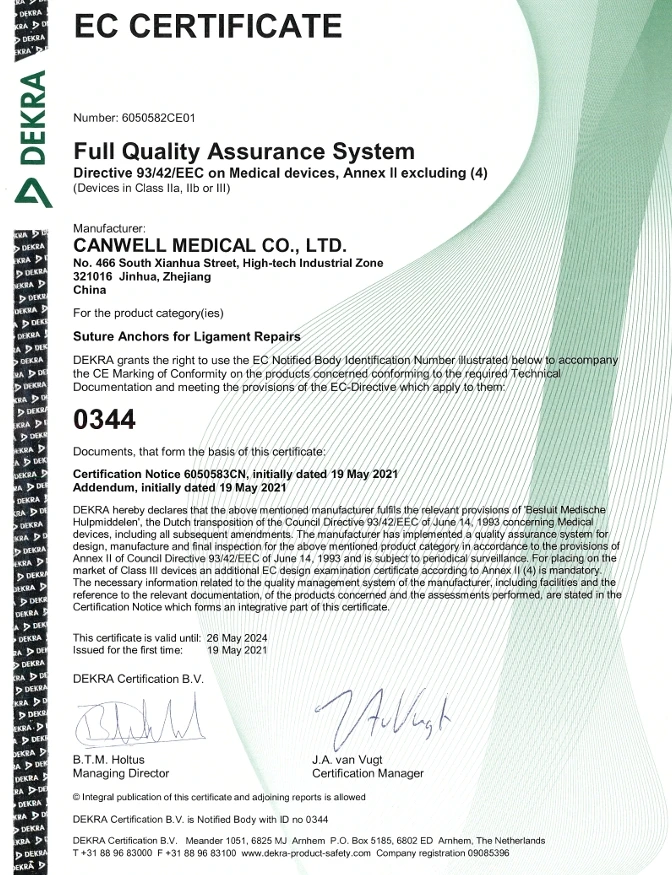 93/42/EEC
6050582CE01
93/42/EEC
6050582CE01
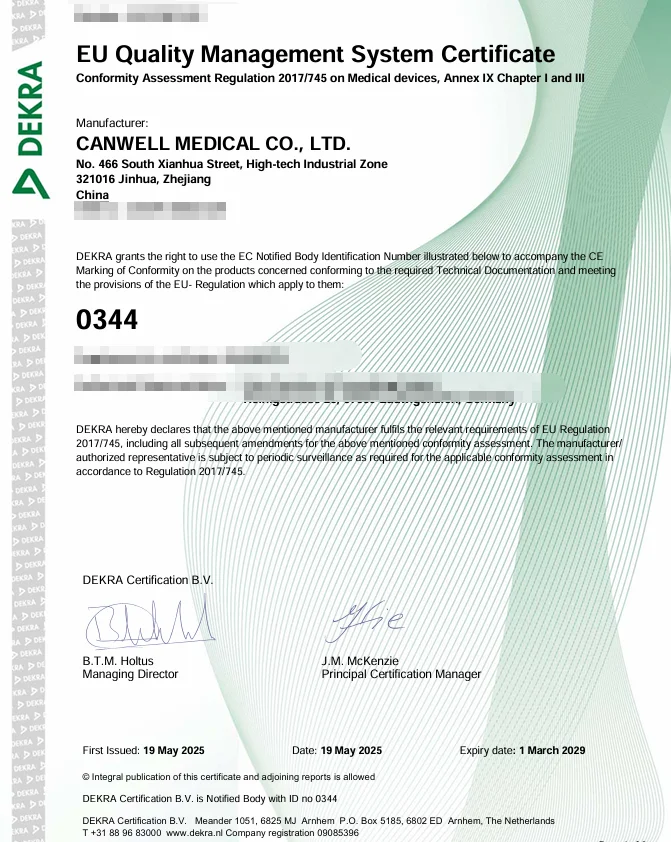 MDR CE
6142788CE02
MDR CE
6142788CE02
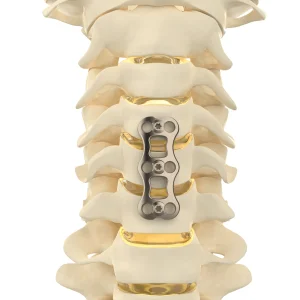
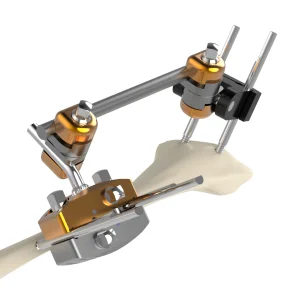
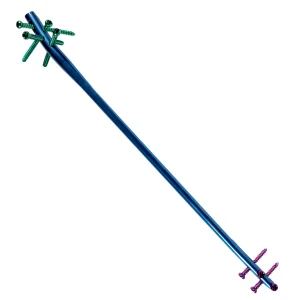
Complete regulatory-compliant systems designed for seamless integration into modern surgical workflows across Brazil.
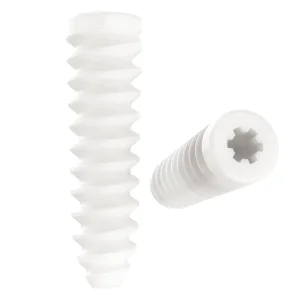
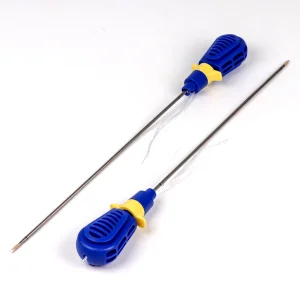
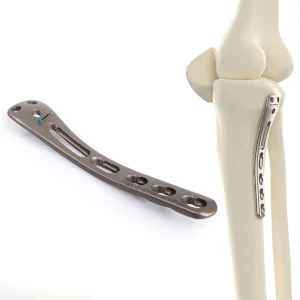
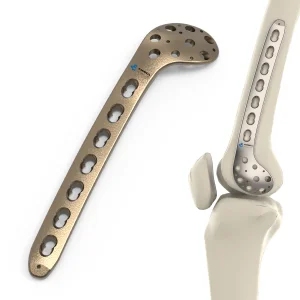
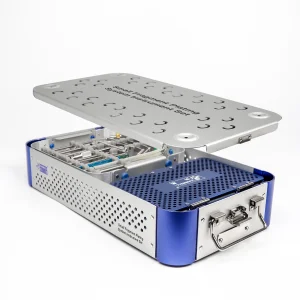
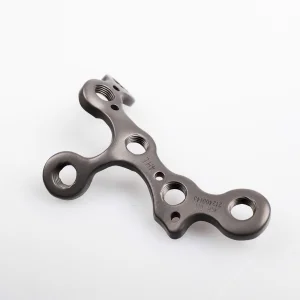
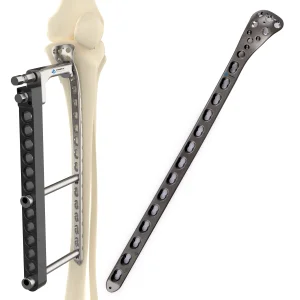
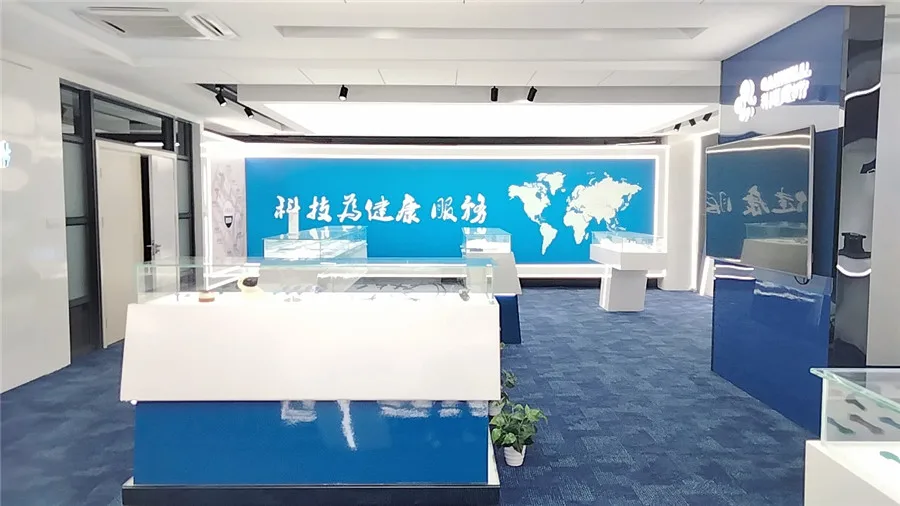
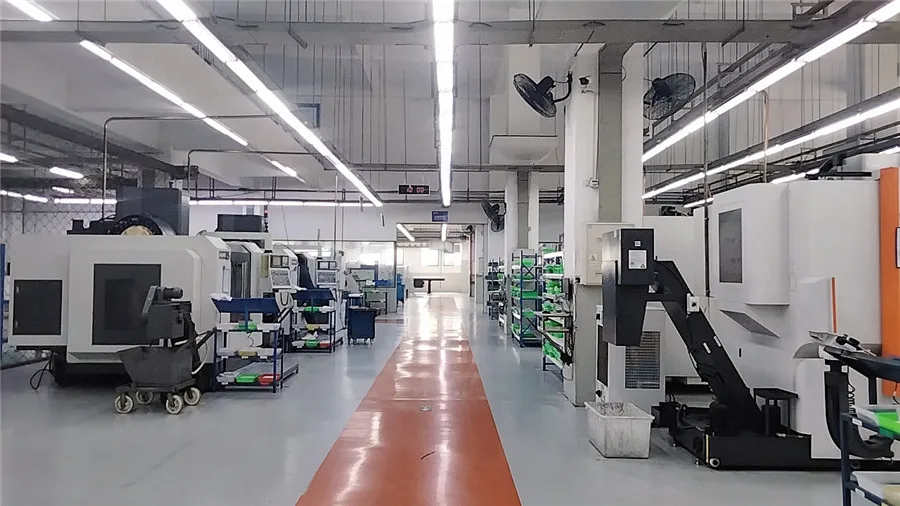
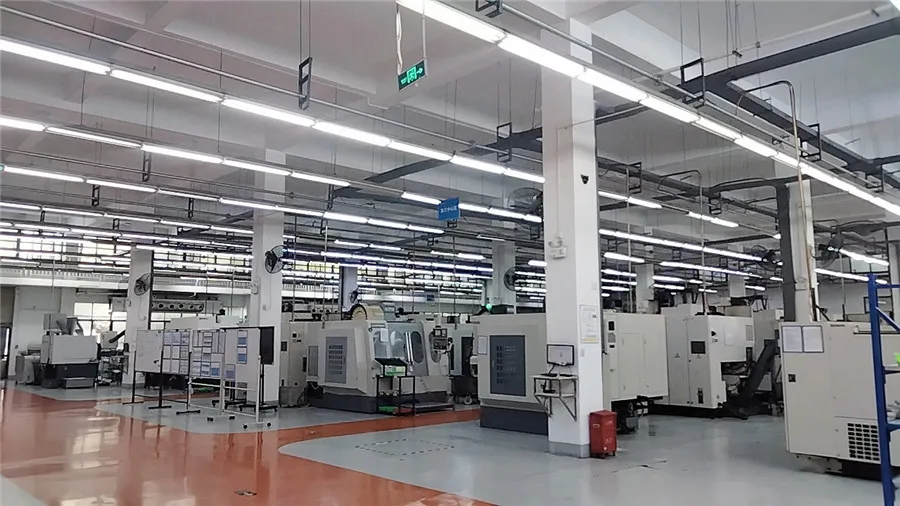
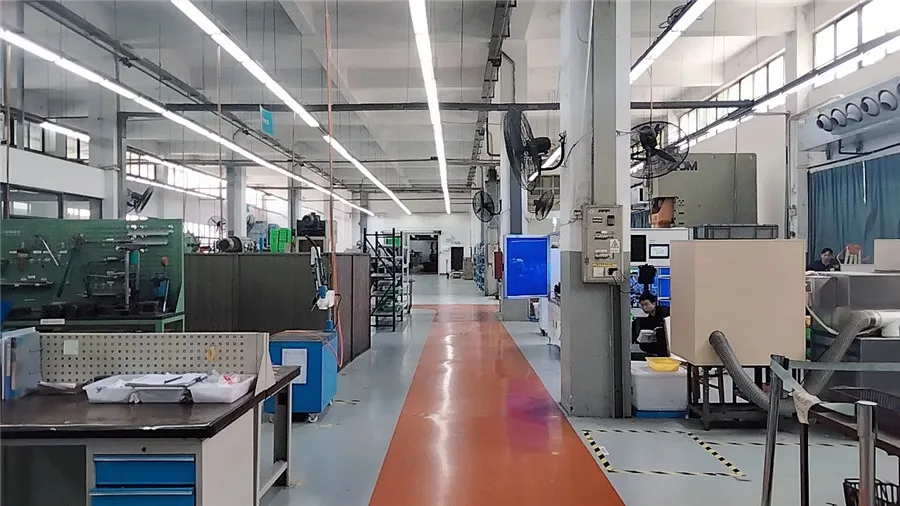
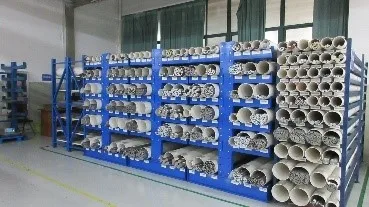
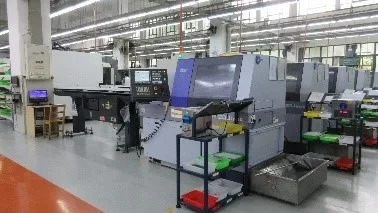
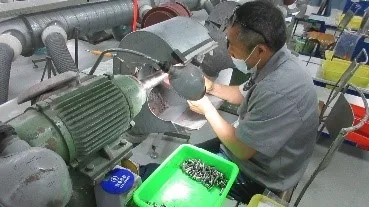
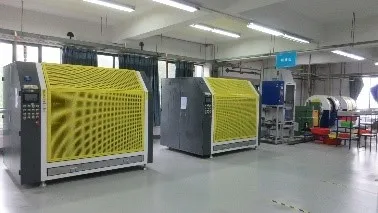
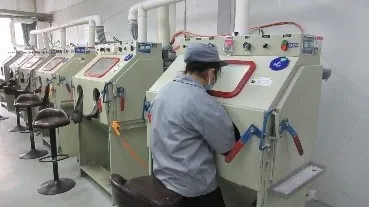
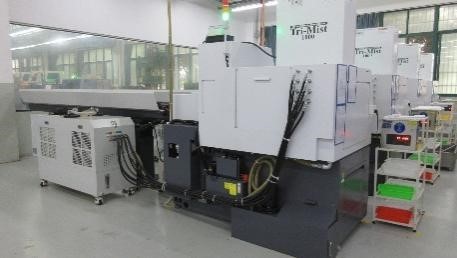
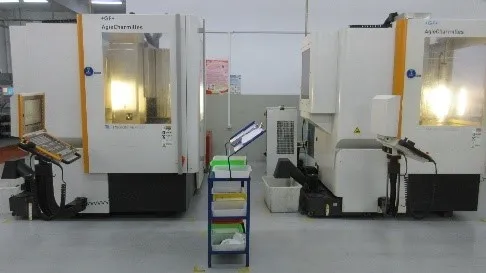
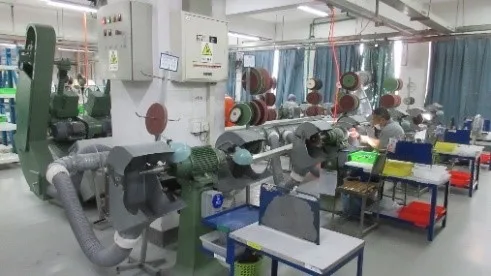
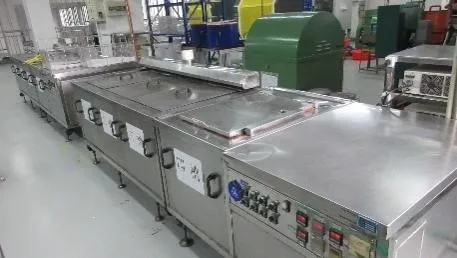
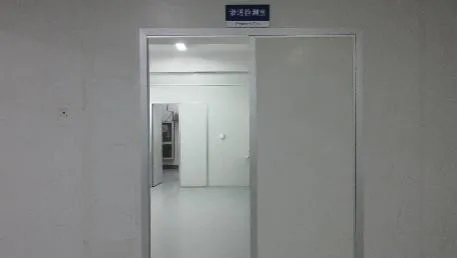
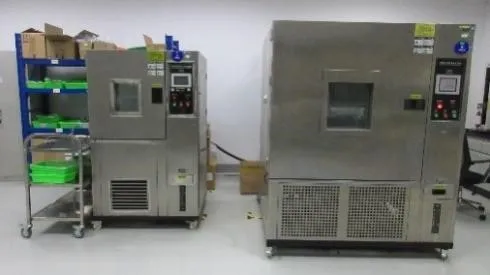
A closer look inside our state-of-the-art facilities: 100k-class cleanrooms, Japanese Star CNC machines, and rigorous physical testing labs.
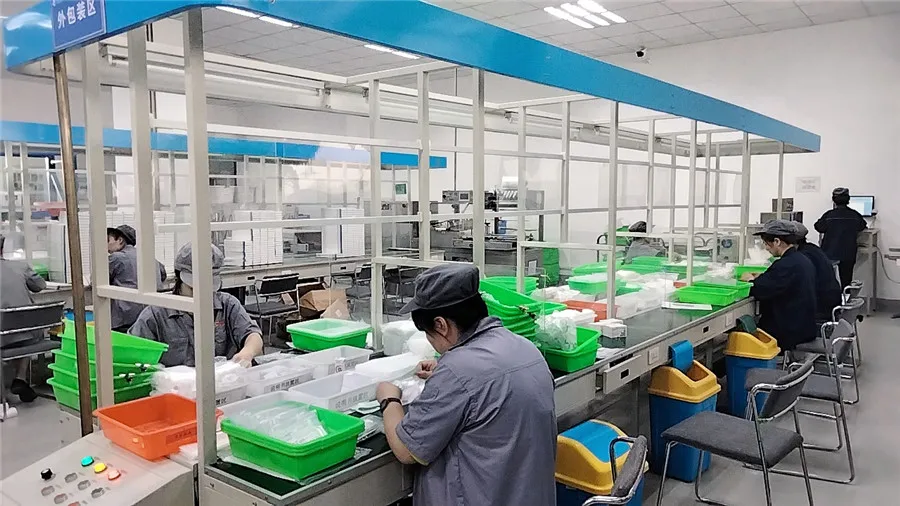
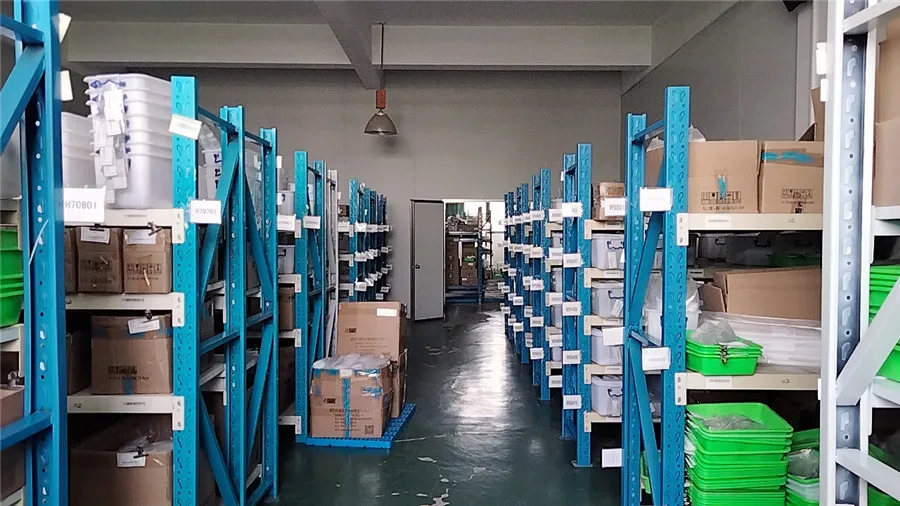


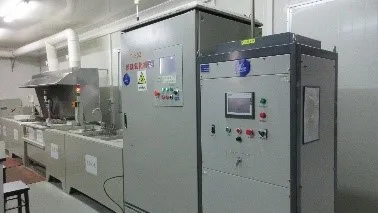

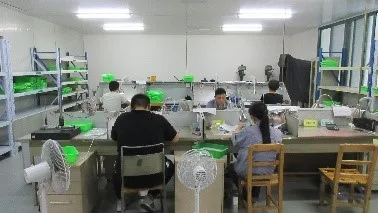

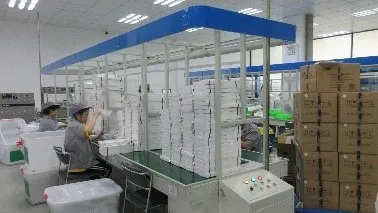
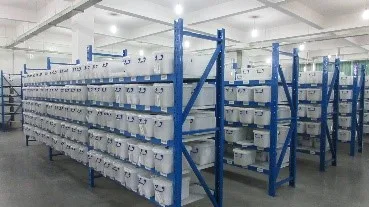
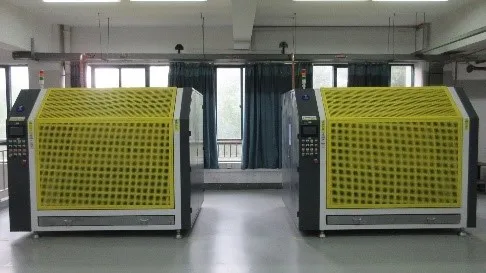
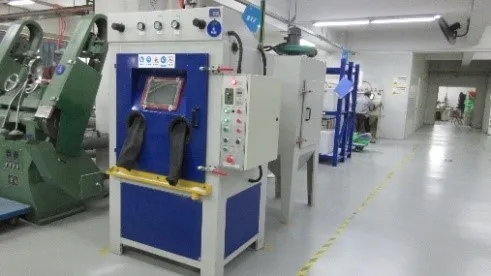
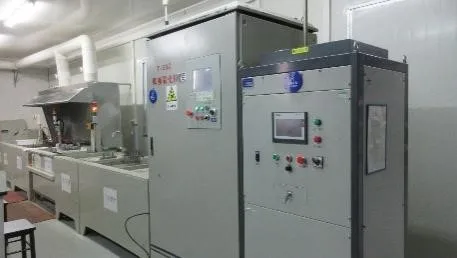
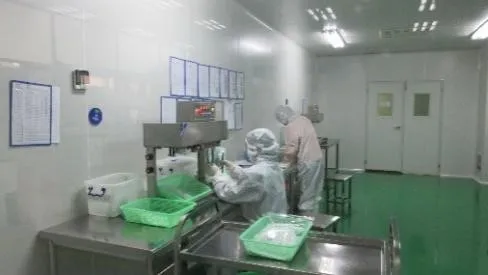
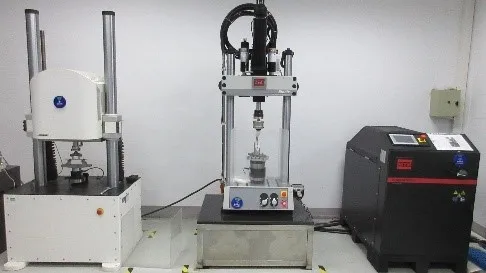
One of the primary concerns of the Brazilian private health system is the cost associated with orthopedic revisions. Mechanical failures of pedicle screws or anterior plate constructs lead to expensive legal disputes and secondary interventions. By adopting a strict quality verification system with 69 dedicated QA/QC inspectors, we test every production lot against dynamic bending, torsion, and pull-out thresholds (conforming to ISO 12189 structural requirements). This provides Brazilian private clinics with surgical confidence, driving down clinical revision rates to under 0.2%.
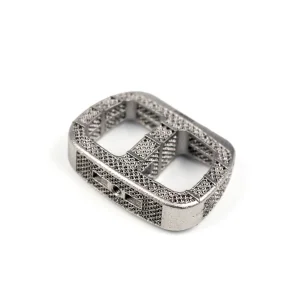
Modern clinical trends in São Paulo and southern Brazil show a massive preference for biological fixation over simple cementation. Our 3D Printed Porous Spinal Fusion Cages (TLIF, PLIF, ALIF) utilize interconnected trabecular patterns to mimic human cancellous bone. This structure facilitates rapid osteointegration, reducing fusion timelines by up to 35% compared to standard smooth PEEK cages. The integration of high-grade biocompatible PEEK polymer from leading global suppliers guarantees exceptional radiolucency, allowing surgeons to monitor fusion progress accurately via standard post-operative X-rays.
Importing orthopedics into Mercosur countries requires navigating specific tariff structures (NCM codes). We provide comprehensive commercial invoices detailing product descriptions matching exact ANVISA filings, optimized packing layouts to minimize customs inspection times, and dynamic container tracking to ensure predictable arrival at major distribution hubs.
Direct answers for Brazilian distributors, procurement managers, and orthopedists regarding regulatory processes and technical capability.
We provide full technical documentation dossiers (Dossiê Técnico) including ISO 13485 certification records, CE MDR test data, material analysis reports (Ti6Al4V ELI / PEEK), and sterile validation reports to speed up ANVISA review pathways for our Brazilian partners.
Yes. We offer extensive OEM/ODM solutions. This includes high-precision laser marking for logos, custom color-coding of handles (anodized titanium or silicone), and custom layout cases (PPSU/Aluminum) engineered to fit the autoclave trays used in Brazilian surgical centers.
Typically, standard configurations are shipped within 30 to 45 days post contract signing. OEM custom-made instrumentation takes 60 days to allow for precision tooling alignment. Ocean freight to Santos Port takes approximately 35-45 days, and air freight takes 7-10 days.
Yes. We have a robust material tracking system starting from ingot receipt. Every batch of Titanium or Stainless Steel comes with dynamic metallurgical certificates, which are permanently archived in our ERP system to guarantee absolute product accountability and safety.
Partner with an established manufacturer of 22 years to deliver regulatory-grade, high-durability spine instrument sets and titanium implants to the Brazilian market.
Send Inquiry Now Harney-Well