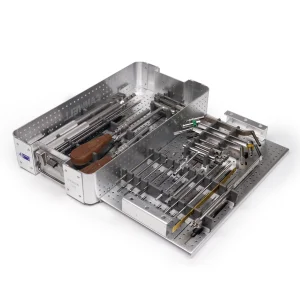
Advanced orthopaedic kits manufactured to strict ISO 13485 standards, optimized for immediate clinical deployment in London theatres.
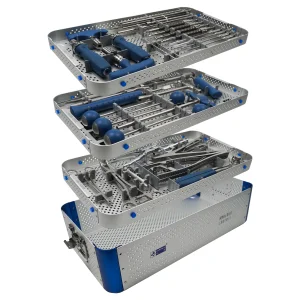
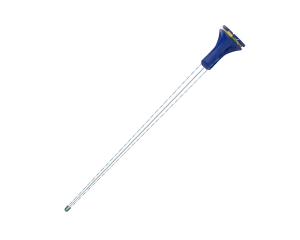
The Greater London area represents one of the most concentrated markets for advanced spine surgery and neurosurgical intervention in the Northern Hemisphere. Driven by flagship NHS Trusts such as the Royal National Orthopaedic Hospital (RNOH), St George's University Hospitals, and the private healthcare cluster centered around Harley Street and London Bridge, the demand for highly precise spine instrument sets is growing at an unprecedented rate. This growth is catalyzed by two converging demographic forces: an aging population exhibiting complex degenerative disc diseases, and a rapidly expanding demographic of active individuals requiring sports medicine interventions.
Clinical buyers within London's hospitals demand instrumentation that not only conforms to standard anatomical profiles but also accommodates complex surgical trajectories. Minimally Invasive Spine Surgery (MISS) has transitioned from an elective clinical preference to a standard baseline protocol. Consequently, spine instrument sets must offer minimal tissue disruption, ultra-high-definition navigation compatibility, and ergonomic feedback for the surgeon. Devices such as long-arm pedicle screw systems and minimally invasive retractor sets must perform flawlessly under real-time fluoroscopic and digital navigation systems.
Navigating the global orthopaedic supply chain requires direct alignment between high-output manufacturing facilities and regional regulatory agencies. The transition from the old Medical Device Directive (MDD 93/42/EEC) to the stringent EU MDR has significantly reshaped the regulatory landscape. Manufacturers are now held to much higher clinical evidence baselines, requiring comprehensive Post-Market Clinical Follow-up (PMCF) and absolute raw material traceability.
For UK healthcare providers and European distributors, this regulatory transition has created sourcing bottlenecks, driving up costs for localized instrumentation. Strategic sourcing from established, certified manufacturers in Asian manufacturing hubs offers a highly viable solution. Forward-thinking suppliers have invested heavily in upgrading their quality management systems to meet MDR requirements, assuring European and British purchasers that they will receive devices matching—or exceeding—traditional Western OEMs in biomechanical performance and biocompatibility.
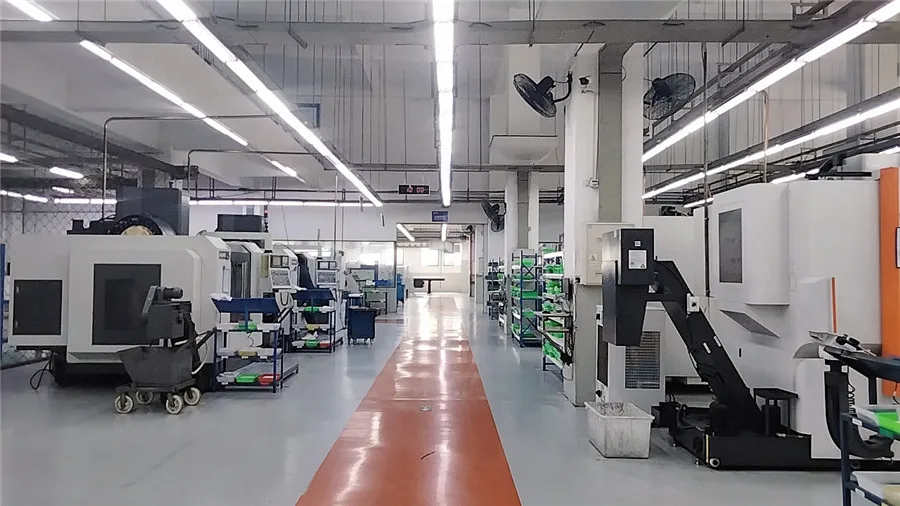
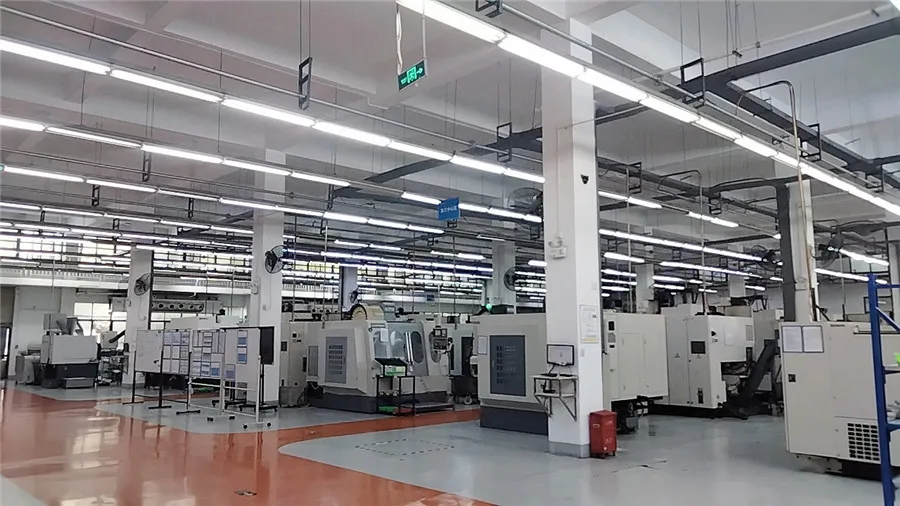
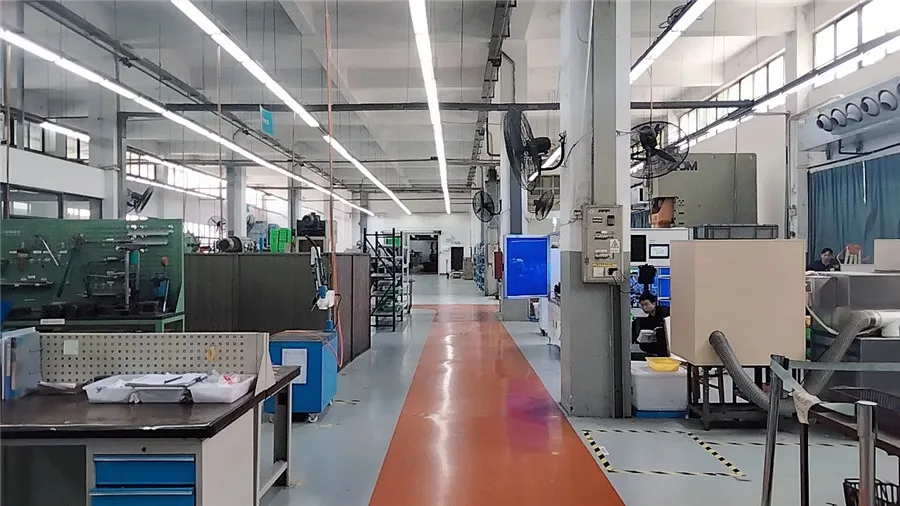
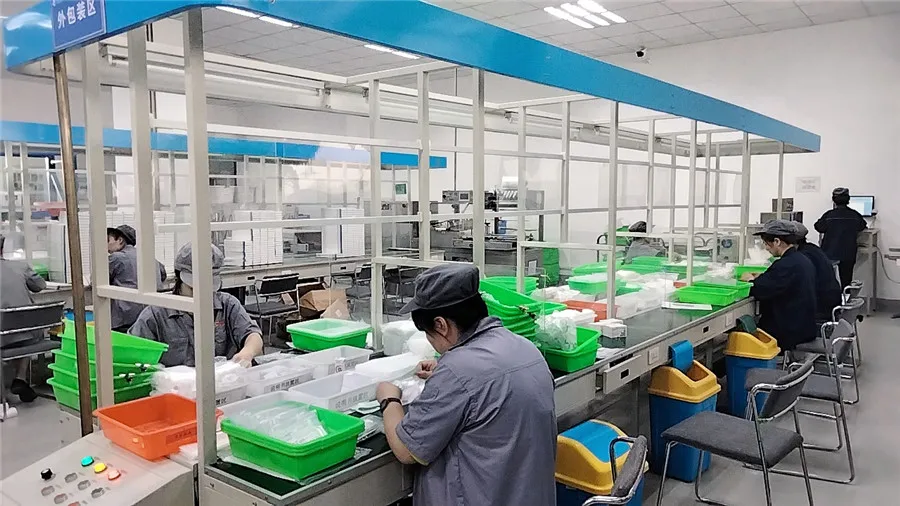
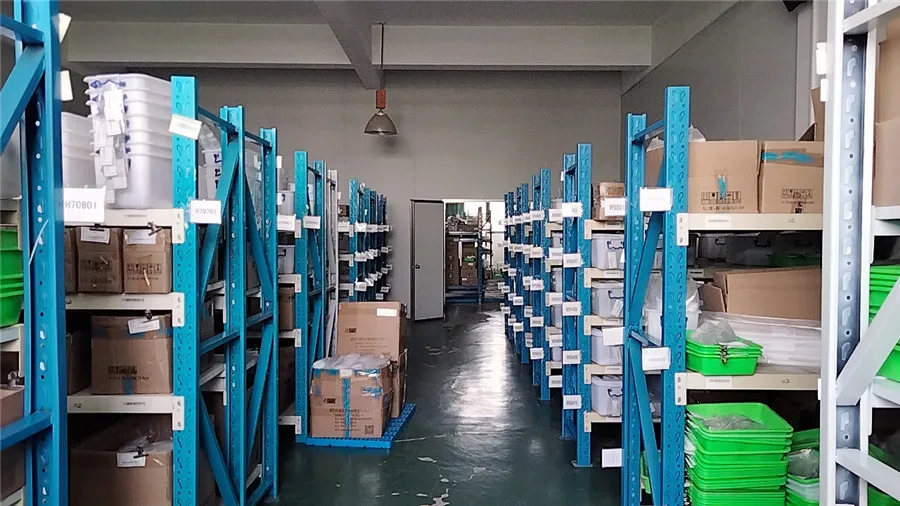
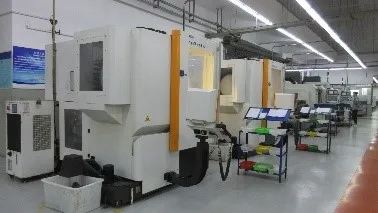
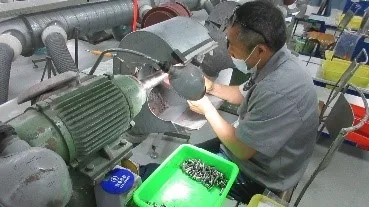
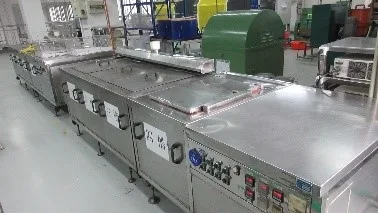
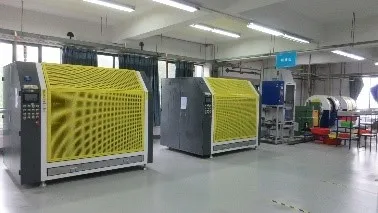
Industrial scale and strict verification processes power our production pipelines.
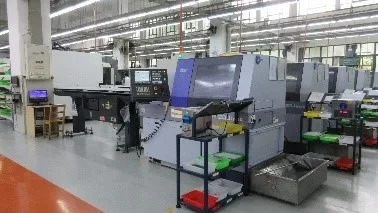
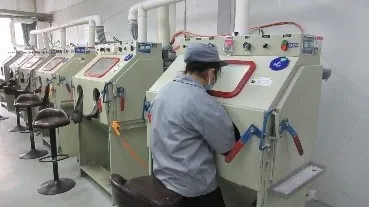
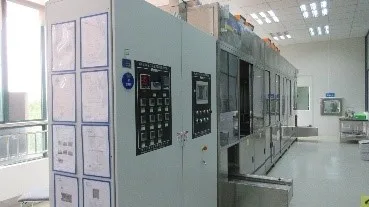
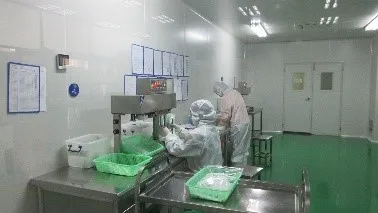
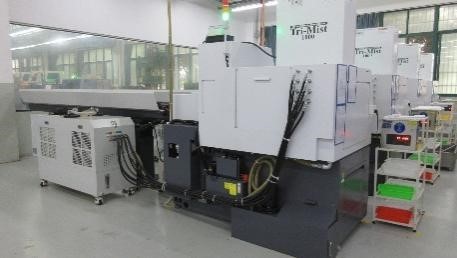
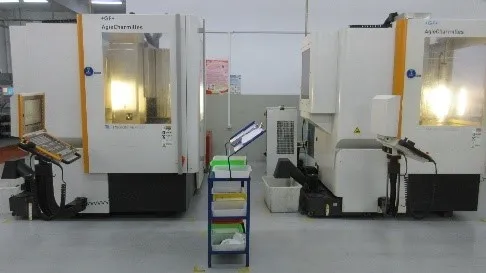
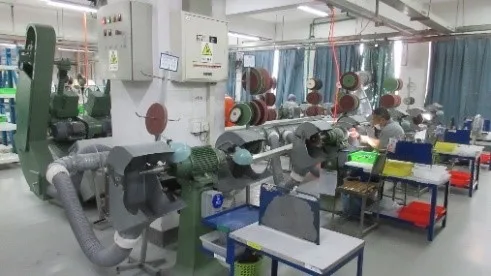
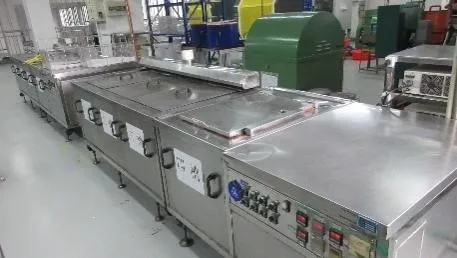
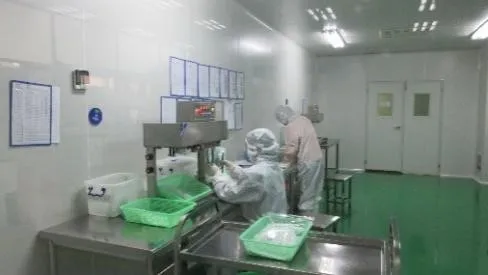
Modern Chinese orthopaedic manufacturing facilities have evolved far beyond mere high-volume assembly lines. Today, they represent the pinnacle of automated, high-precision biomedical engineering. By leveraging advanced Swiss-type CNC milling centers, cleanroom environments that meet Class 100,000 (ISO Class 8) standards, and high-speed robotic surface treatment lines, these factories achieve extreme consistency across large production runs.
This operational efficiency yields substantial cost savings for London distributors and NHS purchasing consortia, for several reasons:
Sub-micron tolerances achieved via automated Swiss-type sliding head lathes, ensuring absolute compatibility between implants and driver instruments.
Advanced chemical passivation and anodizing processes eliminate free iron atoms, developing a highly stable, corrosion-resistant oxide layer.
Cleanroom packaging and EO/Gamma sterilization options ready for clinical environments, reducing preparation steps for importing partners.
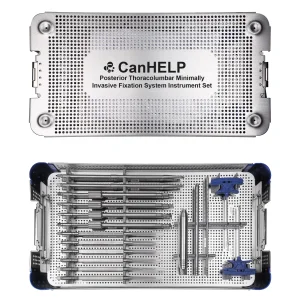
From a clinical application standpoint, our spine instrument sets are designed to solve everyday problems encountered by surgical technicians and lead consultants in London hospitals. For example, during a posterior thoracolumbar fixation procedure for a high-impact trauma case, the surgical team relies on smooth implant engagement. The thread pitch of the pedicle screw must match the driver tool precisely to prevent cross-threading and shorten surgical time. In minimally invasive cases, the long-arm reduction screws must guide the rods smoothly into place, even when working through narrow surgical corridors.
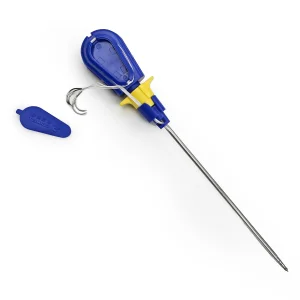
Additionally, specialized clinics targeting sports medicine—such as rotator cuff repair and arthroscopic shoulder reconstructions—rely heavily on suture anchors and specialized forceps. Whether utilizing PEEK or titanium suture anchors, the pull-out strength and structural reliability of the deployment instruments determine the surgical outcome. By providing instrumentation engineered for high-performance durability, we support London’s clinical teams in achieving excellent patient outcomes and minimizing surgical revisions.
Establish direct-from-factory sourcing protocols, reducing your procurement costs for spine and sports medicine implants by up to 40% while preserving clinical performance.
Request a Custom OEM QuoteThe spinal surgery sector is entering a new era of digital integration. The most significant shift is the incorporation of surgical navigation and robotic guidance systems. Traditional, manual spine instrument sets are being updated with passive reflection markers and active tracking arrays, enabling real-time navigation software to track the instrument's position within the patient’s anatomy.
Furthermore, material sciences are driving a shift toward bio-integrative materials. While PEEK (Polyetheretherketone) remains the gold standard for interbody fusion cages due to its bone-like modulus of elasticity, there is growing interest in porous titanium structures. These porous surfaces encourage faster bony ingrowth (osteointegration) directly into the implant structure. In response to these trends, manufacturers are developing specialized instruments capable of handling both rigid titanium alloys and more delicate composite polymer structures without causing surface damage or leaving debris behind.
Another major trend is the rise of single-use, sterile-packed instrument kits. These kits eliminate the need for hospital-side sterilization, reducing preparation costs and helping to prevent cross-infection. For distributors serving the London market, offering a combination of high-use reusable instrument trays alongside specialized single-use kits represents a highly competitive business model.
Procuring surgical-grade medical devices from international suppliers requires careful risk management. To ensure a stable, high-quality supply chain, procurement officers should focus on the following steps:
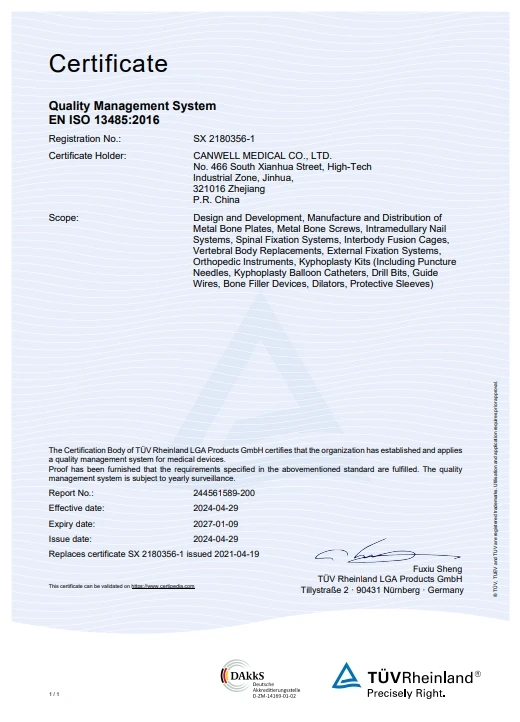 ISO 13485
SX 2180356-1
ISO 13485
SX 2180356-1
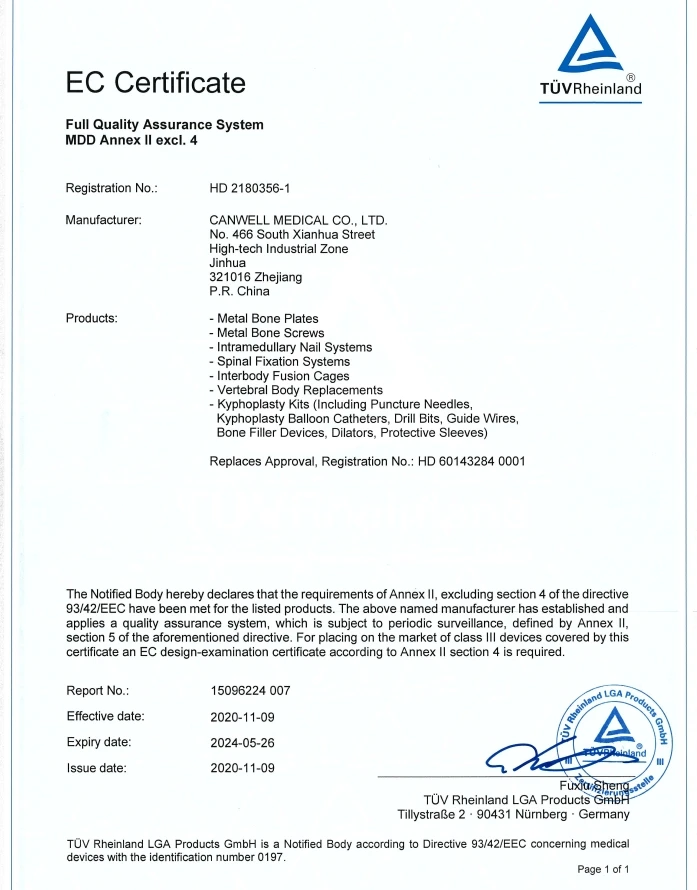 93/42/EEC
HD 2180356-1
93/42/EEC
HD 2180356-1
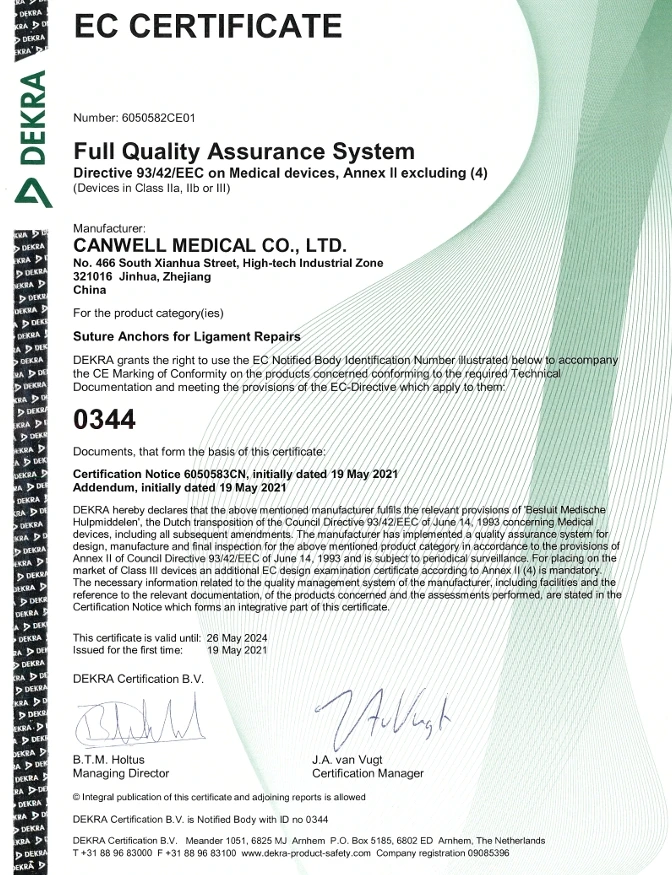 93/42/EEC CE
6050582CE01
93/42/EEC CE
6050582CE01
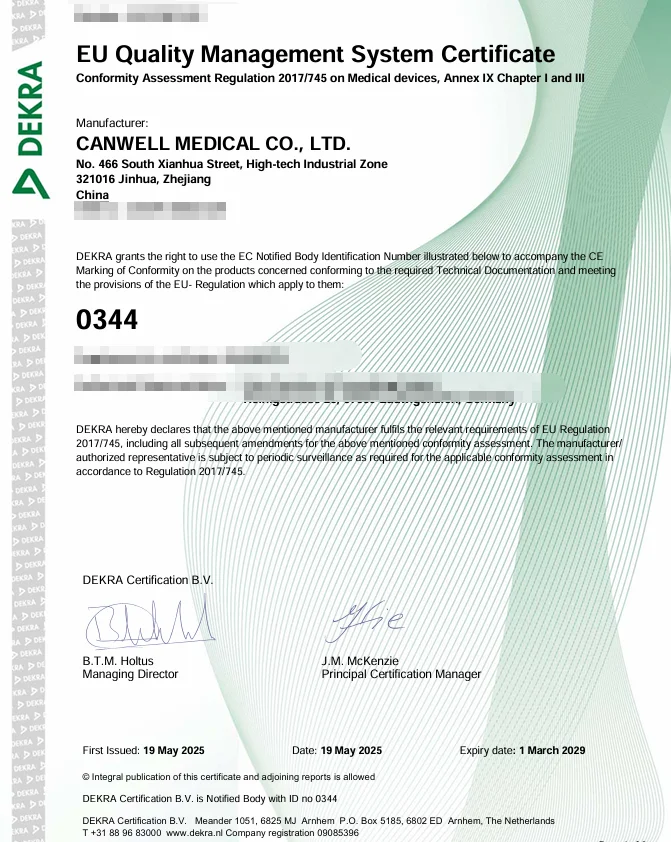 MDR Compliant
6142788CE02
MDR Compliant
6142788CE02
Complete surgical portfolios including dynamic locking systems, sports medicine suturing elements, and joint replacement kits.
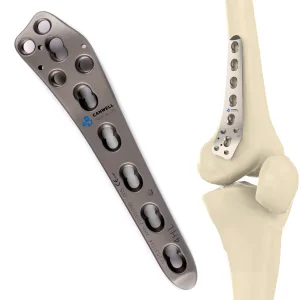
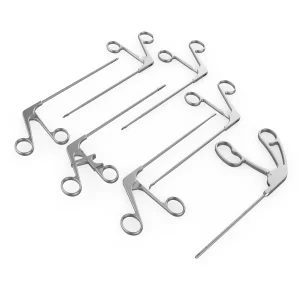
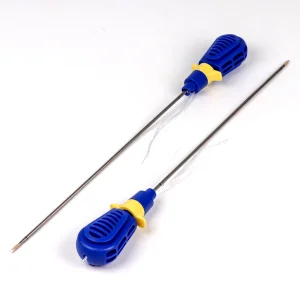
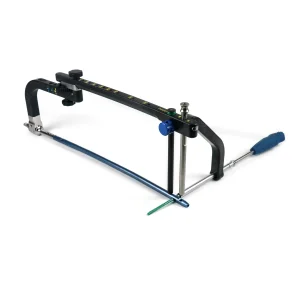
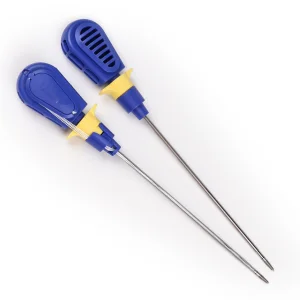
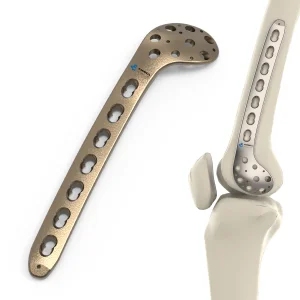
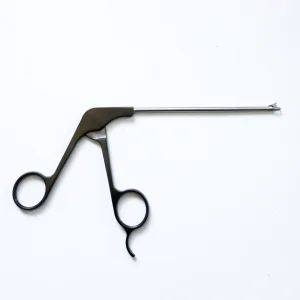
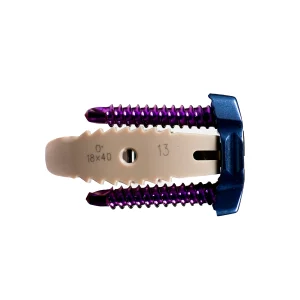
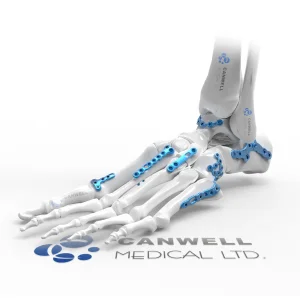
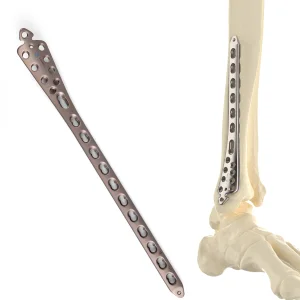
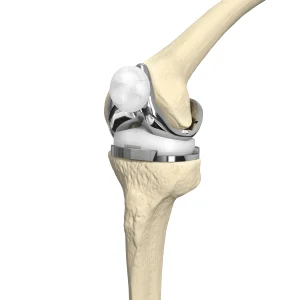
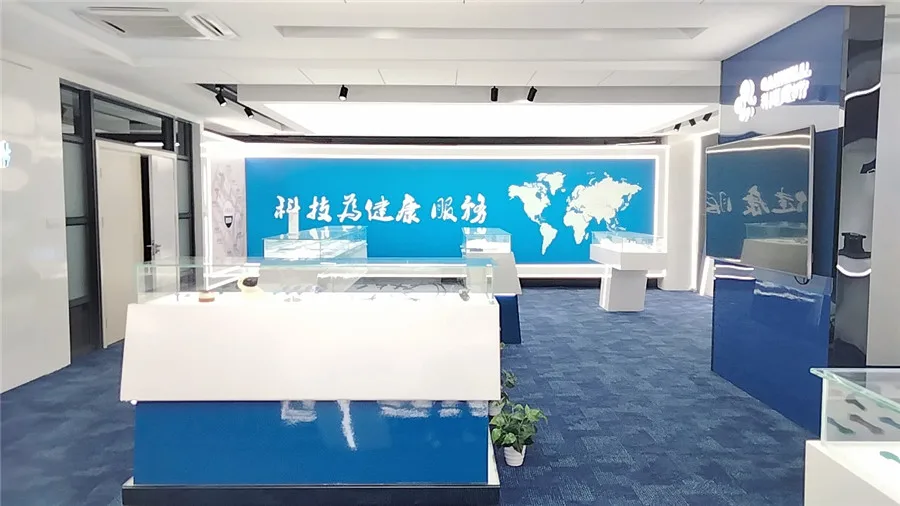
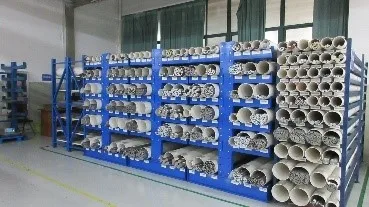
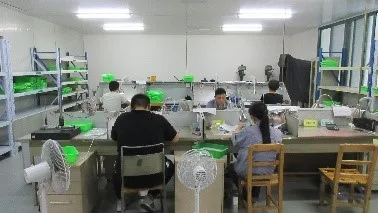
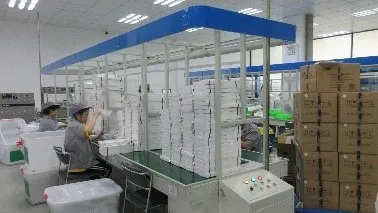
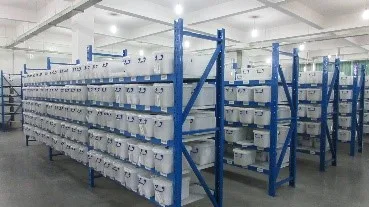
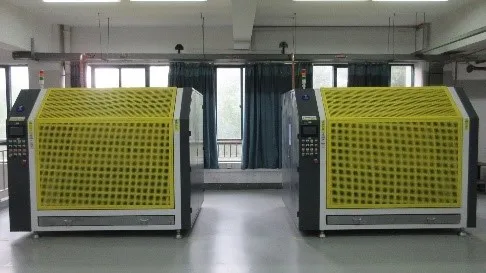
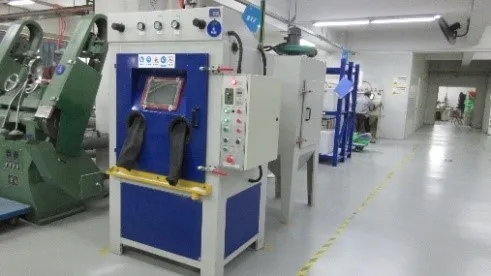
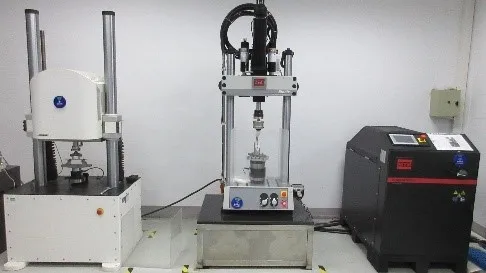
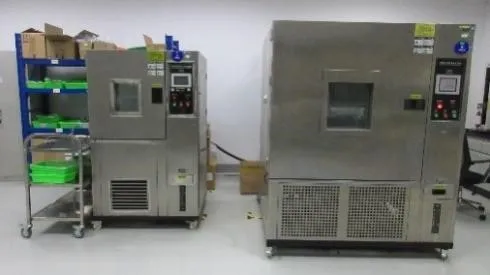
Preserved visual documentation showing our specialized orthopaedic manufacturing, cleanrooms, and testing facilities.




Technical details regarding certifications, custom OEM work, and delivery channels for London and global partners.
Whether you are looking to set up an OEM production contract, integrate a new spine system, or optimize supply costs for an NHS Trust, our engineering team is here to assist.
Submit RFQ & Technical Requirements Harney-Well