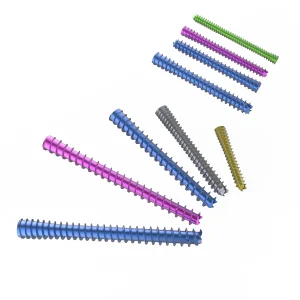
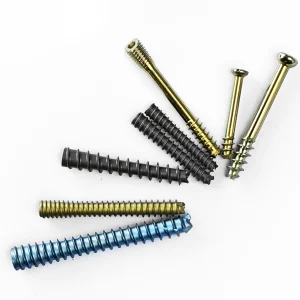
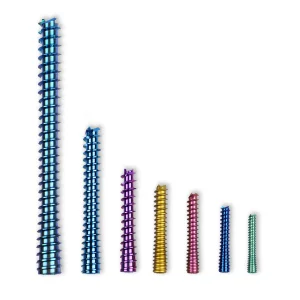
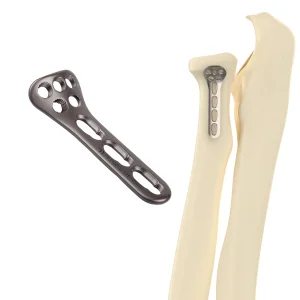
Engineered for maximum bio-compatibility and absolute mechanical stability, designed for clinical networks across Dhaka, Chittagong, and Sylhet.
The healthcare landscape in Bangladesh is undergoing an unprecedented modernization curve. Rapid urbanization, infrastructural developments, and industrial expansions have led to a sharp increase in traumatic injury incidents, particularly in metropolitan centers like Dhaka, Chittagong, and Gazipur. Orthopedic centers of excellence, such as the National Institute of Traumatology and Orthopaedic Rehabilitation (NITOR) and premier private facilities like Evercare Hospital and Square Hospital, require absolute quality consistency in orthopedic implants.
Currently, Bangladesh relies heavily on imported medical hardware to sustain its orthopedic surgeries. Distributors, surgical agents, and government tender buyers face a constant challenge: balancing strict regulatory compliance mandated by the Directorate General of Drug Administration (DGDA) with cost-effective procurement. As a globally recognized screw system manufacturer with over 22 years of export heritage, we bridge this gap by delivering clinical-grade implant assemblies that lower patient risk profiles while conforming to precise surgical demands.
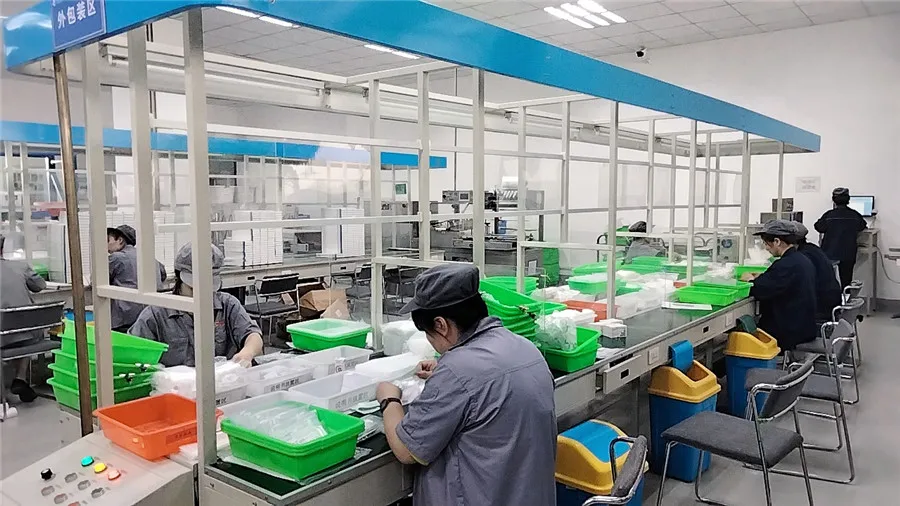
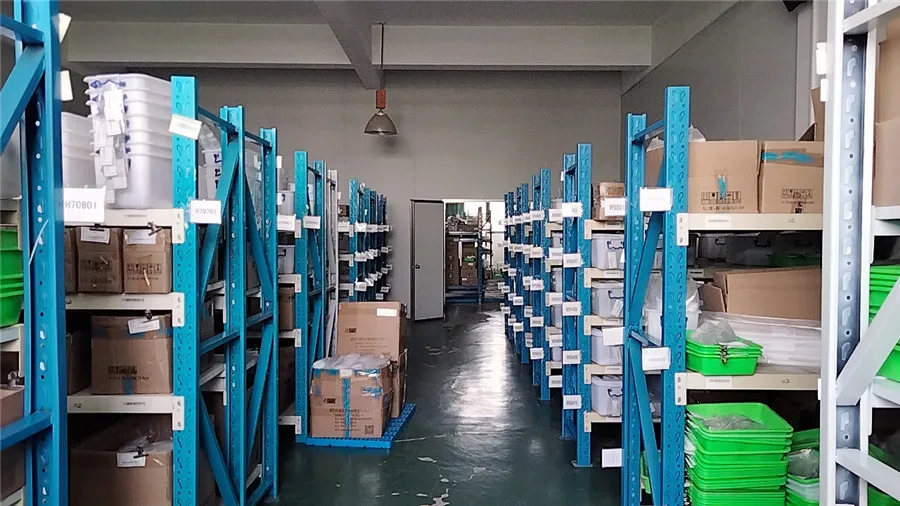
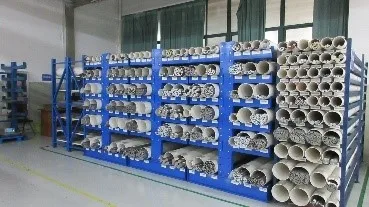
When purchasing clinical implants, reliability is paramount. Our factory processes are fully optimized for quality tracking and medical audit standards, ensuring total traceability from the initial titanium bar to the final sterile packaging. Below is our verified manufacturing capability and export summary:
2004-11-03
29,523 Square Meters
22 Years of Manufacture
59 Specialized Graduates
69 On-Site Inspectors
English, Professional Trade
Not all titanium screw systems are constructed equally. At our 29,523㎡ facility, we exclusively utilize Medical Grade Titanium Alloy (Ti-6Al-4V ELI / ASTM F136). The "Extra Low Interstitial" (ELI) grade features lower concentrations of oxygen, nitrogen, hydrogen, and carbon than the standard grade. Why does this matter for the Bangladeshi surgeon and distributor?
| Parameter | Standard Cannulated / Herbert Screws | CANWELL Precision System Performance |
|---|---|---|
| Raw Material Compliance | Grade 5 Titanium (Standard) | ASTM F136 Ti-6Al-4V ELI (Extra Low Interstitial) |
| Thread Precision Tolerance | ±0.05 mm | ±0.01 mm (CNC Swiss Machined) |
| Traceability Protocol | Batch-Level Tracking | Unit-Level Barcode & Heat Code Traceability |
| DGDA Verification | Importer self-declared | Comprehensive technical dossier support for DGDA listing |
The orthopedic implant sector in South Asia demands agility. With 22 years of exporting experience and deep supply chain optimization, our China-based manufacturing facility offers structural cost advantages that direct European or North American manufacturers cannot match.
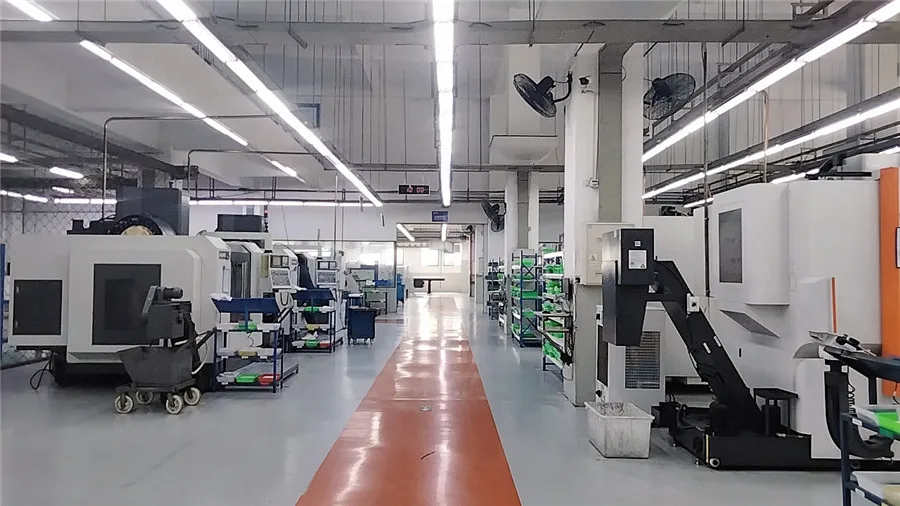
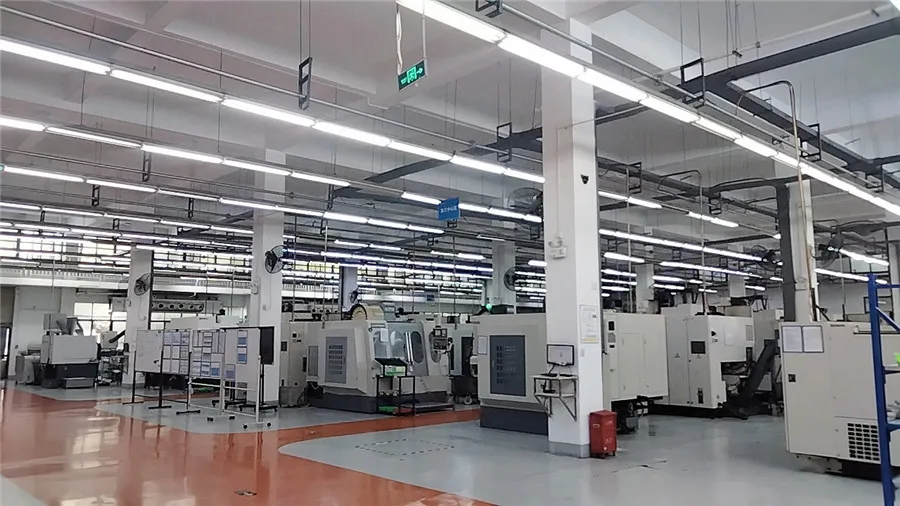
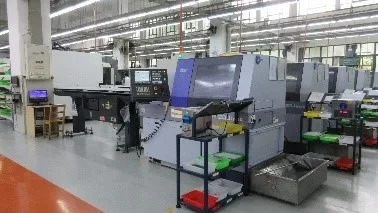
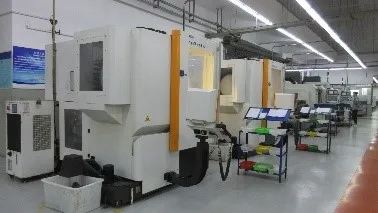
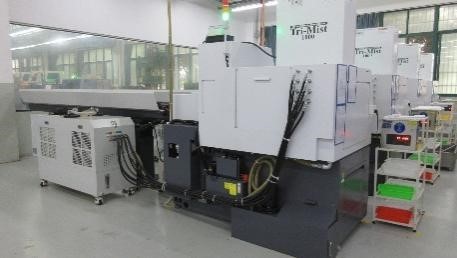
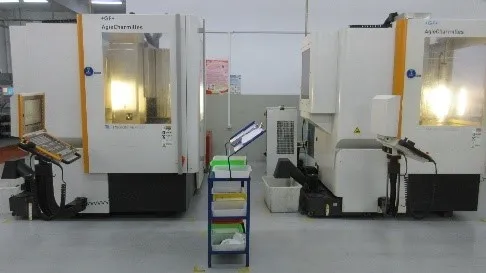
By combining raw material volume purchasing agreements, ultra-high-efficiency multi-axis Citizen CNC machinery, and local processing operations under one roof, we dramatically reduce production costs. We pass these savings directly to our partners in Bangladesh. Furthermore, our dedicated R&D division, backed by 59 R&D Graduate Engineers, ensures we can offer robust OEM/ODM services—allowing local medical brands to customize locking plates and thread pitches to suit localized anatomical data.
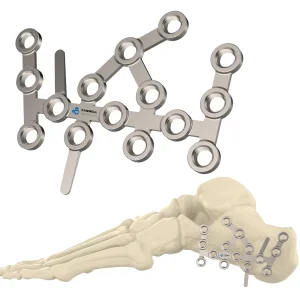
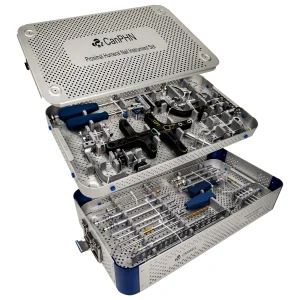
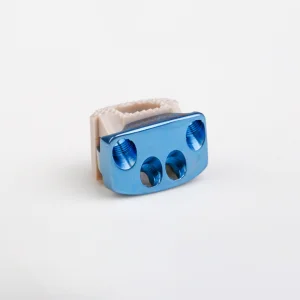
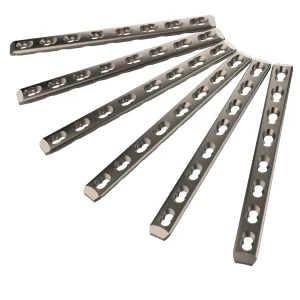
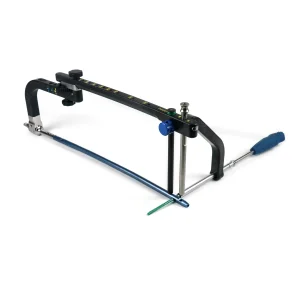
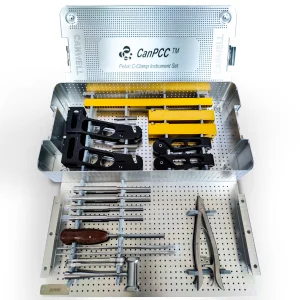
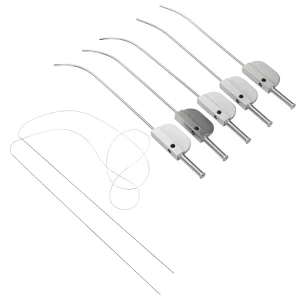
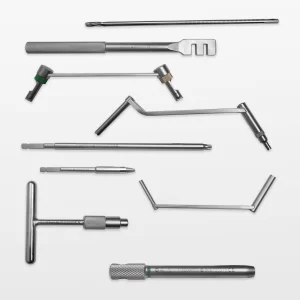
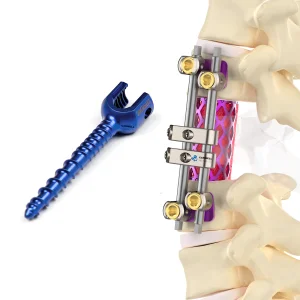
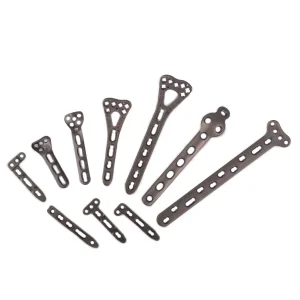
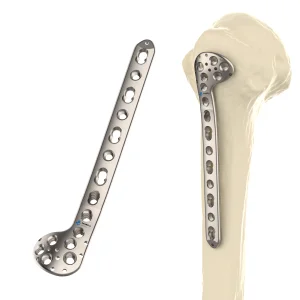
Select from our certified surgical sets, pelvic clamps, fusion cages, and anatomical locking plate assemblies, fully optimized for immediate clinical applications.
The global orthopedic sector is rapidly shifting towards minimally invasive stabilization. This is especially true for spinal operations, where PEEK Cages and polyaxial pedicle screws allow surgeons to perform anterior cervical spine adjustments without destabilizing structural anatomy. PEEK (Polyetheretherketone) provides an elastic modulus highly comparable to natural human cortical bone, reducing the risk of cage subsidence and stress shielding.
Similarly, in trauma surgeries, locking compression plates (LCP) are replacing conventional compression plates. The combination of dynamic compression and locking capabilities in a single plate enables bone reconstruction with optimal blood supply preservation, ensuring rapid healing in compound fractures.
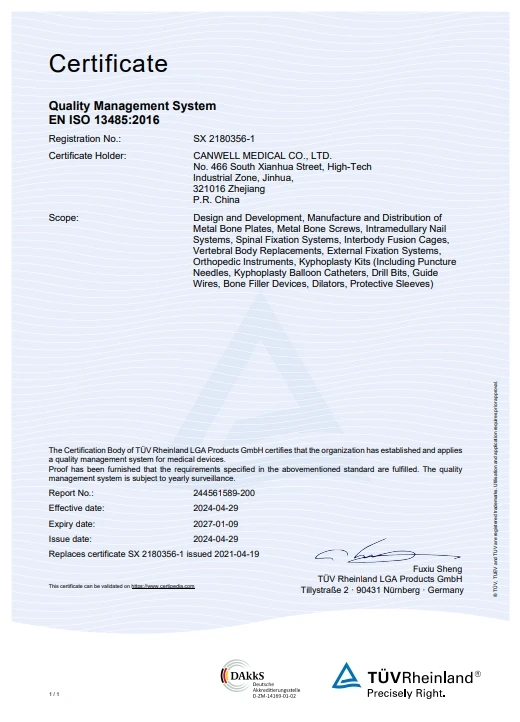
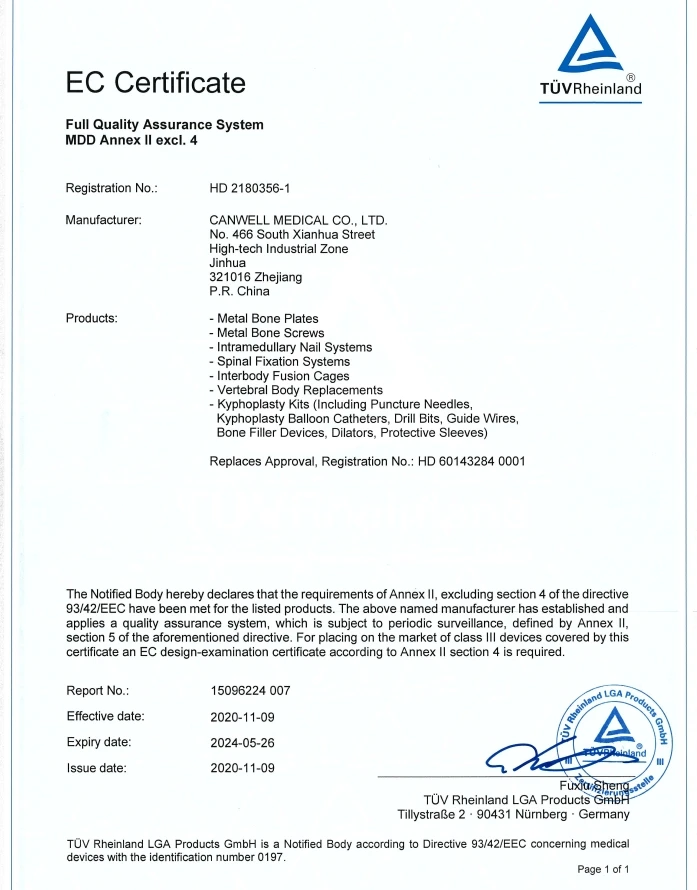
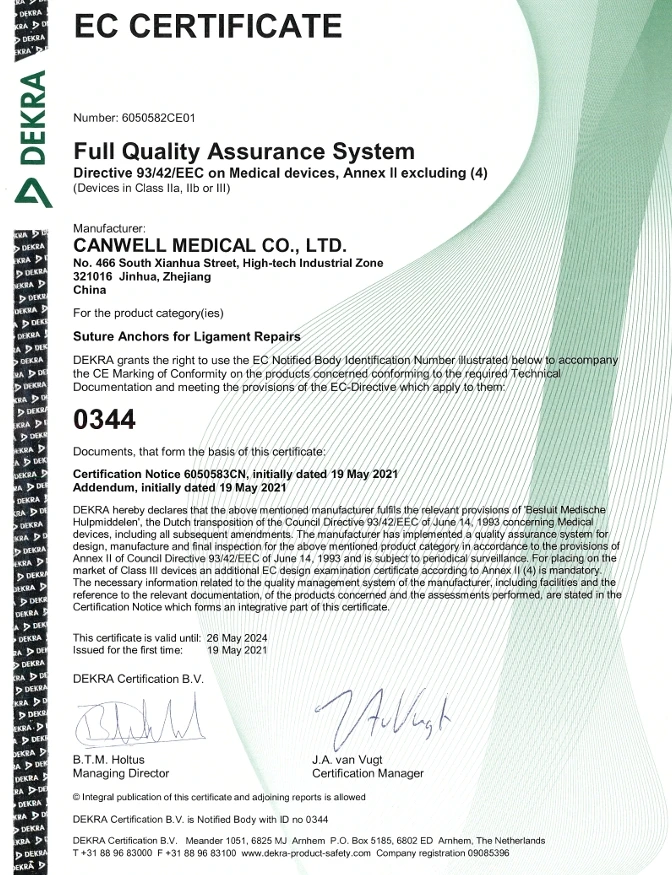
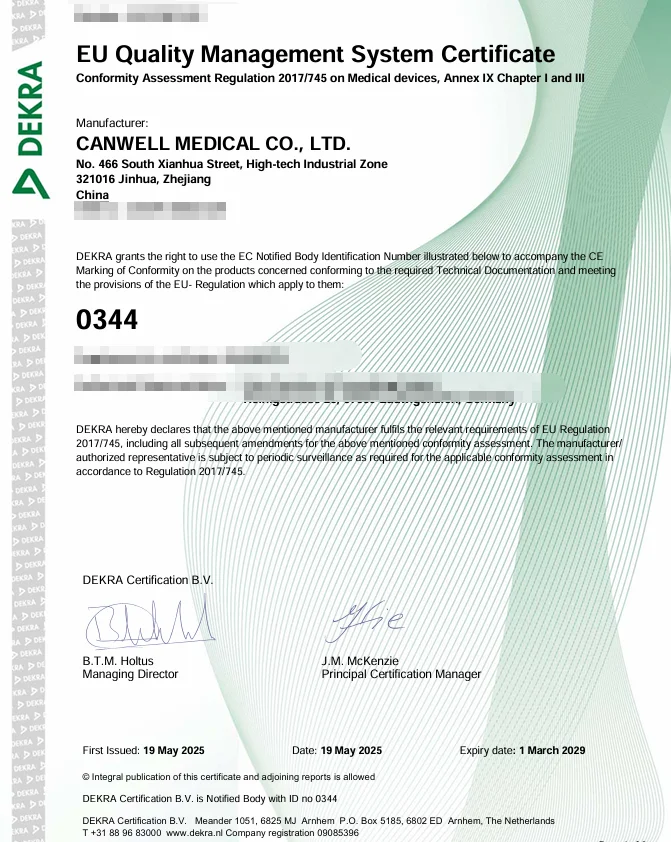
Importing medical devices into Bangladesh requires compliance with strict DGDA directives. Our team specializes in preparing the complete technical dossier needed for registration. We offer comprehensive documentation, including ISO 13485 quality system certificates, CE declarations of conformity (MDR/93/42/EEC), biocompatibility testing reports (ISO 10993 series), and sterilization validation data (ISO 11137).
This level of documentation support ensures that our Bangladeshi partners can confidently navigate municipal registry protocols, speed up customs clearance, and secure government tender bids with ease.
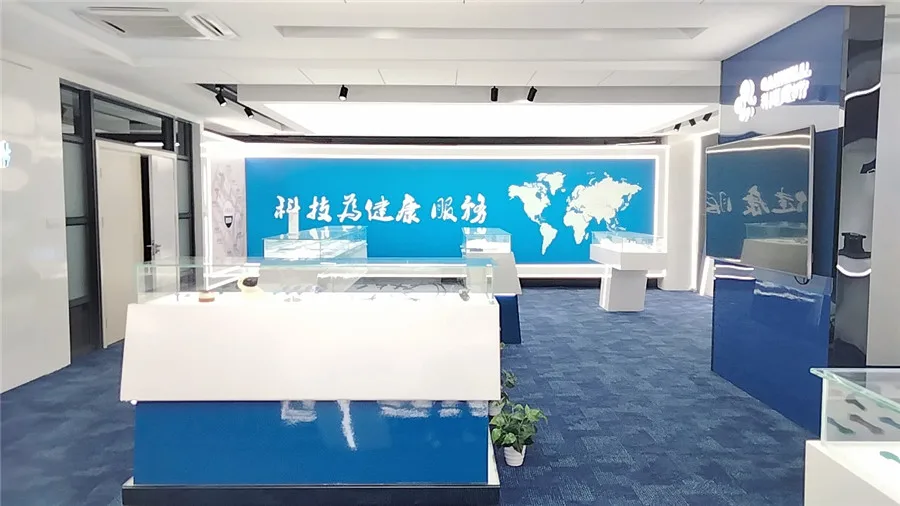
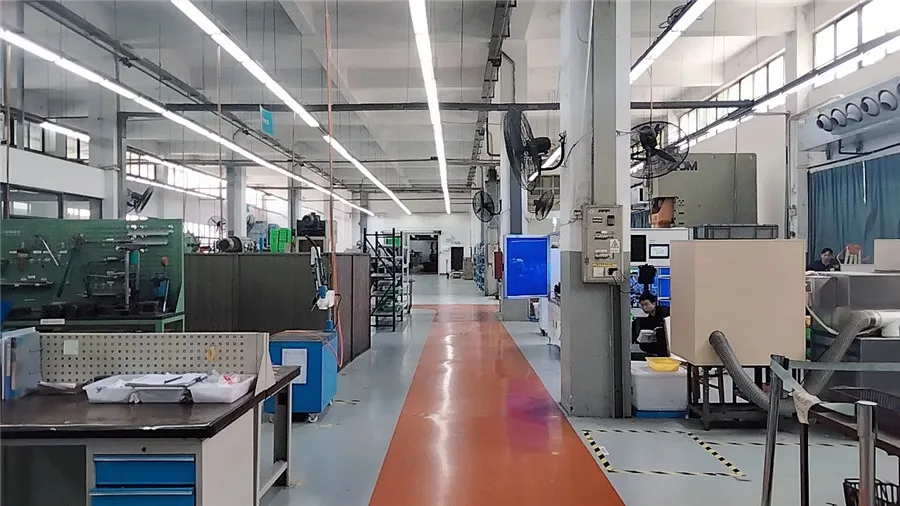
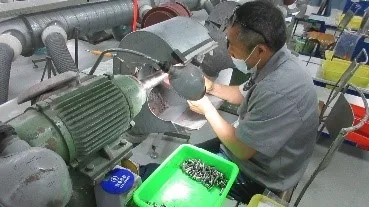
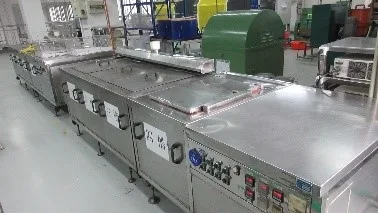
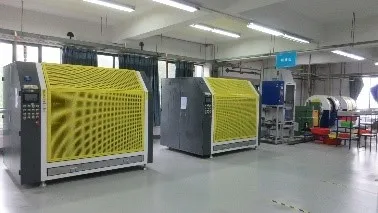
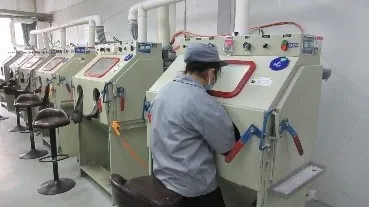
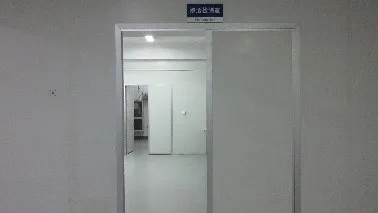
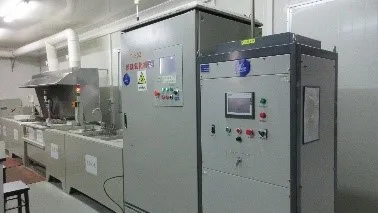
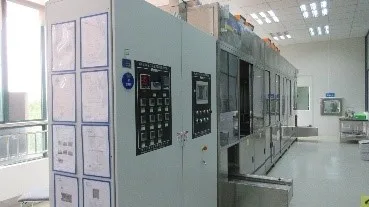
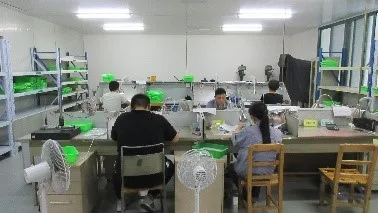
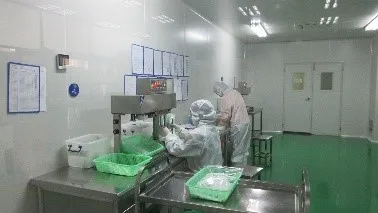
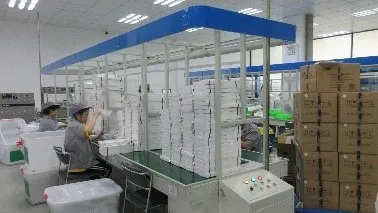
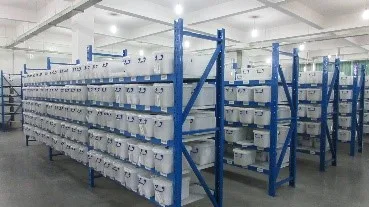
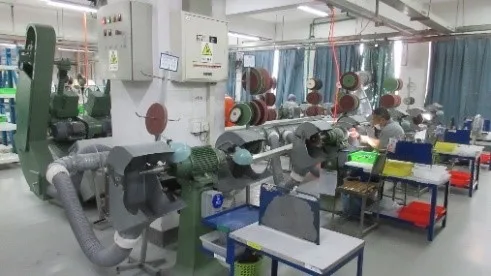
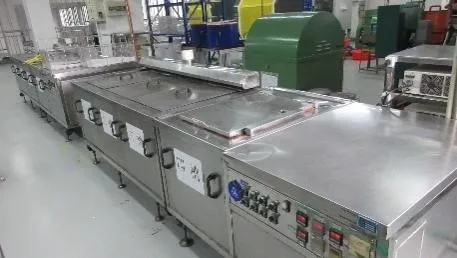
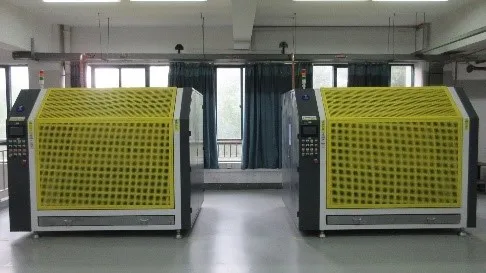
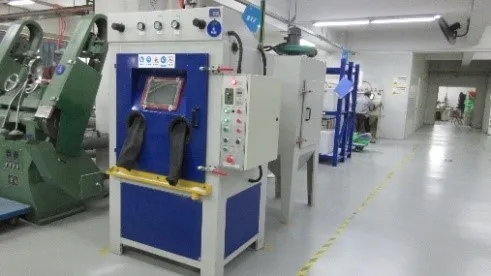
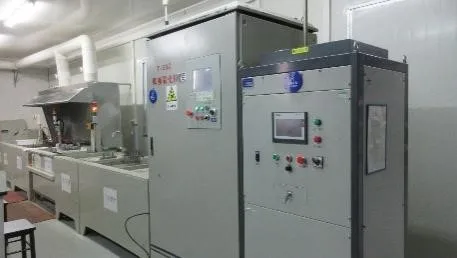
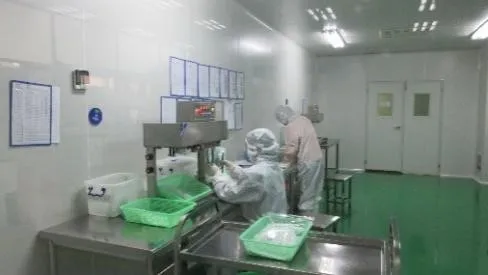
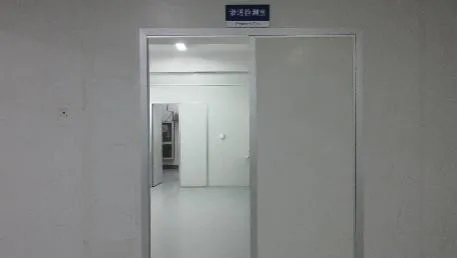
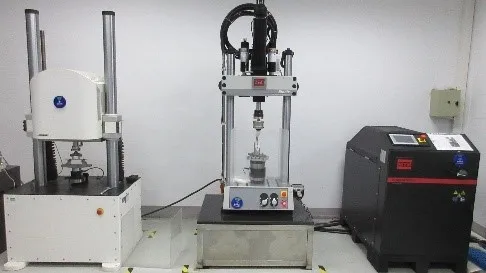
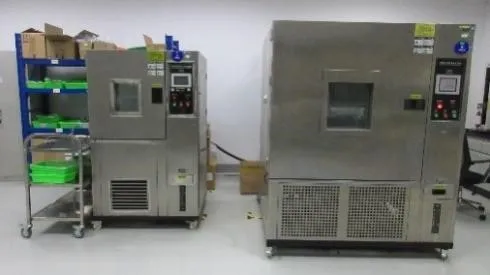
Our state-of-the-art facility features cutting-edge automated CNC manufacturing systems. We maintain cleanrooms that conform to ISO Class 7 (Class 10,000) standards for cleaning, assembly, and sterilization packaging. This helps ensure that the raw materials we use remain uncontaminated throughout the production process.
Answers to common technical, logistics, and certification questions from importers and procurement teams in Bangladesh.
 Harney-Well