Select Canadian Healthcare Standard Implants & Advanced Trauma Instrumentation
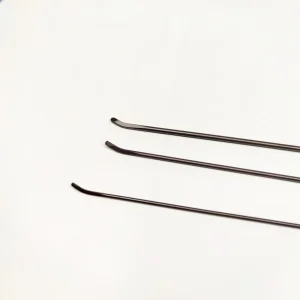
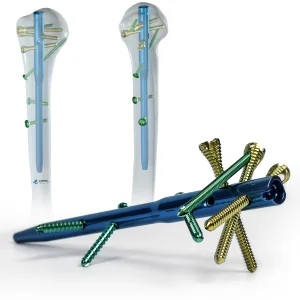
Canada’s public healthcare network, governed across provinces by organizations such as Ontario Health, Alberta Health Services, and BC Health Authorities, prioritizes two primary pillars: clinical efficacy and economic sustainability. Orthopedic trauma surgery departments inside Canada's major Tier-1 trauma hospitals (such as Sunnybrook Health Sciences Centre in Toronto or Vancouver General Hospital) routinely operate under strict regulatory and budgetary constraints. Medical devices like intramedullary (IM) nails must adhere to rigid biocompatibility standards, with Health Canada Medical Device Establishment License (MDEL) compliance serving as a mandatory gateway.
Clinical data highlights that demographic shifts in Canada, paired with extreme winter conditions, lead to a predictable seasonal spike in geriatric hip fractures, proximal femoral fractures, and severe tibial shaft fractures from high-energy slips and vehicle accidents. Orthopedic departments demand implants that deliver predictable mechanical performance, reduced time in the operating room (OR), and multi-lock stability options to secure osteoporotic bone structures. For purchasing coordinators and medical device distributors across Canada, sourcing directly from global manufacturers with robust, verified ISO 13485 cleanroom operations provides the baseline resilience needed to prevent critical hardware shortages.
1. Strict Compliance: Implants must meet FDA, CE MDR, and ISO 13485 standards to ease Health Canada approval pathways.
2. Supply Chain Risk Mitigation: Dual-source procurement has shifted from a recommendation to a clinical necessity for regional health authorities.
3. Material Quality: Titanium alloy (Ti-6Al-4V ELI) compliant with ASTM F136 remains the clinical gold standard for long-term biocompatibility and high fatigue resistance.
Direct Factory Data from a 22-Year Global Orthopedic Implant Innovator
| Production Criteria | Factory Compliance & Quality Management Specifications |
|---|---|
| Years in Orthopedic Industry | 22 Years of global export footprint spanning Western Europe, North America, and Southeast Asia. |
| Raw Material Traceability | 100% verified traceability from melt-source to finalized batch number, employing certified medical-grade titanium. |
| QA/QC Protocols | Comprehensive structural testing, fatigue analysis, surface roughness verification, and dimensions check on all production lines. |
| Customization Capabilities | Precision OEM/ODM development: light customization, sample fabrication, CAD/CAM graphic processing, and tailored instrumentation sets. |
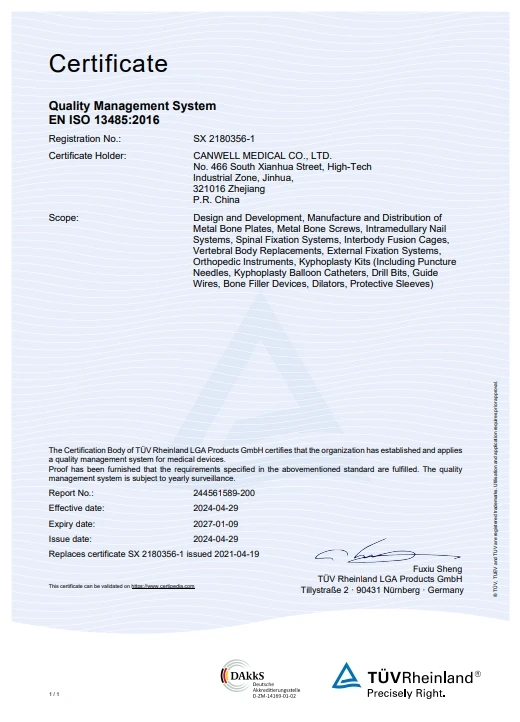 ISO 13485
Cert No: SX 2180356-1
ISO 13485
Cert No: SX 2180356-1
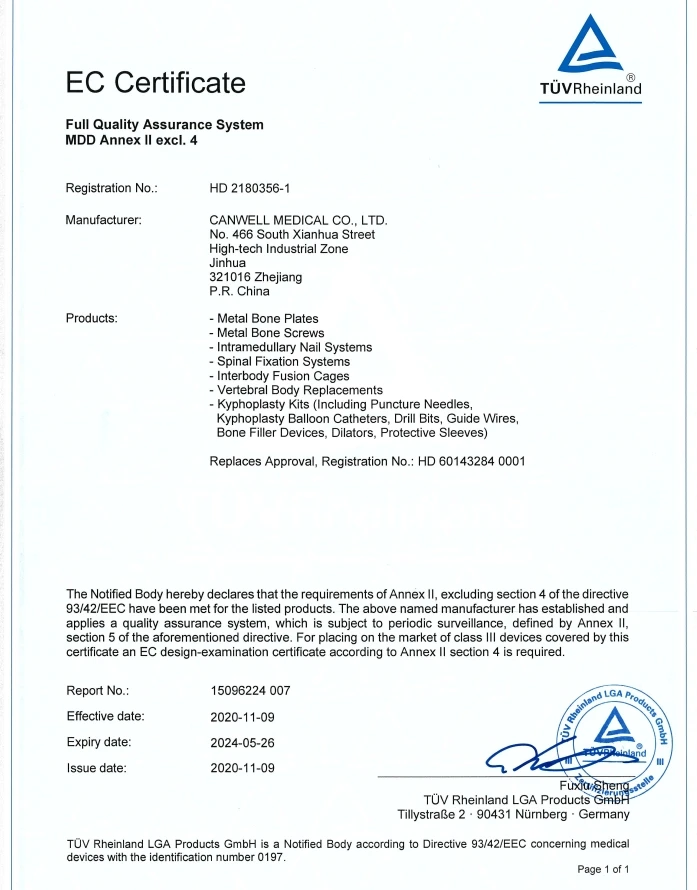 93/42/EEC (CE)
Cert No: HD 2180356-1
93/42/EEC (CE)
Cert No: HD 2180356-1
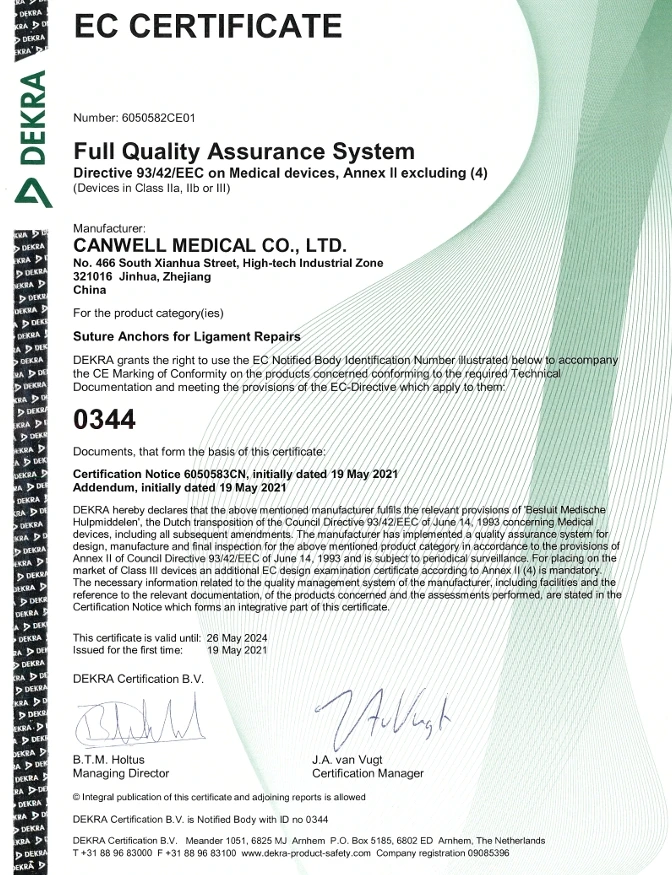 93/42/EEC
Cert No: 6050582CE01
93/42/EEC
Cert No: 6050582CE01
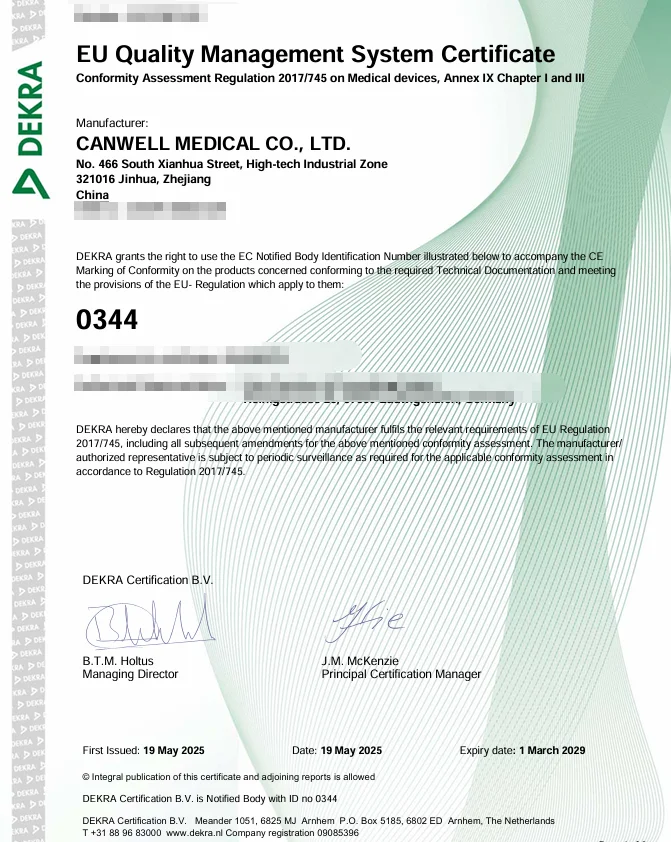 CE MDR
Cert No: 6142788CE02
CE MDR
Cert No: 6142788CE02
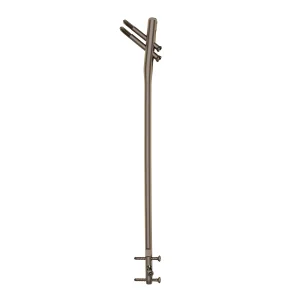
Modern fracture management relies heavily on the mechanical properties of the implant. The CANWELL Intramedullary Nailing Systems are manufactured using high-strength titanium alloy Ti-6Al-4V ELI (Extra Low Interstitial), strictly complying with ASTM F136 and ISO 5832-3 standards. This medical-grade alloy is selected for its superior fatigue strength, lower elastic modulus closer to cortical bone (reducing stress shielding effects), and exceptional corrosion resistance.
Electrochemical anodization process generates a controlled titanium oxide layer. This improves bio-compatibility, decreases micro-motion wear, and assists surgeons with visual sizing verification in the operating room.
Multi-directional and multi-planar locking options provide stability in highly unstable, comminuted fractures. Static and dynamic locking options enable controlled axial dynamization post-surgery.
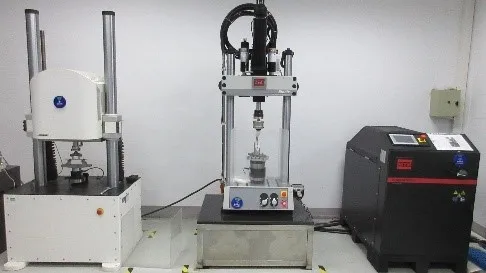
Implants undergo rigorous dynamic cyclic load testing (ASTM F1264 / ASTM F382) to simulate the extreme force cycles of weight-bearing loading during the rehabilitation phase.
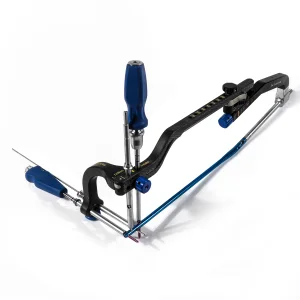
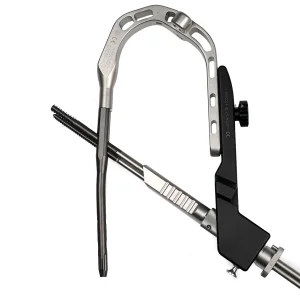
By optimizing the wall thickness of the cannulated nails, CANWELL systems balance flexible insertion properties with high torsional stiffness. Whether utilizing an antegrade femoral approach or a suprapatellar tibial entry route, the instrument guidance configurations ensure highly precise locking screw placement, minimizing soft-tissue disruption and reducing patient radiation exposure during fluoroscopy.
Titanium Intramedullary Solutions Optimized for Complex Fracture Architectures
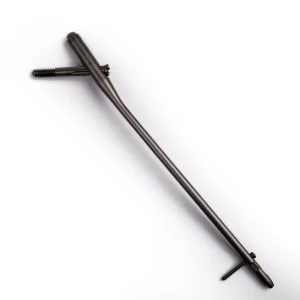
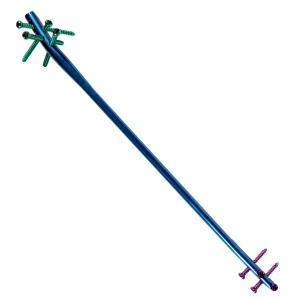
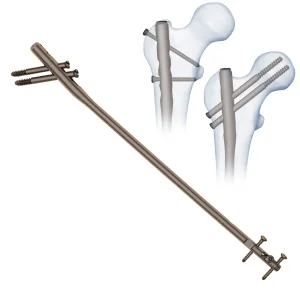
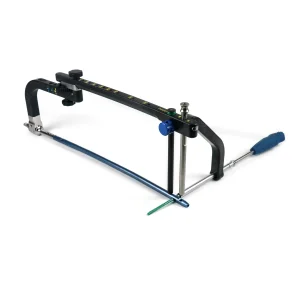
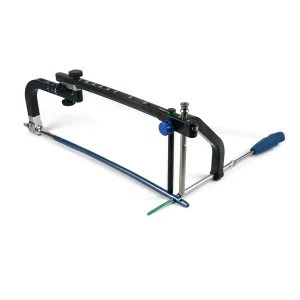
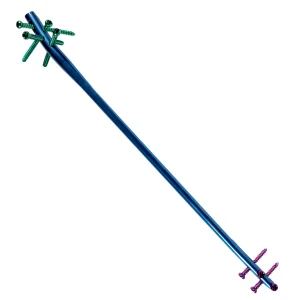
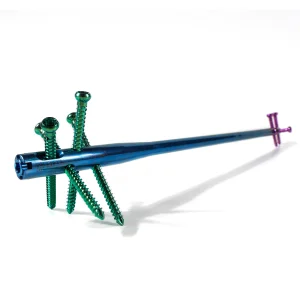
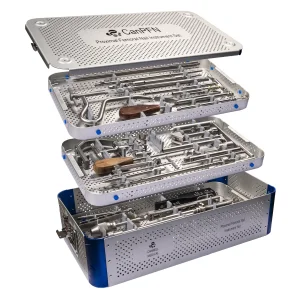
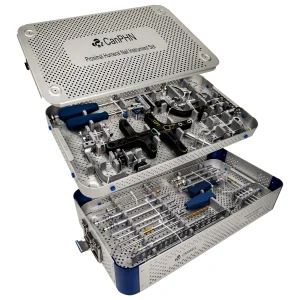
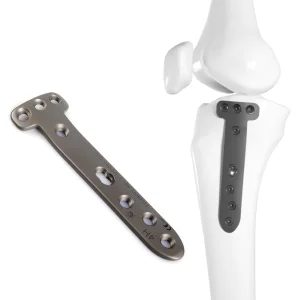
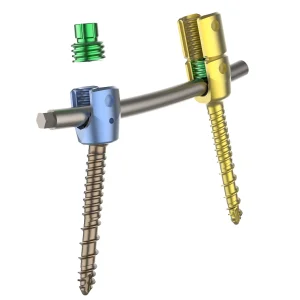
Dedicated Surgical Instrument Sets, Precision Locking Plates, and Spinal Fixation Arrays
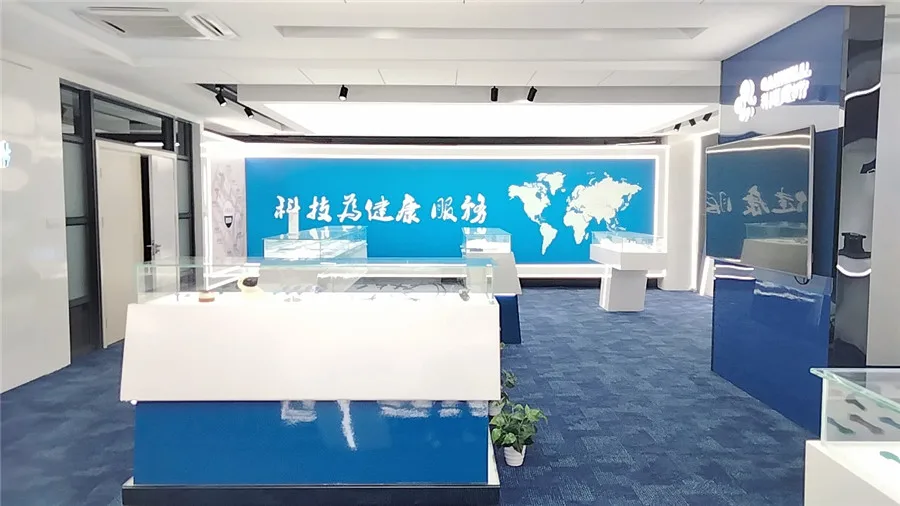
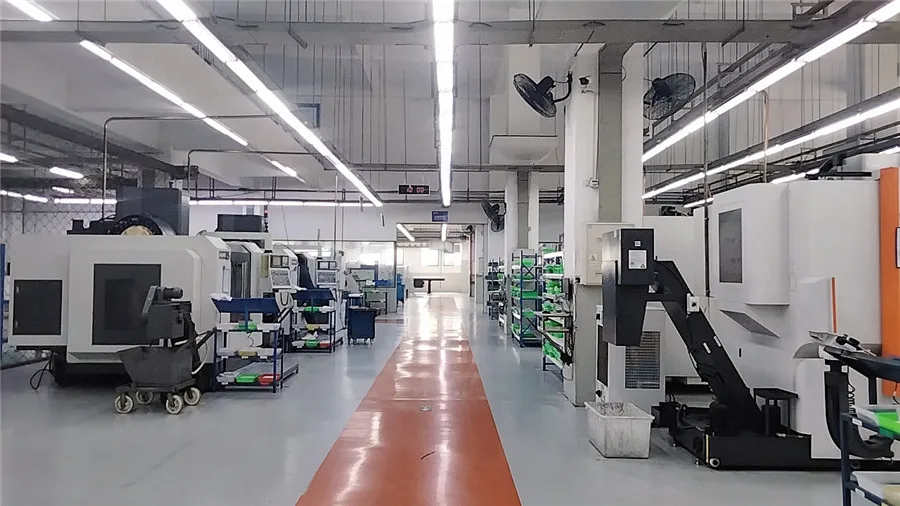
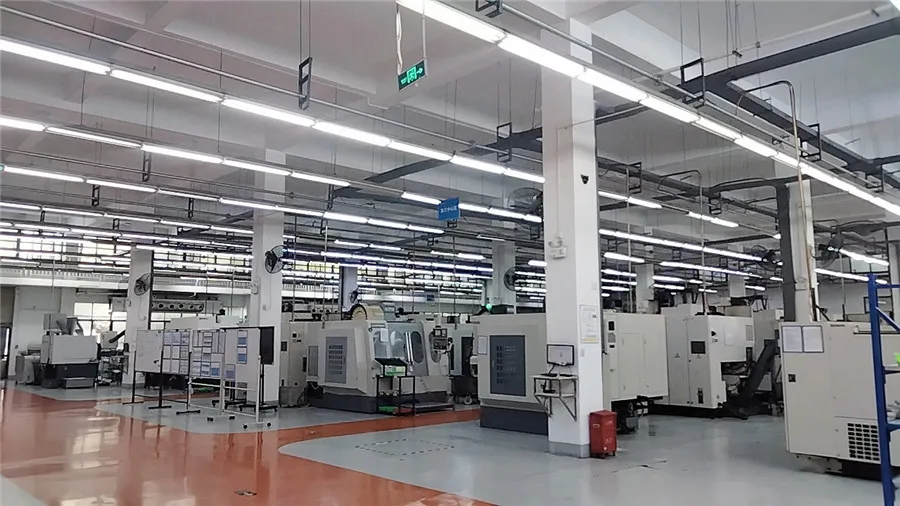
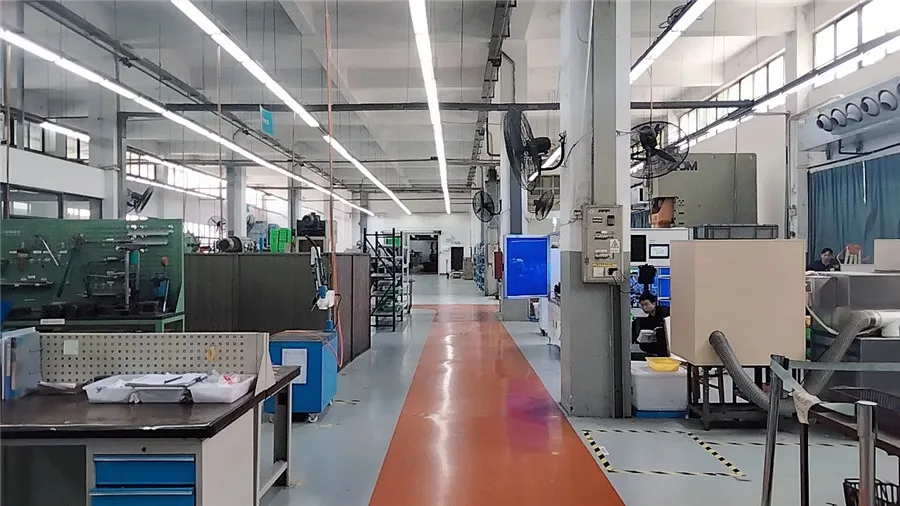
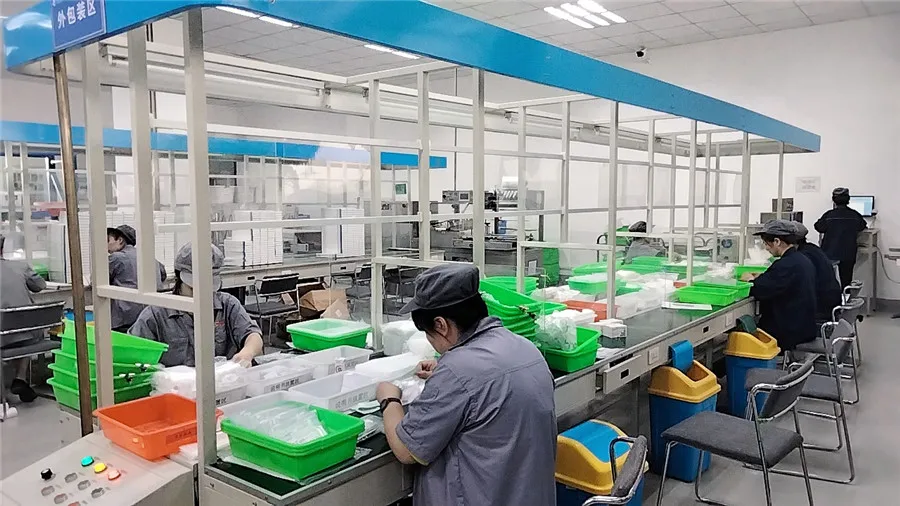
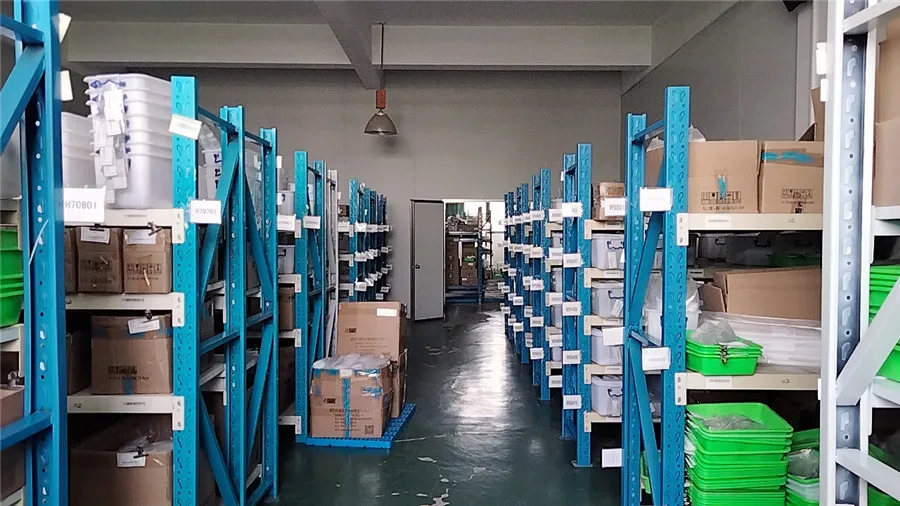
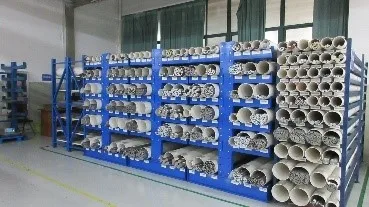
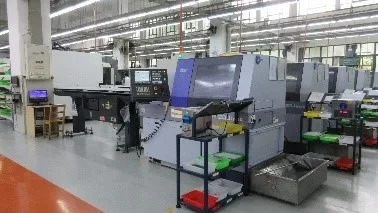
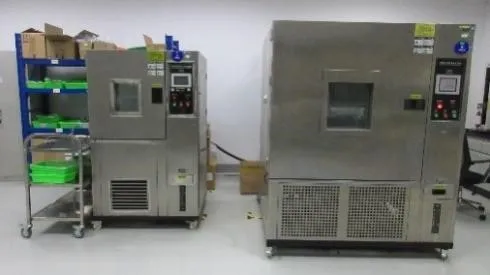
Visual Audit Evidence of ISO Class 7 Cleanrooms, CNC Lathes, and Metallurgical Verification Units
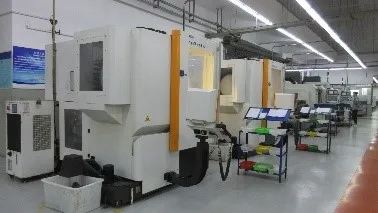
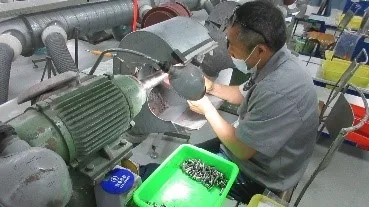
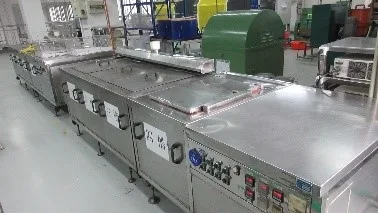
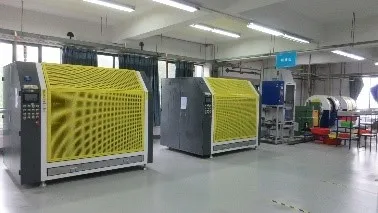
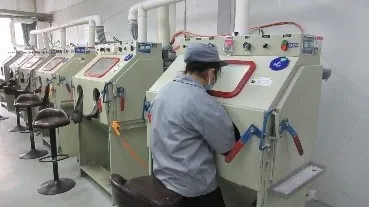
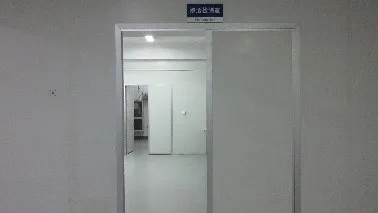
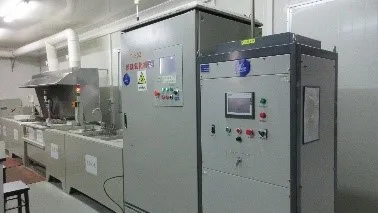

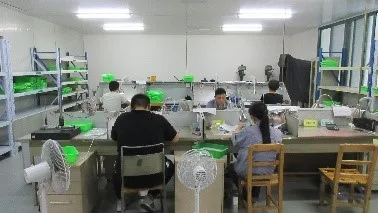
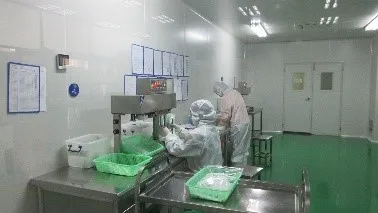
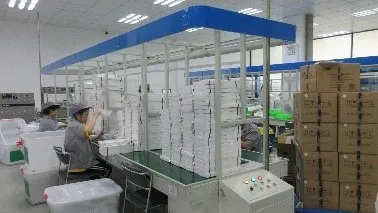
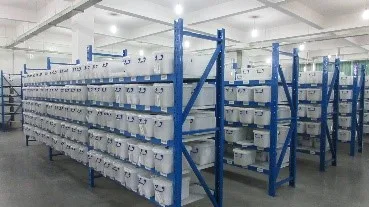
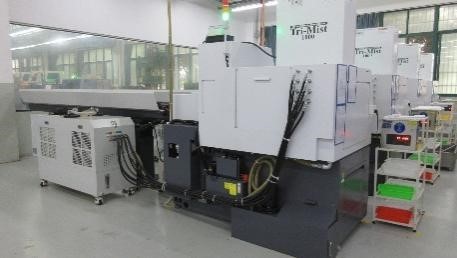
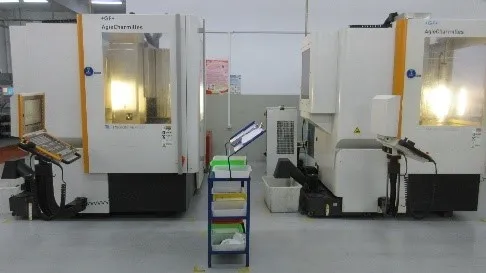
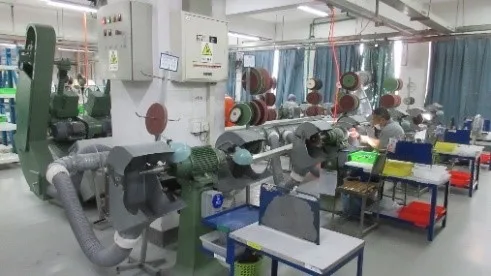
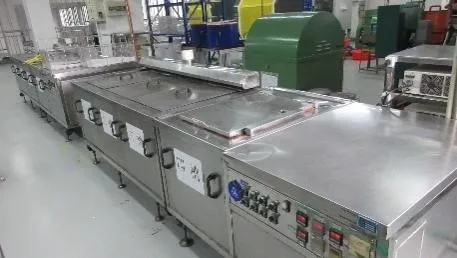
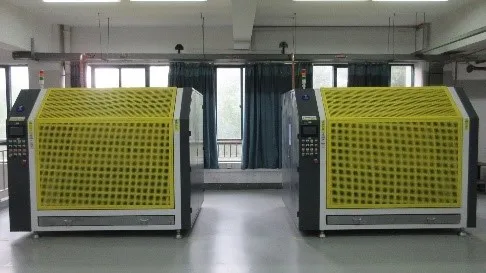
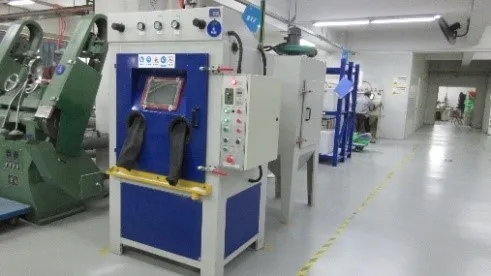
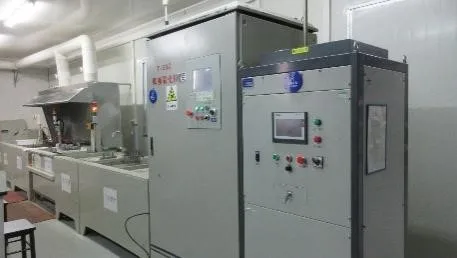
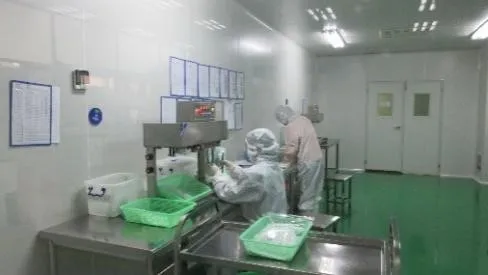
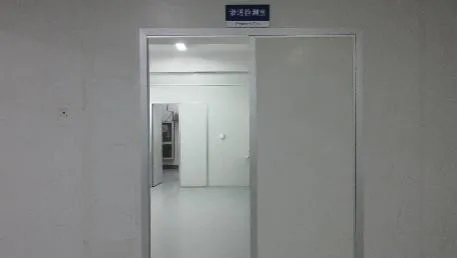
Importing surgical implants into Canada's highly regulated market requires more than just high-quality titanium. It requires a meticulous alignment of supply chain protocols, documentation availability, and clinical engineering expertise. Our regulatory departments provide dedicated assistance to Canadian medical distributors to ensure a smooth market entry pathway:
For private distributors holding exclusive regional tender contracts, our custom design team can engrave hospital-specific tracking information or customized part numbers onto the proximal end of each intramedullary nail using high-density laser printing. This optimizes hospital inventory control and prevents mixing implants in centralized sterile processing departments.
The field of long-bone trauma is evolving beyond simple mechanical fixation toward biological integration. Our 2026–2030 development roadmap focuses on optimizing three key technical directions:
Developing crystalline osteoconductive coatings to accelerate local bony integration, particularly in osteoporotic or compromised bone tissue common in geriatric proximal femur fractures.
Using preoperative CT scan files to produce patient-specific interlocking targeting systems, eliminating alignment errors and minimizing distal screw targeting failures.
Feasibility testing for passive micro-sensor implants capable of sending strain and loading data wirelessly, helping trauma teams monitor fracture union progress in real time.
By partnering with research universities and key clinical opinion leaders (KOLs) in Canada and Western Europe, we ensure that every iteration of our product portfolio remains aligned with the latest clinical advancements in orthopedic surgery.
Direct Answers to Critical Compliance, Material Quality, and Procurement Questions
 Harney-Well