Highly versatile clinical solutions designed to support rapid stabilization and bone reconstruction across trauma centers in Australia.
Addressing rigorous clinical requirements, high patient expectations, and regulatory compliance standards across Oceania.
Australia’s healthcare network stands as one of the most advanced globally, requiring clinical-grade performance from medical device manufacturers. The Therapeutic Goods Administration (TGA) mandates strict verification pathways for orthopedic implants, placing high expectations on global exporters. Orthopedic surgeons from Level 1 trauma centers in Sydney, Melbourne, and Brisbane require external fixation systems that deliver absolute structural stability, biomechanical flexibility, and ease of application.
In Australia, trauma intervention protocols are increasingly shifting toward minimally invasive methodologies that promote faster patient mobilization. In remote and regional areas, where airlift operations transport trauma patients to metropolitan hubs, external fixators act as primary, stabilization-critical components. High-rigidity carbon fiber rings and lightweight titanium rods have become standard, ensuring compatibility with diagnostic procedures like MRI and CT scans without producing excessive artifacts.
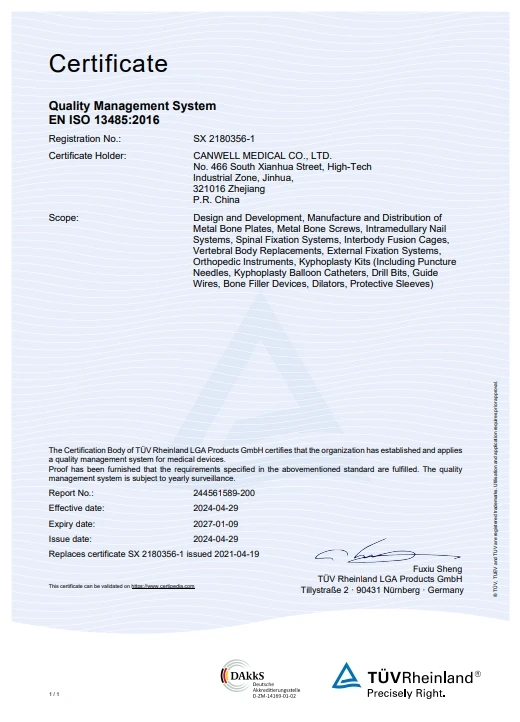
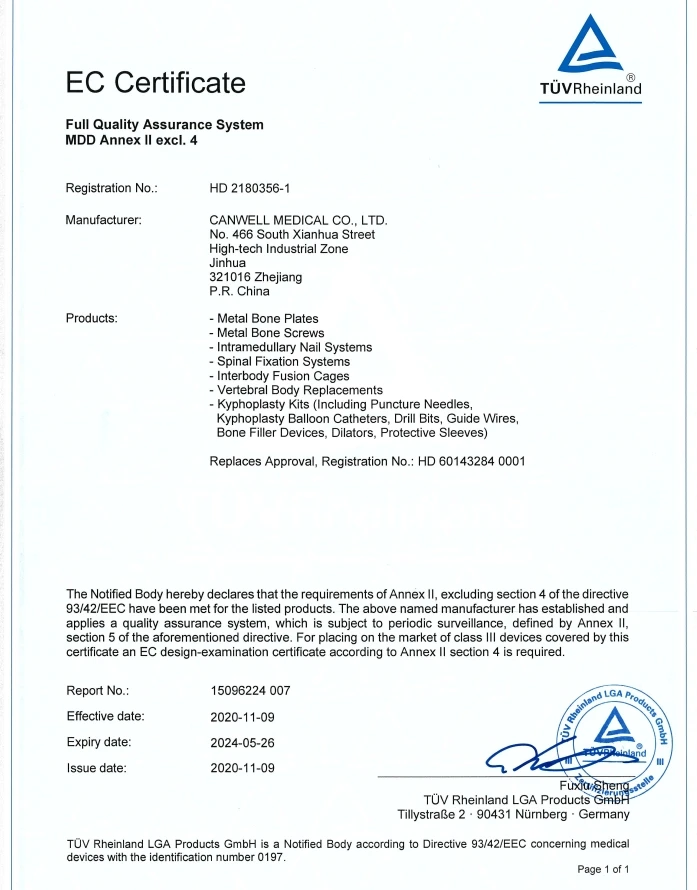
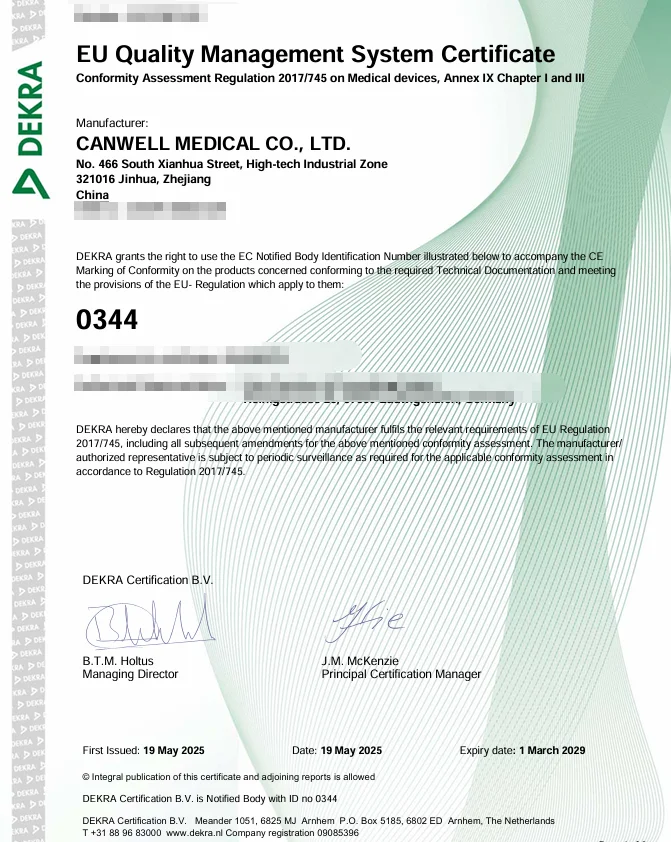
For international manufacturers exporting to Australia, compliance is non-negotiable. Implants must adhere to the Essential Principles outlined by the TGA, ensuring that both materials (Grade 5 Titanium / ELI Grade, implant-grade stainless steel) and sterilized packaging maintain physical integrity under transit. CANWELL's global manufacturing footprint guarantees compliance through certified ISO 13485 quality management systems, aligning seamlessly with the documentation requirements of Australian sponsors and distributors.
A legacy of over 20 years in medical implant engineering, delivering precision to the global market.
Our quality management department ensures raw materials are sourced exclusively from certified mills with complete traceability records. With 69 full-time quality inspectors, 100% inspection pathways are utilized for critical dimensions and tolerances. Custom stress-analysis testing models simulate peak loads to confirm fixator clamp durability and pin stability.
Supporting comprehensive musculoskeletal surgery solutions from joint replacement components to internal locking plates and spine fixation.
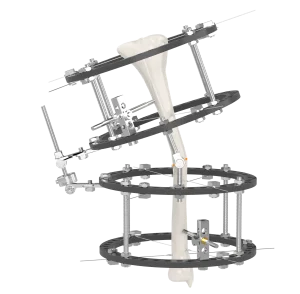
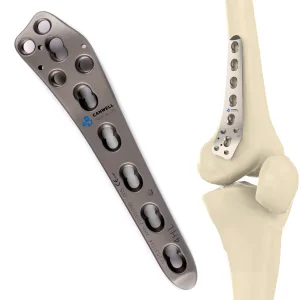
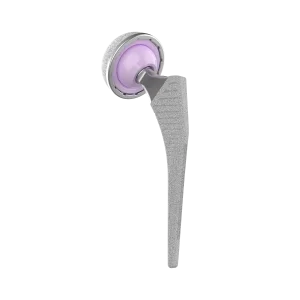
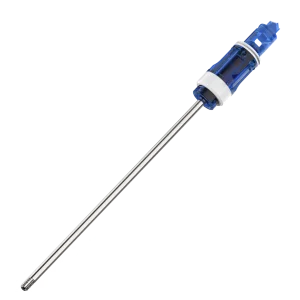
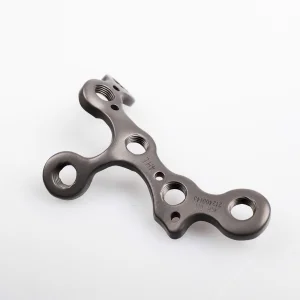
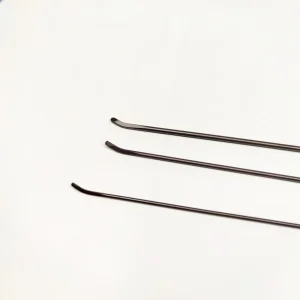
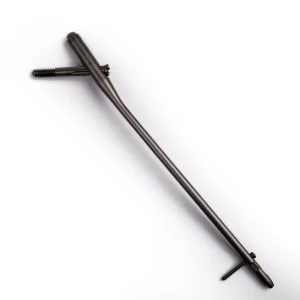
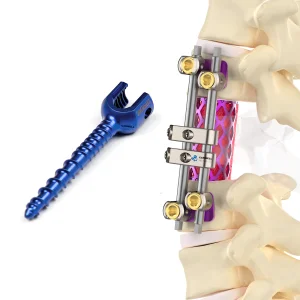
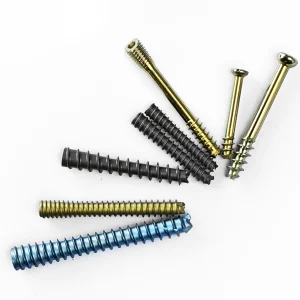
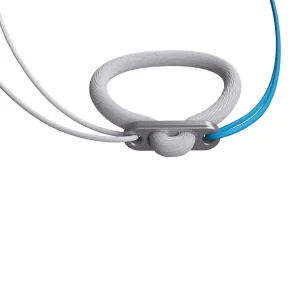
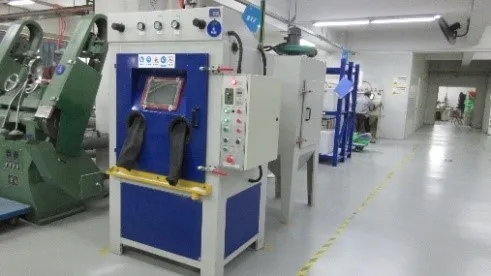
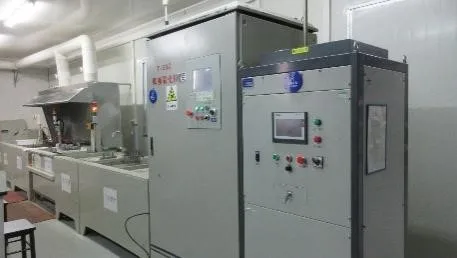
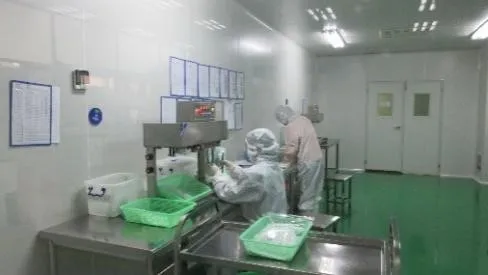
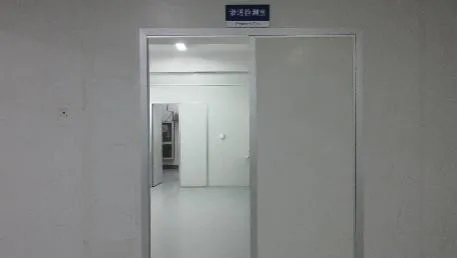
29,523 square meters of climate-controlled cleanrooms, automated multi-axis CNC machines, and testing labs.
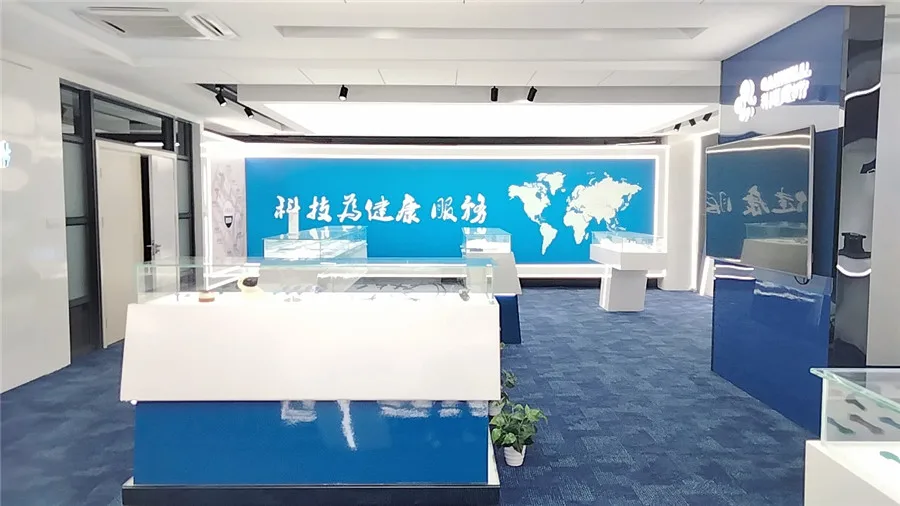
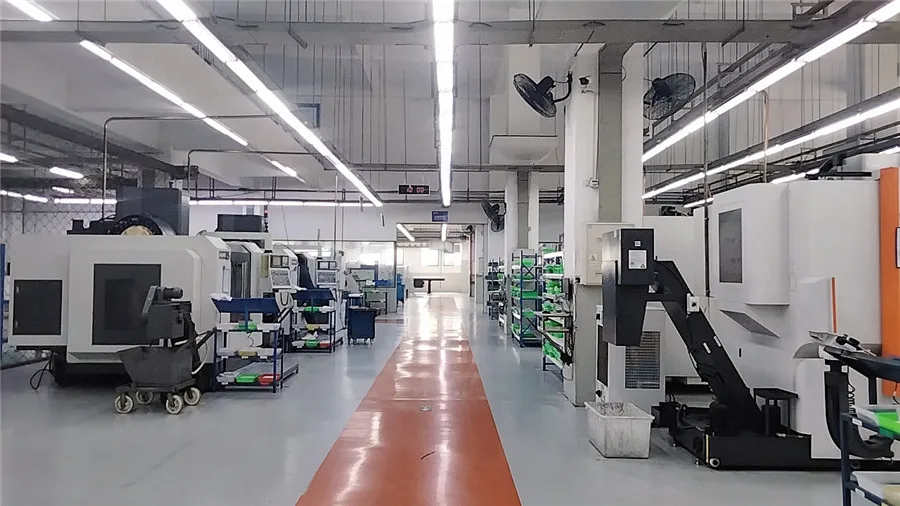
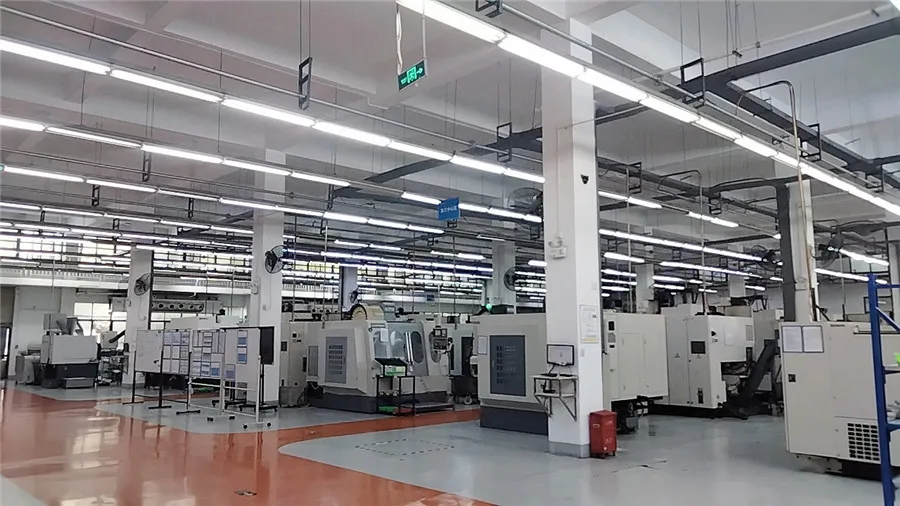
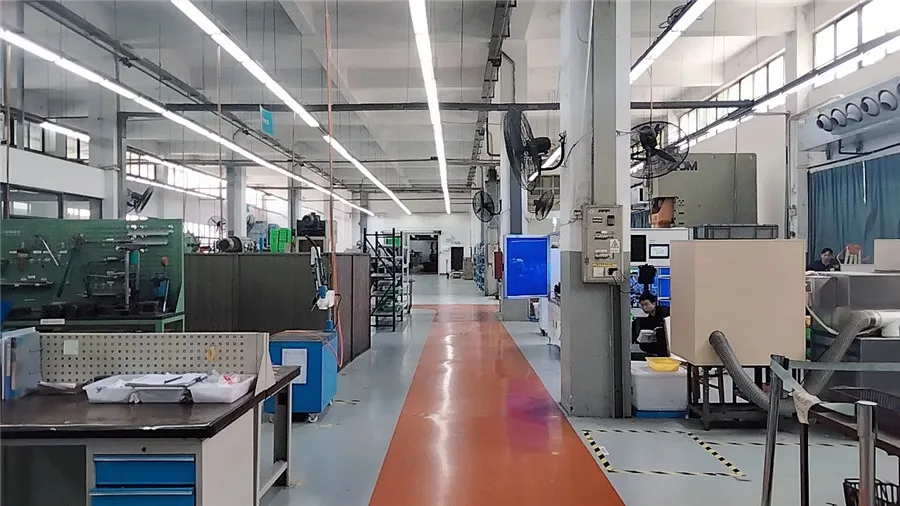
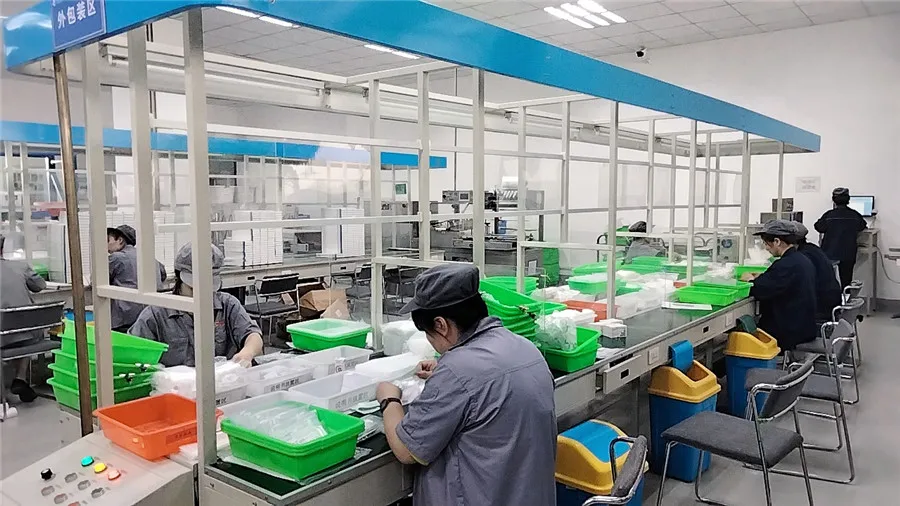
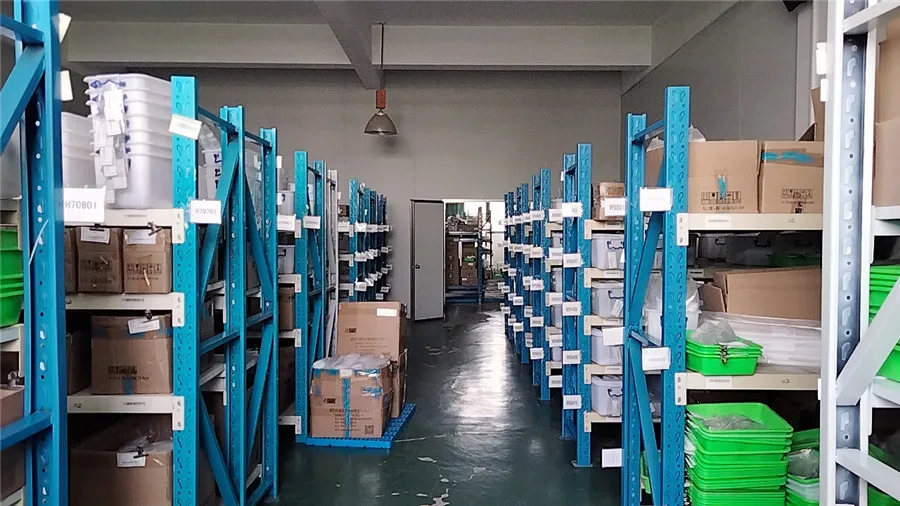
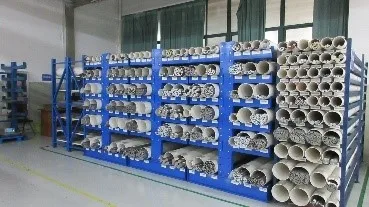
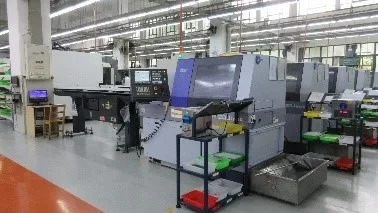
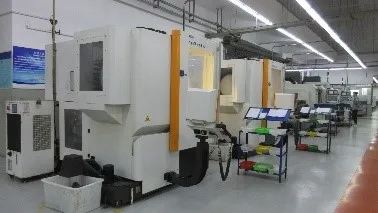
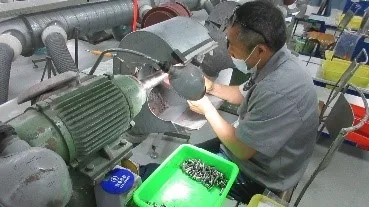
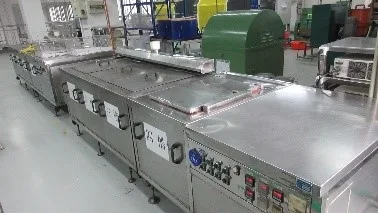
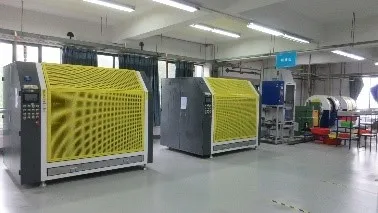
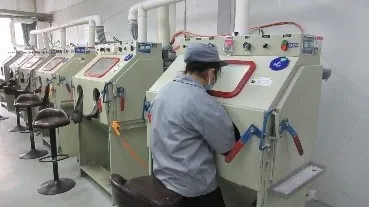
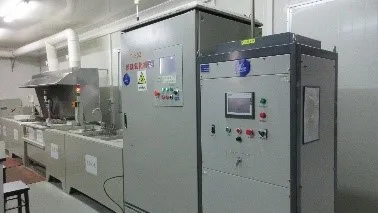
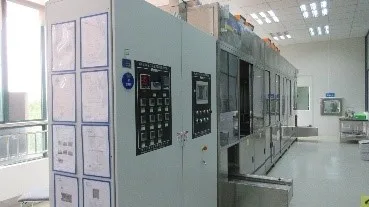
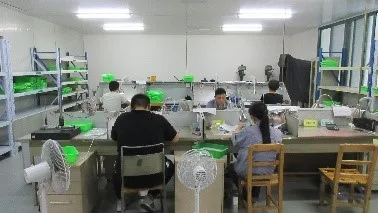
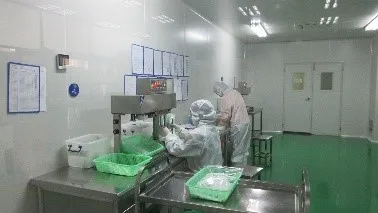
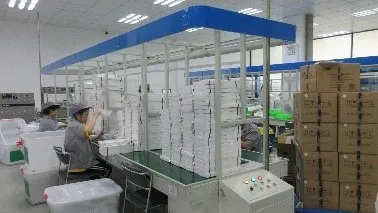
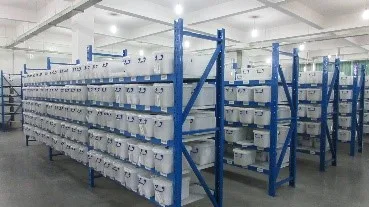
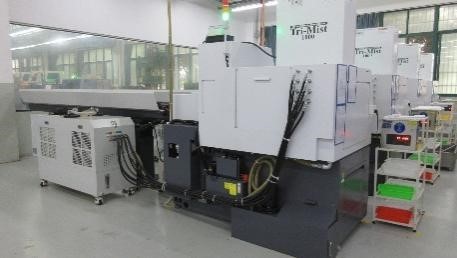
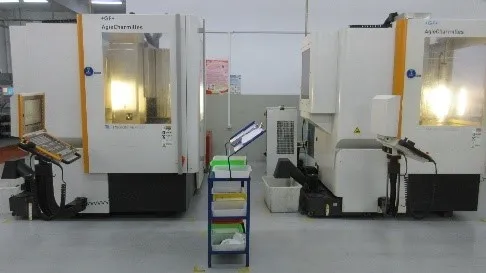
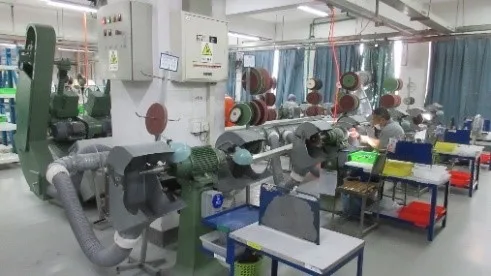
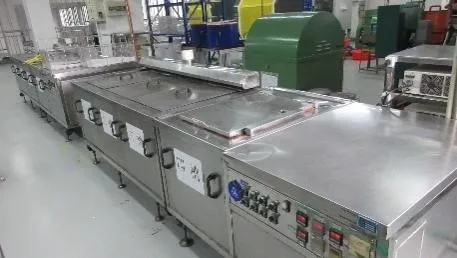
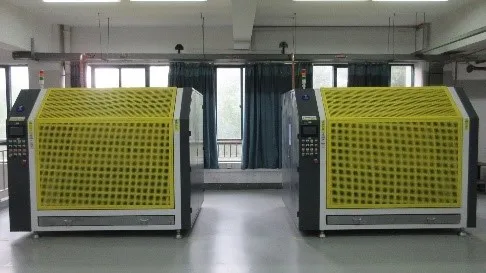
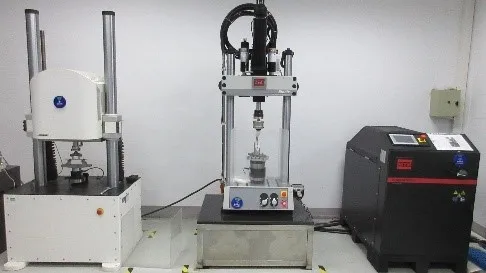
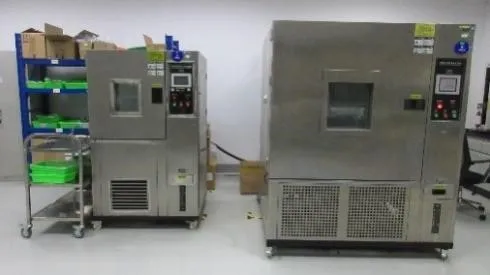
Continuous innovation focused on patient comfort, biomechanical stability, and surgical simplicity.
External fixation systems must balance anatomical rigidity with ease of application. Our research and development roadmaps focus on addressing challenges such as weight minimization, bacterial transmission pathways at the pin site, and radiological transparency. By collaborating with orthopedic research centers, we continually refine our manufacturing processes to meet tomorrow’s trauma reconstruction needs.
Traditional stainless steel components often block view lines under intraoperative fluoroscopy. We are increasing the usage of PEEK (Polyetheretherketone) and carbon fiber in our rings and clamps. This ensures high mechanical load-bearing properties while providing surgeons with clear views of the bone union progress.
Pin-site tract infections remain a primary concern in prolonged external fixation therapy. Our clinical R&D is validating alternative surface treatments for pins, including hydroxyapatite coatings and silver-ion deposition. These advancements aim to improve osseointegration at the bone-pin interface and mitigate bacterial migration.
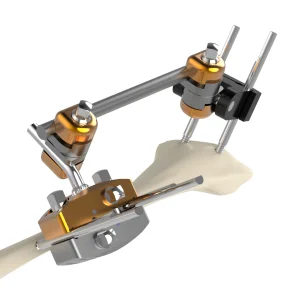
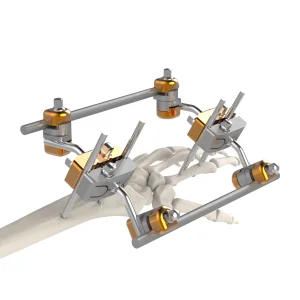
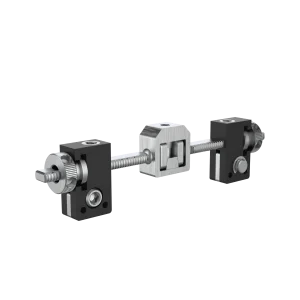
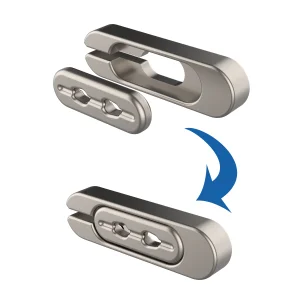
Rapid fracture reduction in emergency trauma requires simple locking mechanisms. Our snap-on and snap-off coupling designs allow surgeons to quickly position rods relative to the pins without fully disassembly, reducing surgery time and improving alignment outcomes.
Facilitating smooth international trade, localized logistical routing, and responsive customer service.
Procuring surgical implants requires a reliable supply chain. CANWELL has spent over two decades optimizing export processes to major international ports, including Sydney, Melbourne, and Brisbane. We establish dedicated communication channels with procurement officers to maintain stable supply lines and prevent stockouts of critical sizes and sets.
Technical, regulatory, and logistical insights for Australian medical distributors and procurement managers.
Yes. CANWELL products are manufactured under rigorous ISO 13485 quality systems and hold CE (MDR) certification, complying with the Essential Principles required by the Australian Therapeutic Goods Administration. We support local sponsors with comprehensive technical dossiers, material certificates, and biocompatibility studies to facilitate successful inclusion on the Australian Register of Therapeutic Goods (ARTG).
We source medical-grade raw materials, primarily Ti-6Al-4V ELI (Grade 5 Titanium) and 316L stainless steel, along with radiolucent carbon fiber for rings and connecting rods. These choices provide high fatigue strength, biological compatibility, and reduce MRI scan artifacts.
Standard catalog items are generally processed and shipped within 15–30 days. For custom OEM or light customization projects requiring specific pin configurations or personalized instrument etching, lead times range from 45 to 60 days. This timeline accounts for R&D confirmation, precision machining, and strict quality control.
Every implant and instrument set is laser-etched with a unique lot number and barcode. This identifier matches our quality system database, enabling trace-back to the exact raw material batch, production date, CNC operator, and QC inspector. This ensures complete oversight and risk reduction for hospitals.
Request a quote, ask for technical specifications, or arrange a consultation with our export department.
Send Inquiry Now Harney-Well