Engineered for immediate stabilization of complex fractures, limb deformity corrections, and joint arthrodesis. These clinical systems align with international trauma standards and are fully customized for Middle Eastern hospital protocols.
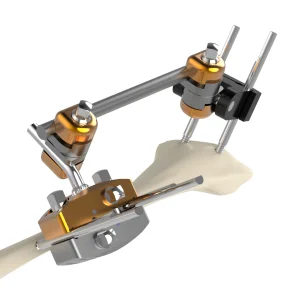
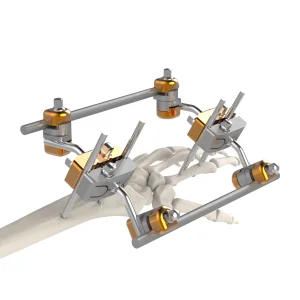
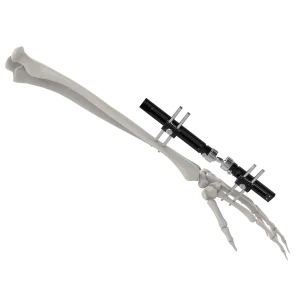
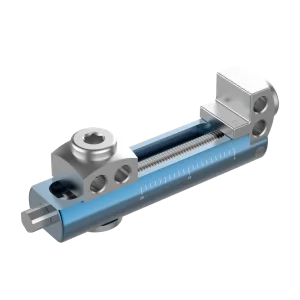
Riyadh is rapidly establishing itself as the premier healthcare and medical technology hub of the Middle East, driven by the strategic mandates of Saudi Vision 2030. High-energy trauma cases, originating from road traffic accidents (RTAs) and urban industrial expansions, place sustained pressure on advanced emergency units such as King Saud Medical City (KSMC) and the National Guard Hospital. As clinical strategies prioritize rapid recovery and minimally invasive trauma surgery, external fixators have evolved from basic temporary stabilizers into highly sophisticated platforms for structural limb reconstruction, bone transport, and long-term joint correction.
We work closely with procurement officers, orthopedic consultants, and authorized local distributors in Riyadh to bridge the gap between heavy clinical demands and rigid manufacturing parameters. By utilizing high-grade biocompatible titanium alloys and lightweight carbon-reinforced polymers, our stabilization systems ensure primary mechanical stability while minimizing soft-tissue disruption. This provides trauma surgeons in Riyadh with the necessary tools to implement modern damage control orthopedics (DCO) protocols safely and effectively.
Under the Health Sector Transformation Program, Saudi Arabia is investing billions of dollars to modernize its clinical infrastructure. Local healthcare organizations require suppliers who not only design durable orthopedic systems but also provide complete regulatory alignment, ensuring uninterrupted supply chains for public tender systems such as NUPCO.
Direct sourcing of class III orthopedic devices requires extensive supply chain transparency, physical durability validation, and strict adherence to international regulatory baselines.
Every structural rod, pin, clamp, and locking component is manufactured from fully authenticated medical-grade titanium (Ti-6Al-4V ELI) or premium stainless steel (316LVM). We provide full raw material certification for every production run, preventing micro-stress fractures and in-vivo fatigue failure.
Our trauma products undergo packaging validation testing in accordance with ISO 11607 standards. Standardized implant systems can be ordered sterile-packaged or configured in robust, sterilizable double-decker aluminum trays designed for high-frequency autoclave processing.
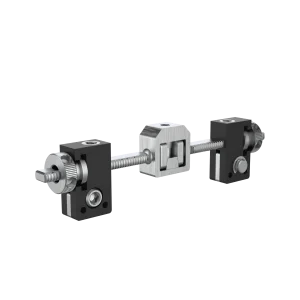
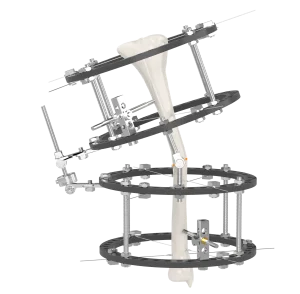
Our catalog covers the entire trauma spectrum, ranging from modular multi-pin clamp setups for proximal femur stabilization to trans-articular frames, ankle bridges, and specialized pediatric configurations.
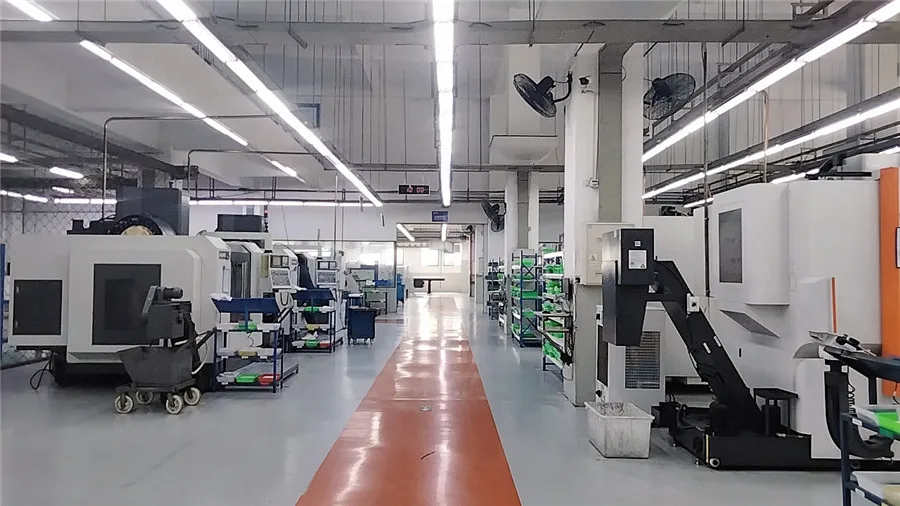
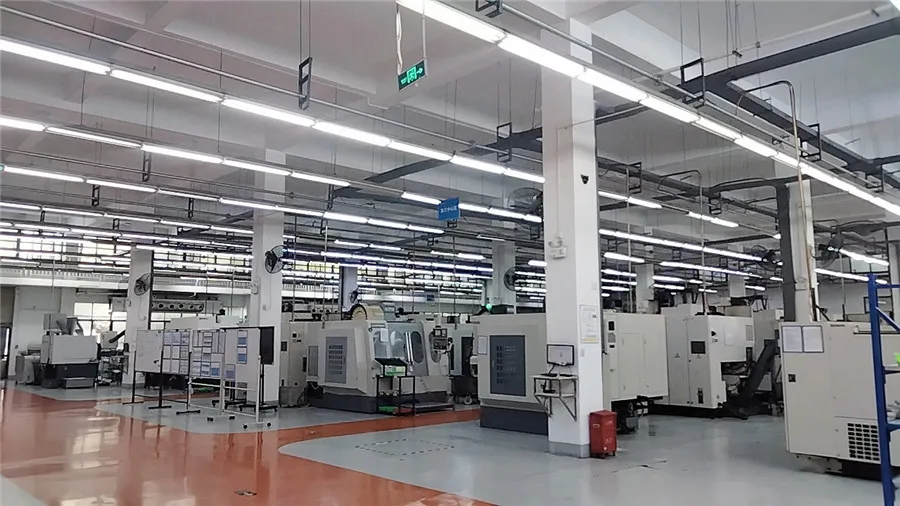
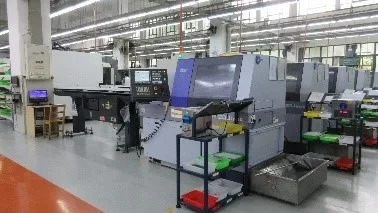
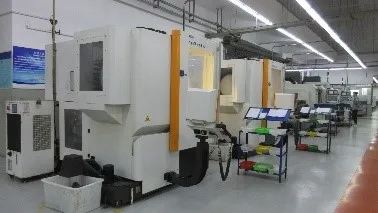
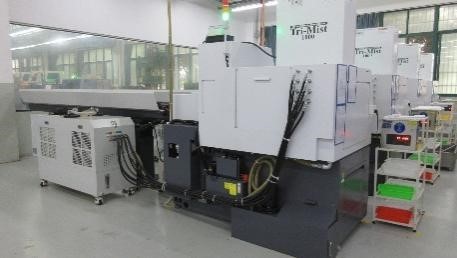
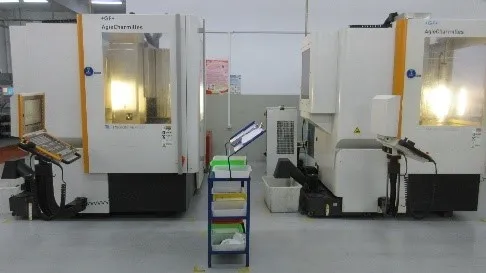
Utilizing high-precision multi-axis Swiss CNC milling machines, we produce sub-micron tolerance components. This ensures reliable lock-tight clamp engagement during operations, eliminating dynamic intra-operative slippage.
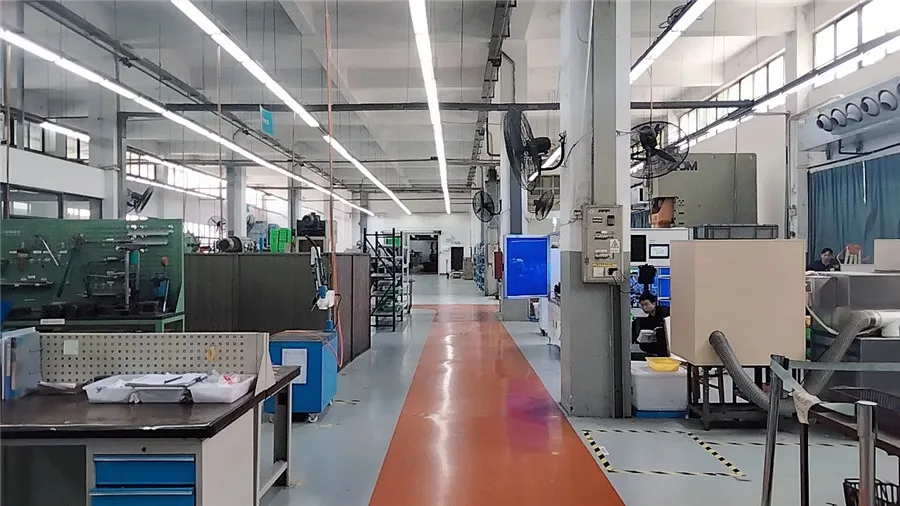
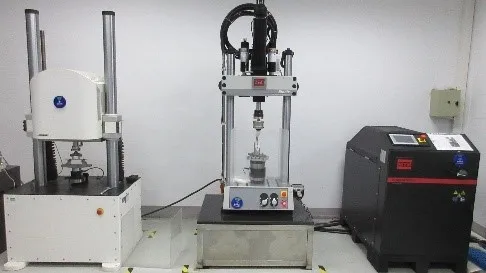
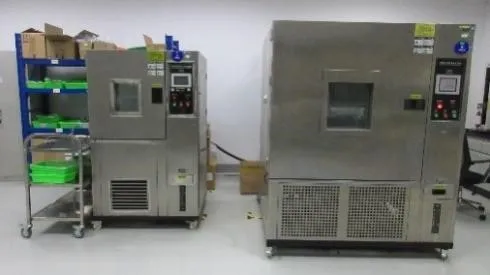
A reliable supply of medical devices is built on verified industrial scale, rigorous quality controls, and continuous research and development. Below are our audited manufacturing capabilities:
Our quality control protocols require visual, dimensional, and mechanical testing across all manufacturing stages. With 69 full-time QA/QC inspectors, raw materials are fully traced from receipt to final dispatch. Inspections are conducted through 100% processing line controls, and statistical batch validations conform to the custom requirements of our international medical clients.
 ISO13485 (SX 2180356-1)
 93/42/EEC (HD 2180356-1 / 6050582CE01)
 MDR (6142788CE02)
Modern orthopedic external fixation systems rely on structural biomechanics to succeed. Key engineering parameters must be maintained to optimize patient recovery:
The success of an external fixator relies on the design of its structural components to control micro-motion at the fracture gap. Our clamps utilize mechanical serrated interfaces to prevent axial and angular slippage under load. We control the mechanical tolerances between rods and Schanz pins to minimize movement, supporting patient weight-bearing while helping to lower the risk of hardware failure.
Using standard raw materials can lead to pin-track loosening and infection. To address this, our self-drilling, self-tapping cortical pins feature optimized thread profiles designed for secure bone engagement. Additionally, our carbon-fiber-reinforced rods are radiolucent, allowing surgeons to monitor bone healing under intra-operative fluoroscopy and post-operative X-ray without interference.
Ensuring patient safety through strict alignment with regulatory requirements and local hospital delivery guidelines.
We supply necessary technical documentation to support SFDA registration, helping to streamline import clearance at King Khalid International Airport. Our regulatory support includes:
We coordinate closely with local logistics partners to maintain product availability across Riyadh. Our support services include:
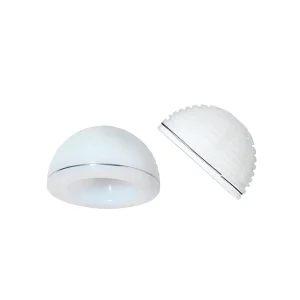
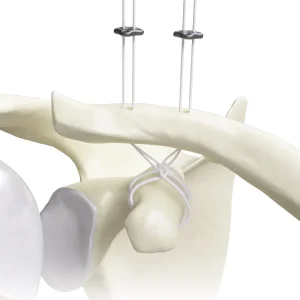
Our full range of orthopedic trauma implants, joint prostheses, and sports medicine systems designed for clinical use in Riyadh.
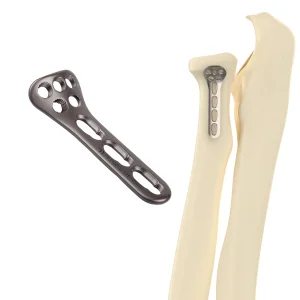
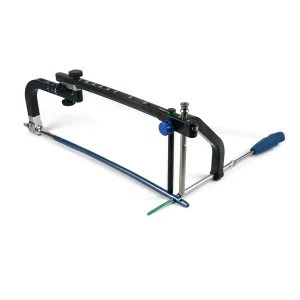
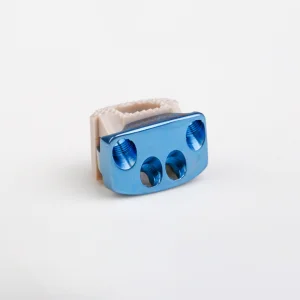
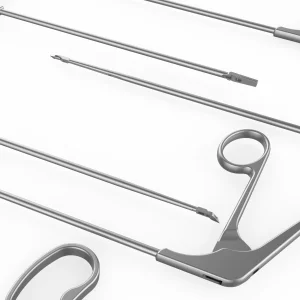
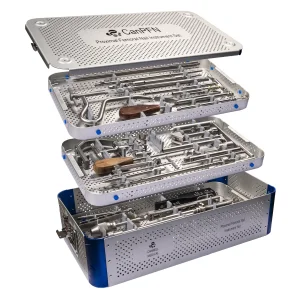
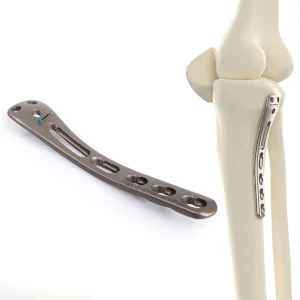
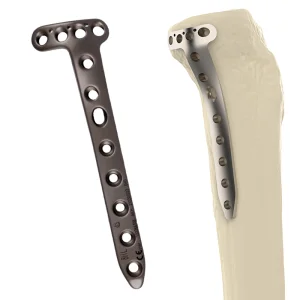
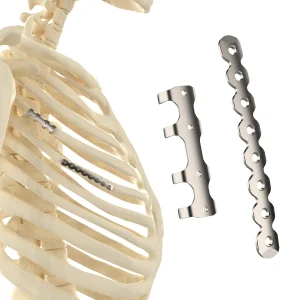
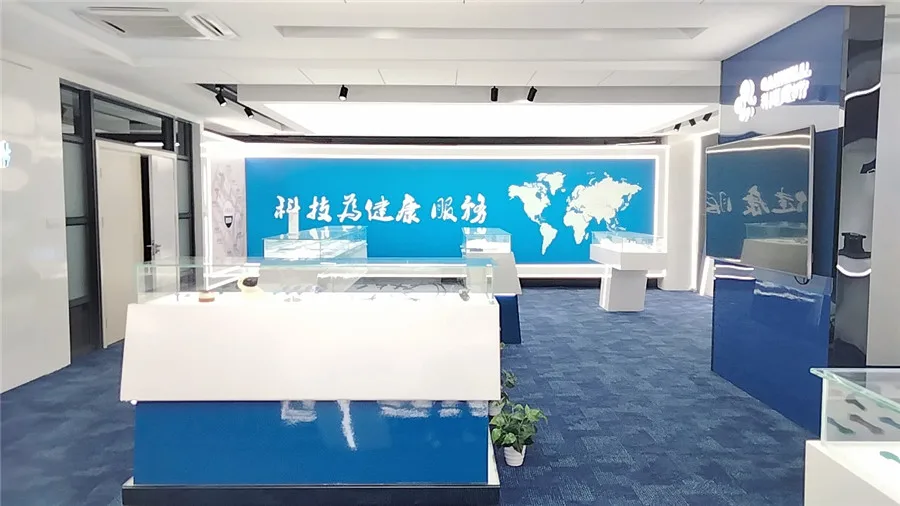
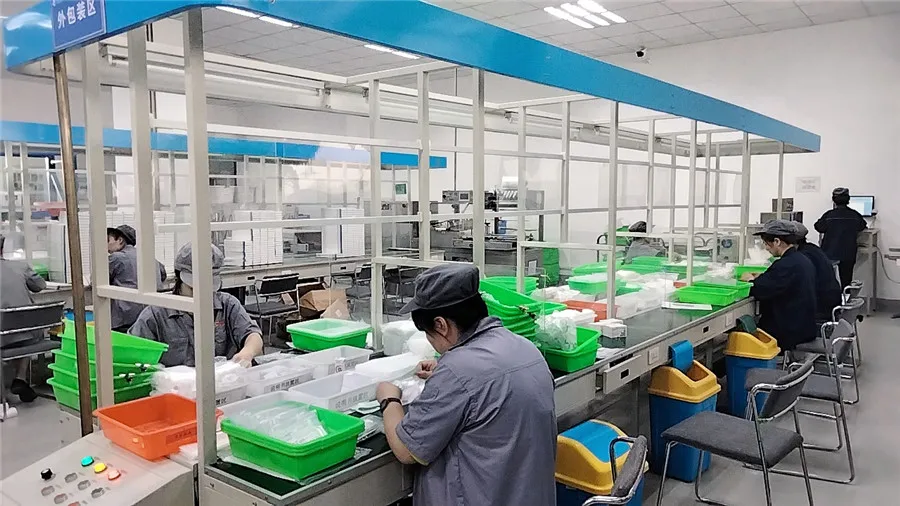
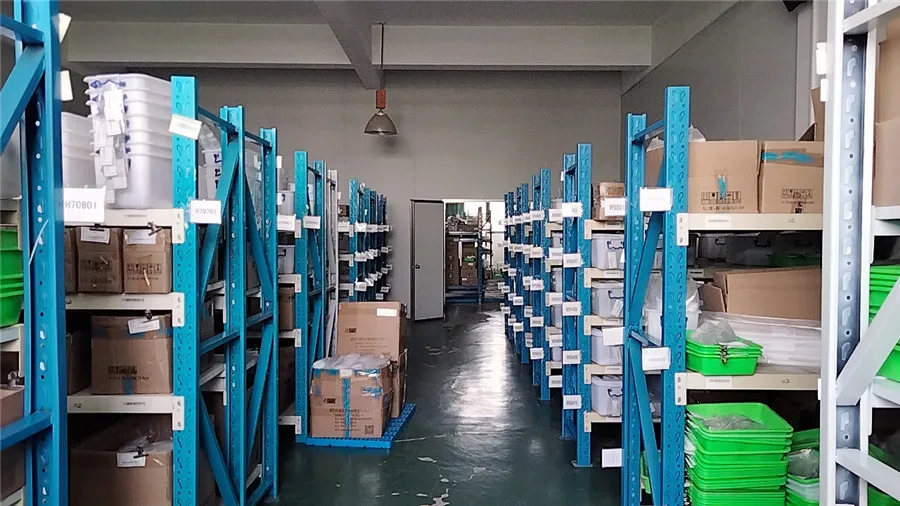
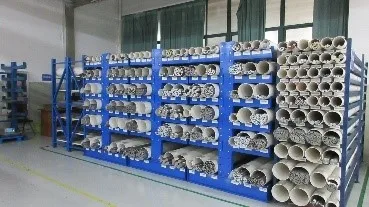
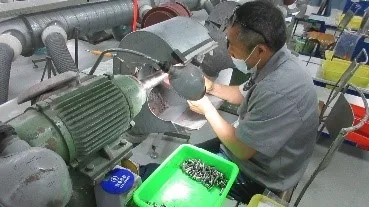
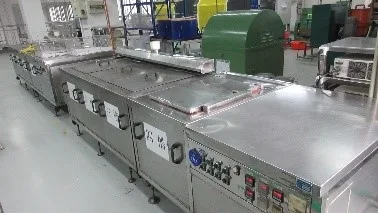
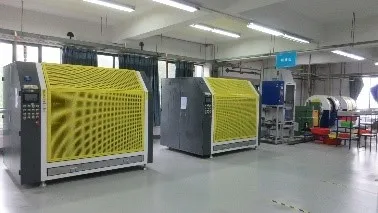
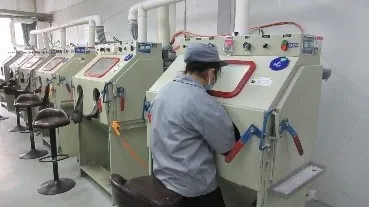
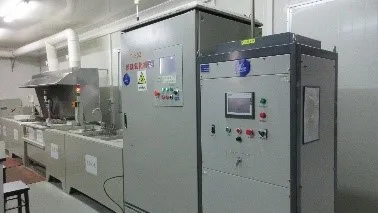
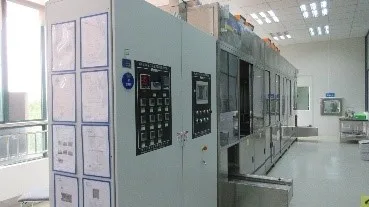
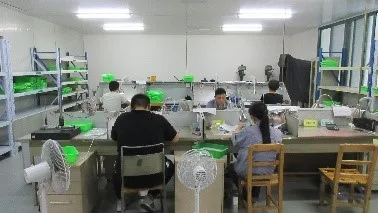
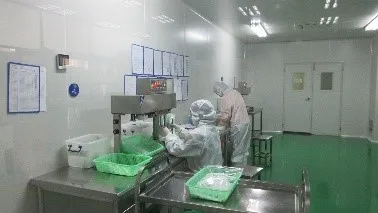
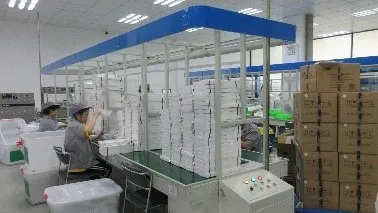
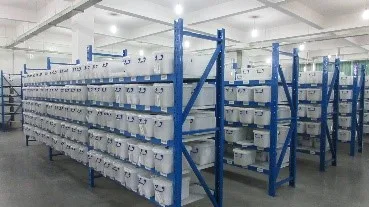
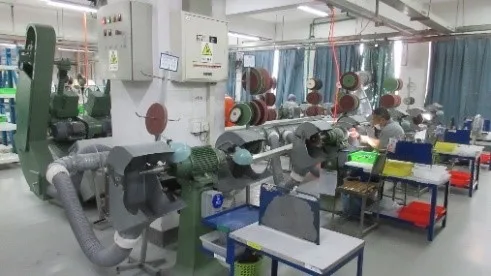
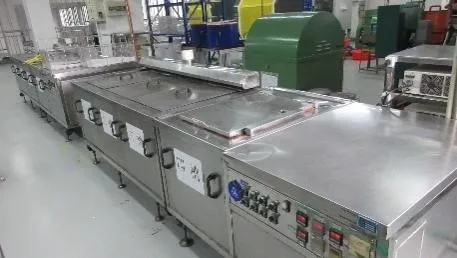
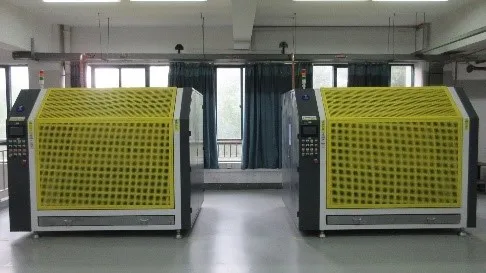
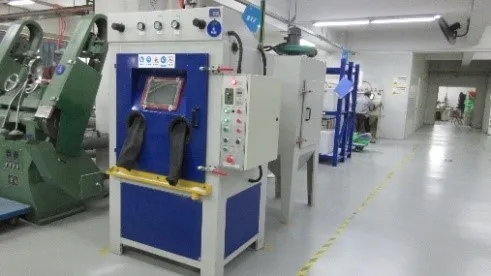
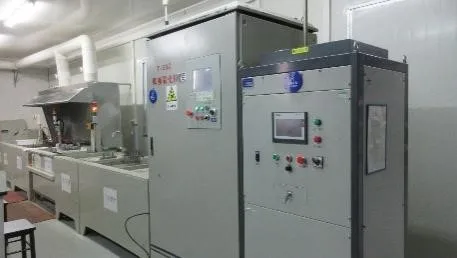
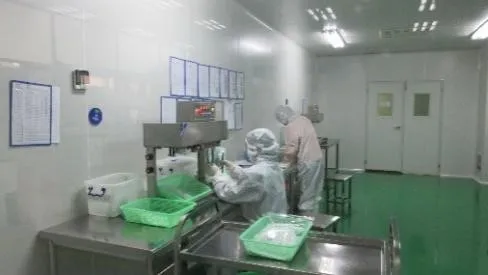
Our modern manufacturing facilities employ advanced machining and automated cleaning systems to produce high-precision orthopedic implants.
 Harney-Well