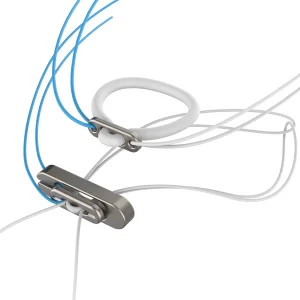
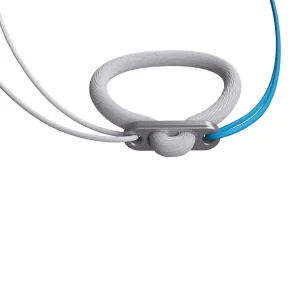
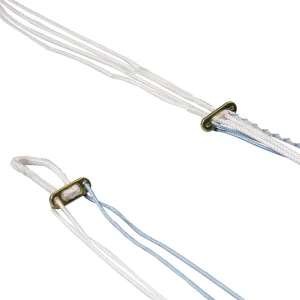
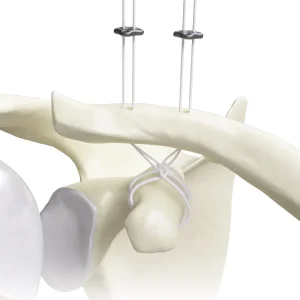
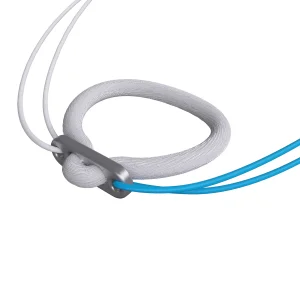
High-tensile, bio-compatible loop assemblies specifically optimized for ACL/PCL reconstructions and AC joint repairs across Melbourne clinical facilities.
A comprehensive study of clinical demand, biomaterial development, and supply-chain logistics for Victorian healthcare providers.
Melbourne is globally renowned as Australia’s sporting capital, home to a massive concentration of elite athletes, local sports leagues (including the Australian Football League - AFL, rugby union, and field hockey), and recreational sports participants. This active lifestyle demographic corresponds to a high incidence of ligamentous and joint injuries, specifically Anterior Cruciate Ligament (ACL) tears and Acromioclavicular (AC) joint separations.
Consequently, surgical facilities across Victoria—ranging from major public teaching institutions like The Royal Melbourne Hospital and Alfred Health to private orthopedic hubs such as Epworth Richmond and Cabrini Health—demand continuous access to premium suspensory fixation systems. The requirement is not merely for raw supplies, but for highly engineered cortical buttons that guarantee low post-operative displacement, ease of tensioning, and anatomical footprint compatibility. High biocompatibility and load resistance are critical to mitigating the risk of revision surgeries.
The global sports medicine and trauma fixation market is undergoing rapid evolution. Cortical suspensory fixation devices, traditionally dominated by rigid fixed-loop configurations, are increasingly transitioning toward adjustable-loop models. These systems allow orthopedic surgeons to adjust the loop length intraoperatively, securing optimal graft-tunnel integration without needing a highly complex preoperative inventory of multiple loop lengths.
From a manufacturing perspective, the industry demands Grade 5 Medical Titanium (Ti-6Al-4V ELI) paired with high-molecular-weight polyethylene (UHMWPE) braided sutures. Achieving zero-slippage lock mechanisms within these loops represents the pinnacle of current micro-mechanical manufacturing. Additionally, stringent regulatory shifts—specifically the transition from MDD to MDR in Europe and the corresponding Therapeutic Goods Administration (TGA) alignment in Australia—have raised the entry barrier for global manufacturers, prioritizing manufacturers with validated cleanroom processes, complete traceablity, and comprehensive clinical evaluation portfolios.
Looking forward, the roadmap for orthopedic reconstruction involves integrating bio-inductive materials and smart sensor capabilities. Future iterations of suture buttons will likely incorporate osteoconductive coatings (such as customized Hydroxyapatite or Silica-calcium formulations) that actively encourage bone growth at the femoral or tibial tunnel exit, accelerating structural healing.
Simultaneously, R&D departments are investigating dynamic stiffness loops that mimic the natural biomechanical elasticity of human tendons, preventing the "bungee effect" while maintaining sufficient tension to support primary ligament healing. As a leading exporter, our continuous development program focuses on minimizing graft micro-motion within the tunnel to optimize patient outcomes.
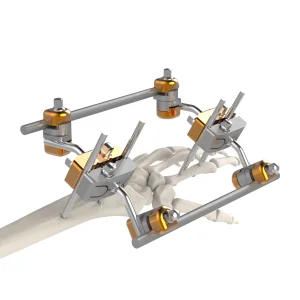
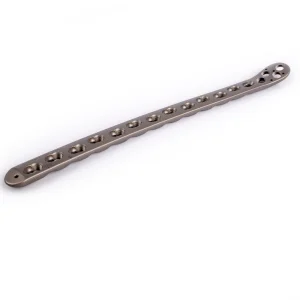
Complementary high-precision medical implants and specialized toolsets for Melbourne's operating theaters.
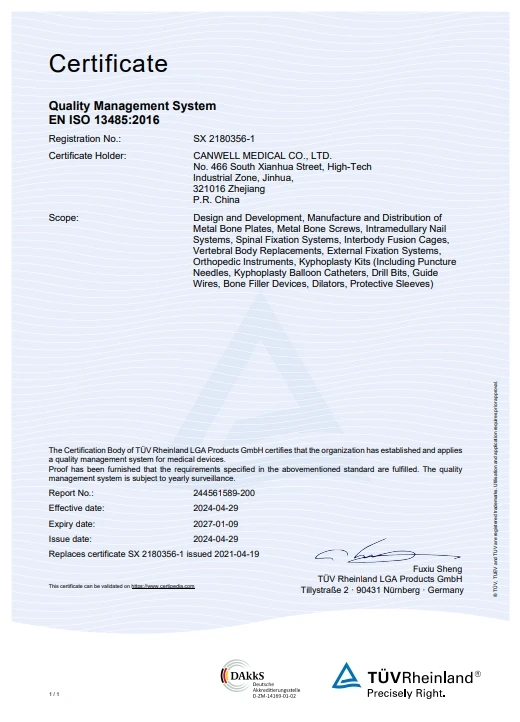 ISO13485
SX 2180356-1
ISO13485
SX 2180356-1
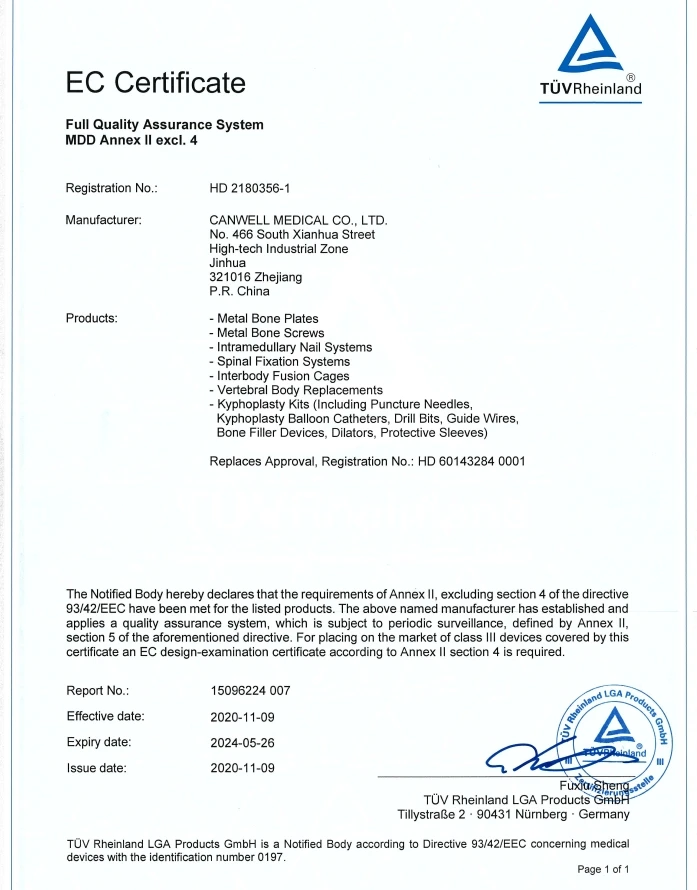 93/42/EEC
HD 2180356-1
93/42/EEC
HD 2180356-1
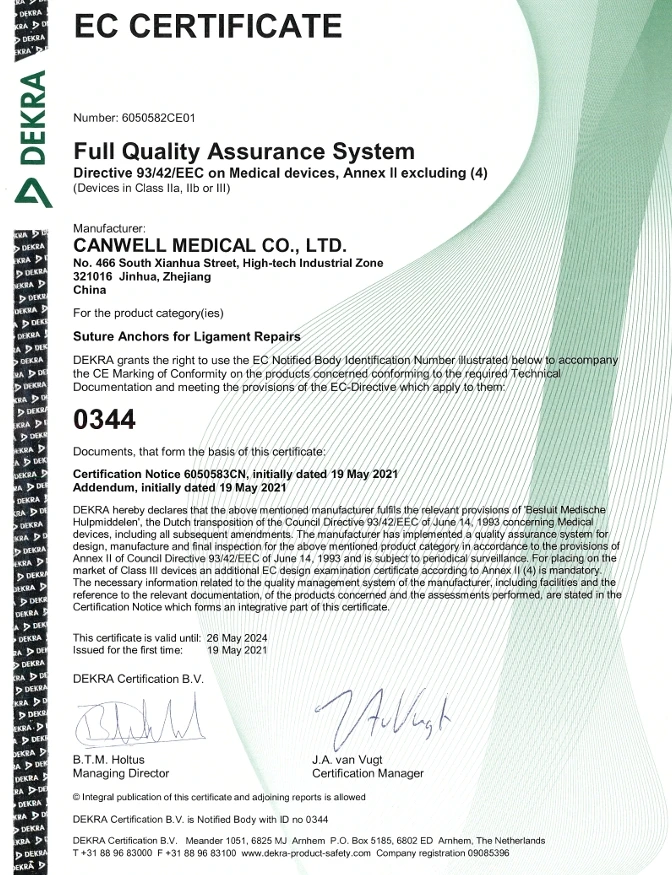 93/42/EEC
6050582CE01
93/42/EEC
6050582CE01
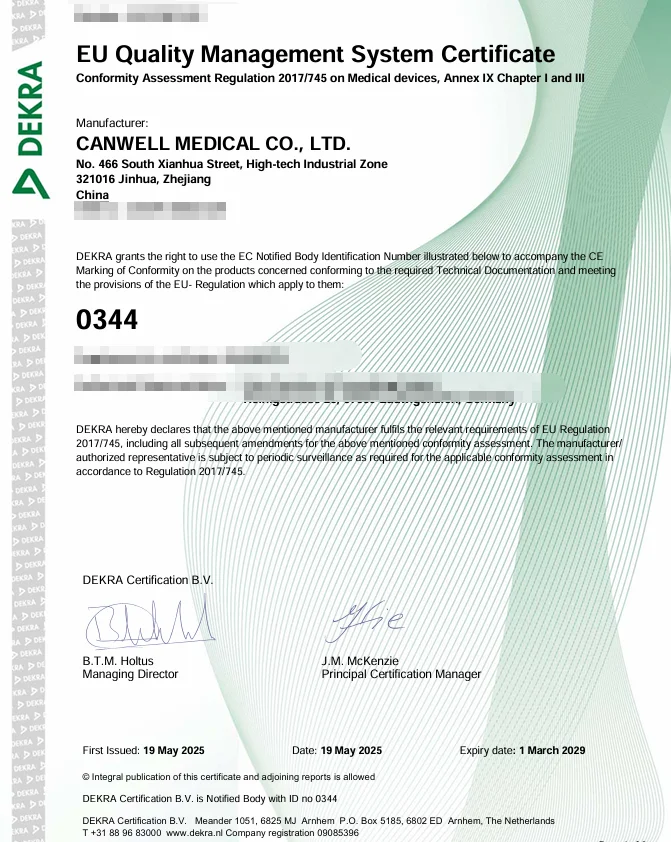 CE MDR
6142788CE02
CE MDR
6142788CE02
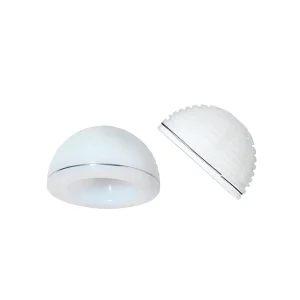
Engineered locking solutions, joint replacements, and anchors designed for absolute stability and rapid tissue integration.
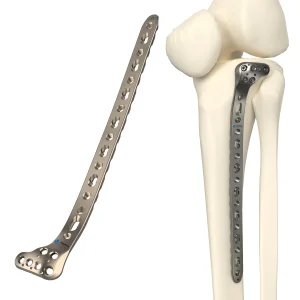
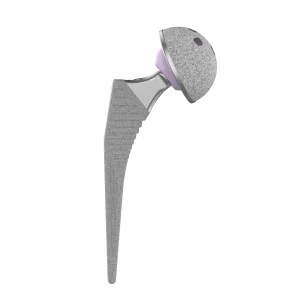
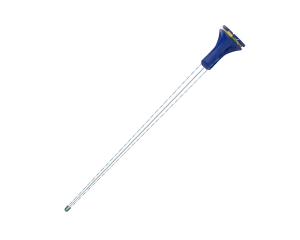
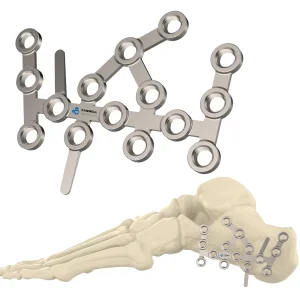
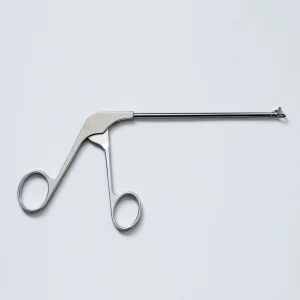
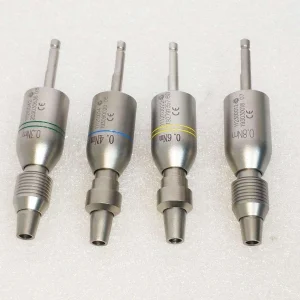
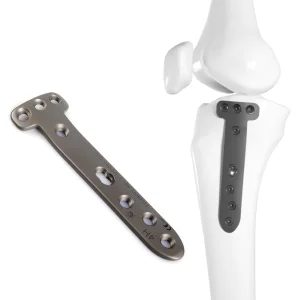
How we support Victorian health purchasing managers, distributor networks, and OEM implant brands.
Australia's Therapeutic Goods Administration (TGA) imposes rigid safety standards for Class III and Active implantable medical devices. We provide full support to our Australian distributors by compiling complete MDD/MDR technical documentation, raw material source reports, and biocompatibility studies. This preparation facilitates rapid listing on the Australian Register of Therapeutic Goods (ARTG).
Every single suspensory button implant leaves our facility inside validated double-barrier packaging, manufactured under strict Class 10,000 (ISO Class 7) cleanroom environments. We use medical-grade Tyvek pouches, ensuring reliable sterile protection that withstands international transit and long-term storage in orthopedic facility depots across Victoria.
Leveraging our 59 graduate R&D engineers, we collaborate with Australian medical device brands to manufacture custom-engineered plate profiles, special laser-etched markers, and unique loop dimensions. By offering precise OEM and ODM manufacturing paths, we serve as the background manufacturing engine for clinical innovation hubs throughout Melbourne.
Answers to key biomechanical, regulatory, and supply chain queries raised by Melbourne clinical professionals.
With 22 years of production expertise, state-of-the-art cleanroom manufacturing, and comprehensive certification (MDR CE / ISO 13485), we deliver orthopedic solutions that meet the requirements of Melbourne's top-tier surgical providers.
Send Inquiry Now Harney-Well