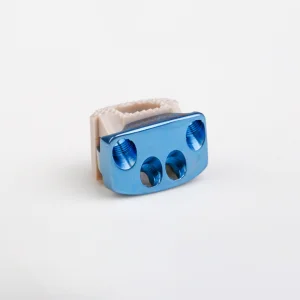
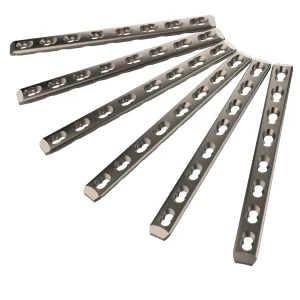
Top Trusted Orthopedic Hand Instruments & Implants Factory & Suppliers

Precision-engineered clinical solutions compliant with EU MDR and ISO 13485. Elevating B2B global sourcing through verified metallurgical excellence and China Industry 4.0 production capabilities.

22+

Years Industry Experience

29,523㎡

Modernized Facility

69+

Expert QA/QC Inspectors

59+

Graduate R&D Engineers

Verified Manufacturing Profile & Certifications

A comprehensive overview of our production assets, design capabilities, and regulatory compliance protocols for global medical sourcing.
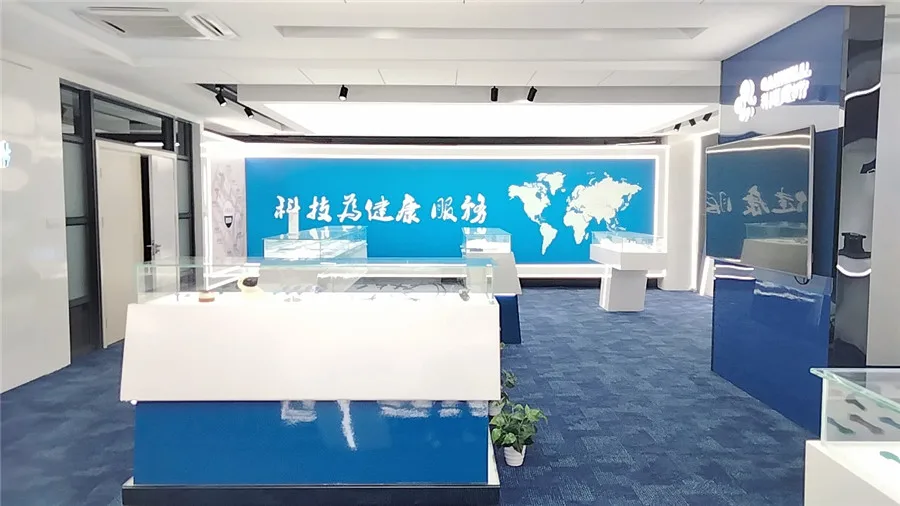
Factory Overview

Certified OEM/ODM Manufacturer
Company Registration Date
2004-11-03
Floor Space
29,523 ㎡
Years Exporting
22 Years
Traceability of Raw Materials
100% Fully Documented (Yes)
QC Inspectors
69 Dedicated Specialists
R&D Engineers & Education
59 Graduate Engineers
Product Inspection Methods
100% Process Line & Custom Random Audits
Main Export Markets
South America (30%), Southeast Asia (20%), Western Europe (20%)
Customization Options
Light Customization, Sample Processing, Graphic Design, Customized On-Demand
International Medical Certifications & Regulatory Clearances
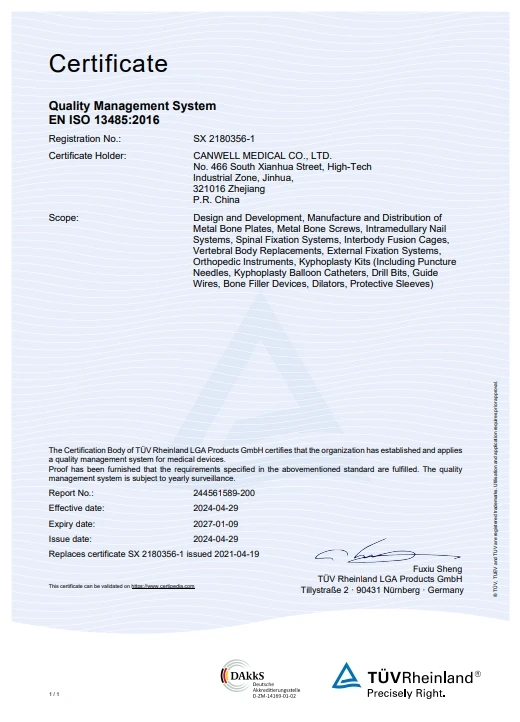
ISO 13485 Certificate
ISO Icon ISO13485
SX 2180356-1
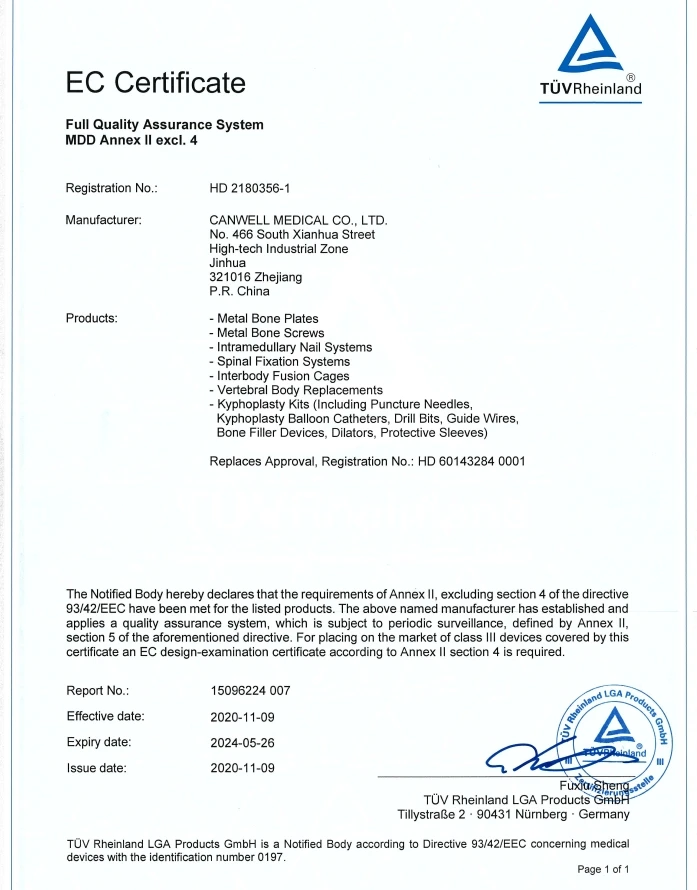
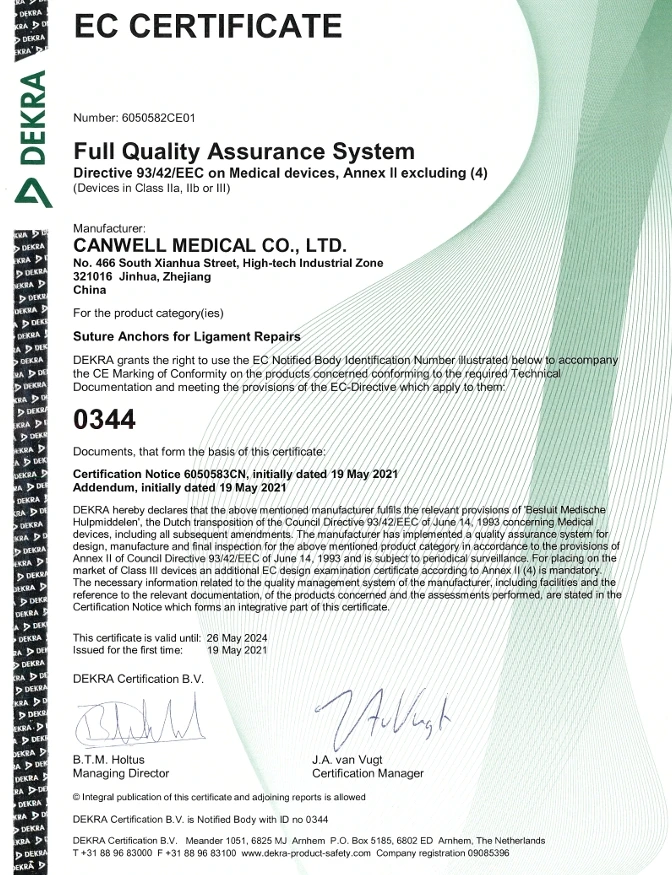
93/42/EEC CE Certificate
CE Icon 93/42/EEC
HD 2180356-1
93/42/EEC CE Certificate 2
CE Icon 93/42/EEC
6050582CE01
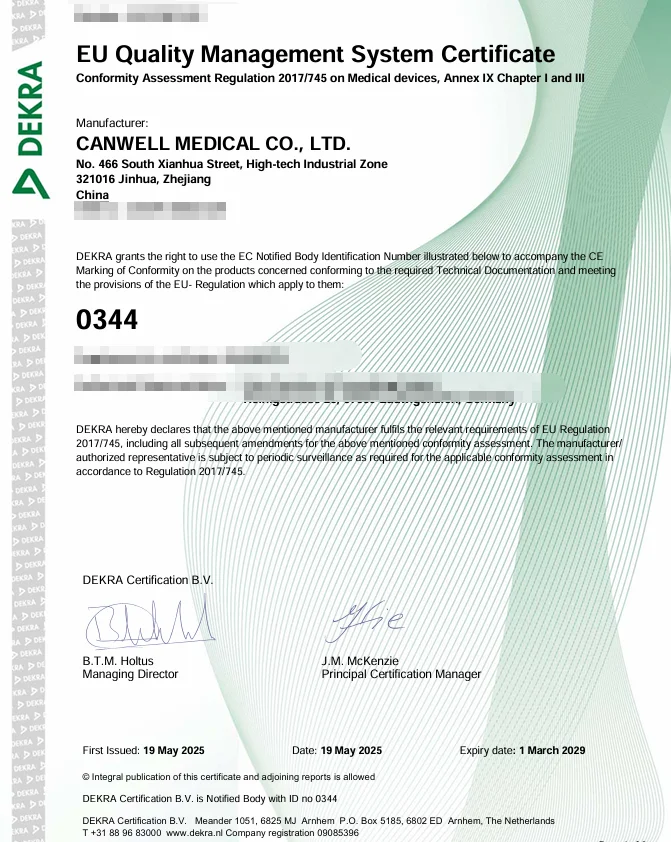
MDR CE Certificate
MDR Icon MDR
6142788CE02

Clinical & Industrial Whitepaper: Orthopedic Hand & Traumatology Instruments

Technical evaluation, material science, clinical applications, and supply chain resilience for modern surgical institutions and distributors.

1. The Evolution of Hand & Extremity Orthopedics

Orthopedic hand surgery requires a specialized subset of instrumentation due to the intricate anatomy of the wrist, metacarpals, and phalanges. Over the past two decades, the global orthopedic market has shifted from generic reconstructive tools to highly specialized, anatomically contoured fixation systems. Modern hand procedures require extreme biomechanical precision, where even a half-millimeter deviation in screw pitch or plate thickness can affect a patient’s post-operative range of motion.

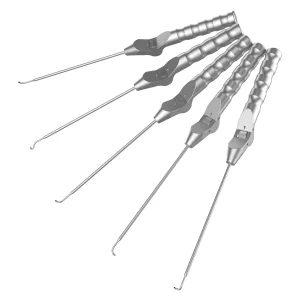
Today, surgeons depend on integrated systems. Instruments like suture passers, drill guides, and tensioners must function as cohesive units with implants such as Herbert compression screws, low-profile plates, and mini-fragment systems. The demand for surgical instruments that offer both tactility and durability has led manufacturers to adopt advanced medical-grade alloys, including Grade 5 Titanium (Ti-6Al-4V ELI) and AISI 316LVM implant-grade stainless steel.

"The threshold of tolerances in hand orthopedics demands micron-level alignment. As a verified ISO 13485 facility, we integrate Swiss-type CNC micro-machining with rigorous metallurgical validation to guarantee that every single hand instrument operates flawlessly under high-stress clinical conditions."

2. Regulatory Compliance: Transitioning to the EU MDR and Strict Quality Control

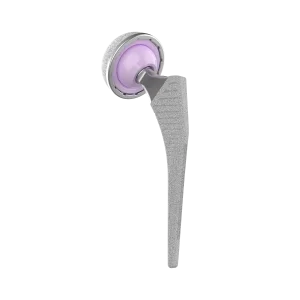
The global regulatory landscape for orthopedic medical devices is undergoing intense scrutiny. The transition from the old Medical Device Directive (MDD 93/42/EEC) to the European Medical Devices Regulation (MDR 2017/745) has reshaped supply chains. The MDR places greater emphasis on clinical evaluation, post-market surveillance, and complete traceability. Class III devices, such as total hip components and ACDF cages, require strict clinical validation and comprehensive technical documentation.

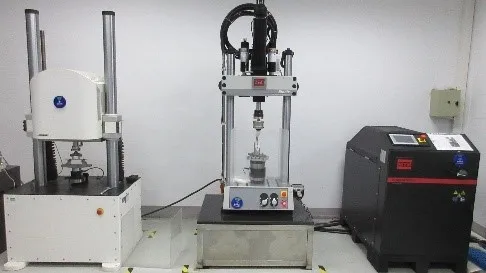
To support global medical distributors, our facilities maintain updated compliance certificates, including ISO 13485, MDD 93/42/EEC, and MDR registrations. Every batch of orthopedic implants and instruments undergoes mechanical validation, including fatigue testing, torque analysis, and corrosion resistance screening. Our 69 QA/QC inspectors manage a multi-phase audit framework that covers raw material receiving, in-process dimensional verifications, cleanroom packaging, and sterilization sterilization validation.

3. China Industry 4.0: Supply Chain Resilience & Modernization

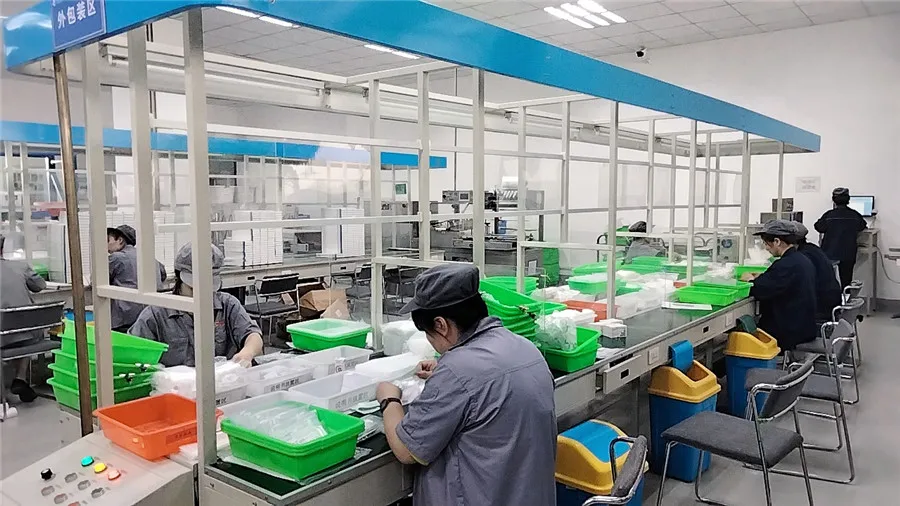
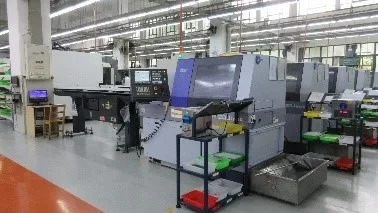
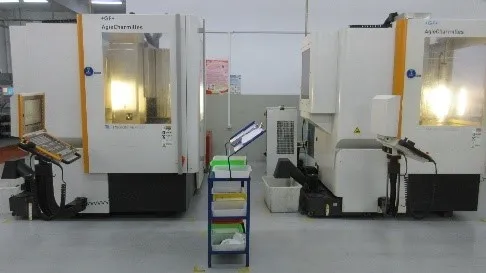
Modern B2B healthcare procurement requires stable supply chains, cost efficiency, and fast delivery. Our 29,523-square-meter facility utilizes Industry 4.0 principles to balance production capacity with customized design flexibility. By implementing advanced manufacturing technologies, we minimize human error and achieve high manufacturing repeatability.

  • Fully Automated CAD/CAM Workflows: Digital product designs transfer directly to high-precision CNC centers, ensuring consistent manufacturing tolerances for complex designs like multi-axial locking plates and zero-profile cervical cages.
  • Real-time Metallurgical Tracking: Every raw material delivery undergoes spectral analysis and ultrasonic testing to verify structural integrity. Materials are linked to a digital manufacturing batch record (DHR) to ensure traceabilty from material supply to the surgical theater.
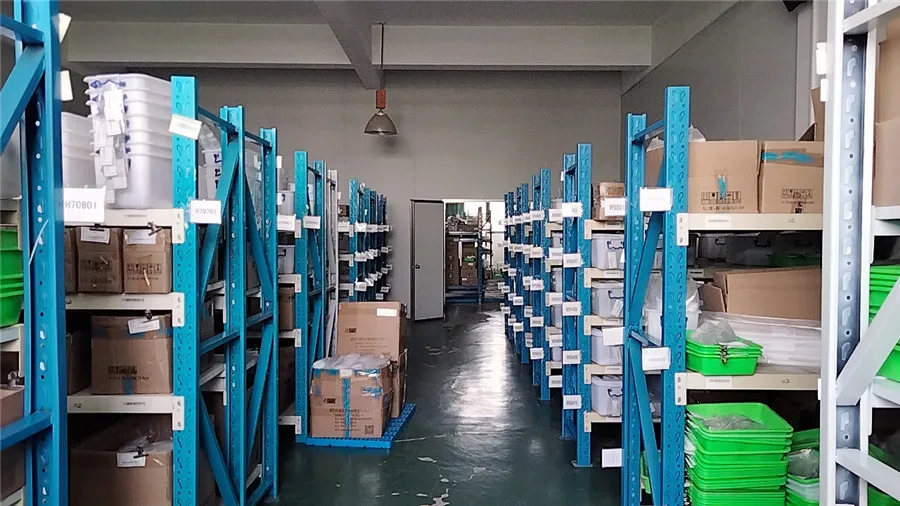
  • Lean Production Planning: Advanced inventory management protocols allow us to quickly scale production for high-volume distributors while supporting low-volume customization requests (OEM/ODM). This approach reduces lead times and lowers shipping costs.
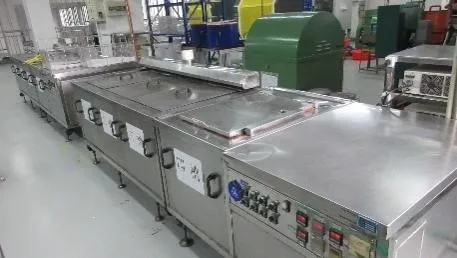
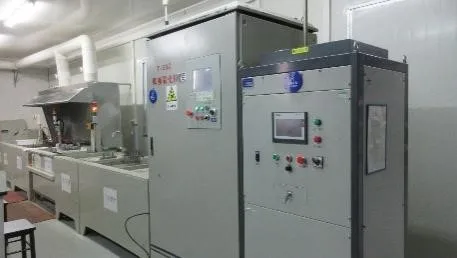
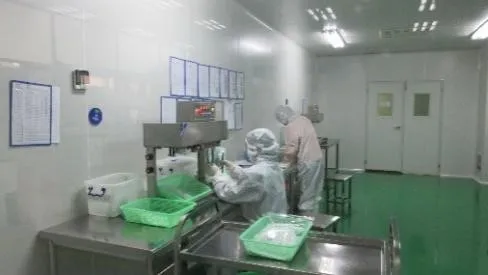
  • Cleanroom Assembly & Passivation: Hand instruments and titanium implants undergo automated ultrasonic cleaning and chemical passivation to create a protective oxide layer. Finished devices are packaged in Class 10,000 cleanrooms to meet international sterility requirements.

4. B2B Global Procurement Trends: Evaluating Supplier Capability

When selecting a manufacturing partner, healthcare purchasing managers and distributors should evaluate several key performance indicators (KPIs) to ensure clinical safety and business continuity:

  • Traceability and Quality Control: Verify the supplier's capability to provide Material Test Reports (MTRs), bio-burden reports, and ISO certificate verifications for every shipment.
  • Production and Engineering Support: Partner with suppliers that employ experienced R&D teams (our facility features 59 graduate R&D engineers) capable of modifying designs to suit local clinical preferences.
  • Design Customization (OEM/ODM): Ensure the manufacturer can deliver customized implant sizing, specialized instrument surface treatments (such as color anodization), and custom packaging layouts.
  • Logistics and Regulatory Support: Suppliers must provide full technical dossiers to streamline registration with local health authorities, including the FDA, ANVISA, and the EU.

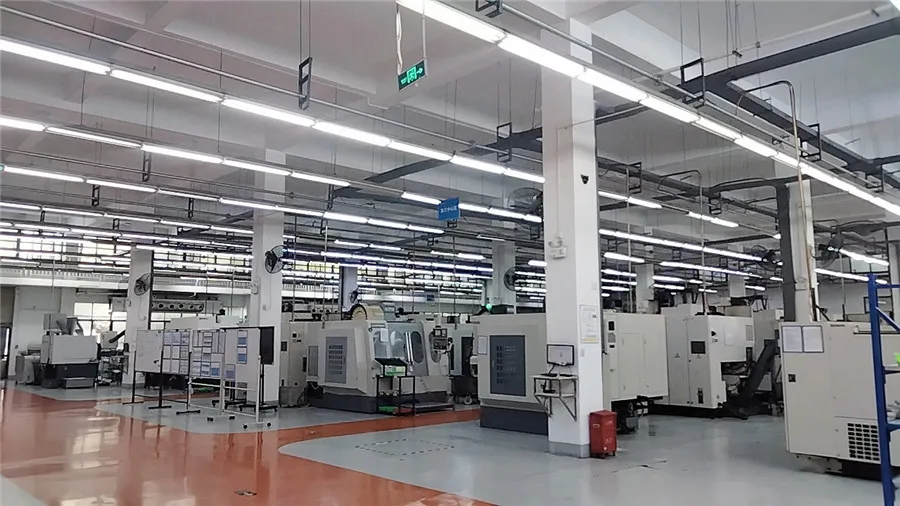
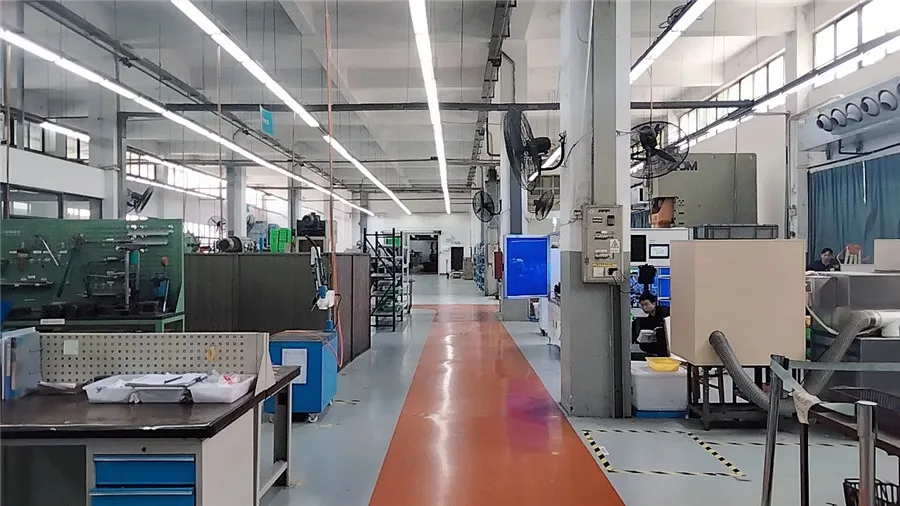
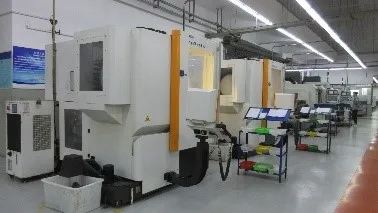
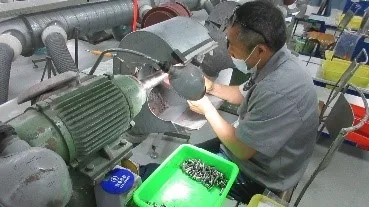
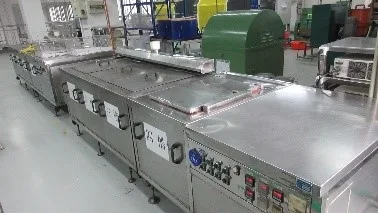
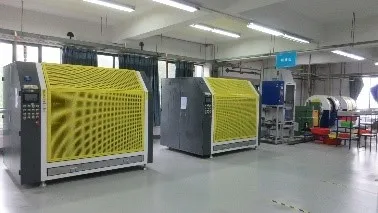
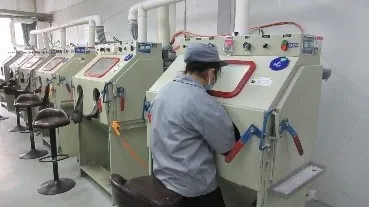
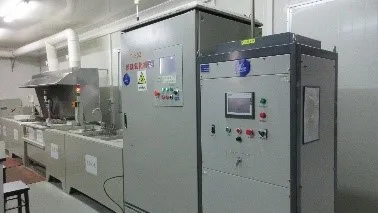
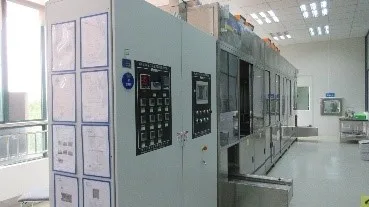
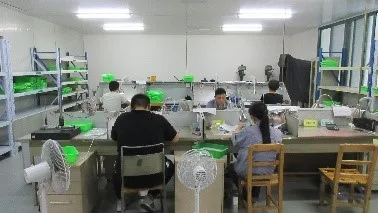
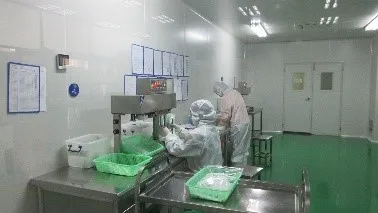
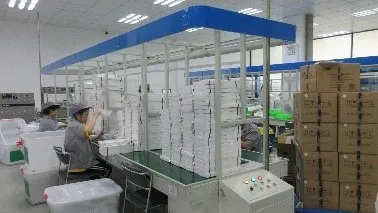
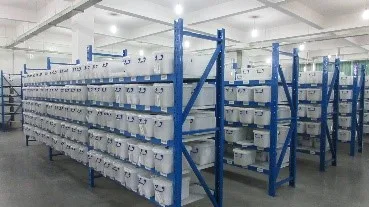
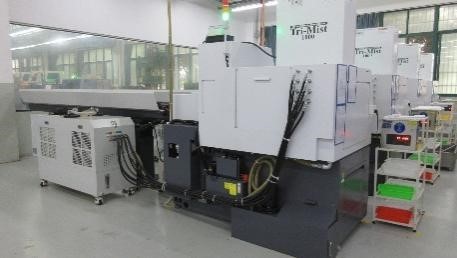
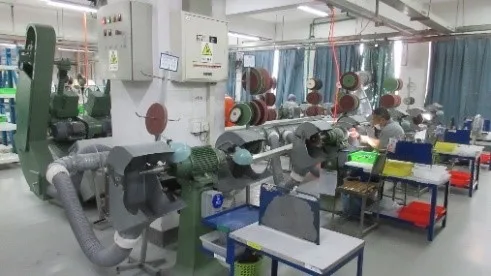
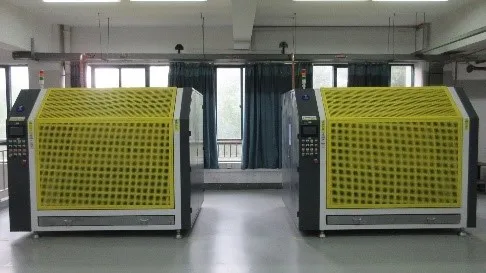
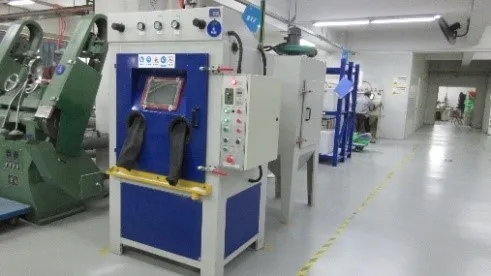
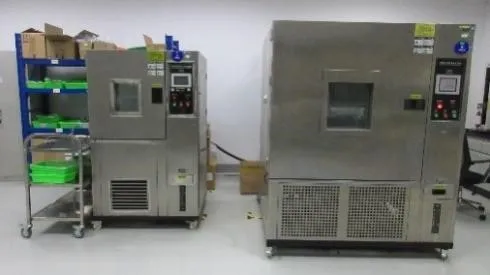
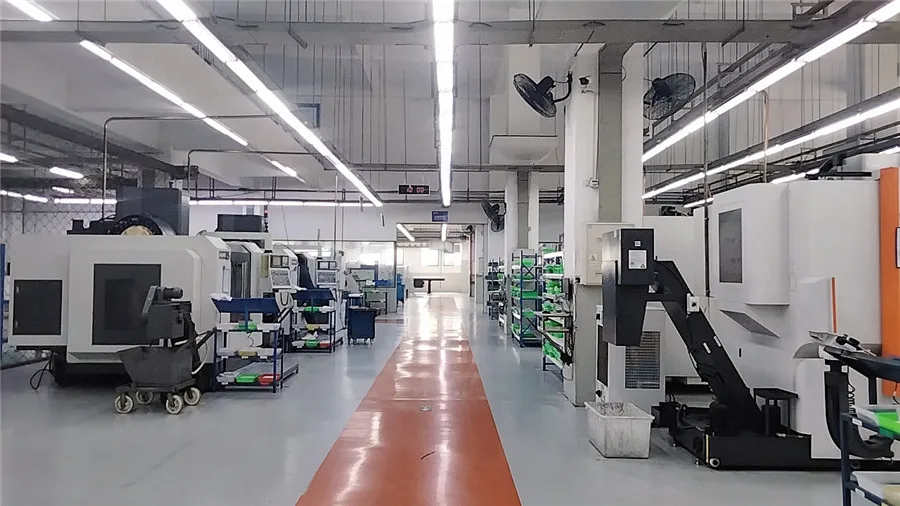
Advanced Manufacturing & Laboratory Verification Showcase

Visualizing our cleanrooms, machining equipment, and chemical passivation testing processes. Every image represents our commitment to manufacturing precision.
Clinical Applications & Surgical Scenarios

Aligning anatomical implant design with specific orthopedic procedures to improve patient outcomes and simplify surgical workflows.

Joint Arthroplasty

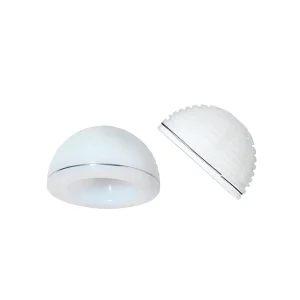
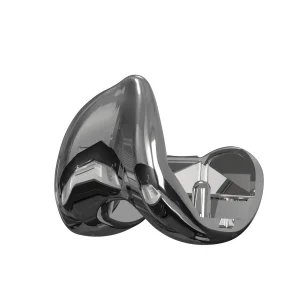
Our dual-mobility acetabular systems and total knee components are designed to distribute mechanical loads effectively, helping reduce wear on polyethylenes (UHMWPE) and improve joint stability.

Trauma & Fracture Fixation

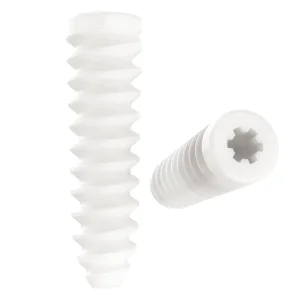
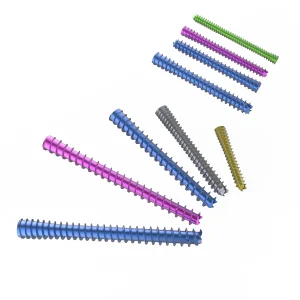
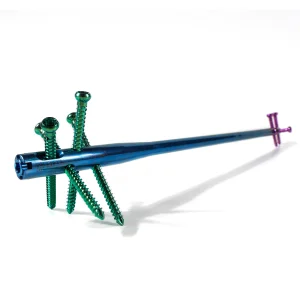
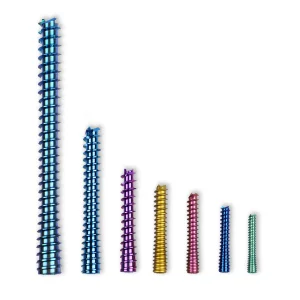
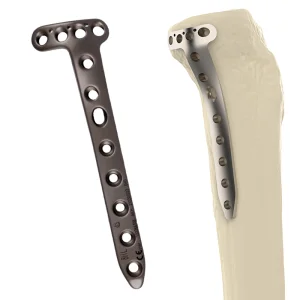
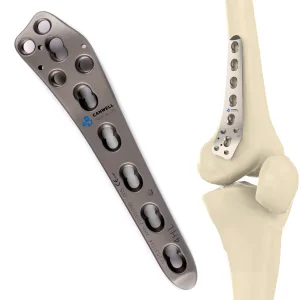
Low-profile locking plates, intramedullary nails, and headless cannulated compression screws provide stable construct fixation for metacarpal, tibial, and femoral fractures, supporting early rehabilitation.

Spinal Reconstruction

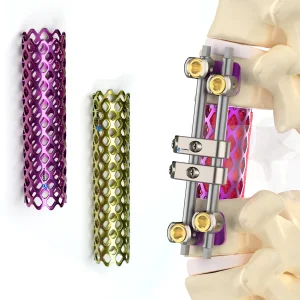
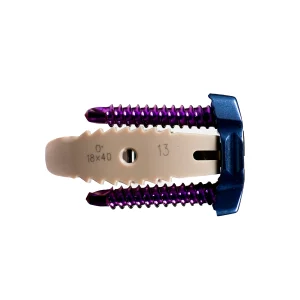
Designed for ACDF and lumbar fusion, our PEEK and 3D-printed porous titanium spinal cages integrate with minimally invasive polyaxial pedicle screws to support fusion and stability.

Strategic Purchasing & Technical FAQ

Essential information for supply chain managers, clinical evaluators, and B2B buyers seeking alignment on technical and logistical requirements.

What materials are used in your implants and orthopedic hand instruments?
Our orthopedic implants are manufactured from implant-grade Titanium Alloy (Ti-6Al-4V ELI conforming to ASTM F136) and pure PEEK (Polyetheretherketone) sourced from top-tier medical plastics suppliers. For surgical instruments, we use high-hardness AISI 420, 316L, and custom martensitic stainless steel alloys to ensure durability and resistance to repeated autoclave cycles.
Do your devices comply with the EU MDR regulations?
Yes. Our manufacturing workflows are fully compliant with ISO 13485 quality standards. We hold multiple CE certificates under both Directive 93/42/EEC and Regulation (EU) 2017/745 (MDR) for our core trauma, joint reconstruction, and spinal fusion products, enabling seamless import and distribution across European and global markets.
What custom OEM and ODM options are available?
We provide comprehensive design and engineering services, including light customization, sample-based processing, graphic CAD layout adjustments, and completely customized orthopedic solutions. With a team of 59 graduate R&D engineers, we can develop custom instrument trays, color-anodized plates, and unique screw geometries to meet your specific market needs.
How do you manage quality control and raw material traceability?
Every batch of raw material undergoes verification testing before entering production. We record and archive material mill sheets, ultrasonic test certificates, and heat numbers. In-line quality checks are performed by our 69 QA/QC inspectors, who supervise key steps such as dimensional measurement, surface finishing, passivation, and cleanroom packaging.