Engineered to AO standardizations, our trauma implants deliver optimal biomechanical stability and promote anatomical consolidation.
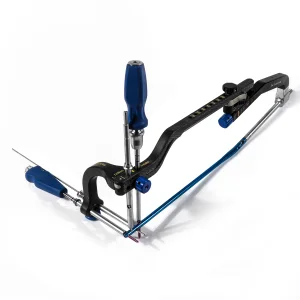
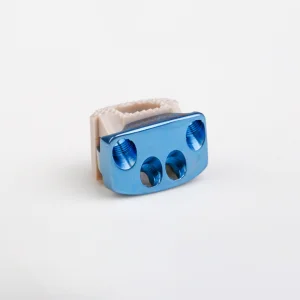
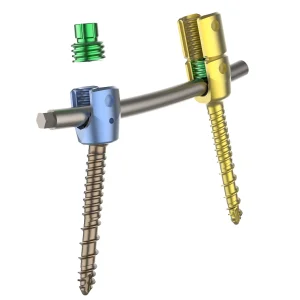
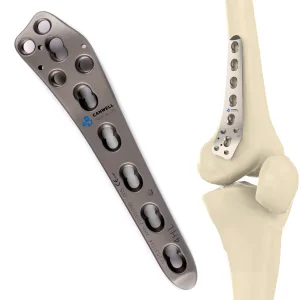
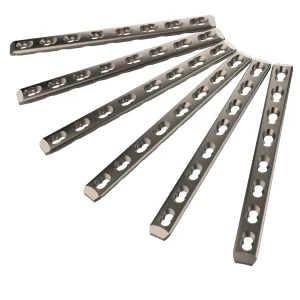
The global orthopedic trauma landscape has witnessed a significant transformation, shifting from conventional dynamic compression plates (DCP) to state-of-the-art Locking Plate Systems. Historically, surgical stability relied entirely on the friction generated between the plate and the underlying cortical bone. This approach frequently compromised periosteal blood perfusion, leading to structural remodeling, bone necrosis, or eventual implant loosening. Modern locking plate systems address these issues by combining locking screw configurations with compression pathways, serving as external fixators that minimize direct contact with the bone surface.
Biomechanical Distinction: By locking the screw head directly into the plate’s threaded pilot hole, the implant creates a rigid, fixed-angle construct. This mechanism prevents secondary displacement under physiological load and preserves capillary blood supply beneath the plate. These benefits are particularly critical for patients with osteopenic bone structures or highly comminuted articular fractures.
Operating a state-of-the-art facility designed to satisfy European MDR and ISO 13485 standards, we deliver clinical-grade implant solutions globally.
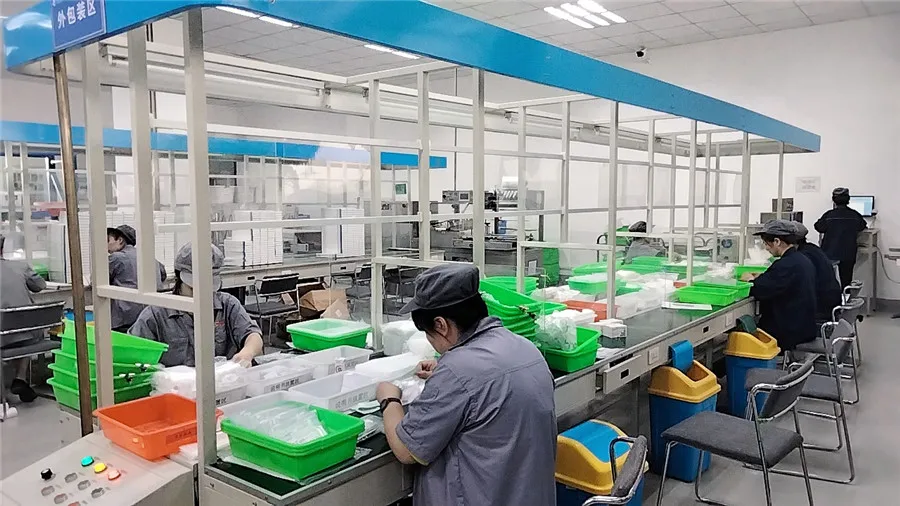
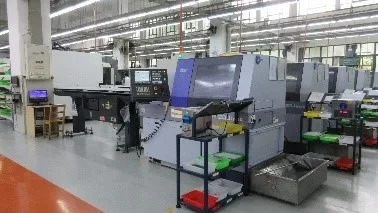
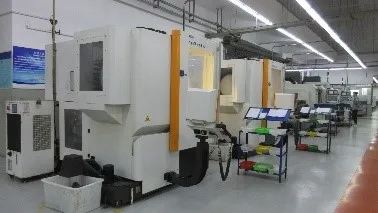
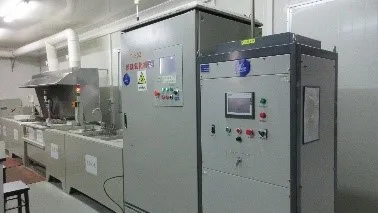
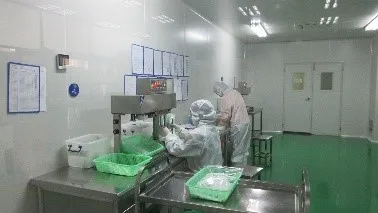
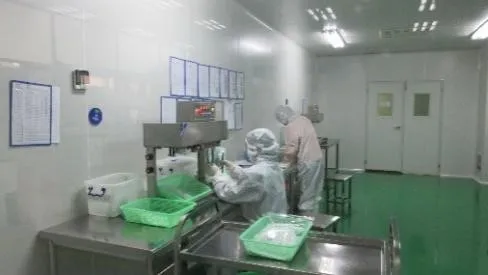
Our infrastructure utilizes automated multi-axis CNC milling centers, cleanroom packaging processes, and advanced surface treatment technologies to ensure every locking plate and intramedullary system matches international orthopedic benchmarks.
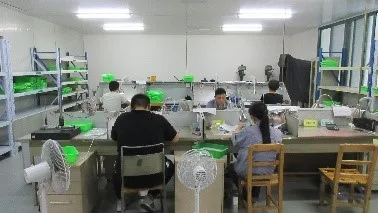
We offer comprehensive customization support (OEM/ODM) to meet regional anatomical variations and regulatory compliance needs. Our R&D division consists of 59 graduate design engineers focused on biomechanical innovation and trauma instrumentation.



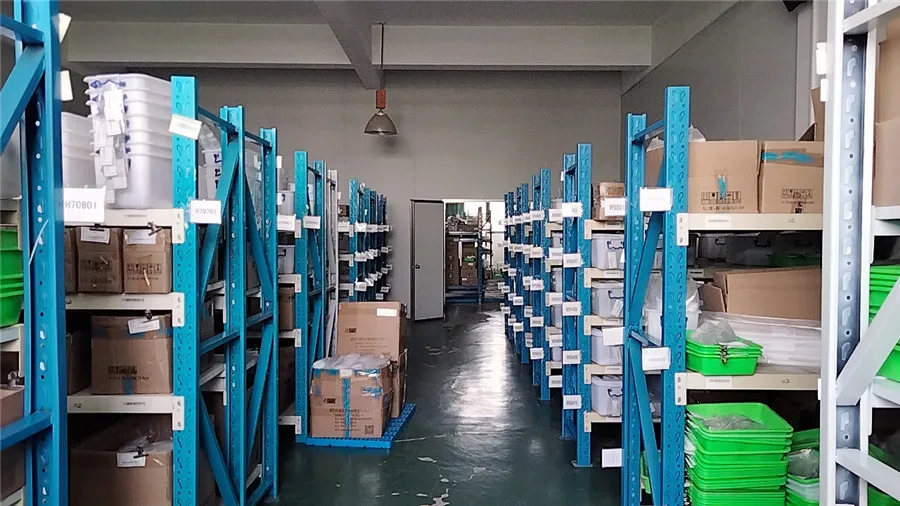
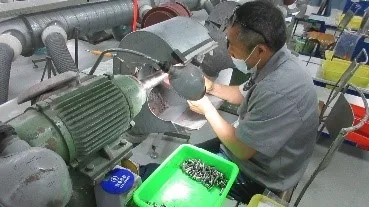
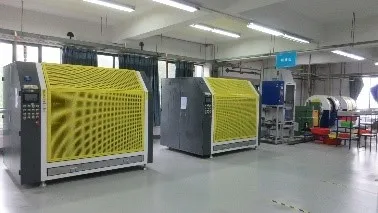
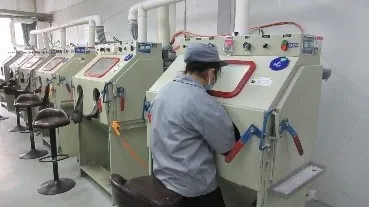
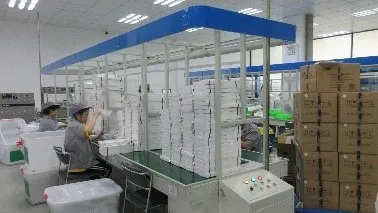
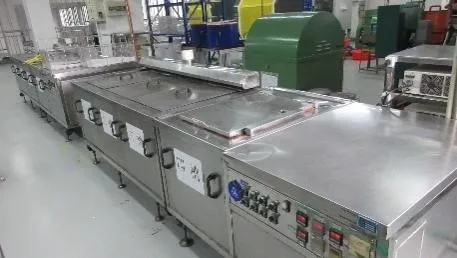
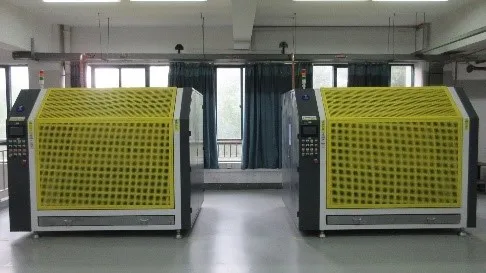
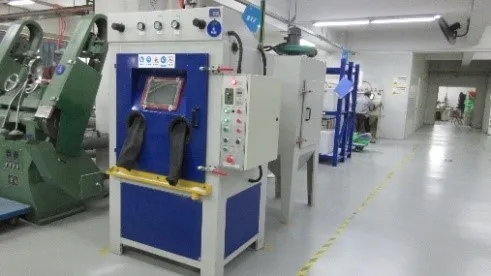
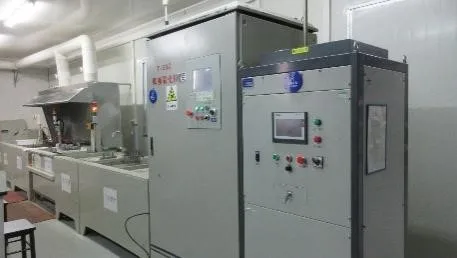
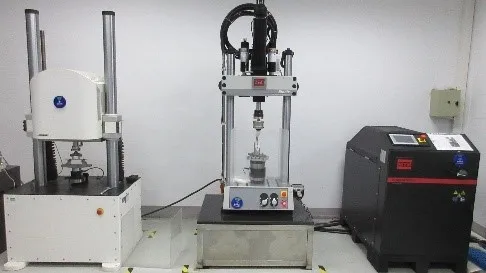
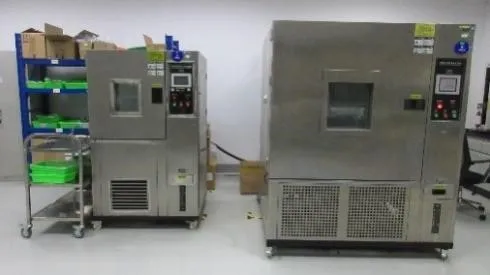
A closer look at our advanced manufacturing lines, raw material storage, cleanroom environments, and certification records.
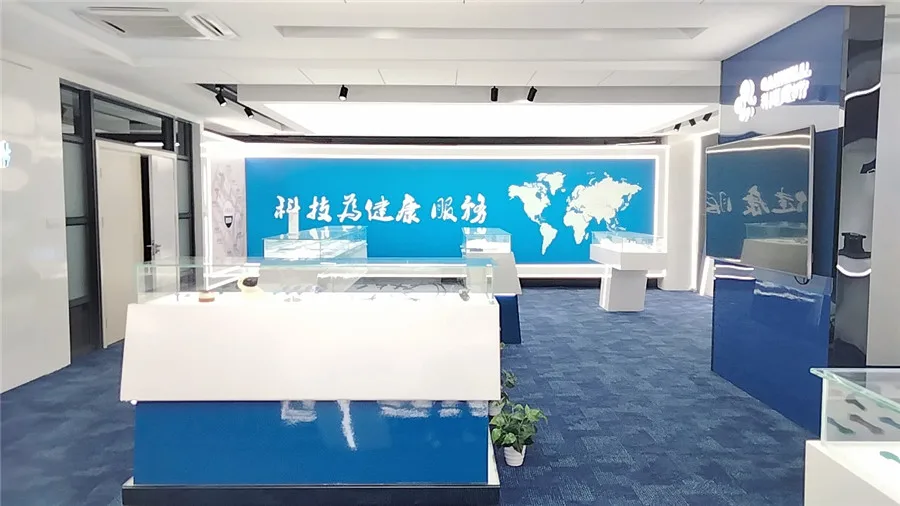
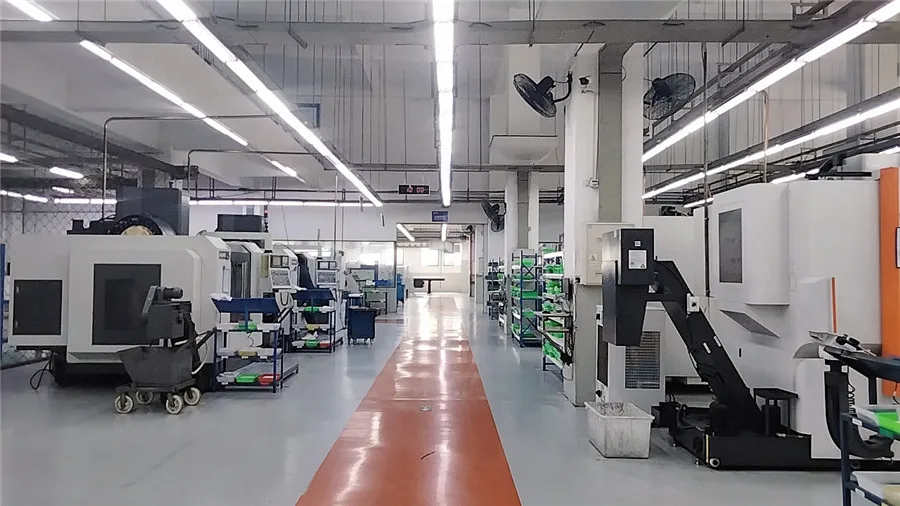
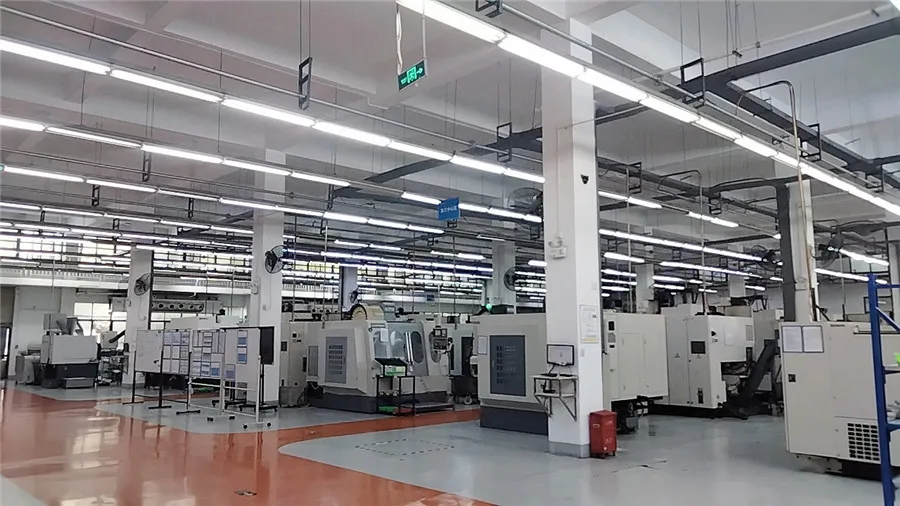
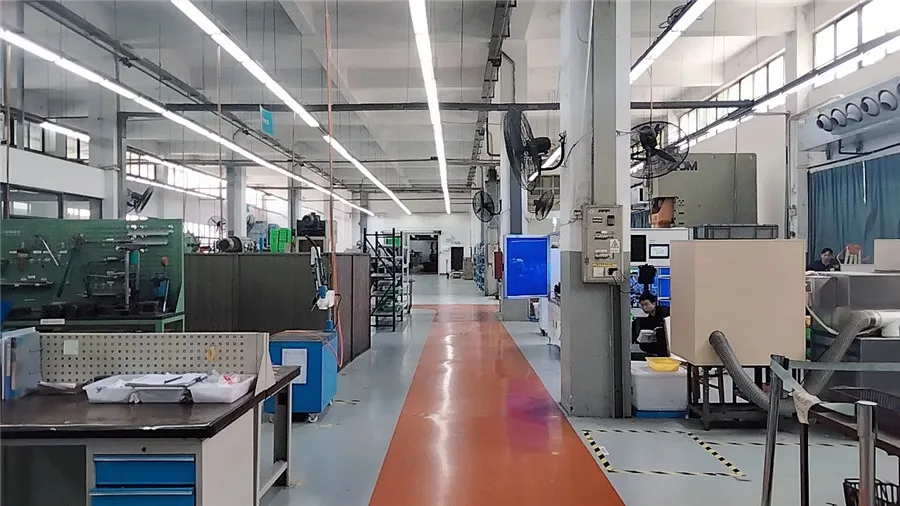



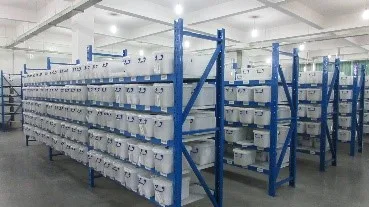
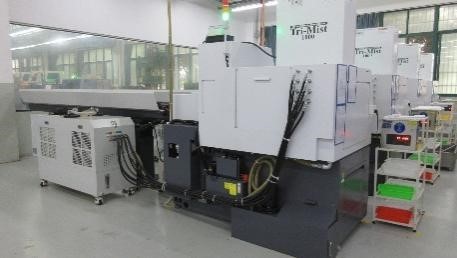
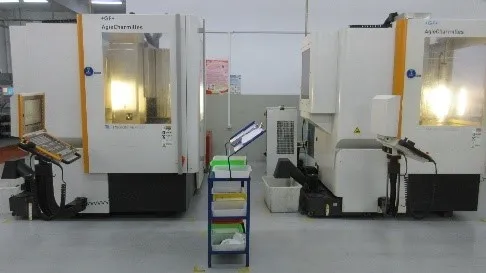
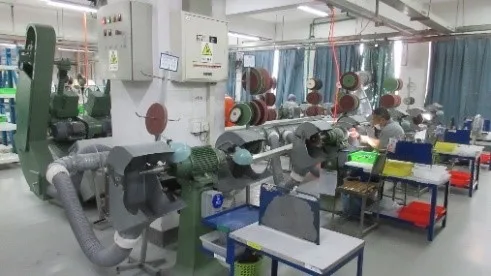

Global medical supply networks encounter significant distribution challenges, including shipping bottlenecks, raw material price volatility, and evolving localized regulatory frameworks (such as EU MDR transitions). As a trusted partner for medical device brands, large-scale distributors, and healthcare systems, we offer integrated supply chain solutions that help mitigate these operational risks.
Obtaining market access requires comprehensive documentation. Our regulatory teams supply full technical dossiers, including biomechanical verification data, biocompatibility reports (ISO 10993), clinical evaluation summaries, and sterile packaging validation records. This compliance documentation speeds up local registrations with national health ministries in Latin America, Southeast Asia, and Western Europe.
Holding excessive inventory tie-up capital, while stockouts disrupt surgical scheduling. We maintain buffer stocks of raw materials and standard configurations of large fragment plate systems, proximal femoral plates, and surgical instrument kits. This enables us to offer responsive manufacturing leads and reliable delivery timelines.
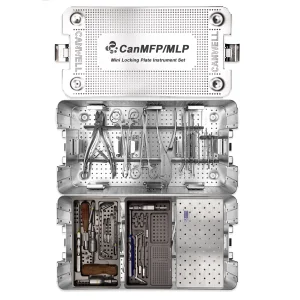
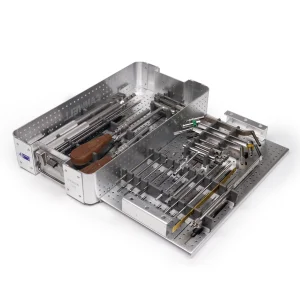
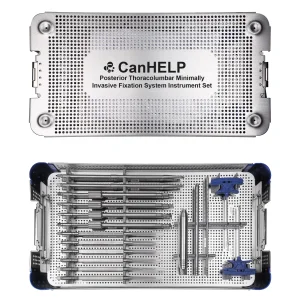
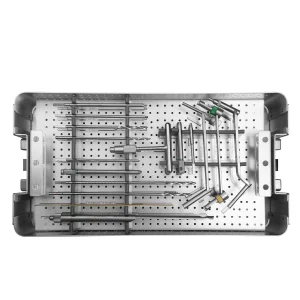
Implant performance is directly tied to the precision of the surgical instruments used during placement. We design and manufacture comprehensive, ergonomic instrument sets matching our locking plates. Our kits feature high-grade stainless steel drivers, drill guides with integrated tissue protection sleeves, and calibrated torque limiters to prevent over-tightening or screw thread stripping.
Our ongoing research initiatives focus on smart implants, surface treatments, and advanced materials engineering to improve patient outcomes.
Development of magnesium alloys and composite polymers for temporary trauma fixation, eliminating the need for a secondary implant retrieval surgery once bone healing is complete.
Integrating direct metal laser sintering (DMLS) to produce patient-specific anatomical locking plates for complex reconstructive surgeries and tumor resections.
Application of advanced hydroxyapatite (HA) and silver nanoparticle coatings onto titanium surfaces to accelerate osseointegration and reduce post-operative infection risks.
Key information regarding materials, regulatory approvals, sterilization protocols, and purchasing workflows.
We use medical-grade Pure Titanium (Grade 4) for low-profile plates that require intraoperative contouring, and Titanium Alloy (Grade 5, Ti-6Al-4V ELI) conformable to ASTM F136 for high-load applications like proximal femoral or femoral shaft locking plates.
Our manufacturing processes are audited under the European Medical Device Regulation (MDR 2017/745). We maintain valid Class III CE certifications (Design Examination Certificates), and carry out clinical evaluation reports (CER) and post-market clinical follow-ups (PMCF) to ensure patient safety.
We offer surface anodization (Type II grey/blue color-coding), custom brand packaging, modification of plate contour profiles to match specific regional demographics, and design adjustments for screw-hole density based on local requirements.
Our sterile-packaged implants are sealed in double Tyvek pouches inside a cleanroom environment and sterilized using Ethylene Oxide (EO) or Gamma irradiation. Each unit includes sterile indicators and traceability barcodes to ensure compliance at the surgical facility.
All designs undergo static bending, dynamic fatigue testing (according to ASTM F382 standards), and screw-torsion characterization. This confirms the plate constructs can withstand physiological loading cycles without early implant fatigue.
Standard instrument kits are usually ready for shipment within 15–30 days. Custom configurations requiring dedicated engineering layouts, specialized silicone brackets, or custom graphic markings typically take 45–60 days to complete, including all verification steps.
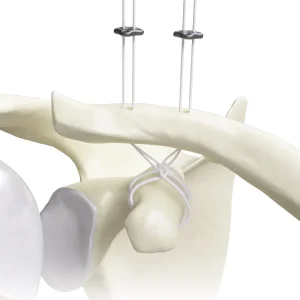
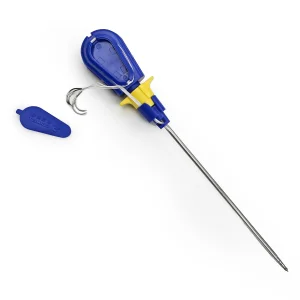
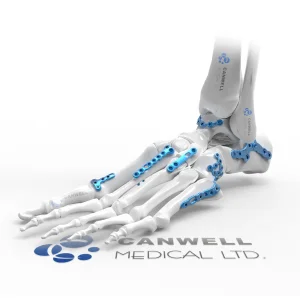
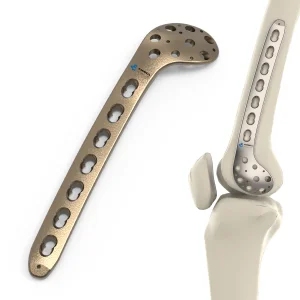
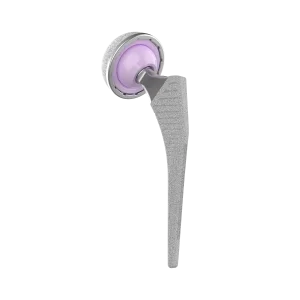
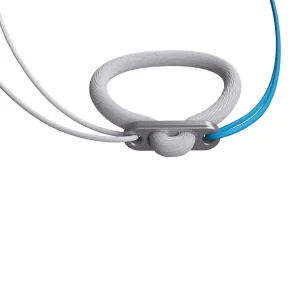
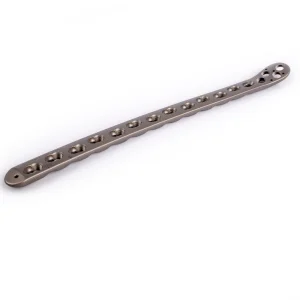
A comprehensive selection of specialized implants, including spine fixation sets, ankle solutions, arthroscopy buttons, and reconstruction systems.
 Harney-Well