Top Trusted Intramedullary Nail Factories & Suppliers

Global Whitepaper on High-Precision Trauma Implants, Advanced Titanium Alloys, and Compliant Orthopedic Manufacturing (CE ISO & MDR Certified)

Premium Orthopedic Trauma & Sports Medicine Solutions

Explore our elite selection of CE and ISO-certified implants, surgical tools, and reconstruction systems engineered for biomechanical excellence.

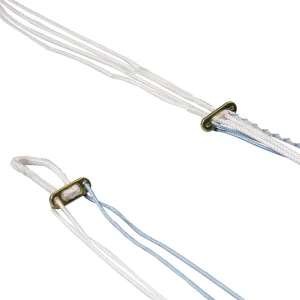
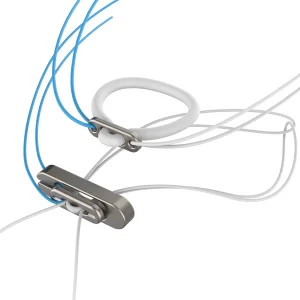
CANWELL Titanium Endobutton with Suture Loop

CANWELL Titanium Endobutton with Suture Loop Cortical Button Plate Suture Button ACL Reconstruction Implant CE ISO

Request Specifications & Quote
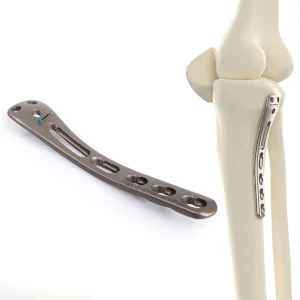
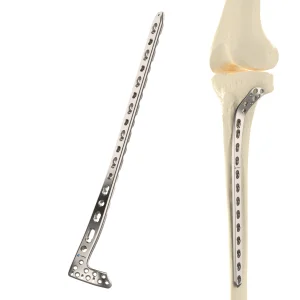
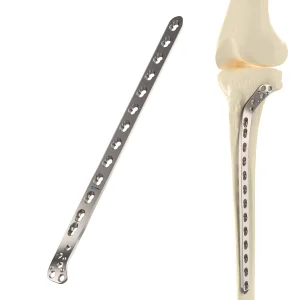
CANWELL 3.5mm Proximal Posterior Tibial Locking Plate

CANWELL 3.5mm Proximal Posterior Tibial Locking Plate Titanium Orthopedic Implant Trauma Fracture Surgery CE OEM Factory

Request Specifications & Quote
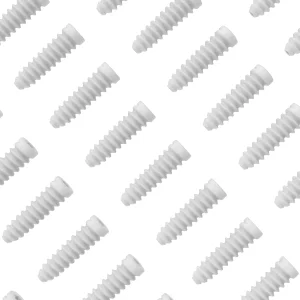
CANWELL ACL Bioabsorbable Screw

CANWELL ACL Bioabsorbable Screw PLGA Interference Screw ACL/PCL Reconstruction Arthroscopy Surgery Orthopedic Implants CE

Request Specifications & Quote
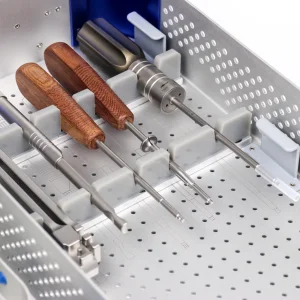
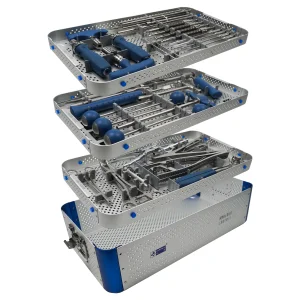
CANWELL AO Standard 3.5mm Small Fragment Tool Set

CANWELL CE ISO Certified AO Standard 3.5mm Orthopedic Small Fragment Locking Plate Surgical Tool Set Locking Screw Instrument

Request Specifications & Quote
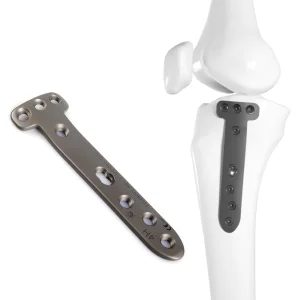
CANWELL Distal Tibial Low Profile Locking Plate

CANWELL Distal Tibial Low Profile Locking Plate Titanium Metaphyseal Compression Fixation System Orthopedic Trauma CE ISO

Request Specifications & Quote
CANWELL Titanium Proximal Tibia Locking Plates

CANWELL Titanium Proximal Tibia Locking Plates Narrow Bone Locking Compression Plate Implant for Orthopedic Fracture Osteotomy

Request Specifications & Quote
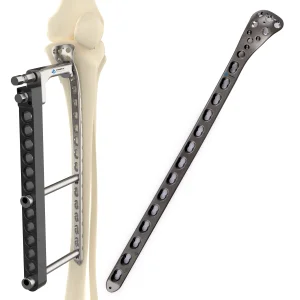
CANWELL Variable Angle Proximal Tibia Plate

CANWELL Variable Angle Proximal Tibia Plate 3.5 mm Orthopedic Trauma Implant Bone Plate Titanium CE ISO

Request Specifications & Quote
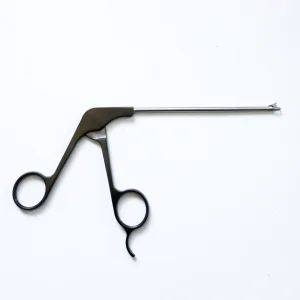
CANWELL Duckbill Arthroscopic Basket Punch Forceps

CANWELL Duckbill Arthroscopic Basket Punch Straight Endoscopy Forceps Knee Shoulder Graspers Sports Medicine Instrument Class

Request Specifications & Quote

Industrial Foundations of High-Quality Intramedullary Nails

In modern trauma osteosynthesis, the Intramedullary (IM) Nail represents the gold standard for stabilizing diaphyseal fractures of long bones. By operating as a load-sharing device positioned close to the anatomical neutral axis, the IM nail facilitates early weight-bearing, maintains mechanical stability, and accelerates biological osteogenesis. However, the manufacturing of these life-critical implants demands extreme metallurgical precision, sophisticated raw material validation, and advanced surface engineering.

Global procurement managers, orthopaedic surgeons, and medical device distributors face a highly consolidated yet shifting landscape. Sourcing from certified Chinese factories has evolved from a pure cost-saving tactic to a core strategy for securing technological innovation, robust regulatory pathways (specifically transitioning to the rigorous European Medical Device Regulation 2017/745 MDR), and uncompromised supply chain stability.

Biocompatible Metallurgy

IM Nails utilize premium Grade 5 Titanium (Ti-6Al-4V ELI) or cobalt-chromium alloys, ensuring optimal elasticity modules, preventing stress shielding, and ensuring high fatigue strength under cyclic loading.

Dynamic Anodization

Type II hard-anodized surfaces minimize cold-welding between nails and locking screws, forming a dense biological barrier that resists wear, pitting, and friction.

Anatomical Fit

Sophisticated engineering accommodates natural curvature. Advanced systems such as Expert Tibial Nails support both suprapatellar and infrapatellar surgical approaches.
Verified Manufacturing Capability & Global Compliance

Rigorous quality control, continuous scientific research, and over two decades of export experience define our industrial presence.

29,523
Floor Space (㎡) Factory Facility
22+
Years of Industry & Export Experience
69
On-Site Dedicated QA/QC Inspectors
59
Graduate R&D Systems Engineers

Official Manufacturer Profile

Registration Date
2004-11-03
Accepted Sourcing Languages
English
Main Target Markets
South America (30%), Southeast Asia (20%), Western Europe (20%)
R&D Customization Levels
Light Customization, Sample Processing, CAD/CAM Graphic Designing, On-Demand OEM/ODM
Inspection Methodology
100% Raw Material Traceability, Full Production Line In-Process Inspection, Client-Specified QC Protocol
Main Client Types
Brand Businesses, Hospital Procurement, Wholesalers, Medical Device Retailers & Distributors

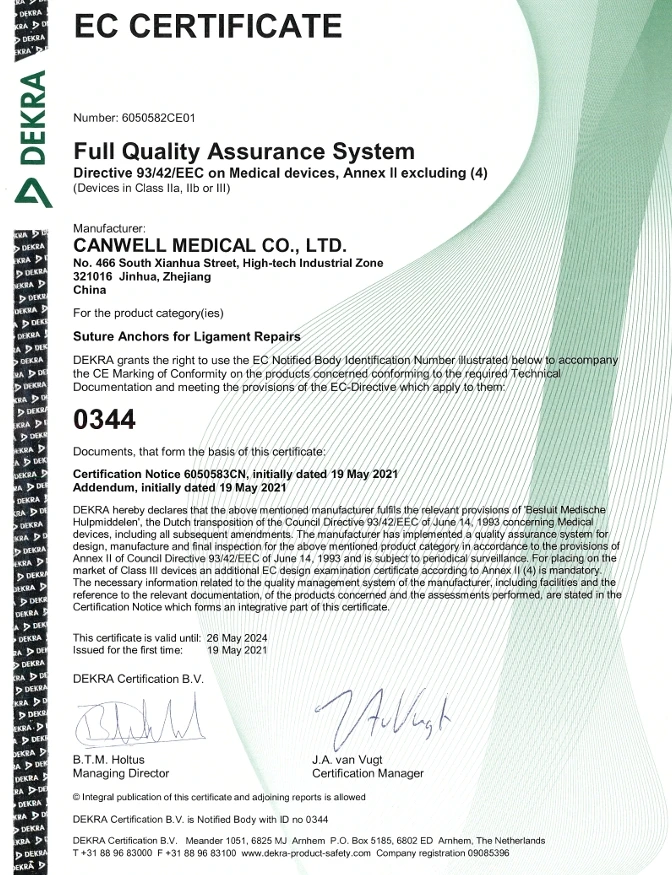
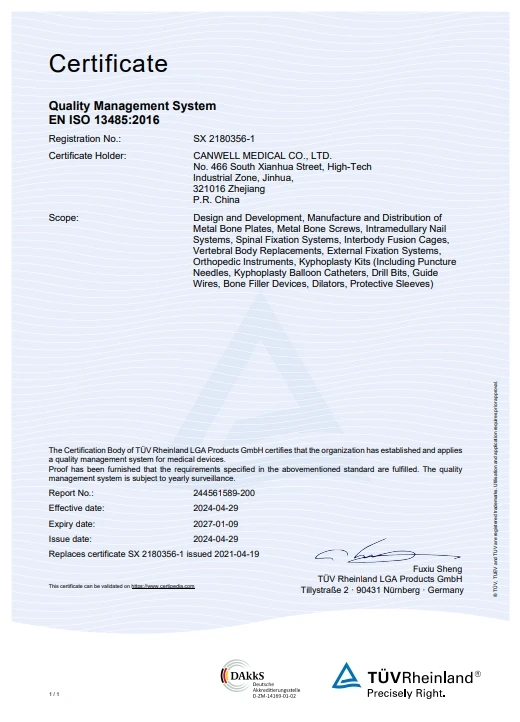
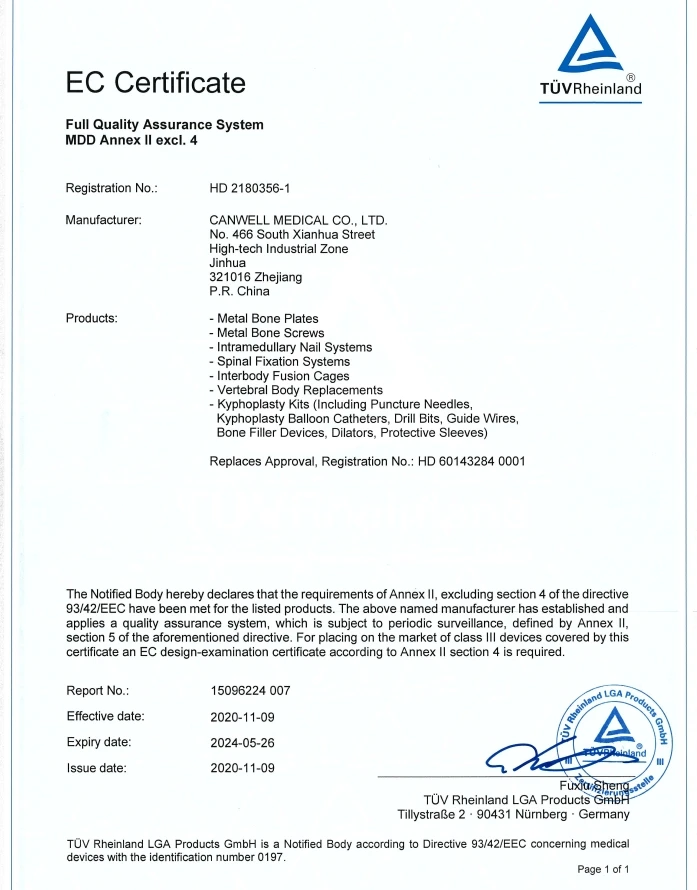
Accredited Medical Certifications

ISO 13485 Icon
ISO13485
SX 2180356-1
93/42/EEC Icon
93/42/EEC MDD
HD 2180356-1
93/42/EEC Icon
93/42/EEC MDD
6050582CE01
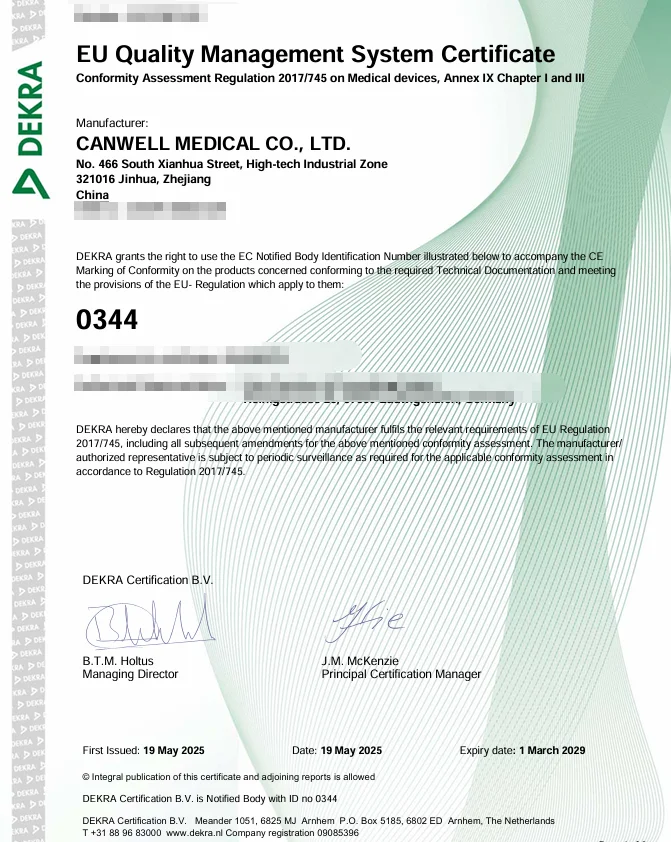
MDR CE Icon
EU MDR 2017/745
6142788CE02

China-Based Manufacturing Advantages for Global Sourcing

In the medical device sourcing landscape, China has transitioned from a volume-based provider to a high-end hub for advanced orthopaedic implants. The primary advantages include complete vertical supply chain integration, state-of-the-art manufacturing facilities, and highly efficient manufacturing processes.

Complete Supply Chain Integration: Chinese medical clusters provide rapid access to premium-grade titanium raw materials, precise surface treatment services (including hard-anodizing and acid-etching), cleanroom sterile packaging solutions, and international logistics hubs. This integration minimizes lead times and safeguards manufacturing processes against disruptions.

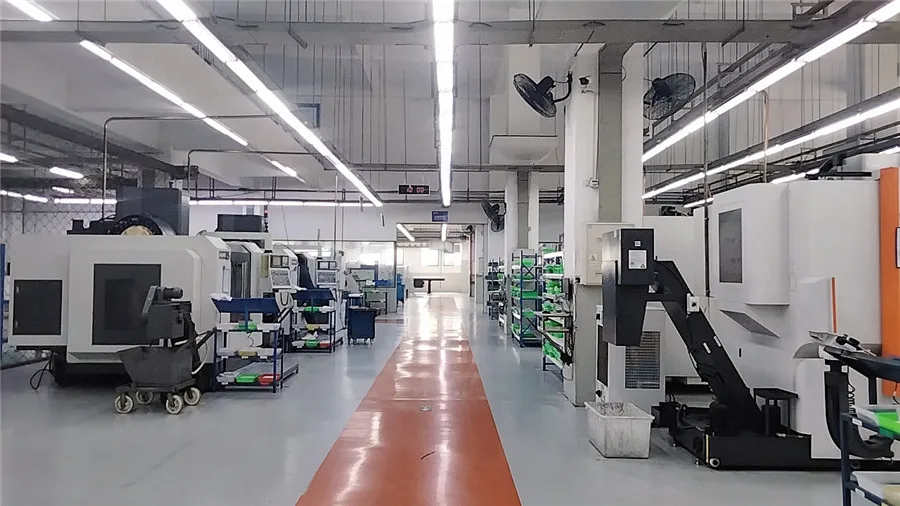
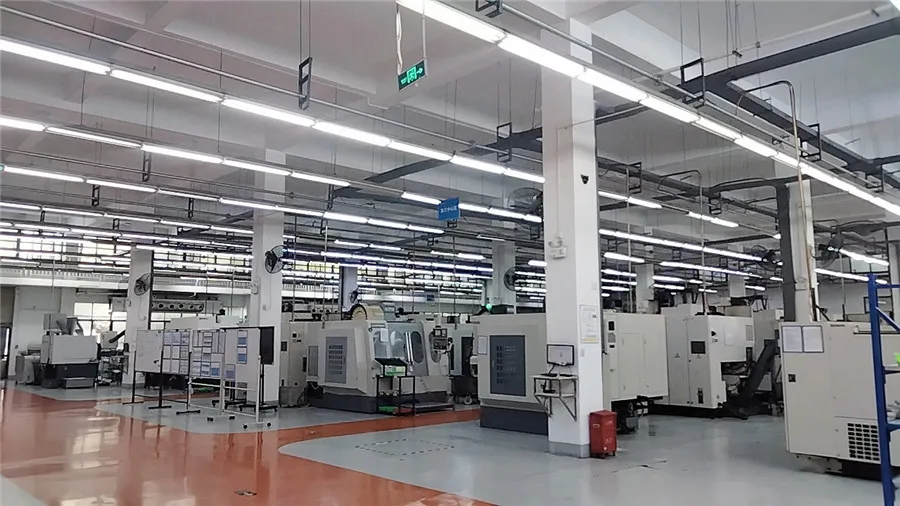
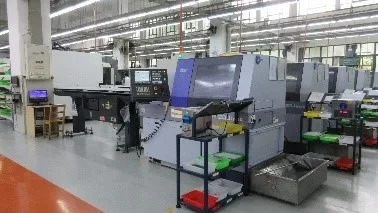
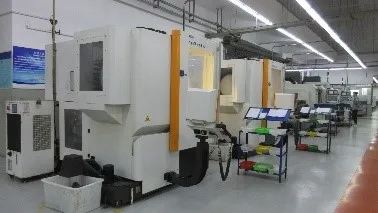
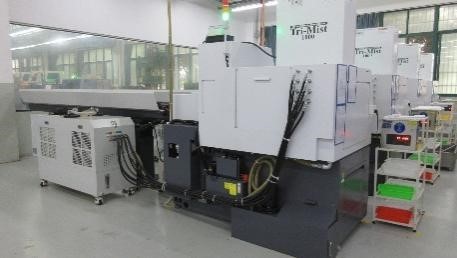
State-of-the-Art Swiss-Type CNC Machining: Modern Chinese factories employ top-tier multi-axis Citizen or Star CNC longitudinal sliding head lathes. These machines allow for the continuous machining of intramedullary nails, maintaining tolerances within micrometers to secure precise anatomical fits and concentricity.
Uncompromised Cost-to-Quality Ratio: With lower manufacturing overheads and highly automated processes, Chinese suppliers produce implants that match or exceed Western performance benchmarks, offering substantial cost-savings for healthcare buyers.

Current Technological & Clinical Trends in IM Nailing

The design and application of intramedullary nails are evolving rapidly, driven by minimally invasive surgery (MIS) goals, biomechanical research, and patient recovery requirements:

  • Suprapatellar Instrumentation Systems: A significant clinical trend is the suprapatellar insertion technique for tibial fractures. Inserting the nail with the knee in semi-extension helps maintain anatomical alignment and reduces post-operative chronic anterior knee pain.
  • Multi-Planar Distal Locking Configurations: Advanced nails incorporate interlocking screw holes oriented in multiple anatomical planes, providing stability for complex distal metaphyseal fractures and preventing secondary displacement.
  • Elastic & Flexible Pediatric Solutions: Titanium Elastic Nails (TEN) cater to pediatric long bone fractures, utilizing symmetrical flexible implants that preserve the growth plate while providing dynamic load-sharing.
  • Bio-active Surface Engineering: R&D is focusing on surface coatings that enhance osseointegration or inhibit bacterial colonization, addressing post-operative infection risks.
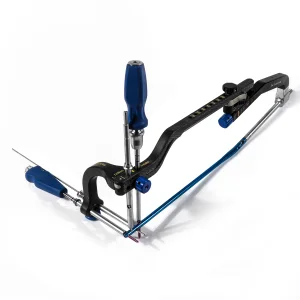
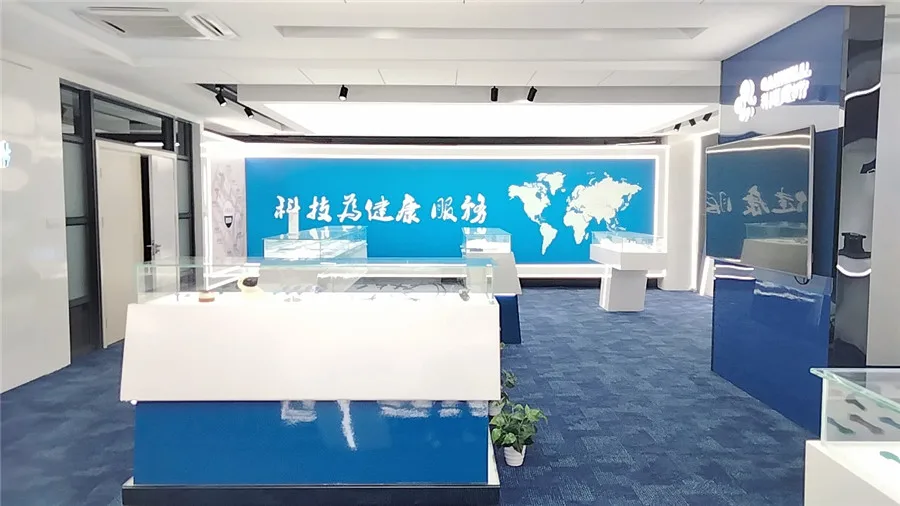
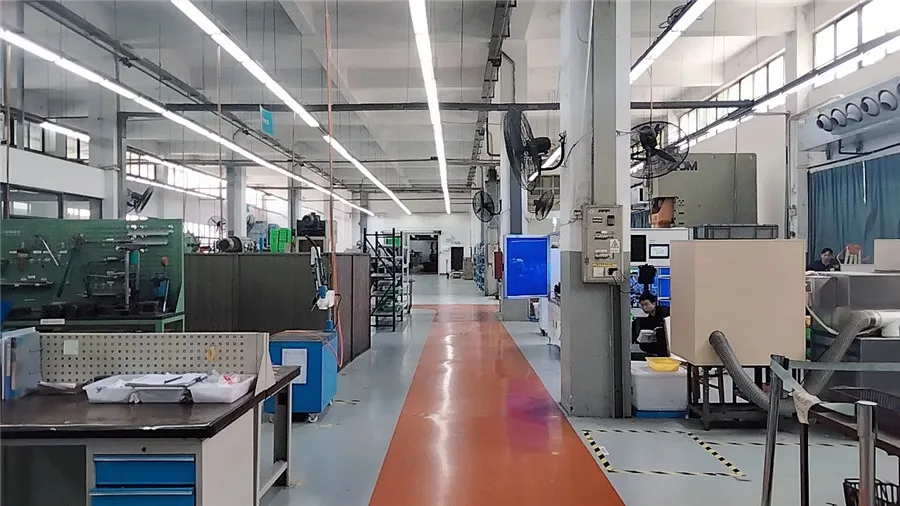
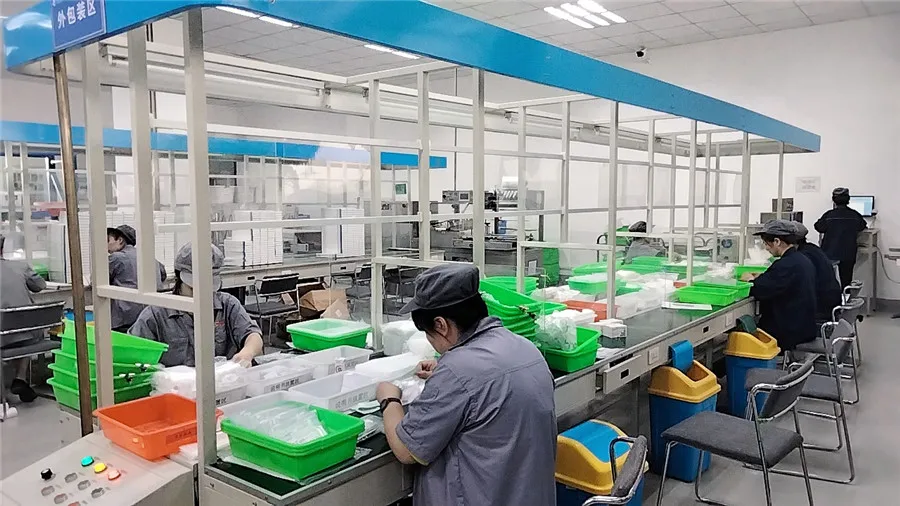
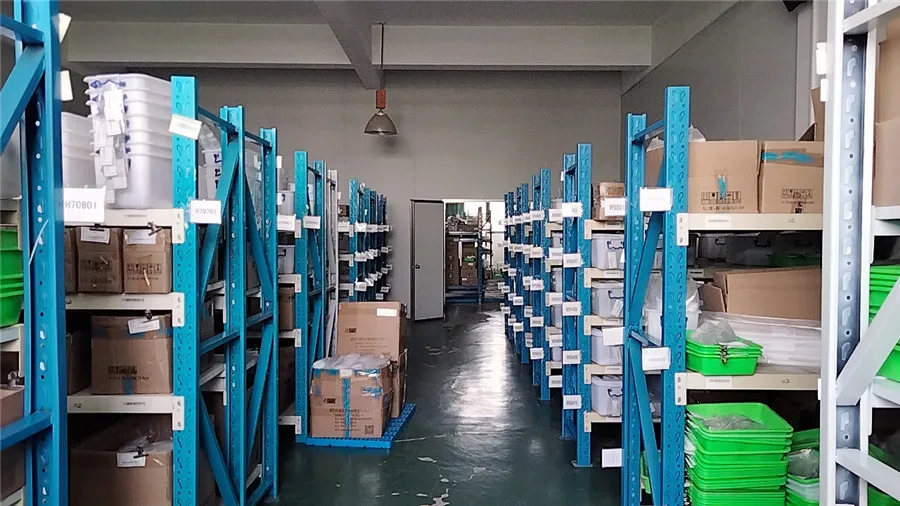
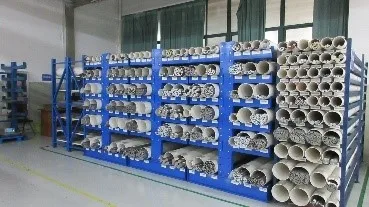
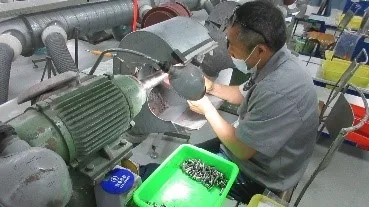
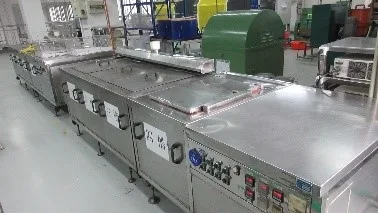
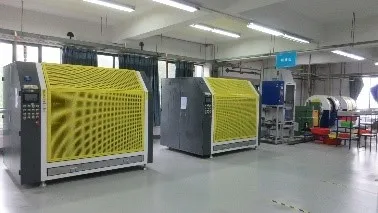
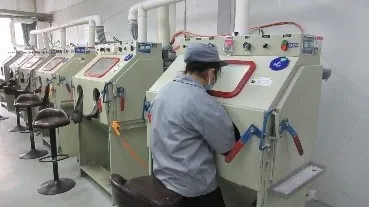
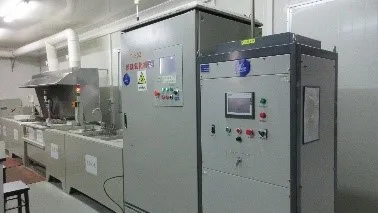
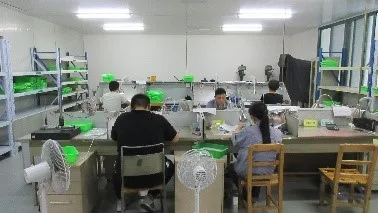
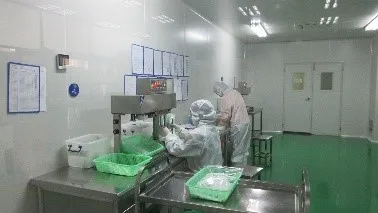
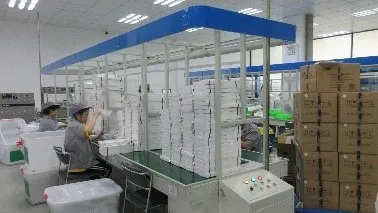
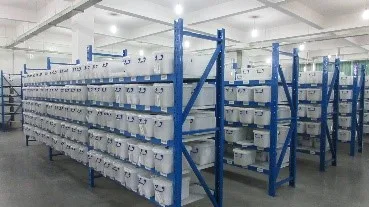
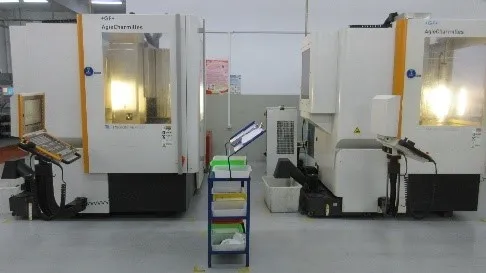
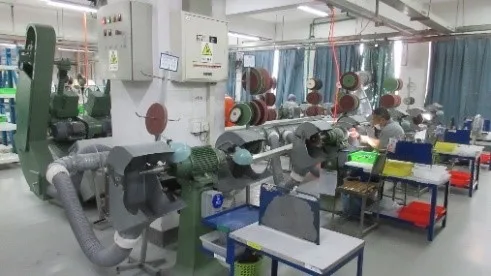
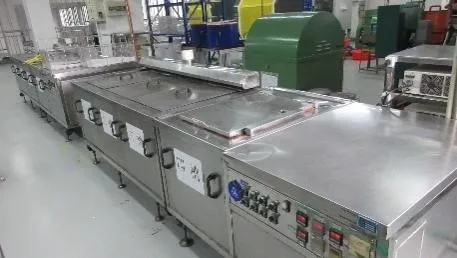
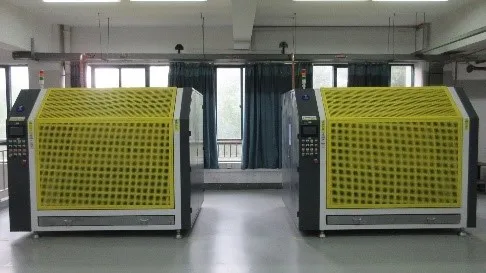
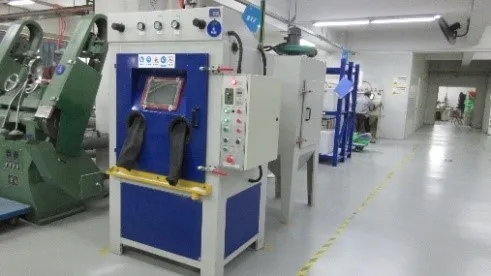
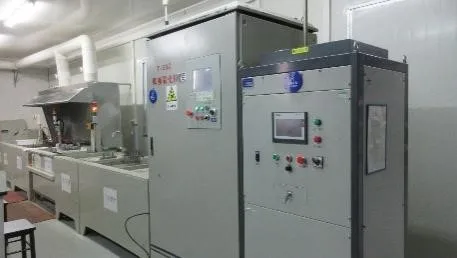
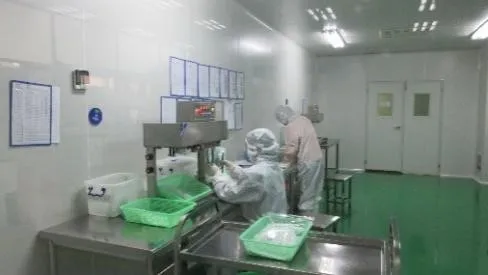
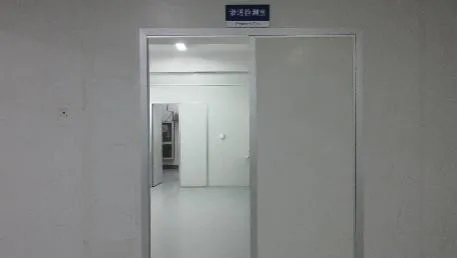
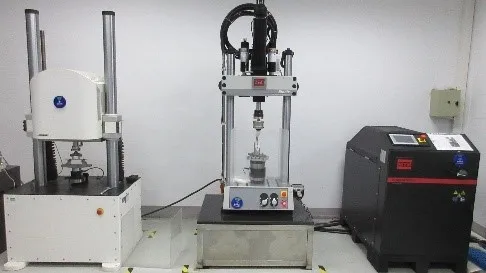
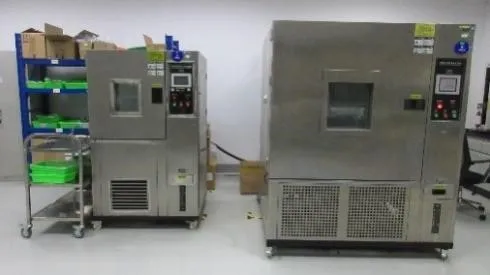
Inside Our Advanced Manufacturing & Quality Inspection Facility

Real-time photographic documentation showing our cleanrooms, CNC machining lines, laboratory verification units, and product finishing lines.
Global Enterprise Sourcing Requirements: A Checklist for Procurement

Selecting a supplier for class III medical devices goes beyond looking at price tags. Orthopedic implants must perform reliably under complex, physiological conditions. Sourcing teams should systematically evaluate the following criteria:

1. Regulatory Certifications & Global Approvals

Verify that your factory holds valid, updated certifications. This includes ISO 13485:2016 for medical device quality management systems and EC design-examination certifications under MDD 93/42/EEC or the newer EU MDR 2017/745. Ask for the registration numbers (e.g., SX 2180356-1, HD 2180356-1) and check their authenticity with European notified bodies.

2. Complete Raw Material Traceability

Reliable factories maintain clear records linking finished implants to their raw titanium material heats. Demand mill test certificates verifying compliance with standards like ASTM F136 or ISO 5832-3 (for Ti-6Al-4V ELI). These reports must detail chemical composition limits (including strict control of interstitial elements like oxygen and iron) and mechanical properties.

3. Mechanical Validation Reports

Suppliers should provide comprehensive mechanical evaluation reports. These testing protocols, such as ASTM F1264 for intramedullary fixation devices, include static four-point bending tests and dynamic fatigue tests. This ensures the implants can withstand cyclic loading without failing before the bone heals.

4. Cleanroom & Packaging Validation

For sterile-packed implants, confirm that the cleanrooms operate under Class 100,000 (ISO Class 8) or Class 10,000 (ISO Class 7) conditions. Ask for bioburden data, ethylene oxide (EO) or gamma sterilization validation reports, and packaging integrity tests (such as ASTM F1929 dye penetration tests) to verify sterile shelf life.

Frequently Asked Questions: Global Sourcing and Clinical Applications

Read detailed, expert answers regarding material standards, certifications, customization options, and technical criteria for orthopedic implants.

1. What titanium alloy grade is recommended for manufacturing high-quality Intramedullary Nails?
For critical load-sharing applications like intramedullary nailing, Ti-6Al-4V ELI (Extra Low Interstitials), certified under ASTM F136 and ISO 5832-3, is the standard choice. It reduces elements like oxygen, nitrogen, and iron, which enhances fracture toughness and fatigue resistance. This ensures the implant can bend under physiological loads without fracturing or causing metallosis.
2. How do your factories ensure ISO 13485 and MDR compliance for Class III orthopedic implants?
Our facilities follow strict Quality Management Systems (QMS) aligned with ISO 13485:2016. This involves documenting all design phases, validating manufacturing processes, and monitoring products post-market. For EU MDR 2017/745 compliance, we maintain technical documentation, perform biocompatibility assessments (ISO 10993), run clinical evaluations, and establish a Unique Device Identification (UDI) tracking system.
3. What is the difference between Suprapatellar and Infrapatellar surgical approaches for Tibial Nails?
The traditional infrapatellar approach requires hyperflexing the knee, which can sometimes make alignment difficult and lead to post-operative anterior knee pain. The suprapatellar approach allows insertion through the quadriceps tendon with the knee in a semi-extended position (10-20 degrees of flexion). This approach helps maintain anatomical alignment and reduces injury to patellar tendons and cartilage, leading to quicker rehabilitation.
4. Why is Type II Anodization crucial for titanium locking plates and nails?
Type II Anodization is a chemical process that creates a thick oxide layer on titanium. This layer increases surface hardness, reduces wear debris, and minimizes the risk of cold-welding between locking screws and the nail interface. It also prevents titanium particles from migrating into surrounding tissue, helping avoid long-term osteolysis.
5. Can your R&D department design customized orthopedic implants on demand?
Yes, our R&D team consists of 59 graduate engineers specializing in biomechanics, material sciences, and CAD/CAM modeling. We offer customization options ranging from light customization to complete product design based on clinical samples or CT scan data. We also provide prototyping and mechanical validation to ensure designs meet ASTM guidelines.
6. What mechanical tests are performed on Intramedullary Nails during validation?
In line with ASTM F1264, we conduct several mechanical tests:
  • Static Bending Test: Measures the nail's yield strength and bending stiffness.
  • Dynamic Fatigue Test: Simulates physiological walking loads, running the implant through millions of stress cycles to check for fatigue failure.
  • Torsional Stiffness Test: Measures resistance to twisting forces, which is vital for stabilizing distal fractures.
7. How is raw material traceability managed at the factory?
We use a strict raw material tracking process. Every batch of titanium bar is stamped with a unique heat number upon arrival. This number links the material to its chemical analysis, mechanical property certificates, and manufacturing steps. The tracking record is maintained throughout production, allowing us to trace any finished implant back to its original raw material ingot.
8. What is the shelf life and sterilization validation process for medical devices?
Sterile-packaged implants typically have a 5-year shelf life. Sterilization is validated using Ethylene Oxide (EO) gas or Gamma Irradiation, adhering to ISO 11135 or ISO 11137 standards. Packaging integrity is verified through accelerated aging tests, dye penetration tests, and seal strength tests to ensure the sterile barrier remains intact during transport and storage.
9. What are your typical production lead times for bulk OEM orders?
Lead times depend on order size and customization needs. Standard orthopedic locking plates and nails are usually dispatched within 30 to 45 days. Custom orders or custom-made instrument kits may take 60 to 75 days, allowing time for design approval, prototype testing, and production setup.
10. How do Titanium Elastic Nails (TEN) support pediatric trauma surgeries?
Titanium Elastic Nails are designed for pediatric diaphyseal fractures. By using two opposing flexible nails, the system creates an elastic construct that supports three-point fixation. This balances physiological loads, avoids damage to the bone's growth plates, and allows for early movement, which helps speed up recovery in younger patients.

Advanced Surgical Systems & Trauma Implants

Discover our comprehensive range of specialized implants, external fixators, and instrumentation systems designed for complex surgical settings.

CANWELL ACL Endobutton with Adjustable Loop

CANWELL ACL Endobutton with Adjustable Loop Titanium Button Sports Medicine Orthopedic Arthroscopy Knee Implant CE

Request Specifications & Quote
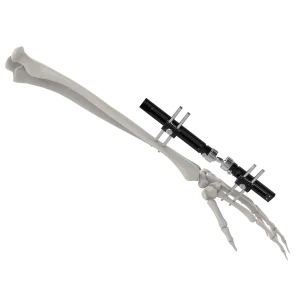
CANWELL Wrist External Fixator

CANWELL Wrist External Fixator Small Bones Fracture Fixation Mini External Fixator Orthopedic Implant Phalanges and Metacarpals

Request Specifications & Quote
CANWELL Suprapatellar Tibial Intramedullary Nail

CANWELL Suprapatellar Expert Tibial Intramedullary Nail Trauma Implants ETN2 Class III for Orthopedic Fracture CE ISO

Request Specifications & Quote
Canwell Titanium Elastic Nail

Canwell Titanium Elastic Nail Intramedullary Nail Femur Telescopic Flexible Pediatric Orthopedic Implant Fractures Surgery

Request Specifications & Quote
CANWELL Medical Supplies Ankle X-Plate

CANWELL Medical Supplies Orthopedic Titanium 2.7mm Ankle and Locking Foot Ankle X-Plate

Request Specifications & Quote
CANWELL Proximal Lateral Tibial Locking Plate

CANWELL Proximal Lateral Tibial Locking Plate Orthopedic Trauma Implant Hospital Bone Plate 5.0mm Screw Orthopedic Manufacturer

Request Specifications & Quote
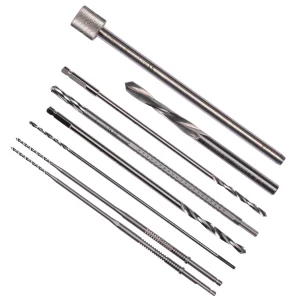
CANWELL Bone Drill Bit

CANWELL Bone Drill Bit Bone Flexible Surgical System Soft AO Normal Type Full Size Orthopedic Cannulated Drill Bit

Request Specifications & Quote
CANWELL Spine Surgical Instruments Set

CANWELL Titanium Spine Surgical Instruments Set for Posterior Thoracolumbar Fixation System

Request Specifications & Quote