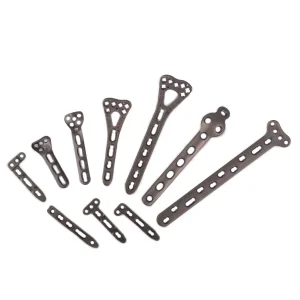
High-performance implants engineered for clinical excellence, load-sharing optimization, and physiological healing acceleration.
For decades, orthopedic trauma and reconstructive surgery relied almost exclusively on rigid internal fixation. The biomechanical goal was absolute stability to achieve direct bone healing. However, clinical experience and advanced tissue mechanics studies revealed inherent limitations in this approach. Highly rigid systems often absorb the entirety of physiological loads, a phenomenon known as stress shielding. Under Wolff's Law, bone remodels in response to the loads placed upon it. Deprived of mechanical stimulus, the bone beneath a rigid plate can suffer from localized osteoporosis, delayed healing, and mechanical weakness, which increases the risk of secondary refracture after implant removal.
This realization has driven a global paradigm shift toward dynamic stabilization and flexible fixation devices. Rather than neutralizing all movement, flexible fixation devices permit micro-motion under physiological loads. This controlled, elastic displacement stimulates the formation of a robust cartilaginous callus, accelerating secondary bone healing. By sharing the load between the implant and the bone, flexible systems preserve bone density, mitigate stress shielding, and conform to the natural biomechanics of human joints.
To understand the clinical superiority of flexible fixation, it is helpful to analyze the mechanical properties and indications of these systems relative to traditional rigid fixation designs. The table below outlines these distinctions:
| Parameters | Traditional Rigid Fixation | Advanced Flexible Fixation | Clinical / Mechanical Significance |
|---|---|---|---|
| Primary Mechanism | Absolute stability; zero micro-motion. | Relative stability; controlled physiological micro-motion. | Flexible systems promote secondary healing via callus formation. |
| Stress Shielding Risk | High (plate bears 90-95% of physiological load). | Minimal (load-sharing distributes stress to host bone). | Reduces bone resorption and implant-induced osteopenia. |
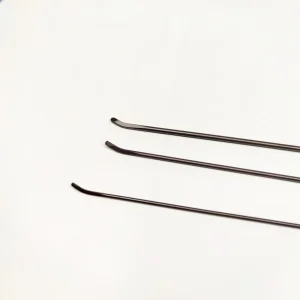
| Material Options | Standard Titanium Alloys, Stainless Steel. | Medical PEEK, Nitinol (SMA), Titanium Elastic Nails. | Adapts to host bone Elastic Modulus, preventing stress concentration. |
| Primary Indications | Simple articular fractures, non-unions. | Pediatric long-bone fractures, ligamentous repairs (ACL/Syndesmosis). | Preserves growth plates and accommodates dynamic joint movement. |
| Post-Op Re-fracture Rate | Higher (often occurs at plate boundaries). | Significantly reduced due to gradual load-sharing. | Promotes stronger, more uniform cortical remodeling. |
As healthcare systems worldwide focus on patient outcomes and cost-efficiency, orthopedic procurement teams face complex challenges. B2B buyers—including medical device distributors, hospital purchasing organizations, and OEM brand partners—require more than just high-quality implants. They demand reliable partners capable of navigating a complex regulatory landscape.
The implementation of the European Union Medical Device Regulation (EU MDR 2017/745) represents a major regulatory shift, replacing older directives with stricter demands for clinical data, post-market surveillance, and traceability. In this environment, certification is a key indicator of reliability. Procurement agents now look for manufacturers who hold accredited certificates, such as ISO 13485 and MDR CE, to ensure compliance across regional markets.
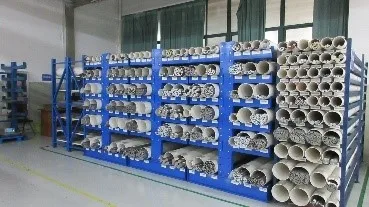
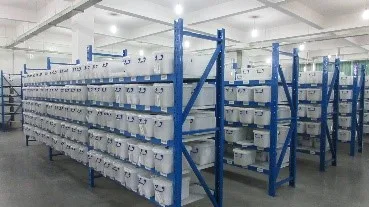
Additionally, global supply chains must withstand geopolitical changes and economic disruptions. Sourcing from a single region is no longer viable. Smart buyers seek manufacturers with strong raw material supply chains, automated production capacity, and clear traceability systems. Our facilities are designed to meet these needs, combining high-volume capacity with strict quality control for consistent, compliant manufacturing.
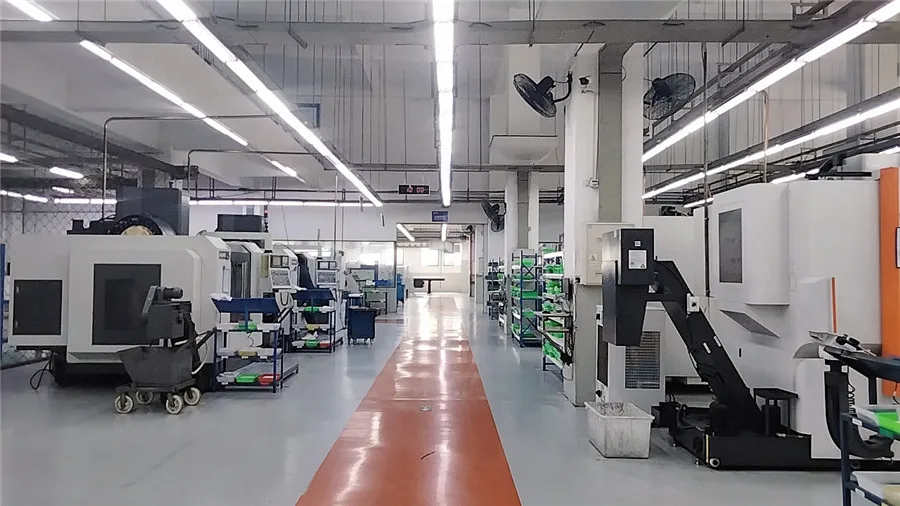
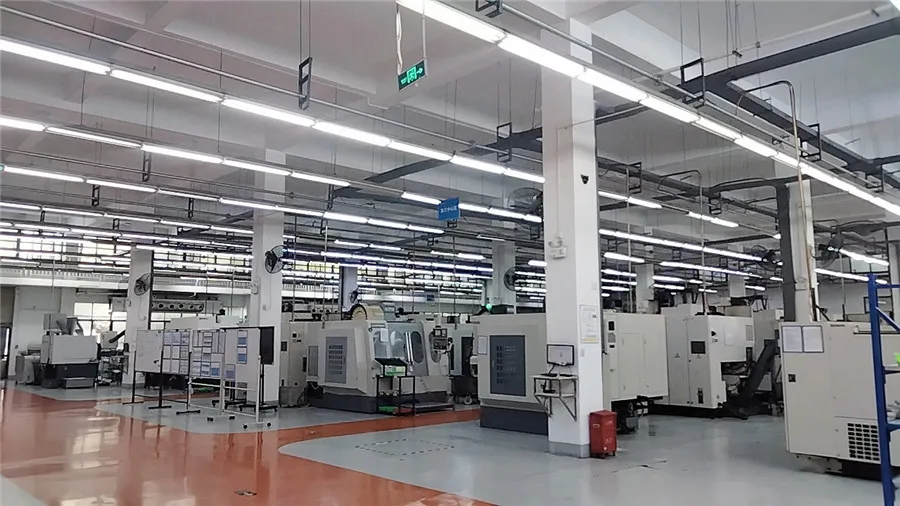
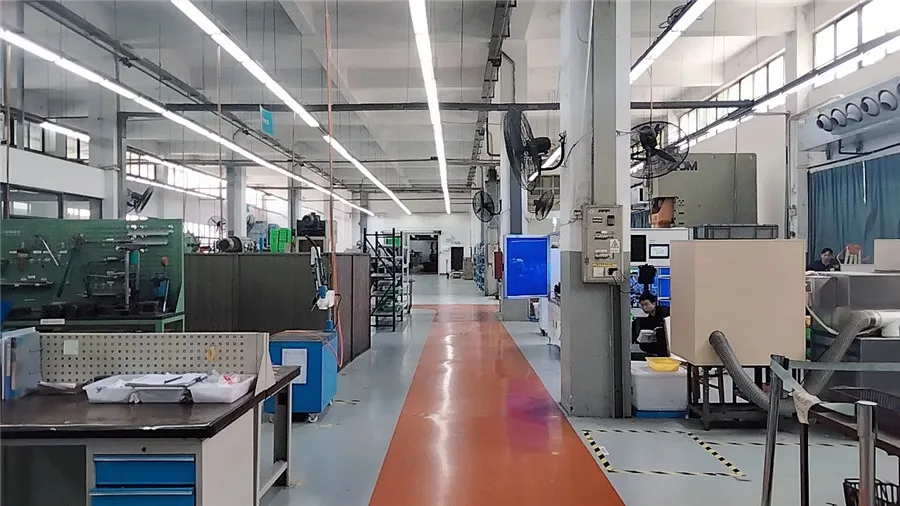
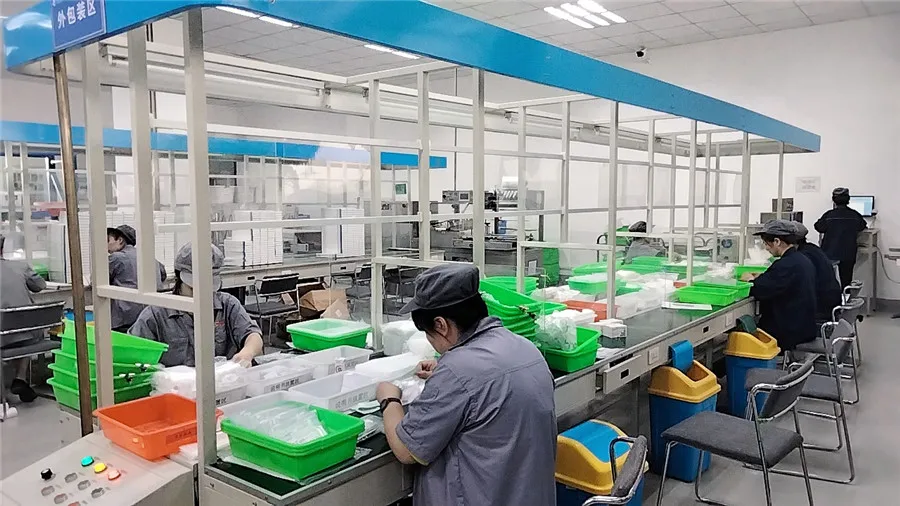
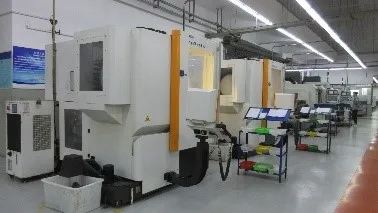
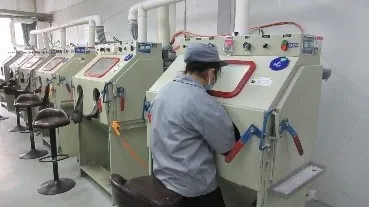
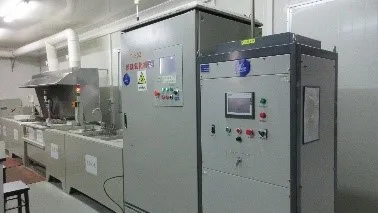
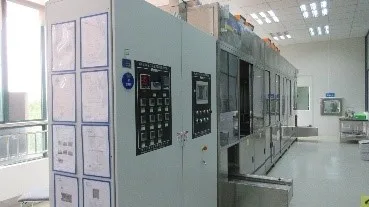
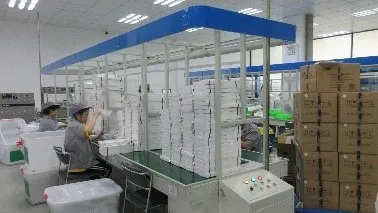
Located in the center of China’s advanced medical manufacturing zone, our facility spans 29,523 square meters and represents a modern approach to orthopedic manufacturing. By integrating Factory 4.0 principles, we have transitioned from traditional manufacturing to a highly digital, automated production system.
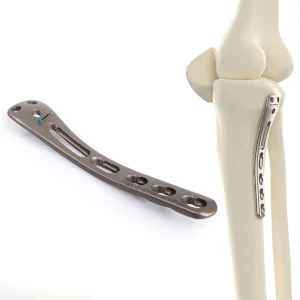
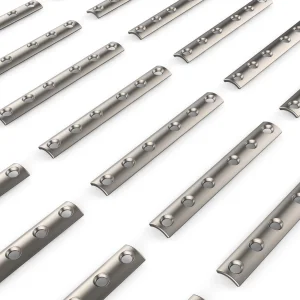
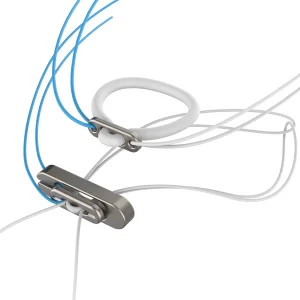
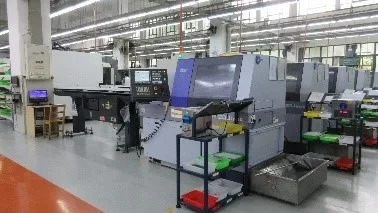
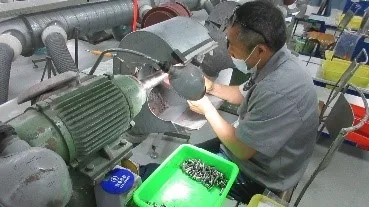
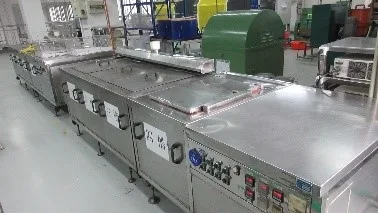
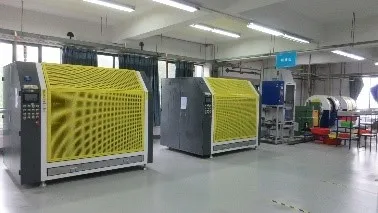
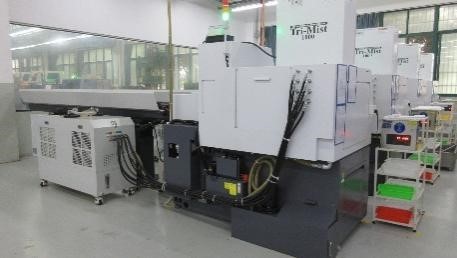
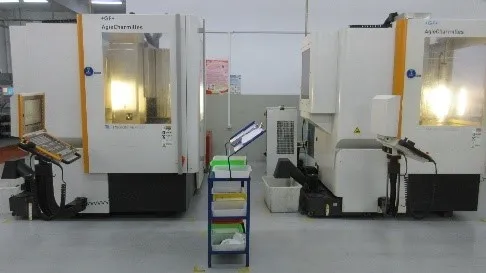
Our production floor features multi-axis CNC swiss-type lathes, high-precision milling centers, and advanced titanium anodizing lines. These systems allow us to produce complex geometries—such as anatomically contoured variable-angle locking plates and low-profile flexible suture anchors—with tolerances measured in microns.
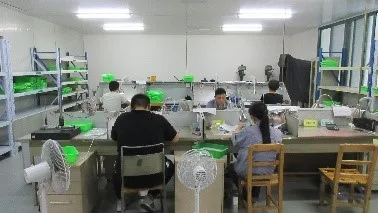
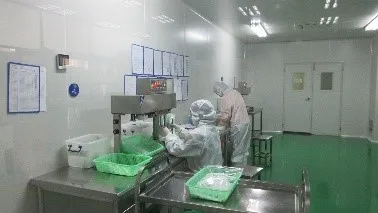
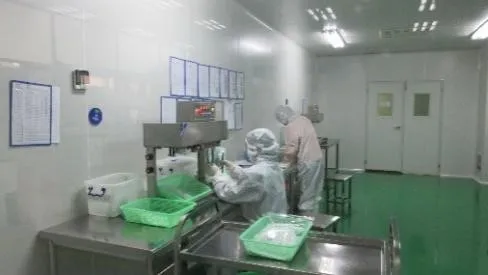
Our cleanrooms operate under strict environmental controls, meeting international ISO Class 7/Class 10,000 standards. This minimizes bioburden and particulate contamination during the critical final manufacturing stages, ensuring every implant is ready for sterile packaging and hospital delivery.
Our research and development division is led by a team of 59 specialized R&D engineers, all holding graduate degrees in biomedical engineering, materials science, or mechanical design. We provide comprehensive OEM and ODM services, including:
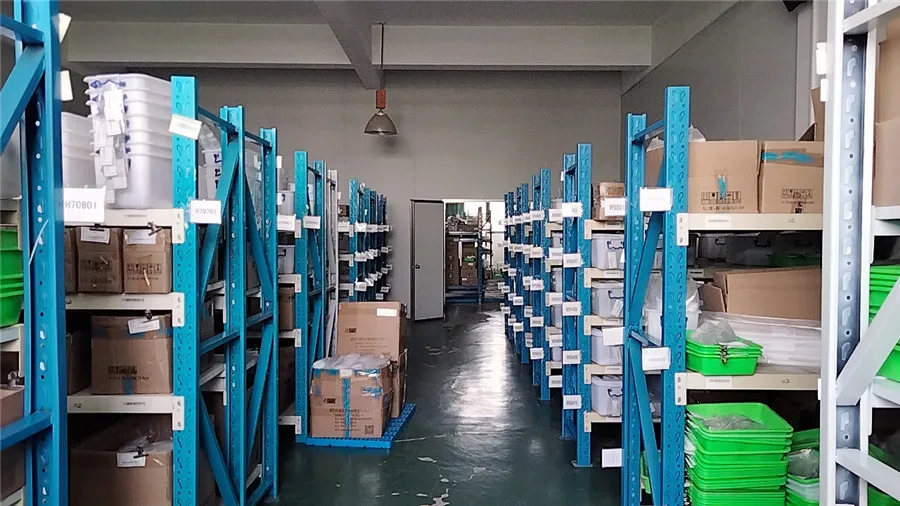
Patient safety is the cornerstone of our manufacturing philosophy. Our quality management system employs 69 dedicated QA/QC inspectors who oversee every step of production. We run a fully integrated traceability workflow: every raw material batch of medical-grade titanium (ASTM F136) or PEEK (Optima) is assigned a unique tracking number linked to its original material test report (MTR).
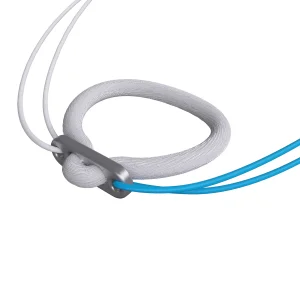
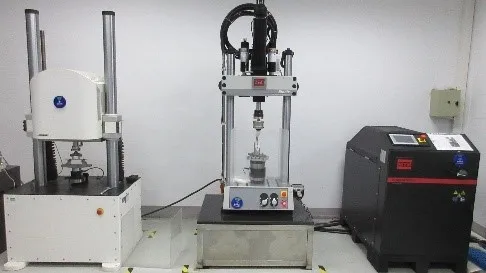
Our inspection process combines automated optical measurement systems, coordinate measuring machines (CMM), and digital surface roughness testers. Every single locking plate, dynamic button, and suture anchor undergoes non-destructive testing and visual inspection. We perform regular pull-out testing, fatigue trials, and corrosion resistance audits to ensure our implants exceed ISO and ASTM standards. This disciplined approach delivers consistent product quality, helping global partners minimize clinical risks and recall liabilities.
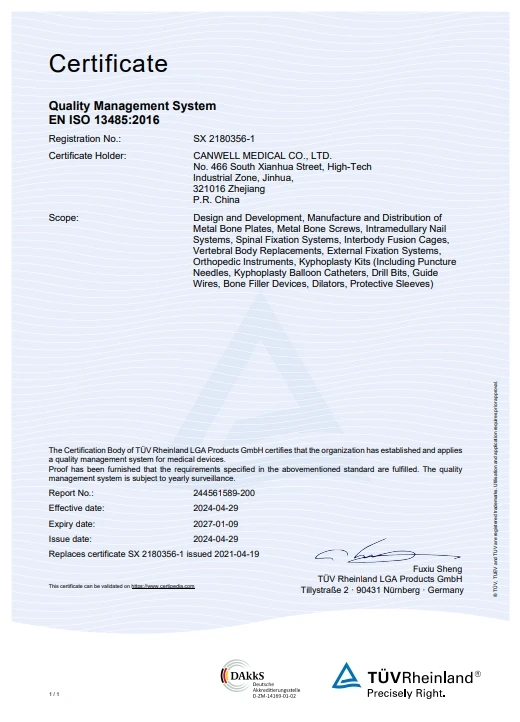
 ISO13485
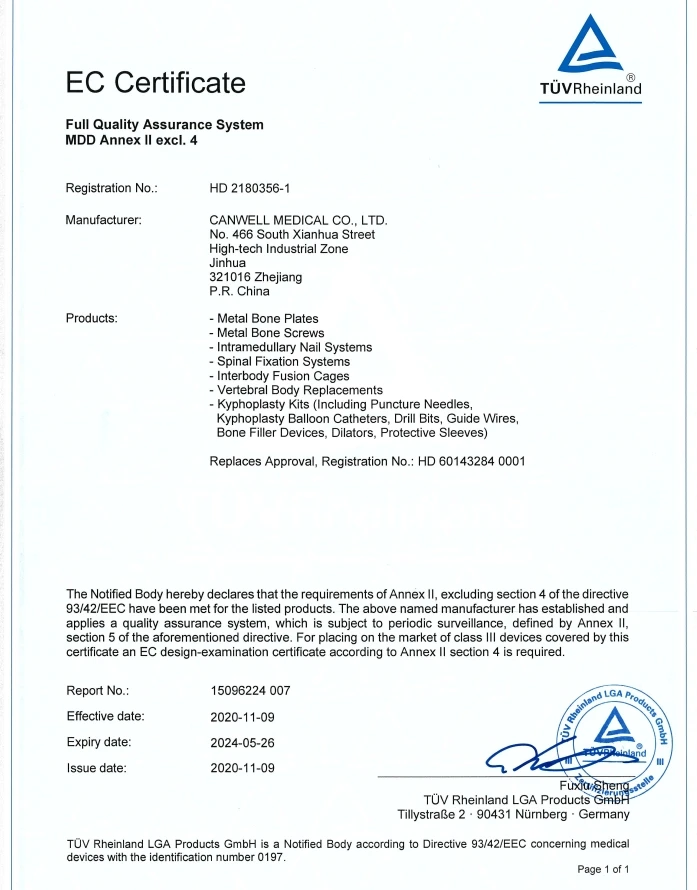
 93/42/EEC
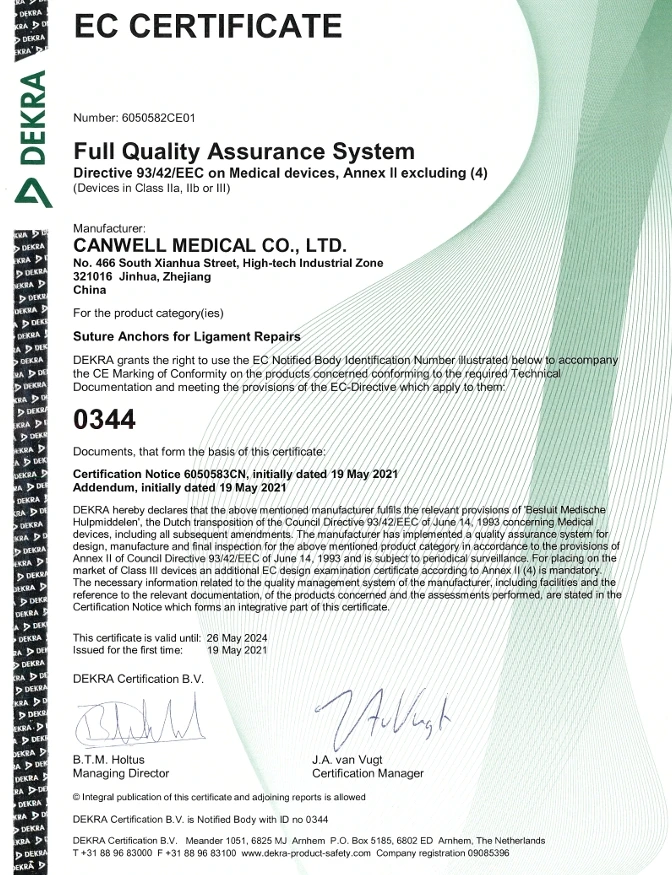 93/42/EEC
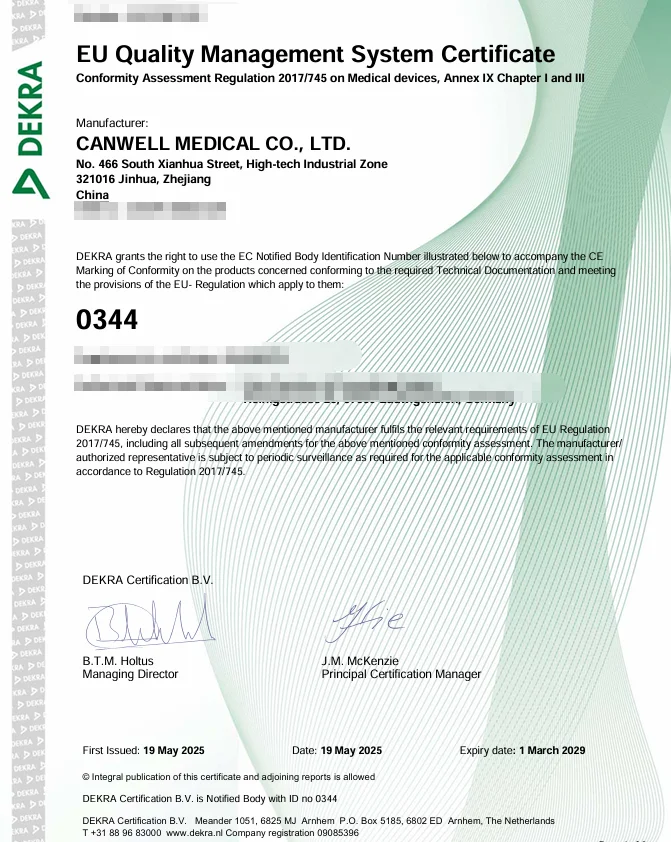
 MDR
MDR
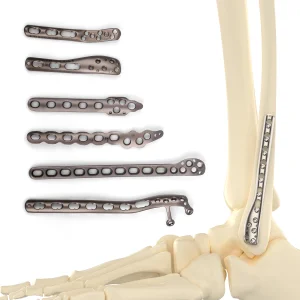
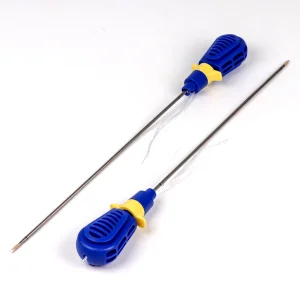
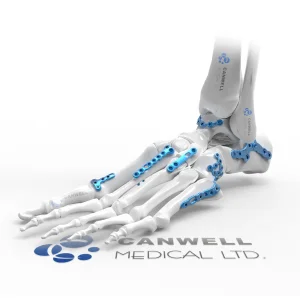
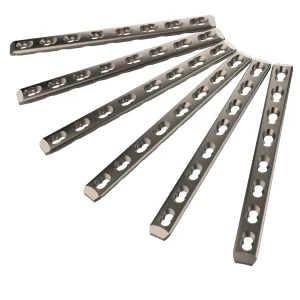
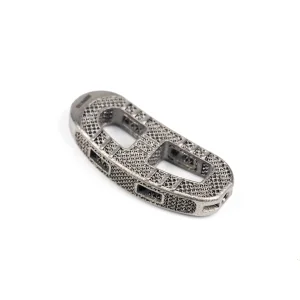
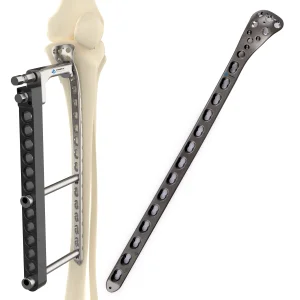
Our product portfolio is engineered to meet specific clinical challenges across diverse patient populations:
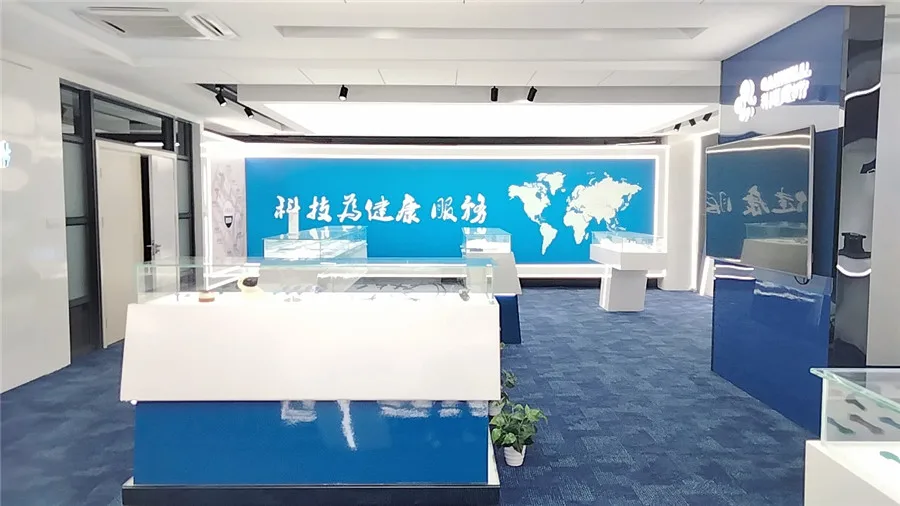
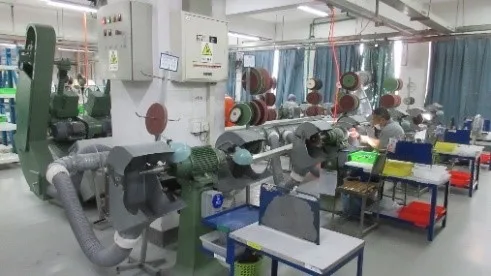
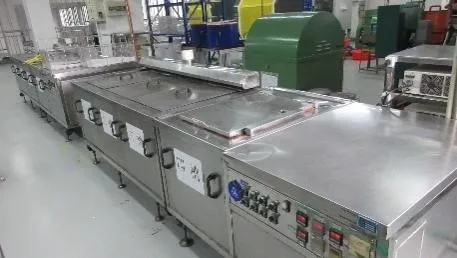
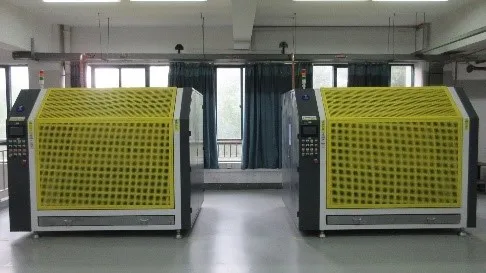
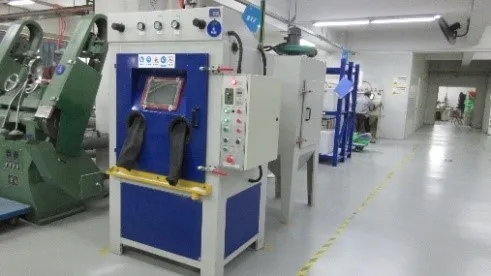
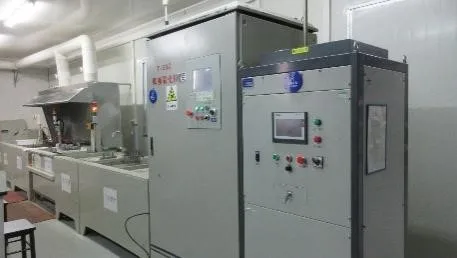
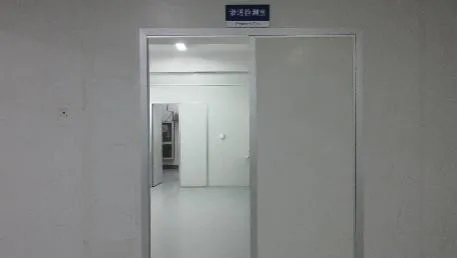
A visual tour of our production facilities, cleanrooms, advanced testing rigs, and automated processing lines.


Expert answers to common technical, manufacturing, and commercial questions from orthopedic distributors and clinical procurement teams.
Explore our CE & ISO certified orthopedic, trauma, and sports medicine implant systems.
 Harney-Well