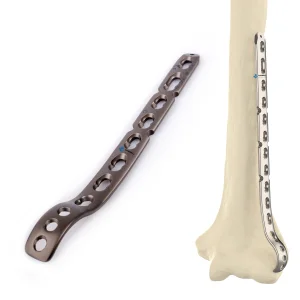
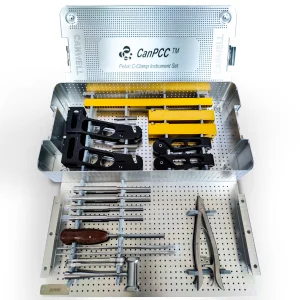
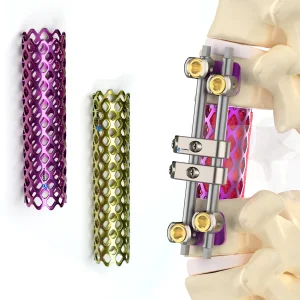
Explore our premium clinical implants and instrument systems designed for high-stakes surgical applications.
In modern minimally invasive surgery, the arthroscopic shaver system stands out as the cornerstone of athletic injury treatment and joint reconstruction. As clinical demands shift toward faster recovery and shorter operating times, surgical tool manufacturers must evolve. Traditional, manually controlled handpieces are rapidly giving way to intelligent, torque-sensing platforms. These new systems dynamically adjust motor parameters based on real-world tissue resistance.
State-of-the-art designs focus on three core variables: rotational kinematics, resection tooth geometries, and fluid-dynamics integration. Modern blades now feature aggressive outer windows and micro-serrated teeth. These designs prevent the slip-and-clog issues common during tissue debridement. High-end systems also combine joint irrigation and resection suction within a single hub. This integration ensures a clear field of view and maintains safe intra-articular pressure levels throughout the procedure.
Additionally, material sciences have entered a new era. Manufacturers are applying physical vapor deposition (PVD) to coat cutting shafts with DLC (Diamond-Like Carbon) and titanium nitride. This engineering choice reduces friction, controls heat dissipation, and minimizes the risk of micro-metal shedding during bone-burring procedures. Sourcing agencies now prioritize suppliers who invest in these advanced material processes.
B2B medical procurement officers balance complex variables when sourcing arthroscopic equipment. Beyond basic costs, they must manage strict regulatory hurdles, quality standards, and clinical demands. Regulatory compliance is non-negotiable. Distributors in North America and the European Union require systems that conform to EU MDR 2017/745 and US FDA guidelines.
Purchasing agents assess compatibility across entire surgical setups. They need to know if a supplier's shaver handpieces fit existing console units, and whether they can customize hub layouts. High-efficiency clinical sites also focus on the total cost of ownership (TCO). This calculation balances the cost of durable, reusable motors with the steady pipeline of sterile, single-use shaver blades.
To manage these demands, suppliers must offer structured solutions: light custom OEM branding, variable blade shapes (such as full radius, meniscus cutters, or taper burrs), and reliable sterile packaging. Leading exporters now secure their standing by providing end-to-end trace documentation for every raw material lot used in production.
Years Sourced Internationally
State-Of-The-Art Manufacturing Base
In-House Quality Inspectors
Graduate R&D Engineers
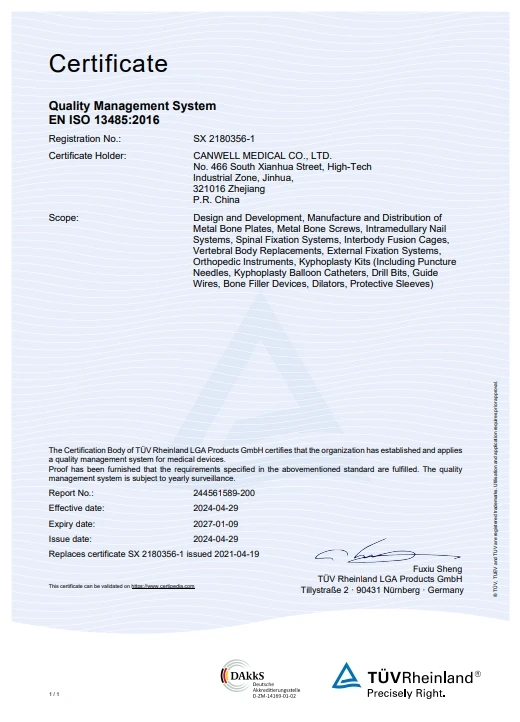
 ISO13485
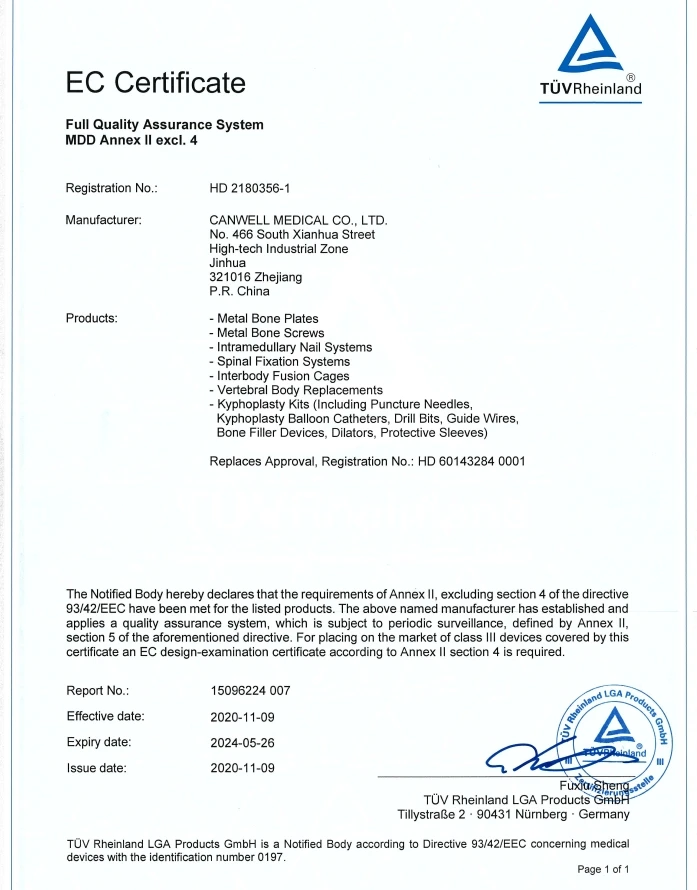
 93/42/EEC
 93/42/EEC

 MDR
MDR
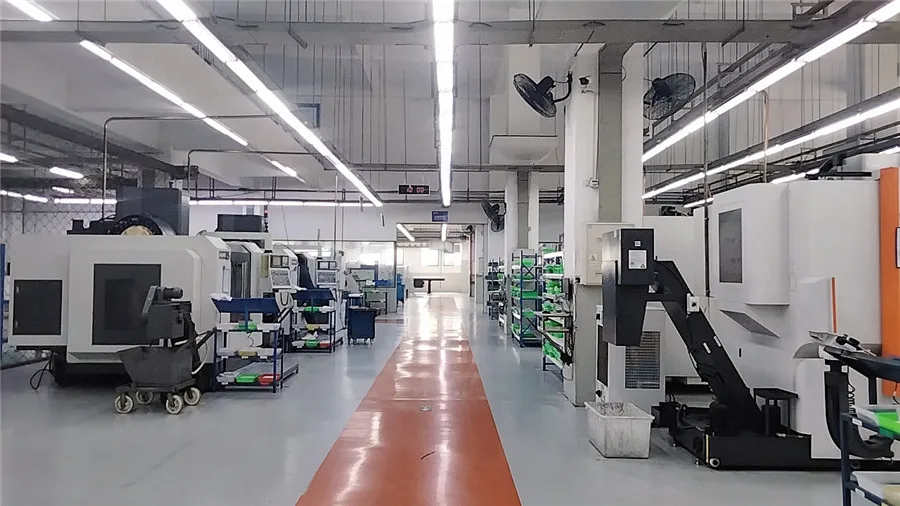
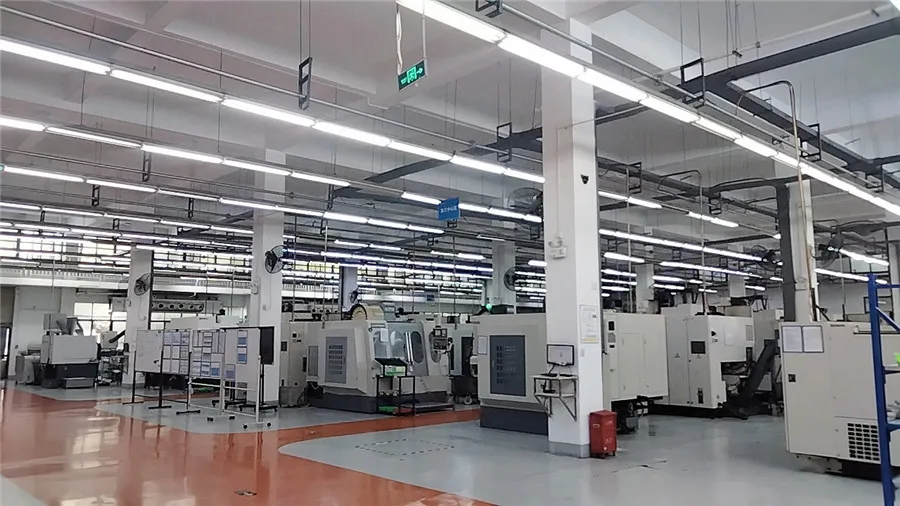
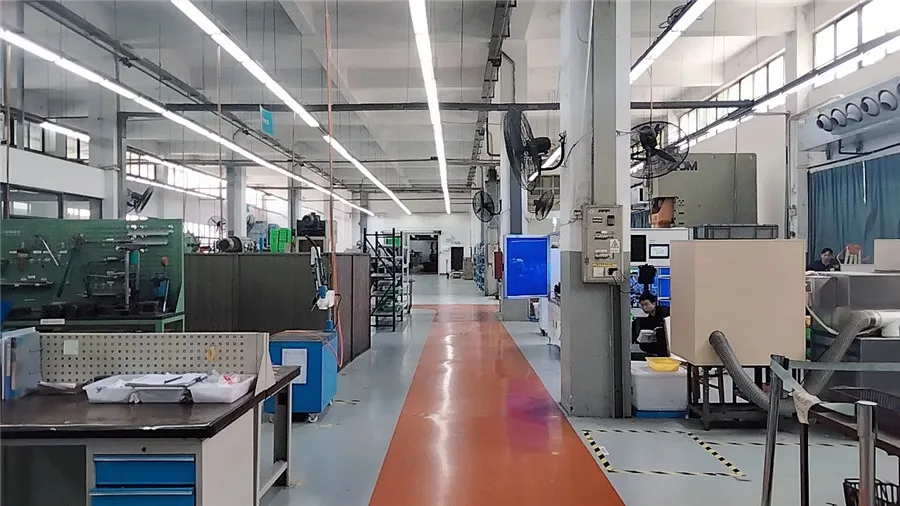
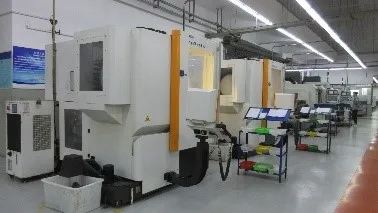
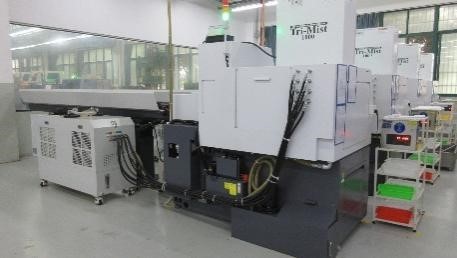
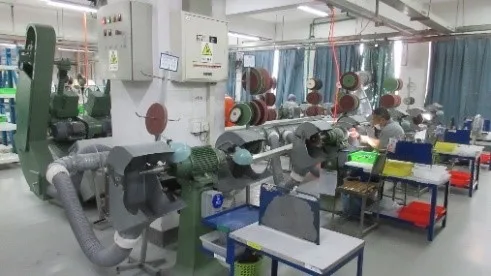
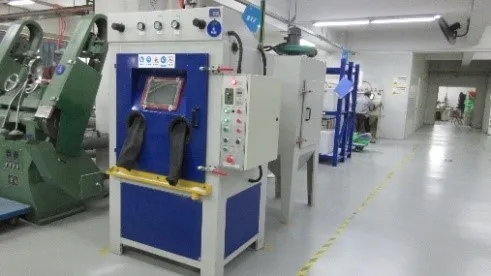
China's medical device manufacturing sector has evolved beyond simple assembly. Through Factory 4.0 modernization, sites like CANWELL Medical integrate multi-axis CNC milling, Swiss longitudinal lathes, and cleanroom environments. These cleanrooms operate under ISO Class 7 (Class 10,000) standards, ensuring strict bio-burden control.
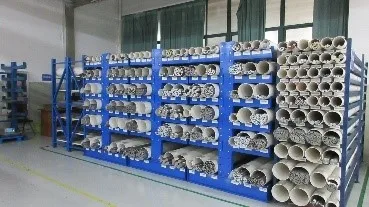
This manufacturing ecosystem delivers significant cost advantages without sacrificing quality. Direct partnerships with premium raw material providers guarantee verified supplies of surgical grade 316LVM stainless steel, Ti-6Al-4V ELI titanium alloys, and medical-grade PEEK. Every step of the production process—from raw bar stock to finished, sterile-packaged surgical tools—is tracked by a centralized ERP system.
These investments build strong supply chain resilience. During periods of logistics volatility, automated production schedules, smart inventory systems, and local raw material networks shield international buyers from production delays. A specialized team of 59 graduate R&D engineers and 69 QC inspectors helps client operations scale reliably, matching production capacity with shifting market demands.
The global sports medicine and joint repair sectors are expanding rapidly. This growth is driven by aging populations in developed countries and rising participation in fitness activities worldwide. Sourcing trends highlight clear regional needs:
Top manufacturers succeed in this landscape by maintaining flexible production systems. This agility allows them to easily customize product batches to meet local clinical preferences, registration requirements, and hospital tenders.





















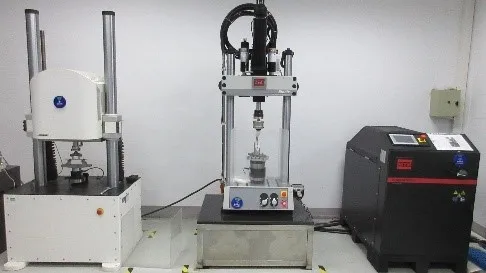

Clinical efficiency relies on a seamless connection between implants and surgical instruments. In sports medicine departments, for example, reconstruction procedures require precise integration:
Ensuring reliable performance across these applications requires a strict quality control system. Sourcing from a supplier with ISO 13485 certification and robust raw material tracing ensures that all implants and instruments perform reliably under load, protecting both patient outcomes and hospital operations.
Key technical and regulatory answers for professional medical procurement agents.
Explore our advanced fixation plates, intramedullary nails, and spinal reconstruction cages.
 Harney-Well