Explore our state-of-the-art precision implants designed for trauma, spine, joint reconstruction, and sports medicine clinical requirements.
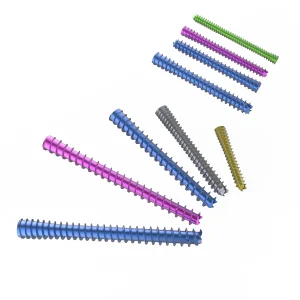
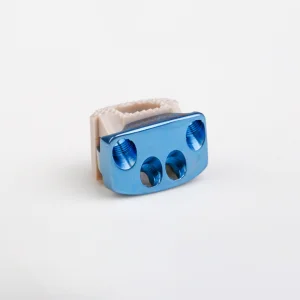
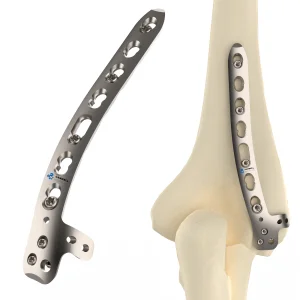
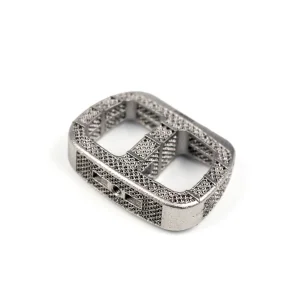
A comparative overview of macro industry trends, production demands, and standard protocols in modern orthopedics.
The global orthopedic medical device market is undergoing rapid evolution. Key drivers include aging populations, growing demands for minimally invasive surgeries, and high surgical success rates. Modern medical plates and spinal systems act as structural stabilizers during bone healing. They require rigorous raw material screening and advanced biomechanical configurations.
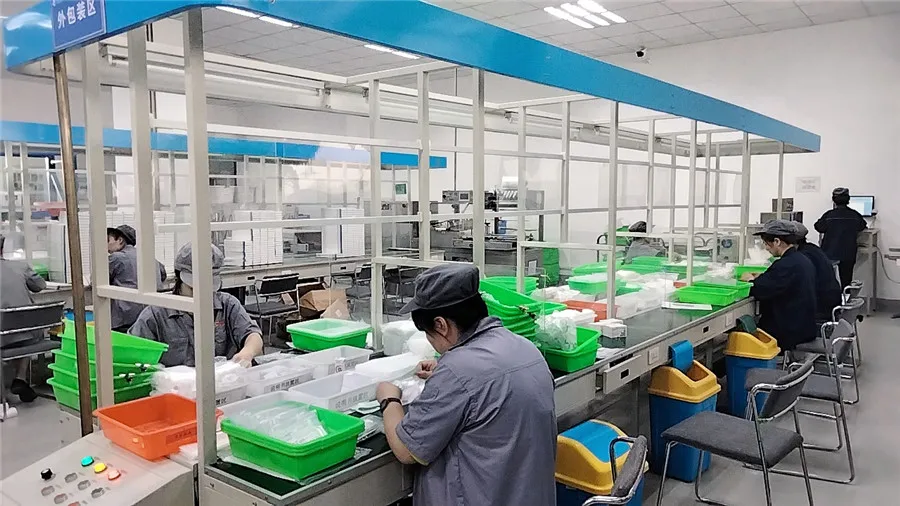
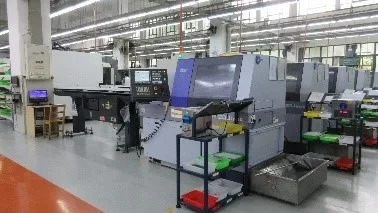
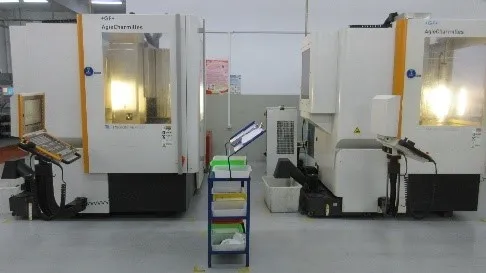
In this dynamic landscape, China has emerged as a crucial manufacturing center. Advanced industrial hubs combine raw material processing with high-speed precision CNC milling and cleanroom operations. High-end medical plates are no longer limited to static fixation. They now integrate modern locking configurations, low-profile designs, dynamic compression structures, and specialized surface technologies (such as type II anodization and HA coating). These features improve biocompatibility and promote rapid osseointegration.
As a leading orthopedic manufacturer, we focus on clinical safety and mechanical reliability. Over the past 22 years, we have built a fully integrated supply chain that spans structural design, mechanical testing, CNC machining, surface treatment, cleanroom packing, and regulatory validation. This complete control guarantees high product consistency across all production runs.
Transparent compliance data showing our production capacity, regulatory credentials, and R&D infrastructure.
Adhering to European Medical Device Regulation (EU MDR) and FDA standards to secure global access and patient safety.
Regulatory compliance is a core pillar of medical device manufacturing. Our manufacturing process meets the high standards of ISO 13485, the European Medical Device Directive (93/42/EEC), and the new EU MDR (2017/745). These standards govern the entire product life cycle, from raw material procurement to clinical trace-back tracking, bio-burden testing, and sterile barrier validation.
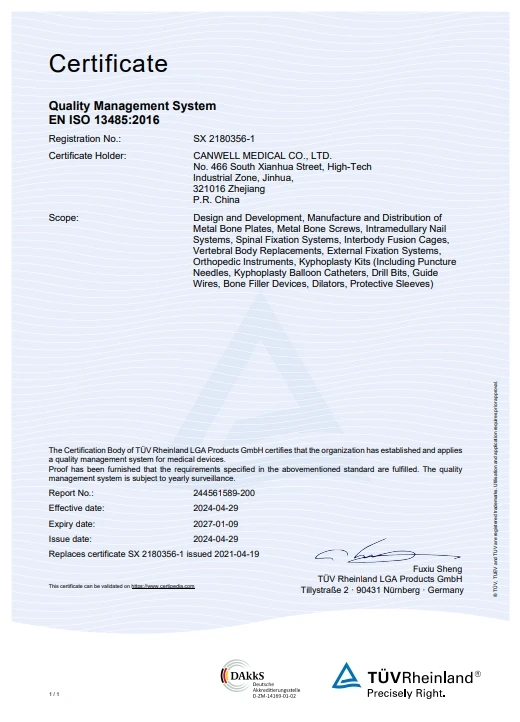
 ISO 13485
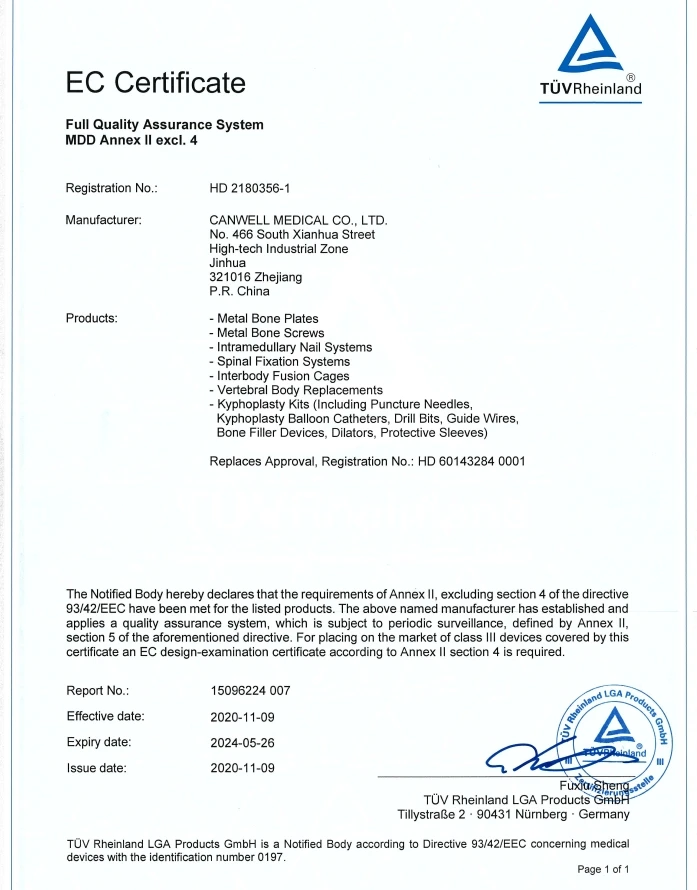
 93/42/EEC CE
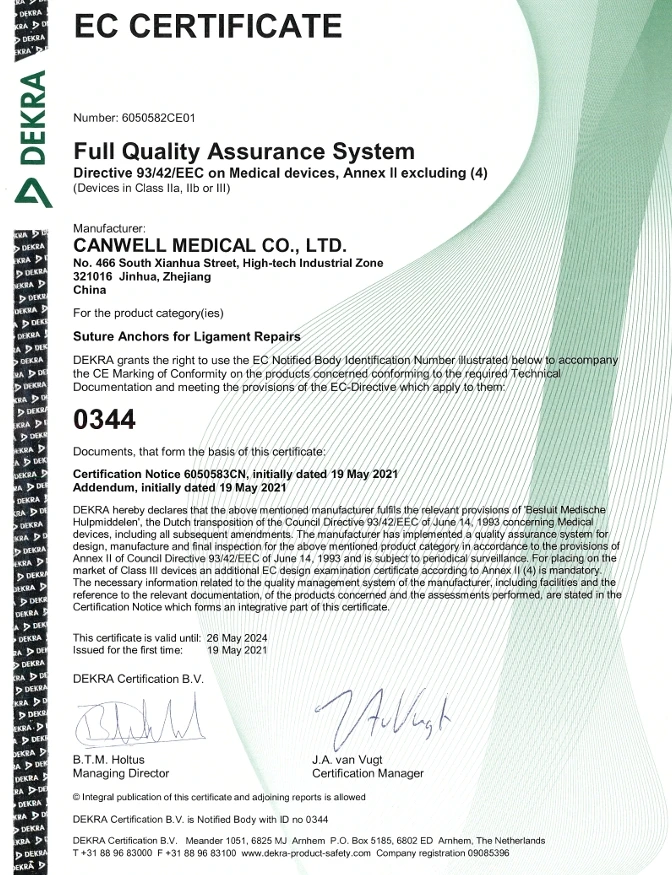 93/42/EEC CE
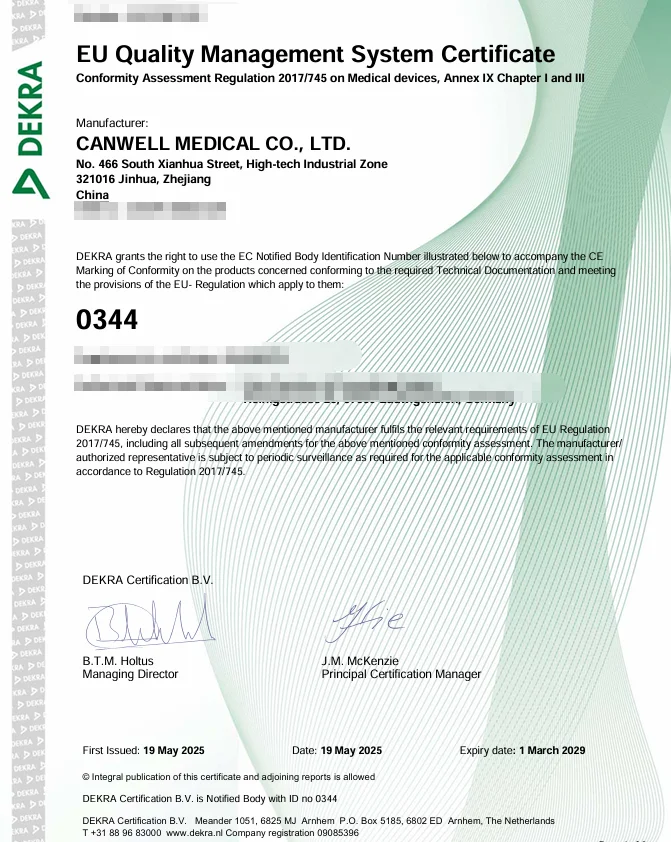
 EU MDR (CE 0197)
How our orthopedic systems meet specific clinical demands across regional health networks.
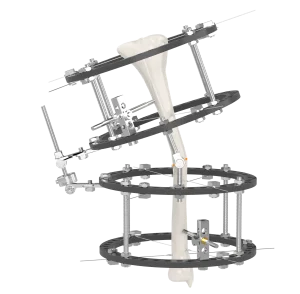
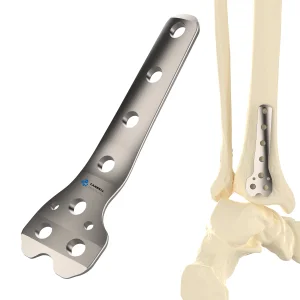
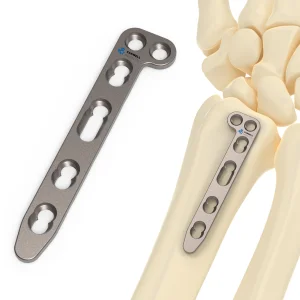
In high-demand trauma centers in South America and Southeast Asia, orthopedic implants must balance mechanical stability, ease of use, and cost-efficiency. Our anatomical locking plates (such as distal tibial and distal radius plates) minimize the need for intraoperative shaping. This reduces surgery times and lowers the risk of anesthesia-related complications. Pre-contoured profiles also help protect periosteal blood flow, supporting faster bone healing in challenging clinical environments.
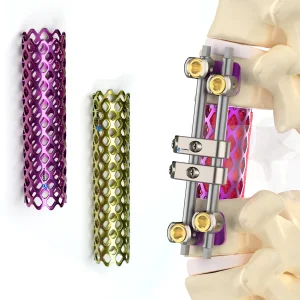
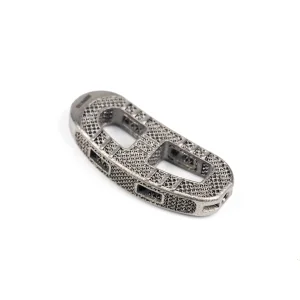
Western European clinical networks place a high priority on initial stabilization and long-term biological fixation. To meet this demand, we utilize medical-grade PEEK and 3D-printed porous titanium for cervical and lumbar cages. 3D printing creates a biomimetic trabecular structure that matches the elastic modulus of cancellous bone. This design promotes early cell migration and bony ingrowth, reducing the long-term risk of cage subsidence.
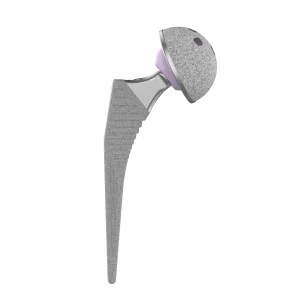
Sports injuries demand rapid healing and secure fixation. Our PEEK suture anchors offer excellent pull-out strength for rotator cuff and labral repairs. They provide stable tendon-to-bone fixation without degrading over time. For joint reconstruction, our HA (hydroxyapatite) coated primary titanium stems offer solid initial press-fit stability. This promotes direct bone attachment for long-term implant survival.
Driving next-generation innovations in implant design, surface modifications, and patient-specific manufacturing.
The future of orthopedics centers on personalized, bio-active, and smart implant systems. We are expanding our design capabilities by integrating AI-driven anatomical modeling with additive manufacturing. This approach allows us to produce patient-specific implants (PSIs) for complex oncology reconstructions and severe trauma cases.
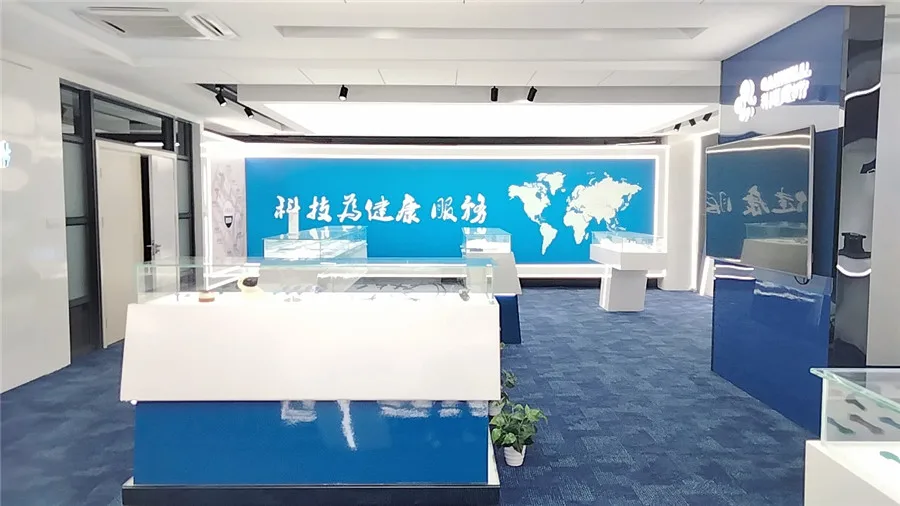
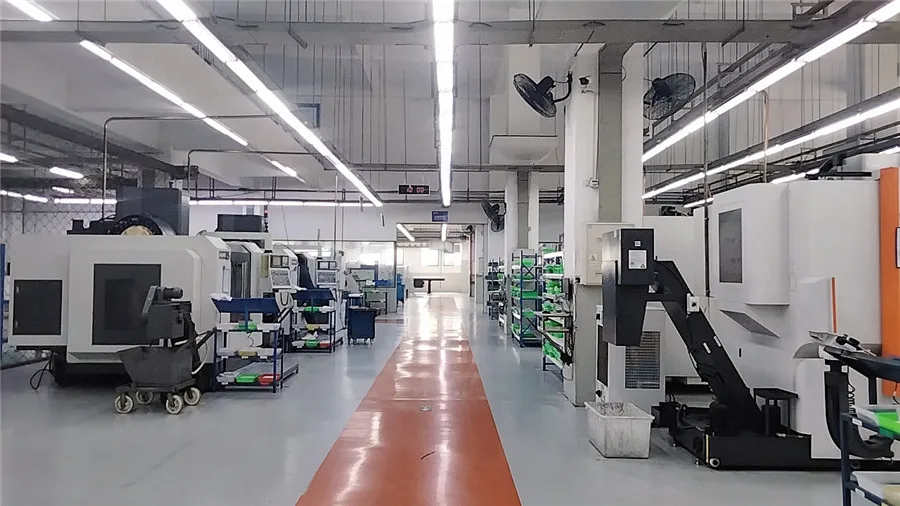
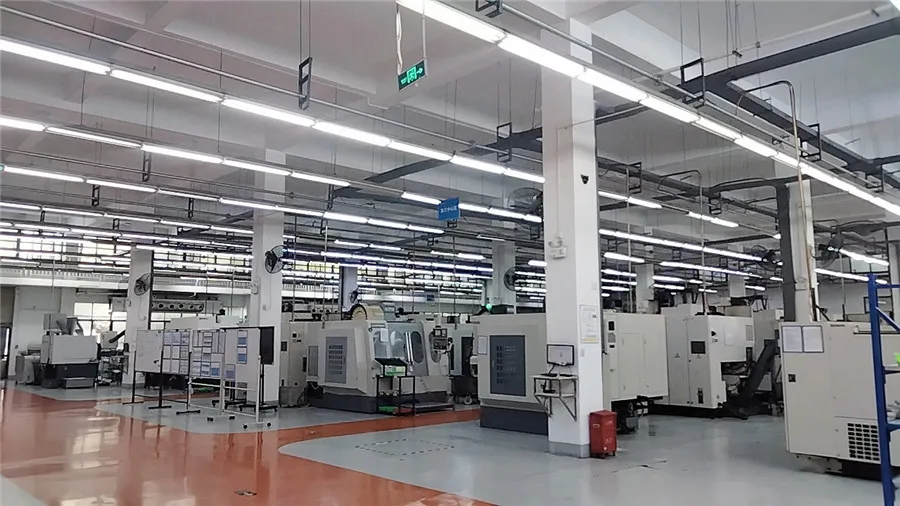
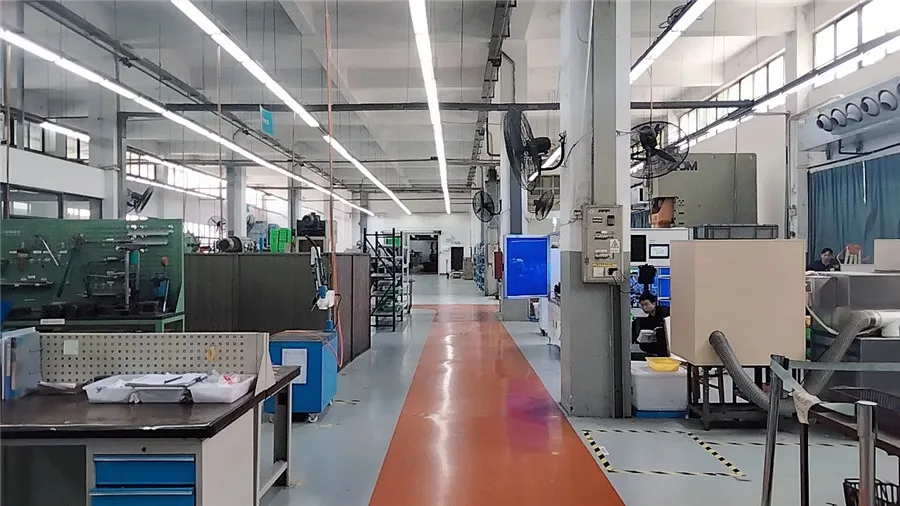
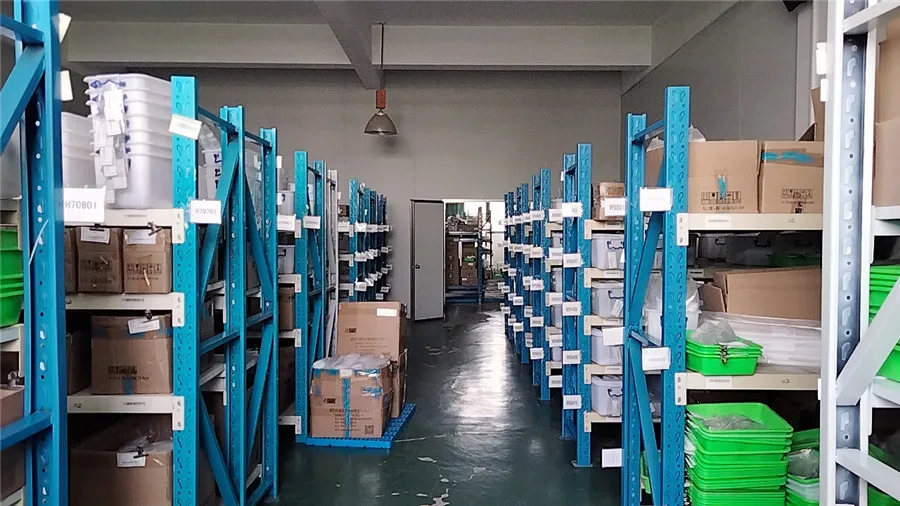
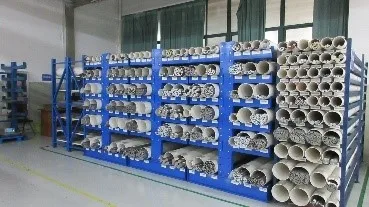
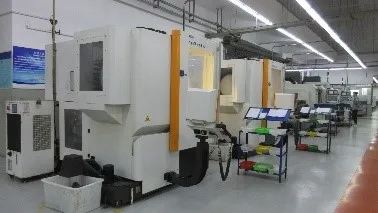
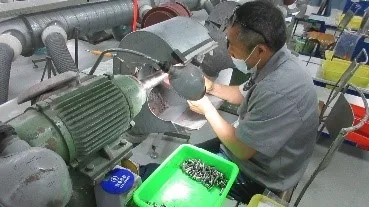
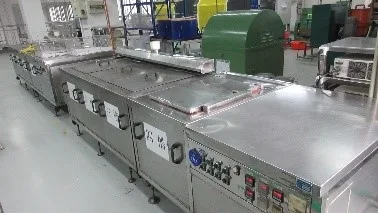
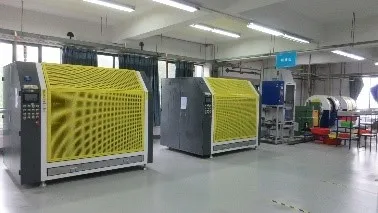
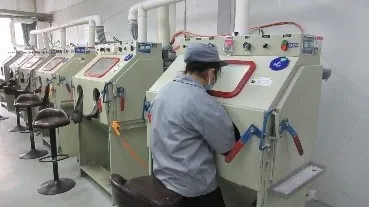
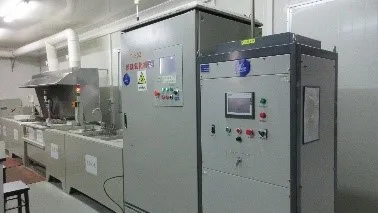
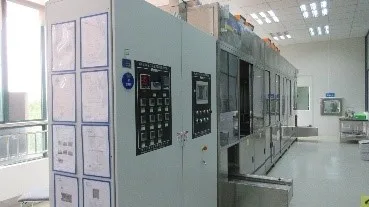
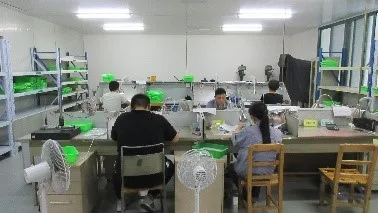
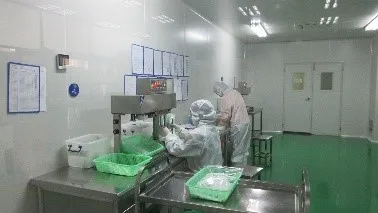
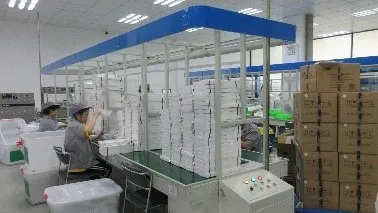
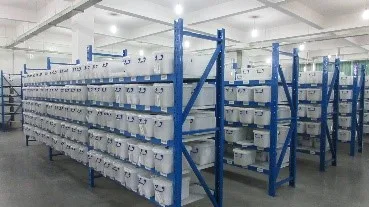
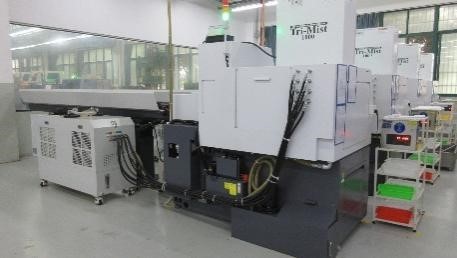
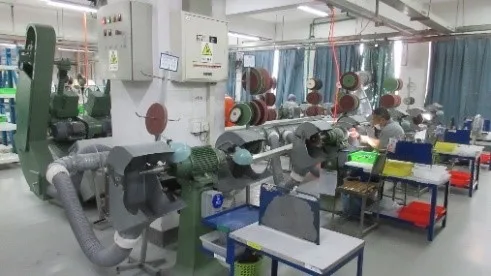
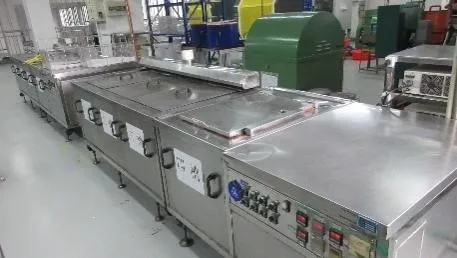
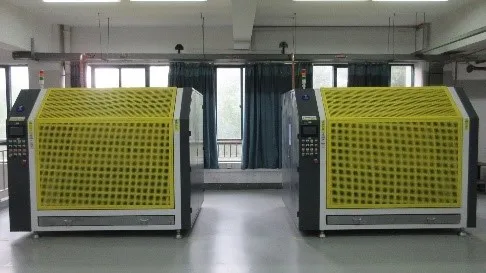
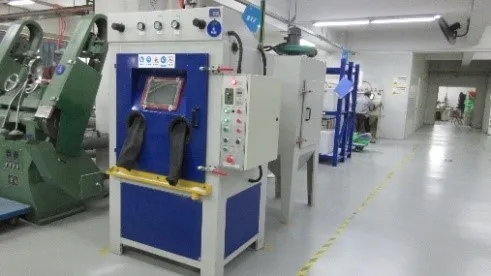
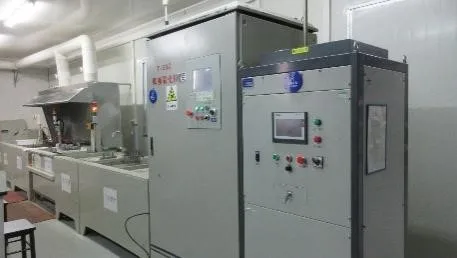
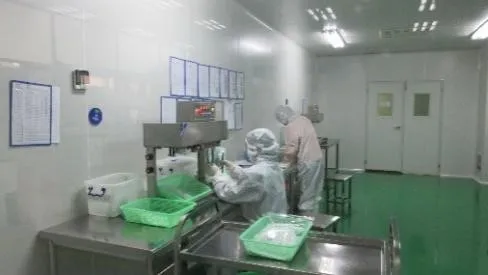
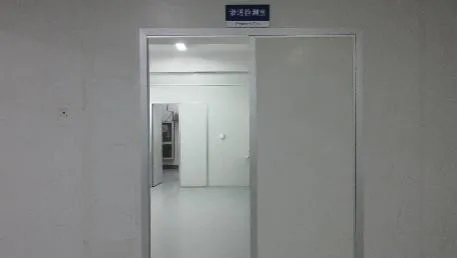
A visual tour of our 29,523㎡ production site, showcasing high-precision CNC machinery, cleanroom operations, and quality testing labs.

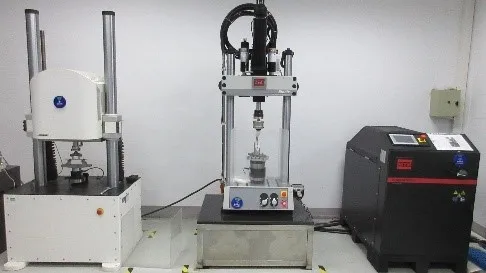
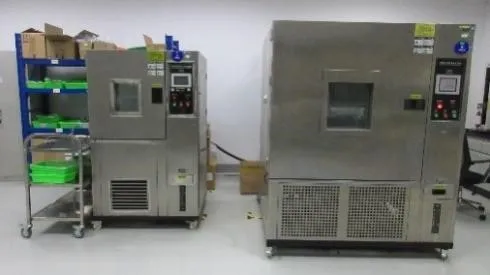
Technical answers to key quality, material, and regulatory compliance queries from international buyers.
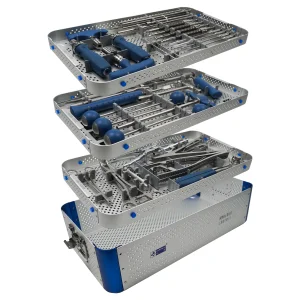
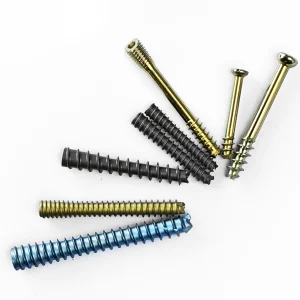
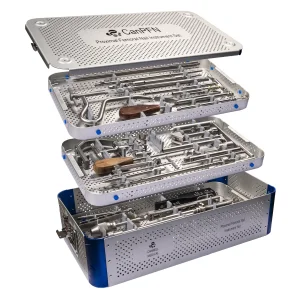
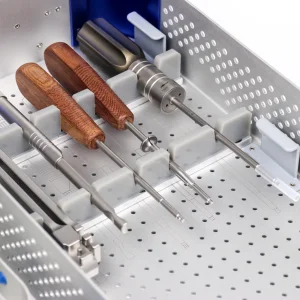
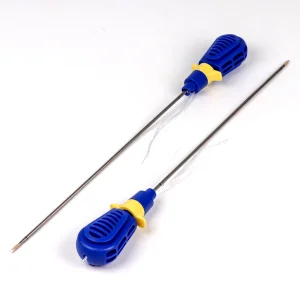
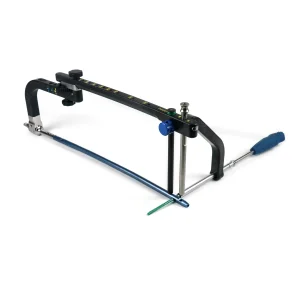
Discover our comprehensive collection of trauma plates, intramedullary rods, and instrument sets designed for surgical reliability.
 Harney-Well