Explore our premium clinical-grade orthopedic implant and instrument portfolios, manufactured in state-of-the-art facilities with absolute traceability and international CE/ISO certifications.
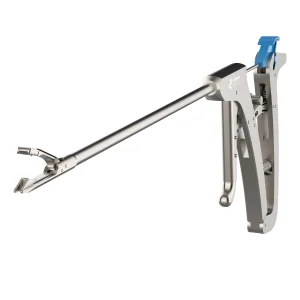
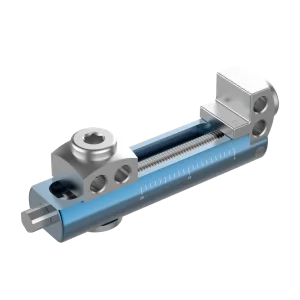
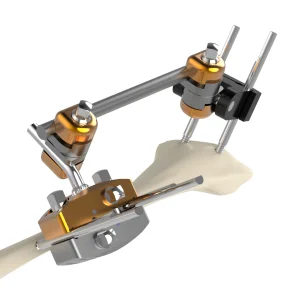
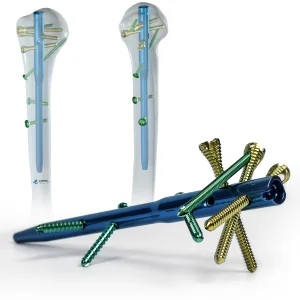
The convergence of biocompatible materials, precision CNC engineering, and strict regulatory standards driving modern orthopedic manufacturing.
The global spinal surgery implant market is undergoing a profound paradigm shift. As aging demographics scale worldwide, the clinical demand for high-performance spinal fixation devices, anterior cervical plates, and interbody fusion cages has accelerated. Modern surgeons require components that deliver not only mechanical longevity but also optimal osseointegration capabilities.
To establish competitive advantages, top-tier global medical brands are prioritizing "Information Gain" in their strategic sourcing. This involves looking beyond simple unit economics to verify raw material authenticity, structural load capacities, and regulatory compliance frameworks such as the European Medical Device Regulation (EU MDR) and US FDA guidelines. Partnering with a vertically integrated, certified factory ensures stability in an increasingly unpredictable geopolitical environment.
The industry is transitioning rapidly toward Minimally Invasive Spine Surgery (MISS). Implants are becoming smaller, more ergonomically curved, and tailored for micro-endoscopic placement. Concurrently, 3D-printed porous titanium and advanced PEEK (Polyetheretherketone) polymers are dominating interbody fusion setups due to their modulus of elasticity resembling human bone.
Enterprise medical buyers and clinical organizations are implementing comprehensive risk-mitigation matrices. Sourcing audits now mandate full raw material heat-number traceability, chemical analysis reports, fatigue testing validation under ASTM standards (such as ASTM F1717 for spinal constructs), and automated optical inspection systems to guarantee dimensional conformity.
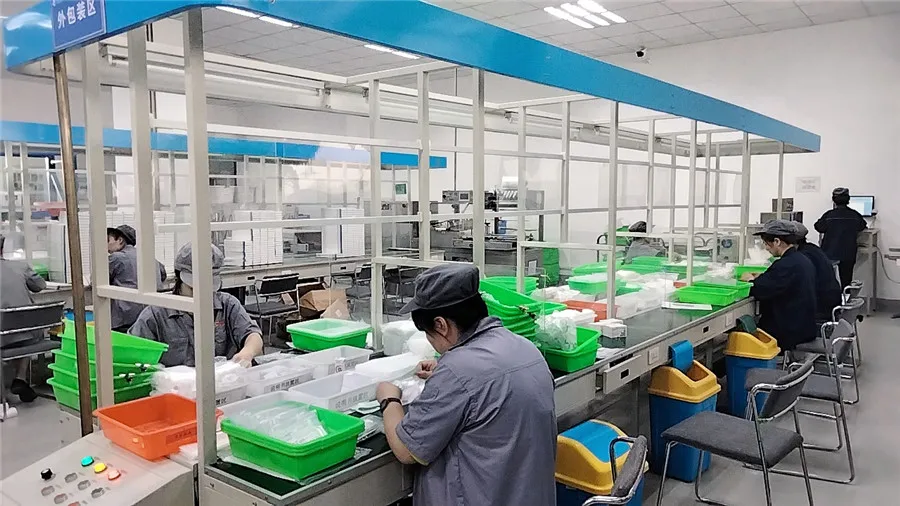
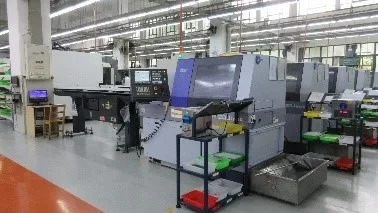
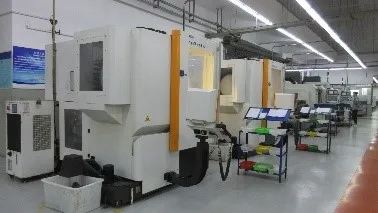
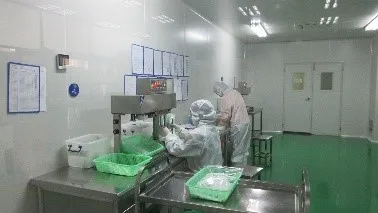
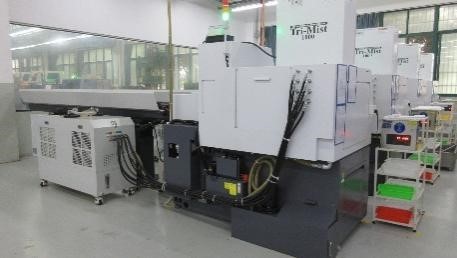
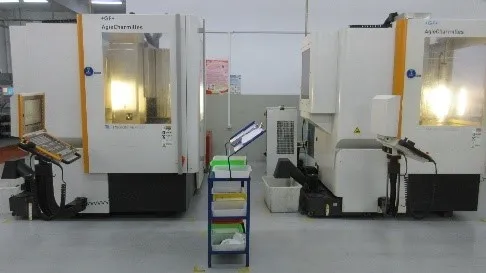
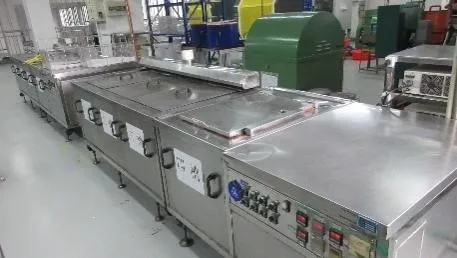
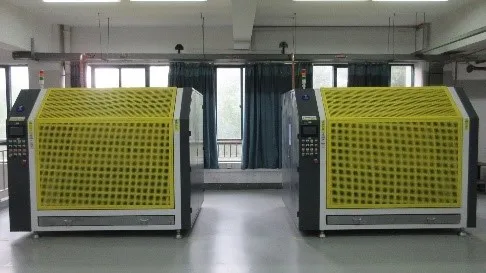
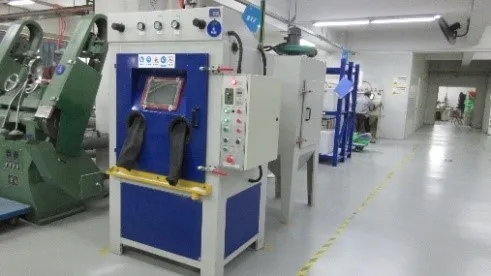
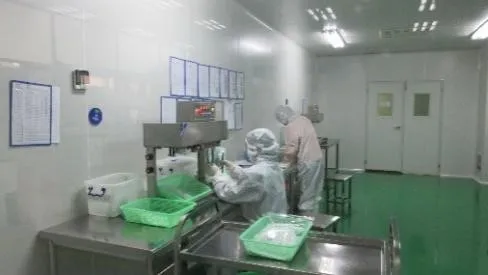
Leveraging specialized clusters in China yields unmatched supply chain resilience. High-precision manufacturing is secured via German and Swiss CNC machining centers, automated passivation and anodizing lines, and Class 10,000 cleanrooms for packaging. This digital integration shortens production lead times while lowering scrap rates below industry norms.
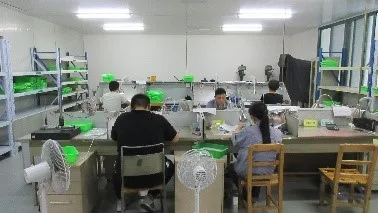
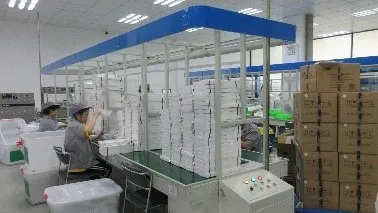
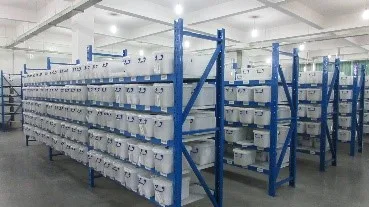
Transparent factory data proving established manufacturing scale, rigorous quality controls, and verified international medical certifications.
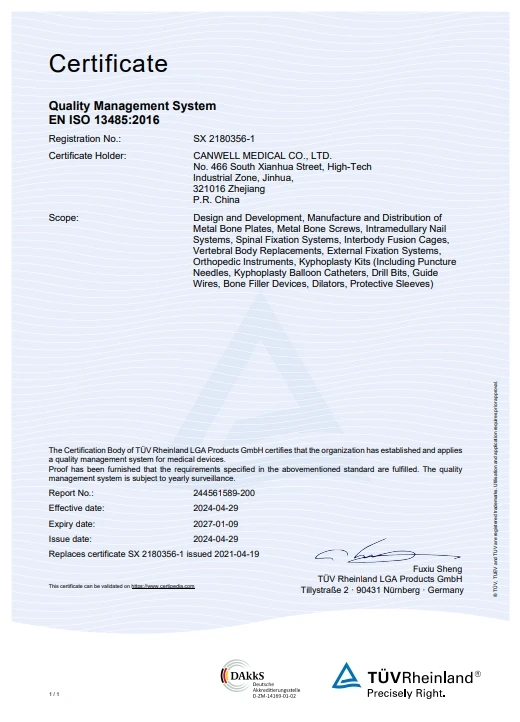
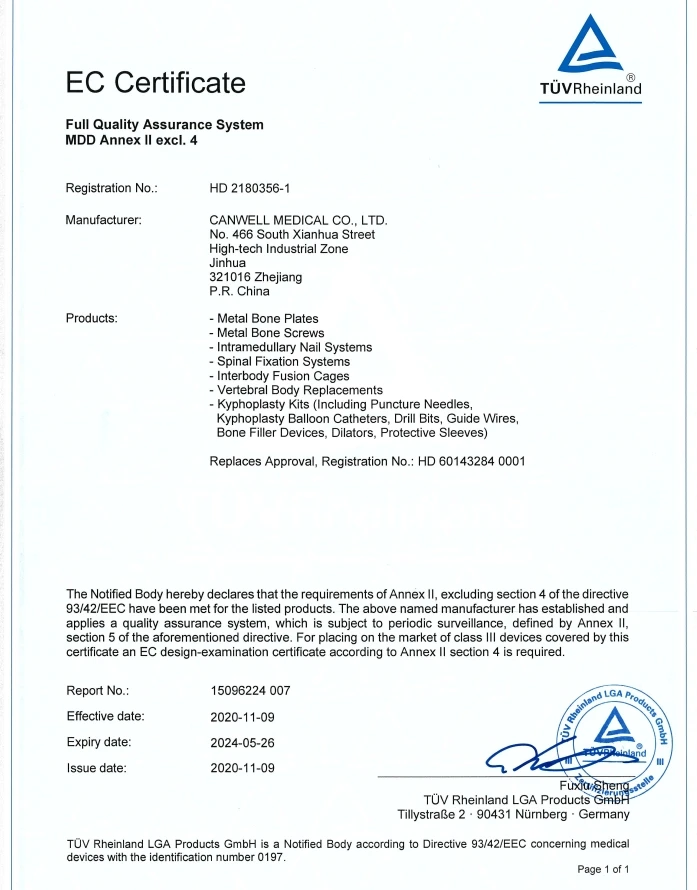
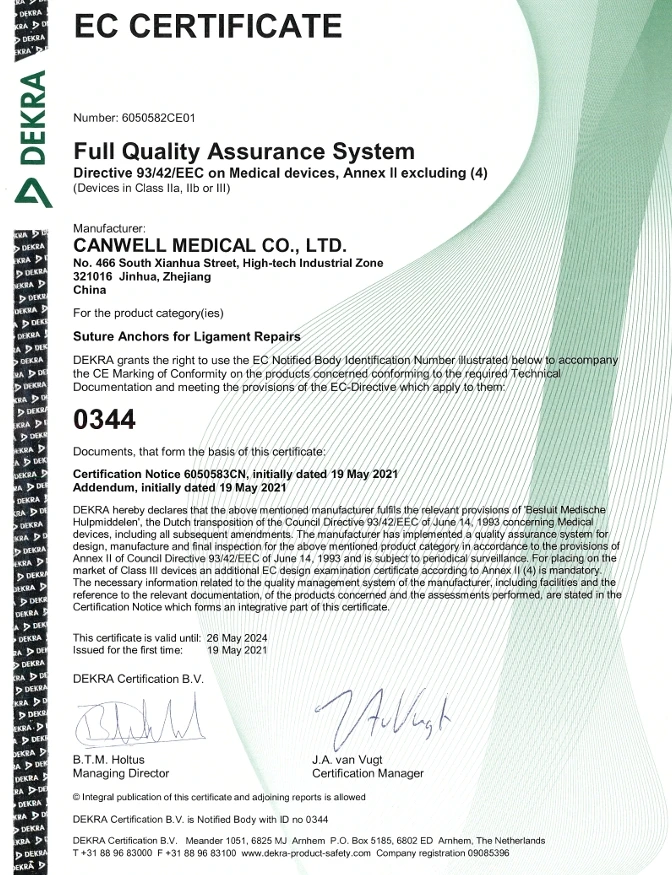
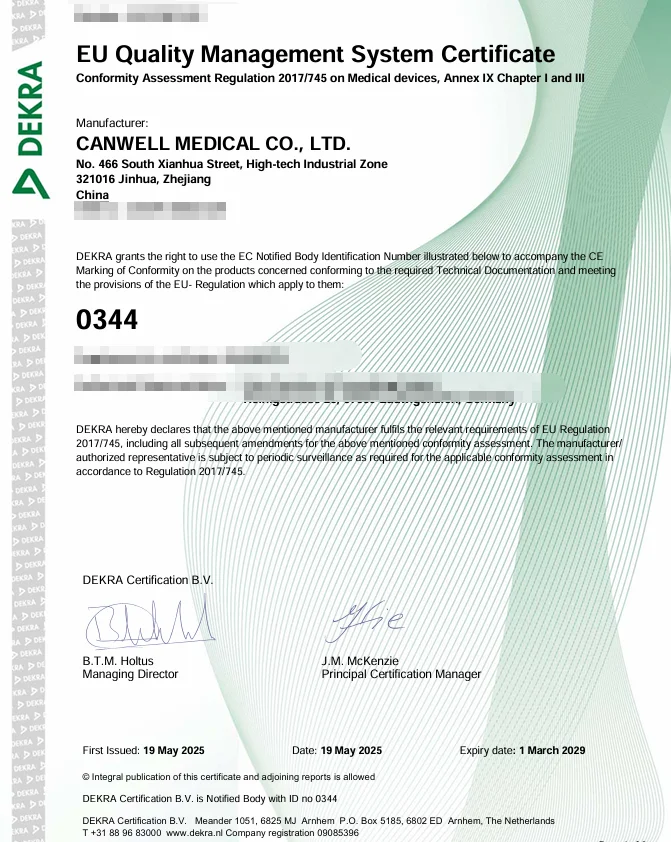
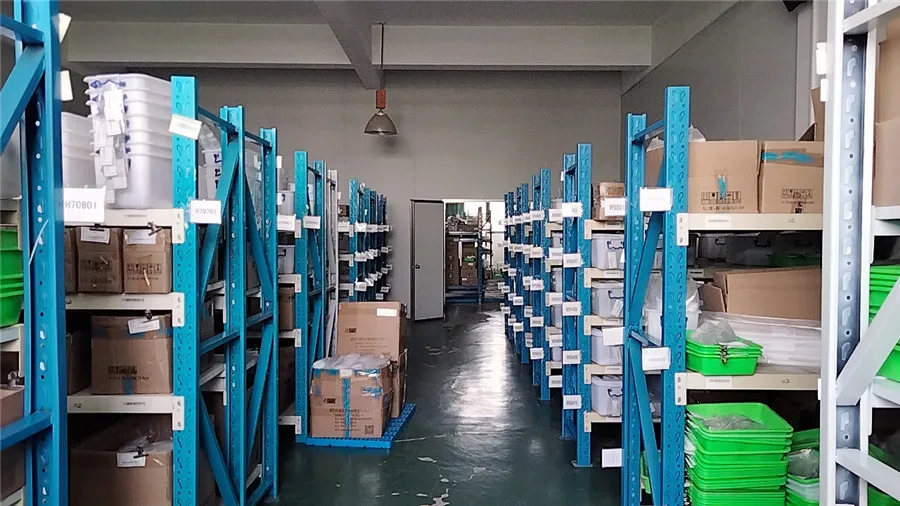
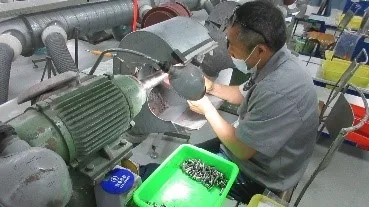
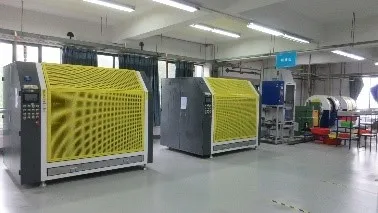
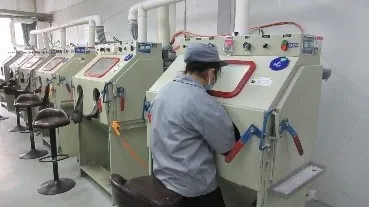
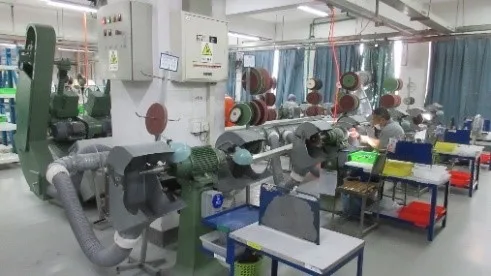
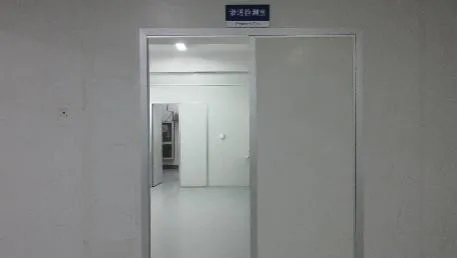
A visual catalog illustrating our machining floor, robotic tool paths, cleanrooms, and computerized coordinate measuring machine (CMM) testing setups.
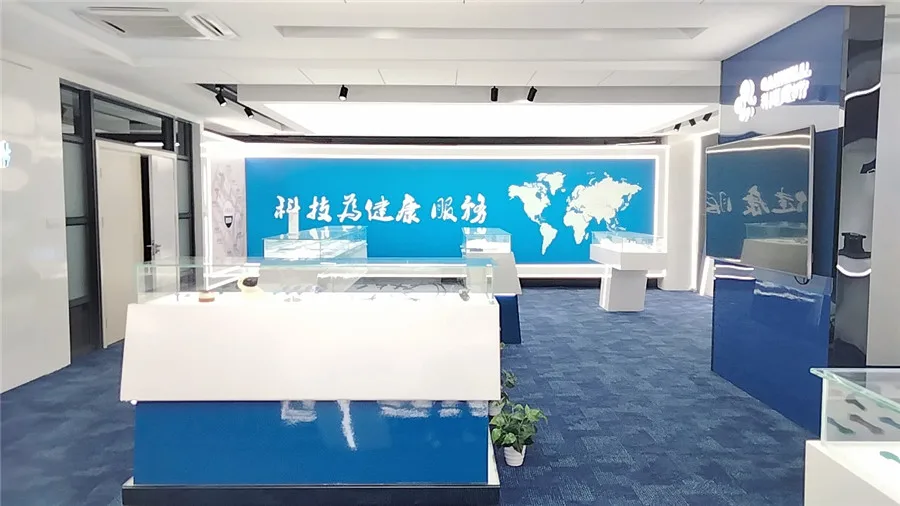
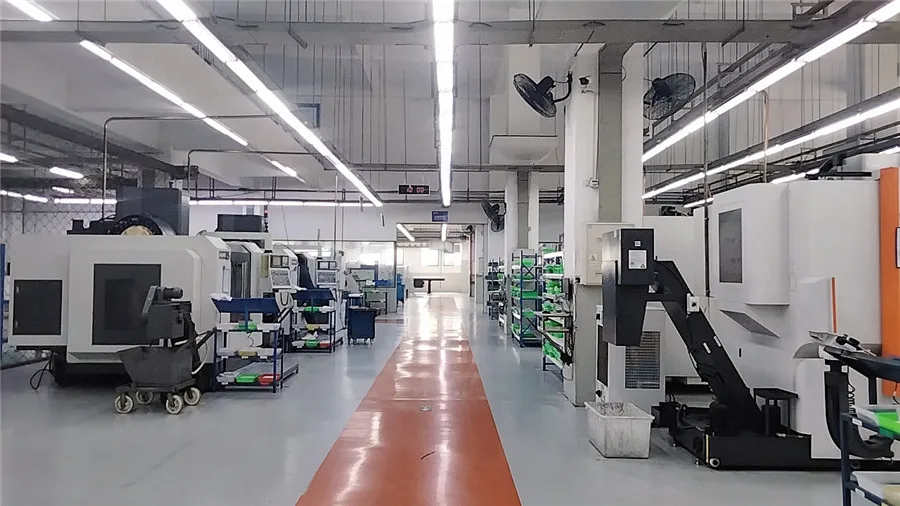
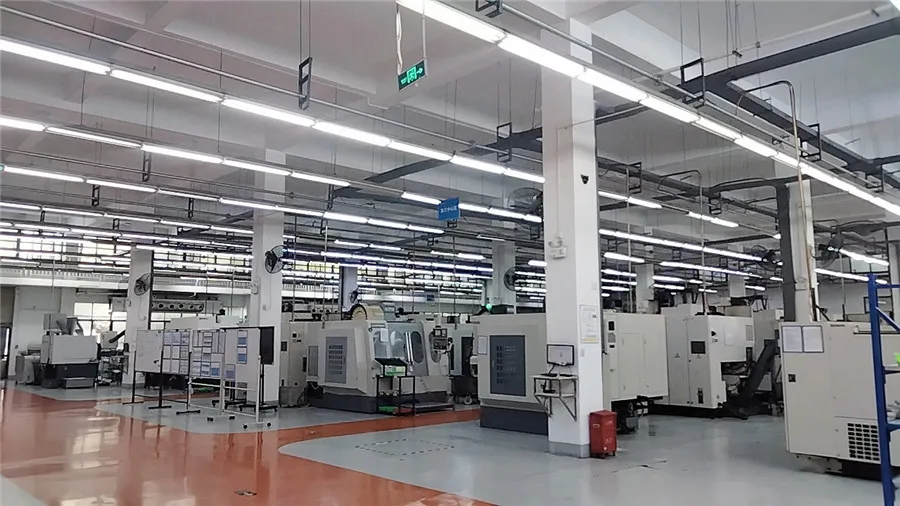
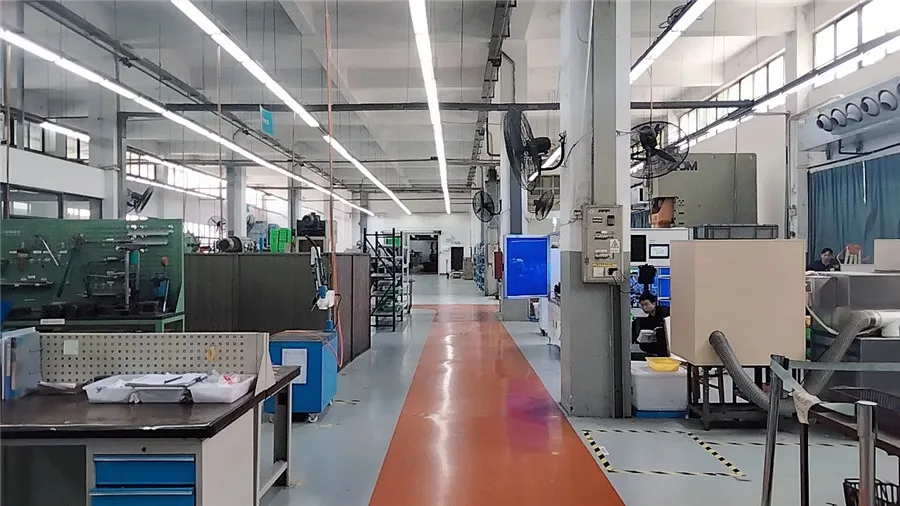





How our surgical implants resolve complex engineering challenges across various healthcare facilities and distribution channels.
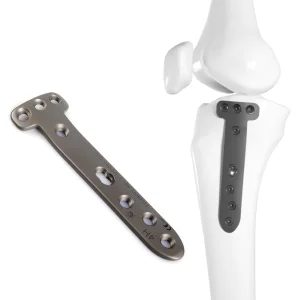
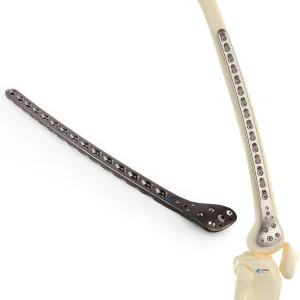
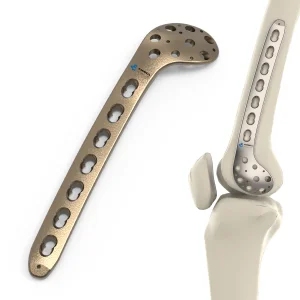
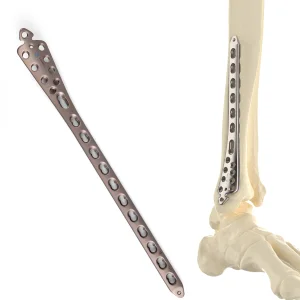
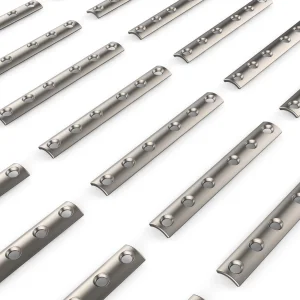
For urgent surgical operations like pelvic reconstruction or distal/proximal tibial plating, surgeons depend on pre-curved anatomical configurations. Our locking plate systems streamline placement times, minimize soft tissue disturbance, and offer high construct rigidity to permit early weight-bearing mobilization.
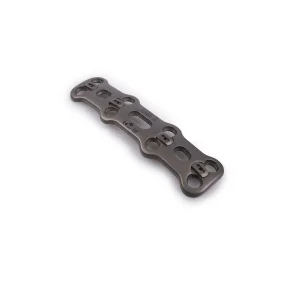
Degenerative disc diseases demand cervical plates and interbody fusion hardware with tight mechanical tolerances. The AO-standard anterior cervical bone plate systems featured here leverage dual-locking screw safety mechanics to completely eliminate screw backing out, boosting overall clinical success rates.
Supply chain security is vital for tender-based medical purchasing models. By providing high volume capacity, full compliance certificates, clear sterile and non-sterile packaging setups, and strong OEM brand support, we help local distribution channels operate seamlessly and win regional tenders.
In-depth, expert-level answers to critical structural engineering, supply chain, and international regulatory questions.
Grade 5 Titanium Extra Low Interstitial (ELI) is the gold standard material for orthopedic implants due to its outstanding biocompatibility, high fatigue strength, and high strength-to-weight ratio. The "ELI" designation indicates exceptionally low levels of carbon, oxygen, nitrogen, and iron, which enhances the material's fracture toughness and resistance to stress corrosion cracking. Furthermore, titanium is non-magnetic, permitting MRI imaging post-implantation, and displays a modulus of elasticity closer to cortical bone than stainless steel, reducing the risk of stress-shielding osteoporosis.
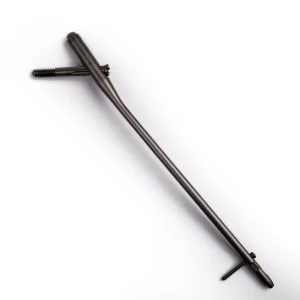
The transition from the Medical Device Directive (93/42/EEC MDD) to the Medical Device Regulation (EU MDR 2017/745) introduces much stricter requirements for clinical evidence, post-market surveillance (PMS), and traceability. For Class IIb and Class III implants (which include most spinal constructs, intramedullary nails, and joint prostheses), manufacturers must implement a Unique Device Identification (UDI) system, verify biocompatibility under ISO 10993, and maintain a Periodic Safety Update Report (PSUR). Top Chinese factories with verified MDR compliance certificates (like code 6142788CE02) ensure that distributors can import and distribute goods within the EEA without regulatory delays.
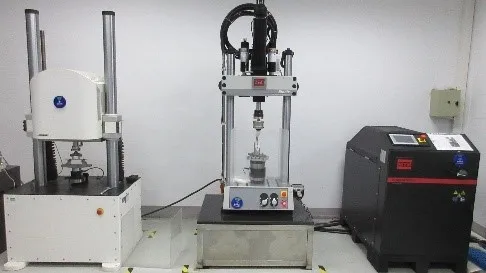
Spinal plates and screw assemblies must undergo rigorous static and dynamic testing in accordance with ASTM F1717 (for spinal implant constructs in a corpectomy model) and ASTM F1798 (for evaluating the connection components of spinal arthrodesis implants). These tests simulate worst-case clinical conditions by applying millions of fatigue cycles in a fluid bath to determine the fatigue limit, load-bearing capacities, resistance to axial slip, and torsional resistance of locking mechanisms. Only factories with certified in-house testing facilities and traceable ISO 13485 quality systems can consistently guarantee validation compliance.
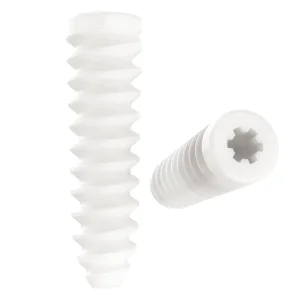
PEEK is a high-performance thermoplastic polymer that has become highly popular in arthroscopic ligament reconstructions (such as ACL/PCL reconstructions utilizing interference screws). PEEK’s mechanical properties closely resemble native human bone, which prevents localized bone resorption caused by stress shielding. Additionally, PEEK is radiolucent, allowing surgeons to monitor postoperative healing and bone integration via standard X-rays without metal artifacts. PEEK interference screws also eliminate the risks of screw breakage during insertion and complications during future revisions compared to bioabsorbable or titanium screws.
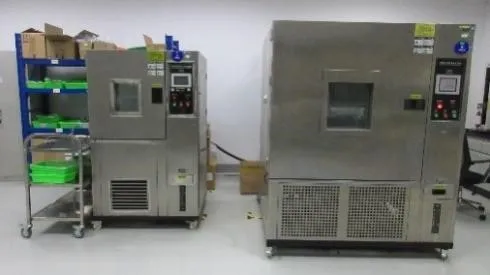
Spinel, joint, and trauma implants that are distributed sterile must be processed, cleaned, and packaged within a certified Cleanroom conforming to ISO 14644-1 (typically Class 7 or Class 8, equivalent to Class 10,000 / 100,000). Controlled air filtration (HEPA), temperature, humidity, and strict staff hygiene protocols minimize particulate contamination and bioburden levels prior to sterilization (gamma radiation or ethylene oxide). This minimizes the risk of hospital-acquired infections (HAIs) and ensures absolute clinical safety for patients.
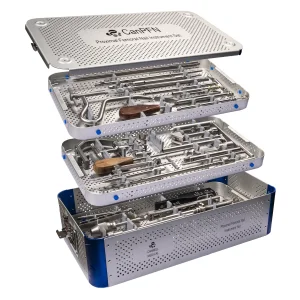
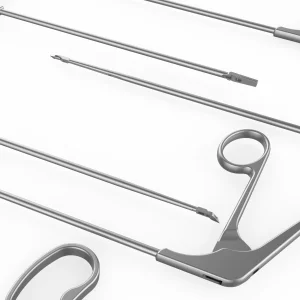
A second collection of precision orthopaedic constructs, trauma systems, and specialized instruments manufactured to meet strict international medical standards.
 Harney-Well