High-performance biomechanical systems built for critical clinical applications, adhering strictly to global orthopedics standards.
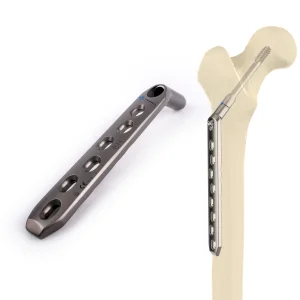
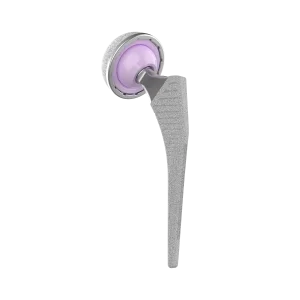
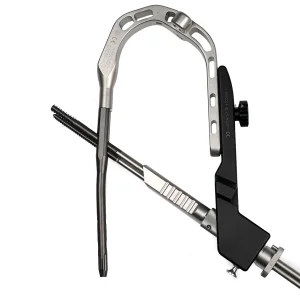
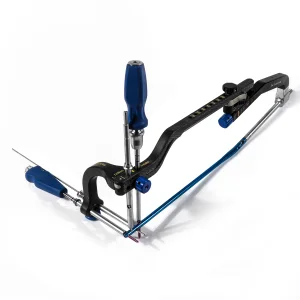
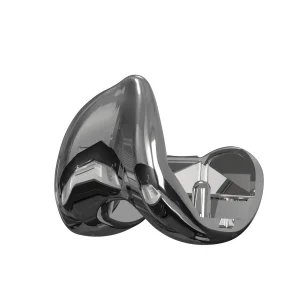
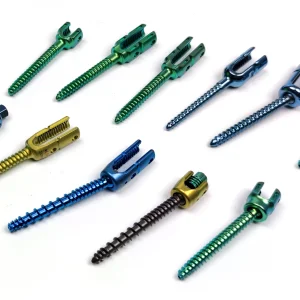
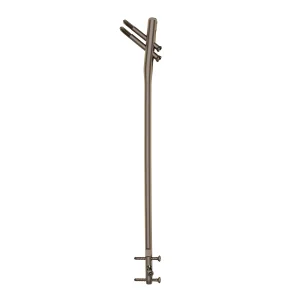
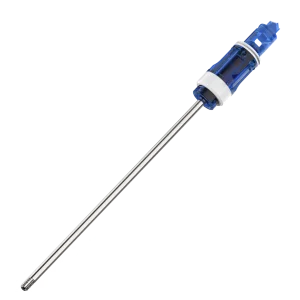
The global healthcare landscape is witnessing a convergence of rapid diagnostics and precision intervention. Molecular Diagnostic (MDx) tools and micro-precision medical instruments represent the absolute pinnacle of high-precision component manufacturing. The requirements for producing components like DNA/RNA extraction cartridges, microfluidic cartridges, biosensor casings, and orthopedic surgical instrumentation share identical manufacturing tolerances, material cleanliness profiles, and structural integrity.
Whether handling titanium grade 5 (Ti-6Al-4V ELI), ultra-high-molecular-weight polyethylene (UHMWPE), or medical-grade PEEK, raw material traceability is paramount. As factories globally transition to support multi-faceted medical platforms, understanding the macro trends, compliance requirements, and capabilities of top-tier facilities is critical for modern medical device procurement directors.
Key forces shaping the next generation of diagnostics hardware and surgical implementation.
Driven by rapid patient analysis requirements, hardware manufacturers are scaling down structural footprints. The tolerance margin for mechanical switches, liquid chambers, and biosensor plates has shrunk to less than 5 micrometers.
The implementation of EU MDR 2017/745 and updated IVDR regulations enforces deep traceability down to raw material billets. Class III implants and molecular diagnostic cartridges require continuous validation histories.
Integrating biological components with metallic matrices. Advancements in titanium plasma spray coating and cobalt-chromium-molybdenum (CoCrMo) processing have redefined the mechanical life cycles of orthopedic and implantable sensors.
Audit-ready operational capacity, infrastructure metrics, and certification details.
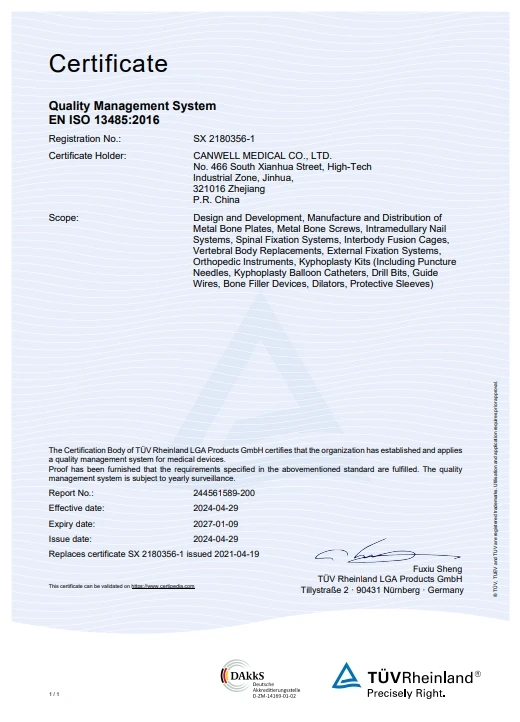
 ISO13485
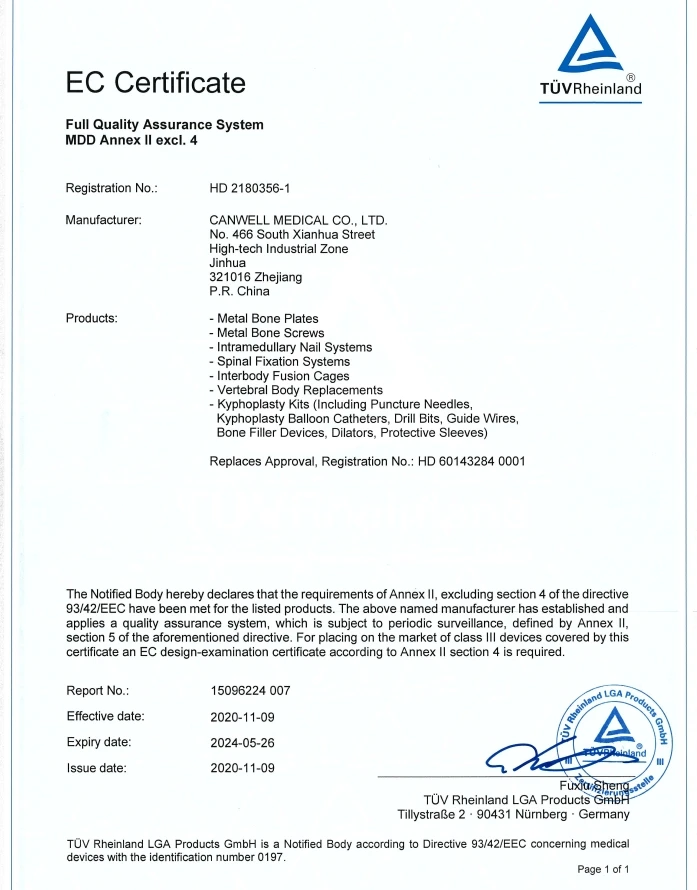
 93/42/EEC
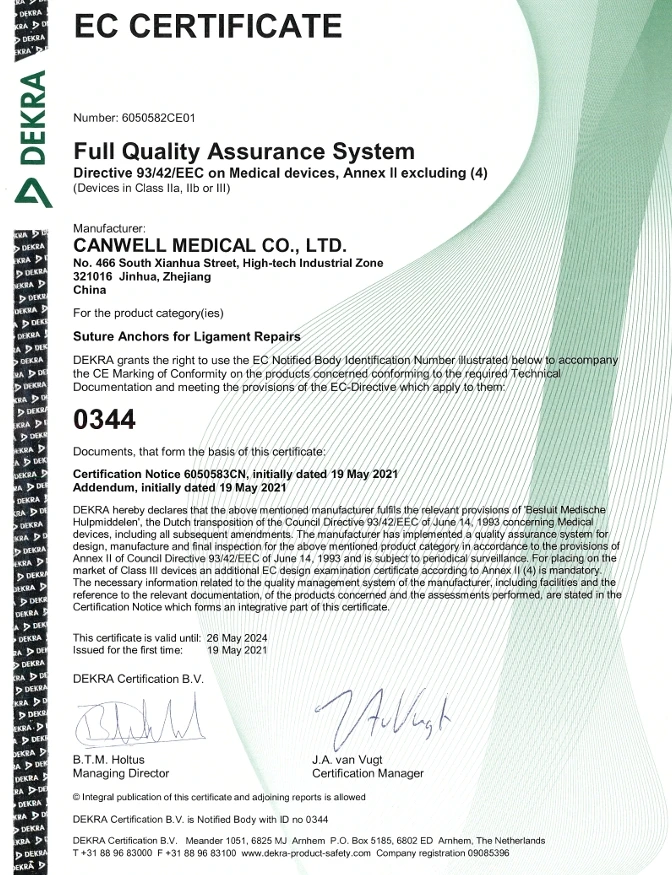 CE 93/42/EEC

 EU MDR (EU) 2017/745
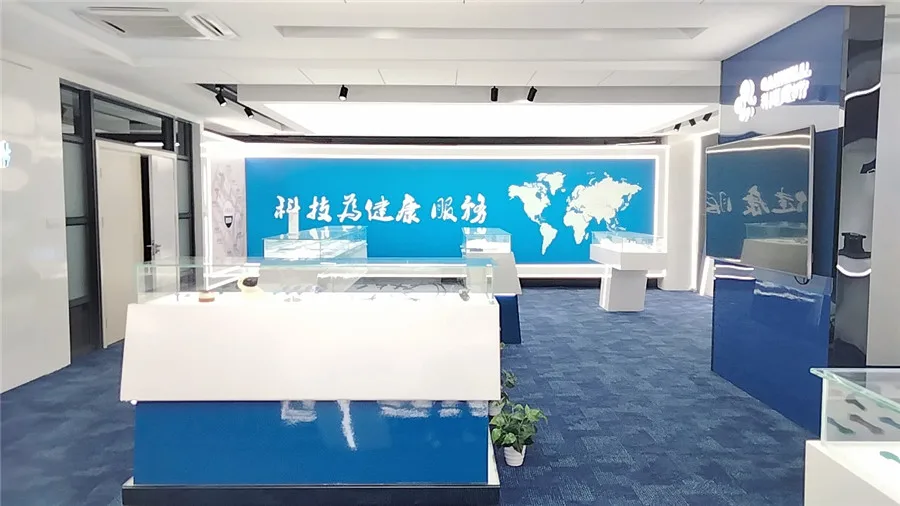
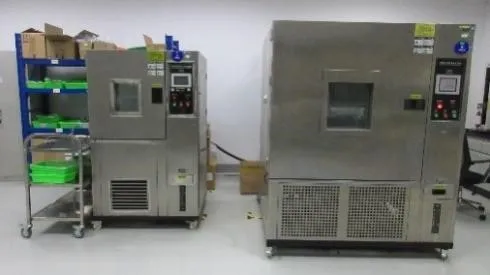
Explore our state-of-the-art milling, grinding, surface finishing, and quality control departments.
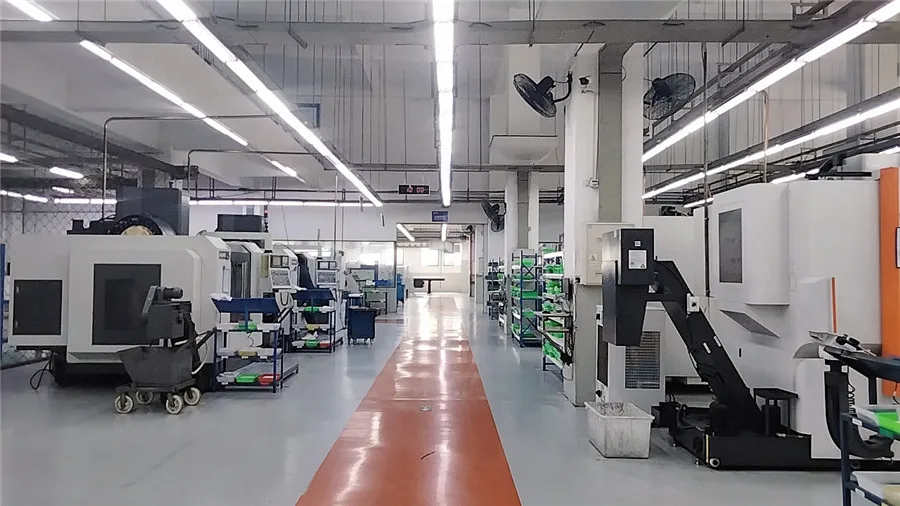
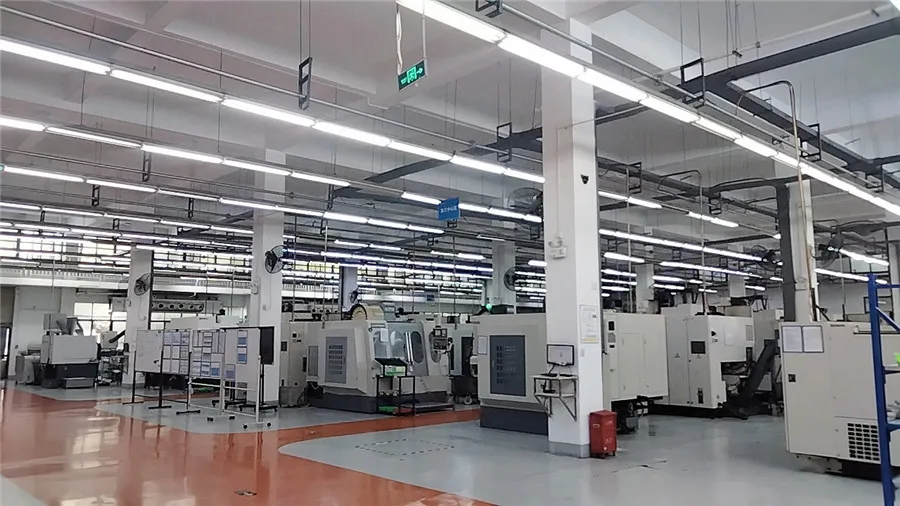
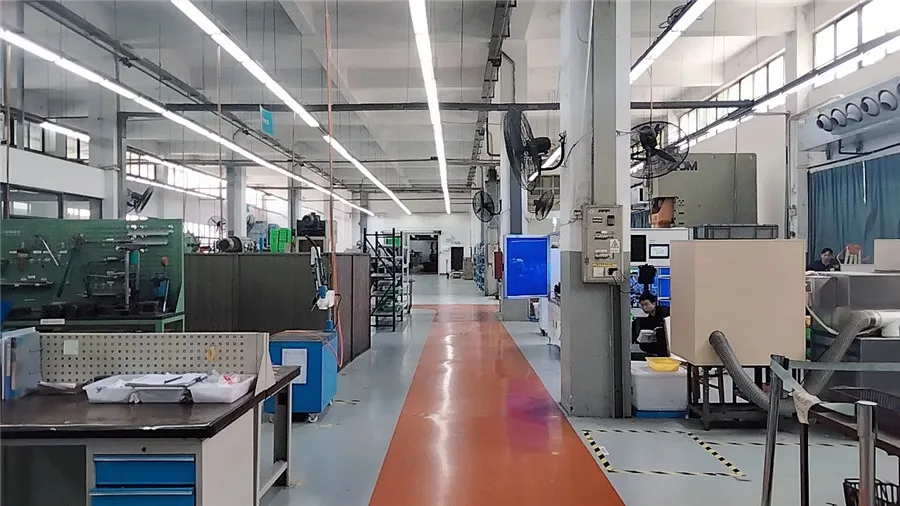
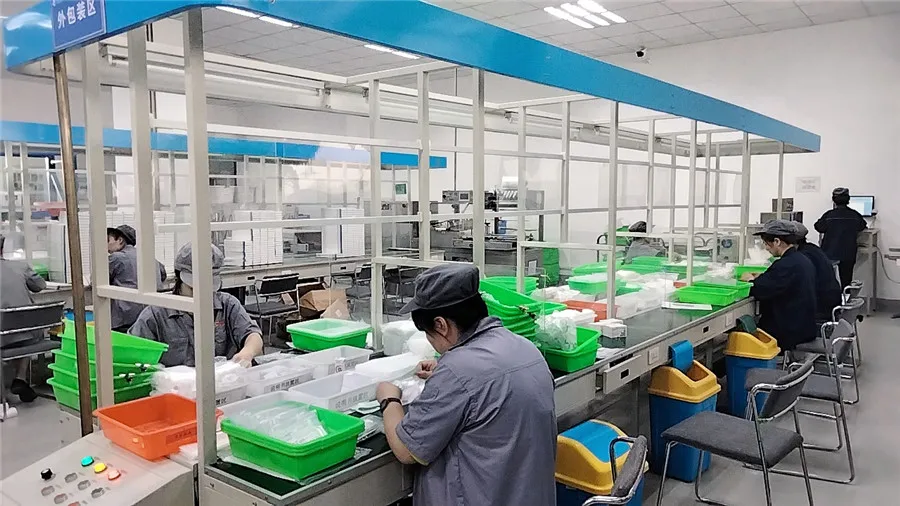
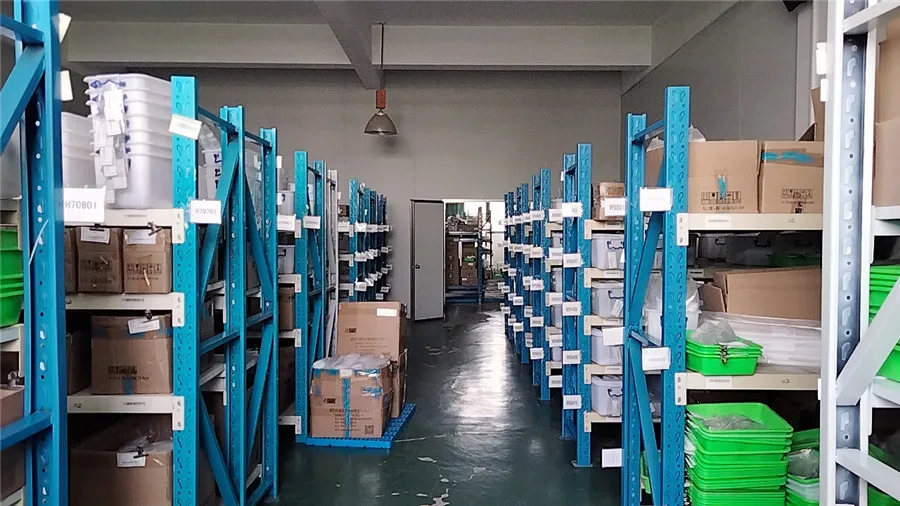
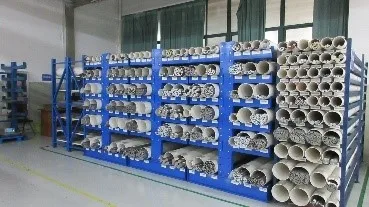

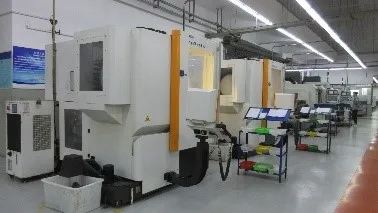











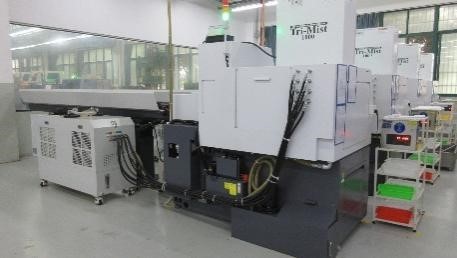
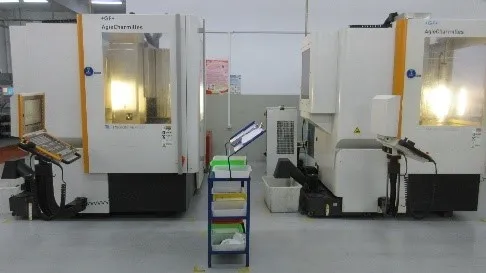
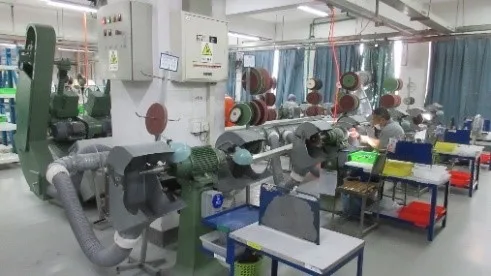


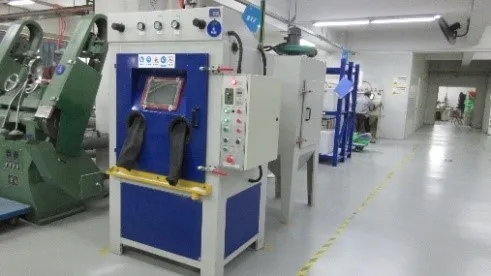



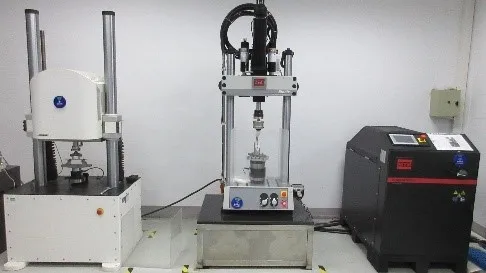
For hospitals, distribution networks, and brand owners, sourcing Class III medical implants and precision tools requires vetting several core supply chain capabilities. Security of supply, protection of intellectual property, and consistency in metallurgical purity are non-negotiable points of concern for procurement boards.
Investigating the developments in additive manufacturing, digital surgical tools, and point-of-care integrations.
Moving from traditional subtractive CNC milling to Electron Beam Melting (EBM) and Direct Metal Laser Sintering (DMLS). These techniques allow for porous, trabecular titanium structures that mimic natural cancellous bone, facilitating faster healing.
Integrating micro-thin biosensor arrays directly onto internal fracture plates. Future trauma systems will monitor real-time strain, localized pH changes, and temperature spikes to warn surgeons of early implant failure or post-op bacterial infections.
Adopting near-net-shape manufacturing methodologies and green powder recovery in titanium handling to significantly reduce the overall environmental footprint of medical device production plants.
Technical and procurement answers regarding Class III medical device standards, OEM customizations, and compliance frameworks.
Our facility holds ISO 13485:2016 quality management system certification, CE mark clearances under MDD 93/42/EEC, and the newer EU Medical Device Regulation (MDR) certification. These standards confirm our continuous traceability controls and manufacturing capabilities.
We work exclusively with biomedical-grade raw materials. For plates, nails, and screws, we utilize Titanium Grade 5 ELI (Ti-6Al-4V ELI) conforming to ASTM F136 specifications. For orthopedic knee components, we utilize high-wear-resistant Cobalt-Chromium-Molybdenum (CoCrMo) alloys.
Yes. Supported by 59 graduate-degree R&D engineers, we specialize in complete design-to-part production. We offer light customization, graphic adjustments, sample processing, and tailored demand-driven OEM/ODM production configurations.
We operate under a strict quality framework staffed by 69 QA/QC inspectors. Inspection includes 100% measurement checking of critical dimensions, coordinate measuring machine (CMM) testing, surface roughness analysis, cleanroom particle tracking, and full raw material batch records.
Lead times depend on design complexity and regulatory needs. Standard trauma implants can be manufactured and shipped within 30 to 45 days. Fully customized orthopedic instruments requiring new tooling development typically require 60 to 90 days, including complete validation runs.
Yes. Our precision products, such as our arthroscopy shaver blades and dynamic hip screw systems, are engineered to match standard systems. We build parts to match or exceed OEM specifications for smooth clinical deployment.
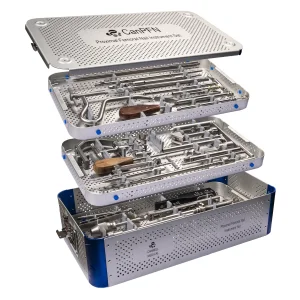
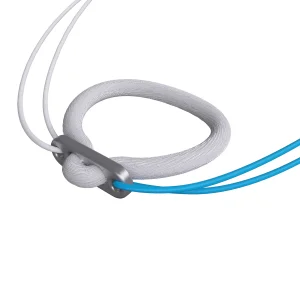
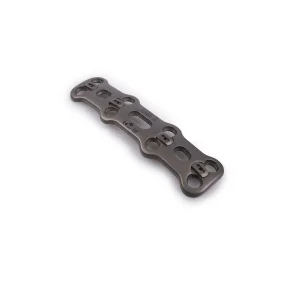
High-precision orthopedic, trauma, and sports medicine implant systems for global clinical partners.
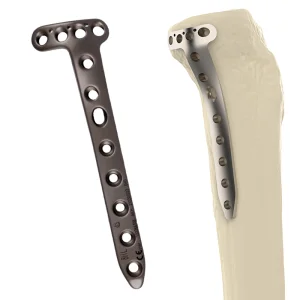
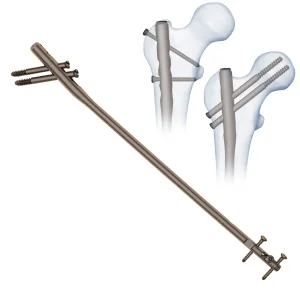
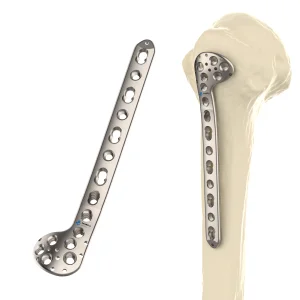
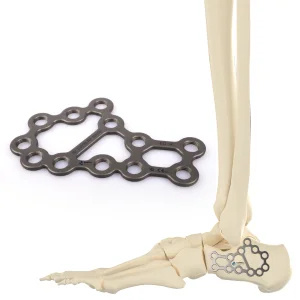
 Harney-Well