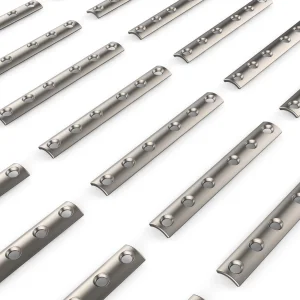
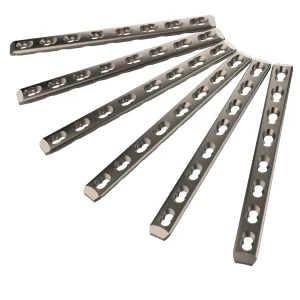
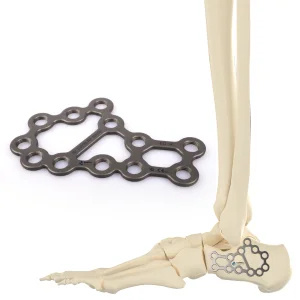
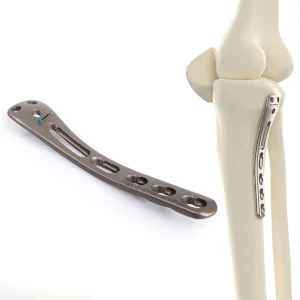
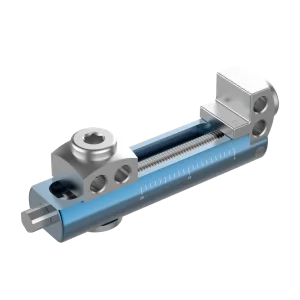
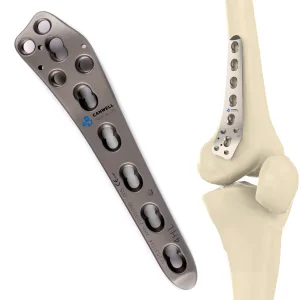
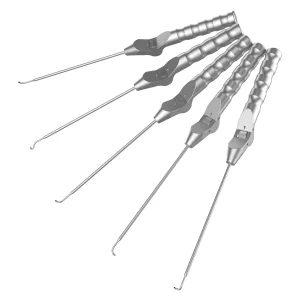
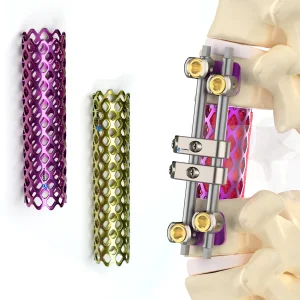
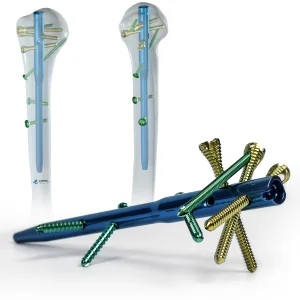
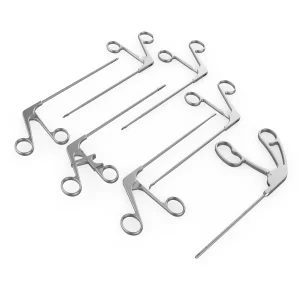
Explore our precision-machined spinal and orthopedic trauma implants certified under rigorous ISO and CE MDR standards.
Modern spinal stabilization devices represent a pinnacle of surgical biomechanics, engineered to provide temporary or permanent internal fixation of the thoracolumbar, lumbar, and cervical spinal segments. As clinical methodologies evolve towards minimally invasive approaches (MIS), the demand for high-strength, biocompatible, and structurally compliant implants has accelerated. Spinal stabilization devices are deployed to treat structural instabilities arising from degenerative disc disease (DDD), spondylolisthesis, vertebral body fractures, scoliosis, and neoplastic bone destruction.
Achieving solid arthrodesis requires load-sharing profiles that minimize stress shielding. Modern pedicle screw constructs leverage biocompatible alloys to reduce mechanical matching disparities with host cancellous bone structures.
Implants utilize advanced surface treatments, such as rough acid etching, anodic oxidation, or plasma-sprayed titanium coatings, to increase micro-roughness, promoting rapid osteoblast differentiation and direct bone attachment.
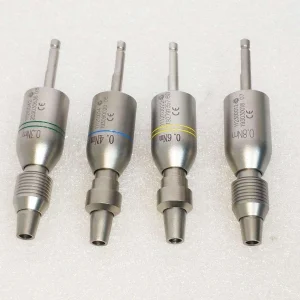
Precision-machined locking mechanisms ensure consistent torque transmission. We match our implants with specialized instrument sets containing calibrated torque limiters to prevent thread failure during critical fixation procedures.
To operate successfully within the orthopedic implant space, a manufacturing partner must demonstrate structural, engineering, and regulatory maturity. Our manufacturing foundation is verified by independent, third-party certification authorities, offering clear documentation of traceabilty and product safety metrics.
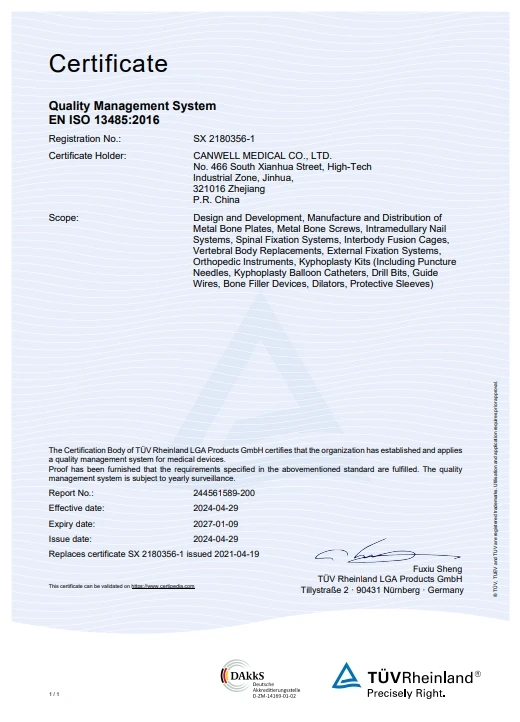
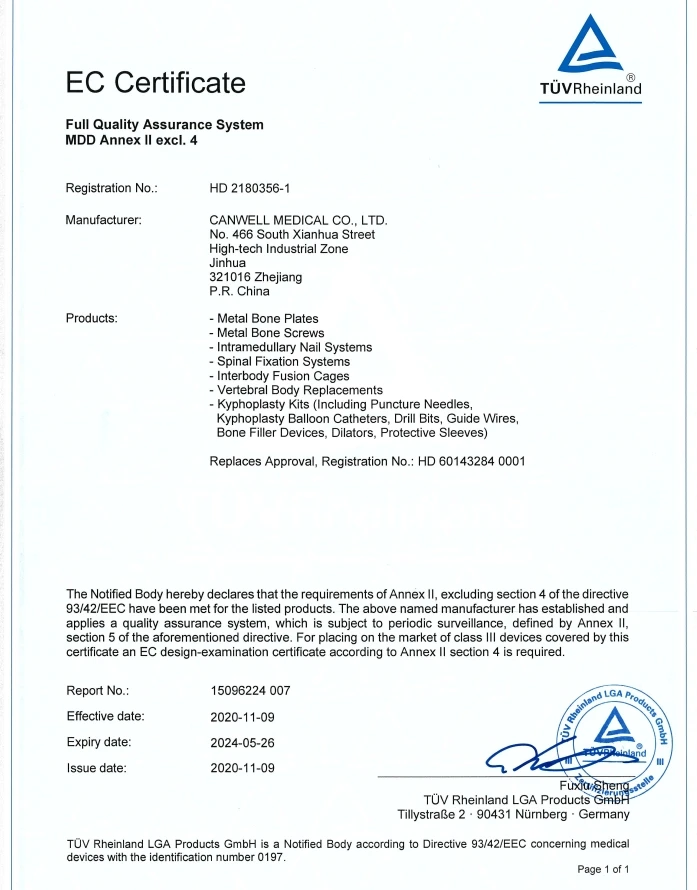
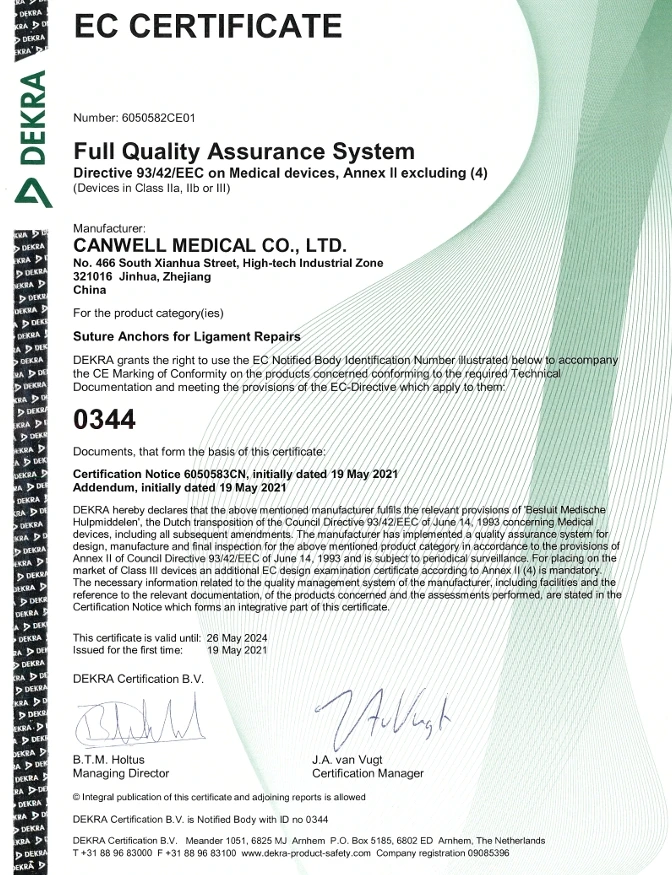
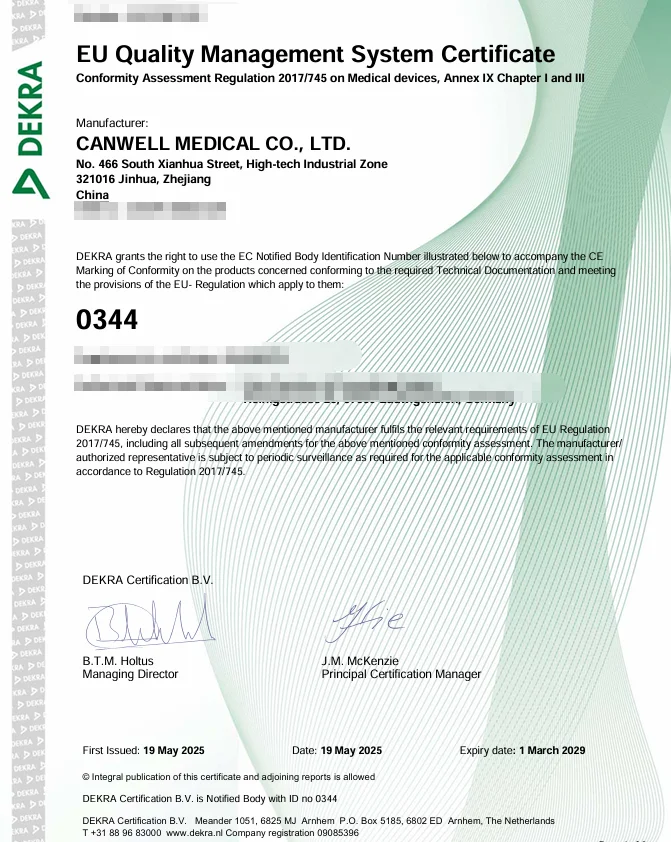
Operating under rigorous design parameters, our manufacturing system delivers clinical-grade components across global orthopedic healthcare markets.
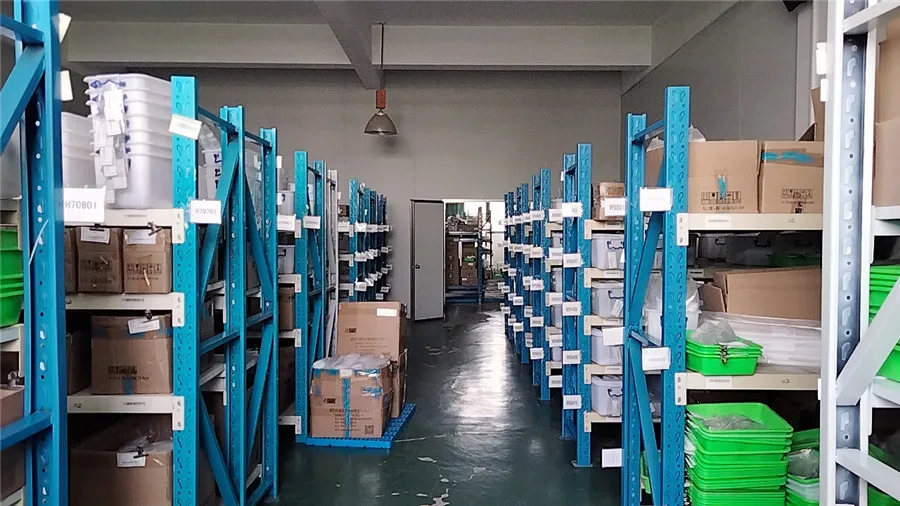
The structural performance of a spinal stabilization device relies on raw material integrity and precision fabrication. Based in China's industrial manufacturing heartland, we leverage a consolidated logistics, tooling, and materials supply chain to secure high-grade medical titanium (Ti-6Al-4V ELI) and PEEK polymers. This integration ensures robust production continuity, even during shifting global macroeconomic conditions.
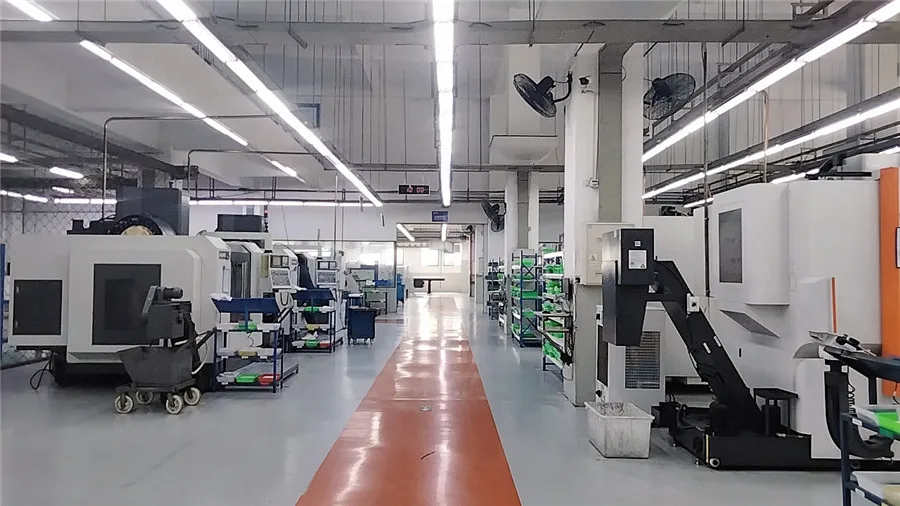
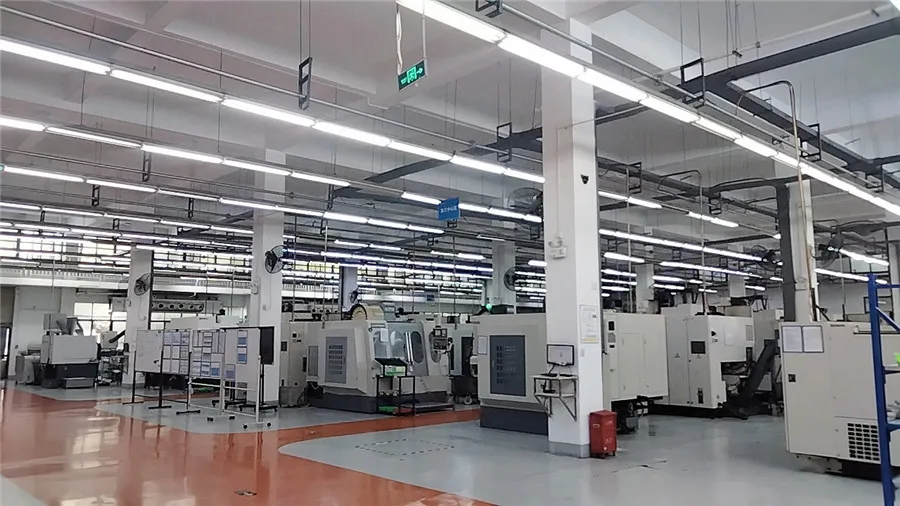
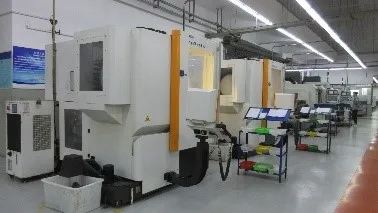
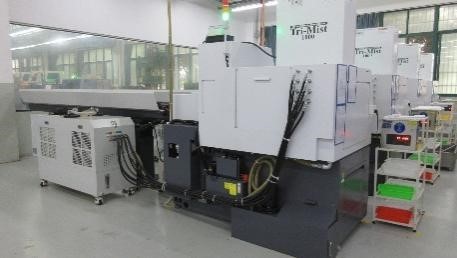
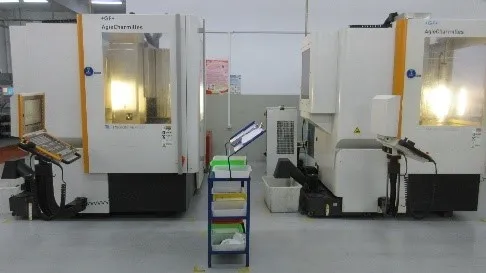
Utilizing Swiss-type multi-axis CNC machines to achieve mechanical tolerances down to ±0.005mm, preventing structural deviations in thread profiles and locking mechanics.
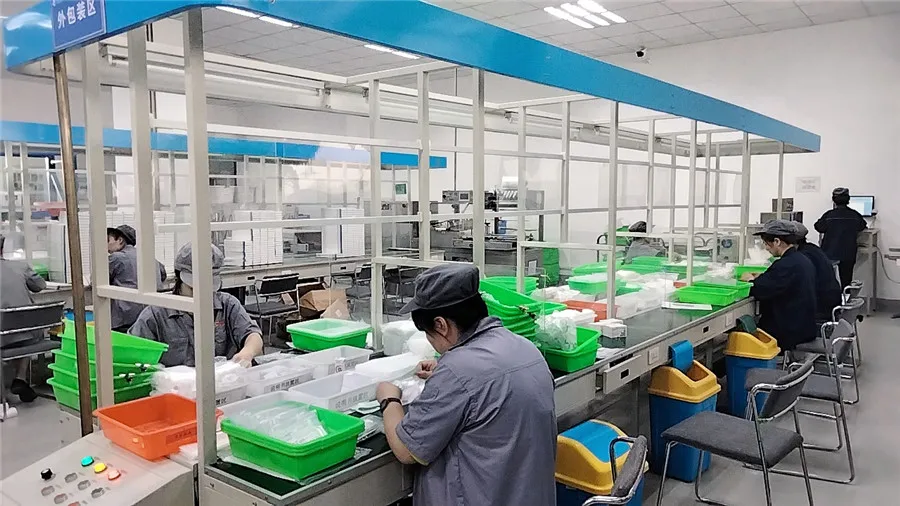
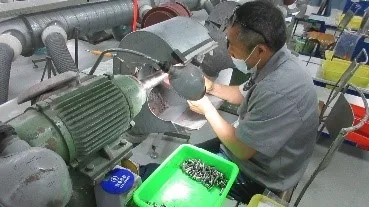
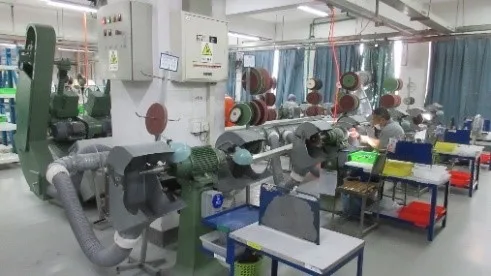
By concentrating raw material sourcing, automated finishing, and sterile packaging within a single centralized location, we reduce overhead costs without compromising regulatory standards.
Every batch of raw medical titanium is verified through mechanical testing and chemical analysis (including ICP-MS) to ensure full compliance with ASTM F136 standards.
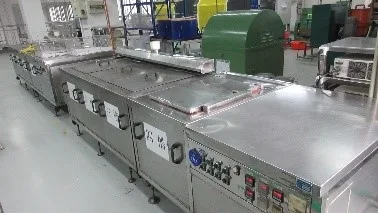
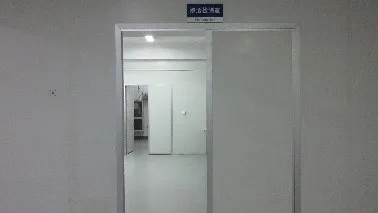
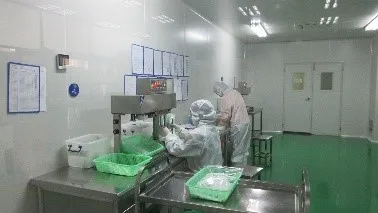
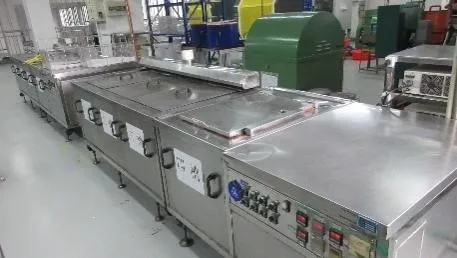
Finished implants undergo cleaning, passivation, and packaging in certified ISO Class 7 (Class 10,000) cleanrooms to minimize bioburden and particulate contamination.
Operating globally in the orthopedics sector requires deep familiarity with local regulatory standards. We support our international partners through the complex process of regional medical registration, preparing compliant technical files and clinical evaluation reports for national health authorities.
The transition from MDD to MDR requires high-resolution traceabilty. We support our European distribution networks by implementing Unique Device Identification (UDI) tracking and keeping technical documentation updated in the EUDAMED database.
With 30% of exports directed to South America and 20% to Southeast Asia, we maintain regulatory templates customized for ANVISA (Brazil), DIGEMID (Peru), and HSA (Singapore), accelerating market access.
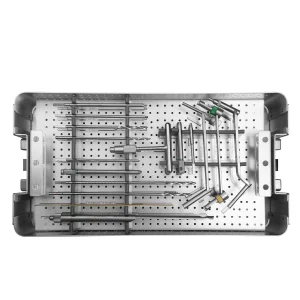
A spinal stabilization implant is only as effective as the instruments used to place it. We design, manufacture, and register dedicated, ergonomic surgical sets, including trials, benders, and screwdrivers, designed to optimize workflows in the operating room.
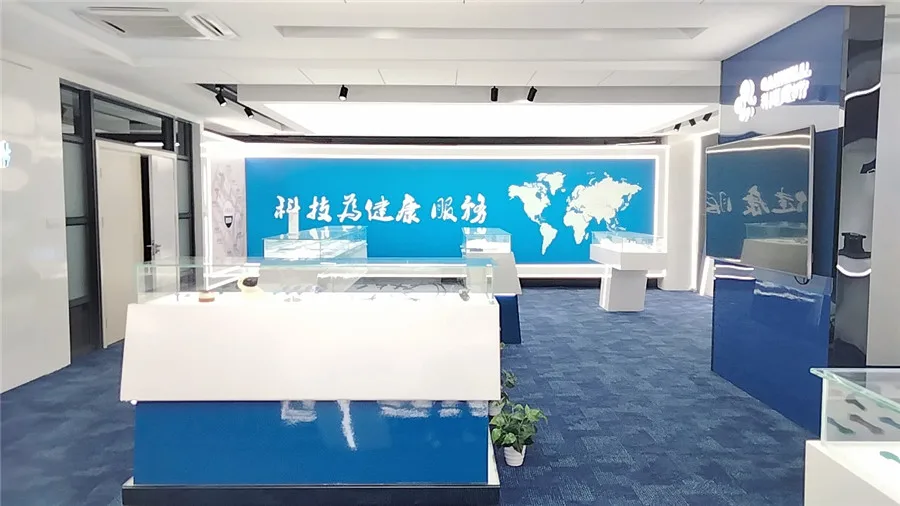
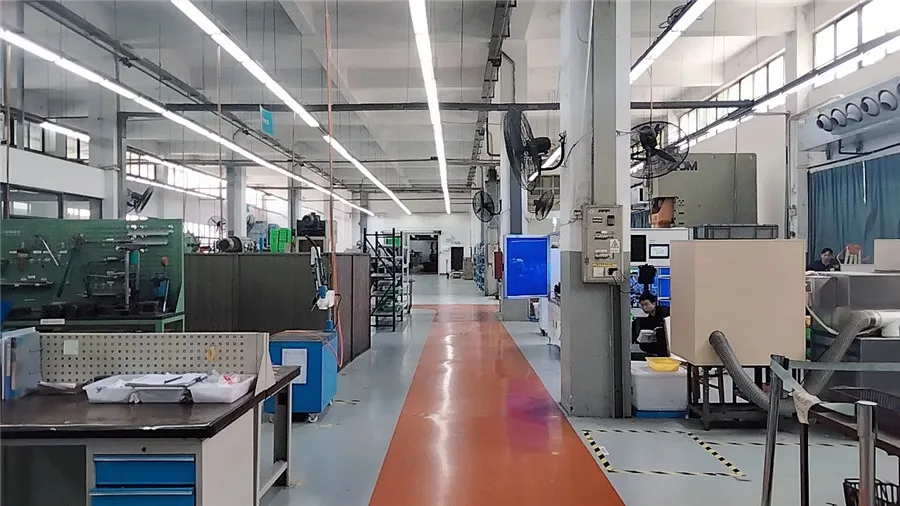
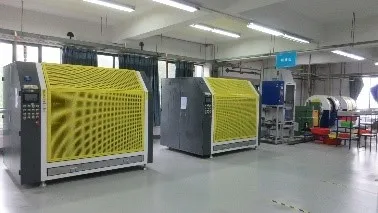
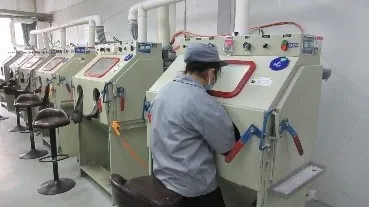
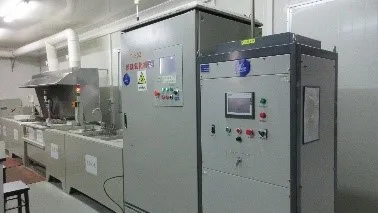
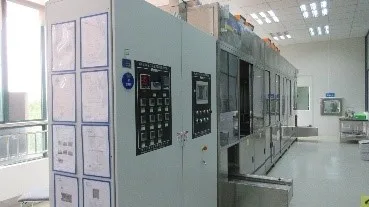
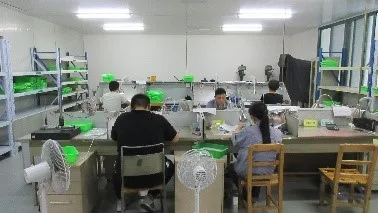
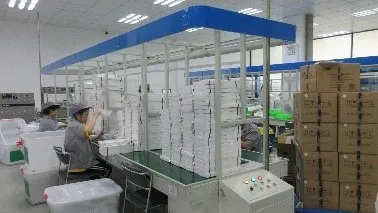
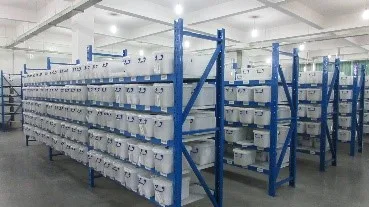
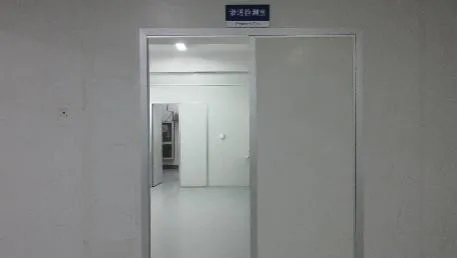
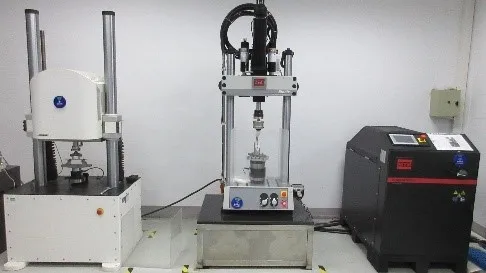
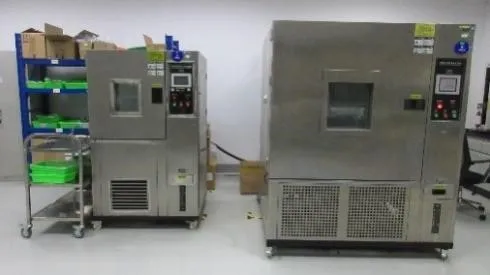
A visual overview of our manufacturing processes, showcasing raw materials processing, precision CNC machining, cleanroom packaging, and quality verification workflows within our 29,523m² facility.
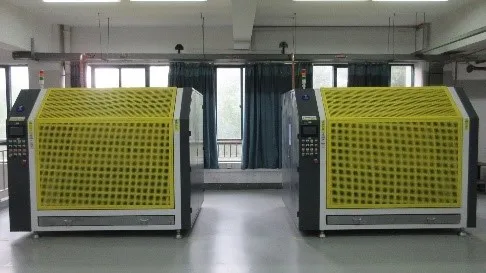
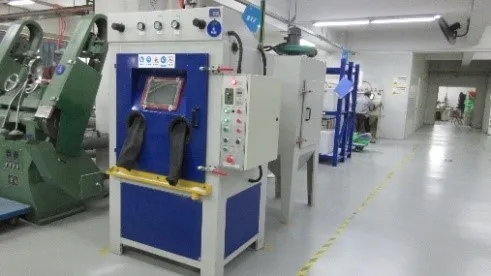
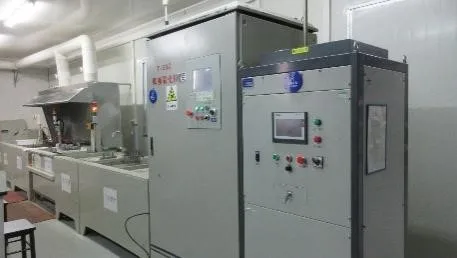
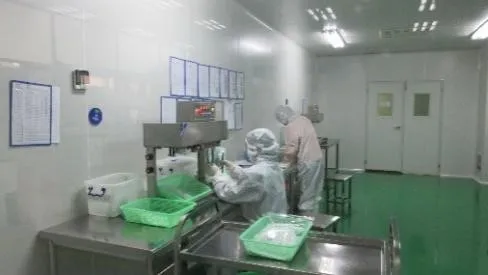
Procuring spinal stabilization devices at a B2B level requires alignment between procurement officers, engineering teams, and clinical departments. In today's market, buyers are moving away from transactional importing toward long-term OEM/ODM collaborations that offer robust technical support.
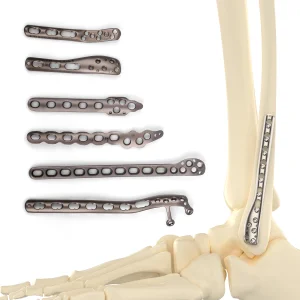
Global distributors frequently require structural adjustments to screw threads, anatomical plate profiles, and driver interfaces to align with regional surgeon preferences.
Modern operating rooms require efficient, modular instrument kits. Integrating multi-use tools and clear color coding helps reduce procedural complexity and processing costs.
OEM suppliers must provide comprehensive documentation, including Raw Material Certifications, biocompatibility assessments, and cleanroom verification reports, to support regional registration.
All designs undergo mechanical fatigue testing according to ASTM F1717 and ASTM F1798 standards to verify structural performance before entering production.
Essential technical and regulatory details for procurement directors, product managers, and health ministry registry officers.
We manufacture our implants using medical-grade Titanium Alloy (Ti-6Al-4V ELI) conforming to ASTM F136 / ISO 5832-3, alongside high-performance polymers like PEEK-OPTIMA® for radiolucent spinal cages.
Our QA/QC department of 69 specialists maintains full material traceability. Every production batch is linked to its raw material heat number, CNC machining profile, anodization parameters, and cleanroom packaging records.
We supply full Technical Files, containing clinical evaluation reports (CER), risk analysis records (ISO 14971), biocompatibility data (ISO 10993), and sterilization validation reports (ISO 11137) to facilitate CE marking under MDR 2017/745.
Standard custom modifications, including custom branding and packaging, are typically completed within 6-8 weeks. Complex structural designs requiring custom tooling and biomechanical validation require 12-16 weeks.
Yes, we provide matching surgical instrumentation sets, including torque limiters, screw insertion tools, and bending templates. These instruments can be customized to match implant specifications.
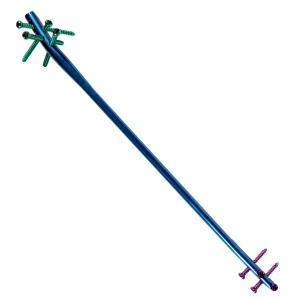
Explore our complete range of specialized spinal cages, intramedullary systems, and arthroscopic repair solutions.
 Harney-Well