Harney-Well

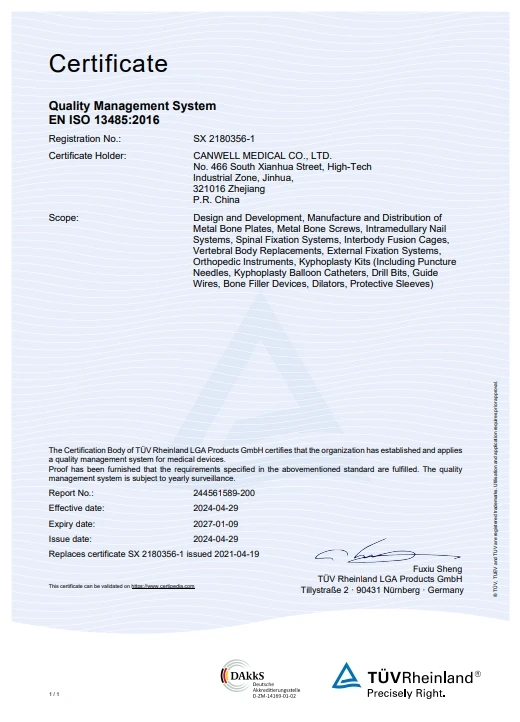
 ISO13485
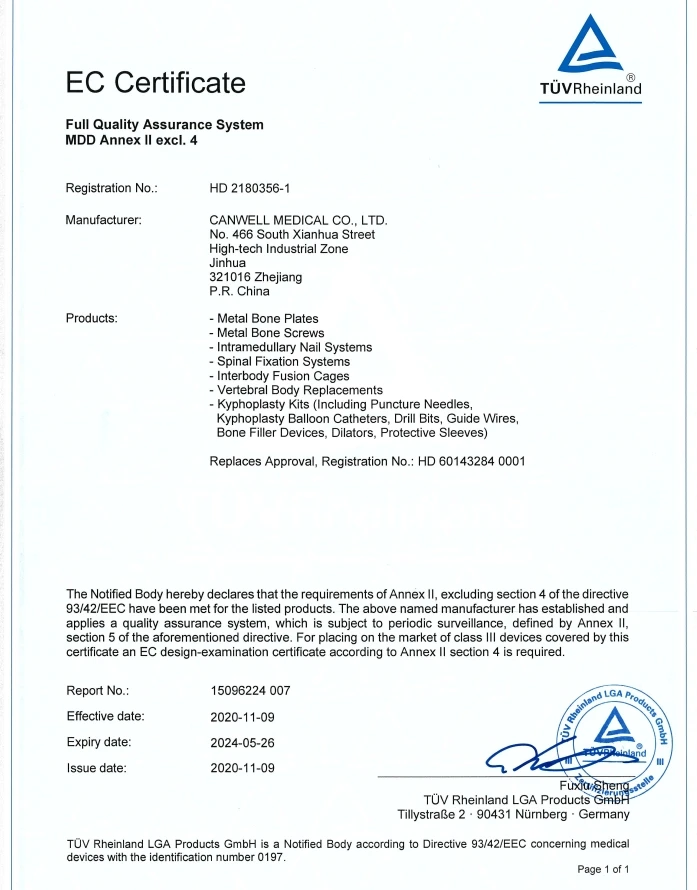
 93/42/EEC


 MDR
MDR
Global Commercial and Industrial Landscapes of Posterior Fixation Systems
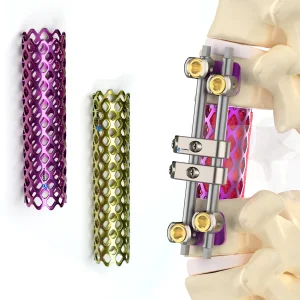
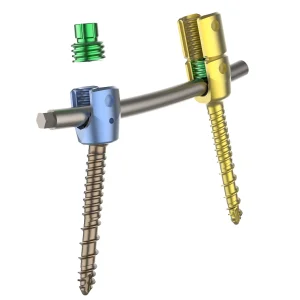
The posterior fixation system serves as a foundational pillar in spine surgery, designed to provide stability, promote fusion, and maintain spinal alignment across the thoracolumbar and cervical regions. Over the last two decades, the global orthopedic market has experienced a significant demographic shift, propelled by aging populations, a rising prevalence of spinal disorders, and advancements in minimally invasive spine surgery (MISS).
From a commercial standpoint, pedicle screws, rods, cross-links, and connectors command the largest market share in the spinal instrumentation sector. Key clinical indications include degenerative disc disease, spinal stenosis, severe spondylolisthesis, scoliosis, and trauma. Multi-national brands face intense pressure to balance structural innovation with cost reduction.
- Increasing shift toward minimally invasive percutaneous posterior systems.
- Adoption of medical-grade Titanium Alloys (Ti-6Al-4V ELI) and PEEK.
- High demand for modular implants tailored to patient-specific anatomical variations.
- Global standard conformance (ASTM F1717, ISO 12189) for fatigue limits.