Engineered for structural bio-compatibility, biomechanical longevity, and high surgical efficiency.
A statistical summary of our clinical manufacturing capacity, regulatory assets, and R&D resource dedication.
Verified administrative, capability, and geographical distribution metrics of our orthopedic facility.
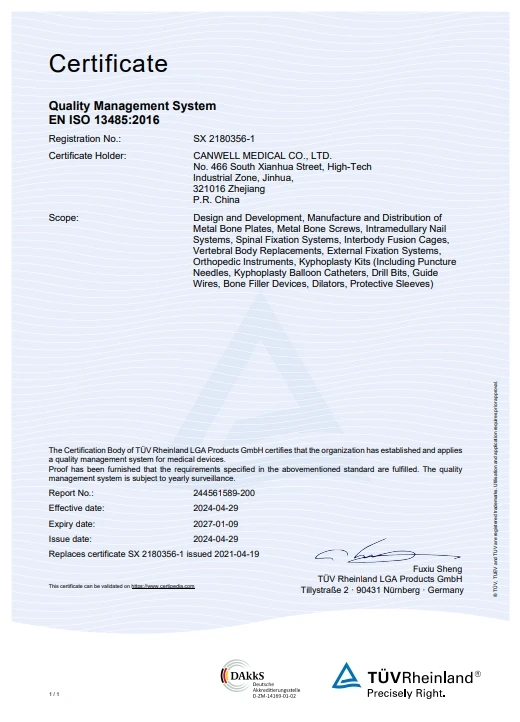
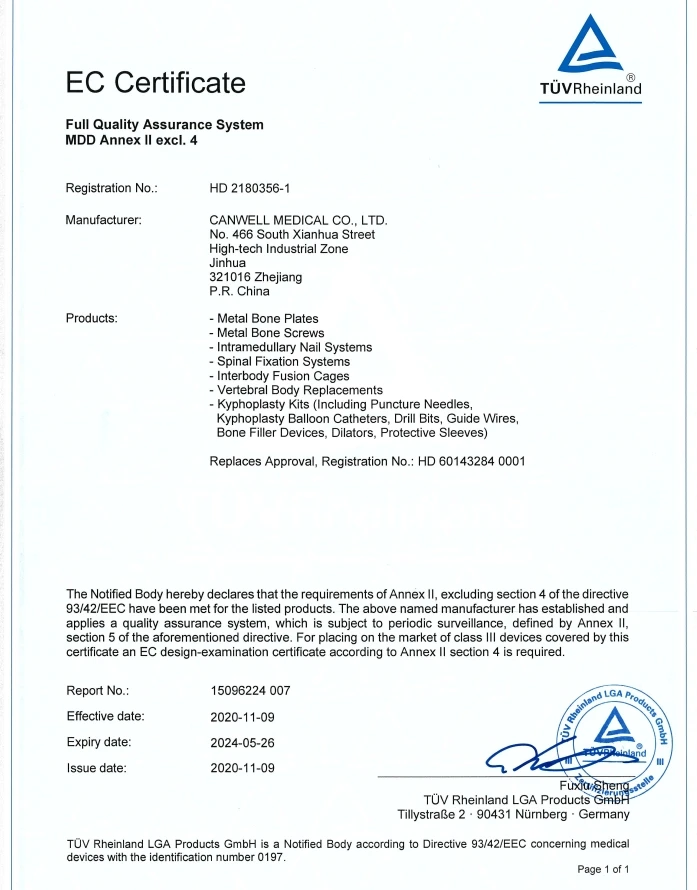
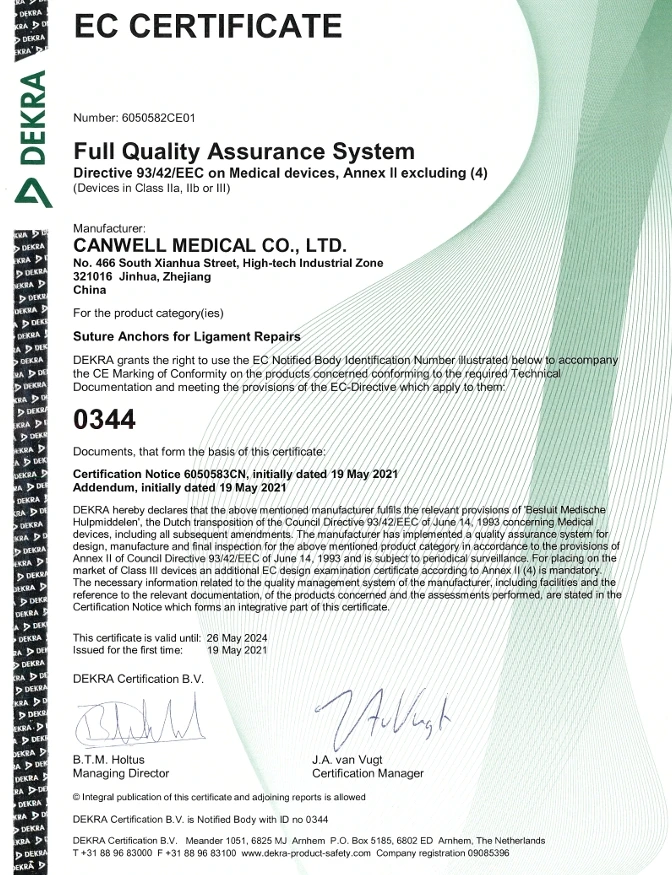

An architectural overview of modern orthopedic implant logistics, materials research, and manufacturer relationships.
In the highly regulated orthopedic medical device sector, global original equipment manufacturers (OEMs) and brand owners face unprecedented headwinds. Rising clinical standards (specifically Europe’s transition from MDD to MDR, and FDA’s enhanced 510(k) review pathways) require absolute precision, comprehensive biocompatibility records, and verified raw material origin tracing. In addition, healthcare organizations globally are shifting toward cost-effective, high-yield product lines without compromising patient safety.
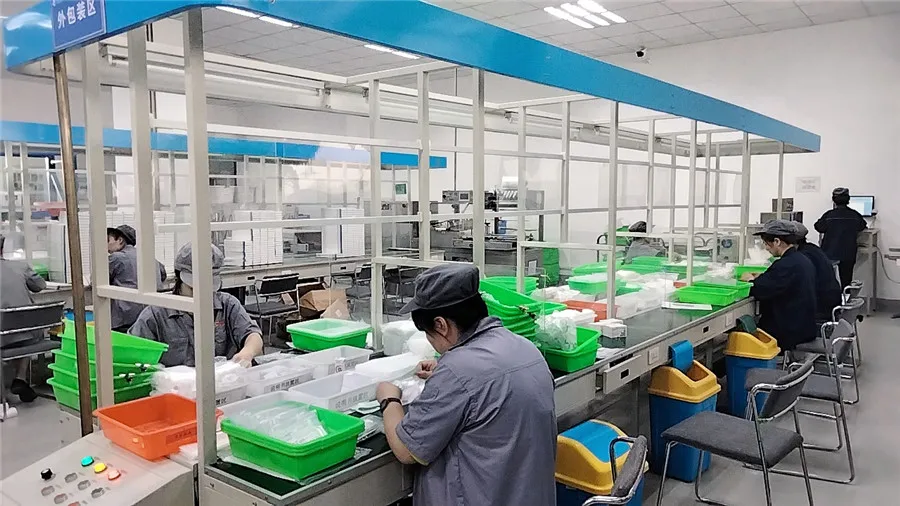
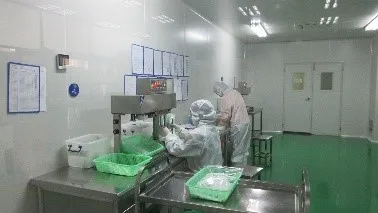
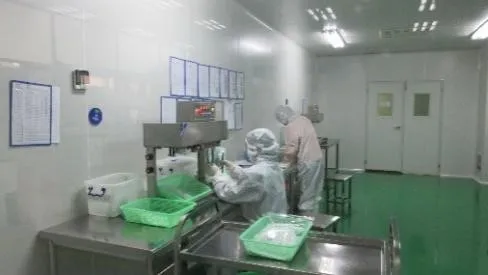
For global distributors and brand operators, establishing a supply line with an offshore, certified contract manufacturing plant is no longer just a pricing decision. It represents a long-term risk management partnership. The ideal OEM/ODM partner must possess localized regulatory experience, dynamic engineering departments capable of transforming CT scan models into custom 3D printed implants, and state-of-the-art cleanroom packaging to assure product sterility at delivery.
Critical Sourcing Priorities for Professional Importers:
A comprehensive examination of our core manufacturing specialties spanning Trauma, Spine, Joint Reconstruction, and Sports Medicine.
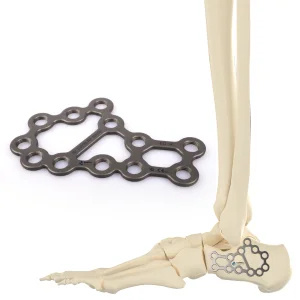
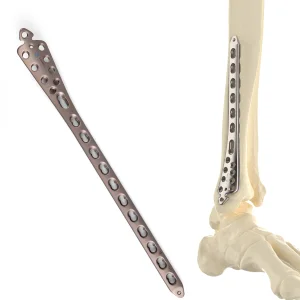
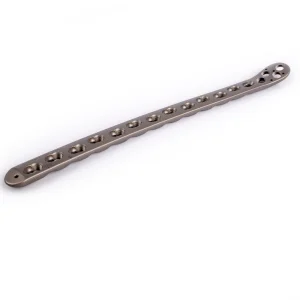
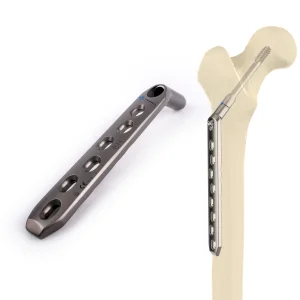
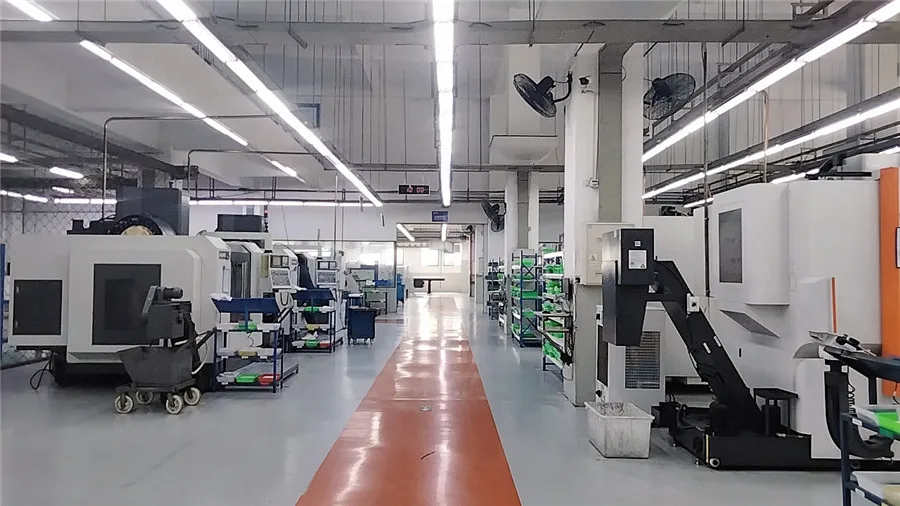
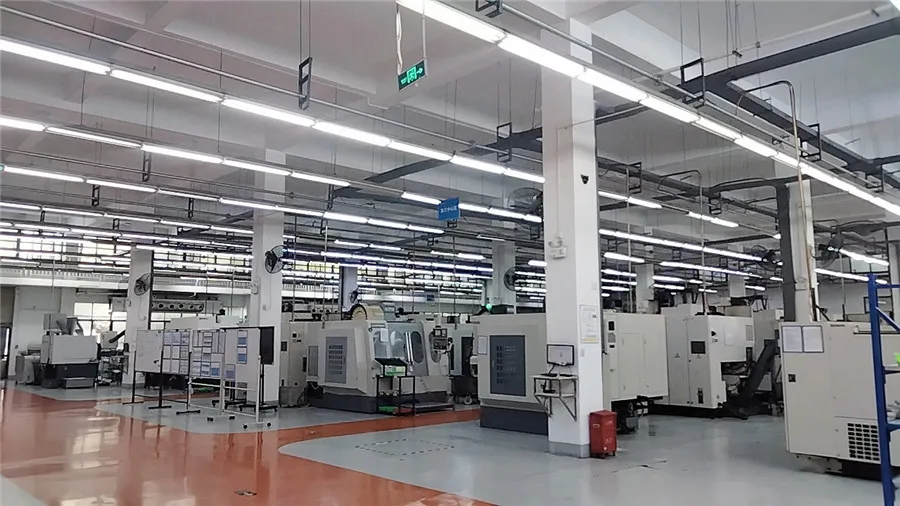
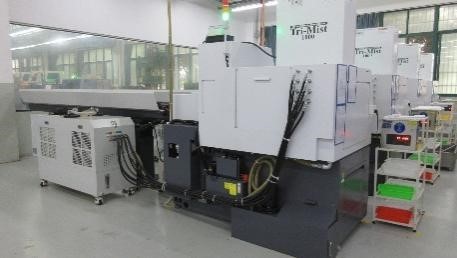
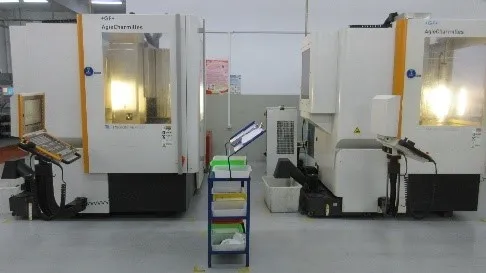
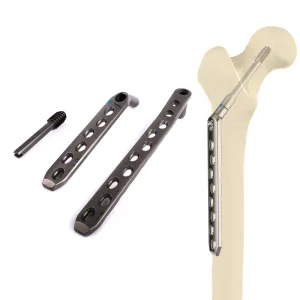
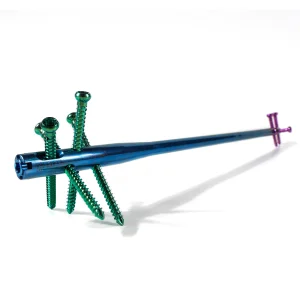
Trauma surgery demands structural components that deliver immediate load distribution and anatomic adaptability. Our trauma implant portfolio includes calcaneal locking plates, distal medial tibial locking plates, and proximal femoral locking systems. Each component is manufactured using multi-axis CNC machines from high-grade titanium alloy (Ti-6Al-4V ELI) conforming to ASTM F136 standards.
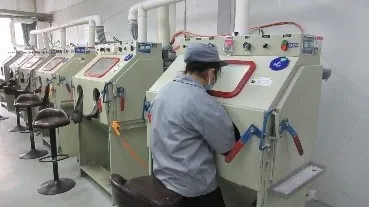
Design features include low-profile contours to minimize soft tissue coverage complications, and dynamic compression zones that allow screw angulation while preserving stability. Specialized systems such as the Dynamic Hip Screw (DHS) and Dynamic Condylar Screw (DCS) utilize advanced surface finishing techniques to prevent bacterial adhesion and enhance bone contact.
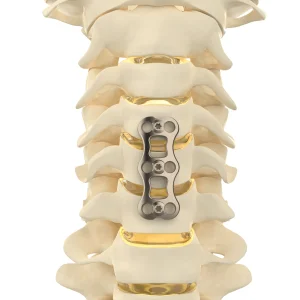
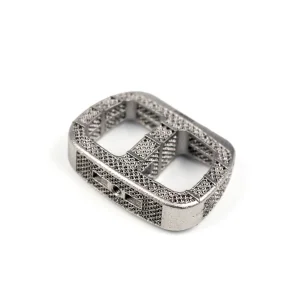
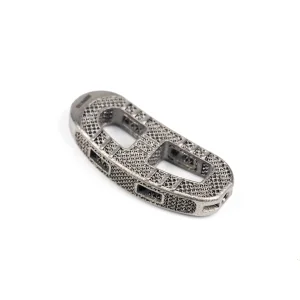
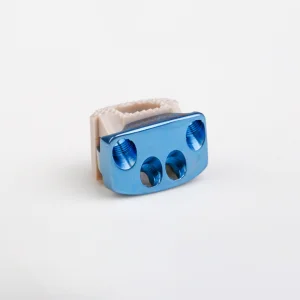
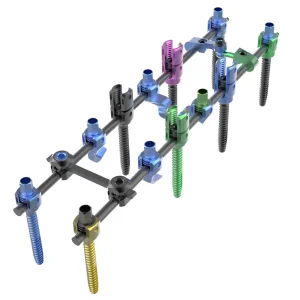
Spinal implants require design considerations to accommodate complex bio-mechanical loads and promote fast osteointegration. We manufacture anterior cervical plates, polyaxial pedicle screws, and lumbar/cervical fusion cages using medical-grade PEEK and additive 3D-printed titanium.
Our 3D-printed titanium fusion cages are designed with interconnected porous structures that mimic native trabecular bone. This structure helps reduce elastic modulus mismatch, lowering the risk of implant subsidence. Our anterior cervical plate systems feature visual locking indicators to prevent screw backout and support stable cervical segment fusion.
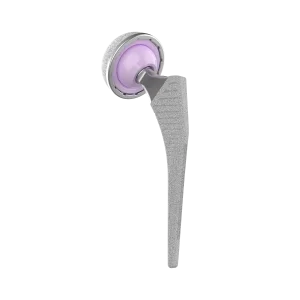
For total hip joint replacement, components must withstand years of cyclic loading. Our non-cemented total hip replacement systems feature ultra-precise femoral stems, modular femoral heads, and acetabular cups. Stems are textured with plasma-sprayed titanium or hydroxyapatite (HA) coatings to encourage long-term bone growth.
By utilizing ultra-high-molecular-weight polyethylene (UHMWPE) liners paired with cobalt-chromium or ceramic heads, we minimize friction coefficients and reduce wear debris, helping to prevent osteolysis.
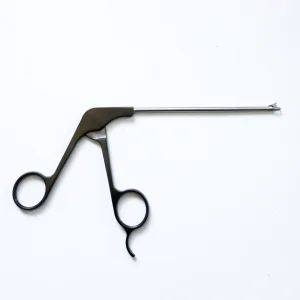
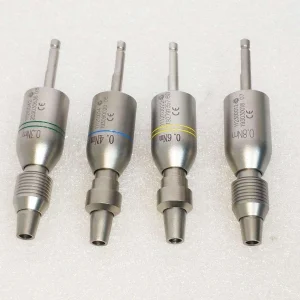
Sports medicine procedures rely on small-diameter access and high instrument tactile response. Our arthroscopic basket forceps, duckbill punches, and suture anchors are designed to facilitate precise arthroscopic shoulder and knee procedures.
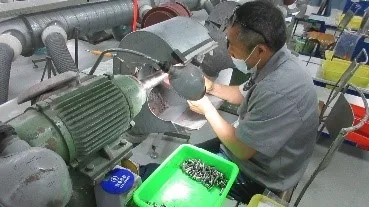
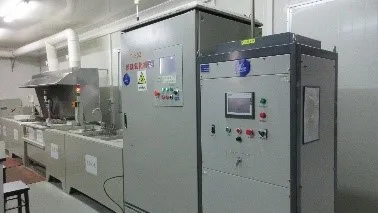
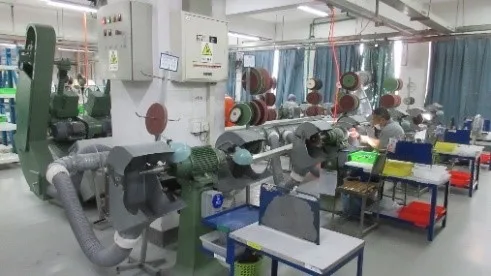
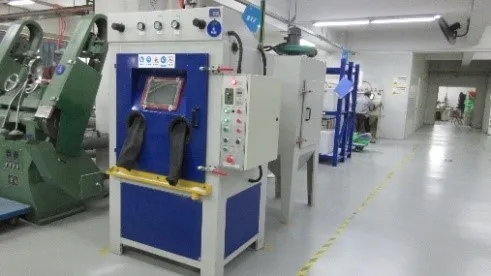
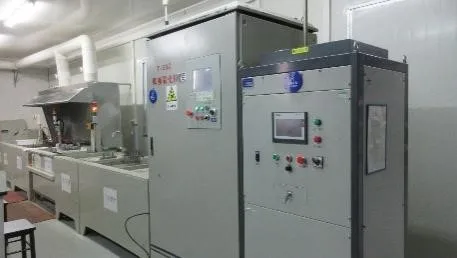
These components undergo vacuum heat treatment and precision electropolishing to ensure long-term sharpness and corrosion resistance through multiple autoclave sterilization cycles.
How we take your conceptual sketches or mechanical blueprints and deliver sterile, clinically ready medical devices.
A look at the inspection systems and validation protocols that help ensure our implants meet regulatory requirements.
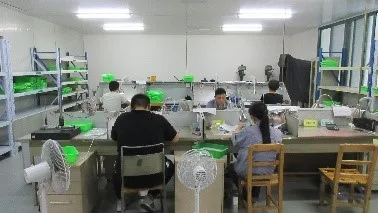
At our facility, quality is managed at every stage of production. With 69 dedicated QA/QC inspectors on site, we perform regular inspections on all production runs in addition to random audits. This structured approach helps ensure compliance with ISO 13485 and MDR standards.
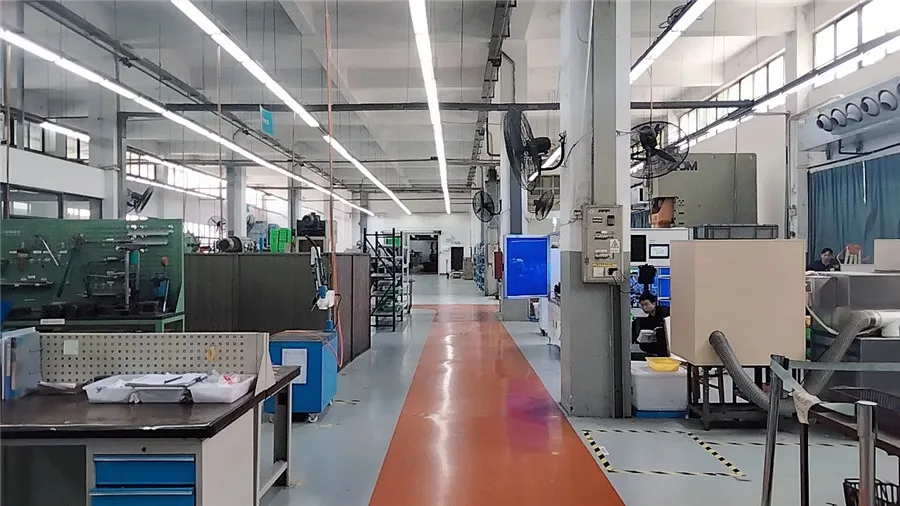
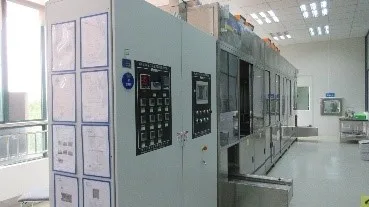
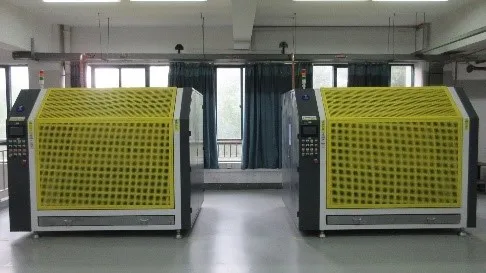
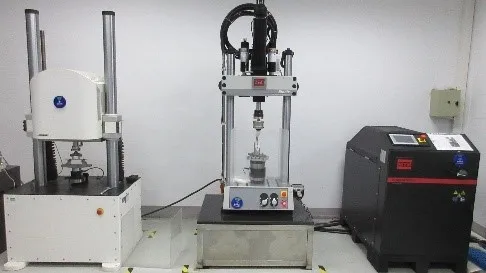
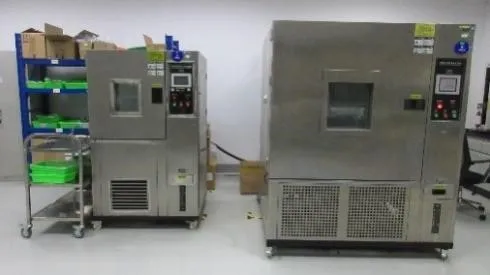
Our inspection facilities are equipped with Coordinate Measuring Machines (CMM), optical comparators, laser diffraction particle analyzers, and surface profilometers. These tools allow us to verify critical implant dimensions, thread pitches, and surface finishes before shipment.
Every production batch is accompanied by comprehensive documentation, including material heat numbers, heat treatment records, passivation verification, and sterilization indicators. This detailed record-keeping ensures full traceability for every device back to its raw material source.
Technical Quality Control Systems:
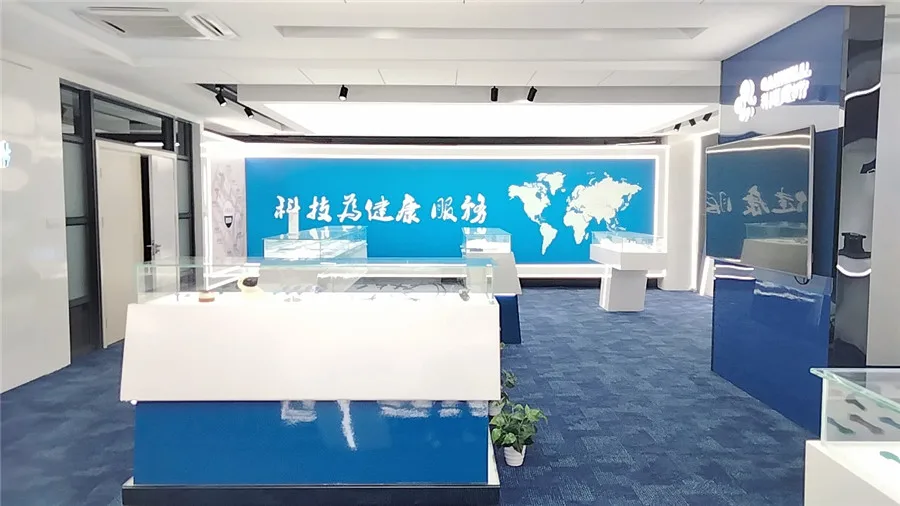




Direct technical answers to common queries from procurement departments and orthopedic product managers.
High-precision spine fusion cages, osteosynthesis plates, and specialized instruments for orthopedic procedures.
 Harney-Well