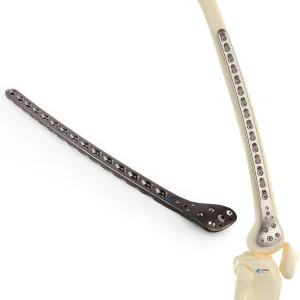
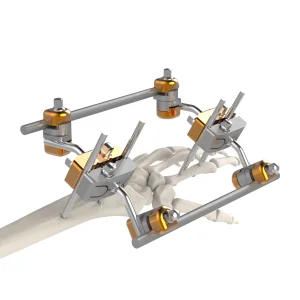
Discover our leading range of precision-manufactured implants and class-III instrument sets optimized for minimally invasive ankle reconstruction, fracture management, and joint fusion.
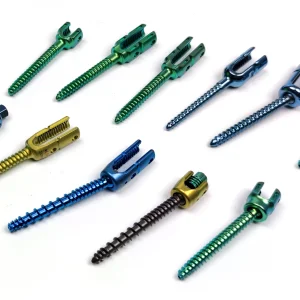
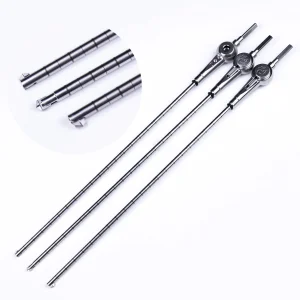
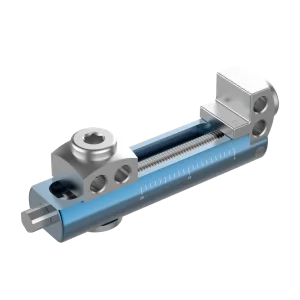
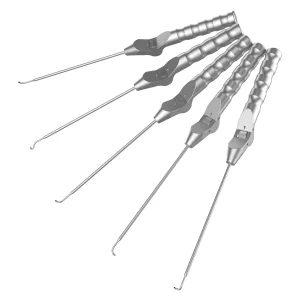
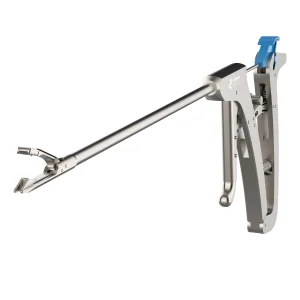
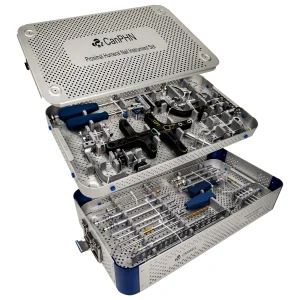
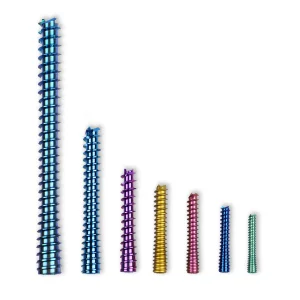
The global orthopedic extremities market is experiencing an unprecedented surge, driven by an aging demographic, the rising incidence of sports-related injuries, and rapid technological advancements. Within this landscape, ankle stabilization systems—encompassing external fixators, anatomical plates, cannulated compression screws, and sports medicine soft-tissue repair constructs—represent one of the fastest-growing niches.
Historically, ankle stabilization relied on conservative treatment or basic non-anatomical hardware. Today, the industrial standard demands highly tailored anatomical stabilization solutions. Global healthcare systems are transitioning toward outpatient surgical centers, leading to an increased demand for complete, sterile-packed, single-use instrument kits and highly reliable implants.
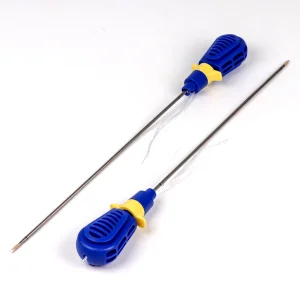
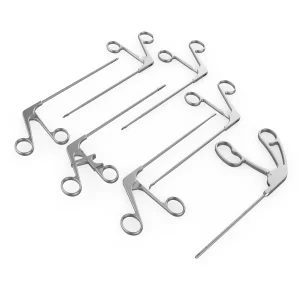
Ankle instability from lateral ligament tears is highly prevalent. The integration of modern suture anchors, flip-cut drill guides, and custom suture clamp instruments enables anatomical repair (such as the Brostrom procedure) with high tensile strength and minimal incision.
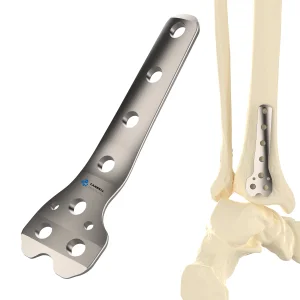
Distal tibia locking plates and cannulated compression screws are critical for managing complex pilon and bimalleolar fractures. Medical-grade titanium (Ti-6Al-4V) and anatomically contoured profiles ensure optimal stress distribution and reduce hardware prominence.
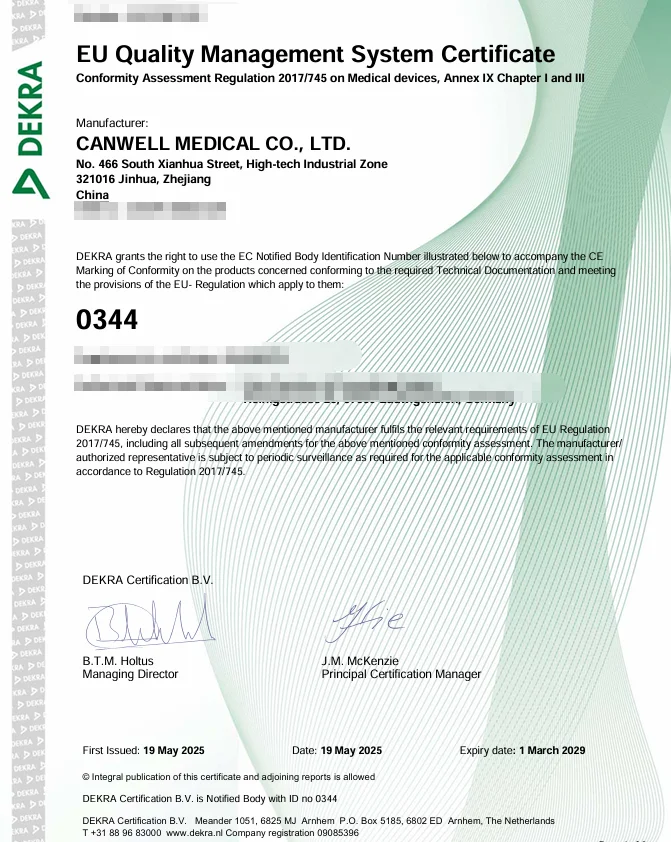
With the transition to MDR (Medical Device Regulation) in Europe and stringent FDA pathways in the USA, global distributors seek OEM/ODM factories with proven traceability, cleanroom manufacturing under ISO 13485 standards, and CE certifications.
The future of joint and ankle stabilization is shifting from standardized implants to patient-specific, bioactive, and intelligently engineered systems.
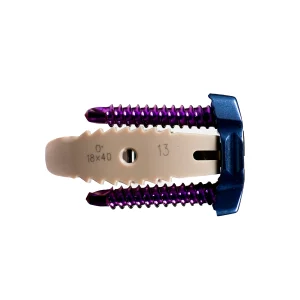
Integrating hydroxyapatite (HA) coatings and anodized titanium surfaces to enhance osseointegration. PEEK (Polyetheretherketone) structural implants are engineered for radiolucency, matching the natural elasticity of human cortical bone.
Using 3D-printing and rapid prototyping to produce patient-specific instrumentation guides. This minimizes intraoperative placement errors and significantly reduces surgical duration under general anesthesia.
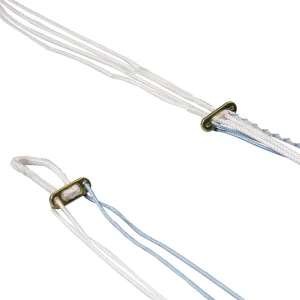
Development of smart dynamic external fixators and syndesmotic dynamic stabilization cables that allow physiological micro-motion, accelerating soft tissue healing without sacrificing primary joint stability.
Different global regions present distinct demands for ankle stabilization technologies. An optimal OEM/ODM manufacturer must tailor raw material sourcing, packaging, regulatory dossiers, and instrument configuration to suit regional market characteristics:
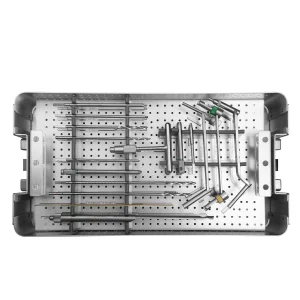
Outpatient surgery centers (ASCs) place high importance on operational efficiency. Our customizable instrument containers and single-use pre-sterilized screw-plate modules reduce autoclave processing times and eliminate cross-contamination risks.
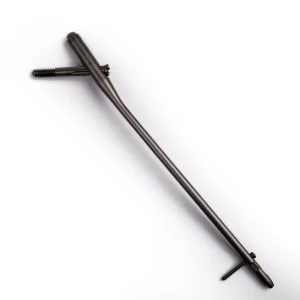
High trauma loads require robust external fixation systems (Hoffman style) and modular distal tibial locking systems that handle complex bone fractures. Price-to-performance ratio, biological compatibility, and instrument longevity are critical success metrics.
Brands targeting sports injuries require high-strength suture anchors, specialized tendon and ligament repair kits, and minimally invasive suture passers designed for high ergonomics, durability, and smooth intraoperative handling.
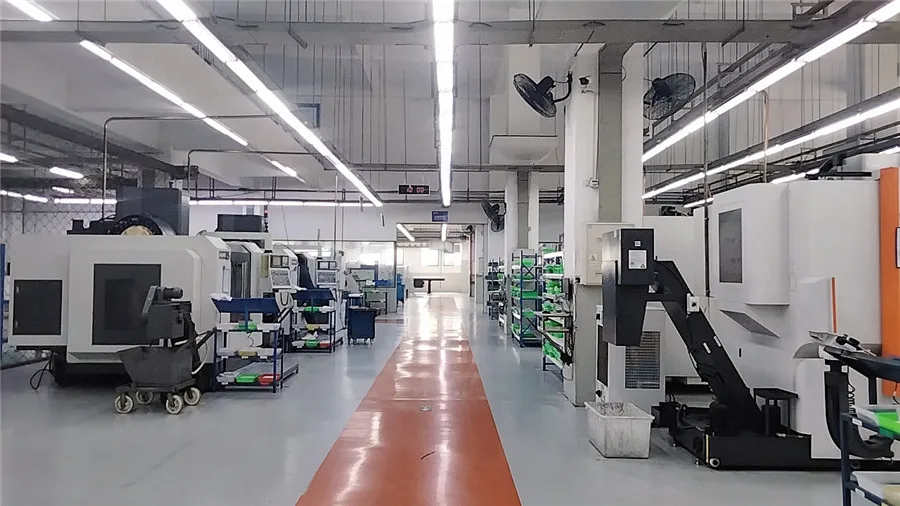
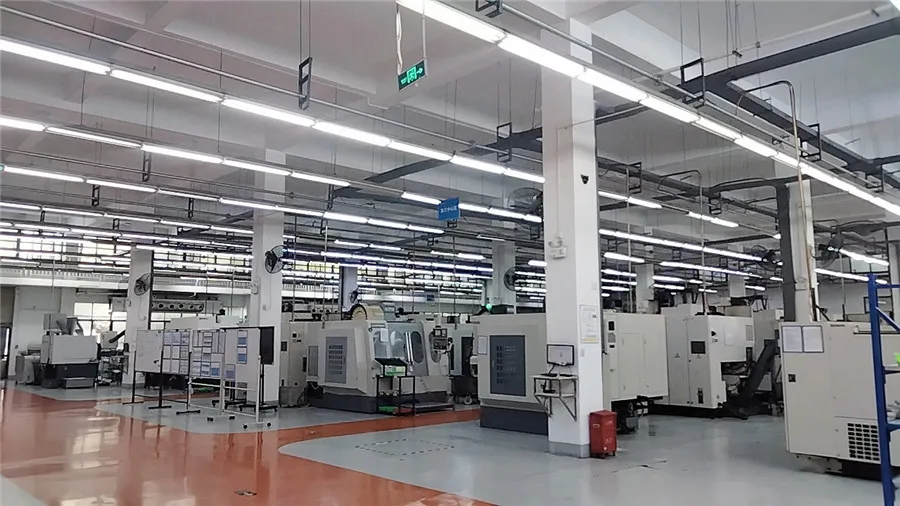
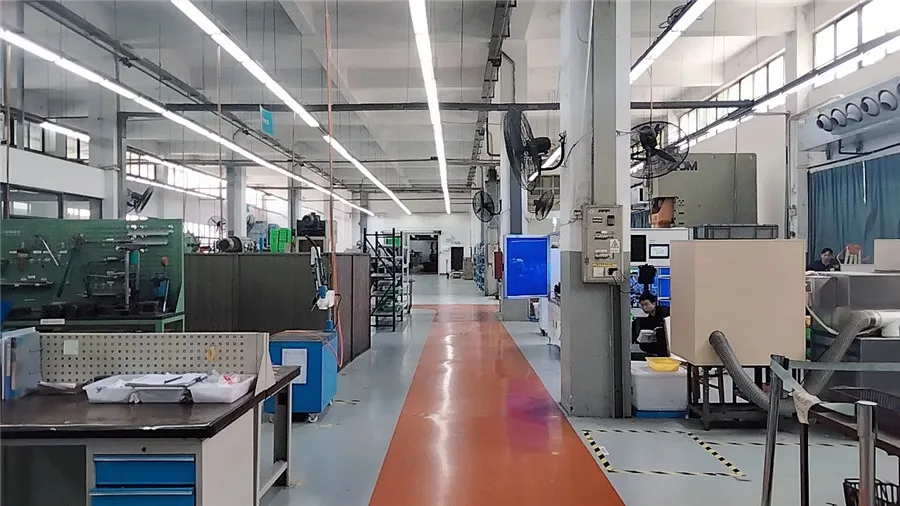
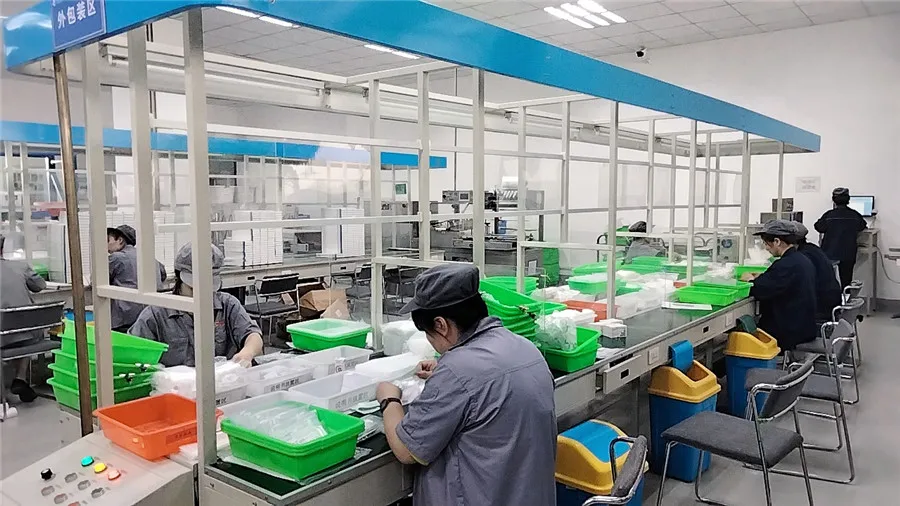
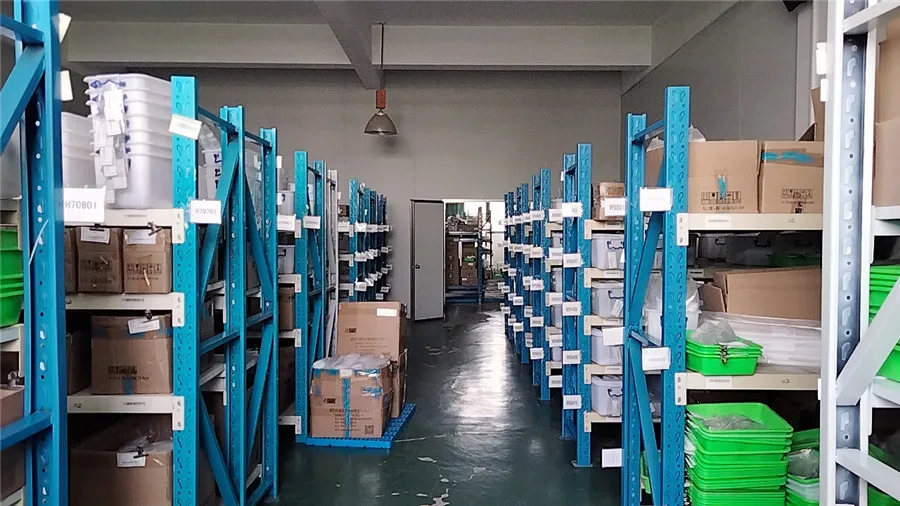
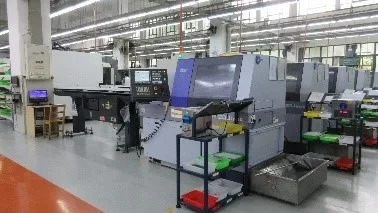
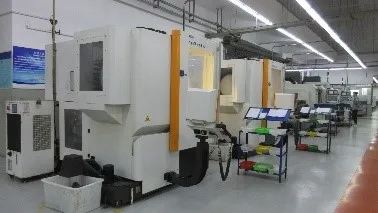
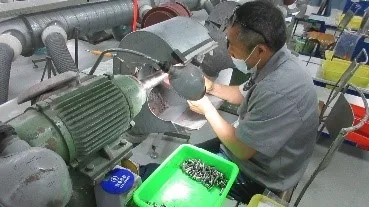
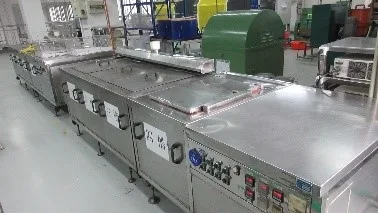
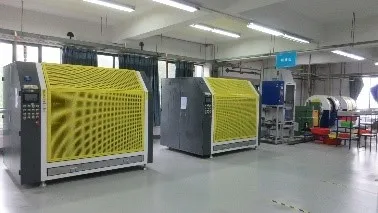
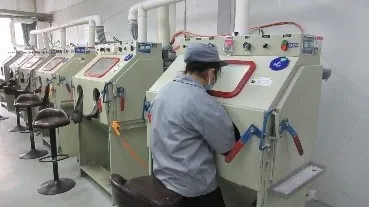
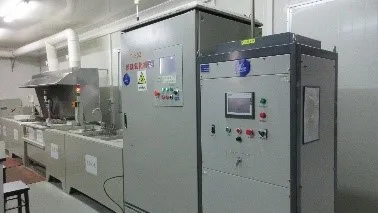
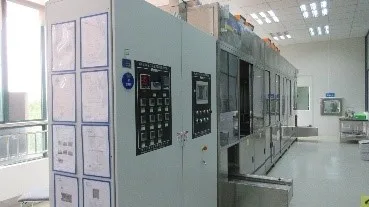
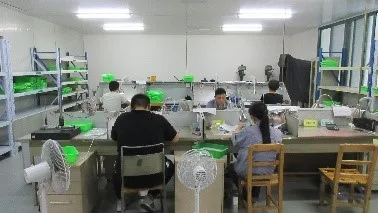
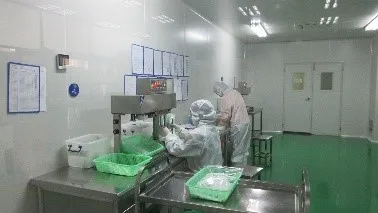
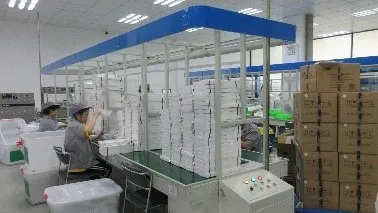
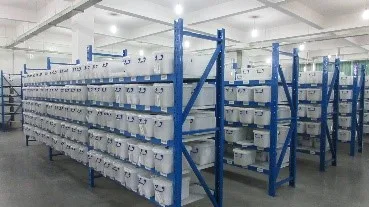
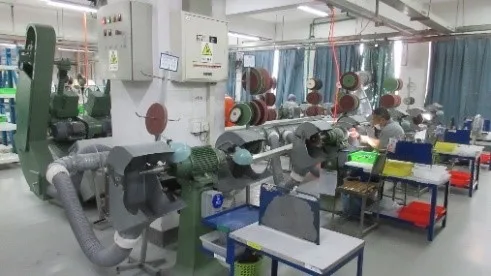
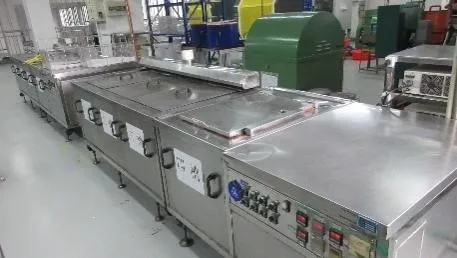
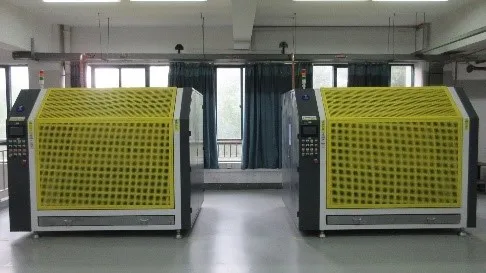
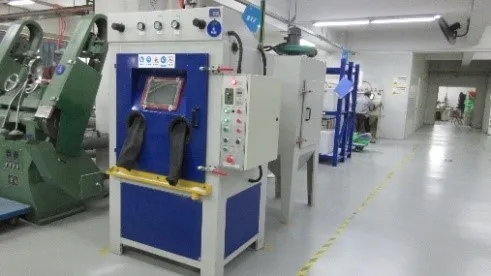
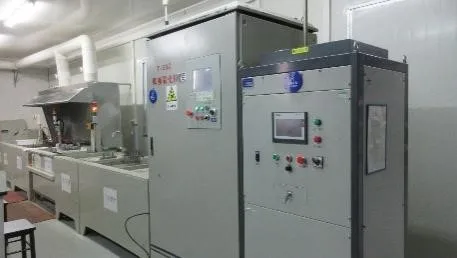
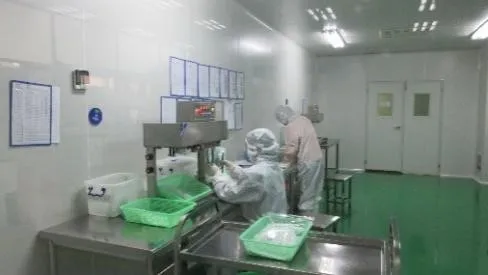
Operating under a strict quality management system, our state-of-the-art facility matches the strict standards of Tier-1 global orthopedic companies.
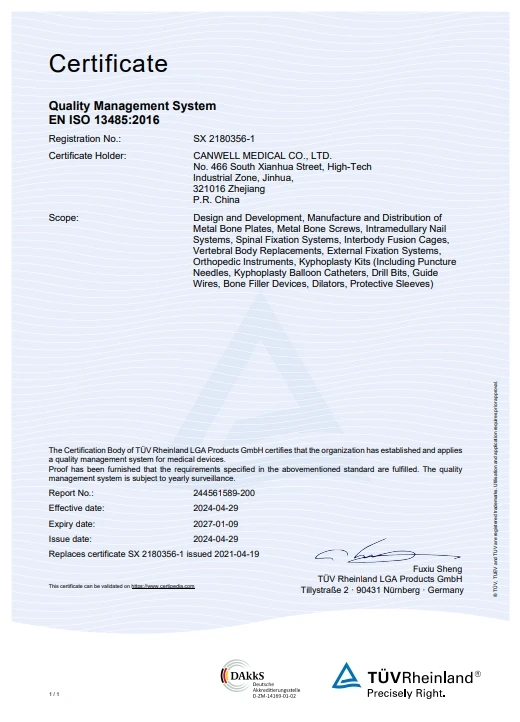
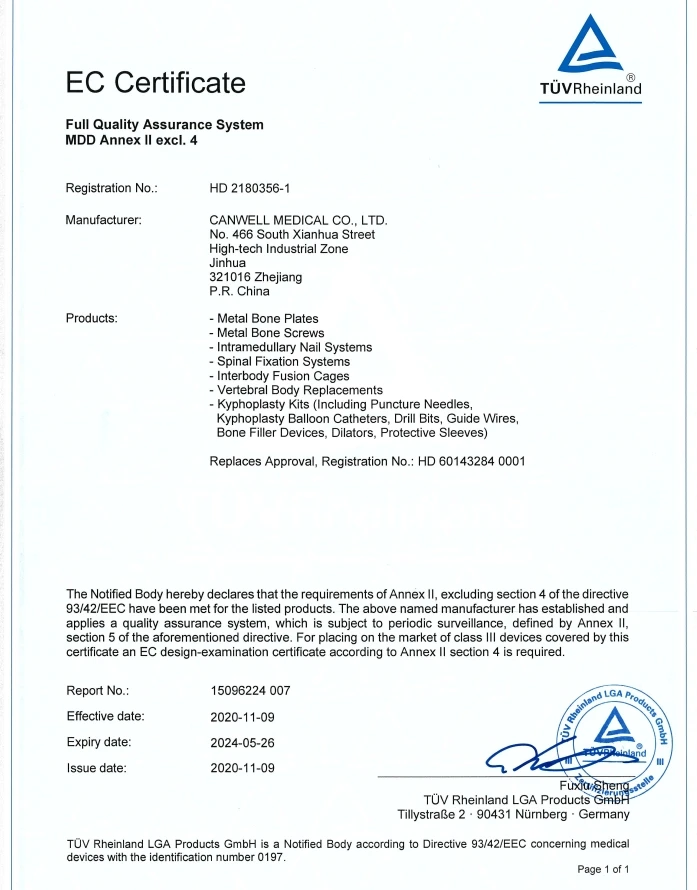
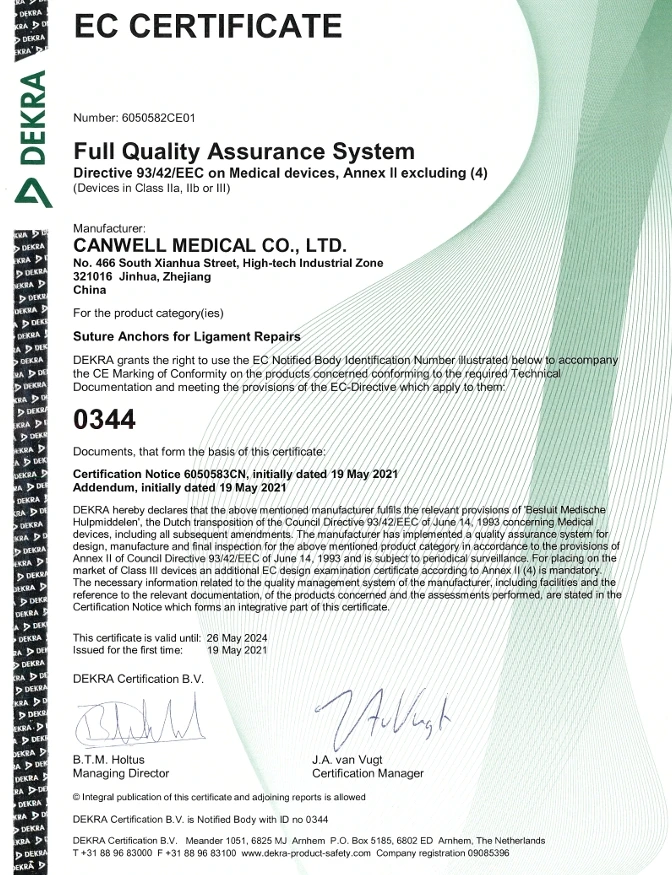
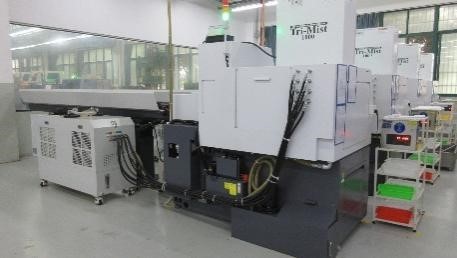
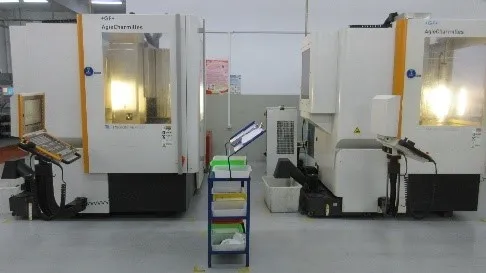
Leveraging advanced CNC machinery, Swiss-type automatic lathes, EDM wire cutting, and ISO Class 7 cleanrooms, our manufacturing processes guarantee sub-micron tolerances for clinical reliability.


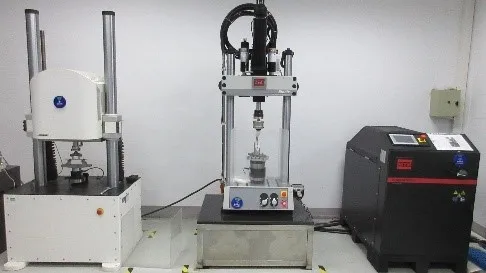
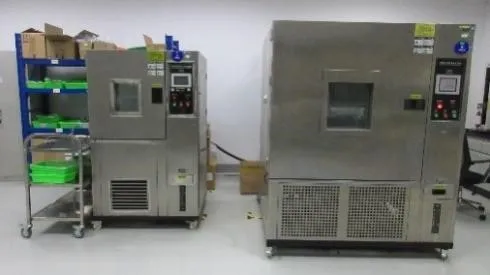
Important considerations for medical device distributors, regulatory compliance leads, and product development managers.
Anatomic plates, compression screws, and sports medicine repair tools designed for multi-axial ankle fracture management and joint stability.
 Harney-Well