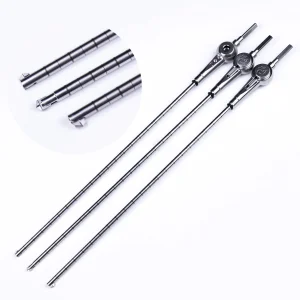
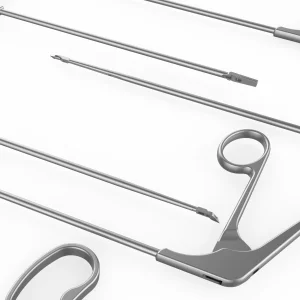
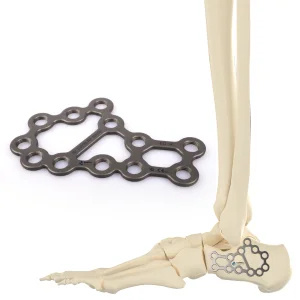
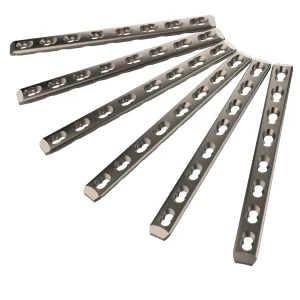
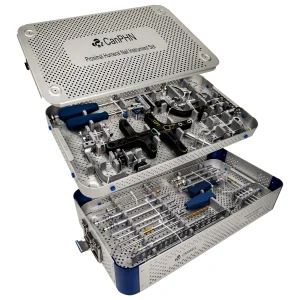
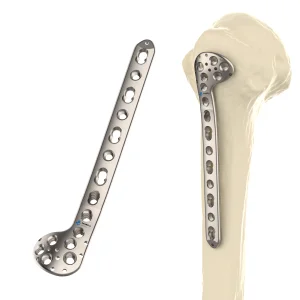
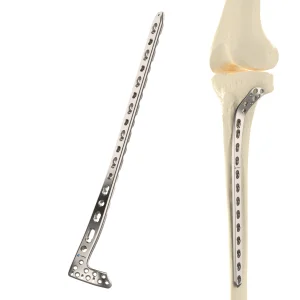
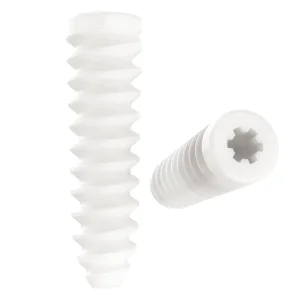
Explore our state-of-the-art orthopedic implants and surgical instrumentation manufactured under stringent quality protocols.
Spondylolisthesis, characterized by the forward displacement of a vertebra over the one below it, presents intricate mechanical challenges for orthopedic surgeons. Whether treating degenerative spondylolisthesis in aging demographics or isthmic conditions in active pediatric/young adult populations, restoring sagittal balance, achieving rigid segmental stabilization, and promoting osteoinduction remain the paramount clinical objectives.
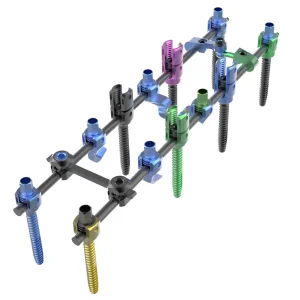
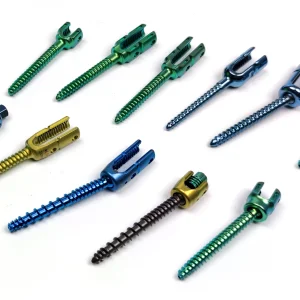
From an anatomical standpoint, the translational shear forces acting on the unstable segment require spinal fusion implants capable of resisting high load fatigue while promoting biological fusion. A spondylolisthesis fixation system consists of multi-axial pedicle screws, pre-contoured rods, and specialized interbody fusion cages (TLIF, PLIF, ALIF) designed to re-establish disc height and lordosis. Our advanced design and engineering protocols focus directly on alleviating these critical failure modes: screw loosening, implant subsidence, and non-union.
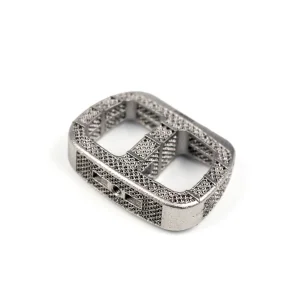
To maintain anatomical integrity, modern spinal stabilization systems must withstand dynamic flexing and rotational forces up to 2.5 times the patient's body weight. Utilizing Titanium Grade 5 (Ti-6Al-4V ELI) with specialized grit-blasting or porous 3D printed structures maximizes surface area contact, significantly improving initial friction and cellular adhesion to prevent displacement.
Leveraging modern machining infrastructure, our production lines utilize Swiss Citizen CNC longitudinal lathes and German DMG MORI multi-axis machining centers. These systems maintain dimensional tolerances down to ±0.005mm, ensuring our spinal fixation rods, polyaxial pedicle screws, and PEEK interference screws interface seamlessly with surgical instrumentation.
Raw materials are systematically vetted, sourcing exclusively high-performance biocompatible alloys. Full material chemical analysis and tensile verification reports accompany every production batch, meeting ASTM F136 (Titanium-6Aluminum-4Vanadium ELI) and ISO 5832-3 standards.
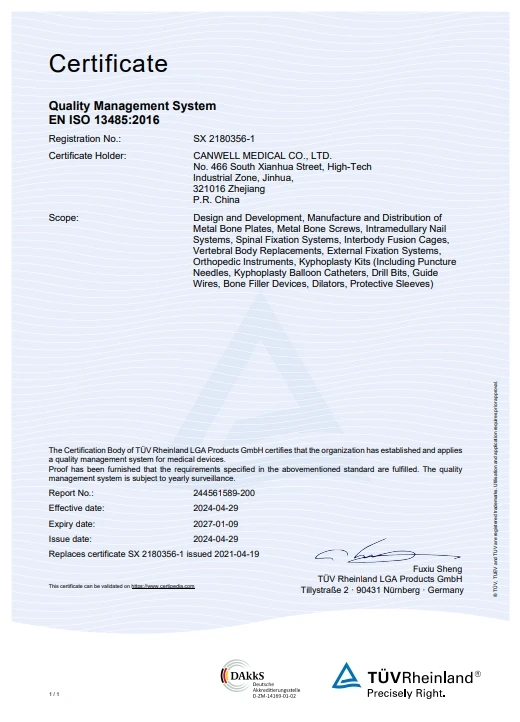
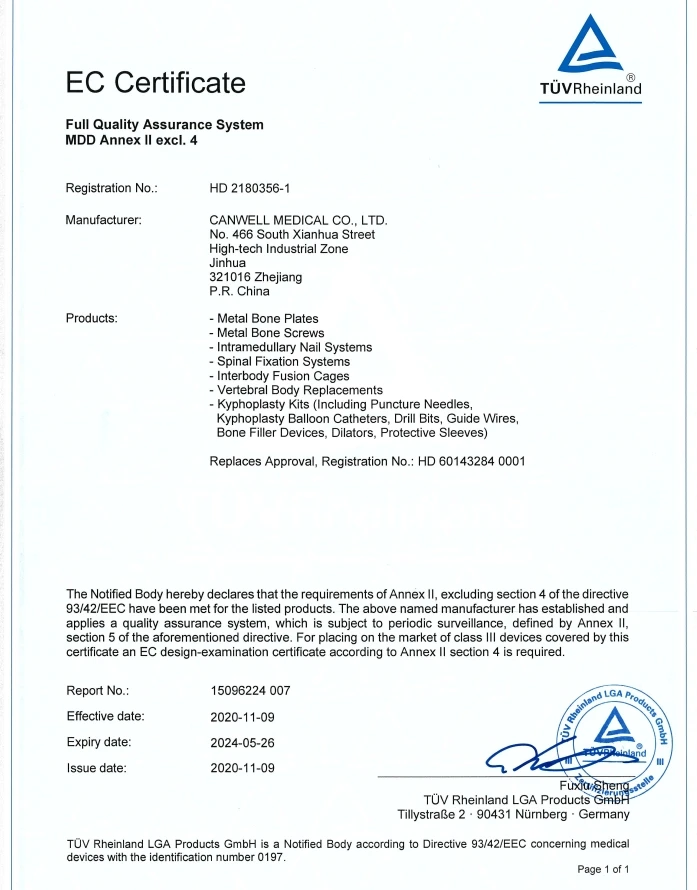
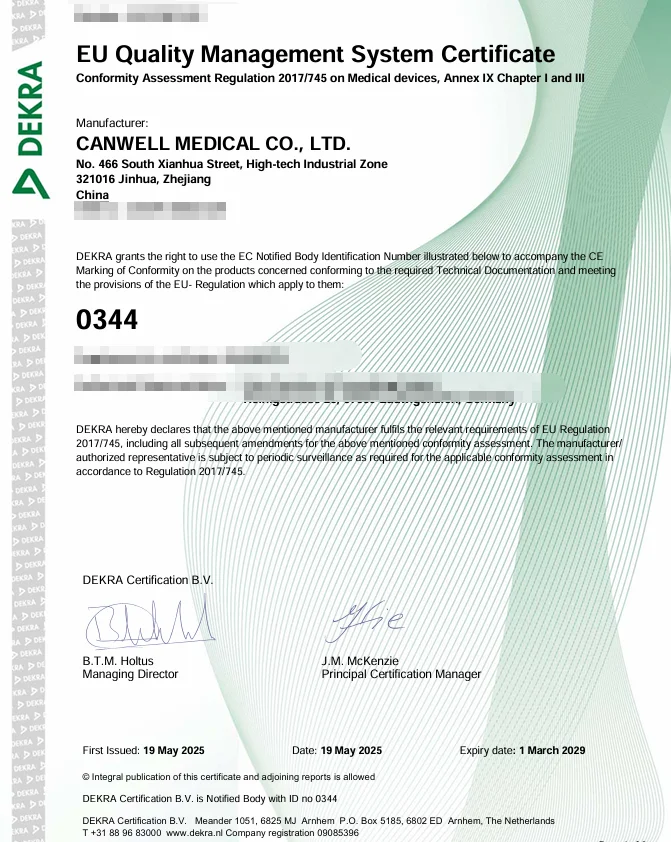
Establishing an OEM/ODM partnership in our Chinese hub offers critical geographic and operational benefits. By consolidating tooling manufacturing, thermal finishing, surface coating, and sterile packaging within one dedicated zone, we eliminate multi-tier logistical handling and potential defect risks.
Our raw material procurement contracts with primary certified medical-grade titanium suppliers guarantee structural consistency across manufacturing cycles. This integrated supply chain reduces lead times for bulk orders by up to 35% compared to Western competitors. Key highlights include:
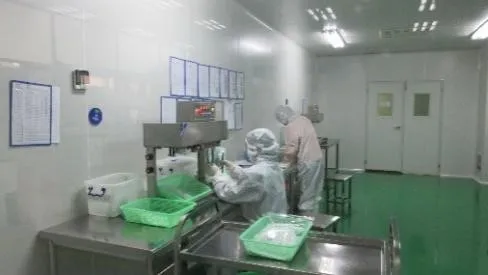
Integrated machining, anodization, and sterile cleanroom packaging (Class 10,000 / ISO Class 7) minimize secondary logistics costs, providing up to 40% higher cost-efficiency.
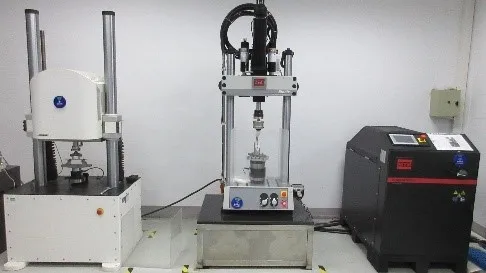
100% raw material verification including optical emission spectrometry, ultrasonic inspection, and dynamic mechanical testing ensuring structural purity and durability.
We supply standard technical documentation (DHF/DMR) to accelerate local health ministry registrations (FDA 510k, CE MDR, ANVISA, COFEPRIS) for our global partners.
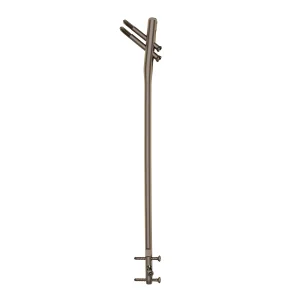
Technical capabilities for spondylolisthesis implants, including PEEK cages, locking screws, and surgical instrument setups.
| Implant System Type | Available Materials | Dimensional Ranges | Surface Treatment Options | Key Clinical Indications |
|---|---|---|---|---|
| Spine Pedicle Screw System | Titanium Alloy Grade 5 (Ti-6Al-4V ELI) | Diameter: 4.5mm - 7.5mm / Length: 30mm - 55mm | Anodized Color Coding, Microporous Acid Etching | Degenerative / Isthmic Spondylolisthesis, Spine Trauma |
| TLIF / PLIF Fusion Cages | Medical Grade PEEK / 3D Printed Titanium | Heights: 7mm - 14mm / Lordosis: 4° - 15° | Porous Coating, Silicon Nitride Deposition | Restoration of Disc Height, Anterior Column Support |
| MIS (Minimally Invasive) Rods | Ti-6Al-4V ELI / Cobalt-Chrome (CoCr) | Diameter: 5.5mm / Lengths: 35mm - 200mm (Pre-curved) | Electro-polishing | Percutaneous Spine Stabilization, Reduced Tissue Trauma |
| Interference Screws | PEEK / Bio-absorbable Polymer | Diameter: 6mm - 10mm / Lengths: 20mm - 35mm | Thread Profile Optimizations | Ligament Reconstruction, Soft Tissue Attachment |
Entering international healthcare markets requires absolute compliance with local medical authorities. We maintain full traceability systems, complying with both EU Medical Device Regulation (MDR 2017/745) and United States FDA QSR 21 CFR Part 820 requirements. Each shipped product batch contains unique device identifier (UDI) marking for seamless downstream inventory management and post-market clinical follow-ups.
Our dedicated regulatory affairs team supports clients through custom labeling, multilingual instructions for use (IFU), and comprehensive validation documentation. This localized support ensures faster clearance at customs and reduces registration backlogs in complex environments including South America (ANVISA), the Middle East, and Southeast Asia.
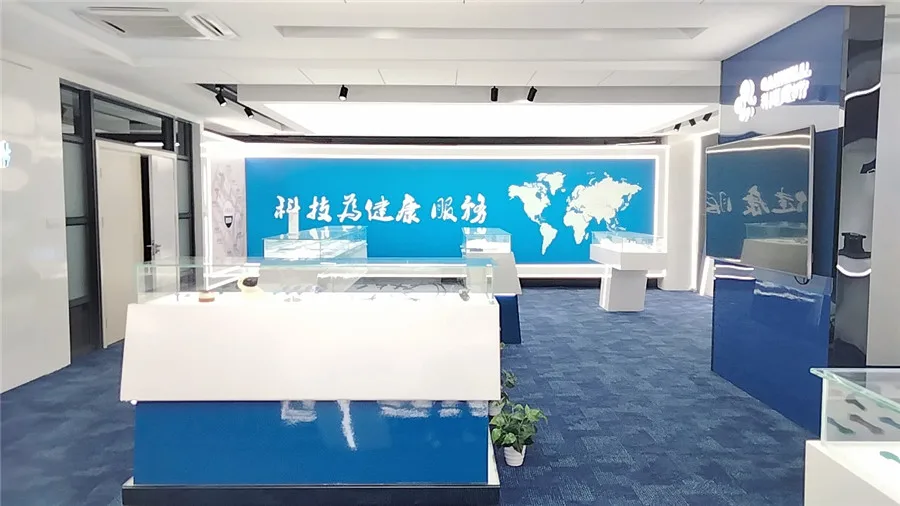
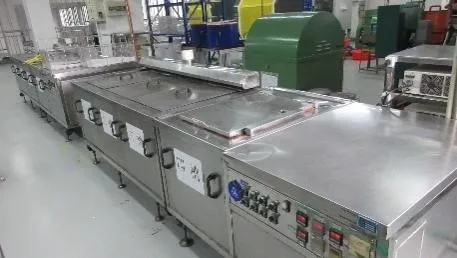
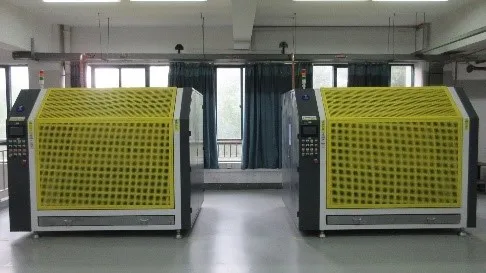
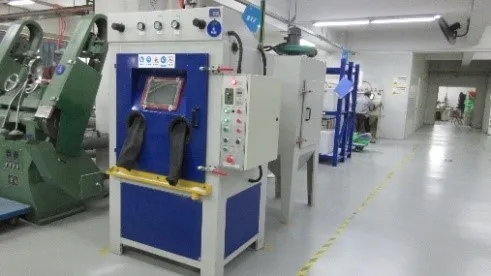
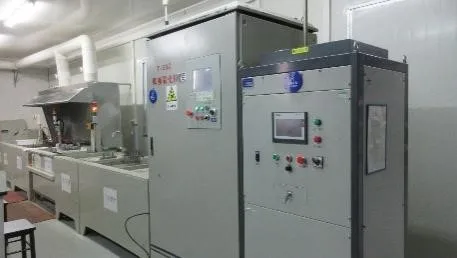
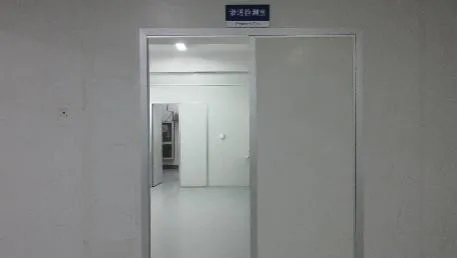
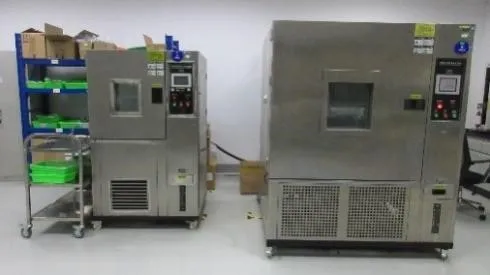
Photos of our advanced orthopedic manufacturing plant, cleanrooms, and testing facilities.
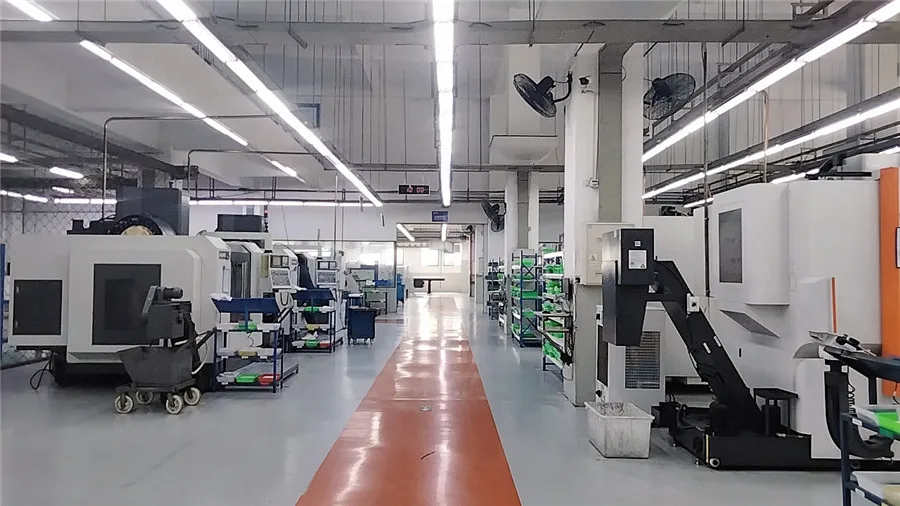
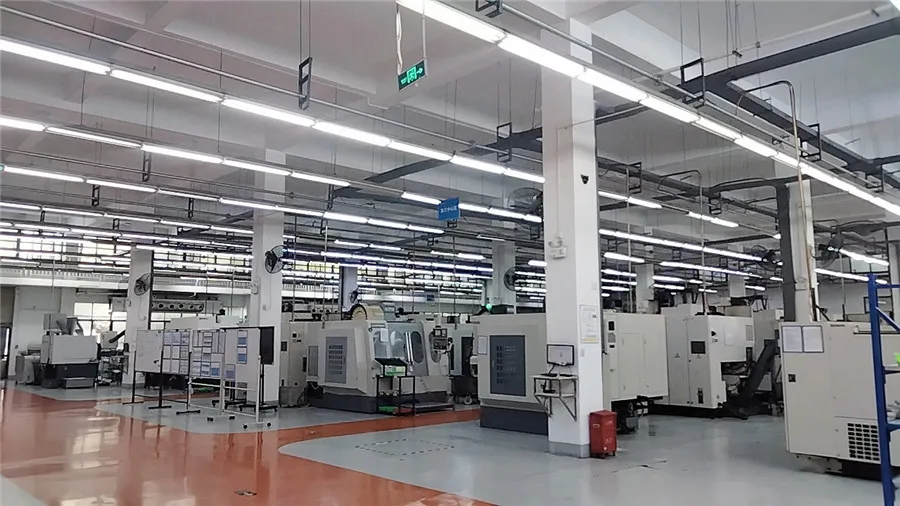
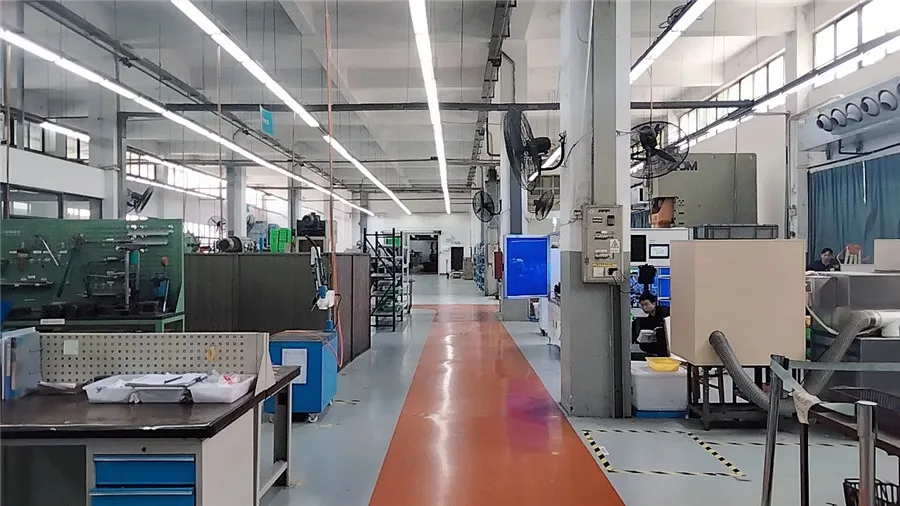
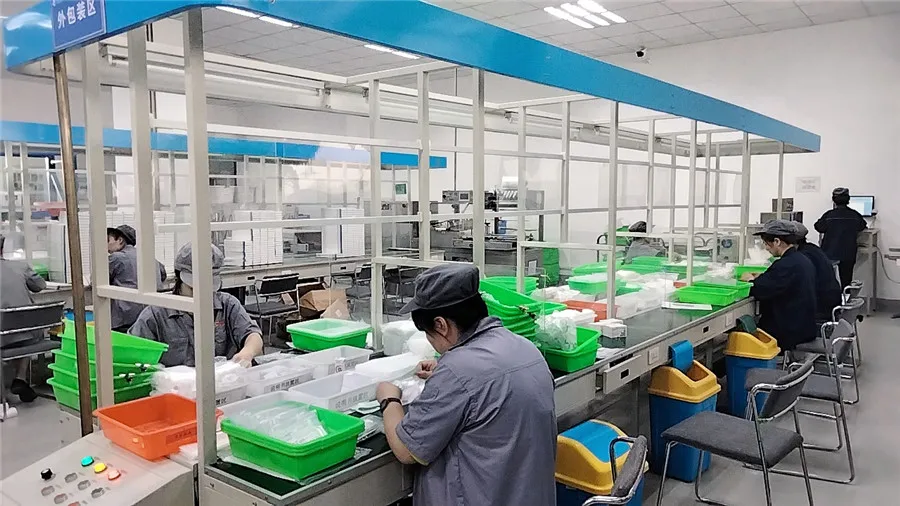
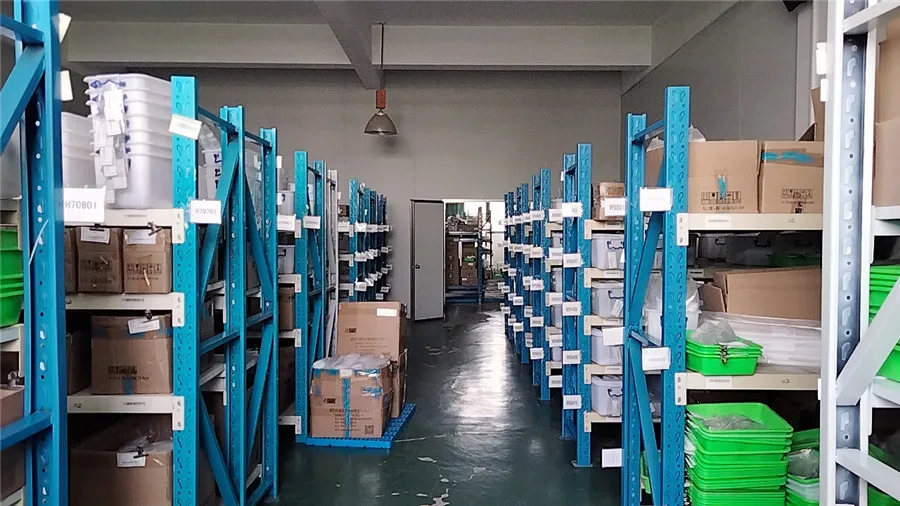
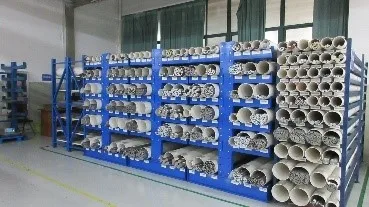
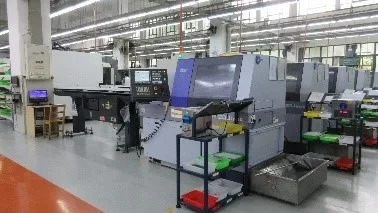
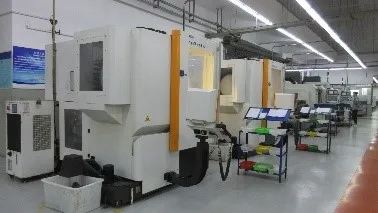
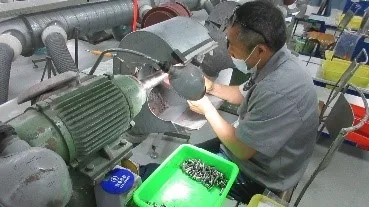
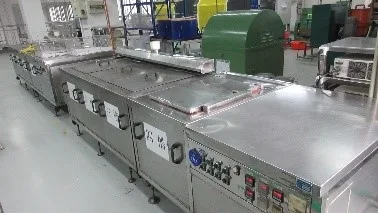
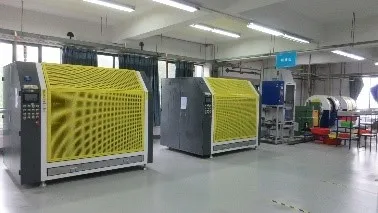
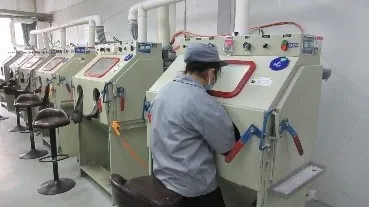

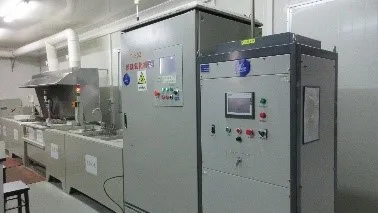

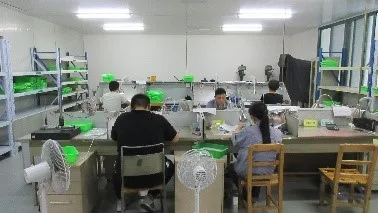
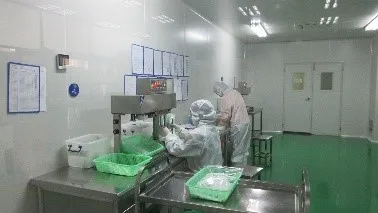
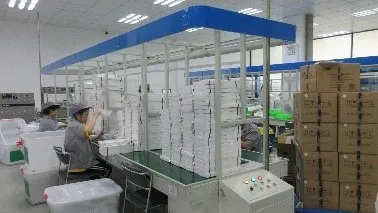
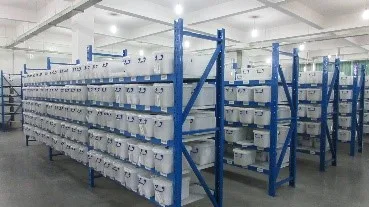
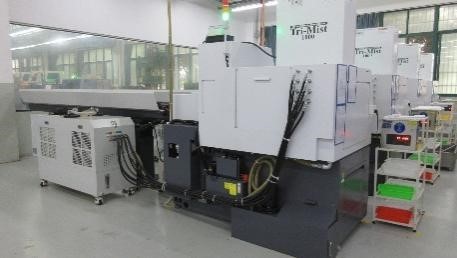
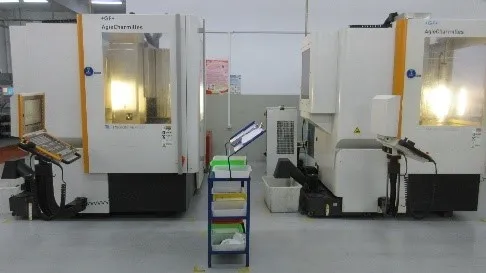
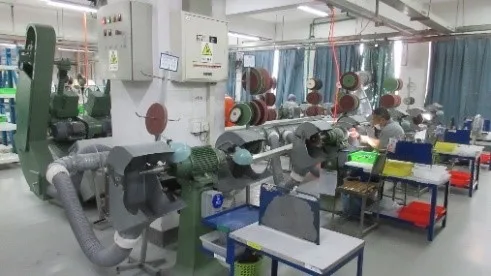
Addressing technical specs, compliance framework, and OEM production capabilities.
Complete system offerings for total joint arthroplasty, trauma, and sports medicine reconstructions.
 Harney-Well